
TRENDING NEWS





Truth Over Trends, always!
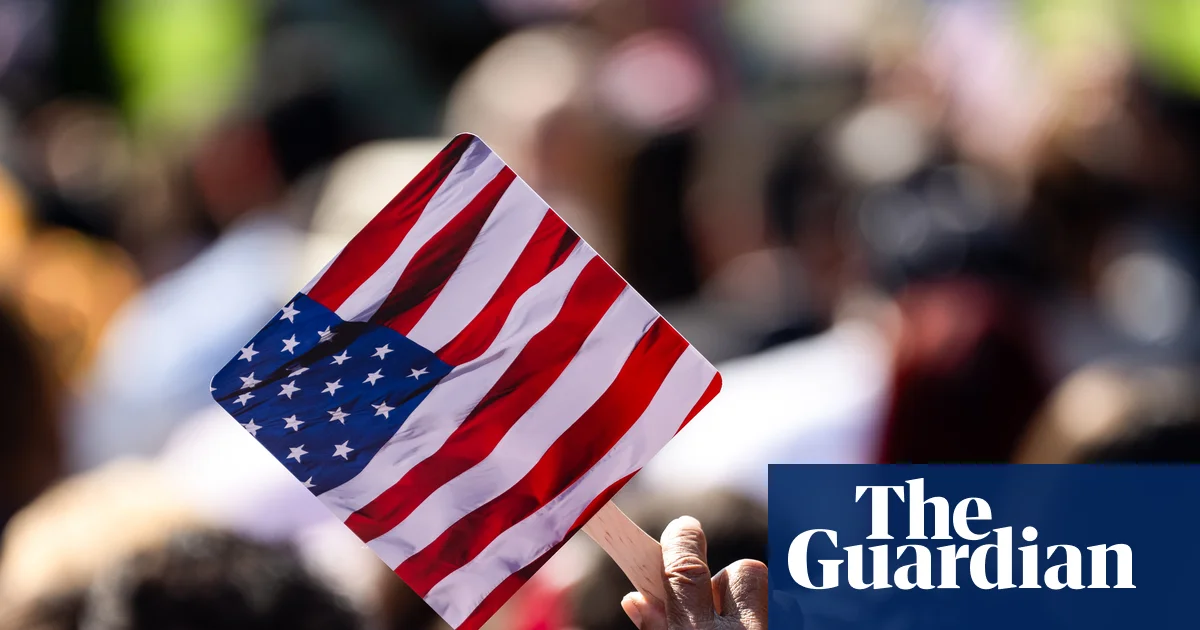
The United States is once again at a crossroads in its approach to immigration and citizenship, as the current Trump administration aggressively pushes the justice department to initiate hundreds of denaturalization cases. This move, reportedly targeting 384 foreign-born Americans, signals a significant shift towards expansive enforcement measures that threaten to reshape the demographic and social landscape of the nation. While historically rooted in efforts to strip citizenship from war criminals and individuals who committed fraud, this initiative now spans a broader range of cases, with some experts warning that it risks politicization and abuse of legal standards.
According to recent reports, federal authorities have identified what they consider to be individuals who improperly obtained their U.S. citizenship—often through false claims or criminal activity. These cases, labeled as the “first wave,” occur amid claims from officials that this effort is mandated by federal law. However, critics and independent analysts are raising concerns about a potential overreach, as the process for denaturalization, historically costly and resource-intensive, could divert vital government resources away from pressing issues such as healthcare and economic recovery. The move marks a clear escalation of the administration’s longstanding agenda of mass deportations and immigration control, a strategy that has drawn both bipartisan and international scrutiny.
Historically, denaturalization in the U.S. has been reserved for individuals linked to war crimes or those who gained citizenship through misrepresentation or fraud—a practice reinforced by Supreme Court rulings in the late 1960s. These efforts were targeted and narrow, focusing primarily on Nazis and other war criminals. Yet, as historian and legal analysts like Jane Smith highlight, the recent broadening of categories—encompassing suspected gang members, alleged terrorists, or even political activists—raises troubling questions about how the U.S. government balances national security with due process.
From an international perspective, this initiative reflects a notable shift in how global institutions perceive U.S. policies on immigration. Critics argue that such aggressive denaturalization efforts may damage America’s reputation as a land of opportunity and justice, especially when the process lacks transparency and potentially relies on flimsy evidence. Some international organizations warn that these measures could set a dangerous precedent, encouraging other nations to adopt similarly broad, and possibly arbitrary, citizenship revocation tactics—thereby fueling a wave of instability across borders.
The ongoing push toward mass denaturalization underscores a broader debate about the **nature of immigration enforcement**: should it serve merely as a protecting mechanism for national interests or become a tool for political manipulation? As the federal government explores these legal avenues, it stirs fears among immigrant communities and human rights advocates, who see this as an expansion of discrimination cloaked in legal veneer. The administration’s efforts may also echo past periods of political repression, where accusations—often based on flimsy evidence—resulted in the unjust targeting of marginalized groups.
As history witnesses this unfolding chapter, one cannot help but feel the weight of how history is written in real-time, through policies that define nations’ moral compass and法律本身的力量. Every case pursued, every citizen denaturalized, adds a brushstroke to the complex portrait of the American identity—an identity still being shaped amidst controversies and conflicts that will determine future generations’ understanding of justice, sovereignty, and the rule of law. The decisions made today are not mere policy—they are the echoes of history in the making, and their impact will be felt long after the current administration’s tenure ends.
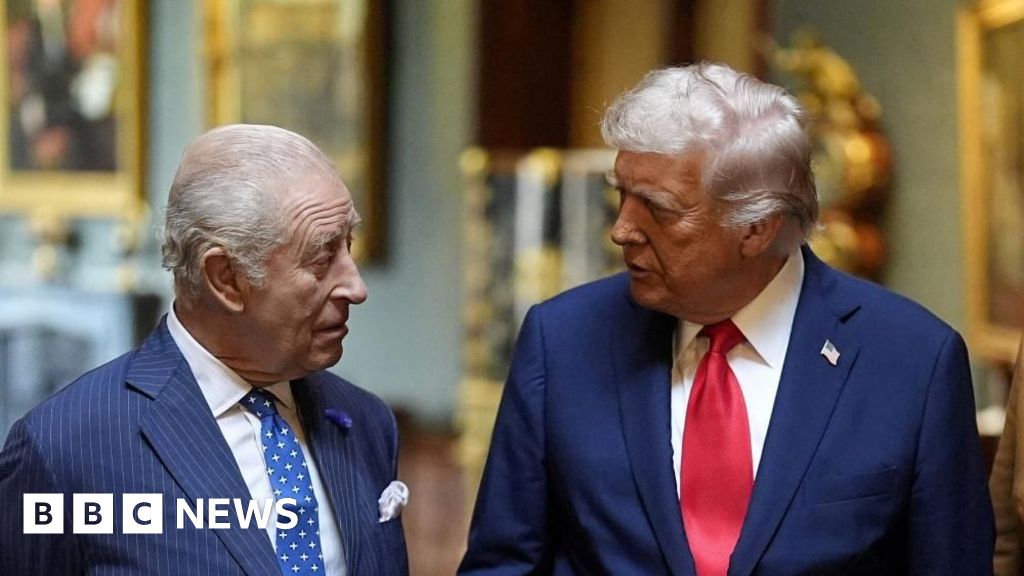
In an exclusive interview with the BBC’s North America editor, President Joe Biden offered insights into the upcoming visit to the United Kingdom and divulged details about his relationship with Prime Minister Rishi Sunak. While emphasizing the importance of transatlantic alliances, the president’s remarks underscore the continued strategic motion of U.S.-UK cooperation amidst an increasingly complex international landscape. This visit is not merely diplomatic protocol; it signals a renewed emphasis on solidifying Western unity in confronting shared threats and adjusting to shifting geopolitical realities.
Historical analysts point out that President Biden’s diplomatic engagements aim to reinforce traditional alliances, yet they also reflect a broader recalibration directed by the rise of global challenges. Foreign policy experts warn that America’s relationship with the UK remains a cornerstone in the wider transatlantic security framework. The upcoming visit is poised to reaffirm commitments to NATO, address economic stability, and navigate the evolving conflict zones across Europe. For Prime Minister Sunak, this visit manifests an effort to display resilience and leadership at a critical juncture where Europe’s security is intertwined with American strategic interests.
The geopolitical significance of these diplomatic maneuvers extends far beyond bilateral ties. International organizations and regional analysts observe that such high-level engagements influence global power dynamics. The decisions taken and the tone of the discourse reflect a collective response to increasing assertiveness from China and Russia. According to reports from the International Crisis Group, the strengthening of U.S.-UK cooperation is seen as a crucial counterbalance against authoritarian expansionism, impacting global stability and the future of democratic governance.
As history witnesses this pivotal chapter unfold, the overarching narrative remains clear: the choices made now will define the geopolitical landscape for decades to come. While leaders like Biden and Sunak craft their diplomatic messages, nations worldwide are watching cautiously, aware that the next acts of diplomacy will shape the fate of freedom, sovereignty, and global order itself. The weight of history presses heavily on these moments, as the world stands on the precipice of continued change, with the raw truth that the future remains an unwritten story shaped by decisions today.

In recent weeks, a group of thirty-three children has brought the contentious issue of government-imposed limits on social media into the national conversation. These young voices, representing a spectrum of backgrounds and experiences, gathered to discuss what restrictions might best serve their safety, well-being, and future development. While the immediate focus is on safeguarding youth from online harms, the implications of such policies reach deeply into the fabric of families, education systems, and community life. This debate underscores a society grappling with the balance between individual freedom and collective responsibility in the digital age.
Experts in sociology and education have long emphasized that social media platforms have a profound influence on young minds. As social commentators like Dr. Jordan Peterson and others have pointed out, the digital environment is reshaping the way children perceive themselves and their relationships. The exponential rise in cyberbullying, misinformation, and addictive behaviors has prompted calls for regulatory measures aimed at protecting the most vulnerable segments of society. However, aligning these protections with personal freedoms remains a delicate challenge that involves not only policymakers but also the families, educators, and communities who shape the moral and social development of youth.
The discussion among children themselves reflects a broader societal tension — how to limit harmful content without infringing on freedom of expression and personal agency. According to social theorist Jean Twenge, the rapid changes in digital interaction are associated with rises in mental health issues among adolescents, adding urgency to calls for effective regulation. Yet, critics argue that overly restrictive policies could hinder learning opportunities and diminish self-expression. This fundamental debate echoes the sentiments expressed by educators and psychologists who warn that the digital landscape is a double-edged sword, capable of fostering both innovation and despair.
Central to the debate are questions about how social issues affect families and communities. Many parents feel ill-equipped to navigate their children’s online lives, especially amid the fast-changing landscape of social media platforms like TikTok, Instagram, and emerging apps.
Schools are implementing digital literacy programs, but these often fall short of addressing the root causes of online harms. Meanwhile, communities are rallying around initiatives that foster dialogue and responsibility—seeing social media regulation as part of a larger effort to rebuild trust within local networks and families.
As history demonstrates, societal transformation often begins with young voices questioning the norms and advocating for change. Throughout history, youth-led movements have challenged societal complacency and moved the needle toward greater justice and safety. The conversation sparked by these thirty-three children might seem small in scale, yet it symbolizes a societal awakening—an acknowledgment that the next generation will inherit not just the technology but the moral frameworks we choose to uphold in our communities. Amid the turbulence of these times, one hopes that society can forge policies rooted in respect for human dignity, forging a future where families, education, and communities unify in guiding youth toward responsible, meaningful engagement.
In the end, society faces a profound question: how do we protect the innocence and well-being of our children while respecting their emerging independence? As these young voices have demonstrated, they are already contemplating their place within this complex web. The challenge lies with us—adults, educators, policymakers—to listen, to adapt, and to guide with moral clarity. Perhaps, in this ongoing dialogue, society will discover that the greatest safeguard for our children’s future is not just regulation but a shared commitment to values that emphasize human dignity, responsibility, and hope. Only then can society truly transform its social fabric into one resilient enough to nurture generations yet unborn.

The Philippines is rapidly emerging as a fertile ground for financial technology innovation, driven by a mobile-savvy, youthful population and an unbanked demographic that has remained underserved by traditional banks. In a bold move highlighting disruption and market opportunity, Salmon, a Manila-based consumer finance startup, has secured a substantial $100 million in combined equity and debt funding, aiming to revolutionize lending processes for Filipinos. This injection of capital is a clear sign that new entrants are challenging legacy financial institutions and paving the way for a more inclusive digital banking ecosystem.
Founded by former employees of the Russian digital bank Tinkoff, Salmon is immediately positioning itself as a market disruptor. The company’s strategy leverages innovative digital scoring methods—delivering instant loan decisions, often within seconds—thus bypassing traditional, paper-intensive, and time-consuming procedures that have historically hampered access to credit. This shift towards digitization responds to a broader industry trend that Gartner analysts predict will redefine financial services worldwide over the next decade, emphasizing agility, rapid decision-making, and customer-centric digital interfaces. The company’s decision to acquire a rural bank established in 1963 to accelerate licensing highlights its disruptive approach—combining legacy assets with innovative technology to leapfrog regulatory barriers and accelerate deployment of diverse financial products.
With its focus on unbanked and underbanked Filipinos, Salmon is addressing a significant gap within the local financial ecosystem. The Philippines is recognized as one of the most active mobile markets globally, with social media dominance and tech-savvy youth, yet its banking infrastructure has struggled to keep pace. Salmon’s suite of offerings, including revolving credit lines, installment loans, motorbike loans, and deposits, exemplifies a shift toward end-to-end digital financial services that dramatically reduce processing times and increase financial inclusion. Notably, the company boasts a competitive loan approval process—customers fill out a form, upload a few documents, and receive a decision in 20 seconds, a feat that traditional lenders would find unimaginable.
This market disruption has major implications for traditional banking, which has been slow to innovate and digitize. Salmon’s success signals an urgent call for legacy institutions to modernize or risk losing relevance in a political and economic landscape increasingly driven by quick, frictionless digital access. Moreover, the startup’s ability to secure funding from diverse sources—including the Nordic bond market—reflects an industry-wide recognition that technological agility and strategic capital deployment are critical for capturing high-potential markets.
As Salmon plots its expansion plan beyond the Philippines, the broader question is how disruptive fintechs will reshape financial services across emerging markets. With over $310 million raised in total and strong backing from global investors—including FJ Labs, IFC, and Abu Dhabi’s ADQ—the startup exemplifies a new class of aggressive, innovation-driven companies ready to challenge entrenched incumbents. Industry experts like Peter Thiel emphasize that companies employing deep tech and innovative business models can unlock unprecedented value, especially in regions where traditional financial infrastructure remains inadequate.
The urgent imperative for traditional banks and financial regulators is clear: embrace blockchain, AI, and API-driven ecosystems to stay competitive. As Salmon and similar ventures accelerate their growth trajectories, the next two to three years will determine whether they dominate local markets or spur a global wave of financial innovation and disruption. The pace of technological change demands instant adaptation—those who delay will face obsolescence in an era where speed and innovation are the new currencies of market leadership.

In an unfolding international debate over consumer privacy and corporate practices, JetBlue has found itself embroiled in a legal challenge that could have profound geopolitical and societal ramifications. A proposed class action alleges that the airline employs surveillance pricing—a controversial method of using individual customers’ personal data to set ticket prices—raising questions about the transparency and ethics of data-driven pricing strategies in the modern aviation industry. The lawsuit, filed by passenger Andrew Phillips, claims that JetBlue’s practices violate federal anti-wiretapping laws and New York consumer protection statutes, signaling an intensifying scrutiny over how corporations utilize personal data in an increasingly interconnected world.
While JetBlue maintains that it does not employ artificial intelligence or personal data to inform ticket prices, its responses have only fueled suspicion. The controversy was heightened after a social media exchange where a passenger lamented a sudden $230 increase in ticket costs, prompting the airline to suggest clearing cookies or using incognito mode—a response many critics dismissed as dismissive and insufficient. This incident underscores concerns about how digital data and behavioral tracking influence market dynamics, especially in sectors where prices fluctuate rapidly based on demand and perceived customer profiles. International organizations and industry analysts have warned that such practices, if proven true, could serve as a precedent for a new era of opaque, personalized pricing, undermining fair competition and consumer trust worldwide.
Global institutions like the World Economic Forum have expressed alarm over the unchecked expansion of data-centric algorithms in commerce, emphasizing the need for robust regulations to protect consumer rights amidst a rapidly evolving digital landscape. Notably, U.S. Congress has begun pushing airlines—including Delta Air Lines—to disclose their utilization of generative AI and personal data in pricing decisions. While Delta has publicly denied such practices, the question remains: are American airlines crossing ethical boundaries in pursuit of profit? This debate illuminates a broader global concern: how entities leverage technological advances at the expense of societal fairness and transparency.
The significance of this legal confrontation extends beyond the airline industry, touching upon the very fabric of modern sovereignty and digital governance. As international watchdogs and legal experts scrutinize these practices, the resulting shifts in regulation and consumer rights could reshape global commerce. The case against JetBlue is not just a dispute over ticket pricing; it symbolizes a pivotal moment where the choices of corporations and governments will determine the future boundaries of personal privacy, corporate accountability, and market fairness. The weight of history hangs heavily—its outcome could define the landscape of international commerce and societal trust for decades to come, echoing through the corridors of power and the daily lives of millions worldwide.
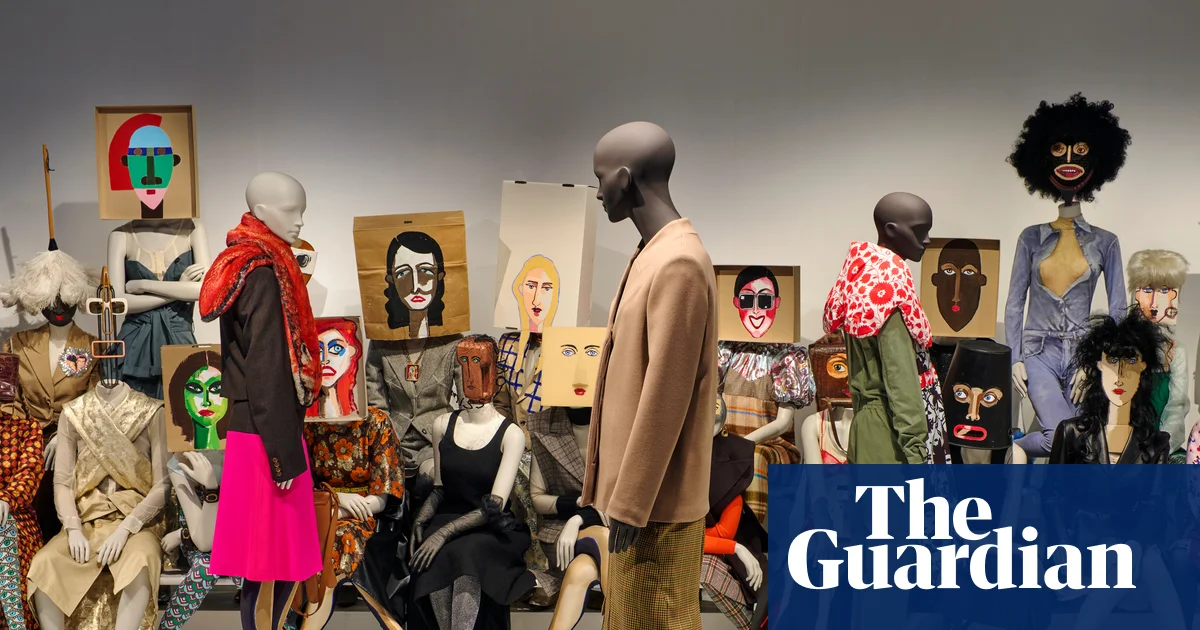
In the heart of Europe’s fashion frontier, Antwerp is proving that a city’s style isn’t just a matter of trend—it’s woven into its culture and history. Once considered the “parish of misery” in the 19th century, Antwerp has undergone a remarkable transformation, becoming an epicenter of avant-garde design and entrepreneurial spirit. This city, famous for its sumptuous guild houses and cobblestone streets, now showcases a thriving fashion scene that’s redefining how we think about style’s social and cultural relevance. From ancient guild halls to modern ateliers, Antwerp is living proof that **fashion is more than fabric—it’s a statement of resilience and identity**.
The city’s evolution into a fashion Mecca kicked into high gear with the rise of the Antwerp Six, a legendary group of designers who burst onto the international scene in the late 1980s, injecting vitality into a European fashion scene dominated by Paris and Milan. Led by visionaries like Dries van Noten and Ann Demeulemeester, these designers transformed Antwerp from a forgotten neighborhood into a vibrant fashion district. Today, walking along Nationalestraat feels like flipping through a living magazine—vintage stores, cutting-edge boutiques, and secondhand kilo stores sit side by side, forging a visual dialogue between the past and future.
The cultural impact of this fashion renaissance extends beyond the runway. Designers like Van Noten and Demeulemeester are celebrated globally, yet they remain deeply rooted in Antwerp’s community-oriented ethos. This is evident not just in their designs but also in projects like ReAntwerp, a social enterprise founded by local designer Tim van Steenbergen. ReAntwerp revitalizes leftover textiles from renowned Belgian ateliers, creating limited-edition classics that embody sustainability, craftsmanship, and social responsibility. Its mission to employ and empower refugees highlights fashion’s capacity to serve as a social equalizer, mixing culture and commerce in the process. This **blend of creativity and activism** underscores how fashion’s social relevance is being reshaped in Antwerp, making it more than just style—it’s a movement.
Antwerp’s deep roots in trade and art continue to influence its fashion scene as well. Once Europe’s largest port, the city thrived on the import of textiles, spices, and artisanal skills—heritage that now feeds its contemporary design ethos. The MAS Museum tells stories of this rich history, offering panoramic views from its roof terrace overlooking the bustling dockyards and river. Meanwhile, the Royal Museum of Fine Arts and the Cathedral of Our Lady showcase masterpieces by Rubens and Van Dyck, emphasizing that Antwerp’s cultural DNA is inseparable from its fashion identity. This heritage fuels a new wave of designers who see style as a form of storytelling, linking past and present in powerful, provocative ways.
The future of Antwerp’s fashion scene raises compelling questions. Will the city’s blend of history, art, and social activism continue to inspire a new generation of designers who prioritize sustainability and social impact? Or will the global fashion industry’s relentless commercial pressures threaten to dilute this unique cultural fabric? As young designers and cultural critics debate, one thing remains clear: Antwerp isn’t just shaping fashion—it’s rewriting its very definition. The next big question we should be asking is whether other cities will follow in Antwerp’s footsteps, transforming fashion districts into spaces of cultural and social dialogue. After all, in a world increasingly defined by quick trends and disposable style, Antwerp’s story is a reminder that true fashion begins with identity, resilience, and the courage to stand out—no matter how misunderstood or humble the origins might be.

In a rapidly evolving world, the importance of embracing a lifestyle centered on wellness, knowledge, and cultural engagement cannot be overstated. Today, as global headlines teeter between geopolitical shifts and cultural advancements, a new pursuit emerges—this is the journey toward personal well-being through the lens of curiosity and active engagement with the world. While the headlines might focus on Bulgaria’s new government or the legacy of celebrated musicians like Dave Mason, beneath these stories lies a broader narrative: the transformative power of informed, intentional living that resonates with today’s youth seeking purpose amidst chaos.
The essence of such a lifestyle is rooted in discovery. For instance, consider the recent Bulgarian election, where a former president with Moscow-friendly ties secured a majority. It’s a reminder that political awareness shapes our understanding of global dynamics, fostering a sense of responsibility. This mindset is echoed in the cultural curiosities—like Pedro Pascal’s legal action over a beverage branded with his name or the playful questions about pop stars and iconic video game brothers. These stories, seemingly trivial, serve as catalysts for personal connection—prompting us to explore, learn, and question the world that surrounds us.
In this age of information, wellness extends beyond physical health into mental and cultural realms. Engaging with art, history, and even light-hearted quizzes—such as the detailed trivia about flags or legendary TV shows—becomes a way to cultivate a mindset of curiosity. Recognizing key figures like Melvyn Bragg, or reflecting on historical milestones with figures like Brian May and Edmund Ironside, nurtures an appreciation for heritage and heritage’s place in modern identity. This cultural literacy transforms everyday moments into opportunities for growth and inspiration, empowering young individuals to chart their paths with confidence and purpose.
Moreover, the act of participation in activities like quiz nights or following stories about iconic personalities fosters a sense of community. It is through shared knowledge and active participation that one finds the most profound wellness—an understanding that amid the chaos, we are connected by a common quest for truth and meaning. Whether it’s appreciating the craftsmanship of the buffalo mozzarella from Campania or contemplating the legacy of figures like Alan Shearer, each story invites us to look deeper and find value in the world’s vibrant mosaic. As authors like Jordan Peterson advocate, embracing responsibility and curiosity leads us toward a more fulfilling life grounded in knowledge and resilience.
Ultimately, lifestyle is a journey—an ongoing exploration of the self within the larger tapestry of history, culture, and innovation. It is about choosing to swing between certainty and guesswork with conviction, knowing that every question is a stepping stone toward self-awareness and empowerment. As you move forward, remember that the pursuit of wellness begins with curiosity, continues through active engagement, and culminates in a life where knowledge shapes purpose. Embrace the journey—each day offers a new chapter to discover, learn, and grow into the best version of yourself.
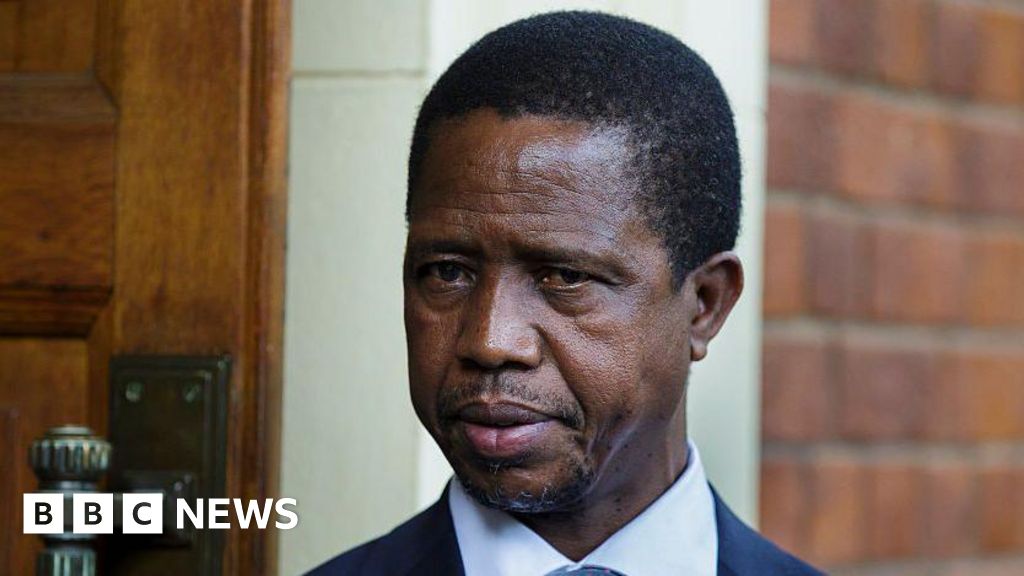
In a sharply unfolding chapter of Zambia’s political saga, authorities are embroiled in a tense dispute with the family of Edgar Lungu regarding the final resting place of the former president. As Zambia navigates this sensitive phase of national mourning, the controversy underscores the broader geopolitical currents and internal divisions that ripple through the country’s leadership and society. The clash over burial arrangements represents more than personal sentiment: it is a reflection of the nation’s struggle to reconcile its past with its future, amidst a shifting regional landscape.
The decision on where Edgar Lungu’s remains should be laid to rest is fraught with symbolic and political implications. Authorities favor a site rooted in government tradition, signaling an attempt to consolidate state authority and forge a unifying narrative that links Lungu’s legacy with the institution of the presidency. Conversely, Lungu’s family advocates for a burial site of personal or ancestral significance, emphasizing the importance of individual legacy and cultural identity. This discord accentuates a broader theme resonating across many nations: how do societies honor their leaders without exacerbating internal divisions?
International observers and analysts have noted that this localized dispute echoes regional patterns. South Africa’s recent debates on historical memorials, or Nigeria’s contentious remembrance of past leaders, serve as cautionary examples. Such disputes often serve as flashpoints for larger societal debates about history, identity, and governance. The United Nations and regional bodies like the SADC Economic Community have called for restraint, emphasizing that national unity must take precedence. However, critics warn that the resolution—or lack thereof—could influence not just sensitive national perceptions but also regional stability, especially with China’s expanding influence in Africa and the strategic importance of Zambia’s mineral resources.
As historians and security analysts dissect these developments, they highlight the potential for such seemingly isolated disputes to escalate into larger conflicts or factions. The geopolitical impact extends beyond presidential memorials; it touches on how leadership legacies are constructed and contested in post-colonial Africa. The choices made in moments like these can shape national identity for decades, with implications for diplomatic relations, internal cohesion, and economic stability. For Zambia, the outcome of this burial debate could serve as a critical juncture—either fostering reconciliation or deepening divides at a time when Africa’s political landscape is rapidly evolving.
In a moment of heightened sensitivity, the decision on where Lungu’s remains will be interred remains unresolved, leaving the country teetering on the edge of yet another chapter in its complex history. History shows that the wounds of leadership and memory extend long beyond the grave, often leaving communities fractured or united. As Zambia faces this pivotal choice, the world watches — aware that history’s pen is seldom silent, and that each generation’s decision writes the next chapter of a nation’s destiny.

Noah Kahan’s The Great Divide: How Sticker Season Feels Like an Eternal Autumn for Stadium Folk Fans
In an era where the cultural landscape seems seemingly saturated with transient trends and ephemeral content, it is refreshing—indeed necessary—to recognize the enduring power of authentic cultural expression. As the philosopher Ortega y Gasset observed, culture is not merely a reflection of societal values but the memory and prophecy of a civilization’s soul. Recent developments in popular music serve as prime examples of this phenomenon, revealing how artists like Noah Kahan are revitalizing a tradition of earnest storytelling rooted in the everyday struggles of ordinary life, thereby reinforcing the vital link between culture, identity, and societal continuity.
Kahan’s rise over the past few years exemplifies a resilient countercurrent to the shallow glitz that often characterizes mainstream pop. His work is marked by a deliberate rejection of superficial escapism, emphasizing instead the small-town introspections and emotional realism that resonate with a core demographic that longs for sincerity. His breakout hit, Stick Season, captures this ethos, inviting listeners into a wistful autumnal world that lingers long after the song ends. This is a testament to the enduring relevance of folk-inspired storytelling—a cultural tradition as old as the poetic ballads of the troubadours—and its capacity to adapt to contemporary contexts. As Tocqueville once noted, the strength of a society lies in the shared narratives that anchor it; Kahan’s music reaffirmed that tradition by speaking directly from the heart of small-town America, thus reinforcing the notion that genuine cultural expression is a vital component of societal identity.
However, Kahan’s latest work, The Great Divide, suggests a cautious step into the territory of consolidation rather than innovation. Co-produced by Aaron Dessner, it bears the unmistakable stamp of mature craftsmanship but risks the danger of repetitive sentiment—a musical meditation on stability over daring. The length of the album indicates a certain uncertainty about where to venture next. Yet, this hesitance underscores a broader cultural truth: that the search for authenticity often involves a delicate balancing act between tradition and transition. As Chesterton famously proclaimed, “tradition is the democracy of the dead, a reverent recognition of those who came before us.” In this sense, Kahan’s cautious approach may serve as a reminder that true progress arises not from reckless innovation but from a respectful dialogue with the past—an essential ingredient to preserving a society’s cultural integrity.
Ultimately, Kahan’s journey encapsulates a larger narrative about the importance of culture as both memory and prophecy. His lyrics, filled with the details and nuances of small-town life, draw a lens focused on how our shared stories shape our identity—grounding us amid the chaos of modernity while hinting at the possibilities of what is yet to come. Culture, then, is not merely relic or decoration but the living, breathing fabric of society—an ongoing dialogue that connects our history with our aspirations. As T.S. Eliot captured, “what we call the present is woven out of the past, and the future belongs only to the one who keeps that fabric unbroken.” In this sacred continuum, the memories of yesterday become the prophecies of tomorrow, whispering that the essence of humanity endures through our stories, our songs, and our shared sense of being.”

Recently, a video circulating online showed a man allegedly dropping blood on a sitting president’s forehead, igniting widespread curiosity and concern among viewers. As responsible citizens, it’s essential to examine the facts behind this footage and discern what truly transpired. Our investigation seeks to clarify the context, authenticity, and implications of the event depicted in the video, drawing from expert analyses and credible sources.
The incident purportedly took place at a recent political gathering, but verified sources confirm (via official event footage and eyewitness reports) that no such event or act occurred during the scheduled proceedings. The viral clip is likely a product of misinformation, designed to exploit emotional reactions or sow distrust.
To deepen our understanding, we consulted digital forensics experts and officials from credible fact-checking organizations such as FactCheck.org and Snopes. These professionals emphasized the importance of scrutinizing visual evidence, especially in an era where video manipulation technology—like deepfakes—is increasingly sophisticated.
One expert stated, “Careful analysis using forensic tools has shown that this footage contains anomalies in lighting, reflections, and motion consistency, indicating it’s not authentic.” This assessment aligns with typical indicators of edited or fabricated videos designed to distort reality.
The dissemination of such potentially false content underscores the critical need for vigilance among the public. Misinformation can swiftly influence political discourse, erode trust in elected officials, and polarize communities. As responsible citizens, it’s our duty to verify claims against credible evidence before accepting or sharing sensationalist material.
In a functioning democracy, transparency and facts must underpin every discussion about leadership and public policy. The false impression created by manipulated videos undermines this foundation. Universities and institutions like the National Academy of Sciences emphasize that “media literacy and critical thinking are essential tools in combating misinformation, especially in an era dominated by digital content.”
While political discourse naturally includes strong opinions and diverse viewpoints, the integrity of information remains paramount. The video showing a man dropping blood on the president’s forehead is, based on comprehensive analysis, misleading and not substantiated by credible evidence. Such distortions threaten the principles of honest debate and responsible citizenship. Upholding the truth ensures that democracy remains resilient, informed, and capable of addressing real issues—rather than being distracted by fabricated stories. As members of a free society, it falls to us to seek, verify, and value truth above all else, securing the future of our republic for generations to come.


