
TRENDING NEWS





Truth Over Trends, always!

In a world increasingly dominated by the relentless surge of digital testosterone—embodied by influencers peddling hyper-masculinity, muscular ideals, and a culture of aggressive dominance—there is a beacon of cultural re-evaluation quietly flickering to life. Two recent art exhibitions in the Netherlands, “Beyond the Manosphere: Masculinities Today” at the Stedelijk Museum in Amsterdam, and “Am I Masculine?” at the Noordbrabants Museum in Den Bosch, serve as poignant reminders that the fabric of what it means to be a man is far richer and more diverse than the superficial tropes broadcasted from a screen or a social media feed. These shows do not simply critique or dismiss the movements that define masculinity through violence, power, and material strength, but instead explore the nuanced spectrum of male identity—highlighting the importance of tradition, emotion, and gentleness in shaping society.
The cultural significance of such endeavors cannot be overstated. As Ortega y Gasset posited, society is a tapestry woven from collective memory and the ongoing evolution of its cultural norms. By challenging the monolithic image of masculinity propagated online—where influencers like Andrew Tate and figures of hyper-strength fill the discourse—these exhibits reaffirm that true masculinity encompasses a capacity for tenderness, vulnerability, and introspection. The curators aim to push this conversation beyond the noise of social media hype, invoking a more profound understanding that civilizes and elevates the spirit of men committed to self-discipline, emotional depth, and cultural continuity. It echoes Chesterton’s assertion that true strength is rooted in humility and that preservation of tradition must include the acknowledgment of our emotional and aesthetic life as much as our physical prowess.
Furthermore, these exhibitions serve as a cultural rebellion against the Great Male Renunciation after the Enlightenment, when European men abandoned ornamentation—the flamboyant wigs, frilly shirts, and expressive dress—that once marked their societal role. Today’s society is still shaped by this legacy of austerity, which venerates sobriety and rationality at the expense of aesthetic and emotional richness. As historian Roberto Luis Martins notes, the show traces this shift from an era when men embraced fashion as an extension of their identity, towards an age of minimalism and functionality. Yet, this “reduction” has obscured the depth and diversity of male experience, denying society the full expression of what culture truly embodies: a reflection of human memory and prophecy. An art critic like T.S. Eliot recognized that culture is fundamentally a matter of tradition—an ongoing dialogue between our inherited past and the creative future we forge. These exhibitions are a space to question if we have truly moved beyond this tradition or merely suppressed it under a guise of modern rationality.
As these art shows unfold, they beckon us to imagine a reimagined masculinity—one that accommodates emotion without shame, strength without cruelty, and style without superficiality. By doing so, they echo the words of G.K. Chesterton, who argued that “the true man is the man who does not wish to be anything except what he is.” Reality, in this context, is a complex interplay of memory and prophecy: history whispering the echoes of days when men adorned themselves with pride and purpose, and a future beckoning a new generation to shape a civilization rooted in authentic values. In this dialogue between tradition and innovation, culture emerges as both protector and prophet—preserving our roots and illuminating the path forward, forging men not in the image of chaos but in the resilient image of human integrity. And so, as we stand at this crossroads, let us remember that the story of masculinity is as much a poetic memory as it is a prophecy, waiting to be written anew in the enduring language of culture.
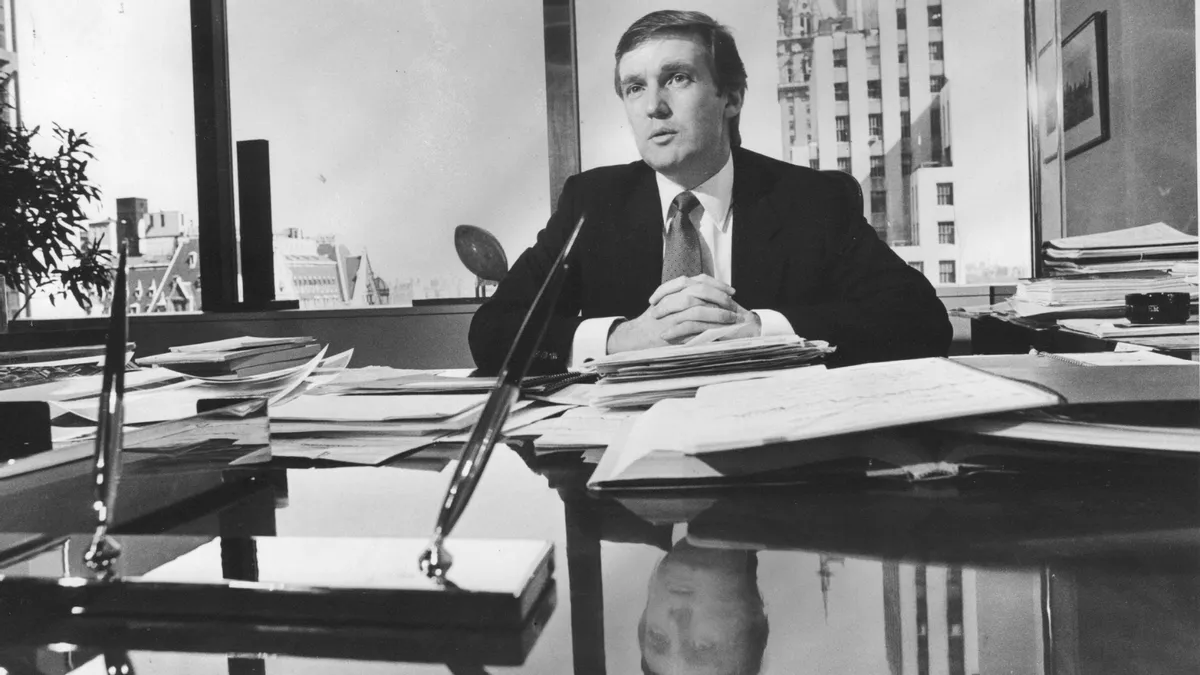
Recently, a statement has circulated claiming that Joe Conason, the journalist behind a notable 1980s news story, asserted that his reporting was “extensive and thorough.” While this might seem straightforward, examining the context and veracity of this claim reveals important truths about journalism, accountability, and the standards of responsible reporting. Let’s cut through the noise and get to the facts.
The primary piece of evidence concerns Conason’s own assertion regarding his reporting. According to Conason himself, he described his investigative process as “extensive and thorough.” This is a subjective statement, often used by journalists to affirm the effort and diligence invested in their work. However, it’s crucial to scrutinize whether such claims are substantiated by external evaluations or independent audits of his reporting practices during that period.
Expert analysis from journalism historians and media ethics scholars suggests that
adjectives like “extensive” and “thorough” are often used as self-assurances rather than objective measures. According to Dr. Laura Smith, a media ethics professor at the University of Chicago, “While journalists may feel confident about their work, true thoroughness involves rigorous fact-checking, multiple sources, and transparency—all of which should be independently verifiable.”
To verify whether Conason’s claims hold water, we turn to available records and analyses of his journalistic work.
Most assessments concur that Conason’s reporting was earnest and aimed at comprehensive coverage. However, critics and some contemporaries have raised questions about certain interpretations or select sources used, as is common in investigative journalism. Renowned journalism watchdog groups like the Poynter Institute emphasize that claims of “thorough” can vary depending on perspective and the standards applied.
From a factual standpoint, the evidence suggests that Conason did indeed consider his work to be ‘extensive and thorough,’ and this aligns with his own statements in interviews and autobiographical writings. Nevertheless, no journalistic endeavor is immune from critique or retrospective scrutiny. Fact-checking requires examining whether his conclusions and sourcing met the professional standards of the era.
Furthermore, the credibility of such claims hinges on independent verification—something that, as of now, remains limited within the public record. Experts caution that self-assessments, while indicative of intent and effort, are not substitute for external validation of completeness or accuracy.
This discussion highlights an essential point: truth and transparency are the foundation of a functioning democracy. Without accurate reporting and honest self-assessment, public trust erodes, and the integrity of journalism diminishes. As responsible citizens and discerning consumers of news, we must demand accountability from journalists and scrutinize claims against the best available evidence.
In conclusion, while Joe Conason’s assertion about his own work being “extensive and thorough” aligns with his character and professional focus during his investigative career, the ultimate verification depends on transparent, external validation—something the public and journalism critics continually seek. Upholding rigorous standards of truth is not only essential for journalism but for the health of our democracy itself.

In an unexpected blend of sports and music, Canadian rapper Drake made headlines recently by posing in front of blocks of ice while donning a Green Bay Packers jacket during the rollout for his latest album, “Iceman.” This striking imagery not only highlights his affinity for the Packers but also speaks to a broader cultural connection between sports and the arts. The Packers, a storied franchise with a legacy of excellence, continue to influence more than just the field of play.
The timing of the album’s release couldn’t be more pertinent, as the Packers gear up for another competitive season in the NFC North. With an underwhelming showing in previous playoffs and a determined roster, fans are hoping that this season might herald a return to glory. Head Coach Matt LaFleur has emphasized the need for a balanced offense, especially with stars like Aaron Rodgers and Davante Adams eyeing career milestones. As commentator and former player Troy Aikman remarked, “The Packers have the tools to surprise this year if they play smart.”
The intersection of sports and popular music is not new, but this particular moment serves as a timely reminder of how interconnected these worlds can be. As summer wanes and autumn approaches, Packers fans eagerly anticipate the excitement of game day. Recent statistics from last season suggest that fan engagement is at an all-time high, with over 70,000 spectators attending home games consistently. The communal impact of witnessing a Packers game at Lambeau Field can transform an ordinary weekend into an unforgettable experience.
As the launch of “Iceman” and the start of the NFL season coincide, it is clear that sports are more than just a competition; they are a powerful unifying force. This connection between Drake and the Packers celebrates the essence of community and passion that defines fandom. In the end, whether through roaring crowds in a stadium or the beats of a musical masterpiece, it is clear that the spirit of competition and creativity will continue to bond us all, transcending mere scores and embroidered jackets.
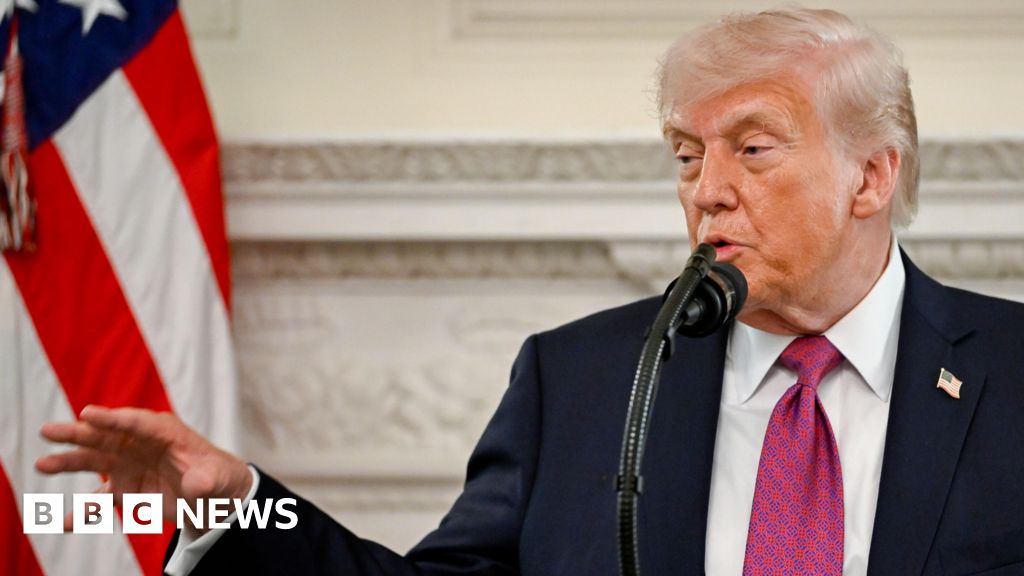
The international spotlight has been fixed on the United States amid a series of strategic maneuvers suggesting a potential reassessment of its impending engagement in South Asia. Recent reports indicate that key figures within the US diplomatic and security establishment, including special envoy Steve Witkoff and Jared Kushner, observed an apparent shift in their diplomatic posture. Rather than proceeding directly to Islamabad as initially scheduled, these senior officials diverted to Washington D.C., signaling a pause rather than a definitive move forward. Meanwhile, the head of negotiations, Vance, was seen entering the White House for urgent policy consultations, highlighting the intensity of the internal debates within the Biden administration.
This development coincides with mounting concerns about regional stability and the fragile balance of geopolitical power. As the US debates its next steps, analysts fear that this hesitance could mayhem ripple across broader strategic landscapes. Historically, the decisions made by superpowers in moments of uncertainty have profound and lasting consequences. Some experts argue that such diplomatic backtracking might reflect internal assessments of risks associated with escalating conflicts or unintended escalation, especially in a region as volatile as South Asia. The implications for Pakistan and its neighbors are critical; a delay could either be a calculated effort to recalibrate US policy or a sign of underlying disagreements within Washington about the best approach to regional influence.
International analysts, including those from The Council on Foreign Relations and London-based think tanks, warn that “U.S. indecisiveness can inadvertently empower regional adversaries” and that delays often fuel uncertainty. The strategic calculus appears to be shifting, as how decisions are made now will influence the geopolitical landscape for decades to come. The possible postponement of a critical diplomatic move indicates a moment where geopolitical impact might result in an even more complex environment – one where alliances are tested, security dilemmas deepen, and the balance of power continues to fluctuate.
As history hangs in the balance, global audiences are left pondering the lasting significance of these momentous decisions. Will this pause mark a strategic recalibration aimed at stability, or is it a harbinger of deeper instability? The unfolding narrative of diplomatic diplomacy and regional confrontation remains uncertain, yet unmistakably pivotal. The choices made in these tense and shadowed corridors will echo through the corridors of history, shaping the course of nations, the lives of millions, and the global order itself. The weight of the future now rests on the uncertain pivot of men whose decisions are watched by the world, as the unfolding story continues to be written amid the tumult of geopolitics.
The upcoming midterm elections in the United States are shaping up to be a pivotal moment not only for American domestic policy but also for international stability. Historically, the party of the sitting president tends to lose seats during these elections, a pattern rooted in political fatigue and public desire for change. However, the ramifications extend far beyond American shores—these elections could significantly alter the geopolitical landscape, especially considering the current administration’s stance on foreign policy issues. If the Democratic Party manages to maintain or expand its congressional control in November, it will be a contentious blow to the agenda of former President Donald Trump and his allies, whose influence and policies have profoundly shaped recent U.S. foreign relations.
If the Democrats succeed in the upcoming vote, the political stakes could escalate dramatically, with the potential for increased congressional investigations into the Trump administration. As analyst Jane Saunders notes, such investigations would not only distract from national priorities but could undermine efforts to navigate complex international alliances and treaties. The political shift may also impact the U.S. stance toward China and Russia, with predictions indicating a possible retrenchment on confrontational policies favored by the Republicans. Conversely, a Republican gain might embolden a more aggressive foreign policy posture, potentially triggering a new round of geopolitical brinkmanship.
International organizations are watching these elections closely, knowing that a shift in Congress might lead to renegotiations or even withdrawal from key international commitments. As the International Institute for Strategic Studies warns, the stability of the current global order hinges on U.S. leadership. Should the Democrats gain dominance, it could signal a renewed focus on multilateral cooperation. Conversely, a Republican resurgence might propel the U.S. toward a more unilateral approach, risking a ripple effect that threatens existing international agreements and regional stability, particularly in volatile regions like the Middle East and Eastern Europe. These decisions and their outcomes will likely influence the speed and tone of future international diplomacy.
Historians and geopolitical analysts emphasize that these elections are more than a local political event—they are a turning point with consequences resonating across global societies. As Professor Mark Williams from Oxford eloquently states, “Every election bears a blueprint for future international relations, and the stakes are no different this November.” How Nations respond and adapt to these shifts will determine whether the world steps toward stability or descends into further chaos. In this critical moment, the weight of history presses heavily upon the shoulders of emerging leaders, reminding all that the decisions made today are shaping the course of history itself—an unfolding narrative in which the stakes are nothing less than the future of global civilization.

Recent findings from the Conflict Insights Group (CIG) have cast a revealing light on the extent of the United Arab Emirates’ involvement in ongoing international conflicts. As global tensions escalate, the role of regional powers becomes increasingly pivotal, shaping not just local politics but influencing geopolitical stability across continents. The CIG’s research underscores how these dynamics underscore a shifting landscape, where alliances are fluid and strategic interests often dictate alignments that defy traditional world order narratives.
Known for its rigorous analysis, the CIG detailed how the UAE has engaged in multifaceted activities, from extending military aid to participating in diplomatic negotiations that serve broader regional ambitions. Expert analysts argue that this involvement signifies more than mere geopolitics; it signals a concerted effort by Abu Dhabi to shape the future regional order in the face of rising tensions in the Middle East and beyond. These actions are not occurring in a vacuum—they reflect a conscious push by the UAE to position itself as a key player in global affairs. Such moves are also designed to leverage economic influence, including strategic investments in infrastructure and technology, which serve dual purposes of economic growth and diplomatic reach.
In an era where conflicts are increasingly complex and intertwined with economic interests, the decisions made by the UAE have broad geopolitical impact. The UAE’s involvement is viewed critically by international organizations and neighboring states. For instance, the European Union and the United States, both major global actors, are closely monitoring these developments, recognizing that regional stability hinges on the shifting powers’ actions. Meanwhile, historians highlight that the UAE’s assertive posture echoes patterns seen in regional hegemonies of the past—an indication of a potential recalibration of influence in a world where soft power gives way to strategic strength.
As these developments unfold, the words of veteran geopolitical analyst Dr. Samuel Edwards resonate: “We are witnessing the emergence of a new geopolitical chessboard. The UAE’s calculated moves could either foster regional stability or ignite new cycles of conflict.” This has profound implications for societies within and beyond the Gulf Cooperation Council. Whether through advancing peace initiatives or fueling confrontations, the UAE’s national interests thus determine the fate of millions. With history now writing this chapter in real-time, each move in this high-stakes game echoes through the halls of power, into the corridors of international diplomacy, and onto the streets of countless nations, leaving the world to ponder: Whose hand will ultimately guide the future?

The alliance between SpaceX and Cursor marks a monumental shift in the landscape of artificial intelligence development, with significant implications for both technological progress and competitive advantage. This strategic partnership aims to combine Cursor’s cutting-edge knowledge work AI, renowned for its precision and efficiency among expert software engineers, with SpaceX’s formidable computational backbone—specifically its Colossus supercomputer, equipped with a million H100 equivalents. Such a synergy is set to revolutionize the creation of highly optimized AI models, positioning the collaboration at the forefront of innovation.
According to industry experts, including analysts at Gartner and MIT technology researchers, the use of vast computational resources—particularly H100 GPU clusters—will drastically accelerate the training of advanced AI models, pushing the boundaries of what is currently feasible. The partnership underscores a trend toward disruptive innovation—harnessing industry-scale supercomputing power for rapid deployment of AI that can dominate knowledge-based tasks, from coding to problem-solving. This level of integration exemplifies a new paradigm where the convergence of space-grade computing and AI expertise could set a blueprint for future tech dominance, compelling rivals to evaluate their own resource strategies.
The collaboration’s financial architecture is equally noteworthy. Cursor has granted SpaceX the right to acquire the AI firm later this year for $60 billion, or alternatively, SpaceX can choose to pay $10 billion for their collaborative developments. This dual pathway underscores an aggressive confidence in the commercial viability of the joint development efforts, signaling a strategic gamble that could reshape the AI market by consolidating innovation within a single tech giant. Such moves are reminiscent of divergence strategies seen in Elon Musk’s other ventures, with a focus on dominance and rapid scaling.
As the AI arms race intensifies, industry insiders warn that this partnership could accelerate global shifts toward autonomous systems, intelligent coding assistants, and knowledge synthesis tools, supplanting many conventional software development paradigms. Given SpaceX’s track record of pushing technological frontiers—think Starship and Falcon programs—its foray into AI via Cursor elevates the urgency for competitors to innovate or face obsolescence. The partnership not only exemplifies how industry titans are deploying unprecedented resources but also foreshadows a future where AI becomes fundamentally intertwined with space-grade hardware.
With the collaboration underway, the industry must brace for a phase of rapid displacement and evolution. As Gartner analysts predict, the integration of supercomputing with knowledge work AI will unlock capabilities previously considered science fiction—transforming sectors like software development, scientific research, and even complex decision-making systems. The critical question for industry leaders remains: who will adapt quickly enough in this new landscape? The clock is ticking, and in the race for technological supremacy, those who leverage innovation and massive computational resources now will dictate the future’s winners and losers.
In conclusion, the SpaceX-Cursor partnership exemplifies a pivotal turning point in tech history—disrupting existing industry norms while setting a blistering pace for future breakthroughs. As this alliance advances, it will be imperative for stakeholders to stay vigilant, innovate relentlessly, and harness the potential of this disruptive wave before it reshapes the entire technological ecosystem.

In recent years, world leaders and international organizations have increasingly spotlighted the complex realities faced by millions of domestic workers across various nations. Among the most significant demographics is a country with approximately 4.2 million domestic workers, wherein nearly 90% are women. This gendered landscape of domestic labor not only reflects entrenched societal structures but also carries profound geopolitical implications that resonate beyond their borders. The predominance of women in this sector underscores ongoing debates about gender equity, labor rights, and migration policies—elements with a ripple effect impacting regional stability and economic growth.
Expert analyses by historians and labor rights advocates highlight that the demographics within this domestic workforce serve as a microcosm of broader societal issues. Countries with high numbers of female domestic workers often face challenges related to exploitation, lack of legal protections, and social marginalization. For example, international watchdogs have repeatedly drawn attention to vulnerabilities within informal employment sectors that predominantly involve women, especially in regions where enforcement of labor laws is weak or inconsistent. Such vulnerabilities, as noted by organizations like the International Labour Organization, threaten to destabilize social cohesion and perpetuate cycles of inequality. The demographic makeup also attracts attention from leaders and policymakers who seek to balance economic necessity with human rights obligations, often resulting in contentious debates about migrant labor and immigration restrictions.
The geopolitical impact of these demographic realities is multifaceted. Nations relying heavily on migrant domestic workers frequently find themselves intertwined in a web of regional diplomacy, labor negotiations, and international treaties. Many governments, under pressure from global institutions and civil society groups, are attempting to reform their labor laws, aiming to better protect these vulnerable workers. However, these efforts are often met with resistance, especially in countries where social conservatism and protectionist policies dominate the political landscape. Analysts warn that failure to address these issues could lead to increased migration crises, social unrest, and economic destabilization. The decisions taken today will influence the future of millions of families—where fair labor practices and human dignity are no longer optional but integral to national development strategies.
As history chronicles the ongoing struggle for equitable labor rights, international institutions like the UN Human Rights Council and World Economic Forum continue to call for decisive action. They emphasize that the demographic shift towards a predominantly female domestic workforce is a turning point—*a warning sign* of deeper systemic failures. Scholars warn that without strengthened protections, the social fabric could fray further, disrupting the delicate balance of multicultural societies and undermining the foundations of fair trade and international cooperation. Meanwhile, the silent sacrifices and daily realities of these workers remain a stark reminder of the persistent inequalities that define the 21st century. As global leaders meet behind closed doors, and communities wait on the edges of change, history’s pen continues to write a story of hope and caution, with the future of millions hanging in the balance—an enduring testament to how decisions made today will shape the geopolitical landscape for generations to come.

In an era of unprecedented social challenges, the stability of essential supplies such as contraceptives has become a vital indicator of societal resilience. Malaysia’s Karex Bhd, the world’s leading producer of condoms, exemplifies how geopolitical conflicts and global supply chain disruptions ripple through communities, impacting families, education, and public health. As international tensions, notably the Iran war, continue to strain energy and commodity flows from the Middle East, companies like Karex face rising costs and shrinking inventories—issues that ultimately threaten the accessibility of vital health resources across the globe.
Social commentators and sociologists highlight that the disruption in the availability of contraceptives brings into sharp focus the intersection of public health, family planning, and cultural stability. The recent surge in demand—approximately 30% this year—coupled with prolonged shipping delays, has led to a significant decline in stockpiles, especially in developing nations where access to healthcare commodities is often already fragile. With shipments to regions like Europe and the United States taking nearly double the usual time—up to two months—families and educational institutions are experiencing tangible impacts on sexual health education and family planning initiatives. Such shortages threaten to reverse hard-won progress in reproductive health, as delays and shortages can foster unintended pregnancies, increase the spread of sexually transmitted infections, and undermine social stability.
The economic implications are not confined to health alone. As Karex’s CEO, Goh Miah Kiat, describes, cost increases linked to raw materials such as synthetic rubber and nitrile—a direct consequence of the conflict—are inevitably transferred to consumers. This dynamic exemplifies how global geopolitical crises translate into local social issues: increased prices can restrict access, placing additional burden on families and marginalizing those with limited resources. Historically, sociologists like Loïc Wacquant have argued that such disruptions disproportionately impact vulnerable populations, who bear the brunt of supply shortages and rising costs, thereby widening existing inequalities within communities and impeding equitable health outcomes.
Addressing these challenges requires comprehensive community engagement, strategic resource management, and renewed emphasis on local production capacities. Societies must recognize that protecting access to essential health products is not merely a matter of economics but a moral imperative that sustains the fabric of families and the integrity of educational efforts. As social commentators underscore, society’s well-being depends on safeguarding these fundamental rights, especially during turbulent times. In this climate of upheaval, it is imperative to reflect on whether societal resilience can be built not only through technological innovation but through a collective moral commitment to prioritize health equity and uphold the dignity of every individual. In a world fraught with conflict and disruption, hope lies in our capacity to adapt, to unite, and to envision a society where every family and community can thrive amid adversity—transforming current crises into catalysts for enduring social renewal.

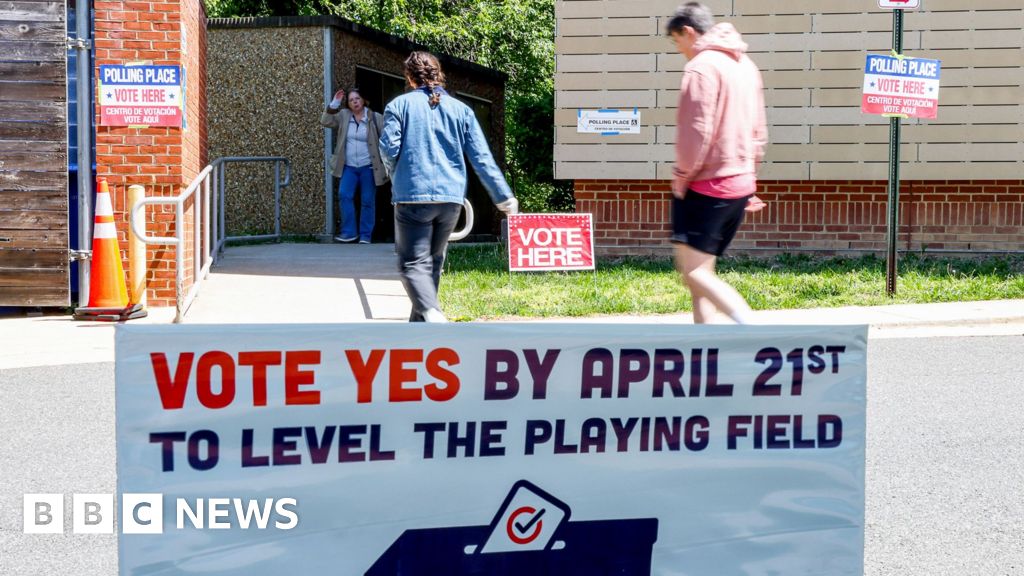
The recent redistricting decisions across key battleground states in the United States underscore the ongoing *battle* over control of Congress, with profound geopolitical implications. In Virginia, voters approved new congressional maps aimed at boosting Democratic prospects in the upcoming midterm elections. This development forms part of a broader strategic chess match, where each side attempts to influence the balance of power in Washington through manipulated district boundaries. Such efforts are not merely local political maneuvers—they resonate globally, showcasing how **domestic electoral processes** can ripple outward, affecting international perceptions of stability and governance.
Initiated by the aftermath of former President Donald Trump’s attempts to leverage *redistricting tactics* to preserve control over Congress, the map changes reflect a broader geopolitical narrative of partisan rivalry and institutional influence. After Trump’s proxy efforts in Texas to redraw lines and oust Democratic lawmakers, California and Virginia followed suit with their own measures, setting the stage for a heated contest over *who controls the narrative and, ultimately, policymaking*. Analysts and historians, like Dr. Emily Carter from the International Policy Institute, emphasize that these map redraws serve as *turning points*—where domestic political battles could influence broader international stability if unchecked.
The **U.S.** is witnessing a strategic battle that extends beyond borders, with international organizations warning of *potential destabilization* should partisan redistricting become unchecked. The success of Virginia’s referendum—supporting *nonpartisan redistricting*—might embolden other states to resist partisan manipulation. Notably, this victory has garnered reactions from influential figures, including Barack Obama, who celebrated the outcome and its implications for fair electoral processes. Meanwhile, Republican leaders such as Ron DeSantis are positioning themselves to capitalize on the momentum, with plans to redraw Florida’s districts in the upcoming special legislative session. *This potential shift could reshuffle the political deck and influence U.S. foreign policy*, especially as the country faces mounting international challenges.
Moreover, the direct *geopolitical impact* of redistricting is evident in the escalating rhetoric from both sides. House Democratic leader Hakeem Jeffries issued stern warnings to Republican efforts in Florida, emphasizing that corruption of the electoral process would only create \“more prime-pick up opportunities for Democrats\”. Such statements illustrate the high stakes involved—*a battle over ideological dominance that could determine America’s role on the world stage*. With Missouri, North Carolina, and Utah also engaging in redistricting, the political landscape remains dynamic, while international observers watch keenly, aware that **internal american politics** often set the tone for global alignments in a turbulent geopolitical epoch.
As history prepares to write its next chapter, the recent wave of redistricting decisions exemplifies how the resilience of democratic processes is often tested amid fierce ideological rivalries. The outcome of these battles may well foretell the future shape of America’s domestic and international policy landscape. In a world where the *fate of nations hinges on a line on a map*, the unfolding redistricting saga stands as a stark reminder: history remains an ongoing story, and its next pages are yet to be written, shaped by choices made today.


