In an era where institutions falter and the very fabric of society appears frayed, the enduring power of culture emerges as both a sanctuary and a lighthouse. Like the ancient parable of the Tower of Babel, our modern world’s complexity and division underscore a profound truth: that culture—the collective memory and shared symbols of a people—constitutes the bedrock upon which society fortifies its identity and moral coherence. As Tocqueville observed, societies are held together not merely by laws or economic structures but by the moral and cultural fabric that sustains collective purpose amidst chaos. Today, amid global upheaval, this fabric is challenged, yet it remains crucial for understanding who we are and envisioning who we might become.
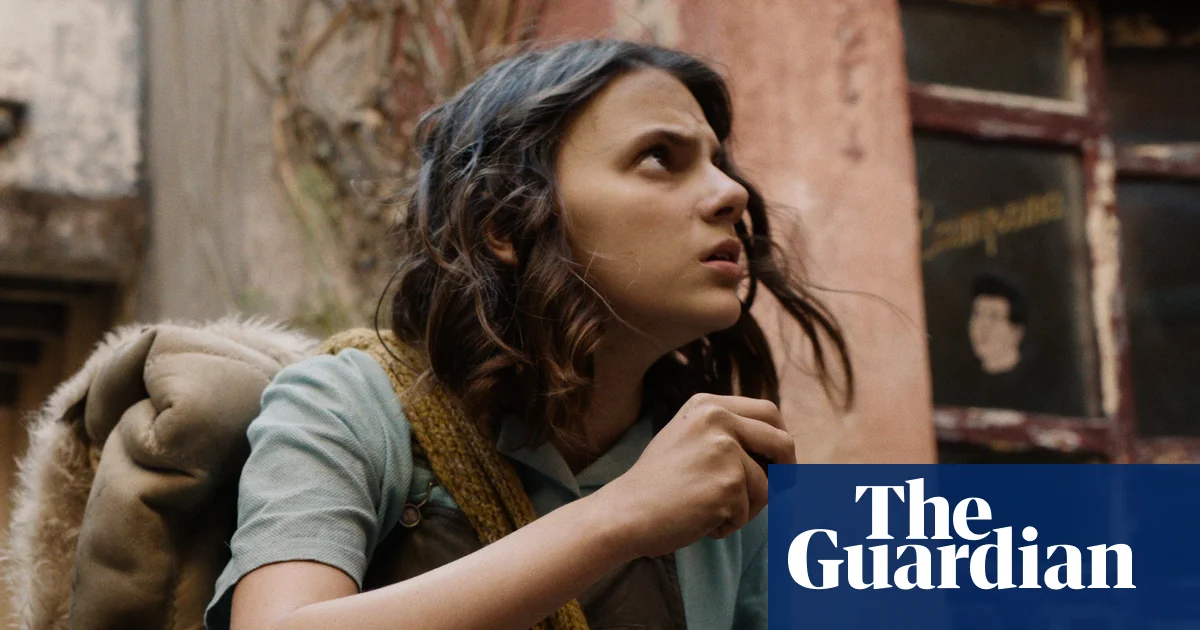
Pulling from philosophical reflections by thinkers such as G.K. Chesterton, who championed the importance of tradition and imagination in shaping a vibrant society, we recognize that cultural icons and stories serve as passing of torch—proofs of continuity and beacons of hope. The recent narratives of Philip Pullman, particularly within The Book of Dust, exemplify this understanding. His universe, where worlds collide and where myth intersects with reality, reminds us that humanity’s narrative is not merely a series of disconnected facts but an ongoing story that guides moral and spiritual development. Lyra’s evolution—once a girl of innocent curiosity, now a woman marked by loss and perseverance—reflects the essential need for a shared mythology that keeps alive the inextinguishable flame of human imagination amid a landscape of disillusionment.
This intrinsic relationship between culture and identity is echoed in the writings of Ortega y Gasset, who pointed out that the individual’s sense of self is inextricably linked with the larger story of their community. As institutions waver and markets shift unpredictably—highlighted in Pullman’s depiction of economic crises associated with mysterious rose oil—we are reminded that the symbols we cherish and the stories we tell uphold societal resilience. These narratives, often dismissed as mere entertainment, are in fact the vessel for communal memory and moral orientation; they are the language of tradition that keeps society anchored as it navigates tumultuous waters. Like Chesterton’s insistence that “tradition is the democracy of the dead,” our cultural expressions serve as a dialogue across generations, ensuring that even in the face of chaos, the narrative of human greatness persists.
Ultimately, culture embodies both memory—the record of humanity’s virtues, struggles, and triumphs—and prophecy—a vision of what can be achieved when the moral imagination is stirred. It whispers to us through art, literature, and shared rites that we are not isolated individuals but members of an ongoing story, shaped by ancestors and poised toward future heights. As T.S. Eliot reminded us, the true poet is one who recognizes that “the past is never dead; it’s not even past.” In this light, our cultural inheritance—whether in Pullman’s mythic worlds or in our own rooted traditions—becomes a guiding star, urging us to preserve what is worth fighting for, and to envision anew what humanity can achieve.