Global Politics in Unprecedented Turmoil: A Turning Point in History
In recent days, the international stage has been witnessing a series of seismic shifts, with nations recalibrating their positions in response to emerging conflicts, diplomatic failures, and strategic recalculations. United States foreign policy appears to be increasingly aggressive, as evidenced by recent military strikes against Iranian vessels near the Strait of Hormuz, a vital global chokepoint. Unclassified footage released by US Central Command shows multiple Iranian ships, including minelayers, being targeted following warnings from former President Donald Trump, who condemned Iran’s destabilizing activities and warned against laying mines in these critical waters. This escalation could deepen regional tensions and threaten global energy supplies, impacting societies worldwide.
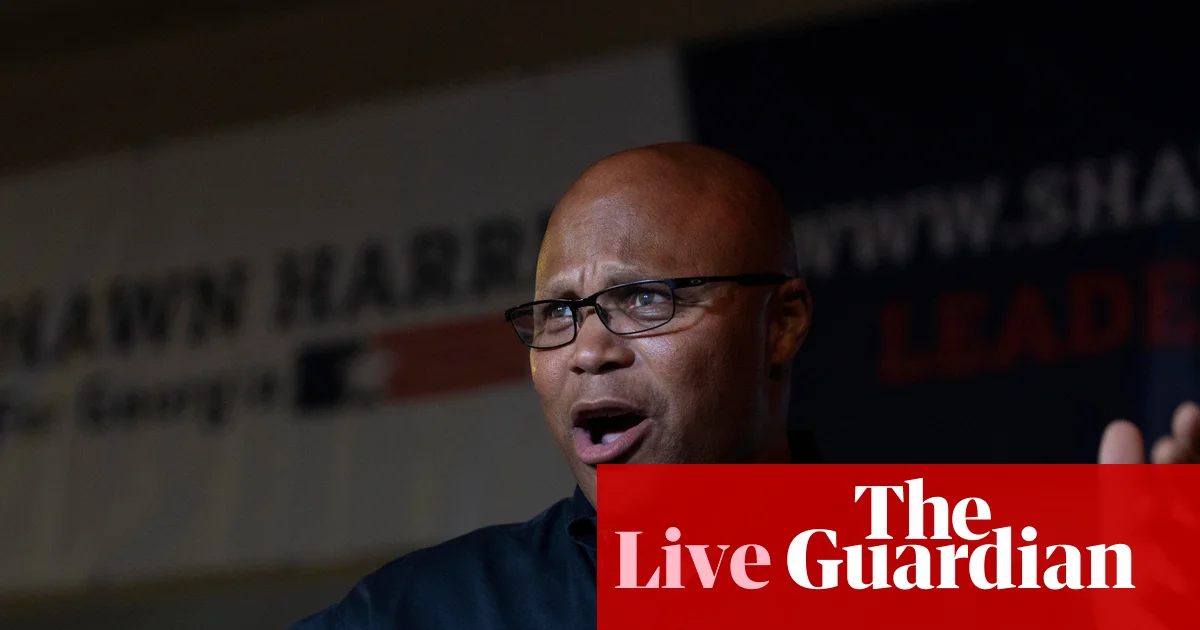
Meanwhile, in a conflicting move, the US domestically remains embroiled in political upheavals, notably in Georgia, where a rare opportunity for the Democrats to challenge entrenched GOP strongholds has emerged. In a competitive runoff, retired Army General Shawn Harris, backed by a formidable campaign effort and raising over four times as much as his Republican opponent Clay Fuller, seeks to harness a moment of political tension. Fuller’s assertion that the Republican party will unite behind him, framing it as a fight against a dangerous Democrat, reflects ongoing partisan polarization but also highlights the fragile balance in American electoral politics that could influence the broader geopolitical landscape, especially as the U.S. continues to wield immense influence in global affairs.
Shifting Alliances and Critical Policy Flaws
The internal fissures within US politics threaten to undermine its international leadership. The recent withdrawal of Trump’s nominee Jeremy Carl from a key diplomatic role after a backlash over controversial remarks underscores a broader trend: America’s political apparatus is increasingly polarized, with bipartisan opposition crippling strategic appointments. Historians and analysts suggest that these internal divisions distort America’s ability to project strength abroad, thereby inviting rivals like China and Russia to fill the power vacuum. As the US struggles with internal dissonance, nations across the globe watch warily, knowing that a weakened America risks ceding leadership on critical issues such as climate change, security, and economic stability.
Meanwhile, regional conflicts persist, exemplified by the ongoing US-Israeli interventions in Iran, which threaten to spiral into broader conflicts with far-reaching implications. The Biden administration’s inability to stabilize energy markets, with inflation stubbornly remaining at 2.4%, signals not only economic strain but also the potential for global instability if energy prices surge amid geopolitical crises. International organizations, including The UN, warn that such policy missteps could ignite conflicts that spiral beyond control, leaving societies around the world to grapple with the consequences of a fractured order.
The History Unfolds
History has repeatedly shown that in times of chaos, the stakes are enormous. Each decision — be it military strikes, diplomatic appointments, or electoral upsets — writes a new chapter in the annals of geopolitics. Analysts warn that the current trajectory echoes earlier eras when internal splits and external conflicts fueled global upheaval. The war drums in the Middle East, the tense run-offs in American politics, and the fissures within superpowers like the US all signal that we stand on the precipice of a new era—one where the decisions made today will reverberate for generations to come. The weight of history presses down, reminding us that every action is interconnected, shaping the fragile fabric of international stability.