Matox News

Truth Over Trends, always!

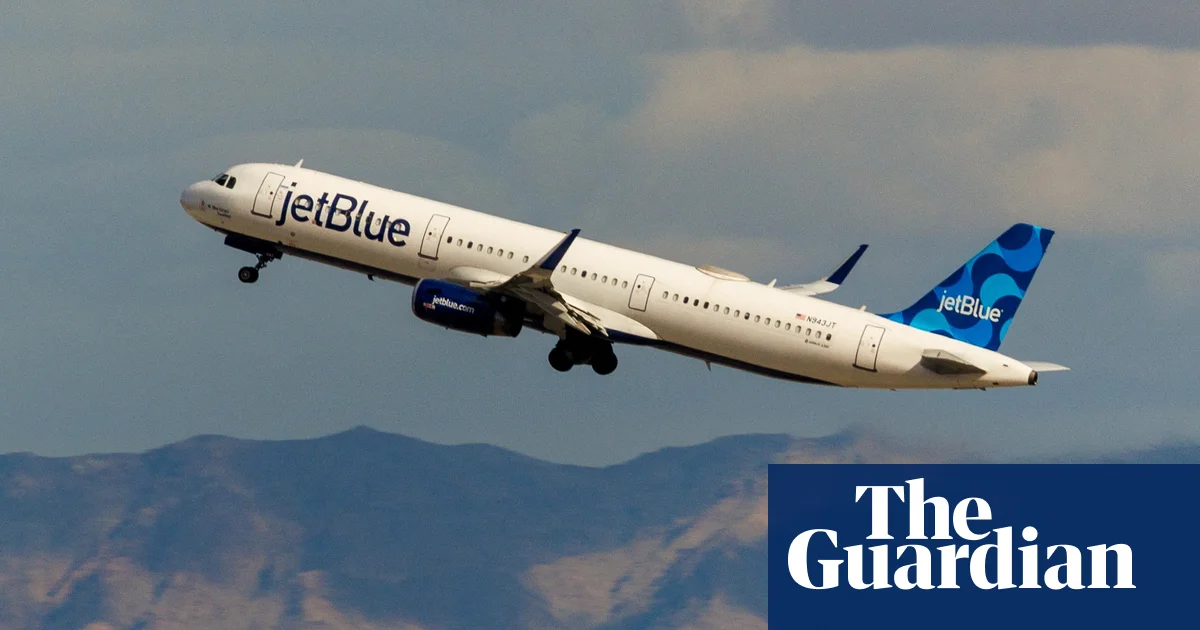
JetBlue Faces Lawsuit Over Customer Data Used to Skim Profits, Industry Under Scrutiny

JetBlue Under Legal Fire in Wake of Surveillance Pricing Allegations

In an unfolding international debate over consumer privacy and corporate practices, JetBlue has found itself embroiled in a legal challenge that could have profound geopolitical and societal ramifications. A proposed class action alleges that the airline employs surveillance pricing—a controversial method of using individual customers’ personal data to set ticket prices—raising questions about the transparency and ethics of data-driven pricing strategies in the modern aviation industry. The lawsuit, filed by passenger Andrew Phillips, claims that JetBlue’s practices violate federal anti-wiretapping laws and New York consumer protection statutes, signaling an intensifying scrutiny over how corporations utilize personal data in an increasingly interconnected world.

While JetBlue maintains that it does not employ artificial intelligence or personal data to inform ticket prices, its responses have only fueled suspicion. The controversy was heightened after a social media exchange where a passenger lamented a sudden $230 increase in ticket costs, prompting the airline to suggest clearing cookies or using incognito mode—a response many critics dismissed as dismissive and insufficient. This incident underscores concerns about how digital data and behavioral tracking influence market dynamics, especially in sectors where prices fluctuate rapidly based on demand and perceived customer profiles. International organizations and industry analysts have warned that such practices, if proven true, could serve as a precedent for a new era of opaque, personalized pricing, undermining fair competition and consumer trust worldwide.

Global institutions like the World Economic Forum have expressed alarm over the unchecked expansion of data-centric algorithms in commerce, emphasizing the need for robust regulations to protect consumer rights amidst a rapidly evolving digital landscape. Notably, U.S. Congress has begun pushing airlines—including Delta Air Lines—to disclose their utilization of generative AI and personal data in pricing decisions. While Delta has publicly denied such practices, the question remains: are American airlines crossing ethical boundaries in pursuit of profit? This debate illuminates a broader global concern: how entities leverage technological advances at the expense of societal fairness and transparency.

The significance of this legal confrontation extends beyond the airline industry, touching upon the very fabric of modern sovereignty and digital governance. As international watchdogs and legal experts scrutinize these practices, the resulting shifts in regulation and consumer rights could reshape global commerce. The case against JetBlue is not just a dispute over ticket pricing; it symbolizes a pivotal moment where the choices of corporations and governments will determine the future boundaries of personal privacy, corporate accountability, and market fairness. The weight of history hangs heavily—its outcome could define the landscape of international commerce and societal trust for decades to come, echoing through the corridors of power and the daily lives of millions worldwide.

South Africa's top cop faces charges over controversial health deal
South Africa’s top cop faces charges over controversial health deal

In a moment that could reshape elements of governance and accountability within South Africa, Fannie Masemola, a prominent figure in the country’s law enforcement hierarchy, faces serious allegations of failing in his duties to provide proper oversight. Such accusations come at a time when global stability increasingly hinges on the integrity and effectiveness of national leadership, especially in nations with emerging political landscapes. The outcome of this controversy is poised to exert a profound geopolitical impact, influencing how other nations perceive domestic stability and international commitments.

International analysts widely interpret these developments as emblematic of a broader regional and global trend: the tightening scrutiny of government officials tasked with upholding rule of law amidst growing transnational pressures. Organizations such as the United Nations and regional watchdogs have long emphasized the importance of transparency and accountability in fostering peace and stability. In this context, the allegations against Masemola could serve as a critical litmus test for South Africa‘s commitment to reform and good governance. Such internal struggles are not isolated; they resonate across continents, reminding other nations of the delicate balance between authority and oversight, especially in countries navigating economic challenges and security threats.

Historians and political analysts note that periods of internal crisis frequently precipitate shifts in diplomatic relations and can weaken a nation’s standing in the international arena. The controversy surrounding Masemola underscores how decisions within national institutions can have ripple effects—destabilizing alliances, undermining investor confidence, and inspiring both internal dissent and external skepticism. For South Africa, a country with a strategic position at the crossroads of Africa and the global economy, such internal upheaval threatens to diminish its influence and complicate efforts to address regional conflicts, economic disparity, and shared security concerns.

As the investigation into Masemola continues, the world’s watchful eye remains fixed on how South Africa will navigate this turbulent chapter. Will this crisis be a catalyst for reform, or will it expose deeper fissures within the nation’s governance framework? The decisions made now will undoubtedly echo through history, shaping reputations and alliances for generations to come. With geopolitical currents rapidly evolving and global pressures mounting, this episode underscores a vital truth: the fate of nations is inexorably intertwined with the integrity of their leaders. The unfolding story of Masemola’s controversy embodies more than a single allegory of failure; it is a microcosm of the ongoing struggle for sovereignty, justice, and stability in an uncertain world.

Midwest Faces Major Storm Threat: Weather Agency Issues Alert for Youth and Families

Celestial Fury Strikes the Heartland: A Wake-Up Call for America and the World

As a devastating series of violent thunderstorms and tornadoes tore through the Midwestern United States this week, the stark reality of nature’s fury converged with the geopolitical landscape, reminding nations of the fragile balance between human preparedness and the uncontrollable forces of the environment. Over 26 million Americans found themselves under tornado watches, with federal and state authorities sounding alarms about the impending danger. This grim cascade of weather events, captured vividly on social media and covered extensively by mainstream outlets, is a sobering testament to the intensifying patterns of extreme weather—patterns many analysts attribute to centuries of environmental neglect and global instability.

Local Chaos, Global Consequences

From the chaos in Milwaukee—where flash floods crippled essential infrastructure—to the tragic death of a man struck by lightning in Waukesha, the serious impact on local societies is undeniable. The debris-strewn towns and suffering families embody the human toll of these violent storms. Yet, what resonates beyond the immediate tragedy is an underlying narrative of a society increasingly vulnerable due to a confluence of climate change, government preparedness, and economic resilience. As American leaders mobilize emergency responses, international observers and think tanks like the World Meteorological Organization warn that such extreme weather events could become the new normal, reshaping geopolitical priorities.

Environmental and Political Underpinnings

Historically, climate experts such as Dr. William H. Frey and international organizations highlight that recent weather extremes are less anomalies and more symptoms of longstanding environmental shifts. The stark reality is that these storms threaten to destabilize rural and urban communities alike, straining emergency services and testing the limits of federal government capacity. The decision by environmental policymakers and global institutions to address rising temperatures and unpredictable weather will ultimately define the future stability of single nations and the global order. This crisis underscores an urgent need for America’s infrastructure to adapt—not just to endure, but to mitigate damages and prevent larger catastrophe.

Geopolitical Ramifications and Strategic Shifts

  • The United States faces critical internal challenges—disaster management debates, economic strains, and the social cohesion of affected communities—becoming a microcosm of global instability.
  • Internationally, powerful nations recognize that climate-induced upheaval may accelerate geopolitical shifts, as resource scarcity and environmental migration reshape diplomatic priorities.
  • Urgent geopolitical recalibrations are underway, with alliances and strategies increasingly focused on climate resilience and disaster response—areas where Western nations seek to demonstrate leadership, yet often falter under political discord and budget constraints.

Analysts warn that how the Western bloc responds to these crises—both domestically and on the global stage—will influence the trajectory of international power. The emergence of new alliances, the realignment of energy policies, and the contest over technological and financial resources will shape the unfolding chapters of history. In this densely interconnected world, the relentless march of nature’s fury tests the resolve of societies—warning that in the theater of geopolitics, complacency and inaction may prove to be the most costly mistakes of all.

As the American Midwest recovers from the latest storm, the weight of history presses heavily upon us. Each tornado, each flood, is a grim reminder that the earth’s tempests are not merely environmental, but deeply intertwined with the fabric of global power. The storm’s aftermath whispers a warning: the future of nations hinges not only on their military might and economic strength but also on their capacity to adapt to the unpredictable face of nature—a challenge that history, in its silent, relentless way, continues to write.

Former NSW MP, touted as ‘esteemed’ Liberal, faces ICAC’s ‘serious corrupt conduct’ findings at campaign event

The recent sighting of John Sidoti, a former New South Wales minister found by the Independent Commission Against Corruption (ICAC) to have engaged in serious corrupt conduct, at a Liberal party fundraiser has reignited questions about ethics, accountability, and the state of governance in Australia. Despite ICAC’s damning 2022 report, which detailed Sidoti’s involvement in using his parliamentary role to benefit family property interests, his appearance at a prominent political event signals a disturbing pattern: the blurred lines between political loyalty and accountability in the so-called fight against corruption. Analysts warn that such actions, especially when highlighted within a political context, threaten the very integrity of democratic institutions and the rule of law.

Held under the leadership of Kellie Sloane, the NSW opposition leader, the event attracted a broad spectrum of party figures, including deputy leader Natalie Ward, shadow ministers, and even federal senator Jessica Collins. Yet, the presence of Sidoti—a politician explicitly censured for wielding influence to enrich his family’s interests—raises profound questions about how political parties and their supporters handle allegations and the standards of conduct expected within democratic societies. The event was hosted without prior knowledge of Sidoti’s attendance, according to party spokespersons, highlighting a compartmentalized approach to accountability that many critics argue undermines public trust. This incident underscores the ongoing struggle of political parties to reconcile internal loyalty with the broader mandate of justice and transparency.

Meanwhile, ICAC and other international watchdogs remain under scrutiny as they attempt to expand their powers in a landscape often resistant to meaningful reform. Past efforts by leaders such as Gladys Berejiklian, who lost her position after her own corruption findings, suggest that accountability often comes at a high political cost. Former premier Barry O’Farrell explicitly criticized legislation aimed at granting ICAC permanent investigative powers, arguing that such measures threaten civil liberties. The debate over the boundaries of legal authority and investigative power reflects a wider geopolitical tension: How do nations strike the right balance between rooting out corruption and safeguarding individual rights?

International organizations and scholars have frequently warned that corruption in political systems can destabilize societies and undermine efforts toward economic development. As historical patterns demonstrate, failure to address these issues often leads to disillusionment among citizens, increased political apathy, and, in worst-case scenarios, social unrest. The Australian incident echoes this global dilemma—domestic political figures who flaunt or ignore the rules threaten the integrity of nations, and by extension, influence geopolitical stability. The unfolding drama in Sydney serves as a stark reminder that the battle for transparency is not just a domestic concern, but a bigger struggle shaping the future order of nations.

As history continues to be written, the question remains: Will this moment mark a turning point—pushing reforms that strengthen democratic institutions and restore integrity—or will it be yet another chapter in a persistent saga of political corrosion where power remains untouchable and justice elusive? The weight of this unfolding story surpasses the shores of Australia and resonates across borders, echoing the timeless struggle between authority and accountability that will determine the course of nations for generations to come.

Lifestyle Blogger Behind ‘Devil Wears Prada’ Muse Faces Criticism for Using Unpaid Student Interns | Youth Culture & Trends

The Hidden Cost of Glamour: Unpaid Internships in the Fashion World

In recent years, a noticeable shift has emerged within the elite culture of fashion and media, highlighting a disturbing trend where the pursuit of opportunity often comes at a significant social and economic expense for young talent. Case in point is Plum Sykes, a seasoned Vogue editor and fashion industry insider, whose latest venture—launching her own Substack—has ignited a debate about the exploitation of young professionals. Despite her high-profile background, Sykes has faced sharp criticism for employing students in her online enterprise without offering them any form of compensation. This phenomenon is not isolated; it reflects a broader societal pattern where those in power leverage unpaid labor under the guise of mentorship and experience, often sidelining the fundamental principles of fair employment.

The Cultural Impact and Social Relevance of the Interning Culture

  • Many young people view unpaid internships as a **rite of passage** into the coveted corridors of fashion and media.
  • Influencers and sociologists like Pandora Sykes underline that **lawmakers have explicitly condemned unpaid work** unless it strictly adheres to educational shadowing or charity work. Yet, the practice persists, largely because of the *perceived gateway* it provides into top-tier careers.
  • Social mobility becomes a tangled matter here: while some lucrative internship programs can open doors, many young aspirants—especially from working-class backgrounds—are often *kept out* because they can’t afford the unpaid labor costs.

Prominent voices like sociologist Carl Cullinane warn that “internships are an *increasingly critical route* into the best jobs,” and the ongoing normalization of unpaid internships underscores a stark inequality. Meanwhile, Paul Nowak of the Trade Union Congress warns that if these practices persist, legislative chaos may be inevitable, emphasizing that *young people should not be held captive* by a system that values unpaid labor over talent and merit. This raises the key question: are we really nurturing the next generation of leaders, or merely perpetuating an entrenched cycle of economic disparity?

The Culture of Power and the Future of Fair Work

Within this landscape, influencers and industry insiders like Plum Sykes claim her unpaid intern work is mere “work experience”—a phrase that continues to be weaponized to justify exploitation. She states that her interns assist with “shadowing” tasks, which are *not legally defined as productive work*. However, critics argue that such distinctions are increasingly blurred, especially when interns contribute to the core operations of a high-profile brand or media figure, often doing tasks that have tangible value. This ambiguity fuels a *culture of casual unpaid work*, which some analysts argue ushers in a new era of *covert exploitation* masked as opportunity.

As the debate intensifies, the question morphs from legalities into moral imperatives: should the future of work be built on unpaid drones serving the whims of the powerful, or on a **new standard of fair compensation**? This conversation is vital because it signals whether society is ready to confront the deep inequalities ingrained within its aspirational class. As Lawrence Lessig once observed, “The internet can democratize opportunity, but only if we lay down fair rules for participation.” The same holds true for employment practices in high culture—are we willing to reform a system that channels youth into dead-end unpaid roles?

The Next Big Question

Ultimately, the next question we should be asking is: how long can this cycle of unpaid internships persist before it erodes the very fabric of fairness in opportunity? As societal awareness grows, and as legally-enforced labor protections become harder to ignore, the coming years may see a decisive shift toward paid opportunities rather than “experience.” Will the fashion industry, with its history of glamour and exclusivity, adapt to this moral tide, or will it continue to champion a culture of unpaid labor as the price of entry? And more broadly, does this evolving landscape challenge us to redefine success—not just for brands and influencers, but for the **culture** itself and the **values** it promotes for the youth of tomorrow?

Australia’s most decorated soldier faces historic war crimes charges

The recent legal proceedings involving Ben Roberts-Smith have sent shockwaves through the international community, marking a historic moment not only for Australia but for global jurisprudence as well. Scholars and analysts worldwide are calling this case “extraordinary,” emphasizing its potential to redefine standards of accountability, military conduct, and truth-telling across national borders. As the case unfolds, the geopolitical environment finds itself at a critical juncture—a test of how states confront allegations of misconduct within the ranks of their armed forces and the extent to which justice can transcend national boundaries.

At the heart of this unfolding drama is a legal battle that has challenged foundational assumptions about military ethos in Australia. The case centers on allegations made by Roberts-Smith that threaten to dismantle established narratives about the conduct of Australian special forces during operations in Afghanistan. The proceedings have attracted international attention, with global institutions like the United Nations and various human rights watchdogs closely monitoring developments. Their influence could have lasting geopolitical impact, particularly as nations reevaluate their own policies on military accountability and transparency.

Furthermore, the case underscores a shifting landscape where nation-states are increasingly held accountable for their military actions, a trend fueled by technological advancements and the rise of social media—a phenomenon that has complicated traditional notions of sovereignty and confidentiality. Decisions made in this courtroom could catalyze legal reforms worldwide, forcing governments to reconsider how they handle allegations of misconduct and war crimes. Historians and international analysts warn that such high-profile trials could set precedents, influencing the conduct of armed forces and the oversight mechanisms aimed at curbing abuses.

In the larger context of global politics, the impeccable reputation of Australia, historically seen as a steadfast ally of Western interests, now faces an existential challenge. The case acts as a stark reminder that international trust depends not simply on strategic alliances but on internal integrity and justice. As leaders grapple with fallout from this legal showdown, the wider world watches—not only to see if justice prevails but to understand how this narrative will shape the future of military conduct and international rule of law. The story remains as tense as ever, with a profound question lingering: Will this pivotal moment serve as a catalyst for meaningful reform or simply fade into history’s shadows, replaced by newer conflicts and crises?

Tiger Woods Faces DUI Charges After Crash: A Wake-Up Call for Young Drivers

In an era where international attention often centers around high-profile legal incidents, the recent crash involving Tiger Woods on Beach Road in Jupiter Island underscores the far-reaching geopolitical impact of individual events that transcend national borders. While the incident itself involves an American sports icon, its ripple effects extend into the broader fabric of global perceptions surrounding law enforcement, accountability, and the complex intersection of fame and state authority. According to Sheriff Budensiek, Woods was involved in an incident following an alleged attempt to overtake a pressure cleaner truck at high speed, which led to a series of investigations and legal proceedings that resonate beyond local jurisdiction.

  • The sheriff disclosed that Woods exhibited signs of impairment, but tests at the scene indicated a “triple zero” breathalyser result, complicating the narrative and raising questions about investigative procedures.
  • Woods refused a urine test, invoking his legal rights, which has resulted in charges for refusal rather than impairment — a legal distinction that complicates accountability.
  • President Donald Trump publicly expressed sympathy, emphasizing the personal toll of the incident, illustrating how high-profile cases in the U.S. attract international cultural and political attention.

Analysts and international observers highlight that such incidents, especially involving revered figures like Woods, influence societal expectations of celebrity conduct and state authority. As historian Mark Levinson points out, “The manner in which authorities handle allegations against prominent individuals becomes a mirror reflecting national values and legal standards.” This case exemplifies the ongoing tension between individual rights and societal interests—particularly how authorities navigate investigations involving iconic personalities. Moreover, with investigations suggesting Woods was “cooperative but trying not to incriminate himself,” the case underscores the delicate balance law enforcement must maintain between due process and public sentiment.

In a broader context, this incident also exposes the potential risks of drug or alcohol impairment in an era of growing scrutiny and legal reform. The refusal to submit a urine test, while legally permissible, leaves a void in definitive evidence and may influence future policy adjustments concerning impaired driving. The incident’s narrative, amplified by media coverage, stimulates debate over the consistent application of justice, the role of personal privacy, and the influence of fame in legal outcomes. The accident’s implications ripple into international discussions on law enforcement standards, the influence of social stature on justice, and the societal values that prioritize celebrity over accountability.

As global institutions continue to analyze and respond to these rapid developments, the event remains a poignant example of how individual moments can shape history. The unfolding story of Woods’ legal predicament is a stark reminder that behind the veneer of fame lies a fragile veneer of societal justice—an ongoing narrative where personal conduct, legal integrity, and international perception collide. With Woods set to be released on bond and facing misdemeanors, the incident leaves the world pondering: how will this story, a microcosm of societal values and power, ultimately influence the international dialogue on justice, celebrity, and the rule of law?

Cuba Faces Second Power Outage This Week Amid Challenges

Amid the ongoing tension between Cuba and the United States, a significant technical failure has once again underscored the fragile state of the Caribbean nation’s infrastructure. The recent collapse of Cuba’s power grid, a stark manifestation of the country’s prevailing hardships, draws extensive international scrutiny. Analysts argue that this failure is not merely a domestic issue but a symptom of the broader geopolitical struggle shaped by decades of U.S. economic sanctions and a sustained fuel blockade, which continues to strangle the nation’s development.

For over six decades, Cuba has endured an unrelenting economic embargo imposed by the U.S., which explicitly restricts the flow of essential goods, notably fuel and spare parts needed for infrastructure maintenance. Despite efforts by Havana to diversify energy sources and seek cooperation with regional allies, the blockade’s impact remains devastating. Historians such as Dr. Maria Lopez emphasize that this ongoing economic warfare has limited Cuba’s capacity for self-sufficiency, leaving vital sectors like power generation increasingly vulnerable to disruptions.

The recent failure exposes the deeper vulnerabilities of Cuba’s infrastructure, highlighting how international decisions directly influence social stability and national sovereignty. The U.S. administration claims that the sanctions are aimed at pressuring the communist regime, but critics worldwide point out the unintended consequences faced by ordinary Cubans, who are left to suffer frequent blackouts and reduced access to basic services. International organizations like Oxfam and the International Monetary Fund have voiced concern that such restrictions exacerbate poverty and hinder social progress, creating a humanitarian crisis that is felt most acutely by the youth and working classes.

From a broader geopolitical perspective, the grid failure signals a stark reminder of how American policies ripple through regions far beyond its borders. Countries in Latin America and beyond watch Cuba’s struggles as a warning of the long-term effects of economic isolation. Analysts suggest that these events may also catalyze shifts toward alternative alliances and energy strategies within the region, as nations seek to insulate themselves from external shocks. The failure is a turning point, illustrating that decisions made in Washington reverberate across the Caribbean, shaping societies and geopolitics alike.

As history continues to unfold on this small island’s battleground of superpower influence, the question remains—will Cuba’s persistent hardships prompt a reevaluation of U.S. policy, or will they deepen the divides that nations have wrestled with for generations? The next chapter hinges on international diplomacy, resilience, and whether the lessons of past struggles—marked by failed policies and unintended suffering—will ultimately forge a new path toward stability or collapse. The weight of history presses heavily on the shoulders of leaders and citizens alike as the world watches, knowing that the story of Cuba is but a microcosm of the larger contest shaping the future of global power.

Trump Admin Faces Critical Juncture in US-Israel Battle to Counter Iran

In a move reflective of rising tensions and shifting alliances, the United States has significantly increased its military presence in the Middle East over the past week. Reports indicate that a Marine expeditionary unit, consisting of approximately 2,500 combat soldiers supported by ships and aircraft, has been dispatched from Japan to the region. This deployment is expected to arrive shortly and signals a deliberate escalation of U.S. military posture amid ongoing regional uncertainties. Another Marine force of similar size, recently departing from a base in California, is also headed toward the Middle East, with an expected arrival in mid-April. These movements underscore a clear intent to project power and reassure allies, but they also signal a more volatile U.S. stance in a questionably fragile geopolitical landscape.

The intensified military buildup comes at a time when the U.S.-led coalition is navigating a complex web of conflicts and diplomatic challenges across the Middle East. Analysts suggest that these unprecedented troop movements are intended as a show of force amid suspected threats from regional actors, possibly including Iran or extremist groups, whose influence continues to threaten regional stability. Historians and international relations experts warn that such displays of military strength often have a dual-edge—serving as deterrence but also risking escalation if miscalculated. The decision to bolster deployed forces is being closely watched by global institutions such as the United Nations, which advocates for diplomatic solutions but remains wary of the potential for new conflicts sparked by increased military activity.

Beyond immediate regional consequences, these troop movements bear significant geopolitical impact. Already fragile alliances are being tested; for instance, Saudi Arabia and several Gulf Cooperation Council nations are likely to interpret the U.S. escalation as a signal of unwavering support, yet they also face internal debates about reliance on American military power. Meanwhile, China and Russia are observing with keen interest, arguably seeking to leverage these developments to expand their influence in the region. The growing military footprint raises critical questions about how international decisions here will shape the future of diplomacy and conflict, redefining the balance of power in a strategically vital area.

According to many international analysts, this escalation foreshadows a period of increased volatility, with potential consequences extending far beyond the Middle East. National leaders and global institutions are now tasked with navigating an ever-expanding battlefield where military might is often mistaken for stability. As history’s narrative continues to unfold, one thing remains clear: the decisions made now—shaped by strategic interests, domestic pressures, and international diplomacy—will leave an indelible mark on the geopolitical landscape for generations to come. The weight of these developments serves as a stark reminder that, in the shadow of this new military posture, the delicate balance of peace hangs precariously in the balance.

Cuba Faces Power Cuts—Young Islanders Stand Firm Amid Hardship

Critical Power Outages and Rising Tensions in Cuba

The recent collapse of Cuba’s national electric grid on 16 March has underscored the profound vulnerabilities facing the island nation amidst escalating US-imposed sanctions. After days of blackout chaos, the grid has finally been restored, yet the damage to the nation’s socio-economic fabric remains profound. The outage, which persisted for hours or even days in different regions of the island, has not only plunged homes into darkness but has also ignited widespread public unrest. Small groups of residents in Havana and other urban centers have taken to banging pots in protest, symbolizing growing dissatisfaction fueled by fuel shortages, food crises, and medicine scarcity. Such unrest culminated in a rare violent protest on 14 March, where demonstrators set a building ablaze in the northern part of the country—an unmistakable sign of the tension simmering beneath the surface.

Analysts and international commentators warn that these blackouts are but a symptom of a deeper, geopolitical crisis. Washington’s strategies of applying maximum economic pressure—primarily through the blockade—are isolating Cuba from vital supplies. The ongoing restrictions on oil imports have crippled the island’s energy infrastructure, exacerbating existing shortages and impoverishing society further. According to retrospective analysis from historians such as Herbert Matthews and oceanic-level think tanks, U.S. policy under successive administrations has long aimed to weaken Cuba’s socialist government, but the recent rhetoric indicates an ominous shift towards overt intervention. In early March, President Donald Trump hinted at a possible U.S. takeover, describing the island as “ready to fall.” Such provocative statements echo Cold War-era fears and threaten to escalate the already fragile dynamic between the two nations.

International observers and organizations, including the United Nations, have expressed concern over the stability of Cuba but remain wary of direct U.S. intervention. The U.S.-Cuba relationship has long been characterized by ideological confrontation, and recent developments seem to mark a significant escalation. The possibility of renewed aggression or even covert operations raises fears of a broader regional conflict. Experts caution that the decision by the U.S. to tighten sanctions and threaten intervention is not only a gamble with Cuba’s delicate social fabric but also a potential spark for instability that could ripple through Latin America and beyond. The situation remains a volatile chessboard, with each move calculated to assert dominance or sway political outcomes in favor of Washington’s interests.

As Cuba struggles to recover from its recent crisis, the geopolitical landscape continues to be shaped by these high-stakes decisions. The island’s plight exemplifies the profound impact of international policies on sovereign nations, especially those with shown resilience despite numerous adversities. The tense spectacle of blackouts, protests, and threatening rhetoric leaves the world pondering the thin line between diplomatic pressure and outright conflict. It is a stark reminder that history is still being written—each decision, each protest, and each act of defiance shaping the future of a nation caught at a crossroads. The weight of history lingers, and the question remains: how will this chapter unfold in the complex tapestry of global power struggles, where the echoes of past Cold War conflicts resonate with renewed urgency?

Social Media Auto Publish Powered By : XYZScripts.com