

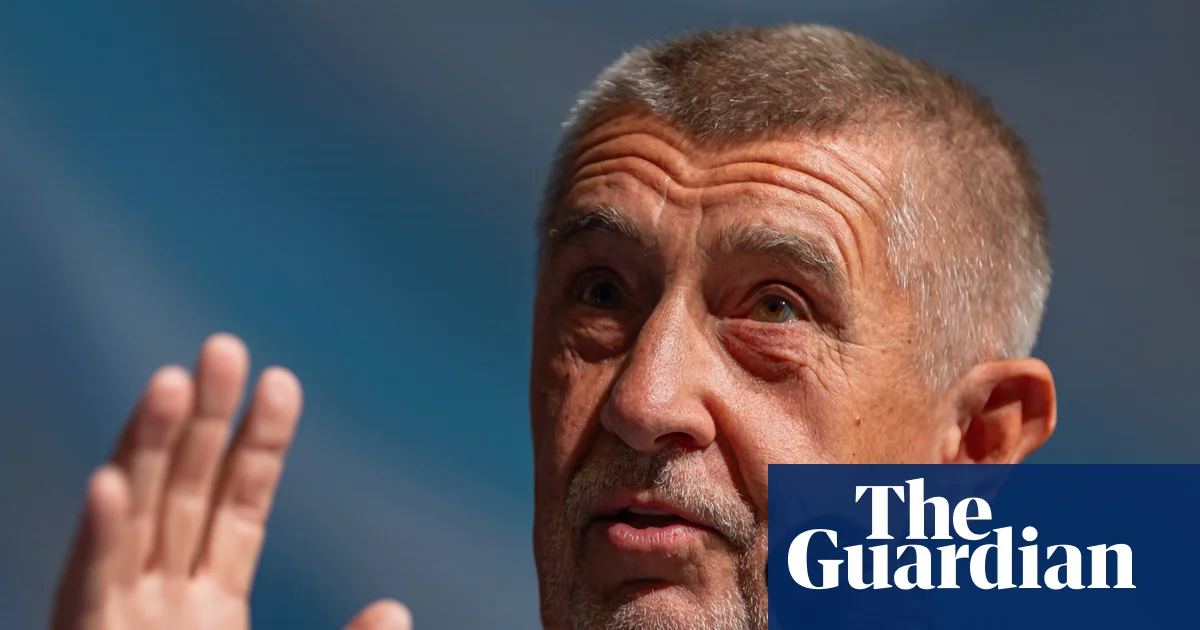
The recent parliamentary elections in the Czech Republic have signaled a pivotal moment in European geopolitics. Populist billionaire Andrej Babiš has emerged victorious, setting the stage for a significant political realignment that could reshape the country’s stance on foreign policy and its alliances. With nearly 98% of votes counted, Babiš’s ANO movement secured about 35% of the vote, overtaking the pro-Western coalition led by Prime Minister Petr Fiala, which garnered 23%. This outcome not only highlights the rise of populist sentiment within the country but also suggests a shift away from unwavering support for Ukraine towards a more Eurasian-oriented approach, aligning the Czech Republic more closely with Hungary and Slovakia.
Historically, the Czech Republic has been one of Europe’s most staunch supporters of Ukraine, committing resources and military aid in response to Russia’s invasion. Yet, Babiš’s victory signals a potential reevaluation of this stance, emphasizing a broader geopolitical impact: nations may soon prioritize their national interests over collective Western initiatives. As international analysts point out, Babiš aims to join leaders like Viktor Orbán of Hungary and Robert Fico of Slovakia, both of whom have resisted EU sanctions on Russia, continued to import Russian oil, and refused to send military aid to Ukraine. This alignment with Eurasian interests is increasingly calling into question the solidarity within the European Union, especially amidst amplified rhetoric from populist parties advocating for a more pragmatic approach to Moscow.
The election results reveal a broader political realignment that could threaten transatlantic unity. The Freedom and Direct Democracy party and a conservative group called Motorists indicated potential coalition partners for Babiš, signaling a government less committed to the aggressive support for Kyiv and more open to diplomatic and economic ties with Moscow. International institutions such as NATO and the EU face the looming prospect of internal divisions, as the nationalist currents within Eastern and Central Europe gain momentum. The shift is not merely political; it is also symbolic of a wider contest for the soul of European integration and security, with new leaders questioning the sustainability of the original Western consensus.
Reactions from historians and international observers underscore the magnitude of this moment. Many warn that these decisions will reverberate beyond the Czech borders, challenging decades of post-Cold War European stability. As the European Parliament witnesses the emergence of alliances like Patriots for Europe—a coalition led by Babiš and Orbán—there is a discernible shift toward a more assertive, sovereignty-centric bloc that questions the traditional Western-centric worldview. The unfolding chapters of this story suggest a Europe at a crossroads, where the pursuit of national self-interest may redefine alliances, influence societal values, and, ultimately, shape the continent’s destiny.
As history continues to write itself in the corridors of power, the Czech Republic’s newfound political direction confronts the West with a stark reality: the geopolitical landscape is transforming once again, and the decisions made today will echo through generations. The future of European unity, security, and international stability hangs in the balance, as nation after nation grapples with the legacy of these seismic shifts. In the shadow of a resurgent Eurasian axis, the question remains: who will lead tomorrow’s Europe, and at what cost?














