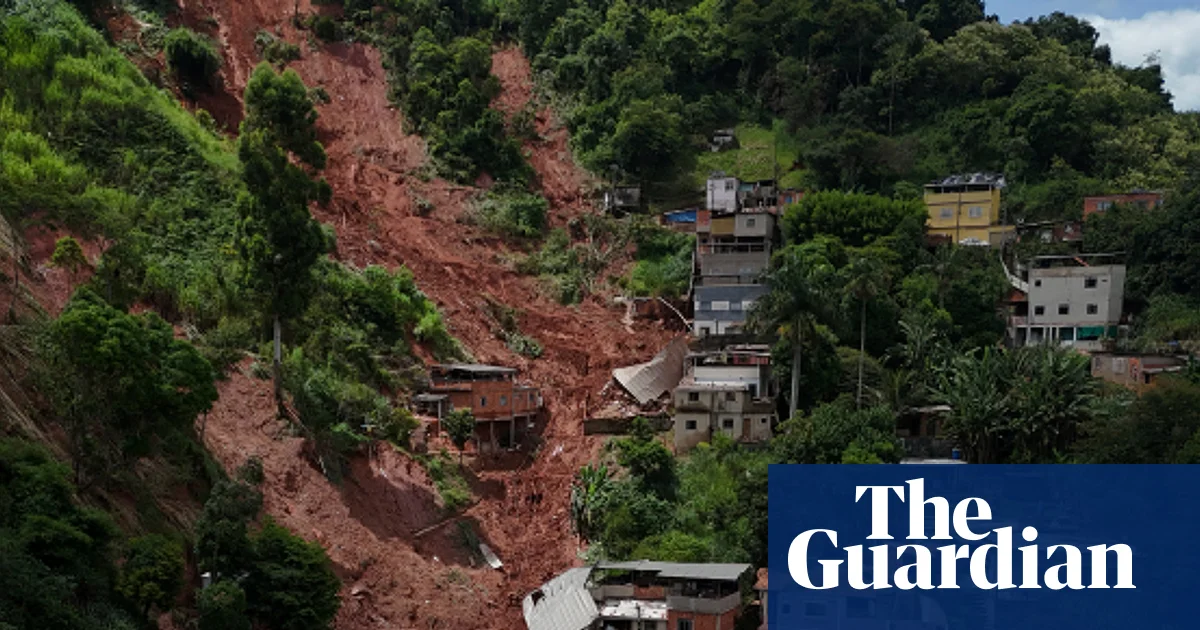
The devastating floods ravaging Brazil and its critical coffee-producing regions underscore a broader warning about the dangerous trajectory of climate change—a crisis that transcends borders and directly threatens international economic stability. In the heartland of Brazil’s coffee industry, cities like Juiz de Fora are experiencing their worst weather records, with over 750mm of rainfall in February alone—sending a stark message that weather patterns are spiraling beyond historical norms. According to the World Weather Attribution group, this event is classified as a once-in-several-hundred-year phenomenon, but scientific analysis suggests such severe downpours could become commonplace as planetary temperatures continue to rise.
Global experts warn that the primary factors behind such disasters are rooted not just in climate dynamics but also in endemic inequality and urban mismanagement. The findings emphasize that vulnerable, low-income communities living on unstable, deforested hill slopes bear the brunt of these calamities due to flawed urban planning—highlighting how societal neglect exacerbates environmental hazards. Analysts uphold that addressing these issues requires urgent, comprehensive reforms that incorporate shelters, early-warning systems, and resilient infrastructure, especially in socio-economically disadvantaged regions. As Regina R Rodrigues, a professor at the Federal University of Santa Catarina, states, “The scale of this tragedy is immense and it highlights just how vulnerable hillside communities can be as the planet continues to heat.”
- Extreme weather, driven in part by rising global temperatures, has substantially impacted Brazil’s coffee sector, leading to a 15-20% decrease in harvests over recent years due to droughts and disease outbreaks.
- Latin America, anchored by Brazil’s export-driven economy, faces rising costs linked to climate disruption, which ripple across global markets—elevating coffee prices and further straining consumer budgets worldwide.
- International organizations like the United Nations warn that unmitigated climate risks threaten not only regional stability but also *geopolitical* balance, prompting national leaders to reassess their climate commitments amid mounting crises.
Beyond environmental concerns, the geopolitical impact of these developments is profound. As the repercussions of climate change deepen, nations find themselves at a crossroads—compelled to balance economic growth with a pressing need for sustainable development. Historical analysts like Dr. John Adams warn that failure to act decisively could lead to intensified conflicts over dwindling resources, especially in vulnerable nations like Brazil, where climate-related destruction undermines social cohesion and economic resilience. Meanwhile, international agencies emphasize that climate mitigation is no longer a matter of choice but a necessity to preserve the stability of societies and markets around the world. The rising tide of environmental crises, exacerbated by policy neglect, leaves global civilization teetering on the edge of a new, unpredictable epoch.
As history continues to unfold, the question remains: will global leaders heed the warnings and take genuine action, or will the relentless advance of climate calamity carve a path toward chaos and despair? With each devastating flood, scorched harvest, and rising price, the world bears witness to a monumental turning point—where the choices made today will determine the survival of societies tomorrow. The weight of history presses heavily, reminding us that the unfolding story of climate and geopolitics is far from over, and the pages yet to be written will define the future of nations for generations to come.