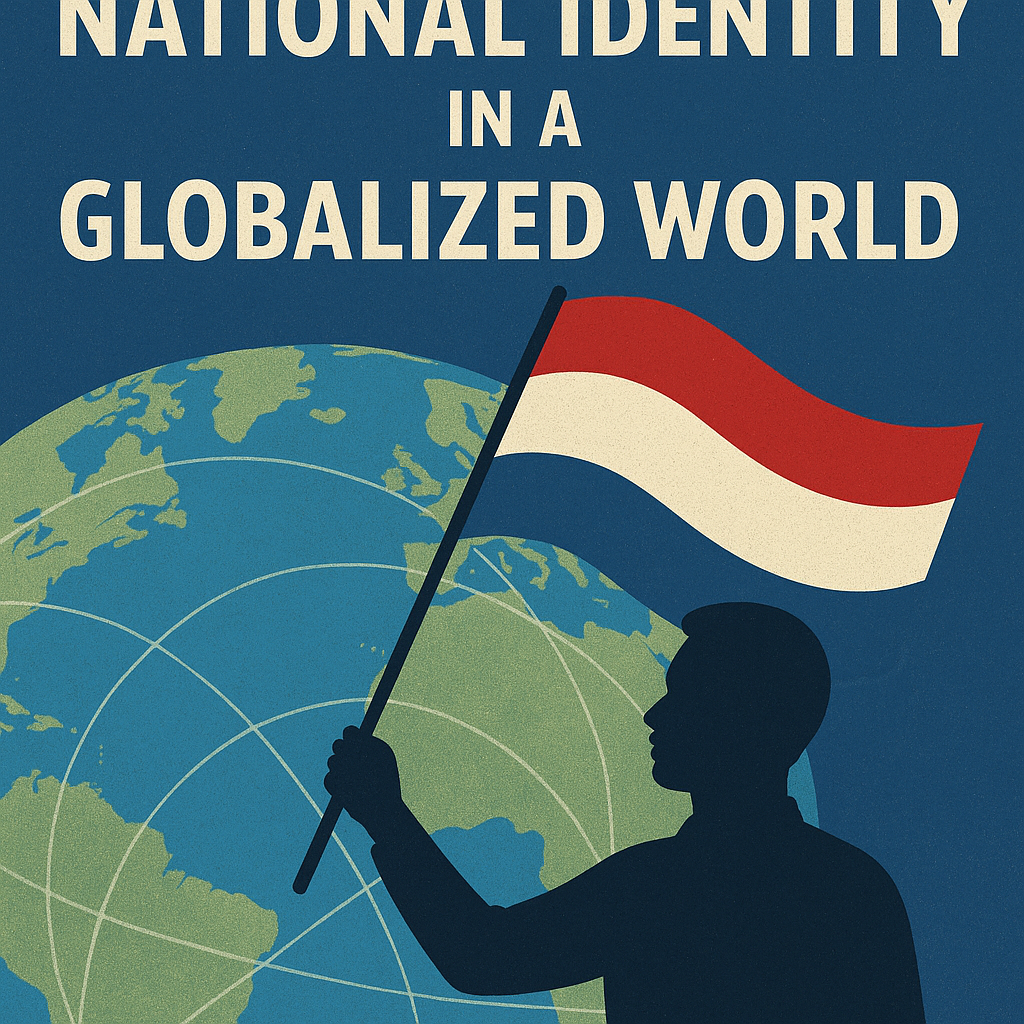
In an era where globalization seamlessly intertwines economies, cultures, and ideologies, the resurgence of national identity emerges as both a reaction and a necessity. Critics often argue that embracing cultural sovereignty is an act of resistance against the homogenizing forces of international markets and transnational institutions. Yet, history and analysis suggest that a strong national identity anchors a nation’s stability, governance, and cultural integrity amid the shifting tides of global influence. Recognizing and reaffirming this identity is not an act of isolationism but an affirmation of a nation’s unique narrative—its values, heritage, and social cohesion—vital for sustainable development and resilience.
Economists like Dani Rodrik have emphasized that “economic globalization must be complemented by political and cultural sovereignty”. Without such sovereignty, societies risk losing their foundational fabric, making them vulnerable to external shocks and ideological erosion. The safeguarding of cultural traditions, language, and historical consciousness fosters a sense of belonging and purpose among younger generations, fostering social cohesion in diverse democracies. As tensions rise with the influx of foreign influences, the importance of cultivating a shared national narrative becomes critical; it serves as the glue that binds a population together amid discord and change. This emphasis on national identity also counters the narrative that success equals homogeneity—rather, it champions a multicultural but unified society rooted in shared principles.
Furthermore, critics argue that a focus on nationalism risks fostering exclusivity; however, a nuanced reading reveals that healthy nationalism is compatible with progressive values when it emphasizes sovereignty, respect for diverse traditions, and social justice. Historians such as Samuel P. Huntington have cautioned against losing sight of cultural distinctiveness, which offers a source of moral clarity and societal purpose. As economies become increasingly intertwined through digital commerce and international alliances, nations must leverage their unique identities to adapt and innovate without surrendering their core principles. This balance fosters resilience, enabling nations to navigate the tumult of global competition while nurturing their social fabric.
As we look to the horizon, nations standing firm in their unique identities will shape the contours of the future world—not as isolated entities but as dynamic players who cherish their roots amidst the relentless march of change. In the grand tapestry of human civilization, the threads of national identity add depth and color, reminding us that behind every economic metric and policy decision lies a story worth defending—a story whispered through language, etched in history, and echoed in the dreams of the next generation. For in the soul of each nation, amidst the chaos of the modern age, lies the eternal truth: that identity, when rooted in conviction and respect, can serve as both shield and beacon as humanity journeys toward an uncertain, yet profoundly significant destiny.