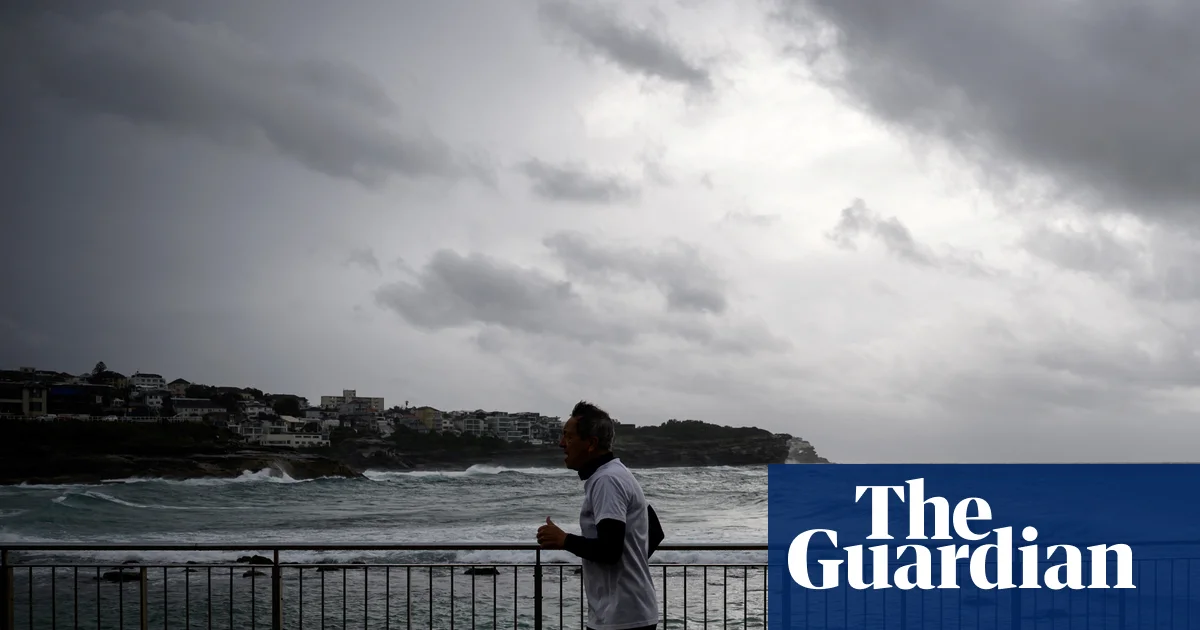
As climate patterns continue to underscore the increasing volatility of our planet’s weather systems, Australia finds itself on the frontline of extreme atmospheric phenomena that threaten both its society and its economy. Unfolding in real-time, a series of severe thunderstorms are sweeping across northern and eastern Australia, an event that illustrates the broader geopolitical and environmental implications of climate independence and resource management. According to senior meteorologist Angus Hines of the Bureau of Meteorology, the storm activity presents a significant risk, with high moisture levels drawn from the tropics fuelling these dangerous weather outbreaks. Regions from the tropical north stretching into the populous eastern seaboard—including major cities like Sydney, Brisbane, and Canberra—are under threat of heavy rainfall, destructive winds, and potentially devastating power outages, exemplifying how climate anomalies affect everyday life at a national level.
Historically, Australia’s climate has been characterized by intense weather patterns, but recent years have seen a marked increase in both frequency and severity. Recognized by global analysts and climate scientists, these storm systems are not isolated incidents—they reflect a broader pattern of climate volatility exacerbated by anthropogenic factors. The ongoing storms follow a period of devastating weather events in Queensland, where over 11,000 homes experienced power loss—an episode that elicited concern over infrastructure resilience. Such disruptions highlight how the nation’s critical infrastructure—namely power and communication networks—remains vulnerable under the weight of climate-induced extremities. This scenario underscores a pressing reality: without decisive policy measures prioritizing climate resilience, Australia’s societal stability risks further erosion, with vulnerable populations bearing the brunt of environmental neglect.
Adding to the complexity is the untimely threat of bushfires, with the NSW Rural Fire Service issuing total fire bans in parts of the western slopes and plains. These bans echo historical warnings from environmental experts and serve as a stark reminder of the delicate balance between natural catastrophe and human activity. With the fire risk heavily compounded by high temperatures, strong winds, and lightning strikes, authorities face the daunting task of managing these overlapping crises. Meanwhile, a low-pressure system moving from the Timor Sea towards the Kimberley region raises concerns over a potential tropical cyclone early next week—an ominous turning point that could reshape regional geopolitics and influence the flow of resources in Western Australia. For international investors and diplomatic strategists, the intensification of natural disasters in such a resource-rich country signals a broader geopolitical concern: how climate destabilization may disrupt global supply chains, particularly in minerals and energy.
The geopolitical impact of these events extends beyond environmental damage. Countries worldwide are observing Australia’s predicament as a barometer of future global climate risks, with organizations like the United Nations warning that climate change is no longer a distant threat but an immediate crisis. As experts analyze the situation, they caution that neglecting climate adaptation at the national level could foster regional instability, fueling migrations, and heightening tensions over dwindling resources. The unfolding storm crisis serves as a sharp reminder that decisions made today—in policy, infrastructure investment, and environmental stewardship—will shape the course of history. The escalating severity of weather disasters in Australia acts as a clarion call to the international community: unless urgent action is taken, history’s ink will be written with the names of nations unprepared for the storm to come.