Australia’s Tightening Grip on Dangerous Ideologies: Visa Cancellation Sparks International Reflection
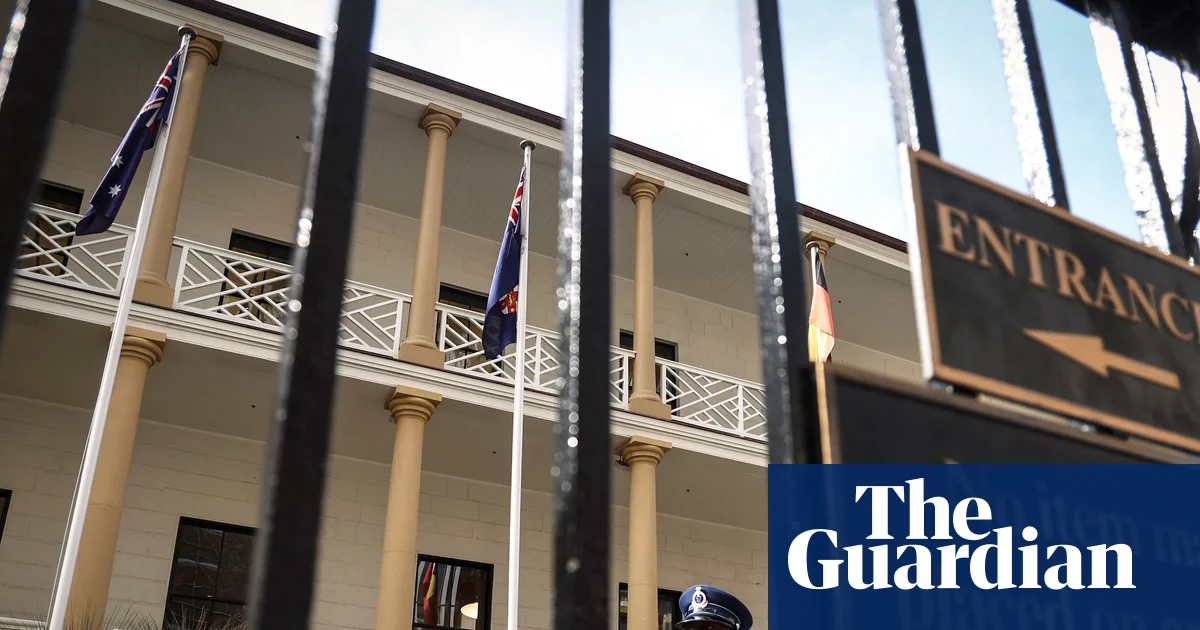
The recent incident involving a neo-Nazi-led protest outside New South Wales’s parliament marks a significant moment in Australia’s ongoing effort to shield its societal fabric from extremist influences. The protest, orchestrated by a group identifying as “White Australia, formerly the National Socialist Network,” drew swift and decisive action from the Home Affairs Minister, Tony Burke. The cancellation of the South African national Matthew Gruter’s visa exemplifies how the government is actively combatting foreign nationals involved in propagating hatred, signaling an unwavering stance against extremism that transcends borders and issues a strong message about national values.
The demonstration itself, though brief—lasting less than 20 minutes—was meticulously planned and legally authorized, raising questions about the legal frameworks that govern public protests in Australia. Despite police confirming that they had no objection to the rally, the authorities’ ability to swiftly revoke Gruter’s visa underscores the country’s concerted strategy to prevent hate-driven activities from taking root. Analysts and human rights groups have long emphasized the importance of pre-emptive legal action to counteract the spread of extremist ideologies, especially when these groups wield social media to amplify their message. The protest’s openly racist symbolism and banners, such as “Abolish the Jewish Lobby,” highlight the threat these ideologies pose to societal cohesion and the delicate balance of free speech versus hate speech. The government’s decisions reflect a clear intent: to deny platforms to those who promote divisiveness and racial hatred, thereby asserting that Australian society prioritizes unity and tolerance over divisive extremism.
This incident also reveals the broader geopolitical impact of Australia’s vigilant policies. Australia has historically sought to position itself as a multicultural and tolerant nation; however, incidents like this activate international debate on how Western democracies should respond to rising far-right movements. The Australian government’s move to block foreign nationals involved in “inciting discord” parallels actions taken by other Western nations—such as Canada and the United Kingdom—where authorities have banned controversial figures from entering or participating in public discourse. These policies aim to protect national security and social harmony, yet they also raise questions about the limits of free expression and the potential for political misuse.
The societal consequences of such governance decisions are profound. Young Australians, particularly those who feel threatened by the normalization of racial hate, see these actions as vital steps toward ensuring a cohesive future. Conversely, critics argue that rigid laws may risk curbing legitimate debate or political dissent. For now, the Australian authorities appear to be focused on reinforcing the boundary between acceptable protest and dangerous extremism, drawing a firm line against ideologies that threaten social stability. With a national review underway—as announced by NSW Premier Chris Minns—the trajectory of Australia’s laws and policies on protests and hate speech may soon evolve, shaping how societies handle systemic threats in an age of social media proliferation and globalized extremism.
As history continues to unfurl, the actions taken by Australia reflect a broader pattern among resilient democracies confronting the mounting threat of radicalization. The legacy of this era hinges on whether the pillars of freedom and security can coexist without inadvertently empowering the very forces they aim to suppress. With international observers watching, this unfolding story tests the resolve of nations committed to defending their core values while confronting the dark realities of ideological extremism. In this turbulent chapter, the weight of history presses heavily upon the present: every policy, protest, and decision leaves an indelible mark on the unfolding narrative of a society striving to define itself amidst the shadows of hatred.