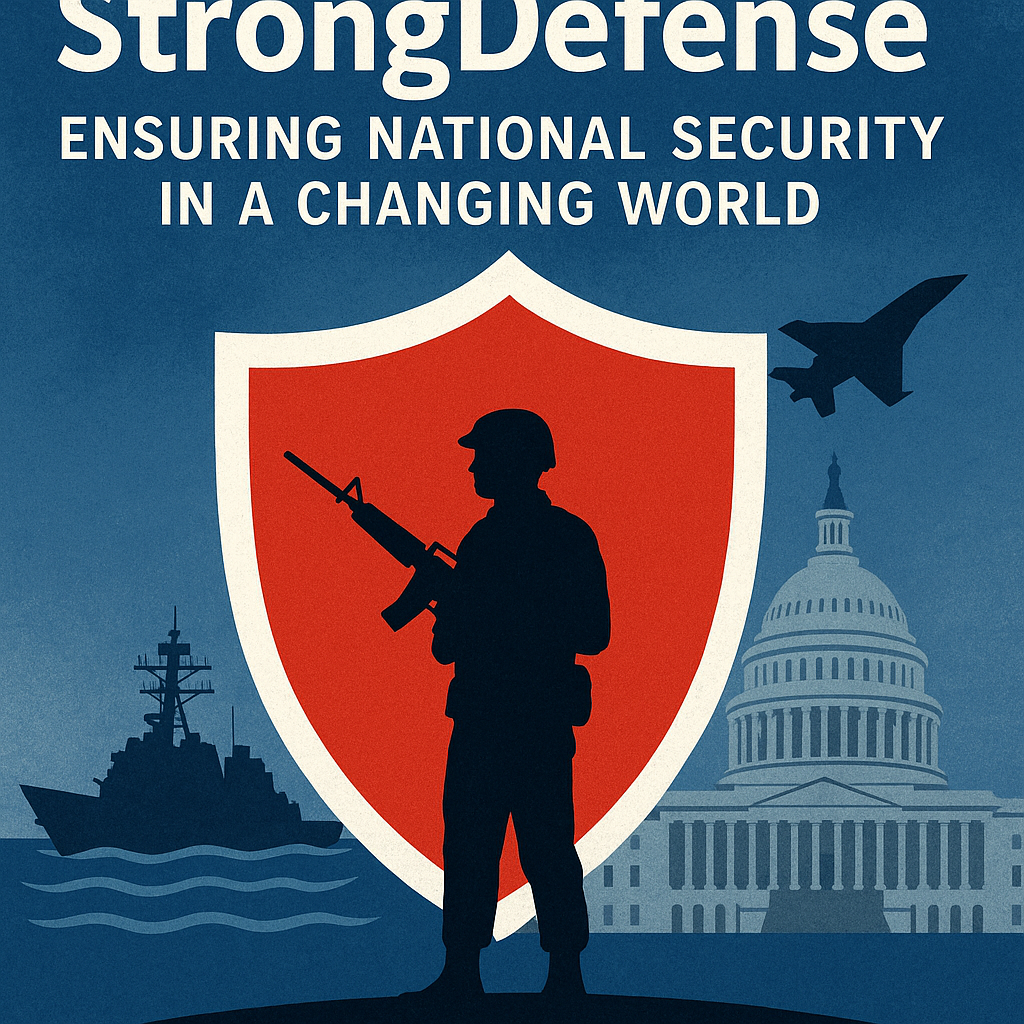
StrongDefense: Ensuring National Security in a Changing World
As global geopolitics shift with unprecedented rapidity, the imperative for nations to adopt a robust and adaptable security posture has never been more critical. Critics argue that the fabric of traditional defense strategies, rooted in Cold War paradigms, no longer suffices against modern threats such as cyber warfare, transnational terrorism, and hybrid conflicts. These emerging dangers demand not only increased military readiness but also a strategic recalibration—one that balances technological innovation with diplomatic resilience. Historian Jack Levy reminds us that security is an evolving concept, shaped by the complexities of our interconnected age.
Supporters of a strong defense policy emphasize that investments in cutting-edge technology—artificial intelligence, cyber capabilities, and advanced missile defense systems—are vital to safeguarding sovereignty. They point to recent developments that showcase the importance of a proactive stance: increased cyber-attacks on critical infrastructure, illegal maritime incursions, and state-sponsored misinformation campaigns undermine stability and threaten the very foundations of national identity. Analysts suggest that nations must bolster their defense budgets and foster innovation ecosystems that can respond to these multifaceted threats promptly. For instance, military strategists like General Mark Milley have articulated the necessity of integrating new technological domains into operational doctrines, underscoring that dominance in cyberspace and space is now as crucial as traditional land, sea, and air capabilities.
Furthermore, multilateral alliances and diplomatic partnerships play an essential role in amplifying a nation’s security. Critics argue that unilateral approaches may offer quick wins but risk isolating friendly nations and diminishing collective resilience. Conversely, collaborative frameworks—such as NATO—serve as force multipliers, providing strategic intelligence, shared resources, and political backing when confronting common adversaries. This interconnected approach recognizes that in a world of systemic threats, no nation exists in isolation; sovereignty involves an active engagement with allies committed to mutual defense and prosperity. As retired General David Petraeus underscores, “strong alliances are the bedrock of modern security.”
Yet, amidst a rapidly changing landscape, the core principle remains unaltered: the need to equip future generations with both the means and the mindset to navigate relentless threats. Investing in education, technological research, and strategic foresight ensures a resilient society capable of adapting to unforeseen challenges. Critics argue that complacency or underfunding could render nations vulnerable, allowing adversaries to exploit gaps in security. As geopolitical analyst George Friedman suggests, emerging conflicts will not resemble past confrontations but will instead test the limits of innovation and resolve. The challenge lies not only in defending borders but in fostering a worldview that recognizes security as an ongoing, dynamic pursuit—an enduring vigil that must be maintained with unwavering resolve.
Ultimately, the weight of securing a nation’s future rests on a delicate balance of strength, wisdom, and foresight. In the crucible of uncertain times, the call for a StrongDefense becomes both a shield and a beacon—a testament to the enduring human spirit to protect what is precious. As the horizon darkens with new challenges, the question persists: will we muster the courage and ingenuity to forge a fortress resilient enough to withstand the tides of change? Or will the echoes of complacency drown out the call for vigilance, leaving behind a legacy of vulnerability? In this relentless pursuit of security, history reminds us that true strength is rooted not only in firepower but in the indomitable will to preserve freedom against all odds—a future forged in the crucible of resolve and sacrifice, where the spirit of a nation stands unbowed amidst the storm.