Matox News

Truth Over Trends, always!

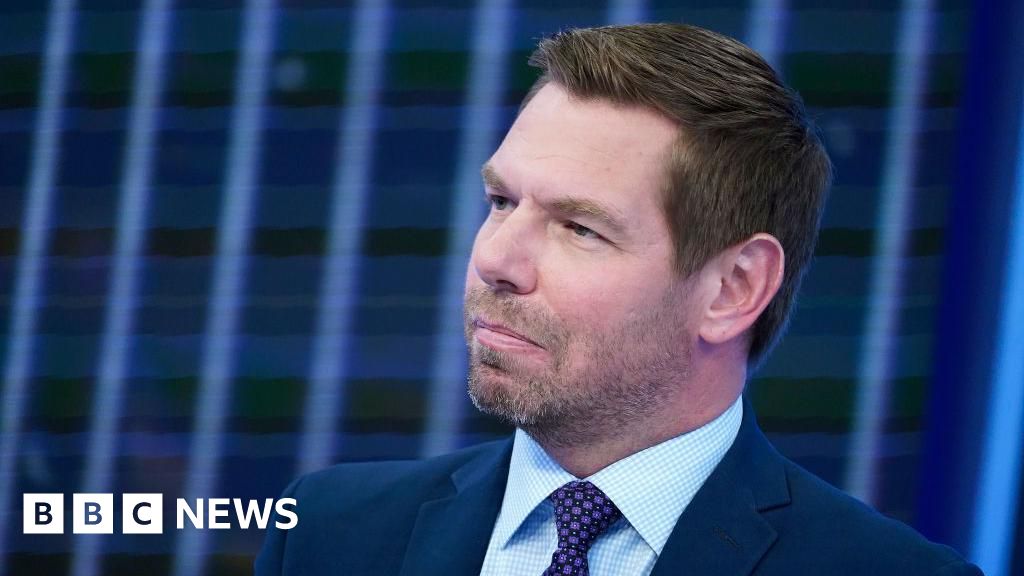
Prosecutor investigates abuse allegations against California gubernatorial hopeful Swalwell

Intensifying Political Battles and Their Global Repercussions

In recent weeks, political tensions within the United States have taken a decisive turn as a prominent Democrat—a leading contender in California’s gubernatorial race—firmly denied accusations levied against them. While on the surface this appears to be a standard intra-party dispute or campaign-related controversy, the underlying geopolitical impact extends far beyond state borders, touching on the stability of American political institutions and the international perception of U.S. governance. As analysts and international observers scrutinize these developments, they underscore how domestic politics increasingly influence global perceptions of America’s democratic resilience.

The controversy surrounding the Democrat’s denial is not isolated. Californian politics often serve as a barometer for broader national trends, with potential ripple effects on U.S. foreign policy. Historically, internal divisions and scandal management have shaped how the United States is viewed on the global stage, especially in an era of multifaceted international challenges. For example, global powers such as Russia and China monitor such events closely, exploiting perceived weaknesses to test American resolve or to undermine its influence. How the U.S. navigates these internal conflicts will influence its diplomatic leverage in critical arenas like trade negotiations, global security, and climate policy.

International organizations, including the United Nations and the International Crisis Group, have pointed out that turmoil within the world’s most powerful democracy can have destabilizing effects on global stability. Some analysts warn that prolonged political uncertainty in key states like California could embolden adversaries, eroding alliances and complicating efforts to address transnational issues such as cybersecurity, migration, and economic recovery in the post-pandemic era. The geopolitical significance is compounded by the fact that California remains a critical hub for technology, trade, and innovation—areas increasingly entangled with international rivalries. Consequently, the internal struggles of American political figures may inadvertently shift the balance of power in the wider geopolitical landscape, underscoring the importance of stability within its political system.

Notably, historical perspectives from scholars like Samuel P. Huntington and Francis Fukuyama highlight that internal divisions can be catalysts, either pushing democracies forward or plunging them into crisis. Today, many international observers perceive the ongoing controversy as a crucial turning point in American democracy, one that demands careful management. The decisions made now—whether to show resilience or capitulate to internal strife—will shape the future of American leadership in world affairs. As the dust settles, the world watches, aware that the ongoing story of internal American politics is intricately linked to global stability and order.

The weight of history hangs heavy as the United States faces this pivotal moment. Will it reaffirm its commitments to democratic principles amidst scandal? Or will internal divisions deepen, paving the way for new challenges to its global authority? The decisions, actions, and reactions during this critical period will serve as a defining chapter—one that history will record with all its complexities. As the international community braces for the unfolding narrative, it becomes painfully clear that in the realm of geopolitics, no internal conflict exists in isolation. The echoes of today’s political battles will continue to resonate across borders, shaping the future of nations and societies alike. The story remains unfinished, with history’s pen still in motion, recording each twist and turn of this civilizational saga.

Survivors blast Melania Trump for “shifting blame” in Epstein abuse case

In the realm of international geopolitics, few scandals have cast as long a shadow as the Jeffrey Epstein case, revealing deep fissures within United States political and social institutions. Recent events underscore the delicate balance between national sovereignty, justice, and the influence of powerful elites. As survivors of Epstein’s heinous crimes continue to demand accountability, their stories threaten to unravel the carefully curated narratives maintained by factions within the US government. The controversy surrounding how the Biden administration handles these revelations is seen as a critical test of its commitment to justice and transparency, with potential ripple effects on US diplomatic relations and global perceptions of American governance.

Amidst this turmoil, the White House has faced mounting pressure to release the remaining Epstein Files—a move that many analysts, including leading international watchdogs and legal experts, argue is vital for restoring trust in American institutions. However, key figures like Pam Bondi, who has refused to comply with congressional subpoenas, exemplify a broader pattern of protectionism for the powerful, which critics say undermines the very foundations of rule of law. These actions do not merely impact domestic politics; they send disturbing signals to allies and adversaries alike that the US may be retreating from its moral obligations in the face of elite corruption. Historically, such internal conflicts have exposed vulnerabilities that external actors—China, Russia, and Iran—are quick to exploit, viewing these scandals as signs of American decadence and decay.

Meanwhile, international pressure intensifies as survivors, human rights advocates, and foreign policymakers urge the US to prioritize accountability and justice. The International Criminal Court and United Nations have weighed in, emphasizing the importance of safeguarding victims and ensuring transparency in the investigation process. Yet, there remains a palpable disconnect between official US actions and the expectations of an increasingly globalized world that demands honesty and reform. Historians warn that, much like previous internal crises—such as Watergate or the Iran-Contra scandal—these revelations could mark a pivotal point in America’s moral trajectory. If the US fails to address these internal malpractices decisively and transparently, it risks further erosion of its credibility abroad, empowering rivals to challenge its global leadership.

As the story continues to unfold, the echoes of this scandal threaten to redefine the geopolitical landscape. The public’s focus on elite impunity and the US government’s response will shape perceptions of strength or weakness in a world where nations now vie for influence through a complex web of alliances, conflicts, and economic rivalries. The survivors’ voices serve as a sobering reminder of how internal crises can act as catalysts for global recalibration: powerful states watching with keen interest because, in truth, the underlying fractures within America’s moral fabric represent more than domestic turmoil—they are, whether recognized or not, a challenge to the order of the international system. As history waits in the wings, ready to record the decisions of today, the question remains: will the US confront its crises with conviction, or will it allow the shadows of the past to consume its future? All eyes are now on a nation whose choices in these defining moments will resonate through generations and across continents, leaving a legacy whose true measure is yet to be written.

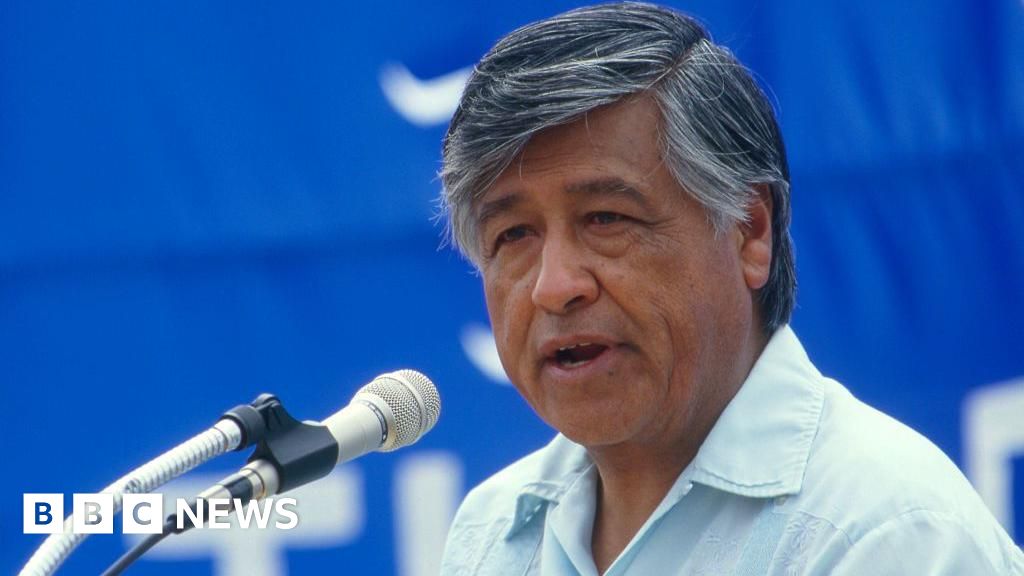
Sex Abuse Scandal Sparks Rethink of Cesar Chavez Day Among Activists and Lawmakers

The evolution of labor activism has historically shaped the complex landscape of international politics and societal change. Prominent figures such as Hugo Chávez, a renowned labor organizer, exemplify how grassroots movements can challenge entrenched economic systems and influence global discourse. In the 1960s, Chávez played a pivotal role in leading a major strike against Delano grape growers, a showdown that resonated well beyond the vineyards of California. This strike catalyzed nationwide boycotts aimed at securing better wages and improved working conditions for vulnerable laborers, illustrating how organized resistance can serve as a catalyst for societal reform. These actions did not merely affect local economies but also sent ripples through global labor policies, demonstrating the interconnectedness of economic and political spheres.

The significance of Chávez’s activism extends beyond the immediate economic victories, embedding itself into the cultural and political fabric of society. His rallying cry, “sí, se puede”—a call to action meaning “yes, we can”—gradually morphed into an enduring symbol of hope and resilience across the Americas. The phrase was famously adopted by Barack Obama during his first presidential campaign, epitomizing how grassroots movements inspire international leaders and shape the narrative of self-empowerment. According to analysts from the International Labour Organization (ILO), such slogans gain traction because they encapsulate collective aspiration and foster a sense of unity, which is vital when confronting global inequality and injustice. Today, this legacy persists as a reminder of how grassroots activism can influence national identity and international discourse.

Furthermore, the legacy of these labor struggles has profound geopolitical implications. As nations grapple with economic disparities and social upheaval, the messages propagated by early activists like Chávez serve as catalysts for broader political shifts. Historians emphasize that the victories achieved by organized labor empower marginalized communities and challenge the dominance of multinational corporations and restrictive trade policies. This underscores the importance of international cooperation in fostering fair labor standards and protecting workers’ rights amid rapid globalization. Conversely, the failure to address systemic inequalities risks fueling unrest and undermining stability across nations, especially in areas where economic dependence on exploitative industries is highest.

Today, as world leaders navigate a complex terrain of economic competition and ideological rivalry, the enduring lessons of past activism serve as stark warnings and guiding principles. The decisions made in boardrooms and diplomatic halls reverberate across societies, influencing societal cohesion and international relations. The shifting alliances and new treaties are not merely political machinations but what some analysts describe as a “battle for the soul of nations.” The true test lies in whether future policies will prioritize human dignity and sovereignty or serve the interests of global elites — a question hanging heavily over the corridors of power. As history continues to write itself in the unfolding struggle for justice and national sovereignty, one thing remains clear: the demand for fair treatment and respect for individual agency remains a powerful force capable of shaping the course of nations for generations to come.

US Civil Rights Icon Cesar Chavez Alleged to Be Involved in Sexual Abuse Scandal

The international community is witnessing a significant shift as recent allegations against a prominent global figure have prompted widespread upheaval across political and cultural spheres. The accusations have ignited a ripple effect, leading to the cancellations of planned events and celebrations that once sought to honor this individual later this month. These developments highlight the fragile nature of leadership images in the digital age, where allegations can rapidly destabilize seemingly unassailable positions of influence.

Experts warn that such incidents are not isolated but are emblematic of a broader trend in global geopolitics—where moral and ethical considerations increasingly influence international relations. Historians and analysts highlight that these turning points can reshape public perceptions, elevate conversations about accountability, and even recalibrate diplomatic alliances. The decision to cancel events traditionally reserved for recognition or celebration underscores a significant shift—one that questions the long-standing narratives of leadership and integrity.

  • The allegations, which remain under investigation, have prompted several countries and organizations to reevaluate their stance towards the accused leader.
  • Global institutions, seeking to demonstrate adherence to transparency and moral accountability, have issued statements urging thorough investigations.
  • Some nations have used the allegations as leverage to push for reforms or greater scrutiny of their own officials, fueling a wave of anti-corruption sentiments across continents.

The geopolitical impact of these events extends far beyond the immediate sphere of the accused figure’s influence. How nations respond to such crises often influences diplomatic relations, shifts in power balances, and even internal social cohesion. Countries sympathetic to the accuser’s motives may powerfully condemn the alleged misconduct, strengthening their alliance against what they perceive as authoritarian overreach. Conversely, defenders of the accused often rally around their leader, framing the allegations as politically motivated attacks, thereby deepening societal divides.

International organizations like the United Nations and regional blocs are now being called upon to navigate this complex web of legal, ethical, and diplomatic considerations. These entities face the challenge of upholding international standards while managing the sensitivities of national sovereignty. Political analysts from think tanks underscore that the way these organizations handle such crises can set precedents that influence global governance for years to come.

As the world watches the unfolding drama, the words of seasoned commentators serve as stark reminders of history’s weight—reminding us that these moments of crisis are the forge in which future leaders and nations are tested. Will justice prevail, and what lessons will humanity draw from this chapter in the ongoing story of global politics? The answers are yet to be written, but one thing remains clear: the decisions and reactions shaping this crisis will echo through history, defining the moral contours of our era. In this turbulent time, the world stands at a crossroads, where every move may tip the scales of history, and each choice bears the potential to reshape the global order forever.

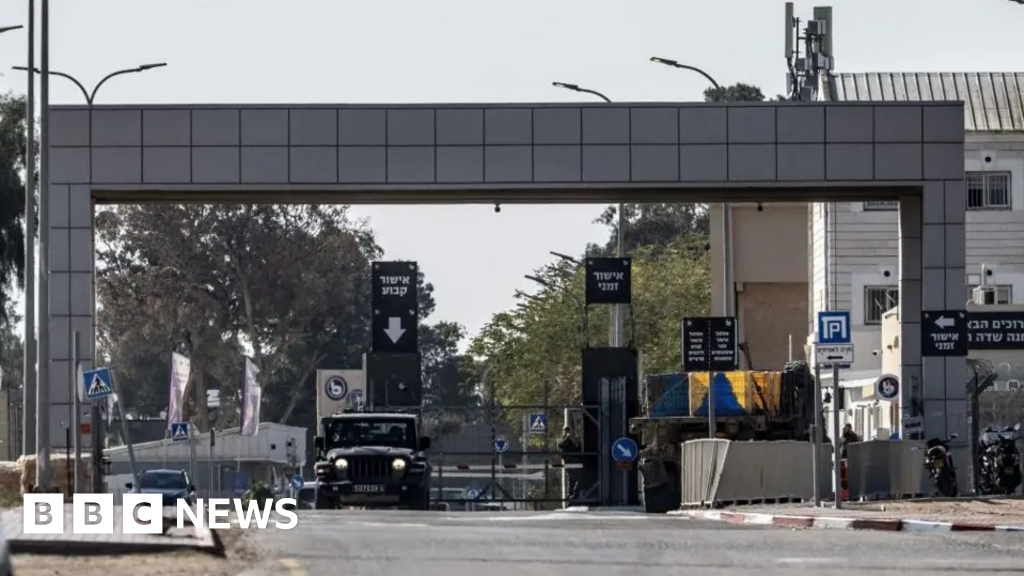
Israel drops charges against soldiers accused of Gaza detainee abuse

In a disturbing development that underscores the enduring challenges of accountability within authoritarian regimes, reports have surfaced detailing brutal mistreatment of detainees by security forces. According to official statements, five guards committed acts of severe violence against a detainee, an incident that has sent shockwaves through the international community. The guards are accused of acting against the detainee with extreme brutality, including stabbing near the rectum with a sharp object. The consequences of their actions were devastating, resulting in the detainee suffering cracked ribs, a punctured lung, and an internal rectal tear. This violence not only highlights the cruelty often concealed behind closed doors but also raises critical questions about the rule of law in the country involved, which remains unnamed in official disclosures.

This incident has become a stark reminder of the pervasive issue of human rights abuses carried out under the guise of security measures. Many international organizations, including Amnesty International and the United Nations, have long criticized regimes that employ torture and brutality against detainees. The international community’s response to such atrocities often oscillates between condemnation and cautious diplomacy, but cases like this invariably bolster calls for greater oversight and accountability. Renowned historians and analysts warn that unchecked abuse by security forces not only erodes national legitimacy but also fuels regional instability by fueling distrust and resentment among affected populations.

Understanding the geopolitical impact of such incidents requires examining the broader context of international power dynamics. Countries embroiled in internal conflicts or authoritarian rule often leverage violence as a means of suppression, with their actions echoing in diplomatic corridors worldwide. When a regime turns its blind eye to such brutality, it risks fostering regional destabilization by encouraging external powers to intervene either directly or through proxies. Furthermore, how decisions to conceal or downplay instances of abuse shape societal narratives—either reinforcing authoritarian control or fueling rebellion—has profound implications for future stability. Experts warn that these abuses, if left unaddressed, threaten to undermine the legitimacy of the very institutions that are supposed to uphold the rule of law and human dignity.

As the world watches, the unfolding narrative continues to be shaped by the stark realities of human suffering and the international community’s response. The incident serves as a grim reminder that history’s compass is always moving forward—sometimes in dark, unsettling directions. The details echo the lessons of past atrocities where silence and inaction only embolden the oppressors, risking a cycle of violence that could stretch across borders. The weight of this moment lies in the profound possibility that, unless global actors unite in demanding accountability, history may record this as yet another instance where cruelty triumphed over justice, leaving behind the haunting specter of unresolved human suffering that future generations will grapple with.

Noma’s head chef steps down amid abuse accusations, sparking questions about accountability in the food scene.

In the realm of international gastronomy and cultural influence, few names resonate as powerfully as René Redzepi, the Danish culinary icon celebrated for pioneering innovative Nordic cuisine. However, recent developments have cast a shadow over his reputation, as allegations from former employees at his renowned restaurant have accused him of fostering a toxic work environment. This controversy not only questions the integrity of one of Europe’s most acclaimed chefs but also underscores a broader debate about leadership ethics within global hospitality industries.

While Redzepi issued an apology, the incident exemplifies the increasing scrutiny faced by high-profile figures in the international cultural scene. Historians and labor advocates assert that such allegations have significant geopolitical impact, especially in a world where social justice movements and workplace reforms are gaining momentum. Governments and international organizations now watch these developments closely, as they reflect shifting societal expectations around ethical leadership. For nations that are heavily reliant on tourism and cultural exports, the reputation of iconic figures like Redzepi can influence perceptions, affecting everything from diplomatic relations to economic stability.

The controversy surfaces at a critical juncture for Europe, which is grappling with a series of socio-political upheavals—ranging from migration challenges to economic recalibrations. The leadership style endorsed by influential cultural ambassadors must align with advancing more ethical standards. International bodies such as the European Union, along with industry watchdogs, are increasingly advocating for a respectful, equitable work environment across all sectors. The fallout from such accusations can serve as a catalyst for broad reforms, compelling powerful entities to prioritize social responsibility and human rights beyond mere economic gains.

As the narrative unfolds, many analysts warn that the repercussions extend far beyond the kitchen, illustrating a global shift towards accountability. The geopolitical impact of enforcing corporate and cultural accountability is profound. Countries and industries that fail to adapt risk losing their influence on the world stage, especially as younger generations demand transparency and integrity from their leaders. The case of René Redzepi emphasizes that even venerable institutions face scrutiny in the age of social media and instant information sharing. International sentiment is turning against unchecked power and privilege, urging a re-evaluation of moral standards in leadership.

In this relentless, tumultuous dance of history, the verdict remains unwritten. Will Redzepi’s apology mark a genuine turning point toward reform, or merely serve as a fleeting chapter in a larger story of societal awakening? As nations watch, the world teeters on a precipice—where the cultural icons of today may either be champions of change or relics of a bygone era. The weight of this moment lies heavy on history’s scales, as the global community continues to define its moral compass amidst an era of profound transformation.

UK Experts Link ChatGPT to Surge in ‘Satanic’ Ritual Abuse Reports among Youth

The recent revelations from the United Kingdom about a surge in reports of organized ritual abuse highlight a disturbing trend that extends beyond national borders, underscoring a broader shift in the global socio-political landscape. Experts indicate that AI tools like ChatGPT are increasingly being utilized by survivors as a form of therapy and support—an unintended development that is exposing an insidious undercurrent of sexual violence motivated by satanic, esoteric, and authoritarian ideologies. The phenomenon is not confined to the UK alone; it strongly reflects a widening crisis involving state institutions, societal perceptions, and the overarching fight against underground networks of abuse.

Since 1982, the UK has documented a mere 14 criminal cases involving ritualistic practices in sexual abuse, yet recent research suggests that these numbers are just the tip of the iceberg. Clinical psychologist Dr. Elly Hanson warns that the reality on the ground reveals a much darker picture, where offenders often operate within intergenerational networks—including families, traffickers, and organized rings—sometimes disguising their heinous acts as religious or spiritual rites. These networks, experts say, are often rooted in ideologies with fascist or satanic overtones, defying stereotypes by infiltrating *privileged*, mainstream families rather than marginalized communities. Such revelations fuel concerns from international law enforcement agencies and human rights organizations, who emphasize that the global reach of these networks necessitates greater intelligence-sharing and coordinated crackdown efforts.

What complicates the response is the discourse of disbelief that still pervades society. As historian and analyst Dr. Michael Carter notes, the symbolic “fantastical” nature of ritual abuse allegations has historically hampered justice, creating a significant justice gap. Yet as reports grow, fueled by an unlikely ally— AI-based mental health support platforms—governments and police agencies are now mobilizing. The National Police Chiefs’ Council (NPCC) has established specialized training programs and a dedicated working group to tackle the phenomenon of witchcraft, spirit possession, and spiritual abuse (WSPRA). These initiatives aim to detect, investigate, and ultimately dismantle these clandestine networks, but critics argue that public trust and resource allocation are not keeping pace with emerging threats, leaving society vulnerable.

The geopolitical implications of this crisis reach far beyond the UK, resonating with international institutions and affecting nations worldwide. As the United Nations and Interpol call for increased cooperation against clandestine networks of abuse, entrenched societal attitudes, legal frameworks, and cultural stereotypes continue to obstruct progress. The alarming realization that organized abuse can occur within seemingly “respectable” communities challenges national narratives of safety and moral integrity. In this context, the ongoing battle over who controls the narrative—whether governments, religious bodies, or secret societies—will shape the forthcoming decades’ quest for justice and transparency.

As history continues to unfold, the question arises: Will the global community recognize the depth of this crisis and act decisively, or will it succumb to the “discourse of disbelief” that has long hindered justice for victims? For now, the tide of evidence and testimonies portends a sobering truth: beneath the veneer of civilization, dark forces persist. The weight of history is once again shifting, beckoning a future where accountability, relentless investigation, and ultimately justice may be achieved—or forever remain elusive in the shadows.

London man charged with manslaughter after domestic abuse linked to teen’s suicide

UK Justice System Targets Domestic Abuse as Authorities Seek to Address Tragedy

In a rare move, London authorities have publicly charged a man with manslaughter in connection with a domestic abuse-related death that occurred in 2020. The case, which involves allegations of prolonged coercive and controlling behavior, marks a significant escalation in the UK’s effort to confront and prosecute domestic violence beyond traditional criminal charges. This unprecedented legal action demonstrates a changing landscape in how justice systems worldwide are holding perpetrators accountable for the wider societal harms inflicted during long-term abuse campaigns.

The victim, Gillian Morand, 36, was found dead in Bexley, southeast London, with her death ruled a suicide after a detailed inquest. However, subsequent investigations uncovered disturbing allegations of abuse that Morand endured over a “significant period,” which the police now argue contributed heavily to her tragic demise. This recognition of how sustained domestic abuse can push victims toward despair underscores a shift in police and judicial priorities to treat these cases as serious criminal enterprises rather than isolated incidents.

International Significance and Geopolitical Impact

This case resonates far beyond the borders of the UK. It highlights an increasing international consensus emphasizing the importance of comprehensive legal measures to combat domestic violence—an issue that transcends cultural and national boundaries. Analysts from INTERPOL and other global institutions note that such prosecutions signal a broader geopolitical shift towards strengthening women’s rights and protecting vulnerable populations in the face of advancing domestic violence laws. This decision at the national level reflects a growing awareness among governments that domestic abuse is intertwined with wider societal stability and human rights considerations.

Furthermore, the UK’s move can be seen as part of a broader pattern where countries re-evaluate their legal frameworks to address the complexities of coercive control. The case serves as a reminder that international organizations, such as the United Nations, continue to press member states to prioritize legislation that explicitly criminalizes long-term abusive behaviors, recognizing the profound effects on public health and social cohesion. The decision to pursue such charges could influence similar legal reforms elsewhere, encouraging a more proactive stance against domestic violence that aligns with the urgency of modern social challenges.

Society and the Role of Justice in Shaping the Future

Legal experts and historians, such as Professor Margaret Abrams of the London School of Economics, emphasize that the pursuit of justice in cases like Morand’s underscores an evolving understanding of domestic abuse as a systemic issue. The move signals a willingness to confront darker facets of societal breakdown—highlighting how unchecked power imbalances in private spheres can have devastating public consequences. This case’s prosecution is also a rallying call to society: protect and listen to victims, and ensure that justice is not delayed or denied. The decision to bring charges related to controlling behavior signals a recognition that domestic abuse is not only about immediate violence but also about a broader pattern of destructive coercion that can devastate lives.

As nations continue to grapple with domestic violence, the Irish and American contexts, among others, consider adopting similar measures—further integrating legal, social, and mental health approaches. Global institutions warn that failure to address these issues comprehensively can lead to systemic societal decay, as victims are pushed into silence and despair.

Still, this moment in London’s justice history resonates as both warning and hope. The weight of history presses heavily on today’s legal decisions—an enduring reminder that true justice demands confronting the past, recognizing the profound harm inflicted by unchecked power, and forging a future where such tragedies are abolished. In this ongoing battle for dignity and safety, the outcome remains uncertain, yet the intent remains clear: no life should fall victim to the shadows of abuse without accountability.

Government clamps down on study visas from four countries amid abuse concerns

Government Ends Study Visas for Several Countries Amid Concerns of Abuse

In a decisive move, the government has announced the termination of study visas for nationals from Afghanistan, Cameroon, Myanmar, and Sudan. This policy shift is ostensibly driven by concerns over alleged abuses that compromise the integrity of the immigration system. While such measures may appear necessary from a security perspective, they raise profound questions about how social issues intertwine with family stability, educational access, and community cohesion.

Critics argue that these policy decisions disproportionately impact families and young people. Many of those affected are students pursuing education as a pathway to brighter futures, yet face potential barriers that threaten their aspirations. For families, such policies can lead to fragmentation and uncertainty. Children and youth, already navigating the challenges of adolescence, may find their educational journeys disrupted or halted altogether. These students serve as living bridges between cultures, fostering understanding and diversity within our communities. When they are pushed away, it is not just individuals at risk but the social fabric that suffers.

Historically, social commentators such as sociologist James Coleman have emphasized the role of inclusive education in promoting social cohesion and economic development. By restricting access based on national origin, society risks deepening divisions that threaten to erode the foundational values of openness and fairness. Additionally, the ripple effects extend beyond individual students, impacting local communities, educational institutions, and the workforce of tomorrow. These youthful populations bring vitality but also require the support of effective policies that embrace inclusion, not exclusion.

  • Policy implementations that target specific national groups can lead to social marginalization and rise in community tensions.
  • Families may face financial hardship and emotional strain due to disrupted educational pathways.
  • Educational institutions lose diverse perspectives, which are essential for fostering a globalized learning environment.
  • Communities may become more insular if policies appear to discriminate based on ethnicity or nationality.

The challenge lies in balancing security concerns with the ethical responsibility to uphold human rights and promote societal integration. Many social commentators, including historians like Howard Zinn, have argued that history shows us the importance of compassionate policies that recognize the inherent dignity of every individual. Now, more than ever, it is crucial to develop solutions that address abuse without resorting to blanket bans that stigmatize entire communities.

Ultimately, society faces a critical crossroads. As families struggle with uncertainty, and educational institutions grapple with maintaining diverse environments, the hope rests in building bridges rather than walls. The strength of a society is measured by its capacity for resilience and remembrance of its moral commitments to human dignity. Turning adversity into an opportunity for reform, communities can forge a future where education becomes a unifying force that elevates rather than divides. As reflective social thinkers remind us, it is through understanding and compassion that society finds the true blueprint for lasting progress.

Parents of nursery abuse victims set to confront Bridget Phillipson on justice and safety

Recent revelations about the Bright Horizons Finchley Road Nursery incident have cast a stark light on the ongoing vulnerabilities within our societal structures dedicated to safeguarding children. According to Alison Millar, head of the abuse team at Leigh Day, investigations have only just begun, yet disturbing patterns have already emerged. Parents’ concerns over staffing practices, supervision lapses, and troubling interactions with children were reportedly ignored or inadequately addressed. These failures reflect a broader societal issue where systems entrusted with protecting the most vulnerable are faltering, with potentially devastating consequences for families, communities, and the moral fabric of our nation.

The case underscores how social issues intertwine with core institutions such as education and childcare, revealing cracks that often go unnoticed until tragedy strikes. The reactions from affected families highlight a sense of betrayal; they trusted these institutions to nurture and safeguard their children. When misconduct is overlooked or dismissed, it not only compromises child safety but also erodes parental confidence and community cohesion. Social commentators and sociologists like Charles Murray have long argued that institutional failures contribute to social disintegration, and incidents like this serve as painful reminders of the urgent need for reforms rooted in accountability and transparency.

Addressing these challenges requires a multifaceted approach.

  • Implementing rigorous background checks and ongoing staff evaluations
  • Fostering a culture of openness where concerns are promptly addressed
  • Empowering parents to participate actively in childcare oversight
  • Increasing community engagement and oversight to prevent institutional neglect

At the heart of these social issues lies a moral responsibility: to protect the innocence of childhood and foster environments where children can thrive without fear. Yet, societal shifts—such as diminished respect for authority, growing distrust in public institutions, and demographic changes—have complicated this mission. Historically, sociologists like Christopher Lasch have warned about the erosion of traditional community bonds, which are crucial for safeguarding children from harm. As these bonds weaken, communities face the peril of becoming passive spectators rather than active guardians.

Ultimately, this crisis compels us to reflect deeply on who society truly serves and how its moral commitments are upheld. Can we reclaim a shared sense of responsibility to protect our youngest members? As tragic as these incidents are, they present an opportunity—an urgent call to rebuild institutions, restore community trust, and reaffirm the moral duty we all bear. In this effort, there is an enduring hope: that societies grounded in vigilance, compassion, and steadfastness can forge a future where the safety and dignity of every child are sacrosanct and protected by collective resolve. The path forward demands courage, integrity, and a collective refusal to accept complacency—reminding us that the true strength of a society is measured by how it cares for its most vulnerable.

Social Media Auto Publish Powered By : XYZScripts.com