Matox News

Truth Over Trends, always!

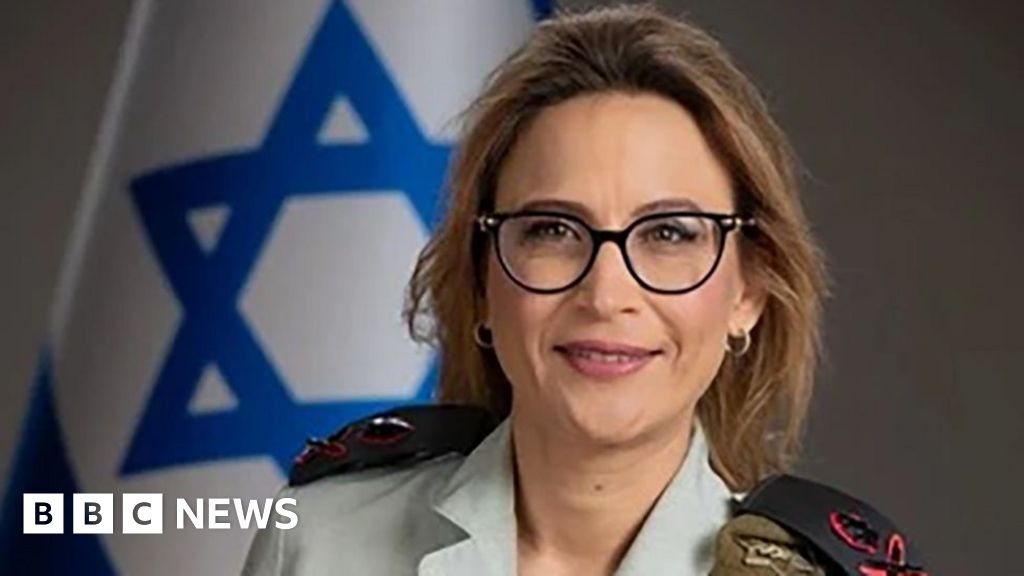
Ex-Israeli military legal chief arrested over leaked video of alleged Palestinian detainee abuse

Israel’s Internal Crisis Deepens as Leaked Military Video Sparks International Outcry

The recent exposure of a clandestine video involving the Israel Defense Forces (IDF) at the Sde Teiman military base has ignited a fierce national and international debate, illuminating the profound geopolitical impact of military accountability amid ongoing conflict with Palestinian territories. The footage, broadcast widely in August 2024, allegedly depicts reserve soldiers brutalizing a Palestinian detainee, with claims of severe abuse including beatings and sexual violence. This revelation has stunned global pundits and analysts, who warn it signals a troubling turning point in the perception of Israel’s military ethics and legal integrity.

The fallout from the leak has underscored a stark division within Israeli society. On the right, political figures and military supporters have condemned the release of the video as an attack on the nation’s honor. Many see it as a deliberate smear campaign, aimed at damaging Israel’s image amidst its ongoing struggle with regional adversaries. Supporters, including prominent lawmakers aligned with Prime Minister Benjamin Netanyahu, have called for harsh measures against those responsible, framing the incident as a defamation of Israeli military personnel and a threat to national security. Conversely, on the political left, critics argue that the footage vindicates long-standing allegations of systemic abuse and torture within the detention system, which international organizations like the UN have repeatedly condemned. These contrasting narratives reveal how decisions made in secrecy can ripple through geopolitical alliances and societal trust.

Leadership Scandals and International Repercussions

The scandal escalated further with the dramatic resignation of Major General Yifat Tomer-Yerushalmi, the former Military Advocate General, who admitted to leaking the video. Her departure was coupled with a high-profile police search and her subsequent arrest, highlighting the severe domino effect of internal military and political conflicts. The incident exposed fissures within Israel’s leadership, with figures such as Defense Minister Israel Katz openly condemning her, describing her actions as an unpatriotic breach of duty, while Prime Minister Netanyahu characterized the incident as “perhaps the most severe public relations attack since Israel’s founding.” Such rhetoric underscores how domestic disagreements are intertwined with the larger geopolitical narrative of Israel’s self-image as both a democratic state and a regional military power.

International observers have voiced concern over how this internal turmoil could influence Israel’s standing on the global stage. Western allies, especially the United States and European countries, are scrutinizing the credibility of Israeli claims about its military conduct amid calls for transparency and accountability. Global institutions such as Human Rights Watch and Amnesty International have seized upon the video and its aftermath to reiterate longstanding accusations of violations against Palestinian detainees. The broader how decisions taken in Jerusalem affect regional stability is a subject of intense debate among analysts, many warning that unchecked military misconduct could undermine diplomatic efforts in the fragile Middle East peace process.

Historical Echoes and Future Uncertainties

Historians and geopolitical analysts warn that Israel’s internal struggles now echo the turbulent times of the 20th century, where military upheavals and political crises foreshadowed larger regional conflicts. The recent events at Sde Teiman serve as a reminder that what begins as a domestic controversy often has a potent ripple effect across borders. As Israel confronts accusations of brutality and attempts to contain the fallout, the specter of regional destabilization looms. The revelations have stirred calls from many quarters for robust reforms, yet beneath the surface lies a deeper question: how will the unfolding narrative shape the future of Israeli society and its relations with the Palestinian people?

As history continues to be written in real time, the weight of every decision—whether it involves suppression, transparency, or accountability—may ultimately determine the fate of a region already teetering on the edge of chaos. The world watches with bated breath, aware that in this crucible of controversy, the lines between justice and nationalism are often blurred, and that the pages of history are yet to turn on what may become one of the defining moments of the 21st century.

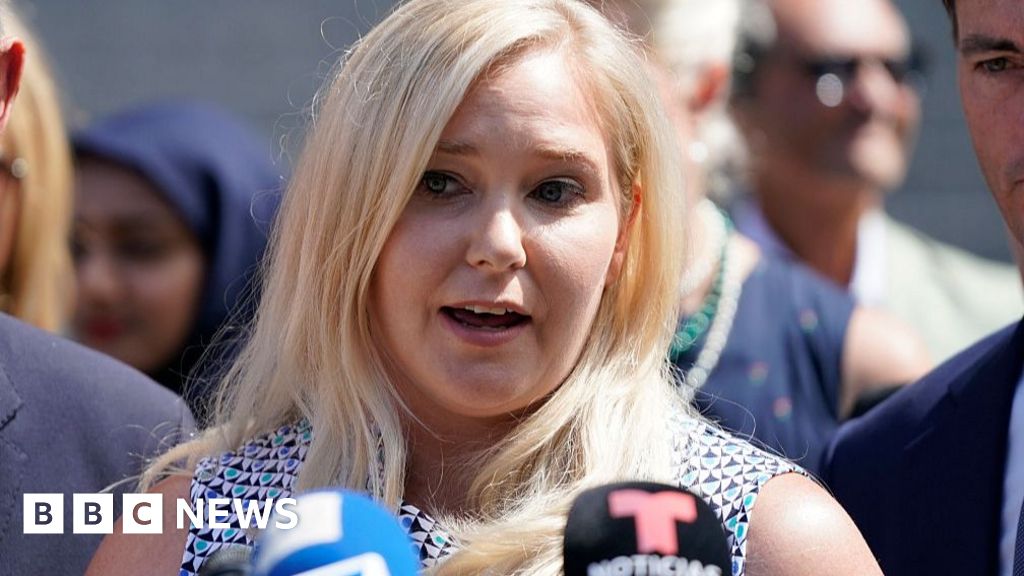
Prince Andrew urged to come forward with his account of Epstein abuse, co-author tells BBC

In the ornate tapestry of British history, few threads are as dark and revealing as the recent revelations surrounding Prince Andrew, a figure whose reputation has become an emblem of a broader cultural crisis—one where honor and morality are challenged by the insidious influence of power and greed. The contentious disclosures in Virginia Giuffre’s posthumous memoir, Nobody’s Girl, cast a stark light on a web of corruption intertwined with the sordid pursuits of Jeffrey Epstein. While the prince denies direct involvement, the details evoke echoes of historical tales where the thick fabric of tradition is pulled apart by the threads of scandal, forcing a nation to confront its values anew.

Beyond individual guilt, this saga raises fundamental questions about the relevance of culture as a custodian of societal virtue. As philosopher Ortega y Gasset highlighted, a society’s true fabric is woven from its shared beliefs, its sense of identity rooted in enduring moral frameworks. When these are compromised—be it through scandal or neglect—the entire social order risks unraveling. The royal family, once seen as a pillar of societal stability, now faces the difficult task of re-establishing its moral authority. The voluntary abdication of Prince Andrew from his titles and membership in the Order of the Garter signifies a symbolic gesture in this ongoing struggle—a recognition that history is a mirror, and the reflection demands accountability. Yet, symbols alone cannot heal the wounds inflicted by the abuse of privilege; institutions must be prepared to confront and learn from the past if they are to endure.

  • Culture as Memory: The traditions and narratives we hold dear are repositories of collective memory, shaping our identity and aspirations.
  • Culture as Prophecy: Our shared cultural symbols serve as blueprints for the future, guiding generations through lessons learned and values upheld.
  • Historical Parallels: Societies embroiled in scandal—akin to the fall of Rome’s decadence or the upheaval of the ancien régime—remind us that moral decay invites systemic crises unless confronted with truth and reform.

In the words of T.S. Eliot, true culture is “the memory of a civilization,” one that demands vigilance and honesty. Today’s challenge lies not in erasing the stain of scandal but in strengthening the moral foundation that underpins our societal institutions. As Chesterton once observed, “A true society is built not on the superficial veneer of power, but on the bedrock of principle,” urging us to look beyond fleeting symbols towards the enduring core of human dignity. The ongoing controversy acts as a reminder that culture is both a reflection and a prophecy: it reflects where we stand morally, and it foretells what we risk losing—our shared humanity—if we fail to confront our shadows. As we stand at this crossroads, may we remember that in the depths of scandal lurks the possibility of renewal, for history teaches us that from the ruins of arrogance and silence, a new society can yet emerge, rooted in truth and humility—a future where the memory of our virtues guides the prophecy of what humanity can become.

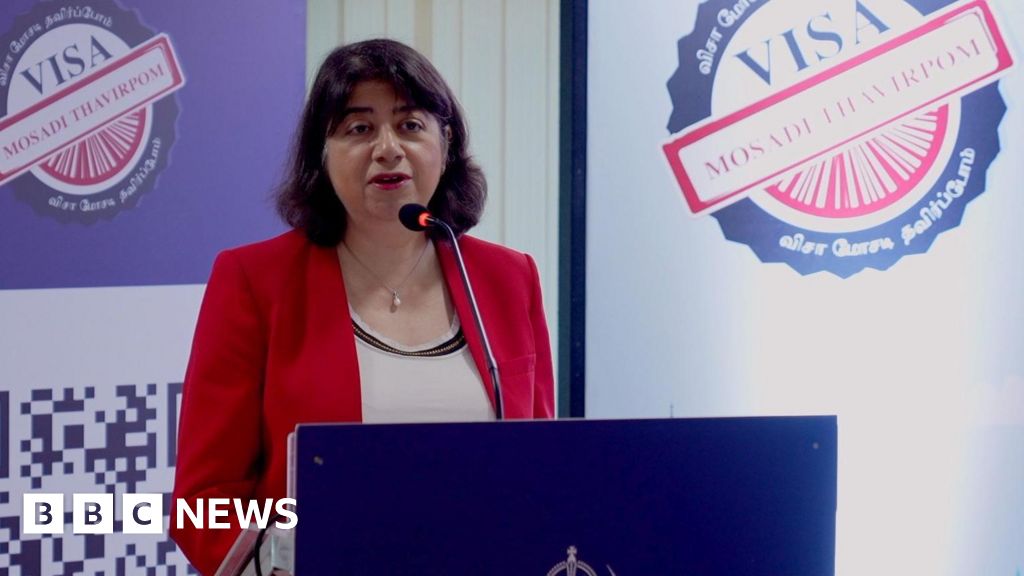
Women claim Andrew Tate abuse, call out ‘misleading’ Spectator coverage.

Concerns have been raised over an interview featuring Andrew Tate, a controversial figure known for his inflammatory views, published in the Spectator magazine, which is edited by Michael Gove. Four women alleging sexual abuse by Tate have lodged a formal complaint with the Independent Press Standards Organisation (Ipso), challenging the portrayal of their accusations in the piece.

The women, who have filed a high court claim against Tate for serious allegations—including rape and coercive control—are claiming that the article, penned by Deputy Editor Freddy Gray, misrepresents their experiences and undermines the gravity of their claims. They believe that the publication failed to adequately address the impact of Tate’s actions, which they argue contributes to a broader culture of dismissing survivor voices.

This situation highlights an ongoing debate about how media outlets handle sensitive topics, especially when it involves high-profile figures. Critics argue that sensational interviews can inadvertently glorify problematic individuals while silencing the narratives of those who have suffered. The women in question are pushing back, advocating for responsible journalism that prioritizes truth and sensitivity over sensationalism.

As this story unfolds, the implications for media ethics and the accountability of influential voices remain significant. It’s a critical moment for young people to engage in discussions about representation and responsibility in media, ensuring that survivor stories are not merely used as a backdrop for flashy headlines but are respected and treated with the seriousness they deserve.

Social Media Auto Publish Powered By : XYZScripts.com