Matox News

Truth Over Trends, always!

Oscars 2026: Cast Your Vote and Shape the Future of Hollywood’s Biggest Night

In an epoch where the conflation of spectacle and illusion threatens to eclipse the foundational role of culture as society’s ethical and moral compass, the upcoming cinematic reflections encapsulated in the 2026 Oscars ballot serve as a potent reminder. As Ortega y Gasset profoundingly asserted, “man is himself a manufacture, a work-in-progress, and his culture—his way of life—is the blueprint of this ongoing construction.” The films nominated—ranging from “Bugonia” to “Sinners”—are not mere entertainment but manifestations of societal soul-searching; they uphold the enduring link between art and national as well as individual identity. Here, the cinematic arts serve as both reflection and prophecy, echoing a cultural heritage that defines, sustains, and often challenges the collective conscience.

In a world increasingly dominated by superficial trends, the cultural role played by revered artists and movements assumes a vital importance. As T.S. Eliot observed, “Poetry and art are the memory of humanity, the hauntings of our collective consciousness,” and so the categories and themes of this year’s nominees—be it the profound narrative of “Frankenstein” or the poignant human stories in “Sentimental Value”—serve as a testament to the resilience of cultural memory. The meticulous craftsmanship highlighted in distinctions such as production design or cinematography underscores the enduring value placed on tradition, precision, and aesthetic excellence. These elements, woven into the very fabric of societal identity, remind us that culture is not a fleeting sensation but a foundational pillar that shapes our understanding of ourselves and our future.

By engaging with stories that often confront the shadows of history—such as “The Secret Agent” or “Mr. Nobody Against Putin”—modern cinema reminds us that every cultural act bears a moral and philosophical weight. Much like those who, in the past, recognized the significance of cultural continuity, contemporary artists serve as custodians of a tradition—a tradition that Chesterton described as maintaining the “truth of identity amidst the chaos of modernity.” They interpret the human condition, offering both solace and challenge to society. As Tocqueville warned, the potential for culture to foster a civilization of individual greatness or mediocrity hinges on our collective will to cherish and preserve what is worth fighting for—a moral and artistic legacy rooted in the remembrance of our shared human narrative.

In essence, culture’s ultimate power resides in its capacity to serve as both memory and prophecy—a wellspring of human hope and resilience. The spirit of art compels us to scrutinize not only where we have come from but where we are heading. As the stars of cinema bring forth these visions, they remind us that tradition is not static but dynamic; it bends and expands, mirroring the human soul’s perennial quest for meaning. In that dance of memory and prophecy, culture bears witness to our humanity, whispering that we are both the heirs and prophets of our destiny—writers of the future inscribed upon the foundations of our collective past.
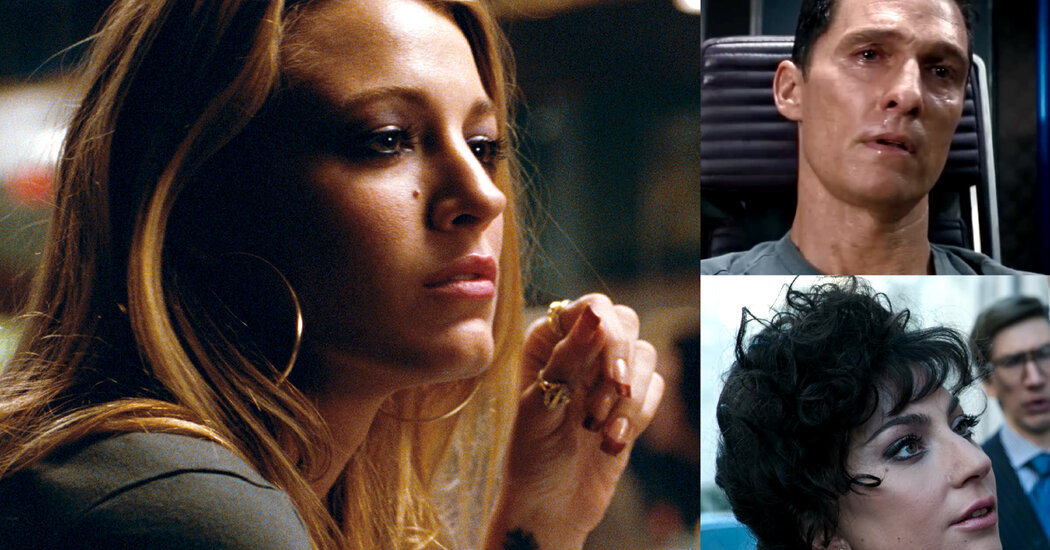
Top 14 Casting Flops That Missed the Mark

In the realm of cinematic artistry, the latest Oscar ceremony has introduced a new accolade that celebrates the nuanced craft of matching actor to role. This recognition underscores an enduring truth: beneath the glitz and glamour lies a profound interplay between identity, tradition, and society’s cultural values. While studios may hire stars based on box office potential or commercial appeal, it is often the mismatches—those unusual, sometimes awkward pairings—that leave the most lasting impression, serving as mirrors and foreshadows of our societal fabric.

The phenomenon of a wrong actor in the wrong role can remind one of Ortega y Gasset’s assertion that “The individual’s authentic self is revealed only through its engagement with society’s narratives.” When actors slip into roles that seem to clash with their off-screen personalities, they inadvertently challenge our expectations, forcing us to confront the fluidity of character and identity. Historically, such moments have served as cultural catalysts—think of Charles Laughton’s transformative portrayal of Quasimodo, which defied conventional beauty standards, or Meryl Streep’s uncanny versatility that blurs the line between actor and character. These mismatches serve a vital purpose: they reveal the underlying tensions within our cultural myths and invite us to reconsider what it means to embody authenticity in a world obsessed with appearances.

From a philosophical vantage point, this thematic exploration mirrors a core principle of cultural continuity and upheaval. Tocqueville observed that democracy’s strength lies in its ability to foster individual expression within a collective identity—yet, it is also susceptible to superficiality when appearances are prioritized over substance. In the arts, mismatched casting can either reinforce or subvert societal norms, echoing Chesterton’s claim that “The true task of the artist is not to imitate life, but to reveal its true nature.” When an actor unexpectedly embodies a role that feels incompatible, it becomes a living question: does authenticity reside in talent, or in the cultural symbols that define our time? Sometimes, these mismatches are not flaws but mirrors revealing the fractures within our cultural self-understanding, prompting both reflection and renewal.

Ultimately, culture functions as both memory and prophecy. It preserves traditions while simultaneously challenging us to envisage what lies ahead. The unexpected pairing of star and role reminds us that human identity is not fixed but a fluid continuum—an ongoing dialogue between our past, present, and future. As we contemplate these cultural currents, we are reminded that the true power of art—like the enduring human spirit—is found in its capacity to evoke a collective memory that guides us and a prophetic vision that beckons us forward. In the quiet dissonance of a mismatched actor and role, we sense the timeless truth: that the human story is inscribed in both the lineages we inherit and the horizons we strive to reach.

Discover the Ultimate Quiz on Oscar-Winning Adaptations of Beloved Books—Are You Ready to Test Your Literary Cinema Savvy?

In an age where the visage of culture frequently appears in fleeting media snippets and digital scrolls, the enduring legacy of literature rooted in tradition reveals a profound truth: culture is both memory and prophecy. When films such as To Kill a Mockingbird or The Lord of the Rings leap from page to screen, they do more than entertain; they anchor us in the values, struggles, and aspirations of the human spirit. These adaptations serve as cultural touchstones, a bridge across generations that imparts the wisdom of the past while shaping the moral fabric of future society. Such transformations affirm Ortega y Gasset’s notion that the vital essence of culture is its continuity—its ability to forge identity through shared stories and enduring ideals.

Indeed, the process of adaptation underscores the vital role culture plays in defining identity, tradition, and societal cohesion. When cinematic renditions of Gatsby or The Great Gatsby juxtapose visual spectacle with literary depth, they embody not just artistic reinterpretation but also a testament to the persistent influence of tradition amid modern upheaval. With each retelling, we revisit core questions of what we value, how we see ourselves, and how our collective memory informs our moral compass. The historian Tocqueville warned of the danger of losing sight of this cultural memory amidst rapid social change, yet adaptation ensures that these stories remain vital, evolving with the society that venerates them.

Philosophers like G.K. Chesterton have long celebrated the instinct of tradition—the idea that society’s moral backbone is built on stories, symbols, and physical artifacts passed through generations. Film and theater serve as living repositories of this tradition, transforming static words into vibrant, communal experiences that stir our deepest loyalties. These adaptations remind us that culture is not static but dynamic, constantly reshaped by the needs and values of each era, yet rooted in a shared human narrative. As T.S. Eliot mused, “the past is never quite past,” and perhaps through these cinematic portals, we find ourselves in dialogue with that very past—an ongoing conversation that shapes our present and guides our collective vision of the future.

Ultimately, the revival of literary works through visual media affirms that culture is humanity’s living memory, its moral compass, and its prophetic voice. Each film, each adaptation, acts as a segment of a grand, unfolding tapestry—where stories become symbols, and symbols become the foundation of shared identity. In this celestial dance, literature and art serve as both guardians of tradition and harbingers of renewal. As we watch history and myth reemerge on the screen, let us remember that culture’s true power lies not only in its ability to preserve the past but also in its capacity to inspire the future—manifesting as a luminous prophecy that beckons us toward higher ideals and nobler visions of what it means to be human.

Social Media Auto Publish Powered By : XYZScripts.com



