Matox News

Truth Over Trends, always!

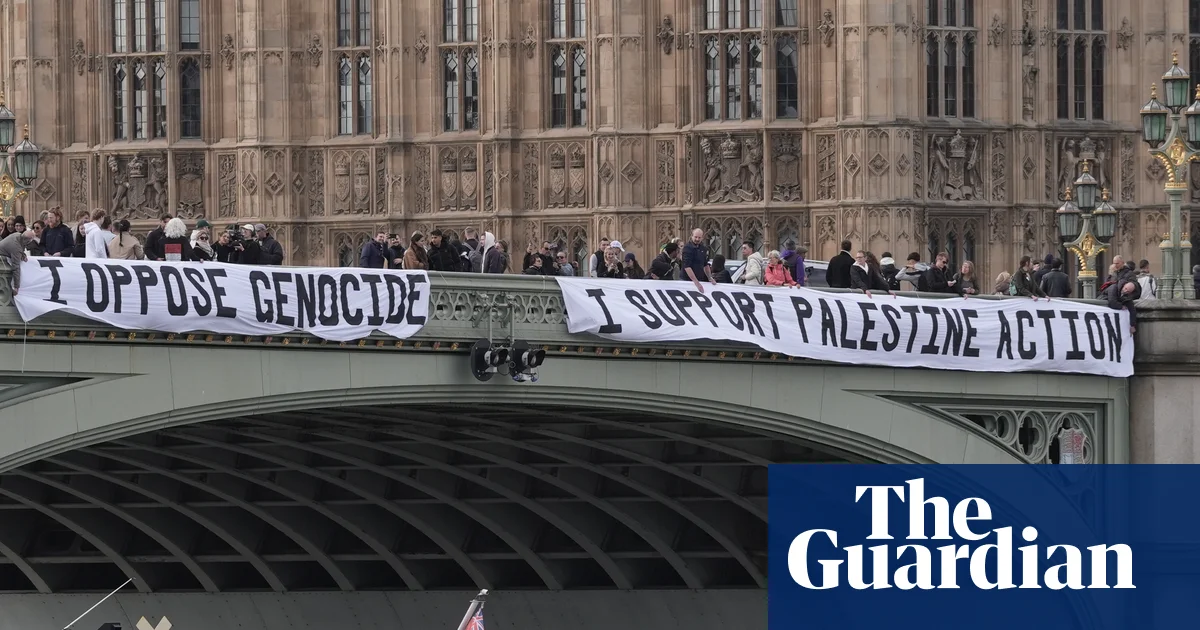
Police Start Arrests at London Palestine Action Protest

The recent escalation of protests in London underscores a profound geopolitical shift centered around the ongoing Israeli-Palestinian conflict and the international community’s divided response. Thousands gathered in Trafalgar Square to rally in support of Palestine Action, a group classified as a terror organization by the UK government since July. The demonstrators aimed to showcase their dissent against the UK’s stance, which has become a flashpoint for broader debates surrounding freedom of expression, security, and the legitimacy of militant organizations in global politics. The scale of participation, reportedly exceeding 1,500, marked one of the largest anti-government protests in recent history, reminiscent of the 1961 anti-nuclear demonstrations – a testament to the growing unrest gripping Western capitals.

In response, London police launched a wave of arrests, including six individuals connected to a pro-Palestine banner displayed on Westminster Bridge. Authorities quickly intervened to remove the banner, with police officials asserting that those involved supported a proscribed organisation, thereby justifying their arrest under the existing national security legislation. Such actions reflect the tightening grip of Western governments on activism deemed threatening to national security, raising critical questions about the limits of civil liberties amid perceived threats from global militant groups. The police statement highlighted the rapid response, emphasizing that maintaining public order and state security remains a priority, even at the expense of free assembly. Internationally, experts warn that these internal crackdowns could fuel further tensions, especially when viewed through the lens of international law and human rights.

The development comes amid a broader geopolitical context of rising tensions involving Israel, Palestine, and their respective allies. The event in London, while localized, is emblematic of a growing divide among Western nations about how to handle support for Palestinian rights and militant organizations. In recent months, international organizations like the United Nations have called for diplomacy, yet the UK’s designation of Palestine Action as a terrorist group signals a hardening of stance within the British government. Historians and analysts note that such classifications often serve as pretexts for suppressing dissent and marginalizing voices critical of Israel’s policies. This internal conflict over how to approach the Palestinian issue reflects a larger geopolitical battle—one that affects not only the Middle East but global alliances and security arrangements.

As the world watches, the unfolding narrative in London is a stark reminder of the fragile balance between national security and international advocacy. The suppression of peaceful protests and the labeling of political support as terrorism threaten to deepen societal fractures in the West, a region historically rooted in ideals of free expression. Meanwhile, the international community faces its own reckoning; the decisions taken by governments today will shape the geopolitical landscape for generations. With history’s ink still drying on this chapter, the question remains: Are we witnessing the dawn of a new era where the boundaries of dissent are redrawn, or the tragic prelude to a global realignment driven by unresolved conflicts and ideological divides?

Lola Young Takes Legal Action Against Messy Co-Producer Carter Lang Amid Industry Buzz

In an age where the collision of art and commerce has become an all-too-familiar battlefield, the recent dispute involving Lola Young over her hit single Messy highlights a fundamental truth: culture is more than mere entertainment—it is the embodiment of identity, tradition, and societal values. As Young, a rising star fueled by her authentic voice, takes legal action against producer Carter Lang over songwriting credits, we are reminded that the struggle to preserve integrity and authenticity is at the heart of modern cultural discourse. Her fight is not merely about a song; it’s a confrontation over the soul of artistry itself, echoing the perennial tension between creative truth and commercial interests that has persisted since the dawn of civilization.

Historically, the concept of culture has served as a vessel for collective memory, passing down the essence of a people through art, music, and tradition. As Ortega y Gasset remarked, “Society is a horizon, a horizon which one cannot reach, but which one must strive to approach.” Today, in an era dictated by digital streams and viral virality, the very nature of that horizon is under assault. The controversy surrounding Young’s dispute underscores the importance of defending cultural authenticity in the face of commodification. Her assertion that her songwriting was genuine reflects a broader resistance—a statement that true cultural production springs from individual’s inner truths, not just contractual obligations or superficial collaborations. She embodies the modern torchbearer of a tradition that values societal memory and identity over fleeting fame, a trait shared with figures like Chesterton who championed the importance of cultural roots in shaping a nation’s character.

Yet, the dispute also signals a deeper issue: the erosion of cultural sovereignty under the weight of industry interests. As Tocqueville warned, democracy’s greatest challenge lies in maintaining the delicate balance between individual freedom and societal cohesion. In the realm of music—a vital expression of collective identity—the ongoing struggle for rightful recognition reflects the fragile fabric of cultural integrity. When the legal battle extends into the public eye, it prompts a broader reflection on the importance of protecting creative rights, for the preservation of authentic art is akin to safeguarding the soul of a society. Young’s battle is more than personal; it is emblematic of a cultural imperative to honor the contributions of individual artists and uphold the values that make their work resonate with the spirit of their community.

In this ever-evolving landscape, where the echoes of tradition meet the relentless march of innovation, the role of culture remains as vital as ever. Like T.S. Eliot’s poetic refrain that “the past is never dead; it’s not even past,” our cultural memory persists through struggle, renewal, and resistance. It is both a memory—an echo of who we once were—and a prophecy—an aspiration for who we might become. As young voices like Lola Young’s refuse to let their stories be rewritten by others, they remind us that authentic culture is the cornerstone of societal identity and resilience. In the end, perhaps it is through these battles that we glimpse the true horizon—a future shaped not by fleeting trends but by the enduring spirit of those who dare to preserve and forge their cultural legacy amidst the tumult of change. A true culture is a human constellation, forever shifting yet anchored in the eternal dance of memory and prophecy, guiding humanity through the shadows towards the dawn of enduring authenticity.

Rising Stars Shine in Thrilling Weekend of Championship Action

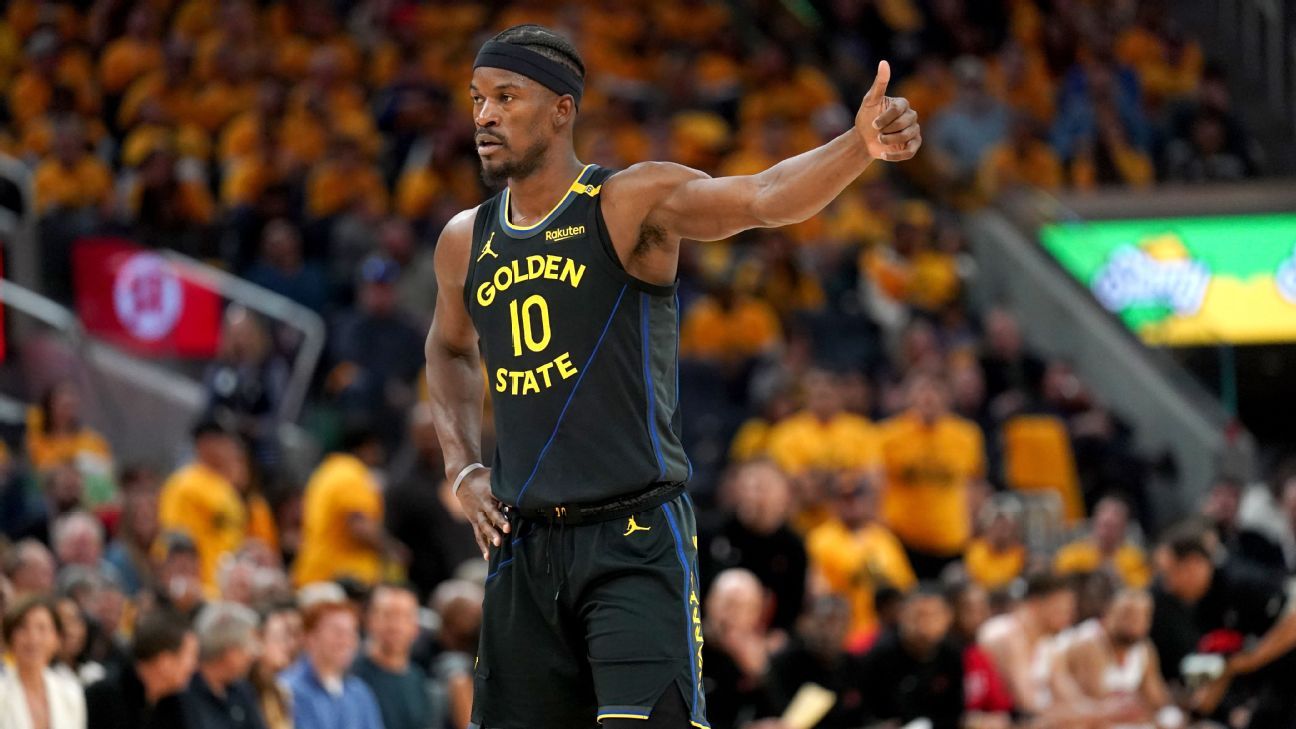
Buddy Hield Sparks Return of ‘Emo Jimmy’

The upcoming NBA season is filled with anticipation, particularly for the Miami Heat and their star player, Jimmy Butler. Known for his eclectic personality, Butler recently received a push from fellow player Buddy Hield to embrace the “emo” style that captivated fans during the previous season. While Butler’s captivating presence is undeniable, it appears that he may hold off on showcasing this side of himself at the upcoming media day.

Hield, the sharpshooting guard for the Indiana Pacers, recently expressed his enthusiasm for Butler’s potential return to this unique persona. He stated, “We all know how much fun Jimmy has brought to the game. If he wants to bring back ’emo Jimmy,’ I’m all for it!” This playful rivalry sets the stage for what could be an exciting season, with Butler’s character likely dominating headlines regardless of whether he showcases this new or familiar identity.

Eric Spoelstra, head coach of the Miami Heat, remains focused on how Butler can channel his personality into team motivation. Spoelstra noted, “Whether it’s ’emo Jimmy’ or playoff Jimmy, what matters is how he impacts the team. We’re hoping to maximize his unique energy.” This approach highlights the power of individual character contributing to a greater team dynamic, a vital element that could lead the Heat toward another successful campaign.

  • Jimmy Butler has historically elevated his game during the playoffs.
  • Hield’s support hints at a potential locker room bond that could enhance the Heat’s performance.
  • The focus remains on team unity as the crucial element for success this season.

While it remains unclear whether we will witness Butler’s introspective side during the media day, one thing is certain: the world of professional sports is not just about victories or losses. It cultivates camaraderie and connection among fans and players alike. As the NBA season kicks off, stories like these remind us that sports bring people together, transcending mere competition as they unite us under shared passions and experiences. The game continues, whether in ’emo’ fashion or with the triumphs of great athletes, shaping our collective narrative.

Source link

Man arrested over cyber-attack targeting airports—rise in digital threats prompts urgent action

The recent cyber-attack targeting Collins Aerospace, a prominent US aerospace and defense technology firm, underscores the escalating threats impacting critical infrastructure across Europe. The attack, which has caused days of chaos at major airports including Heathrow, Brussels, Dublin, and Berlin, highlights the vulnerabilities in the digital backbone of global transportation networks. A suspect in his forties was detained in West Sussex under suspicion of violating the Computer Misuse Act, signaling intensified law enforcement efforts against organized cybercrime groups, which, according to the European Union Agency for Cybersecurity, deploy ransomware and other malicious tools to extract hefty ransom payments in cryptocurrencies. The attack’s ripple effect has left hundreds of flights delayed or canceled and has exposed the fragile state of the aviation industry’s cybersecurity defenses, casting a shadow over the future of digital resilience in transportation.

The disruption was initiated Friday night when ransomware was deployed within Collins Aerospace’s systems—a tactic on the rise, with reported increases of 600% in cyber-attacks targeting the aviation sector over the past year, according to French aerospace firm Thales. The ransomware attack encrypts vital operations, demanding ransoms often paid in cryptocurrencies to restore systems. As a consequence, airports in Brussels, Dublin, and Berlin struggled with manual check-in processes, causing prolonged delays, cancellations, and operational bottlenecks. Heathrow Airport has been forced to deploy additional staff to manage manual check-ins, but even with backup measures, delays persist. The incident highlights the grave policy consequences for organizations unprepared for sophisticated cyber threats and signals a significant market impact on aviation companies’ operational costs and insurance premiums in the near future.

One of the most alarming aspects of this attack lies in its potential to disrupt international economic activity, as airlines and logistics operators grapple with the fallout. The incident also signals a broader threat landscape where organized cyber-crime gangs rake in hundreds of millions annually, using ransomware to target essential services. The U.S. technology conglomerate RTX Corporation, the parent of Collins Aerospace, has acknowledged the ongoing rebuilding efforts but refrained from providing a timeline for full recovery. Meanwhile, the European Commission has underscored the need for enhanced cybersecurity frameworks, urging operators to adopt proactive defense strategies, including better threat detection and incident response protocols. Economists and security analysts warn that without significant infrastructure investments and robust policy enforcement, such attacks could set back the sector’s growth, potentially inhibiting international travel and commerce during the upcoming peak seasons.

Looking ahead, this attack serves as a stark warning that cybersecurity is now the frontline battleground for national security, economic stability, and technological supremacy. As nations rally to fortify defenses, the resilience of the global economy hinges on strategic investments in digital infrastructure and cybersecurity innovation. The pandemic of cyber threats is not going to subside; rather, it is evolving into a perpetual duel where nations, corporations, and technological ecosystems must stand united. The mounting evidence suggests that the geopolitical stage is set for a future where control over cybersecurity technology and policies could determine the leaders of tomorrow’s digital economy. The pulse of this epoch beats strongest where innovation meets vigilance—an epic narrative of power, resilience, and the unyielding pursuit of technological mastery.

Social Media Auto Publish Powered By : XYZScripts.com