Matox News

Truth Over Trends, always!

Which iconic franchise will Trump revive next? After reintroducing Rush Hour, the next move in action and adventure films for a new era

In the contemporary landscape, the seat of cultural authority—once occupied by visionaries, playwrights, and philosophers—appears increasingly to be wrested by figures whose influence extends into the very fabric of society’s entertainment and perception. The recent obsession of Donald Trump with controlling and dictating cultural narratives, from his overt meddling in the media to his audacious interference in Hollywood productions, reveals a broader, unsettling truth: culture is no longer merely the reflection of a society’s values but a tool for asserting dominance over its collective consciousness. This phenomenon harkens back to the age-old question of cultural sovereignty—who shapes the stories we tell ourselves about ourselves?—a question that has profound implications for our identity, traditions, and societal cohesion.

Trump’s explicit desire to influence film production—demanding sequels to Rush Hour and Bloodsport—may seem trivial on the surface, but it signifies a deeper cultural fever. As Ortega y Gasset observed, “Man is himself a cultural product, and his destiny is entwined with the stories he believes are true.” When a leader interferes in the artistic domain, he effectively attempts to rewrite that story, shaping a version of reality where popular culture becomes a vessel for political affirmation. His favoritism for cinéma that panders with simplistic violence and juvenile humor—films that lack profundity but promise comfort—reveals a preference for entertainment that reinforces superficial notions of strength and toughness, traits historically associated with national pride and resilience. Such cultural choices matter because, as Tocqueville pointed out, democratic societies risk losing their sense of tradition and purpose when their cultural narratives are reduced to franchises and spectacle rather than shared values and history.

  • Highlights of this cultural shift include:
  • The waning influence of classical storytelling in favor of blockbuster spectacle
  • The erosion of societal cohesion through the trivialization of art and history
  • The resurgence—and in some cases, the distortion—of traditional heroism in popular media

Indeed, as Chesterton famously defended, “a tradition may be defined as an extension of the memory of a people.” When leaders and media moguls distort or trivialize this memory, they risk creating a cultural landscape that is chaotic and unmoored. The philosopher T.S. Eliot once argued that our cultural renewal depends on reconnecting with our roots—our narratives of triumph, tragedy, and moral resolve. In this context, the spectacle of a president advocating for a second or third installment of Shanghai Noon or Bloodsport is emblematic not merely of bad taste, but of a cultural decay where the highest ideals of society are replaced by noise, noise that masquerades as entertainment. It is a reminder that true cultural authority requires the stewardship of tradition, not the whims of a populist’s fleeting fancy.

In the end, culture remains both the memory and the prophecy of humanity—an intricate weave of remembrance and hope, of the stories that sustain us and the visions that propel us forward. Our task is to recognize that the stories we tell define us; that in preserving our cultural memory, we forge the moral compass that guides us through uncertainty. Because, in the silent poetry of history and art, there echoes a truth as old as time: we are what we remember, and in what we cherish, we shape what we shall become.
Floods in Indonesia claim over 500 lives — a tragic wake-up call for action

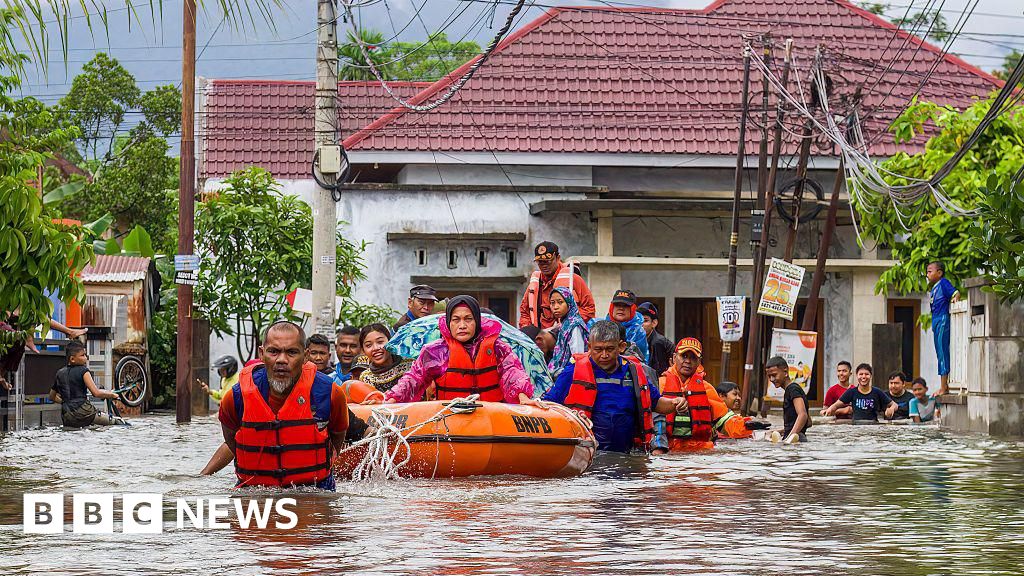
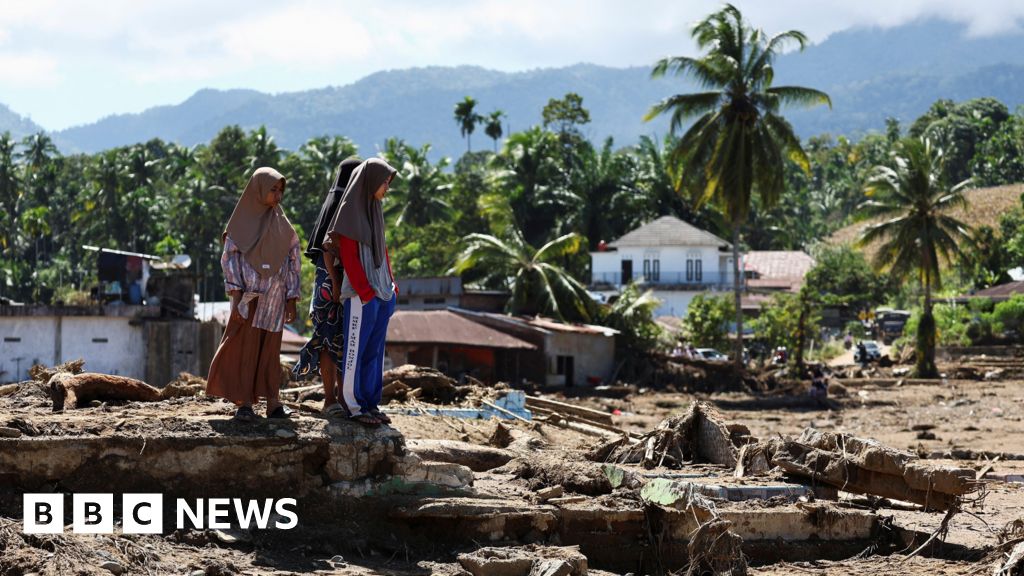
Indonesia is currently grappling with a devastating natural disaster that underscores the growing **geopolitical impact** of climate-related events. Over the past week, **floods caused by a rare cyclone over the Malacca Strait** have resulted in the deaths of more than 500 individuals, with the toll expected to rise as rescue operations struggle to reach the worst-affected provinces. As the world’s fourth-most populous nation, **Indonesia’s** turmoil resonates well beyond its borders, reflecting broader regional vulnerabilities and the global challenge of climate adaptation. This tragedy highlights how nature’s fury is no longer confined to isolated zones but now reshapes geopolitical stability and socio-economic fabric in Southeast Asia. Governments and international organizations worldwide are analyzing the aftermath to gauge future risks and the adequacy of disaster response mechanisms amid accelerating climate change.

Across **Aceh, North Sumatra, and West Sumatra**, thousands remain cut off from essential supplies, with many victims living in conditions marked by absolute despair. Amidst mudslides, washed-away bridges, and impassable roads, rescue workers face immense difficulty in delivering aid, exacerbating the crisis. Historians and analysts warn that modern Southeast Asia’s vulnerability to such floods is intensifying because of **climate change**, which scientists claim is making storms more intense and frequent. The Indonesian government’s response, led by President Prabowo Subianto, emphasizes national resilience but is criticized by some for bureaucratic delays hampering immediate aid deployment. This event serves as a stark reminder of **how decisions or lack thereof** on environmental policies can directly affect millions, transforming environmental disasters into security and political crises. The **International Panel on Climate Change (IPCC)** has previously warned that a warming planet will only magnify these events, requiring urgent global cooperation and strategic foresight.

As this climate catastrophe unfolds, the *regional geopolitical landscape* is also shifting. Countries like **Malaysia, Thailand, and Sri Lanka**, all experiencing their own severe weather episodes recently, exemplify a pattern where **climate disruptions** threaten regional stability. Borders are blurred as migrant flows and resource shortages intensify, and competition for aid and influence among nations becomes palpable. In this climate era, every severe storm underscores the importance of regional alliances and international support, but also exposes gaps in disaster preparedness and climate resilience. Meanwhile, *analysts* from institutions like the **World Meteorological Organization** contend that such events are accelerate due to **human activity**, making climate diplomacy an urgent geopolitical issue that transcends national borders. This interconnected crisis demands strategic, multilateral approaches—yet it also raises questions about sovereignty and the ability of governments to protect their populations from these rapidly escalating threats.

As the dust settles over Indonesia’s flooded landscapes, history’s grand narrative continues to unfold. The current catastrophe is not just a tragedy—it is a warning from the natural world, a call for unity in the face of mounting adversity. The *coming years* will determine whether nations can learn from this disaster and forge resilient pathways forward or fall victim to the chaos that unchecked climate change can bring. In the shadow of this unfolding crisis, the global community faces a stark choice: adapt and prepare or watch as the edge of history rewrites itself amid relentless storms and rising seas. The echoes of this crisis will resonate far beyond the flooded plains of Indonesia, resonating as a critical turning point in the ongoing story of humanity’s struggle with nature’s unleashed power.

Flooding in Southeast Asia claims 600 lives, urgent call for action

South Asia Faces Devastating Floods and Landslides Amid Climate Unrest

The region of southern Asia is currently confronting an unprecedented natural disaster, as torrential rains triggered by tropical storms have wrought widespread destruction across Indonesia, Thailand, Malaysia, and Sri Lanka. These devastating floods, compounded by rare cyclonic activity, have claimed the lives of approximately 600 individuals and left millions displaced, exposing the perilous intersection of climate change and geopolitical stability. As rescue operations continue amidst chaos and destruction, analysts warn that such extremes are likely to become the new norm if global actions remain delayed.

Historically, the monsoon season has been a predictable component of Southeast Asian weather patterns, yet this year’s events mark an alarming deviation. In Indonesia, the arrival of Cyclone Senyar, a once-in-a-lifetime tropical cyclone, has caused catastrophic landslides and flooding, sweeping away entire communities on the island of Sumatra. Officials report nearly 300 individuals are still missing, with some homes submerged and entire neighborhoods washed away in seconds, according to local residents and disaster agencies. Similarly, in Thailand, the city of Hat Yai faced record-breaking rainfall—over 300mm in a single day, a figure unseen in three centuries—leading to a death toll exceeding 160. Entire districts have seen infrastructure decimated, with hospitals overwhelmed and bodies needing refrigeration under emergency conditions.

Meanwhile, Sri Lanka bears the brunt of a country battered by both Cyclone Ditwah and relentless rain, with over 130 lives lost and more than 170 still missing. The government has declared a state of emergency, mobilizing emergency aid and international assistance. Climate scientists and regional analysts attribute this pattern to the interaction of Typhoon Koto in the Philippines and Cyclone Senyar in the Malacca Strait, embodying a disturbing trend of intensified and prolonged weather crises fueled by climate change. The regional climate crisis, yielding heavier than typical monsoons, underscores the geopolitical challenge: how to adapt and respond before the damage becomes irreversible. Globally, organizations such as the United Nations warn that climate-related disasters are no longer isolated incidents but a direct threat to stability and security.

Ultimately, this confluence of natural calamities is more than just a reminder of Earth’s volatile climate; it exposes how poorly prepared vulnerable nations remain to confront such upheavals. To many analysts, these incidents serve as a stark warning that the global community must act decisively to curb emissions and bolster resilience. The ongoing rescue efforts, while heroic, highlight the disparity—wealthier nations can invest in advanced infrastructure and swift aid, yet millions across South Asia continue to face the brutal impact of nature’s fury with limited resources. As the waters recede and emergency services tend to the injured and displaced, the question remains: how much longer can societies endure these relentless onslaughts before the fabric of civilization itself begins to fray? For now, the waters keep rising, and history eagerly watches to see if this crisis will inspire meaningful change or be just another chapter in a long story of neglect, leaving future generations to contend with a planet in peril.

Afghan-Americans demand action from Trump after deadly DC shooting

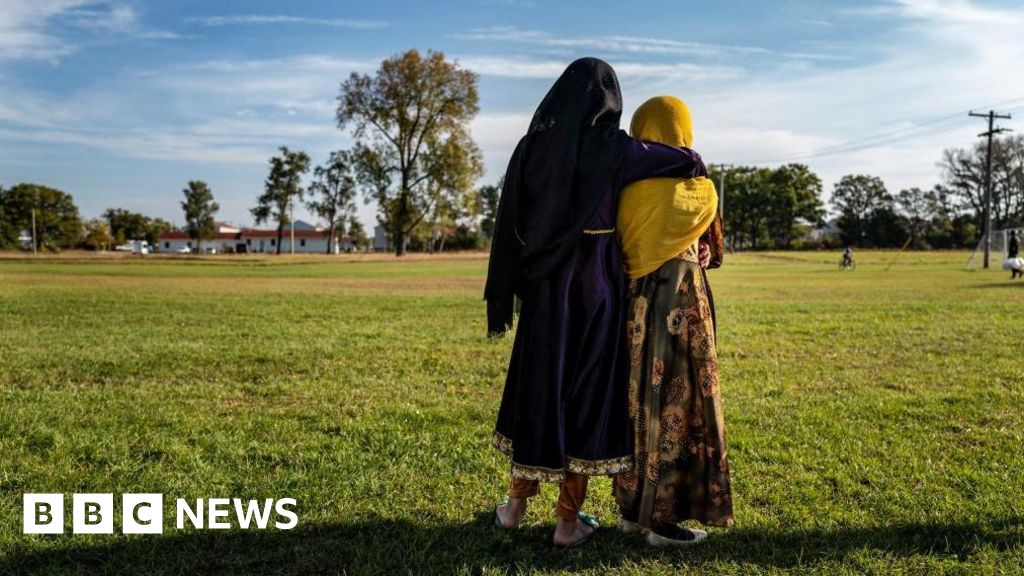
The recent violence in Washington, DC, marked a tragic chapter in the ongoing challenges faced by Afghanistan and its diaspora post-U.S. withdrawal in 2021. The deadly shooting, which resulted in the death of a National Guard member and left another fighting for life, has reverberated across political and social spheres in America. The suspect, Rahmanullah Lakanwal, a recent immigrant with ties to U.S. forces in Afghanistan, highlights the complex interplay between immigration policies and security concerns. While Afghan-American communities have condemned the attack, emphasizing that the perpetrator does not represent their society, the incident has reignited heated debates surrounding the Biden administration’s immigration programs, especially for those fleeing Taliban-controlled Afghanistan.

In response to the attack, President Donald Trump has swiftly moved to curb further immigration from Afghanistan by pausing all current requests and reviewing green cards issued to residents from 19 countries. This crackdown aligns with his longstanding rhetoric emphasizing national security and border sovereignty over what he deems “third-world” threats. International analysts and observers, including members of the Heritage Foundation and the Council on Foreign Relations, warn that these policies risk undermining the decades-long alliance between the U.S. and Afghanistan’s anti-Taliban forces. They underscore how such decisions may fracture the fragile stability of Afghan communities worldwide, fueling social divisions and eroding trust in government.

Within the United States, many Afghan immigrants express a mixture of gratitude and concern. The Afghan Community Coalition of United States has called for a “comprehensive investigation” into the shooting but urges the Biden administration not to halt Afghan immigration claims, emphasizing the *twenty-year partnership* that saw countless Afghans risking their lives working alongside U.S. forces. Historians like Dr. Ahmed Rashid have noted that the U.S.’s withdrawal was a turning point that left Afghanistan vulnerable to Taliban resurgence, and that the Afghan diaspora has borne the weight of shifting policies with their hopes for safety and stability. Meanwhile, critics warn of potential repercussions if immigration policies tighten further, arguing it could undermine the very principles of refuge and alliance that helped myriad Afghans escape Taliban rule.

As the story unfolds, it leaves the global community in a state of reflection. The young Afghan American who described the attack as “deeply tragic” reiterated that this act was an isolated incident and not reflective of the entire community, which continues to contribute to American society. Still, the shadow of instability looms large, with fears of unpredictable policy shifts and societal marginalization. In the backdrop, the voices of activists like Crystal Bayat, who worry about deportations despite their legal status, reinforce a broader narrative of uncertainty. As the US grapples with its identity and security priorities, the widening fissures in its immigration fabric threaten to leave a lasting scar on history — a reminder that the consequences of decisions made today will echo into generations to come, shaping the geopolitical landscape and the destinies of countless lives caught in the crossfire of shifting allegiances and ideologies.

Hong Kong Tower Fire Claims 128 Lives, Youth Voice Demands Action

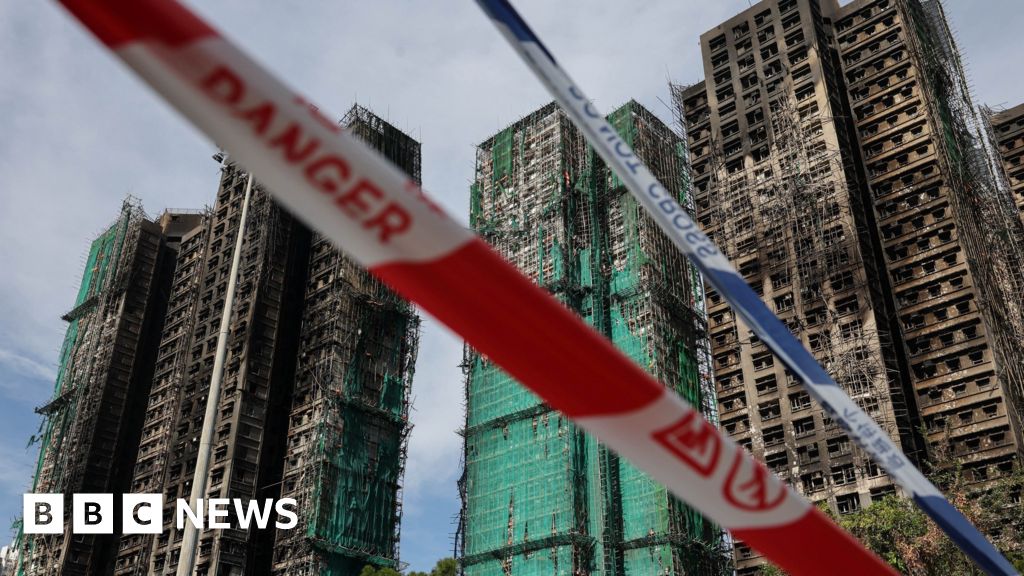
The recent fire outbreak at Wang Fuk Court in Hong Kong marks one of the most devastating tragedies in the territory’s modern history, with **128 lives lost** and dozens still missing. This catastrophe underscores profound failures in building safety standards and , igniting questions about how local governance and international investors manage safety protocols amidst ongoing urban renovations. As rescue operations conclude and emergency agencies tally the damage, the impact on Hong Kong’s societal fabric and global image becomes unmistakably clear, reflecting broader issues of urban neglect and corruption entrenched in the city’s development.*

This disaster, which saw flames rip through seven of the eight apartment blocks, speaks to systemic vulnerabilities. Firefighters worked tirelessly, with over 2,300 personnel involved in containment efforts, but the rapid spread was exacerbated by combustible exterior materials such as Styrofoam, which officials now link to the uncontrolled blaze. Experts from the International Fire Safety Organization warn that such negligence is indicative of a larger pattern—where cost-cutting and lax regulation compromise safety, especially in densely populated zones with aging infrastructure. Moreover, testimonies of missing safety alarms and allegations of turned-off fire systems by construction workers reveal a disturbing neglect that goes beyond mere oversight, pointing to potential criminal negligence***. These revelations resonate internationally as a warning of what unchecked corruption and profit-driven development can lead to, endangering vulnerable populations.

International analysts and historians have already contextualized this tragedy within Hong Kong’s longstanding struggle with urban density and governance. The 1948 fire that claimed 176 lives remains a dark chapter, and the current incident has reignited debates about urban planning failures—especially amidst recent protests over housing affordability and public safety. The fact that nearly 40% of residents are seniors who have lived in Wang Fuk Court since its 1983 construction emphasizes rising concerns that neglect of the elderly and marginalized communities is a symptom of broader societal disparities—disparities widened by the interplay of local government policies and international economic pressures. Such failures have drawn sharp criticism from international watchdogs and local civil society groups, who argue that the tragic loss could have been prevented had safety oversight been prioritized over profit gains.

The geopolitical repercussions extend beyond Hong Kong’s borders. As a major global financial hub, the city’s stability is vital to international investors and regional powers, notably China, whose leadership faces increasing scrutiny over transparency and governance. The incident fuels broader worries about urban resilience in the face of rapid development and challenges international perceptions of Hong Kong’s autonomy and rule of law. Some experts suggest that this crisis could catalyze reforms, but others caution it might deepen authoritarian tendencies, where accountability remains elusive. The story of Wang Fuk Court is thus not merely a local tragedy, but a symbol of the struggle between neglect and resilience, a chapter still being written in a consequential saga that shapes the very future of Hong Kong and, by extension, China’s global image.

As smoke clears and the city grapples with the enormity of the loss, history urges caution. Every life lost etches a scar into Hong Kong’s collective memory—an indelible reminder that the spirit of a society is measured by how it confronts its darkest hours. Yet, as with all moments of profound crisis, the question remains: will this catastrophe serve as a catalyst for meaningful reform, or will it fade into the backdrop of ongoing urban struggles? The weight of this tragic chapter lingers, leaving the world with a haunting realization—that sometimes, the flames of destruction threaten to consume not just buildings, but the very foundation of societal trust and safety, until a return to vigilance becomes the only path forward.

Dynamic Young Stars Shine in Thrilling Weekend of Sports Action!

NFL Power Rankings Update Ahead of Week 13

As the NFL gears up for Week 13, fans across the nation are eager to see how their favorite teams stack up. This year’s rankings reflect not just team performance but also the memorable Thanksgiving moments that have shaped the league’s history. While the Pittsburgh Steelers and Dallas Cowboys have consistently dominated the holiday games, other franchises have their own unique stories etched in the annals of NFL lore.

In the realm of competitive football, teams like the Kansas City Chiefs and Buffalo Bills are making headlines with their impressive showings this season. The Chiefs lead their division with a notable record of 9-2, proving their dominance through spectacular athleticism and strategic play calling. Meanwhile, the Bills are close on their heels at 8-3, showcasing the prowess of quarterback Josh Allen, who has thrown for over 3,000 yards this season.

Analyzing Thanksgiving moments, each team has a cherished memory. The New England Patriots, for instance, recall their 2016 victory over the Minnesota Vikings, when they rallied late to snatch a win that kept their Super Bowl hopes alive. As noted by NFL commentator Chris Collinsworth, such moments are a testament to the resilience and fighting spirit that defines the league.

  • Week 13 Matchup Highlights:
  • Chiefs vs. Bills: Look for a high-scoring affair with both teams seeking to solidify their playoff standings.
  • Patriots Thanksgiving Memory: The 2016 comeback win against the Vikings remains a fan favorite.
  • Critical Player Stats: Josh Allen leads with 3,000+ passing yards this season.

As fans prepare for the final stretch of the season, it’s vital to recognize that football goes beyond the scoreboard. The camaraderie shared among fans, the passion ignited in local communities, and the shared experiences of triumph and defeat create a powerful narrative that unites the nation. In every touchdown and defensive stop, there lies a story of hope, resilience, and above all, unity—a reminder that regardless of team affiliation, we are all part of something greater. As the season unfolds, let us celebrate not just the victories, but the community forged through the love of the game.

Source link

Over 2,000 trafficked kids and unaccompanied teen asylum seekers disappear from UK council care—urgent action needed

UK Child Trafficking and Missing Unaccompanied Minors: A Shadow Crisis Unfolds

Britain’s social welfare system faces a grim reality as a recent report exposes alarming shortcomings in safeguarding trafficked children and unaccompanied minors seeking asylum. The investigation, titled Until Harm Ends, compiled through Freedom of Information requests across England, Wales, Scotland, and Northern Ireland, reveals a disturbing trend: hundreds of vulnerable children vanish from care settings, with little accountability or central oversight.

The data paints a troubling portrait of institutional failure. Out of 2,335 children identified as trafficked or suspected trafficked, a staggering 37%—or 864 children—were reported missing. Among nearly 12,000 unaccompanied child asylum seekers in care, 13%—or 1,501 children—disappeared while under local authority supervision. Such figures underscore an urgent warning about the vulnerability of these youths, many of whom are at high risk of re-trafficking and exploitation due to insecure immigration statuses and systemic neglect.

International and domestic analysts are sounding the alarm. Organizations like ECPAT UK and Missing People emphasize that repeated failures in safeguarding efforts are part of a broader paradigm where legislation and policy often fall short of humanitarian needs. Patricia Durr, ECPAT UK’s chief executive, explicitly criticizes the current system, citing a systemic pattern of neglect and societal division. She states, “This report highlights the risk trafficked and unaccompanied children face. It remains challenging to understand why these children continue to be failed. They are consistently let down by the systems meant to support them…

Policy Failures and Their Geopolitical Impact

The report also highlights how policy decisions—particularly regarding housing and care—compound the crisis. Although since September 2021, local authorities have been mandated to place children under 16 in settings that provide proper care, the situation for 16- and 17-year-olds remains dire. Many are housed in “supported accommodation”, settings that often lack the structure necessary to prevent exploitation. This discrepancy exposes a looming gap in youth protection, further fueling concerns over how migration and asylum policies intersect with child welfare.

From a geopolitical perspective, this crisis feeds into broader debates over national sovereignty, border control, and immigration policy. Critics argue that a lax approach to vulnerable migration flows facilitates traffickers’ operations, which exploit the ambiguities between legal protections and border management. The situation is also symptomatic of a wider European trend—where the political rhetoric surrounding immigration has often been exploited to justify austerity and security measures that neglect the most vulnerable.

Both domestic and international commentators, including analysts from Amnesty International and The United Nations, warn that neglecting these societal needs risks fostering unrest and external criticism. The failure to adequately protect trafficked children tarnishes Britain’s reputation and Challenges national standing as a bastion of human rights. Moreover, this issue’s complexity underscores a stark reality: policies crafted in the name of sovereignty and security sometimes undermine the moral fabric of societies, exposing their failure to protect the weakest among us.

The Battle for Systemic Reform and the Weight of History

The government’s response emphasizes reforms, such as the upcoming overhaul of children’s social care via the children’s wellbeing and schools bill. Yet, critics argue that policy declarations alone cannot undo systemic fractures without real accountability. The call to action is clear: authorities must prioritize safeguarding infrastructure, ensure transparency, and actively combat re-trafficking. Without such measures, the cycle of neglect risks perpetuating.

As the nation grapples with this shadow crisis, the story remains unfinished. The figures speak volumes, but behind them lie countless stories of innocence lost and futures shattered. Historians and policymakers alike warn that history will remember whether Britain’s leadership chose justice or complacency in the face of such vulnerability. The coming days will decide if the ongoing narrative of neglect turns into a story of renewal, or if the weight of responsibility remains a heavy burden on conscience—an enduring legacy etched into the fabric of history’s unfolding.

Hong Kong’s Back in Action: Is the City’s Comeback on Time for the Next Generation?

Hong Kong’s Resilient Revival: Embracing Change and Reclaiming Its Global Pulse

Once a bustling powerhouse of international commerce and vibrant street life, Hong Kong faced unprecedented challenges over the past three years. The pandemic’s relentless grip, combined with social unrest and strict quarantine measures, drastically curtailed its role as a global hub of tourism and finance. Markets shuttered, businesses shuttered, and the soul of this legendary city felt subdued. Vendors in areas like Tung Choi Street, known for its iconic night market, experienced a sharp decline in activity, and stories of resilience emerged from shopkeepers like Mr. Chan, whose once-busy stall now operates shorter hours. Yet, amidst these trials, Hong Kong’s leadership is charting a bold course to restore the city’s vibrancy — and it begins with reopening to the world.

Recent developments signal a determined push to reverse the pandemic’s damage and rekindle the city’s dynamism. The city has lifted its stringent quarantine policies, allowing international travelers to visit without the daunting 21-day hotel stay that once paid a premium. This move is more than just easing restrictions; it’s a declaration of faith that trust in the resilience of Hong Kong’s economy can prevail. Eager travelers have responded swiftly, with airlines like Cathay Pacific setting up virtual “waiting rooms” for flight bookings, and travel demand skyrocketing towards cities like Tokyo and Osaka. This renewed interest in wanderlust underpins a vital truth: our health and well-being flourish when we embrace movement and adventure, reconnecting with the world beyond our screens.

However, the path to full recovery isn’t without obstacles. While the quarantine ban is lifting, new safety protocols still impose restrictions that may dampen tourism’s comeback. A three-day ban on dining in restaurants combined with complex entry requirements can seem like hurdles, especially for visitors from abroad. Still, the initiatives like the giveaway of 500,000 airline tickets — valued at nearly $255 million — aim to ignite a *market recovery campaign* that encapsulates the spirit of innovation and opportunity. As wellness expert Dr. Emma Seppälä advocates, “Optimism and proactive efforts are key drivers in fostering resilience in challenging times.” This philosophy echoes through Hong Kong’s recent decisions to revive its global standing, exemplifying a collective trust in the city’s enduring spirit.

  • Travel Smart: Keep an eye on evolving entry policies, and pack pre-vaccination certificates and negative tests.
  • Support Local: Explore emerging neighborhoods and independent vendors to help sustain the city’s small businesses.
  • Stay Inspired: Take moments to appreciate the city’s culture, from historic cafes to modern events, fueling your sense of adventure and purpose.

In contemplating Hong Kong’s story, there lies a broader reflection about our own journeys. The city’s collective effort to bounce back — from the ashes of pandemic shutdowns to the anticipation of international gatherings like the International Rugby Sevens — serves as a powerful reminder. Our _well-being_ depends not only on health measures but on our willingness to step outside, explore, and engage with the world anew. For young adventurers and entrepreneurs alike, the message is clear: resilience is an active choice. As the city reclaims its spot on the world’s stage, each of us can draw inspiration from its unwavering spirit, using setbacks as stepping stones to growth. The journey of life is an ongoing dance with change — embracing it is how we become our best selves.

COP30 Evacuated as Fire Breaks Out—Pacific Leaders Push for Urgent Climate Action

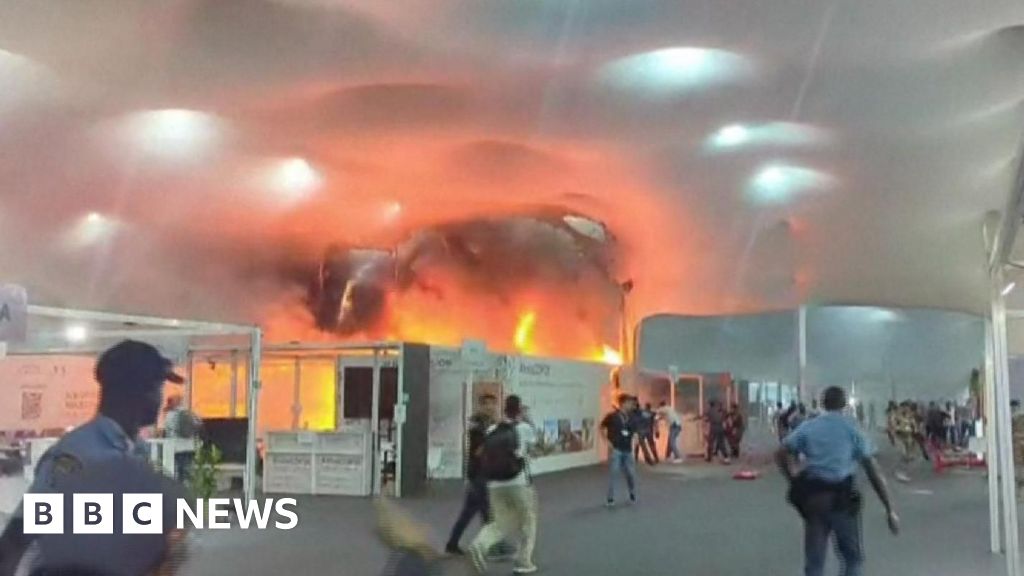
In a dramatic turn of events that underscores the fragility of international diplomacy, the UN climate summit, COP30, held in Belém, Brazil, was abruptly halted when a fire broke out inside the conference venue. Chaos erupted as flames and heavy smoke engulfed the pavilion, forcing hundreds of delegates, journalists, and concerned observers to evacuate in a scramble for safety. The incident not only disrupted critical negotiations but cast a shadow over the increasingly urgent global efforts to combat climate change, highlighting how unforeseen crises can unilaterally derail multilateral diplomacy.

The Brazilian authorities quickly claimed to have contained the fire, which authorities believe was likely an electrical fire. However, the cause remains under investigation—which adds to the volatility of the situation—while the immediate aftermath saw delegates seeking shelter outside, some under the shade of nearby petrol stations amid oppressive heat and humidity. The fire caused visible damage, burning through the venue’s protective sheeting and creating a large hole in the structure, temporarily halting what was already a delicate consensus-building process involving nearly 200 nations. This fiery disruption could have repercussions far beyond Brazil, impacting the geopolitical fabric as nations grapple with the fallout of a crisis that embodies the precarious state of global cooperation on environmental issues.

International analysts, including prominent climate experts and United Nations officials, warn that incidents like this expose the deeper vulnerabilities within the global climate governance framework. With negotiations at a crucial juncture—aiming to outline next steps and commitments—the fire’s disruption could serve as a symbolic warning about the fragility of international consensus. Observers note that such chaos may undermine trust, especially as climate change remains a battleground where geopolitical tensions are heightened; a safe and collaborative environment is essential before nations can approach the substantial task of crafting effective policies. The UN reiterated that the summit is temporarily on hold, with authorities now inspecting the venue for safety before proceedings can resume, but the incident leaves many questioning whether global leadership is equipped to confront the mounting crises ahead.

Historically, international critics and strategic analysts have argued that crises—whether geopolitical or environmental—often act as turning points revealing structural weaknesses within the global order. With tensions simmering over climate commitments, resource disputes, and geopolitical rivalries, the fire at COP30 serves as a stark reminder that the stakes extend beyond mere policy disagreements. As history has shown, moments of crisis tend to accelerate or derail progress depending on leadership responses. If the current incident is any indication, the path toward genuine international unity on climate issues is as uncertain as it is critical. As delegates sit outside in the sweltering heat, the world watches,—a symbol of the ongoing struggle to forge an enduring global consensus amid the chaos of an unfolding crisis—reminding us all that history’s next chapter is still being written, and the true test of leadership lies in overcoming the unforeseen with resolve.

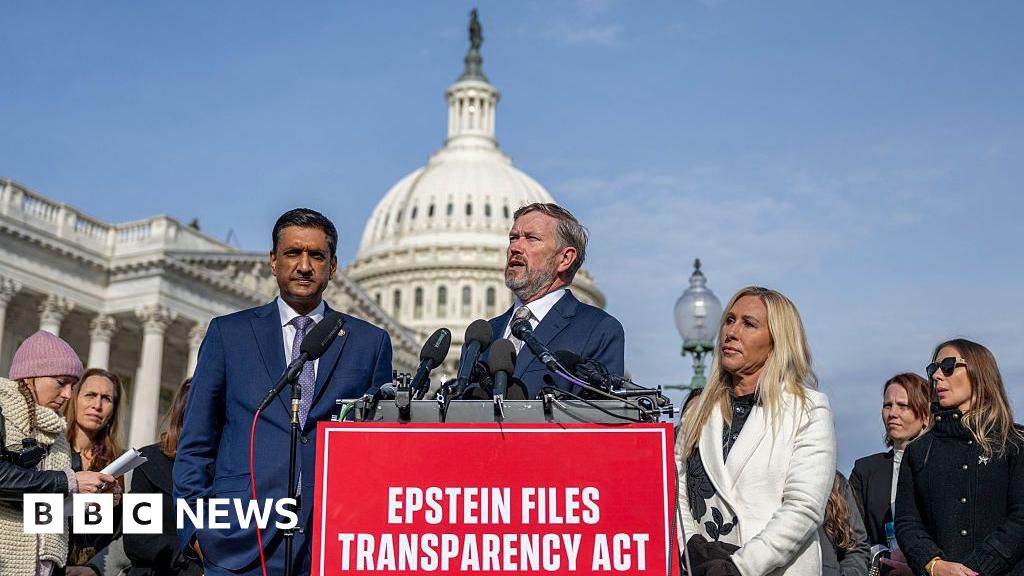
Congress OKs Epstein Files Bill—Heads to Trump’s Desk for Action

In a decisive move that underscores the persistent shadows of American political secrecy and deep-state intrigue, both chambers of Congress have agreed to order the release of classified files related to the notorious financier and sex offender Jeffrey Epstein. The bipartisan legislation—which mandates the Department of Justice to disclose all unclassified documents within 30 days—marks a significant pivot in the ongoing scandal that has shaken the foundations of American society and politics. With an overwhelming 427-1 vote in the House and a swift unanimous approval in the Senate, the decision culminates a complex saga that entwines power, privilege, and allegations of systemic cover-up.

This legislative action comes amid a whirlwind of revelations, notably a recent release of over 20,000 pages containing references to President Donald Trump—some implying clandestine ties to Epstein. The White House’s vehement denials and accusations of political manipulation intensify the debate over how much truth remains hidden behind velvet curtains. Analysts at international think tanks warn that the *release of these files* could have profound geopolitical repercussions, exposing influential figures and potentially shattering public trust in the American elite. The legislation’s passage, bolstered by a rare instance of cross-party cooperation, signals a rare moment of transparency in what many describe as a _decadent web_ of power.

Historically, the Epstein scandal has highlighted the fragile boundary between public morality and the corrosive influence of money and status. Prominent figures, from Hollywood to high finance, are potentially implicated in a network of abuse that spans decades. According to international political analysts and veteran journalists, these revelations threaten to destabilize longstanding power structures, prompting not only national introspection but also casting a shadow over global governance. Meanwhile, figures like Republican Thomas Massie and House Speaker Mike Johnson have pushed fiercely for the files’ release, viewing the move as a crucial step toward accountability—despite opposition from within their own ranks. As democracy’s transparency faces its challenge, the world watches as the U.S. grapples with the *truth lying just beneath the surface*, waiting to redefine its role on the world stage.

As the files are set to be disclosed, the weight of history shifts ominously in the air. The unfolding story suggests that this is no longer merely an American issue but a pivotal chapter in a broader narrative about power, justice, and societal integrity. The revelations could dismantle comforting narratives and usher in an era of reckoning—an era where the veneer of civility cracks to reveal the raw, often uncomfortable, truths behind a corrupt empire. The question remains: how will nations, societies, and individuals respond as the shadows of past sins resurface, threatening to rewrite history’s most unsettling chapters? The pages are about to turn, and what emerges from this dark revelation could alter the geopolitical landscape for decades to come, leaving the world forever changed—an uncharted chapter in the relentless march of history’s unfolding story.

Social Media Auto Publish Powered By : XYZScripts.com