Matox News

Truth Over Trends, always!

COP30 Evacuated as Fire Breaks Out—Pacific Leaders Push for Urgent Climate Action

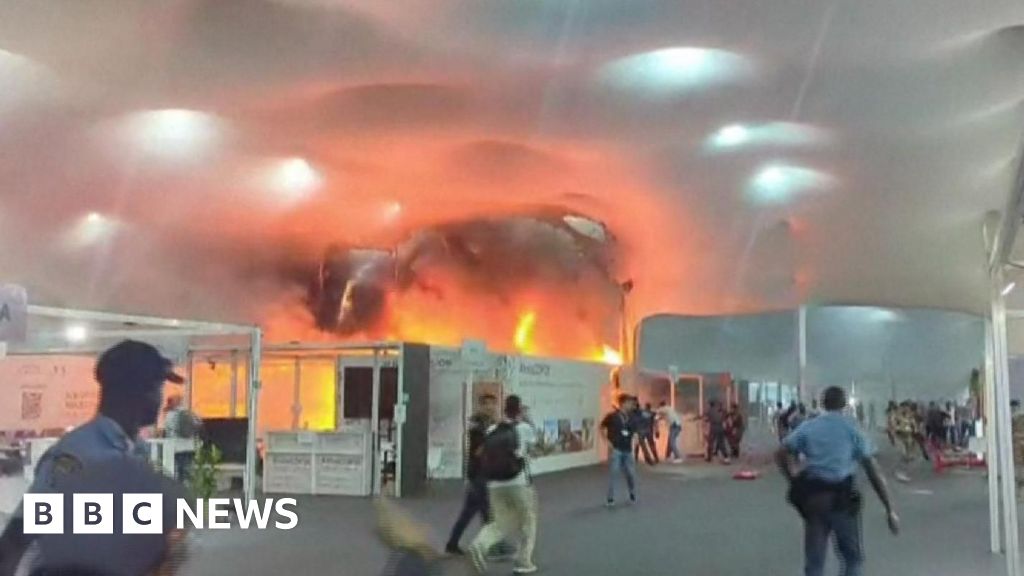
In a dramatic turn of events that underscores the fragility of international diplomacy, the UN climate summit, COP30, held in Belém, Brazil, was abruptly halted when a fire broke out inside the conference venue. Chaos erupted as flames and heavy smoke engulfed the pavilion, forcing hundreds of delegates, journalists, and concerned observers to evacuate in a scramble for safety. The incident not only disrupted critical negotiations but cast a shadow over the increasingly urgent global efforts to combat climate change, highlighting how unforeseen crises can unilaterally derail multilateral diplomacy.

The Brazilian authorities quickly claimed to have contained the fire, which authorities believe was likely an electrical fire. However, the cause remains under investigation—which adds to the volatility of the situation—while the immediate aftermath saw delegates seeking shelter outside, some under the shade of nearby petrol stations amid oppressive heat and humidity. The fire caused visible damage, burning through the venue’s protective sheeting and creating a large hole in the structure, temporarily halting what was already a delicate consensus-building process involving nearly 200 nations. This fiery disruption could have repercussions far beyond Brazil, impacting the geopolitical fabric as nations grapple with the fallout of a crisis that embodies the precarious state of global cooperation on environmental issues.

International analysts, including prominent climate experts and United Nations officials, warn that incidents like this expose the deeper vulnerabilities within the global climate governance framework. With negotiations at a crucial juncture—aiming to outline next steps and commitments—the fire’s disruption could serve as a symbolic warning about the fragility of international consensus. Observers note that such chaos may undermine trust, especially as climate change remains a battleground where geopolitical tensions are heightened; a safe and collaborative environment is essential before nations can approach the substantial task of crafting effective policies. The UN reiterated that the summit is temporarily on hold, with authorities now inspecting the venue for safety before proceedings can resume, but the incident leaves many questioning whether global leadership is equipped to confront the mounting crises ahead.

Historically, international critics and strategic analysts have argued that crises—whether geopolitical or environmental—often act as turning points revealing structural weaknesses within the global order. With tensions simmering over climate commitments, resource disputes, and geopolitical rivalries, the fire at COP30 serves as a stark reminder that the stakes extend beyond mere policy disagreements. As history has shown, moments of crisis tend to accelerate or derail progress depending on leadership responses. If the current incident is any indication, the path toward genuine international unity on climate issues is as uncertain as it is critical. As delegates sit outside in the sweltering heat, the world watches,—a symbol of the ongoing struggle to forge an enduring global consensus amid the chaos of an unfolding crisis—reminding us all that history’s next chapter is still being written, and the true test of leadership lies in overcoming the unforeseen with resolve.

Congress OKs Epstein Files Bill—Heads to Trump’s Desk for Action

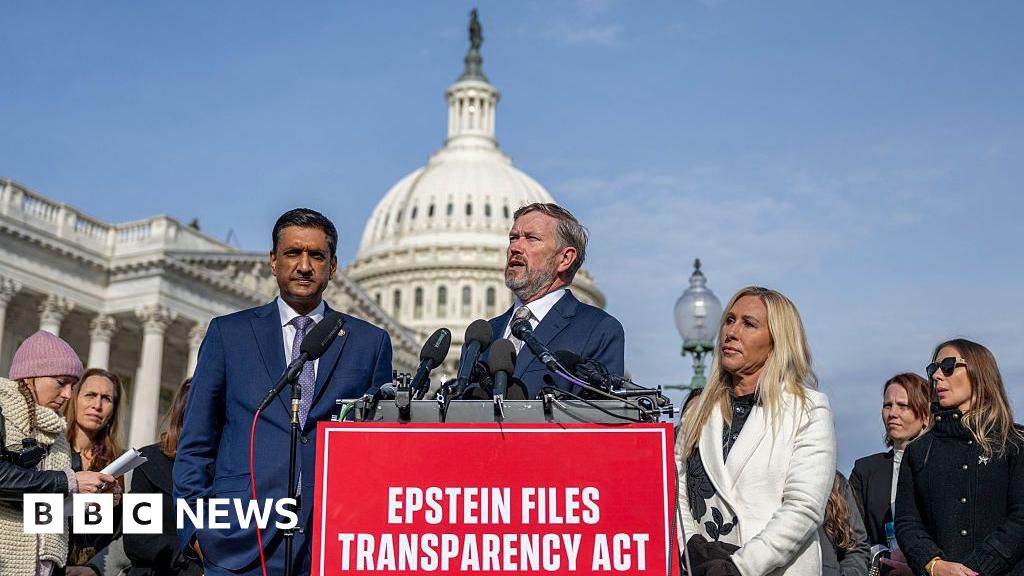
In a decisive move that underscores the persistent shadows of American political secrecy and deep-state intrigue, both chambers of Congress have agreed to order the release of classified files related to the notorious financier and sex offender Jeffrey Epstein. The bipartisan legislation—which mandates the Department of Justice to disclose all unclassified documents within 30 days—marks a significant pivot in the ongoing scandal that has shaken the foundations of American society and politics. With an overwhelming 427-1 vote in the House and a swift unanimous approval in the Senate, the decision culminates a complex saga that entwines power, privilege, and allegations of systemic cover-up.

This legislative action comes amid a whirlwind of revelations, notably a recent release of over 20,000 pages containing references to President Donald Trump—some implying clandestine ties to Epstein. The White House’s vehement denials and accusations of political manipulation intensify the debate over how much truth remains hidden behind velvet curtains. Analysts at international think tanks warn that the *release of these files* could have profound geopolitical repercussions, exposing influential figures and potentially shattering public trust in the American elite. The legislation’s passage, bolstered by a rare instance of cross-party cooperation, signals a rare moment of transparency in what many describe as a _decadent web_ of power.

Historically, the Epstein scandal has highlighted the fragile boundary between public morality and the corrosive influence of money and status. Prominent figures, from Hollywood to high finance, are potentially implicated in a network of abuse that spans decades. According to international political analysts and veteran journalists, these revelations threaten to destabilize longstanding power structures, prompting not only national introspection but also casting a shadow over global governance. Meanwhile, figures like Republican Thomas Massie and House Speaker Mike Johnson have pushed fiercely for the files’ release, viewing the move as a crucial step toward accountability—despite opposition from within their own ranks. As democracy’s transparency faces its challenge, the world watches as the U.S. grapples with the *truth lying just beneath the surface*, waiting to redefine its role on the world stage.

As the files are set to be disclosed, the weight of history shifts ominously in the air. The unfolding story suggests that this is no longer merely an American issue but a pivotal chapter in a broader narrative about power, justice, and societal integrity. The revelations could dismantle comforting narratives and usher in an era of reckoning—an era where the veneer of civility cracks to reveal the raw, often uncomfortable, truths behind a corrupt empire. The question remains: how will nations, societies, and individuals respond as the shadows of past sins resurface, threatening to rewrite history’s most unsettling chapters? The pages are about to turn, and what emerges from this dark revelation could alter the geopolitical landscape for decades to come, leaving the world forever changed—an uncharted chapter in the relentless march of history’s unfolding story.

Rising Stars Shine in Thrilling Weekend of Youth Sports Action!

Congo DR’s Controversial Victory: Éric Chelle’s Voodoo Accusations

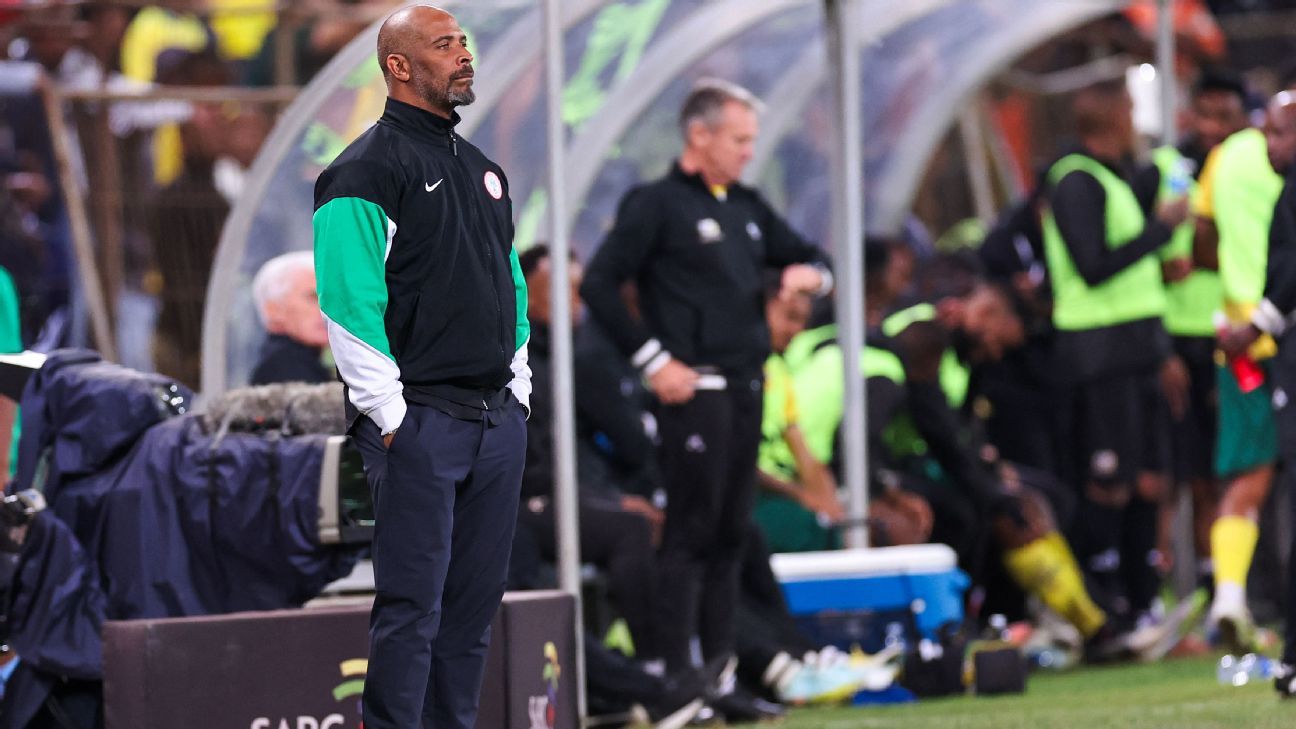
In an exhilarating yet controversial match, the Congo DR secured their spot in the next round of World Cup qualifying, defeating **Cameroon** in a penalty shootout that left fans and analysts alike questioning the integrity of the game. The dramatic showdown was not just marked by skill and tenacity; **Cameroon** head coach Éric Chelle has ignited a firestorm of debate by attributing his team’s defeat to what he termed “voodoo” during the shootout.

The contest took place in front of a packed stadium, with emotions running high as the two teams faced off for a chance at the coveted 2026 World Cup qualification. As the match progressed into penalties, the tension was palpable. Chelle, who has led **Cameroon** through a challenging campaign, stated, *“There were forces at play that we could not control.”* His remarks suggest a deeply-rooted belief that external influences may have swayed the outcome in favor of the **Congo DR**, which further complicates the narrative surrounding the already high-stakes match.

  • Match Highlights:
    • Match led to penalties after a tight 1-1 stalemate in regulation.
    • **Congo DR** triumphed in the shootout, converting 4 of 5 attempts.
    • **Cameroon** missed 3 penalties, contributing to the shocking loss.

Critics have engaged in a lively debate over whether Chelle’s accusations detract from the spirit of competition or shine a light on cultural aspects often overlooked in modern sports. Prominent commentators have weighed in, suggesting that these disputes can foster a unified response from the athletic community, advocating for a system that ensures fair play across the board. The unity of athletes and fans in the face of adversity could serve as a beacon for the sport, reminding all involved of the passion that fuels such contests.

As the dust settles on this controversial match, it is crucial to remember that sports extend beyond mere scores and statistics. When the final whistle blows, and the cheers and jeers fade, what remains is a community built on shared passion and resilience. **Congo DR’s** triumph, whether viewed through the lens of disputes or athletic prowess, invites us to celebrate the joys of competition, the thrill of teamwork, and the enduring spirit that sports foster amongst nations, uniting them for a collective hope towards glory.

Source link

Thousands rally outside COP30, demanding real climate action now

Belém, Brazil — a City on the Frontline of Climate Politics

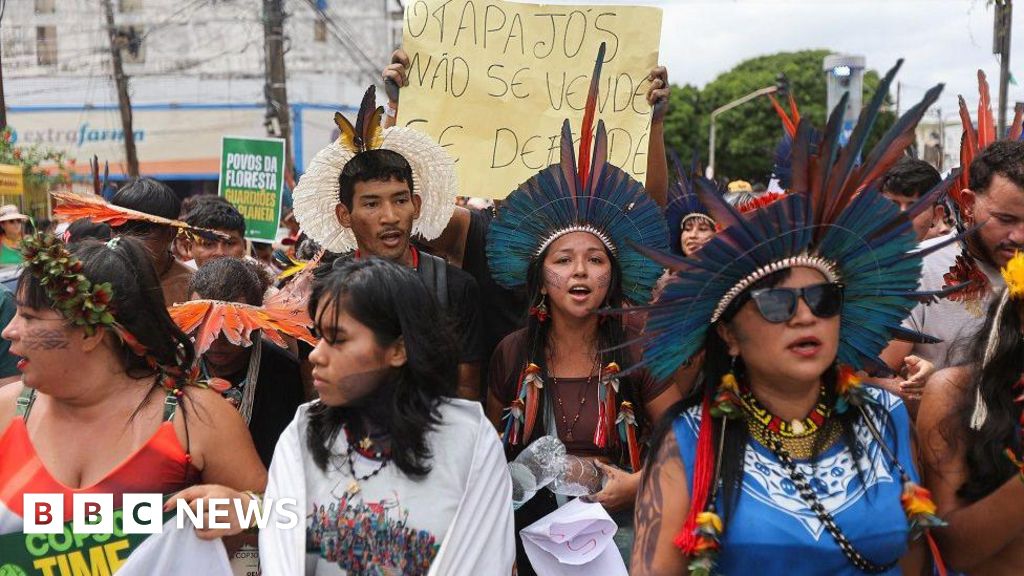
As World leaders convene at COP30 in Brazil, the city of Belém is currently witnessing a dramatic clash between international policy ambitions and grassroots activism. Thousands of climate protesters, energized by a palpable sense of urgency, have flooded the streets near the summit, expressing their frustration with what many consider the deliberate inaction of global powers. Carrying signs like “free the Amazon” and staging symbolic funerals for fossil fuels, these activists symbolize the deepening tension between environmental conservation and the economic interests that threaten vital ecosystems.

Amidst the chants and samba music, indigenous communities—regarded worldwide as primary stewards of biodiversity—have taken to the streets with banners urging for *”demarcation now”*, demanding legal sovereignty over their ancestral lands. The Amazon rainforest, often called the world’s “lungs,” remains a flashpoint for debate: while the summit’s hosts, led by President Luís Ignacio Lula da Silva, aim to showcase Brazil’s ecological commitments, recent actions have cast doubt on these promises. Mere days before the talks commenced, the Brazilian government approved oil exploration permits at the Amazon’s mouth—an act perceived by many as a betrayal of climate commitments and a sign of the country’s conflicting priorities.

Geopolitical Impact of Policy and Protest

The summit sees a record number of delegates from fossil fuel industries, totaling over 1,600 lobbyists, a 12% increase from last year, according to analysis by the coalition Kick Big Polluters Out (KBPO). This influx underscores the influence of industry interests in shaping climate policy—a reality that many young activists and analysts view as a clear obstacle to genuine progress. The absence of the United States from active negotiations, after former President Donald Trump labeled climate change a “con,” has further stymied efforts for a cohesive international strategy. Without the world’s largest economy participating meaningfully, experts warn that ambitious targets remain unattainable, endangering future generations’ prospects for climate stability.

International organizations and climate scholars emphasize that these developments threaten not only environmental sustainability but also geopolitical stability. As climate disinformation proliferates, efforts like the Declaration on Information Integrity signal a push to combat misinformation and promote facts-based policymaking. Yet, critics argue that vested economic interests often drown out scientific consensus, undermining the very foundation of real progress. Meanwhile, indigenous voices continue to be marginalized, despite their critical role in safeguarding ecosystems; many have set up stalls outside the summit’s fences, desperate to have their concerns heard, while security forces tighten their grip on protest zones.

How Decisions at COP30 Shape Our Future

Historians and analysts concur that the outcome of this summit could define the trajectory of global climate policy for decades. With ongoing negotiations focusing on how to implement existing commitments and fund adaptation efforts, the stakes have never been higher. Yet, the persistent tug-of-war between environmental righteousness and economic development exposes unresolved contradictions at the heart of international diplomacy. As the week progresses, the world watches with bated breath—questioning whether this pivotal gathering will ignite meaningful change, or become yet another chapter of official silence in the face of ecological catastrophe.

In these decisive moments, history continues to unfold beneath the Amazon skies, where the future of human civilization and the planet’s fragile ecosystems hang in the balance. The choices made in Belém today will echo through generations—an indelible testament to the ongoing struggle for justice, sovereignty, and survival amidst a rapidly changing climate landscape.

Rubio Urges Global Action to Halt Weapons Flow to RSF

In the shadowy corridors of international diplomacy, Sudan has again become a focal point of global concern, revealing how fragile peace can be amidst the relentless tug-of-war for influence. The ongoing conflict between the Sudanese army and the paramilitary Rapid Support Forces (RSF) has spiraled into what the United States and humanitarian groups increasingly describe as a systematic genocide. As fighting persists, especially in the western region of Darfur, the crisis underscores a broader geopolitical chess game involving regional and international powers, with horrific consequences for the civilian populations caught in its crossfire.

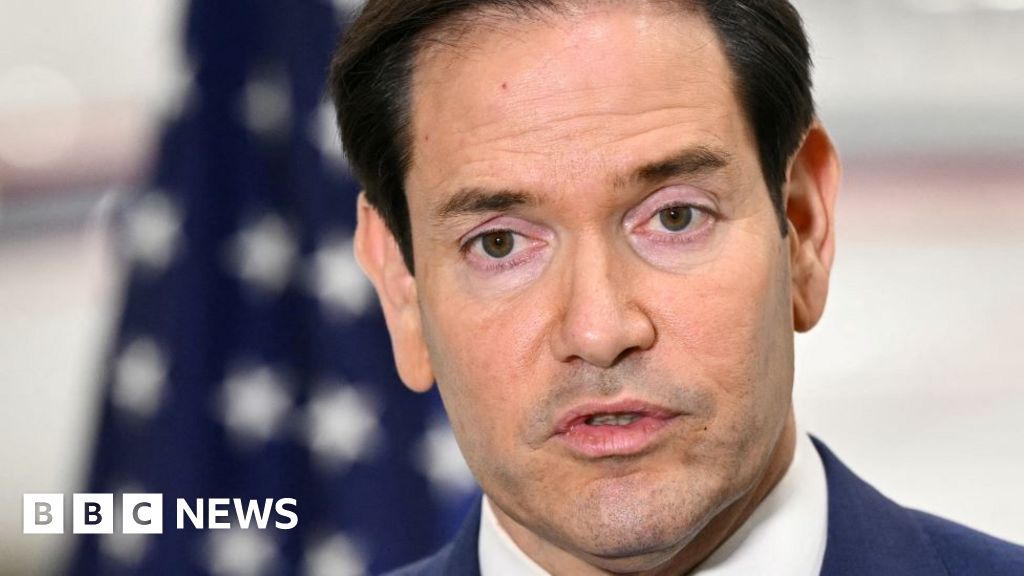
During the recent G7 foreign ministers meeting in Canada, US Secretary of State Marco Rubio issued an urgent call for action, condemning the RSF for their brutal atrocities, including mass murders, sexual violence, and ethnic targeting. “It needs to end immediately,” Rubio insisted, emphasizing that the RSF’s violence is not the result of rogue elements but a calculated campaign of systematic brutality. The US has been vocal about the flow of illicit arms fueling the conflict, with evidence pointing toward weapons manufactured in countries such as Russia, China, and Turkey. More troubling still is the role of the UAE, which Sudanese officials and investigative reports identify as a principal backer of the RSF, providing weapons and mercenaries through supposed regional channels. Despite repeated denials from Abu Dhabi, these allegations cast a long shadow over the Gulf state’s intentions, positioning it as a key player in the ongoing bloodshed.

This geopolitical entanglement raises profound questions about international accountability and the balance of influence in Northern Africa. The “Quad” — comprising the United States, Egypt, Saudi Arabia, and the UAE — has been endeavoring to broker peace, proposing a three-month humanitarian truce that has yet to see meaningful compliance. The RSF, having seized control of the city of el-Fasher after an 18-month siege, claims it is willing to consider the ceasefire, yet fighting continues unabated. As the United Nations and international analysts warn about the escalating humanitarian catastrophe, the question remains whether diplomacy can stem the tide of violence, or whether these complex alliances will deepen Sudan’s suffering. The United Nations has long imposed arms embargoes on Darfur, yet the smuggling routes continue to funnel weapons into conflict zones under the radar of global oversight, further entrenching the chaos.

Historians and security analysts emphasize that the Sudanese tragedy is emblematic of modern conflicts where external support and illicit networks sustain internecine wars beyond civil strife. As “one of the largest humanitarian crises of our time” unfolds, the risk of regional destabilization grows. More than 150,000 lives have already been lost, with millions displaced, making Sudan a stark reminder that the decisions of powerful nations ripple outward, shaping societies for generations to come. The international community stands at a crossroads: to act decisively and restore some semblance of order, or to watch as history’s darkest chapters are inked into the region’s collective memory. The weight of history is heavy, and the unfolding story of Sudan’s war may yet redefine the geopolitical landscape for years — perhaps decades — to come.

Advisers Warn Ministers: Banning Palestine Action Might Backfire Among Youth

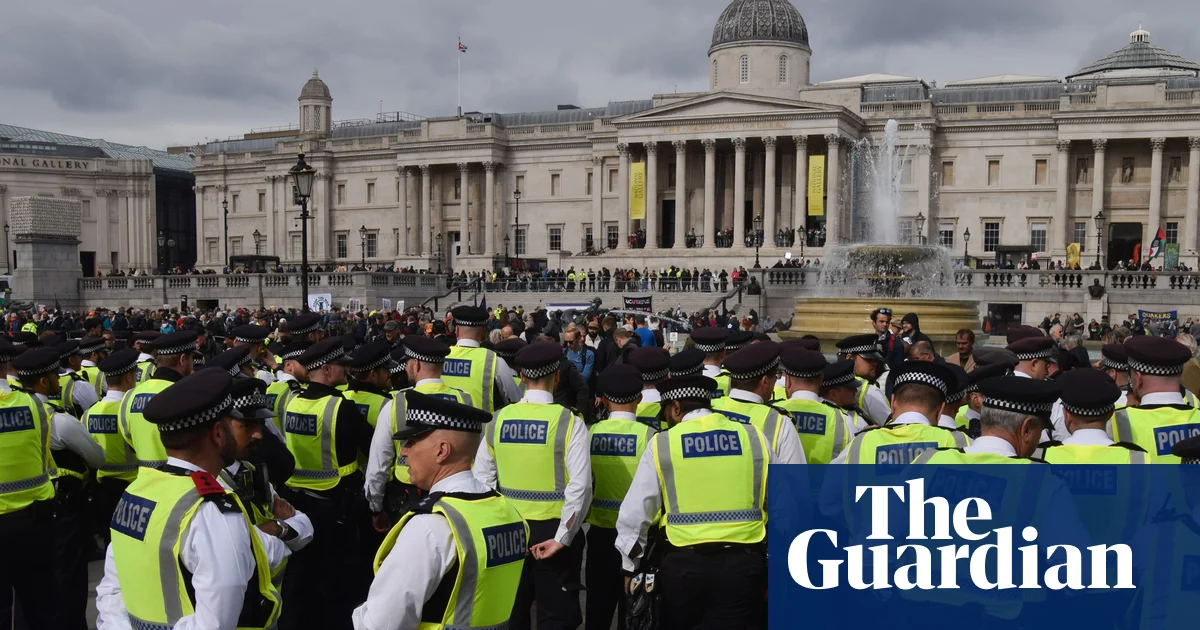
In recent weeks, the United Kingdom has taken a contentious step by banning Palestine Action, a grassroots organization dedicated to confronting the UK’s arms trade with Israel. Despite advice from officials warning that such a prohibition could inadvertently elevate the group’s profile, policymakers proceeded with proscription under terrorism laws. This decision marks a significant chapter in the ongoing global debate over civil liberties versus national security, illustrating the complex interplay between domestic policy and international tensions, especially in Britain’s role in the Israeli-Palestinian conflict.

The decision was underpinned by a secretive community impact assessment, revealing internal debates about the potential repercussions of a ban. Officials cautioned that proscription might exacerbate Muslim-Jewish tensions within Britain, deepen societal divisions, and be perceived as government bias favoring Israel. Moreover, polling data indicated that a significant portion of the British public supported bans on arms shipments to Israel, reflecting a growing frustration with the military actions in Gaza. Nonetheless, the advisors warned that such a move could “become a flashpoint for controversy and criticism,” highlighting the perilous balancing act that policymakers face—demanding security while avoiding alienating critical segments of society.

Critics argue that the government’s crackdown on Palestine Action has backfired, boosting the organization’s visibility and support rather than diminishing it. Huda Ammori, co-founder of Palestine Action, expressed that “awareness of the issues and the group’s popularity has grown exponentially,” indicating that the ban has inadvertently strengthened their stature. This outcome underscores how decisions rooted in security fears and political expediency can often generate unintended consequences, further entrenching the divisions they seek to quell.

The policy shift also sheds light on the geopolitical impact of Britain’s internal security measures. Proscription under terrorism laws frames the conflict in moral and legal terms but also risks alienating Muslim communities and fueling anti-government sentiments. This, in turn, influences Britain’s international standing, complicating diplomatic relations with Middle Eastern nations and global organizations advocating for Palestinian rights. As analysts point out, the UK’s overt involvement in Israel’s defense industry—an issue that the government actively suppresses—has become a source of tension with other Western nations that are questioning the equity of their support for Israel.

In the broader context, Britain’s internal conflict over Palestine reflects a wider geopolitical contest. How Western democracies choose to engage—whether through silence, activism, or suppression—shapes the global narrative surrounding the Israeli-Palestinian dispute. The recent ban represents a symbolic battleground for values—security versus civil liberties, activism versus state control—marking a decisive moment where internal policy decisions echo into the larger arena of international diplomacy. The unfolding saga leaves history’s watchful eyes pondering: will this be a turning point towards greater governmental control, or a catalyst that emboldens those fighting for justice? The answer remains shrouded in the shadow of history, as the world watches, and the story continues to unfold.

Resident doctors reject Wes Streeting’s last-minute deal; strike to proceed—urgent action needed for NHS future

Societal Strain and the Future of Our Medical Workforce

The ongoing dispute between resident doctors and the NHS highlights a critical challenge facing British society: the strain on healthcare institutions and the families they serve. As the long-standing conflict escalates, the imminent five-day strike threatens to leave vulnerable patients without essential care, underscoring how social issues ripple into families’ wellbeing. The core of the problem lies in how society values and compensates essential workers. The controversy surrounding the offer made by Health Secretary Wes Streeting reflects a deeper societal debate about fairness, career progression, and the moral obligation to ensure adequate healthcare for all.

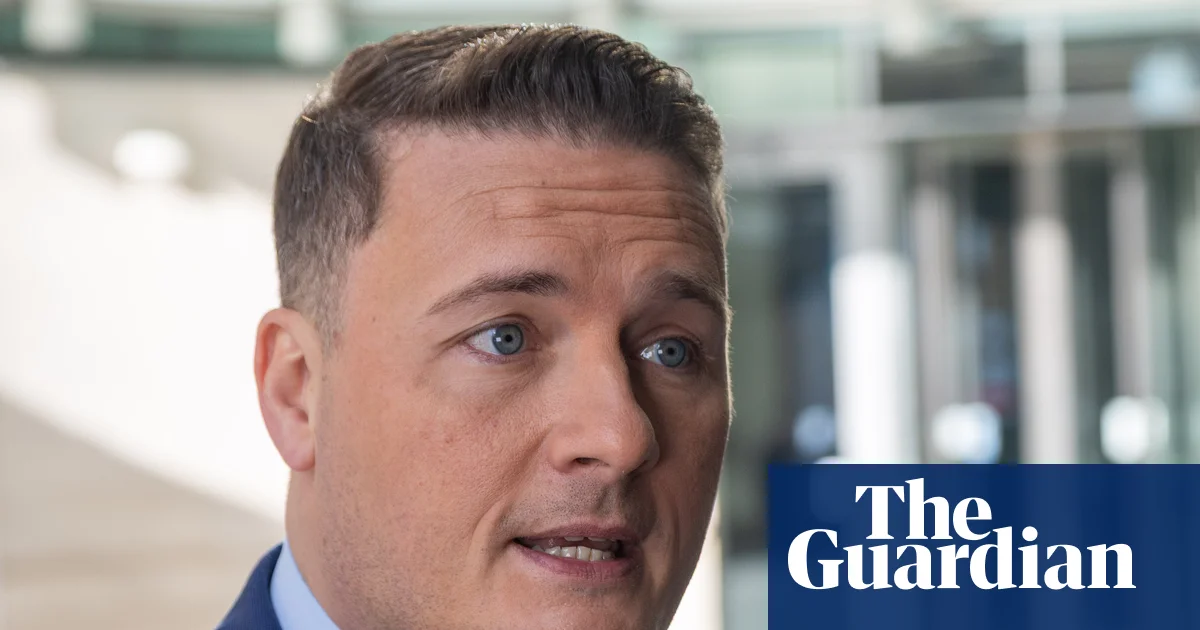
Despite Streeting’s attempt to tamper down tensions with a renewed offer—doubling the number of new training places and covering examination fees—the discontent persists among resident doctors. The lingering discontent is rooted in a broader cultural shift where many young professionals feel undervalued and overburdened, resulting in a crisis of morale and recruitment. Influenced by sociologists like Richard Sennett, who warns that **a society that undervalues its workers risks societal decline**, the situation reveals a conflict between economic constraints and the moral duty to maintain a robust, compassionate healthcare system.

This social tension extends beyond individual careers, affecting families and communities. Young families rely on a functioning health system, yet they are increasingly faced with the reality that accessible and timely care may become a luxury rather than a given. The key challenge, reflected in the rejection of Streeting’s limited offer, is that **too many aspiring doctors still face barriers that hinder professional advancement**. The statistics speak volumes: with 30,000 applicants vying for only 10,000 training positions annually, the system’s *disconnect from societal needs* is glaring. Historians note that such disparities threaten to erode the social fabric, as frustration grows among the youth who see their future opportunities diminishing.

Real change depends on addressing the root causes of social inequality. As Dr. Jack Fletcher, chair of the Resident Doctors Committee, emphasizes, delivering a multi-year, comprehensive pay deal that restores the value of salaries lost since 2006 is essential. Without this, the cycle of disillusionment, strikes, and staffing shortages will persist, further impacting families, educators, and entire communities. The challenge lies in balancing the nation’s finite resources with the moral imperative to support those who care for society’s most vulnerable. As society stands at this crossroads, it must reflect on a fundamental question—how much are we willing to invest in our future, embodied by the health and education of our youth? The answer will shape the society we nurture for generations to come, determining whether we emerge stronger or risk society’s moral and social decline.

Next Generation Stars Shine: Emerging Athletes Make Waves in Latest Action!

NFL Trade Deadline: A Game-Changing Day

The NFL trade deadline delivered a whirlwind of action, leaving fans buzzing and analysts scrambling to assess the deals executed by their favorite teams. This season, front offices across the league made bold moves, with a focus on both immediate impact and future potential. With playoff aspirations on the line, teams like the Miami Dolphins and San Francisco 49ers emerged as clear winners, while others, such as the Seattle Seahawks and New York Giants, grappled with questionable decisions that may come back to haunt them.

For the Dolphins, acquiring star receiver Tyreek Hill has paid off in dividends. His explosive speed and route-running ability, combined with a high-powered offense led by quarterback Tua Tagovailoa, positioned Miami as a formidable contender in the AFC. Commentator Chris Collinsworth remarked on Hill’s impact, stating, “He changes the entire dynamic of the field.” In today’s vintage showdown against the Buffalo Bills, Hill recorded over 100 yards receiving and a touchdown, further cementing his status as a key player.

Conversely, the Giants faced criticism after sending away mainstay linebacker Blake Martinez without securing a strong return. Head coach Brian Daboll defended the move in a press conference, emphasizing his commitment to youth and future growth: “We’re building something that will last.” However, many speculate this decision may weaken an already thin defense, leaving fans concerned ahead of the crucial upcoming games.

  • Dolphins secure vital win against the Bills with Hill leading in receiving yards.
  • 49ers make impactful trades to strengthen their offensive line.
  • Giants risk their defense’s integrity during the trade deadline.

As the dust settles on this year’s trade deadline, it is apparent that the NFL is much more than just a game; it is a theater where emotions run high and fortunes change in the blink of an eye. Whether through thrilling plays on the field or strategic moves off it, sports unite fans, players, and communities in a profound experience that transcends mere scores. Now, as teams regroup and assess their rosters, the stage is set for what promises to be an electrifying conclusion to the season.

Source link

Trump urges military to prepare for 'action' over Nigeria Christian crisis claims
Trump urges military to prepare for ‘action’ over Nigeria Christian crisis claims

The recent escalation of tensions between Nigeria and the United States signals a new chapter in the ongoing struggle for religious and geopolitical dominance in West Africa. President Donald Trump has issued a provocative directive, instructing the US military to prepare for potential intervention amidst claims of religious persecution—specifically targeting Nigeria’s Christian population. Citing alleged atrocities, Trump labeled Nigeria as a “Country of Particular Concern”—a designation with significant sanctions implications—arguing that thousands have been killed in what he describes as a genocide against Christians. While these claims have been met with skepticism by many analysts, the move underscores a broader strategy to leverage religious conflicts as a tool for geopolitical influence, and highlights the US’s repositioning amid a shifting global landscape.

Much of the international community remains divided over the narrative of widespread persecution. Human rights organizations and regional experts assert that evidence does not support claims that Christians are targeted more than Muslims in Nigeria, which is approximately evenly divided between the two faiths. Groups monitoring violence report that both Muslim and Christian communities have suffered atrocities, often driven by complex local conflicts—including the long-standing insurgency of Boko Haram and the Islamic State West Africa Province (ISWAP). These militant groups have wrought havoc in northeastern Nigeria for over a decade, causing unparalleled human suffering. Yet, the global media and narrative promoted by Trump’s administration portray Nigeria’s crisis as primarily religious—a framing that risks oversimplifying a multifaceted conflict rooted in economic, ethnic, and political issues A

  • Trump’s executive actions have included labelling Nigeria as a security threat, intensifying international diplomatic tensions
  • US threats to cut aid if Nigeria does not protect Christians have alarmed regional leaders
  • Analysts warn that such interventionist rhetoric risks escalating violence rather than resolving internal strife

Meanwhile, Nigeria’s President Bola Tinubu has vigorously rejected the US’s characterization of Nigeria as a religiously intolerant nation, emphasizing instead that his government promotes religious tolerance. Speaking amid mounting international pressure, Tinubu’s administration insists that violent incidents are driven by regional conflicts affecting communities of all faiths. Historians and regional experts argue that the US’s focus on religious persecution offers a skewed perspective, neglecting the broader socio-economic factors fueling violence. International organizations like the United Nations and African Union have called for measured diplomacy, but the United States’s aggressive stance signifies a potential shift toward more interventionist policies—a move that could reconfigure alliances and power balances across the continent. As debate rages, the unfolding international response will likely influence Nigeria’s trajectory for years to come, with repercussions extending well beyond its borders.

In the shadows of this rising geopolitical tension, history looms—the intricate web of faith, power, and influence that has defined Nigeria’s recent past is now on the brink of transformation. As America’s rhetoric casts a long dark shadow over the continent’s future, the weight of history presses heavily on all nations involved. Will this be the moment when outside forces redraw Nigeria’s destiny, or will local resilience and diplomacy prevail? The pages of history continue to turn, with each chapter more critical than the last, leaving the international community to ponder whether true peace is within reach or forever beyond grasp amid the tumult of prophecy and power.

Kenyan landslide claims 21 lives amid heavy rains, prompting urgent calls for action

The East African region is currently grappling with a severe climate crisis, highlighted by recent devastating landslides and flash floods affecting Kenya and Uganda. The Kenyan government confirmed that 21 lives have been lost following a landslide in the western province of Marakwet East, provoked by unprecedented heavy rainfall. Interior Minister Kipchumba Murkomen reported that rescue efforts have been hampered by ongoing mudslides and flooding that cut off vital access routes, hindering aid delivery and complicating search operations. Meanwhile, in Uganda, similar weather conditions have resulted in deadly mudslides, with at least four confirmed fatalities in Kapsomo village and widespread destruction across several districts.

Analysts and international organizations are warning that the geopolitical implications of these environmental crises extend far beyond immediate human suffering. The United Nations and regional bodies have emphasized that climate change and inadequate infrastructure are exposing vulnerable populations to escalating dangers. Historians like Dr. Samuel Okoth-Omara note that this current wave of disasters reflects a broader pattern of environmental neglect and political instability, which exacerbates the region’s susceptibility to climate-related crises. As flash floods overflow rivers such as the Sipi and Astiri, communities face the immediate danger of losing homes, crops, and vital economic resources. These events threaten to destabilize local economies, complicate regional security, and induce mass displacement.

The geopolitical impact of this crisis is profound. Both Kenya and Uganda have urged residents living along seasonal rivers or recent landslide zones to evacuate to safer ground, yet the challenge remains formidable. The Kenyan government has paused rescue operations temporarily but assured the public that military and police helicopters are on standby to deliver relief supplies, including food and non-food items. This response underscores the importance of regional stability—infrastructure failures, such as blocked roads, impede not only rescue efforts but also disrupt trade and humanitarian aid. The regional governments’ inability to fully contain or prevent these disasters exposes the fragility of their institutional resilience, raising questions about long-term adaptive measures in the face of shifting climate patterns.

Many observers, including climate experts and international analysts, warn that without decisive action, these environmental calamities will continue to accelerate. The World Meteorological Organization has highlighted that rising temperatures and unpredictable rainfall patterns are fueling an increase in deadly weather events across East Africa. Furthermore, the widespread devastation fired up discussions about climate justice and the urgent need for sustainable development strategies—though critics argue that political will remains insufficient. As the region faces an unfolding chapter of suffering and adaptation, the question persists: to what extent are these nations prepared to confront the seismic shifts threatening their societies? The unfolding narrative carries within it the echoes of history—a reminder that nature’s fury, once unleashed, demands a collective response that transcends borders and ideologies. Whether East Africa can forge a resilient path amidst this turmoil remains a decisive test of its future.

Social Media Auto Publish Powered By : XYZScripts.com