Matox News

Truth Over Trends, always!

Trump urges military to prepare for 'action' over Nigeria Christian crisis claims
Trump urges military to prepare for ‘action’ over Nigeria Christian crisis claims

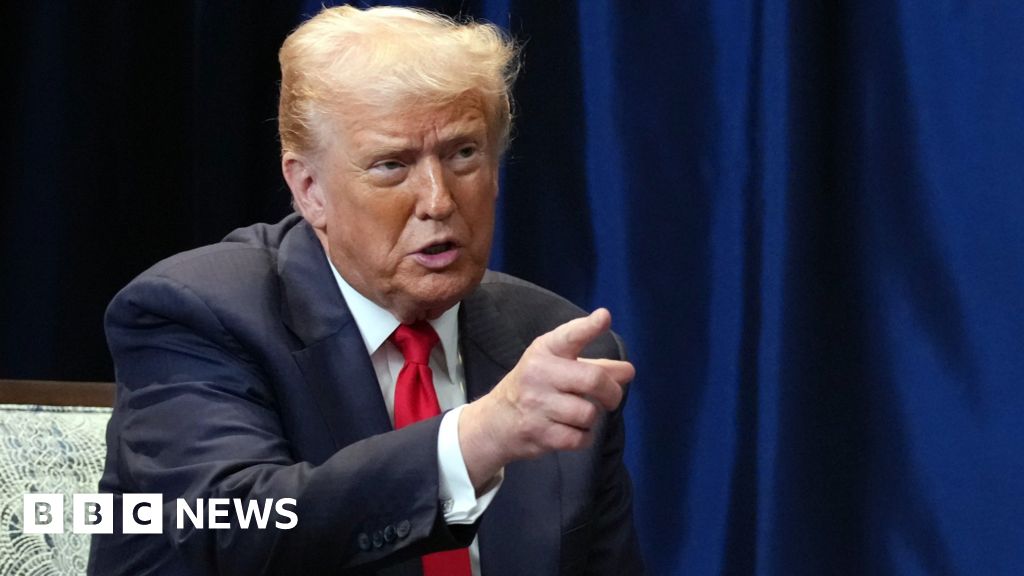
The recent escalation of tensions between Nigeria and the United States signals a new chapter in the ongoing struggle for religious and geopolitical dominance in West Africa. President Donald Trump has issued a provocative directive, instructing the US military to prepare for potential intervention amidst claims of religious persecution—specifically targeting Nigeria’s Christian population. Citing alleged atrocities, Trump labeled Nigeria as a “Country of Particular Concern”—a designation with significant sanctions implications—arguing that thousands have been killed in what he describes as a genocide against Christians. While these claims have been met with skepticism by many analysts, the move underscores a broader strategy to leverage religious conflicts as a tool for geopolitical influence, and highlights the US’s repositioning amid a shifting global landscape.

Much of the international community remains divided over the narrative of widespread persecution. Human rights organizations and regional experts assert that evidence does not support claims that Christians are targeted more than Muslims in Nigeria, which is approximately evenly divided between the two faiths. Groups monitoring violence report that both Muslim and Christian communities have suffered atrocities, often driven by complex local conflicts—including the long-standing insurgency of Boko Haram and the Islamic State West Africa Province (ISWAP). These militant groups have wrought havoc in northeastern Nigeria for over a decade, causing unparalleled human suffering. Yet, the global media and narrative promoted by Trump’s administration portray Nigeria’s crisis as primarily religious—a framing that risks oversimplifying a multifaceted conflict rooted in economic, ethnic, and political issues A

  • Trump’s executive actions have included labelling Nigeria as a security threat, intensifying international diplomatic tensions
  • US threats to cut aid if Nigeria does not protect Christians have alarmed regional leaders
  • Analysts warn that such interventionist rhetoric risks escalating violence rather than resolving internal strife

Meanwhile, Nigeria’s President Bola Tinubu has vigorously rejected the US’s characterization of Nigeria as a religiously intolerant nation, emphasizing instead that his government promotes religious tolerance. Speaking amid mounting international pressure, Tinubu’s administration insists that violent incidents are driven by regional conflicts affecting communities of all faiths. Historians and regional experts argue that the US’s focus on religious persecution offers a skewed perspective, neglecting the broader socio-economic factors fueling violence. International organizations like the United Nations and African Union have called for measured diplomacy, but the United States’s aggressive stance signifies a potential shift toward more interventionist policies—a move that could reconfigure alliances and power balances across the continent. As debate rages, the unfolding international response will likely influence Nigeria’s trajectory for years to come, with repercussions extending well beyond its borders.

In the shadows of this rising geopolitical tension, history looms—the intricate web of faith, power, and influence that has defined Nigeria’s recent past is now on the brink of transformation. As America’s rhetoric casts a long dark shadow over the continent’s future, the weight of history presses heavily on all nations involved. Will this be the moment when outside forces redraw Nigeria’s destiny, or will local resilience and diplomacy prevail? The pages of history continue to turn, with each chapter more critical than the last, leaving the international community to ponder whether true peace is within reach or forever beyond grasp amid the tumult of prophecy and power.
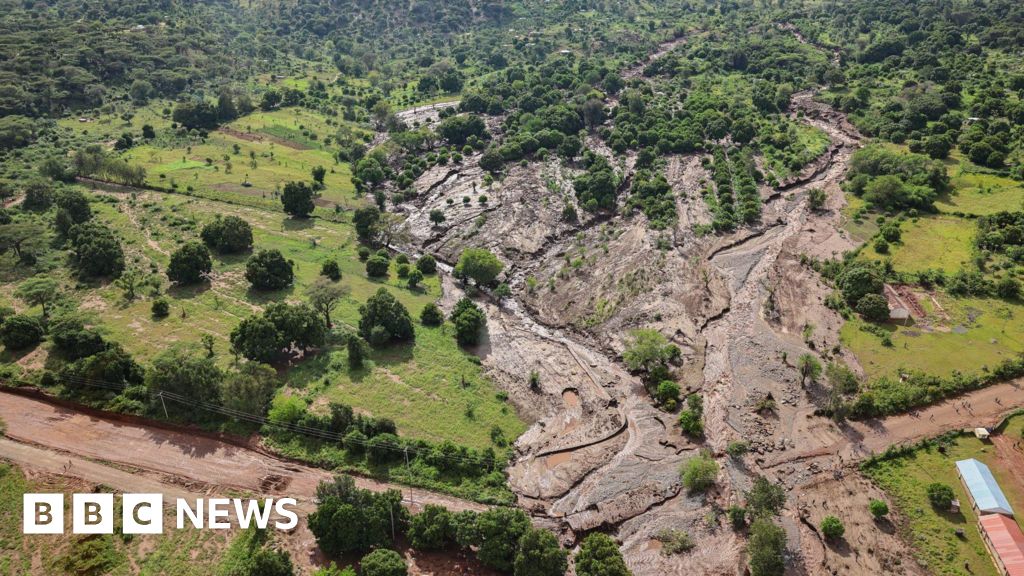

Kenyan landslide claims 21 lives amid heavy rains, prompting urgent calls for action

The East African region is currently grappling with a severe climate crisis, highlighted by recent devastating landslides and flash floods affecting Kenya and Uganda. The Kenyan government confirmed that 21 lives have been lost following a landslide in the western province of Marakwet East, provoked by unprecedented heavy rainfall. Interior Minister Kipchumba Murkomen reported that rescue efforts have been hampered by ongoing mudslides and flooding that cut off vital access routes, hindering aid delivery and complicating search operations. Meanwhile, in Uganda, similar weather conditions have resulted in deadly mudslides, with at least four confirmed fatalities in Kapsomo village and widespread destruction across several districts.

Analysts and international organizations are warning that the geopolitical implications of these environmental crises extend far beyond immediate human suffering. The United Nations and regional bodies have emphasized that climate change and inadequate infrastructure are exposing vulnerable populations to escalating dangers. Historians like Dr. Samuel Okoth-Omara note that this current wave of disasters reflects a broader pattern of environmental neglect and political instability, which exacerbates the region’s susceptibility to climate-related crises. As flash floods overflow rivers such as the Sipi and Astiri, communities face the immediate danger of losing homes, crops, and vital economic resources. These events threaten to destabilize local economies, complicate regional security, and induce mass displacement.

The geopolitical impact of this crisis is profound. Both Kenya and Uganda have urged residents living along seasonal rivers or recent landslide zones to evacuate to safer ground, yet the challenge remains formidable. The Kenyan government has paused rescue operations temporarily but assured the public that military and police helicopters are on standby to deliver relief supplies, including food and non-food items. This response underscores the importance of regional stability—infrastructure failures, such as blocked roads, impede not only rescue efforts but also disrupt trade and humanitarian aid. The regional governments’ inability to fully contain or prevent these disasters exposes the fragility of their institutional resilience, raising questions about long-term adaptive measures in the face of shifting climate patterns.

Many observers, including climate experts and international analysts, warn that without decisive action, these environmental calamities will continue to accelerate. The World Meteorological Organization has highlighted that rising temperatures and unpredictable rainfall patterns are fueling an increase in deadly weather events across East Africa. Furthermore, the widespread devastation fired up discussions about climate justice and the urgent need for sustainable development strategies—though critics argue that political will remains insufficient. As the region faces an unfolding chapter of suffering and adaptation, the question persists: to what extent are these nations prepared to confront the seismic shifts threatening their societies? The unfolding narrative carries within it the echoes of history—a reminder that nature’s fury, once unleashed, demands a collective response that transcends borders and ideologies. Whether East Africa can forge a resilient path amidst this turmoil remains a decisive test of its future.

Rising Stars Shine in Thrilling Weekend of Youth Sports Action!

Liverpool’s Struggles Continue as Crystal Palace Advances in Carabao Cup

In a heart-wrenching display at Anfield, Liverpool faced yet another disappointing result, falling to Crystal Palace in the Carabao Cup on Wednesday. Under the stewardship of head coach Arne Slot, the team has been battling through a challenging stretch, and this latest exit from the cup only amplifies the scrutiny surrounding their current form.

The match unfolded with a palpable tension as both teams battled for dominance. Liverpool had their chances, but a series of missed opportunities proved costly. The game’s pivotal moment came when Crystal Palace’s forward, Eberechi Eze, scored a stunning goal in the 67th minute, giving the visitors a lead that Liverpool could not overturn. “We need to find a way to convert our chances,” remarked Slot after the match, emphasizing the importance of capitalizing on opportunities in high-stakes games.

  • Liverpool: 0 – Crystal Palace: 1
  • Key Player: Eberechi Eze (Crystal Palace) – 1 Goal, outstanding performance
  • Match Stats: Liverpool – 60% possession, 12 shots (2 on target); Crystal Palace – 40% possession, 8 shots (3 on target)

The result has sparked intense discussions among fans and pundits alike, with many questioning Slot’s tactics and decision-making during critical moments. Commentator Gary Neville noted, “Liverpool have the talent, but they’re missing the mentality to close games,” emphasizing the psychological barriers the team seems to face. The continuing struggles have raised eyebrows, but Slot remains steadfast in his belief that improvements are just around the corner.

In the world of sports, victory and defeat are often defined by the final score. Yet, matches like these serve as a reminder that the journey extends far beyond the numbers. Liverpool may be on a precarious path right now, but the passion of their supporters and the camaraderie within the squad reflect the true spirit of competition. As coaches, players, and fans rally together, it is clear that in the end, it’s not just about winning; it’s about unity, resilience, and the shared love of the game that binds everyone together.

Source link

Top OTC Hearing Aids of 2025: Tested, Trusted, Ready for Action

The rapid evolution of hearing aid technology is disrupting the traditionally conservative healthcare industry, signaling a new era driven by innovation and greater accessibility. The 2022 FDA approval of over-the-counter (OTC) hearing aids marked a pivotal change, democratizing access to auditory assistance and challenging entrenched prescription-based models. Industry analysts, including Gartner and MIT researchers, emphasize that this shift could potentially multiply the market size by breaking down longstanding barriers such as cost and availability, ultimately fostering competition and innovation in the wearable tech space.

Unlike prescription hearing aids, which require extensive audiological testing and personalized fitting, OTC devices are designed for broad use, leveraging app-based self-fitting technologies. This democratization of hearing aid access is not without skepticism — critics from the medical community warn against a one-size-fits-all approach, considering that serious cases of hearing impairment still demand tailored, clinically-driven solutions. Nevertheless, companies like Jabra and Apple, with their recent launches of products like Jabra Enhance Select 300 and AirPods Pro 3, exemplify how industry giants are rapidly integrating disruptive features such as Bluetooth streaming, AI-driven sound calibration, and sleek form factors, creating a cornered market for youthful consumers eager for seamless, multifunctional wearables.

  • Innovation Milestones: Integration of smart features, self-fitting apps, improved sound quality, and discreet designs
  • Business Implications: Expanding consumer base, reduction in entry barriers, and acceleration of R&D investments
  • Market Risks: Consumer safety concerns, regulatory challenges, and the need for industry standards

Experts like Elon Musk and Peter Thiel have long spoken about disruption as a catalyst for growth, and this trend applies vividly here. The entry of tech giants into the hearing aids market indicates a broader movement: wearable health tech is becoming as ubiquitous and essential as smartphones. As Gartner forecasts, the market for smart, connected hearing devices could grow exponentially, driven by innovations in AI, machine learning, and digital health ecosystems. This convergence of technology and healthcare could redefine how industry leaders view competitive advantage, emphasizing agility and user-centric design over traditional clinical fidelity.

However, this rapid innovation also comes with risks and calls for urgent regulatory adaptation. The industry must balance disruption with consumer safety, ensuring new products meet rigorous standards without stifling the nimbleness that startups and giants alike have demonstrated. As the market evolves, companies that can quickly innovate, provide value-driven solutions, and address unmet needs will dominate the landscape. The next two years promise a battleground of technological breakthroughs and strategic moves, emphasizing the necessity for enterprises to act swiftly. For youth-oriented audiences and startups, this trajectory presents unprecedented opportunities to leverage emerging AI, connectivity, and user experience advancements — setting the stage for the next wave of asistive technology that could profoundly impact millions worldwide.

Rising Stars Shine in Thrilling Weekend of Youth Sports Action!

NFL Power Rankings and Unsung Heroes Ahead of Week 8

As we gear up for Week 8 of the NFL season, it’s the perfect time to examine the latest power rankings. The Philadelphia Eagles, with their sturdy 6-1 record, hold the top position, showcasing a balance of offensive firepower and defensive tenacity. Following closely are The Kansas City Chiefs, featuring the dynamic duo of quarterback Patrick Mahomes and tight end Travis Kelce, whose connection remains pivotal for the team’s success.

Updating the rankings also brings to light the unsung heroes—the role players and nonstarters—who contribute significantly but often fly under the radar. Commentator and former player Brian Baldinger noted, “Every player has a role, and those who nail it often become game-changers.” Players like Simi Fehoko from the Dallas Cowboys and Caleb Farley of the Tennessee Titans are vital in their respective squads, providing not just depth but crucial plays in high-pressure situations during games.

Weekly Highlights and Takeaways

  • Eagles’ Offensive Line Dominates: A strong performance in the trenches has allowed quarterback Jalen Hurts to thrive.
  • Chiefs’ Defense Shines: Key defensive stops in the fourth quarter have been instrumental in closing out tight games.
  • Unsung Players Make Impact: Contributions from the likes of Fehoko and Farley remind fans that football is a team sport.

As the season unfolds, coaches are repeatedly impressed by how even the smallest contributions can make a mountain of difference. Mike Tomlin, head coach of the Pittsburgh Steelers, stated, “The true essence of a team is the collective effort; it’s not just about the stars.” With each game, athletes continue to prove that sportsmanship and teamwork forge stronger connections that extend beyond the field.

In an era where division seems rampant, Sunday games unite fans from all walks of life, refreshing our spirits and reminding us of our shared love for the sport. Whether it’s the thrill of a game-winning touchdown or the solidarity felt while watching in camaraderie, football serves as a testament to our ability to come together, transcending differences and fostering a sense of belonging. As we head into Week 8, let us celebrate not just the champions, but every player who wears their jersey with pride, wielding their heart on their sleeves.

Source link

US Targets Venezuela Drug Boats: Is It Legitimate Action?

International Legal Debates Erupt as US Upholds Maritime Strikes in Caribbean Against Drug Traffickers

The recent series of military strikes launched by the US in the Caribbean Sea have ignited a fierce debate over the legality and geopolitical implications of unilateral military action in international waters. President Donald Trump announced the operation in September, claiming that multiple vessels linked to the notorious Tren de Aragua cartel were targeted, with reports suggesting that these ships were involved in transporting illicit drugs destined for the United States. While US officials argue that they are acting in self-defense—aiming to disrupt narcotics traffickings—their actions have drawn sharp criticism from neighboring nations, legal experts, and international organizations, raising questions about the limits of sovereignty, legality, and international law.

These strikes, carried out without formal congressional approval, have spurred controversy highlighting the geopolitical impact of American military policy in the region. Critics argue that the United States—notably absent from the United Nations Convention on the Law of the Sea—is overstepping its bounds, especially given the ambiguous legal framework surrounding operations against non-state actors such as drug cartels. Legal scholars, including Professor Luke Moffett of Queen’s University Belfast, emphasize that the use of force in international waters should be constrained by existing law, mainly principles of non-interference and hot pursuit. The absence of conclusive evidence about the legal justification for these strikes has only deepened the international divide, prompting the International Maritime Organization and other legal entities to scrutinize the actions of the US.

The Trump administration justifies the operations through allegations that the targeted vessels were operated by narco-terrorists and pose a threat to the homeland. However, critics like Prof. Michael Becker from Trinity College Dublin warn that lumping drug traffickers into the category of military targets could set a dangerous precedent. Under the UN Charter, nations are permitted to use force in self-defense only when under attack or when responding to an armed attack, a standard that many experts argue is not met here. Moreover, the leaked memo suggesting that the administration considers itself engaged in a “non-international armed conflict” with drug cartels has alarmed legal analysts and human rights advocates, fearing that such narratives could legitimize extrajudicial killings and military overreach, thereby destabilizing international norms.

Strategically, the geopolitical impact is palpable: the Venezuelan government swiftly condemned the strikes, denying any involvement in drug trafficking and accusing the US of attempting to justify military intervention to oust Nicolas Maduro. Meanwhile, the region has witnessed an impressive display of military might, with satellite imagery revealing at least 14 US naval ships—including guided missile destroyers and amphibious assault vessels—coordinating in what appears to be an extensive anti-narcotics network reinforced by drones and covert operations, including the authorization of CIA activities in Venezuela itself. This pattern of action reveals a shift towards a more aggressive stance by Washington in the pursuit of its anti-drug agenda, echoing decades of interventionist policies but with an unprecedented maritime dimension.

Amidst the unfolding drama, constitutional questions persist: can Trump or any US president launch such strikes without explicit Congressional approval? Under the constitution, the president is the Commander-in-Chief, yet the War Powers Resolution mandates consultation with Congress before deploying troops for hostilities. The reliance on the Authorization for Use of Military Force (AUMF), enacted post-9/11, has been cited repeatedly, but whether operations against drug cartels fall under this mandate remains contested. As history awaits its next chapter, the region stands on a precipice: a fragile balance of sovereignty, law, and power, where the actions of today will undoubtedly shape the geopolitical landscape for generations.

As the dust settles over these contested waters, one thing is clear: the unfolding narrative of the Caribbean sea is more than a story of drug busts and naval maneuvers. It is a reflection of a broader global struggle—where the rules shaping peace and conflict are being rewritten, and history remembers those who dared to challenge them. Whether in the corridors of Geneva, the courts of Havana, or the decks of American warships, the question remains—how far will the pursuit of security go before it risks unraveling the very principles that forge international order?

Feds smash $15B Bitcoin haul from alleged scam empire—justice in action!

Global Crackdown on Cryptocurrency-Linked Scam Centers Signals Tech Disruption and Business Shifts

The recent seizure of 127,271 bitcoins, valued at over $15 billion, marks the largest cryptocurrency confiscation in U.S. history, signaling a seismic shift in how law enforcement is leveraging blockchain forensics to combat organized cybercriminal syndicates. Led by agencies determined to dismantle *factory-scale* operations, this historic action exposes the rigor and sophistication behind *illicit financial networks* that utilize the speed, transparency, and pseudo-anonymity of cryptocurrencies to sustain large-scale scams. As cryptocurrency ecosystems become intertwined with criminal enterprises, the impact on digital asset exchanges and related business sectors urges industry stakeholders to rethink compliance, security paradigms, and the role of technology in safeguarding legitimate markets.

Innovation in Enforcement and Industry Disruption

The seizure, which includes a trove of digital assets linked to *scam compounds* operating across Southeast Asia, Europe, and Latin America, underscores the depth of innovation in both malicious schemes and the efforts to counter them. According to Ari Redbord, global head of policy at TRM Labs, the broad scope of the operation “strikes at the operational and financial core” of this *criminal infrastructure,* revealing how *sophisticated laundering techniques*, often involving *layered jurisdictions* and *cryptography*, sustain these illegal enterprises. The criminal operations, as detailed in recent indictments, also maintain *bribery records* and leverage *mobile-controlled social media accounts*, illustrating how technology-driven these scams have become.

The implications for the crypto business landscape are profound. As researchers observe the *growth of scam compounds* outside Southeast Asia—spreading into the Middle East, Eastern Europe, and Latin America—the industry must accelerate *innovative security solutions*. Venture-backed startups, such as blockchain analytics firms, and giants like Elon Musk’s Tesla and Peter Thiel’s Palantir, are already pushing boundaries with AI-driven fraud detection. Yet, the scale of these operations suggests that *regulatory frameworks* and *technological innovation* must outpace criminals if legitimate markets are to prosper amid *disruption*.

Business Implications and the Future Trajectory

With well over $15 billion seized, this case exemplifies the critical intersection of financial technology and law enforcement’s new frontier—using data analytics, machine learning, and cross-border cooperation to identify and dismantle *illicit financial flows*. As industry experts from Gartner and MIT emphasize, the evolution of *crypto compliance* tools can serve both as *deterrents and enablers*, fostering a more resilient and transparent digital economy. Conversely, unchecked illicit activity poses a risk of *massive financial destabilization* and erodes public trust in cryptocurrency markets.

The broader business community must recognize that *disruption is inevitable*; however, it also presents enormous opportunities for *disruptive innovation*. Companies invested in *blockchain security*, *AML frameworks*, and *regulatory technology* are poised to lead the next wave of *trust-based blockchain environments*. As international authorities allocate greater resources—highlighted by the U.S. Justice Department’s resolve—the imperative to innovate and adapt becomes urgent. Moving forward, *proactive engagement* with emerging technologies and *collaborative enforcement* will determine whether the crypto economy can evolve into a secure asset class or become a battleground for criminal disruption. The clock is ticking for industry leaders to stay ahead in this high-stakes game, where technological evolution and law enforcement will define the future of digital assets and global finance.”

Rising Stars Shine in Thrilling Weekend of Youth Sports Action!

NBA Win Projections: A New Season Dawns

As the excitement for the new NBA season builds, ESPN analyst Kevin Pelton has released his comprehensive win projections for all 30 teams, igniting conversations among fans and analysts alike. The projections, which utilize advanced metrics and statistical models, aim to provide an insightful look into each team’s potential performance this season. For basketball aficionados, these forecasts are more than mere predictions; they shape expectations for what lies ahead.

This year, the rankings have stirred discussions, with teams like the Milwaukee Bucks and the Los Angeles Lakers emerging as front-runners. Pelton notes a significant talent influx, particularly in the Western Conference, promising an electrifying race to the playoffs. “Strong depth and star power will be critical this season,” Pelton stated, emphasizing the necessity of a robust roster in the intensely competitive league.

Key Team Highlights

  • Milwaukee Bucks: Projected to finish with a remarkable record, thanks to the dynamic duo of Giannis Antetokounmpo and Damian Lillard leading the charge.
  • Los Angeles Lakers: With vital offseason moves, they are eyeing a significant comeback, aiming for the top seed in the West.
  • Golden State Warriors: Stalwarts of the league, their experience and skill still keep them in the hunt.

Despite the statistical prowess of Pelton’s projections, the most thrilling aspect of these rankings lies in the sheer unpredictability of the sport. As noted by commentator Stephen A. Smith, “The beauty of basketball is that anything can happen. Injuries, trades, and breakout performances can all flip the script on these projections.”

As fans eagerly await the tip-off of the season, one thing remains clear: sports extend far beyond the confines of tradition and expectations. They are a powerful force that unites communities, ignites passions, and fosters friendships. In this new season, supporters from all corners will gather to cheer on their teams, sharing moments of triumph and despair. Ultimately, it is this bond that makes the NBA not just a league, but a vibrant tapestry of life and camaraderie.

Source link

Mount Everest rescue underway as snowstorm traps nearly 1,000 climbers—urgent response in action

Amidst the rugged terrains of the Himalayas, recent natural disasters have spotlighted the fragile balance between climate change and geopolitical stability. In China, rescue efforts are ongoing to save nearly 1,000 trekkers stranded on the eastern slopes of Mount Everest following a severe snowstorm. The incident underscores the increasing unpredictability of weather patterns in this sensitive mountain range, which has historically served as a symbol of international adventure and aspiration. According to Chinese state media, hundreds of visitors seized the opportunity of an extended Chinese National Day holiday to visit the remote valley of Karma, leading many into peril as heavy snowfall rooted them in place. The response by local authorities demonstrates a critical coordination of resources, yet it also highlights vulnerabilities in managing the swelling influx of tourists amid changing climatic conditions.

The disruption in Tibet’s eastern face serves as a stark warning to the international community. The Himalayas are not only a geographic boundary but also a hotly contested locus of strategic importance, especially when environmental shifts produce dramatic events such as landslides and avalanches. Since the snowstorm struck, over 350 individuals have been safely relocated to the township of Qudang, with authorities working tirelessly to reach those still unaccounted for. Such incidents expose how nations like China and its neighbors are increasingly affected by climate fluctuations that threaten human safety and economic stability. The timing—during the peak tourist season—raises questions about the unprecedented challenges faced by nations tasked with safeguarding both their citizens and their international reputation from natural calamities driven by global warming.

On the southern side of Tibet, in Nepal, the story is equally troubling. Heavy rains since Friday have caused devastating landslides and flash floods, claiming at least 47 lives across the country. The destruction of critical infrastructure—roads, bridges, and even entire villages—has further isolated communities and complicated rescue efforts. This chain of events exemplifies how climate-induced extremes are reshaping the Himalayan geopolitical landscape, potentially fueling tensions between nations over resource access and disaster management. Analysts from the United Nations Environment Programme warn that these catastrophes may worsen as climate change accelerates, transforming the mountain region into a precarious geopolitical chessboard where local vulnerabilities intertwine with international interests.

Indeed, what is unfolding in these mountain corridors underscores a key **geopolitical impact**: the increasing importance of environmental security in international relations. Countries bordering Tibet—India, Nepal, and China—must navigate complex dynamics shaped by natural disasters and climate adaptation. The incidents on Everest and in Nepal could serve as catalysts for greater cooperation or rivalry, depending on how nations respond to shared vulnerabilities. The importance of multinational frameworks—like the underperforming Regional Himalayan Climate Initiative—becomes ever more evident as the region faces a new reality where natural calamities threaten to exacerbate existing geopolitical tensions.

As these events unfold with relentless force, the question remains: how will the Himalayan powers adapt to an increasingly unpredictable environment? Will they unite to forge resilient solutions or succumb to the chaos that climate change is unleashing upon this vital geopolitical nexus? With the weight of history pressing upon their shoulders, the nations of the Himalayas stand at a crossroads—where decisions made today will shape not just the future of their peoples but also the stability of an entire region. The mounting crises remind us that the Himalayas are more than just a majestic backdrop—they are a barometer of global health, and the current turbulence signals that humanity must confront the profound implications of an earth pushed to its environmental limits. As rescue efforts continue and nature’s fury remains unabated, the unfolding story of the Himalayas will be etched into the annals of history—an enduring testament to the indomitable resilience or inevitable decline of nations caught in the grip of Earth’s changing climate.

Pritzker warns of Trump sending National Guard to Chicago amid shooting incident at border patrol—Youth voice demands action

Unrest and militarization escalate within United States: A nation at a crossroads

The recent decision by President Donald Trump to deploy over 300 federal National Guard troops in Illinois amidst mounting internal conflicts marks a pivotal moment in the history of American sovereignty and civil liberties. This move, announced by Illinois governor JB Pritzker, has ignited a fierce political debate, characterized by allegations of overreach and threats to fundamental constitutional principles. Pritzker’s vehement opposition underscores a broader rift within the country, pitting federal authority against local governance and civil rights.

As the Trump administration intensifies its immigration enforcement, with ICE agents conducting aggressive operations across Chicago, the urban unrest appears to be more than a routine law enforcement campaign. The recent deadly shooting of a woman by federal agents—initially claimed to be *defensive*—raises serious questions about the escalation tactics employed, especially as the woman’s name reportedly appeared in a threat bulletin against ICE. Historians warn that such incidents reflect a dangerous shift toward militarized domestic policing, reminiscent of authoritarian states more than a democratic republic. “This is a turning point where the use of military force within the U.S. is increasingly normalized,” said Dr. Annette Morgan, a political analyst specializing in civil-military relations.

Meanwhile, high-ranking officials like Kristi Noem and Gregory Bovino have announced bolstered troop deployments, framing federal intervention as necessary to control alleged surges in local violence and disorder. Yet, critics argue that much of this narrative is inflated or outright false, aiming to justify an aggressive federal footprint within American cities. The deployment of troops to cities such as Los Angeles and Washington D.C. signals a troubling trend: the encroachment of military authority into realms traditionally reserved for civilian law enforcement. Such actions threaten the very fabric of American constitutional democracy and may set dangerous precedents for future administrations.

Geopolitical Impact and Future Consequences

The international community watches these developments with concern. Many analysts, including top officials at NATO and the United Nations, have issued cautious statements emphasizing respect for national sovereignty and civil liberties. However, China and Russia are observing with strategic interest, eager to exploit perceived internal chaos to undermine the United States’ global influence. The continuous militarization of domestic affairs could weaken America’s image as a beacon of freedom worldwide, transforming its internal conflicts into a potential pretext for external interference or sanctions.

Furthermore, historians warn that this internal strife could have far-reaching consequences for American society. If unchecked, the increased deployment of military force against civilians could erode trust in democratic institutions and pave the way for a government comfortable with authoritarian methods. Such a trajectory risks transforming the United States into a nation where protests are met with suppression rather than dialogue—a dangerous slide toward internal instability that threatens to reshape the global order.

The Weight of History and Humanity’s Unfolding Future

As the United States faces this tumultuous chapter, the weight of history presses heavily on the shoulders of its citizens. Each decision to deploy military force on American soil echoes with echoes from darker chapters—when nations descended into chaos and lost sight of the principles that once made them great. The world watches in tense anticipation, aware that the choices made today may determine the destiny of generations to come. Will the United States reinforce its founding ideals of liberty and justice, or will it succumb to a new era of internal conflict and military dominance? Only time will unveil the next chapter in this unfolding story of power, resistance, and the enduring struggle for a free society.

Social Media Auto Publish Powered By : XYZScripts.com