Matox News

Truth Over Trends, always!

Which iconic franchise will Trump revive next? After reintroducing Rush Hour, the next move in action and adventure films for a new era

In the contemporary landscape, the seat of cultural authority—once occupied by visionaries, playwrights, and philosophers—appears increasingly to be wrested by figures whose influence extends into the very fabric of society’s entertainment and perception. The recent obsession of Donald Trump with controlling and dictating cultural narratives, from his overt meddling in the media to his audacious interference in Hollywood productions, reveals a broader, unsettling truth: culture is no longer merely the reflection of a society’s values but a tool for asserting dominance over its collective consciousness. This phenomenon harkens back to the age-old question of cultural sovereignty—who shapes the stories we tell ourselves about ourselves?—a question that has profound implications for our identity, traditions, and societal cohesion.

Trump’s explicit desire to influence film production—demanding sequels to Rush Hour and Bloodsport—may seem trivial on the surface, but it signifies a deeper cultural fever. As Ortega y Gasset observed, “Man is himself a cultural product, and his destiny is entwined with the stories he believes are true.” When a leader interferes in the artistic domain, he effectively attempts to rewrite that story, shaping a version of reality where popular culture becomes a vessel for political affirmation. His favoritism for cinéma that panders with simplistic violence and juvenile humor—films that lack profundity but promise comfort—reveals a preference for entertainment that reinforces superficial notions of strength and toughness, traits historically associated with national pride and resilience. Such cultural choices matter because, as Tocqueville pointed out, democratic societies risk losing their sense of tradition and purpose when their cultural narratives are reduced to franchises and spectacle rather than shared values and history.

  • Highlights of this cultural shift include:
  • The waning influence of classical storytelling in favor of blockbuster spectacle
  • The erosion of societal cohesion through the trivialization of art and history
  • The resurgence—and in some cases, the distortion—of traditional heroism in popular media

Indeed, as Chesterton famously defended, “a tradition may be defined as an extension of the memory of a people.” When leaders and media moguls distort or trivialize this memory, they risk creating a cultural landscape that is chaotic and unmoored. The philosopher T.S. Eliot once argued that our cultural renewal depends on reconnecting with our roots—our narratives of triumph, tragedy, and moral resolve. In this context, the spectacle of a president advocating for a second or third installment of Shanghai Noon or Bloodsport is emblematic not merely of bad taste, but of a cultural decay where the highest ideals of society are replaced by noise, noise that masquerades as entertainment. It is a reminder that true cultural authority requires the stewardship of tradition, not the whims of a populist’s fleeting fancy.

In the end, culture remains both the memory and the prophecy of humanity—an intricate weave of remembrance and hope, of the stories that sustain us and the visions that propel us forward. Our task is to recognize that the stories we tell define us; that in preserving our cultural memory, we forge the moral compass that guides us through uncertainty. Because, in the silent poetry of history and art, there echoes a truth as old as time: we are what we remember, and in what we cherish, we shape what we shall become.
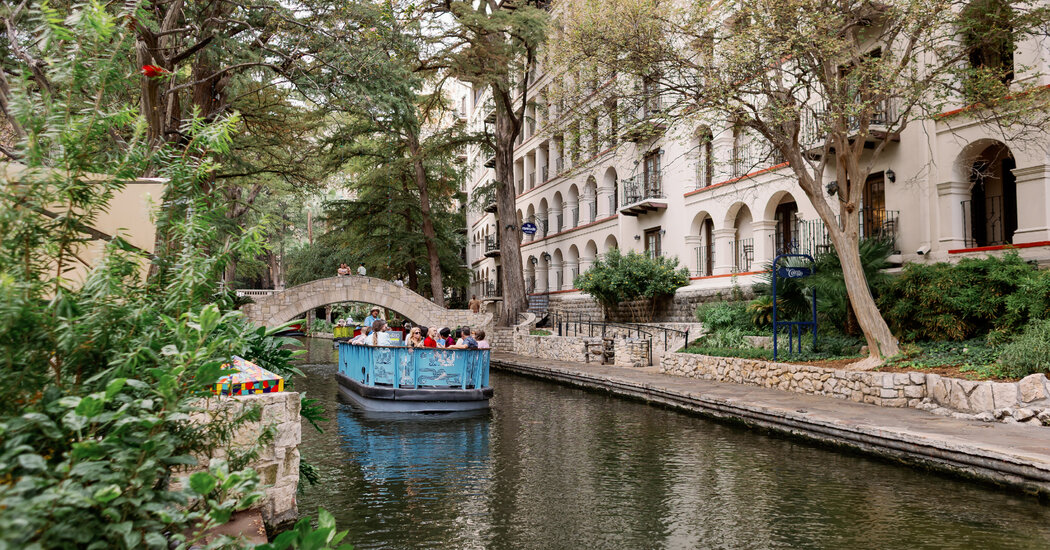

36 Hours in San Antonio, Texas: Uncover Heritage, Adventure, and Local Vibe

Amidst the sprawling miles of the riverside promenade, a city breathes life into its own narrative — a vibrant tableau woven from history, tradition, and the collective heartbeat of its people. As one ambles along this 15-mile artery of shared experience, it becomes clear that such spaces are not merely physical corridors but manifestations of cultural identity that define the very soul of a community. Here, the simple act of strolling transforms into a pilgrimage to memory, an homage to the ongoing story of a society that cherishes its roots while dancing into the future.

Within this tapestry of everyday life, the flavors of street-style tacos become symbols of cultural resilience and continuity, reaffirming that cuisine functions as a vital vessel for tradition. When locals gather to dance to Tejano and cumbia — genres born from the confluence of indigenous, Spanish, and African influences — they participate in a living dialogue with their ancestors, a reaffirmation that culture is both memory and prophecy. The rhythmic pulse of these musical forms reminds us that art is never merely aesthetic; it is a political act, a celebration of identity that defies homogenization and asserts a community’s right to exist on its own terms.

As the philosopher Ortega y Gasset observed, “The individual cannot live without a cultural environment; culture is the air in which the human spirit breathes and develops.” This city, with its melded heritage and local flavor, exemplifies this truth. While some may see such traditions as remnants of a bygone era, they are in fact the scaffolding upon which societies construct their future. Culture thus becomes both a sanctuary and a battleground, preserving the past while forging the identity necessary for the future. The vibrancy of this urban landscape echoes Tocqueville’s insight that democracy flourishes when rooted in a shared cultural fabric, binding diverse individuals through common stories and ancestral echoes.

In a world increasingly driven by transient trends and the specter of cultural nihilism, the enduring strength of local traditions offers a defiant voice. It reminds us that genuine cultural expression fosters a sense of belonging and purpose—principles vital to the health of society. We are called to cherish these living tapestries of history, to see in them not mere relics but ongoing acts of cultural creation. As G.K. Chesterton famously asserted, “The true object of nations is not to build walls for protection but to keep alive the fires of their identity.” And so, through these streets, through these melodies, and through these shared meals, society preserves its very essence, asserting that culture is the bridge connecting memory with hope, the guardian of our collective destiny and the seed of future generations.

In the end, we are all custodians of a vast, unfolding poem — a lyric left for humanity to read and recite anew. Just as a river carves its path through the landscape, so too does culture shape the contours of our existence, flowing from the past into the future, whispering softly, yet profoundly: that we are the heirs and architects of history’s grand, shimmering hymn.

Discover the Thrill: Exploring Hong Kong’s Wild Snake Safari Adventure

In a world fixated on instant gratification and digital distraction, the lifestyle shifts towards wellness and personal enrichment are more vital than ever—an acceleration driven by our relentless pursuit of meaning, adventure, and harmony with nature. One fascinating case study unfolds amidst the verdant terrains of Hong Kong, a city-famous for its towering skyscrapers and densely packed streets, yet profoundly intertwined with lush, protected landscapes home to over 50 snake species. This convergence of urban dynamism and wild biodiversity exemplifies a broader cultural shift: people are increasingly seeking authentic encounters with the natural world, not just as a means of leisure but as a path toward well-being and self-awareness.

Enter the extraordinary initiatives led by snake expert William Sargent, whose Snake Safaris offer daring yet educational excursions into Hong Kong’s subtropical wilderness. Since 2017, Sargent’s nocturnal tours through Tai Mo Shan Country Park—Hong Kong’s highest peak—have attracted hundreds of adventurous visitors each year, driven by an entrepreneurial spirit that combines danger, discovery, and personal growth. These experiences don’t just satisfy a thrill; they transform perceptions, challenging longstanding stigmas about snakes and fostering a sense of curiosity and respect for wildlife. As Sargent’s work demonstrates, embracing nature-based activities is increasingly seen as essential for mental clarity, physical activity, and even social bonding, cultivating a lifestyle that harmonizes risk with responsibility in pursuit of inner peace.

Thematic to this wellness renaissance is a growing awareness of the importance of enlightened conservation. Despite the controversial cultural factors—snakes being a traditional ingredient in cuisine or used in medicine—there’s a rising tide of advocacy and community-building. Sargent’s role extends beyond tours; he’s actively combatting misconceptions by engaging with local schools, setting up online communities like the Hong Kong Snakes Facebook Group, and pushing for progressive policies like the Rapid Release Program, which ensures rescued snakes are returned to their natural habitat rather than being unnecessarily killed or stored. Such efforts reflect a cultural shift, recognizing that personal impact involves not just individual health but also ecological harmony—a pursuit of balance that reinvigorates respect for our environment amid rapid urban expansion.

For young explorers eager to redefine what lifestyle means in a fast-changing world, Hong Kong’s blend of urban pace and wilderness offers an inspiring blueprint. It’s about cultivating curiosity and courage, engaging with nature responsibly, and, ultimately, forging a deeper connection with oneself and the world. As Sargent’s tours reveal: true wellness isn’t just a state of mind—it’s a journey through the dazzling mosaic of skyscrapers and bamboo-lined trails, where every encounter, even with a venomous creature, becomes an act of personal growth. The path to well-being is paved with adventure, respect, and the unwavering pursuit of balance—a testament that physical vitality and spiritual fulfillment are woven into the wild, waiting for those bold enough to seek them out.

  • Explore local, nature-centered adventures that challenge and inspire.
  • Engage with community efforts to protect and respect local wildlife.
  • Prioritize experiences that foster _wellness_, _curiosity_, and _personal growth_.
Autumn's Himalayan Climb Turns Tragic: Youth Adventure Ends in Disaster
Autumn’s Himalayan Climb Turns Tragic: Youth Adventure Ends in Disaster

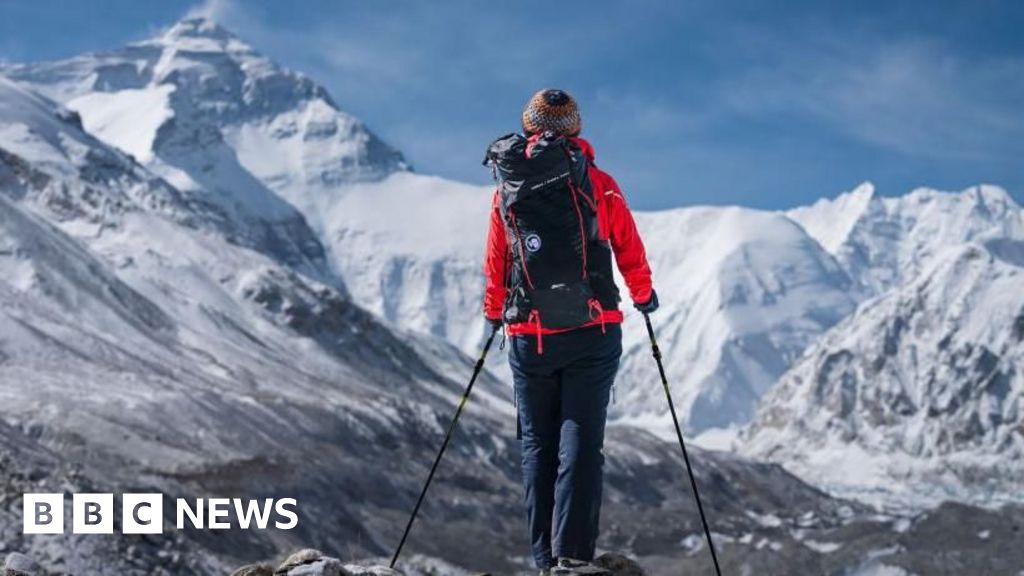
The once serene autumn seasons in Nepal and Tibet are now subject to increasingly unpredictable and extreme weather phenomena, signaling a profound turning point in global climate patterns. Reports from meteorological agencies and independent scientists reveal that the typical clear skies and stable weather that long attracted mountaineers and adventure tourists are vanishing. Instead, these regions face a turbocharged monsoon season, driven by a disturbing confluence of atmospheric systems. Experts warn that the interactions between the traditional Indian monsoon and the westerly disturbance—a cold air system originating in the Mediterranean—are intensifying due to climate change, leading to unprecedented weather events in one of the world’s most fragile mountain ecosystems.

  • Recent episodes of extreme rainfall and snowstorms stranded hundreds of travelers near Mount Everest’s eastern face, forcing rescue operations that involved yaks and helicopter evacuations. These events, occurring well outside the normal mountain tourism season, suggest the weather is no longer predictable or reliable.
  • In Nepal, landslides and flash floods have claimed dozens of lives within a week, with official estimates reaching around 60 casualties. The disruption has not only impacted local communities but also raised alarm in international climate circles about the implications of such erratic weather patterns.
  • Study findings and expert analyses now recognize that a warming climate facilitates the interaction between the monsoon and westerly disturbances, effectively “turbocharging” the summer rains and snowfalls, thereby destabilizing the Himalayas’ climatic equilibrium.

International environmental organizations, including the UN World Meteorological Organization, warn that these shifts are not isolated incidents but part of a broader pattern affecting the entire Himalayan region. As the global climate continues to warm, scientists like Professor David P. Stone from the University of Oxford underscore that “the Himalayas are becoming a bellwether for climate change impacts on fragile mountain ecosystems and the societies that depend on them.” This rapid transformation underscores the interconnected nature of climate change and geopolitical stability, with the Himalayan region standing at the crossroads of local and international crises.

Historian and climate analyst Dr. Maria K. Jensen echoes these concerns, emphasizing that recent shifts pose a direct threat to regional security and global biodiversity. As glaciers melt at unprecedented rates, sea levels rise, and weather patterns become erratic, nations like Nepal and Tibet face not only environmental challenges but also risks to their sovereignty and socio-economic stability. The increasing difficulty in forecasting weather complicates mountaineering, tourism, and disaster preparedness efforts—elements vital for the local economies and the health of communities that have thrived for centuries in harmony with nature.

Ultimately, the sudden, violent storms and unpredictable weather patterns offer a stark warning—how decisions made in the corridors of power in Europe, North America, and beyond directly influence the fate of vulnerable, remote regions. As Earth’s climate continues to warm, the Himalayan peaks will serve as a dramatic tableau for future conflicts, migration, and ecological upheaval. History is unfolding before our eyes, and the question remains: **Will humanity heed the urgent call to action, or will we watch as the mountains themselves become silent witnesses to the upheaval of an unstable climate?** The choices made today will shape the legacy of the 21st century, leaving behind a story that will be told by generations yet unborn.

From Adventure to I Do: She Met Her Dream Guide and Got Engaged in Just Two Weeks

Living Beyond Limits: A Journey of Love, Self-Discovery, and Resilience

In a world increasingly embracing *_the shifting tides of lifestyle and self-discovery_*, stories that challenge societal expectations serve as vibrant reminders of our capacity to forge new paths. Rachel Décoste’s transformative journey from Ottawa to West Africa exemplifies how stepping outside conventional boundaries can lead to profound personal impact. Her adventure, rooted in a heritage rediscovery and the pursuit of authentic connection, underscores an empowering message: it is never too late to embrace change, love, or to realign one’s purpose.

Rachel’s story intertwines her genealogical awakening with an unanticipated romance, unfolding against the rich backdrop of Benin. As a Canadian daughter of Haitian immigrants, she had long carried a sense of ancestral longing. Through a DNA test, she discovered roots in Senegal, Ivory Coast, Togo, Ghana, and Benin—places brimming with history and resilience. According to wellness experts like Dr. Mark Hyman, engaging with one’s ancestry can serve as a catalyst for *personal renewal and emotional healing*. Rachel’s emotional voyage, from the port city of Cotonou to the sacred sites of Ouidah, became a pilgrimage not only through space but within herself, reminding us that _our roots nourish the soil of our future_.

This trip of self-awareness soon blossomed into a story of unexpected love—a narrative fueled by trust, chance encounters, and cultural exchange. Rachel’s spontaneous decision to hop onto a local motorcycle with Honoré Orogbo, a Beninese entrepreneur, epitomizes the essence of seizing the moment. The modest act of accepting a ride forged a connection that defied societal norms, revealing a timeless truth: life’s most extraordinary moments often occur outside the comfort zone. Their journey, filled with heartfelt conversations in markets and sacred sites, led to a shared understanding that love transcends borders and, remarkably, reshapes destinies.

Among community, travel, and personal growth, the story also demonstrates that *a life most fully lived* requires courage. Rachel’s decision to leave her career and life in Washington DC, and Honoré’s willingness to face the uncertainties of immigration, showcase the power of following one’s authentic intuition. As cultural philosopher Alain de Botton suggests, embracing *the unpredictability of life* can open doors to newfound purpose and joy. Their eventual union, culminating in a Canadian wedding despite prior challenges, reflects a shared resolution that life’s true richness lies in *the connections we cultivate and the brave choices we make*.

Key Insights for the Aspiring Explorer

  • Seek your roots; understanding your ancestry can evoke profound emotional and spiritual renewal.
  • Embrace spontaneity; opportunities for growth often arrive in moments of uncertainty.
  • Follow your heart boldly; authentic love and purpose often require stepping beyond societal expectations.
  • Prioritize true connections over societal norms—relationships rooted in understanding and respect can transcend physical and cultural divides.

Rachel’s odyssey is a testament to the resilience of the human spirit and the transformative power of embracing life’s unpredictable journey. Her story, sparked by a simple DNA test and sustained by chance encounters, highlights that Living an authentic life is about daring to chase what truly matters. As she prepares to publish her memoir—a reflection of her journey of self and ancestry—she embodies a compelling call to action: to trust your instinct, pursue your purpose, and embrace the possibility that your most extraordinary chapter is yet to come.

Storm traps 1,000 climbers on Everest, spotlighting the risks of adventure tourism

The remote Tibetan slopes of Mount Everest have become the epicenter of a dramatic rescue operation prompted by an unexpected snowstorm. According to Chinese state media, nearly 1,000 adventurers and hikers stranded at campsites above 4,900 meters are now the focus of urgent relief efforts, illustrating a broader escalation in **extreme weather events** affecting the world’s highest peaks. This situation not only underscores the peril inherent in high-altitude mountaineering but also raises questions about **climate change’s** growing influence on seasonal weather patterns, which many analysts warn could make such disasters more frequent and severe.

The immediate **geopolitical impact** of these events extends beyond the natural hazards. China’s authorities have responded decisively, deploying local villagers and specialized rescue teams to clear snow and save those caught in the storm, which struck suddenly and with unprecedented intensity. The rescue efforts, including the evacuation of approximately 350 climbers—guided to safety in nearby Qudang town—highlight Beijing’s strategic leverage over Tibet, a region historically fraught with geopolitical tensions. Tibet’s **Blue Sky Rescue team** reported tents collapsing under the weight of snow, with some victims already suffering hypothermia, demonstrating the serious risks faced by those venturing into this volatile environment.

Meanwhile, the regional crisis extends into neighboring Nepal, where heavy rains have caused devastating landslides and floods, killing at least 47 people recently. The *worsening climate conditions* are straining local infrastructure, with landslide-ravaged bridges and overwhelmed rescue services becoming common scenes—that is, a vivid manifestation of how environmental degradation exacerbates **natural disasters** with geopolitical ripple effects. Such cascading crises threaten to destabilize local economies, especially those heavily reliant on tourism, as the {Tingri County Tourism Company} has suspended ticket sales for Everest, reflecting a cautious response to *unprecedented* weather patterns.

Expert analyses from historians and climate scientists warn that these **extreme weather events**, paired with *mountaineering overcrowding* and environmental degradation, may mark a turning point for the region’s geopolitics. As international organizations debate the sustainability of Everest tourism, some educators emphasize the importance of respecting natural limits while others warn of the **cost of neglecting climate warnings**. The adventurers—primarily young and ambitious—are unwittingly caught in a larger struggle that ties ecological health, regional stability, and global climate policies into a complex web. This unfolding situation mirrors other recent scenes of natural chaos, which critics argue are a silent but deadly consequence of **unchecked environmental policies** pursued by powerful nations.

As night falls over the Himalayas, the storm’s fury is a stark reminder that the world’s tallest mountain has become a symbol of nature’s unpredictable might and humanity’s fragile grasp over its environment. History is watching — every rescue, every collapse, every international response adds another chapter to the ongoing story of nations confronting climatic upheavals that threaten to redraw the geopolitical map. With the skies darkening and the earth trembling, the question remains: how many more lives will be caught in this relentless, unfolding drama before the lessons of today are etched into the history books of tomorrow?

Hit the Trails in Style: Hoka Ora’s Fall-Ready Footwear for the Adventure Seekers

In the ever-evolving world of sneakers, Hoka continues to prove that functionality and style can walk hand in hand. Their latest release, the Hoka Ora Primo “Squid Ink / Mineral Brown”, exemplifies a new chapter in footwear design—one that prioritizes subtle sophistication while maintaining peak performance. The shoes seamlessly blend technical features with a muted, understated color palette, making them a perfect fit for the modern, urban youth who refuse to sacrifice style for substance. Driven by a desire for versatile footwear that performs on both trail and city streets, this model showcases a strategic shift—an acceptance of minimalist aesthetics in the performance sneaker market, a domain historically dominated by bold logos and loud hues.

Designed with a keen eye on social relevance, the Ora Primo’s deep navy and mineral brown tones emanate a quiet confidence—appealing to a generation that values authenticity over flamboyance. Influencers such as Creative Revolt and Urban Explorer have championed these shoes not merely as athletic gear but as a statement of lifestyle, bridging outdoor adventure with urban minimalism. Its hybrid design, supporting light trail runs while blending into everyday life, signals a broader shift—sneakers as multi-functional pieces, essential tools for the active, style-conscious youth. Beyond aesthetics, the responsive foam cushioning, reinforced overlays, and durable gum rubber outsole reinforce that this is no ordinary sneaker; it’s a symbol of adaptability and resilience in a fast-paced, ever-changing society.

The cultural impact of this trend transcends footwear. It reflects a generation that values balance—between performance and quiet style, between outdoor exploration and inner city hustle. Sociologists such as Dr. Lisa Hernandez argue that this shift signifies a move away from superficial branding, steering toward a more authentic expression of identity. The rise of streamlined, discreet designs hints at a collective desire to redefine what it means to be fashionable in the age of social media, where efforts at self-expression are increasingly nuanced and sophisticated. As youth turn to influencers for guidance, the less-is-more mentality gains momentum, shaping a lifestyle that values purposefulness over flashy excess.

Looking ahead, the question remains: will this trend of understated, versatile sneakers continue to expand and influence other facets of youth culture? As brands like Hoka innovate with purpose-driven designs, and society pushes further towards authenticity, the next big question isn’t just about what we wear, but how these choices reflect our shifting societal values. In a world obsessed with status symbols, the real victory might lie in defining ourselves through that which is quietly powerful and genuinely meaningful.

Get Ready! ‘Stranger Things 5’ Promises to Be the Biggest Adventure Yet!

The Big Finale: What to Expect from Stranger Things 5

The highly anticipated fifth season of Netflix‘s Emmy-winning series Stranger Things is set to make its debut, bringing closure to a show that has captivated audiences since its inception. As we reflect on the cultural phenomenon that has shaped the viewing habits of a generation, it’s fascinating to see how this series has not only entertained but also influenced social conversations. The latest featurette, showcasing behind-the-scenes moments and dramatic glimpses of the upcoming season, has ignited excitement among a loyal fanbase eager for the final installment.

In a recent featurette, cast members and creators the Duffer Brothers shared nostalgic memories from the first season while teasing the monumental scale of Stranger Things 5. Set in the fall of 1987, over a year after the dramatic events of Season 4, Hawkins is now a town marred by trauma, military quarantine, and the looming presence of Vecna (played by Jamie Campbell Bower). These elements underscore a broader theme in the series: confrontations with evil forces often reflect the struggles we face in our own lives. This thematic relevance resonates deeply with today’s youth, who are navigating their own battles in a world fraught with challenges.

The sneak peeks in the featurette suggest that this season is not just about nostalgia; it’s also about growth, both for the characters and the audience watching them. With heightened stakes involving Eleven (Millie Bobby Brown) and her friends as they prepare for what the Duffer Brothers call “the biggest season we’ve ever had,” viewers are gripping their seats. Stranger Things has always balanced the clever integration of pop culture with a coming-of-age narrative, making it relatable for audiences both young and old. The explosive trains, roaring Upside Down energy, and hints of heartbreak reinforce why this series has become a modern classic.

As youth-oriented markets increasingly revolve around streaming platforms and viral phenomena, the question emerges: What lies ahead after Stranger Things concludes its run? Will the spirit of the series live on through new adaptations, merchandise, or thematic spin-offs? The lasting impact of Stranger Things on today’s culture cannot be overstated, and perhaps the biggest question is—how will future creators draw inspiration from this storytelling juggernaut? As we prepare for what could be a heart-wrenching finale, one can only wonder how the show’s legacy will shape the narratives and mediums of tomorrow.

Social Media Auto Publish Powered By : XYZScripts.com