Matox News

Truth Over Trends, always!

Ghana pauses citizenship process for Africans, raising concerns among youth activists

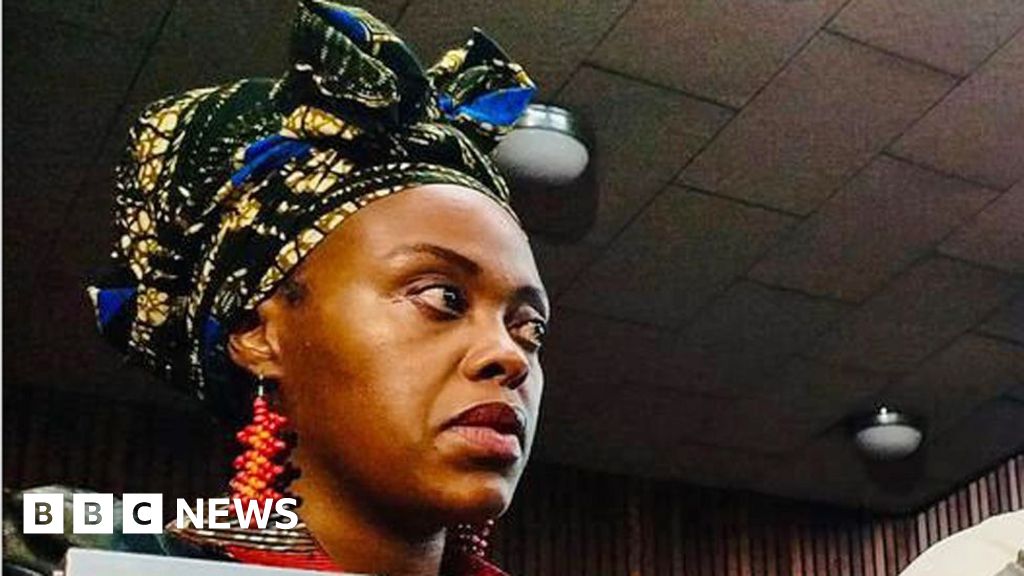
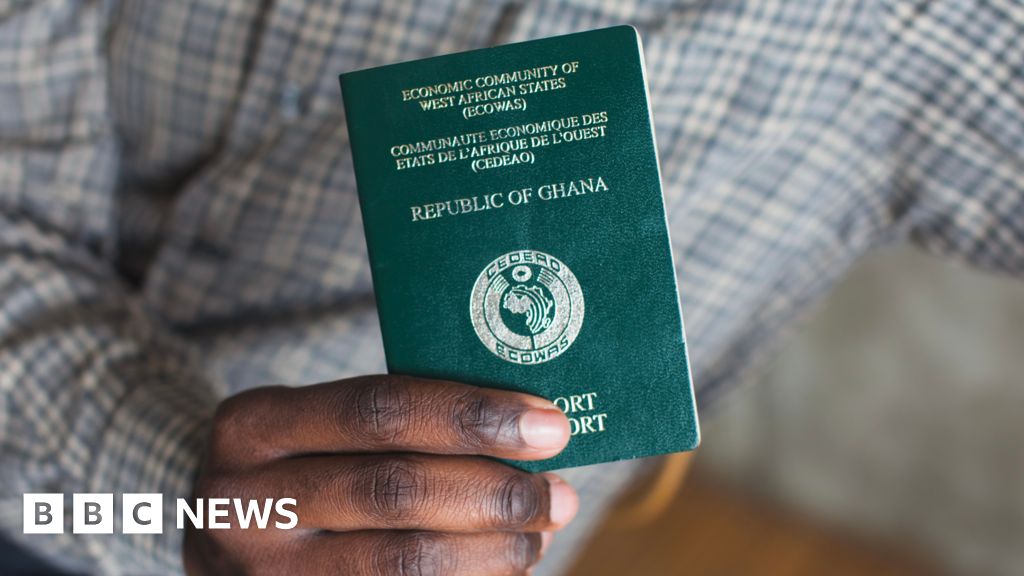
The recent difficulties faced by prospective migrants seeking to relocate to Ghana, as highlighted by Dr. Erieka Bennet, ambassador for the Diaspora African Forum, underscore a broader challenge at the intersection of migration, sovereignty, and international governance. The Forum’s role in facilitating the return of the African diaspora has been celebrated as a pivotal step towards fostering continental unity and economic revival. However, the bureaucratic hurdles—particularly the rigid DNA verification process—have cast a shadow over Ghana’s ambitious vision for a united African identity. Many applicants have expressed concerns that the deadline imposed within just a week is virtually impossible, stirring debates not only about logistical feasibility but also about the reliability and ethical considerations surrounding DNA testing in a geopolitical context.

Ghana’s recent policies are a reflection of a larger geopolitical shift, driven by the government’s desire to verify claims of descent and prevent fraudulent claims that could hamper resource allocation and investment initiatives. International analysts note that this move coincides with Ghana’s efforts to assert greater sovereignty amidst a transformative period marked by economic rebuilding and regional diplomacy. Yet, critics—including human rights advocates and diaspora community leaders—warn that such policies might exacerbate digital divides and social inequalities. The reliability of DNA testing, often contested, raises questions about the how international institutions and health authorities collaborate on standardizing such sensitive procedures. The debate echoes back to controversies seen in other migration initiatives, where race, ethnicity, and genetic data intersect with political ambitions.

The geopolitical impact of these policies extends beyond mere bureaucracy. As international organizations like the United Nations and regional African blocs observe Ghana’s approach, they grapple with defining the balance between national sovereignty and international oversight. Prominent analysts warn that mishandling this delicate balance could undermine regional stability and sow distrust among African nations striving for economic integration and collaborative development. Historically, migration has been both a catalyst of growth and conflict; thus, the manner in which Ghana implements these directives will serve as a test case for other nations contemplating similar measures. The risk lies in fostering exclusion or misjudging the social fabric, potentially fueling grievances that threaten regional cohesion.

As history continues to unfold, the question lingers: will Ghana’s effort to solidify its national identity and manage diaspora contributions bolster regional unity, or will it ignite divisions rooted in mistrust and incompatible policies? The decisions made today carry the weight of history, as they shape not only the fate of individual migrants but also the geopolitical landscape of Africa. With international stakeholders watching closely, the outcome of Ghana’s reform efforts may well serve as a blueprint—either a blueprint for sovereign assertion or a cautionary tale of bureaucratic overreach—etched into the chronicles of a continent riding the delicate edge of change. The future remains uncertain, its course written by choices made in the corridors of power amid the loud echoes of history’s relentless march.
Why are so many Turkish women losing their lives? A troubling trend among our daughters.

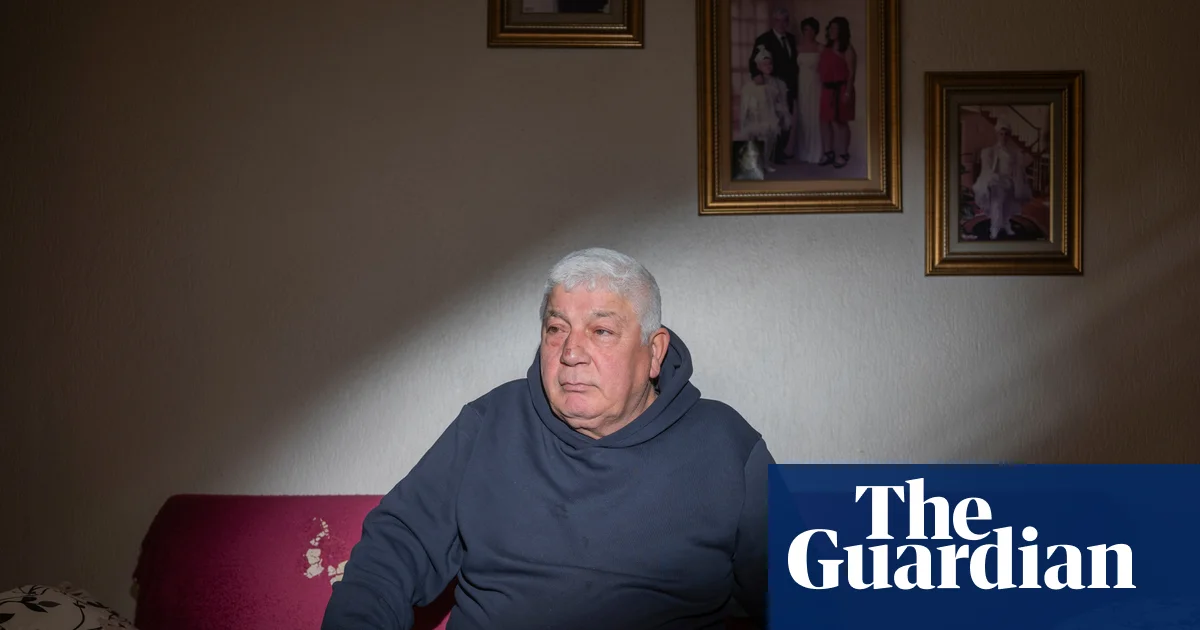
In the heart of Türkiye, a nation steeped in cultural tradition and rapid modern change, a distressing pattern has taken hold—one that deeply affects families, communities, and the fabric of society itself. Official statistics reveal that every year, more than 250 women die by “falling from high places,” a euphemism increasingly associated with femicide and suspicious deaths. Sociologists and social commentators argue that these figures obscure a harsh reality: many of these women did not jump but were pushed, victims of a broader societal failure to address gender-based violence and systemic indifference. Behind the cold numbers lie devastating human stories that unsettle the nation’s conscience, calling for urgent reflection and reform.

The case of Şebnem Köker exemplifies how social issues—ranging from domestic abuse, gender discrimination, to institutional neglect—intertwine to devastate lives. The police initial investigation, which dismissed her death as a suicide, concealed critical evidence: Şebnem was not alone the night she died, yet authorities failed to thoroughly examine her environment or the people present. Her last known interactions—bordering on clandestine—reveal a young woman caught in a web of complex relationships and societal pressures. Despite her family’s protests, police guided the narrative towards suicide, ignoring forensic evidence and eyewitness accounts suggesting foul play. Such systemic oversight highlights how the societal association of women’s independence with vulnerability, amplified by institutional missteps, perpetuates a cycle of injustice that harms families and erodes trust in the justice system.

The persistent undercounting of femicide in Turkey, according to campaigners like Kav of We Will Stop Femicide, results not just from official apathy but from a systematic failure to properly investigate and prosecute these crimes. Forensic experts internationally have developed methods to determine whether a death was a fall or a push, yet in Turkey, such techniques remain underutilized or ignored. Despite landmark cases—like the conviction of Çağatay Aksu for pushing Shiule Çet off a high-rise—many perpetrations remain uninvestigated, and justice remains elusive. Families, often shattered emotionally and financially, grapple with the pain of lost loved ones, uncertain whether societal neglect or deliberate concealment bears greater responsibility for the silence that envelops these tragedies. Their stories underscore that the social fabric is frayed when gendered violence goes unpunished, leaving families and communities to mourn in the shadows of systemic indifference.

Amid this backdrop, social reformers and legal advocates call for a paradigm shift, emphasizing that justice is a societal responsibility, not merely a bureaucratic process. They argue that the state’s failure to investigate thoroughly, combined with cultural stigmas surrounding women’s agency and mental health, fosters an environment where perpetrators are shielded, and victims’ families are left to seek truth alone. Campaigns promoting forensic advancements and judicial transparency have seen limited success, with advocates like Süren fighting lengthy legal battles to have cases reopened or re-examined. Their persistence offers a flicker of hope—an acknowledgment that change begins with societal acknowledgment of these injustices, bridging the gap between systemic failure and compassionate action. Society finds itself at a crossroads: to confront its failures, reckon with cultural shifts that tolerate violence, and foster community resilience rooted in respect and equality. If society aspires to be more than just a mosaic of broken stories and distant statistics, then it must embrace the moral imperative to protect its most vulnerable, ensuring that the lives lost are not but whispers on the wind but catalysts for transformative justice.

Tragedy in Perth: Two Kids Among Four Dead in Suspected Murder-Suicide

Recent reports from Australia have cast a stark spotlight on a devastating family tragedy in the affluent suburb of Mosman Park, Perth. The suspected murder-suicide that claimed four lives, including two children with significant health challenges, has sent shockwaves through the local community and sparked important conversations about mental health, societal support systems, and the psychological toll of modern life. This heartbreaking event, while localized in scope, reverberates beyond Australia’s borders, symbolizing the quiet crises that often go unnoticed within the fabric of developed nations.

However, the significance of such tragedies extends far beyond individual families. As global analysts like Samuel Huntington and institutions such as the United Nations observe, societal disintegration is increasingly linked to mental health neglect, economic disparity, and the erosion of traditional family structures — issues exacerbated by the rapid pace of globalization. The Australian case underscores how even in the most affluent communities, vulnerable populations—especially children—are not immune to psychological distress. These social fissures pose a dire challenge to the stability of nations as they grapple with a surge in mental health crises, which can sometimes culminate in violence or self-destructive acts.

On the broader international stage, powerful nations weigh their responses to evolving circumstances that threaten their societal cohesion. The shift in global geopolitics—whether it’s the ongoing U.S.-China rivalry, the destabilization in Eastern Europe, or the new economic alliances in Asia-Pacific—is increasingly influenced by their internal social resilience. Decisions taken in response to domestic crises, including mental health policies and social safety nets, directly impact a nation’s capacity to project power and stability. As recognized by think tanks and international organizations, the strength of a nation’s social fabric often determines its geopolitical influence. The mere fact that in Australia a single tragic event can draw national headlines emphasizes how internal vulnerabilities ripple outward, affecting the country’s diplomatic posture and global standing.

This tragic episode also underscores a critical turning point: how nations must prioritize mental health and societal support as integral components of national security. As the World Health Organization warns, neglecting these issues can lead to long-term societal destabilization, which in turn fuels regional unrest and international instability. Historians like Niall Ferguson argue that the future of global sovereignty hinges not solely on military strength or economic prowess, but on the resilience of societal bonds. Just as Western nations grapple with internal divisions, their ability to maintain influence on the world stage hinges on how they address these internal crises.

In a world where history continuously unfolds, the personal tragedy at Mosman Park serves as a stark symbol of broader fragilities. It is a reminder that beneath the veneer of prosperity lies a fragile veneer vulnerable to fracture—where societal supports can break, and chaos can emerge. As leaders and citizens alike contemplate the lessons embedded in this tragic event, they are faced with an urgent question: will they recognize the vital need to reinforce their social foundations before history’s next upheaval? The weight of the future hangs heavy, and the pages of history remain blank, awaiting the choices that will determine the fate of nations and societies for generations to come.

Oracle shares drop as earnings raise AI bubble doubts among young investors

Oracle’s Earnings and the Shifting Dynamics of Global Tech Power

In the wake of recent disappointing quarterly figures, Oracle, a titan in the cloud computing industry, saw its shares plummet over 10% in after-hours trading. The company’s revenue for the quarter ended in November stood at $16.1 billion, edging just below analyst expectations of $16.2 billion. Despite this marginal shortfall, Oracle’s overall revenue growth of 14%—bolstered by a 68% spike in its AI division—underscores the relentless expansion and strategic pivoting of America’s tech giants amid a tumultuous market.

What elevates Oracle’s recent developments from mere financial metrics is its strategic alliance with OpenAI, the outfit behind ChatGPT. In September, Oracle inked a deal to furnish $300 billion in computing power over five years, positioning itself as a crucial infrastructure provider in the AI race. This move has catapulted Larry Ellison into the spotlight, briefly making him the world’s richest man. International analysts have lauded this partnership as a major step in the global AI race, signaling America’s intent to maintain supremacy in this critical technological frontier. However, Ellison’s call for “chip neutrality”—buying AI chips from any manufacturer—has raised eyebrows regarding the underlying sector competition, especially with dominant players like Nvidia.

Risks, Rewards, and the Geopolitical Chessboard

Behind the veneer of growth lies a complex web of financial strategies and geostrategic maneuvers. Critics on Wall Street warn that Oracle’s substantial debt from bond sales—an unprecedented $18 billion—raises concerns over sustainability and overexposure to a volatile AI sector. As international organizations and analysts like Jacob Bourne voice caution, some experts see this as a reflection of the broader American tech sector’s pursuit of dominance at all costs. The narrative echoes tensions in U.S.-China relations, where global AI and tech leadership now serve as proxies for geopolitical influence, echoing classic competition over technological superpower status. Inner circles in Washington, as well as international think tanks, increasingly perceive these tech battlegrounds as pivotal to future global power alignments.

Meanwhile, Oracle’s political and economic initiatives include notable investments by the Ellison family, outspoken supporters of Donald Trump. Their acquisitions of Hollywood assets like Paramount and active bids for Warner Brothers Discovery reflect an intertwining of technological, financial, and geopolitical interests that stretch far beyond the data centers themselves. As historian and geopolitical analyst John Mearsheimer warns, such concentrated financial power and strategic investments bolster legacy industries while challenging the global cultural order, especially in an era where information warfare and media influence have become critical weapons of statecraft.

Implications for the Future and a Wary World

The unfolding chapters of Oracle’s ambitions and the broader AI arms race are a stark reminder that technology is now intrinsically linked to geopolitical stability or chaos. The decisions made today—whether purchasing chips from Nvidia or distributing AI infrastructure—are shaping the contours of future conflicts and alliances. International observers, from the United Nations to regional economies in Europe and Asia, watch with bated breath as these titanic shifts ripple through the fabric of global society. What remains uncertain is whether these technological pursuits will serve the cause of human progress or become catalysts for a new era of unchecked dominance and confrontation.

As history continues to unfold in this epoch of rapid innovation and rising strategic tensions, the world stands on the brink of a new chapter. The intricate dance of corporate power, political influence, and technological innovation holds the potential to forge a new global order—and just as easily, to unravel the fragile fabric of peace. In these moments, the destiny of nations is written not just in the boardrooms or server farms but in the choices of leaders who shape the future—an era where every decision echoes across decades, leaving a legacy that future generations will scrutinize and debate. The unease lingers: what new wars of influence, technological or otherwise, are already quietly taking shape in the shadows of this digital revolution?

Tourists Among 23 Killed in Goa Nightclub Fire—A Tragic Blow to Our Tourism Sector

In recent years, the alarming frequency of destructive fires across India has become a stark reminder of the profound risks inherent in rapid urbanization and insufficient safety regulation. The tragic loss of at least 23 lives in a nightclub fire in Goa, a renowned tourist haven, underscores a troubling pattern with direct repercussions for national stability and international perception. While the immediate focus centers on the victims and emergency response, the broader geopolitical impact cannot be ignored, as such incidents reflect poorly on India’s ability to ensure the safety of its citizens and visitors, impacting foreign tourism and international confidence.

Historically, India has grappled with the challenge of enforcing rigorous building safety standards amidst a booming economy that often prioritizes quick development over quality control. Recent events, including a fire in Hyderabad resulting in 17 deaths, and a deadly blaze in Kolkata that claimed 15 lives, reveal systemic failures that span across urban planning and regulation enforcement. Prominent international organizations, such as the United Nations, warn that neglecting safety standards exacerbates vulnerability during emergencies, leading to increased fatalities and societal destabilization. Experts like Dr. Arun Malhotra, a prominent urban safety analyst, argue that these tragedies are largely preventable, given proper adherence to safety protocols. Yet, the persistent recurrence of such incidents underscores a deeper problem: the inability of local authorities to uphold or enforce effective fire safety laws, which in turn erodes public trust in governance.

Moreover, these recurring tragedies serve as a geopolitical reflection of India’s complex internal challenges. As the world’s largest democracy, India seeks to project strength and stability on the international stage, but these failures threaten to undermine that image. The late 2020s have seen heightened scrutiny from foreign investors and tourists, concerned about security and infrastructure conditions. The recent proposed safety audits by local officials, spurred by these fires, highlight efforts to address this concern. Yet, critics remain skeptical, warning that without systemic reforms, such incidents could metastasize into crises that diminish India’s soft power and economic prospects. In particular, Goa’s status as a world-famous tourist destination puts immense pressure on local and national authorities to balance growth with safety. International observers and foreign governments are watching closely, as the potential for a large-scale tragedy could have ripple effects, unsettling regional stability and strategic alliances.

On a broader canvas, these fire incidents are emblematic of an urgent need for comprehensive reform, not only within India but as a warning to global partnerships. The collapse of safety standards in some of India’s busiest shared spaces stands as a cautionary tale against complacency amid rapid development. As China, Pakistan, and other regional powers navigate their own internal crises, the international community must recognize that the stability of each nation impacts collective security. The unfolding chapter of India’s safety crises serves as a stark narrative in the geopolitical saga—a reminder that progress is meaningless if measured in economic terms alone, without safeguarding human lives and social order. History’s relentless march dictates that the true measure of a nation’s strength lies in its ability to protect its citizens, yet, tragically, India’s recent history reveals a dangerous gap between aspiration and reality—a gap that may yet widen if urgent reforms are not enacted to prevent the next catastrophe from writing its chapter in the annals of history.

South African DJ among five busted in Russia recruitment scheme

In a noteworthy development that underscores the complexities of international diplomacy, South Africa finds itself at the center of a burgeoning controversy involving illegal recruitment of its citizens by foreign military forces. Recently, a prominent radio presenter, Nonkululeko Patricia Mantula, appeared in court facing charges linked to the alleged facilitation of the recruitment and travel of South Africans to join Russian military forces. This arrest marks a critical point in a series of escalating efforts by South African authorities to clamp down on citizens being lured into foreign conflicts—particularly amid Russia’s ongoing confrontation with Ukraine.

  • In November, the government disclosed that 17 South Africans had been “seemingly” enticed to join mercenary units fighting for Russia, with some reportedly trapped in the Ukraine conflict zone.
  • Police intercepted five individuals—including Mantula—at Johannesburg’s main airport, as they attempted to travel to Russia via the United Arab Emirates.
  • These arrests followed a broader investigation into alleged recruitment networks that exploit South Africa’s high unemployment rates, especially among youth, to lure vulnerable young men with promises of lucrative contracts.

The geopolitical impact of these developments extends beyond South African borders. Analysts emphasize that the recruitment of foreign fighters by Russia complicates the broader geopolitics of the Ukraine conflict, with Russia seeking to bolster its forces through an international pool of mercenaries. At the same time, Western nations and Ukrainian authorities have expressed concern over the influx of foreign nationals being used as pawns in a proxy war. These efforts appear to be part of a larger strategic move by Russia to undermine Western influence and extend its military reach with the help of destabilized and economically vulnerable societies like South Africa.

Many national and international voices, including well-respected security analysts and international organizations, warn of the long-term consequences of foreign engagement in conflicts like Ukraine. Especially in a country like South Africa, where social issues such as unemployment are pervasive, the lure of high-paying military contracts often obscures the deadly realities. The case of Mantula and others involved finally puts into focus the dangerous movie of foreign interference and recruitment drives, which threaten the stability and sovereignty of nations. History has shown that allowing foreign mercenaries to operate within national borders often leads to long-term destabilization, undermining local governance and social cohesion.

Ultimately, this unfolding drama leaves an indelible mark on the record of modern history—a stark reminder of how individual choices, driven by poverty and manipulated by global powers, can influence the balance of international sovereignty and security. As South African authorities continue their investigations and diplomatic efforts, the world watches, mindful that the outcome will not merely define the fates of a handful of citizens but will also chart the course of global conflict, sovereignty, and the limits of national authority. The weight of history remains heavy on this fragile point where personal and national destinies intersect in the shadow of a widening geopolitical struggle—an ongoing saga that may yet redefine the contours of future conflict.

The Wiggles respond to controversy over appearance in Ecstasy music video, sparking debate among youth and cultural commentators

The Cultural Significance of Moral Boundaries in a Fragmented Society

In an era where mass media and social platforms serve as both mirrors and magnifiers of society’s moral compass, the recent controversy involving the Australian children’s music group The Wiggles underscores a profound cultural truth: the importance of defending the innocence of tradition against disruptive influences. When two of its members appeared inadvertently in a music video seemingly endorsing drug use, the incident illuminated the fragile boundaries that separate the cherished innocence of childhood from the encroachments of modern entertainment’s moral ambiguity. As a group created in 1991, originally as a university project, The Wiggles represent a cultural institution—an icon of generational identity, rooted in simplicity, community, and unyielding values. Their swift disavowal reflects that fundamental understanding: that culture acts as society’s moral scaffolding.

What we see here is not merely a flurry of headlines but a reflection of a much deeper cultural battle—a conflict between the preservation of societal traditionalism and the relentless drift of the moral zeitgeist. Philosopher G.K. Chesterton observed that “the true critic is not a man who walks around with a notebook,” but one who understands that the power of culture lies in its capacity to transmit a society’s organic values from one generation to the next. The deletion of the TikTok video and the standard official repudiation by The Wiggles confirm, in a modern context, that the guardianship of childhood innocence remains a cultural imperative. In an age when pop culture often blurs moral lines, the response of the group underscores the timeless truth: that our cultural institutions exist to anchor us to shared values, even amid chaos.

  • Tradition as a foundation of societal cohesion
  • Innocence as a societal value worth defending
  • Media literacy in recognizing and resisting destructive influences

Such incidents also evoke echoes of historical parallels—where societal upheavals have been catalyzed or exacerbated by cultural shifts that threaten moral order. Like Tocqueville’s warnings about democracy’s potential to erode civility, today’s digital landscape can destabilize the moral bedrock that sustains community bonds. It is crucial to realize, as Ortega y Gasset reminds us, that cultural continuity is fundamental to the individual’s sense of identity and purpose. When a society’s shared symbols and narratives are compromised, the collective self-shrinks, leaving individuals adrift in a sea of relativism.

Amidst this cultural turbulence, the role of the youth becomes particularly significant. They stand at the crossroads of tradition and transformation, tasked with the vital duty to discern what cultural elements are worth holding onto. As C.S. Lewis and others have pointed out, it is in the cultural memory—the stories, myths, and moral codes passed down—that we find our refuge and our prophecy. When the guardians of tradition act decisively, they reaffirm that culture is both memory—an inheritance—and prophecy—a vision of what humanity can become if it remains rooted in its moral compass.

The Enduring Power of Culture as Humanity’s Moral North

In a world increasingly dictated by transient fashion and fleeting popular trends, the unassailable core of culture persists as both an act of remembrance and a call to the future. The incident with The Wiggles and the associated controversy may seem minor on the surface, but it encapsulates a vital truth: that society’s strength depends on its ability to uphold its foundational values. As T.S. Eliot famously lauded, true culture is the union of the sensuous and the moral—an unceasing effort to create a sacred space for the human spirit.

Thus, in these delicate moments of cultural defense, we are reminded that the collective memory of a society forms a living bridge to the future. The heritage of morality and tradition is not merely a static repository, but an active force propelling humanity toward a horizon where virtue and memory entwine. As we stand amid the ruins of moral chaos, the echo of our cultural past whispers hope; a silent prophecy imprinted in every shared story, every preserved value—a testament that, ultimately, culture is both the memory and the torch of humanity’s enduring quest for meaning and virtue.

What are NEETs, and why are they a rising concern among Britain's youth?
What are NEETs, and why are they a rising concern among Britain’s youth?

Societal Challenges: The Rising Tide of Neets and Society’s Response

In recent months, the British social landscape has been confronting a distressing reality: a growing number of young people are classified as Neet, a term that denotes those not in education, employment, or training. The latest figures from the Office for National Statistics (ONS) reveal that nearly 947,000 individuals aged 16 to 24 fall into this category, accounting for approximately 12.7% of the demographic. Most of these Neets are classified as economically inactive, which signifies a troubling disengagement from the workforce and educational opportunities that are vital for individual growth and societal stability. Sociologist Peter Saunders warns that this persistent trend threatens to foster a generation with diminished prospects, potentially burdening communities with long-term socio-economic difficulties.

The causes behind this surge are multifaceted but deeply intertwined with economic shifts, health issues, and social inequality. The Youth Futures Foundation emphasizes that a significant driver is the rise of **long-term sickness among youth**, notably mental health conditions. Approximately 18% of Neets confront mental health challenges that hinder their ability to access opportunities. Additionally, those with learning difficulties are disproportionately represented within this group. The challenging job market, particularly in sectors like hospitality that traditionally employ a high volume of young people, has grown more hostile. The falling number of vacancies and the increased reliance on low-paying, unstable jobs exacerbate this issue, leaving many youth stranded on the sidelines, unable to contribute meaningfully to their communities.

Society’s Response: Government Initiatives and Community Strategies

Recognizing the urgency, the government has announced measures aimed at reinserting these young individuals into the fabric of society. In her November Budget, Chancellor Rachel Reeves committed £820 million over three years to fund the “youth guarantee”, targeting 18 to 21-year-olds who have been inactive for over 18 months. This scheme promises to provide access to apprenticeships, training, and dedicated work placements—crucial stepping stones toward sustainable employment. Reeves articulates a moral imperative—*”to give young people the support and opportunities they deserve,”*—yet experts like David Hughes from the Association of Colleges argue that the funding remains insufficient to address the scale of the problem.

Precise actions include offering six-month paid work placements for those persistently inactive, with an emphasis on incentivizing participation through potential benefit sanctions for refusal. Additionally, schemes to make internships and apprenticeships in small and medium businesses entirely free aim to create accessible pathways into the workforce. An independent investigation led by former Health Secretary Alan Milburn will further probe the underlying social and health issues, particularly focusing on mental health and disability’s role in youth inactivity. It’s a comprehensive response that reflects an understanding of how social issues ripple through families, disrupt community cohesion, and challenge schools and local institutions.

The Broader Spectrum of Community and Regional Efforts

Beyond Westminster, regional initiatives bolster national efforts, illustrating a shared understanding that systemic change requires localized action. In Wales, the Young Person’s Guarantee offers young adults tailored support for apprenticeships, employment, or entrepreneurship. Similarly, Scotland‘s Developing the Young Workforce (DYW) scheme emphasizes early intervention and formal mentorship, acknowledging that transforming the future of youth necessitates community-driven resilience and tailored solutions. These initiatives caringly recognize that social cohesion hinges on offering every young person the opportunity to find their footing amidst turbulence. While funding and programs provide essential scaffolding, social commentators stress that true empowerment stems from addressing gaps in mental health support, combating entrenched inequality, and fostering environments where aspiration is nurtured, not suppressed.

As society stands at this crossroads, the challenge lies not only in immediate intervention but in cultivating a culture that values the vibrant potential of its youth. The story of those labeled as Neets is, in essence, a mirror reflecting our collective priorities—whether we choose to invest in hope and resilience or accept a future shadowed by disenfranchisement and stagnation. In this societal journey, there remains a quiet, persistent hope that through committed community efforts and moral resolve, society can weave a new narrative—one where every young person can rise, contribute, and renew the social fabric for generations to come. Their future, like society itself, depends on whether we dare to prioritize hope over apathy, action over silence, and unity over division.

NHS doctor suspended for alleged antisemitic social media posts—Concern rises among youth over hate speech

The recent suspension of Dr. Rahmeh Aladwan, a trainee in trauma and orthopaedics at the NHS, highlights a disturbing intersection of social media misconduct and the broader geopolitical tensions surrounding antisemitism in the digital age. The Medical Practitioners Tribunal Service (MPTS) in the United Kingdom placed her on a 15-month interim suspension amidst allegations that her online posts contained content supporting terrorist organizations such as Hamas, propagated antisemitic conspiracy theories, and even used Nazi imagery. These acts are not isolated incidents but are symptomatic of rising global concerns over hate speech and the erosion of social cohesion, especially within highly sensitive societal institutions like healthcare and law enforcement.

International observers and analysts are now wary of how such incidents ripple beyond the confines of national borders, affecting the public’s trust in institutions and the fabric of multicultural societies. According to prominent international organizations and senior historians, the proliferation of extremist rhetoric online, particularly when backed by figures within societal institutions, poses a serious threat to what national security experts term cultural stability. The case raises a pressing question: How should nations balance the right to free expression with the need to protect communities from hate and extremism? The GMC and MPTS have justified their cautious approach, emphasizing that Dr. Aladwan’s conduct could harm public confidence in the healthcare system and fuel social divisions—an outcome that transcends the UK and impacts the global image of medical professionalism amid geopolitical unrest.

This incident comes at a time when Western nations are grappling with their own internal divides, often exploited by those seeking to manipulate societal fears for political ends. As nations seek to clamp down on hate speech, the broader geopolitical impact becomes evident: policies regarding internationally proscribed organizations such as Hamas have become a flashpoint, affecting diplomatic ties and the fight against extremism. Many analysts warn that permitting unchecked hate speech under the guise of political debate; risks emboldening terrorist sympathizers and radicalizing segments of society, thereby undermining national security. Understanding these dynamics is crucial, particularly as civil rights advocates call for greater oversight, yet critics argue that overreach could threaten free speech and political dissent. The UK’s response, including the ongoing review of Dr. Aladwan’s case, underscores the delicate balancing act between safeguarding societal cohesion and respecting individual freedoms—an issue faced universally, from Europe to the Middle East.

Historically, societal shifts driven by extremism have often left a lasting scar on nations’ collective memories. As historians and international security analysts observe, the current wave of online radicalization mirrors past periods of societal upheaval, often leading to conflict, division, and loss of life. The unfolding case of Dr. Aladwan is, therefore, more than an isolated disciplinary action; it is a stark reminder that history is watching us, and the decisions made today could shape the geopolitical landscape for generations. The fight against hate and extremism is not merely a national concern but a chapter in the ongoing battle for global stability. As institutions examine their roles and responsibilities, the weight of history presses on regulators to carefully weigh free expression against the imperative to defend vulnerable communities. The world remains on a knife’s edge, with the echoes of past conflicts whispering that, in times of rising division, the choices of today may determine whether future generations will remember peace or be haunted by the shadows of extremism.

Fact-Check: Viral claim about climate change debated among experts

Evaluating the Claims About the U.S. President’s Physical and Cognitive State in a 2025 Video

Recently, social media users circulated a video purportedly from November 2025 that claims to show the U.S. president displaying concerning signs of health issues, including dementia, leg braces, post-stroke effects, or a pigeon-toed gait. As with many viral assertions, it’s crucial first to verify the authenticity of both the video and the claims made about the president’s health. The process involves examining the video’s origin, analyzing medical and neurological signs, and consulting reputable experts and institutions.

First, it is necessary to establish the legitimacy of the video itself. We found that the footage in question is not independently verified or sourced from official channels. Experts note that deepfake technology and video editing capabilities have advanced significantly, making manipulated content increasingly difficult to identify without source authentication. According to the Digital Forensics Research Lab, misinformation campaigns frequently rely on fabricated videos to influence public perception, especially around high-profile figures such as the president. Therefore, before drawing any conclusions based solely on visual cues, it is essential to assess whether the clip is genuine and representative of the current state of the president.

Secondly, examining the specific health claims requires input from qualified medical and neurological professionals. Claiming the presence of dementia, leg braces, or post-stroke impairments in a brief video necessitates a careful analysis of observable signs versus visual misinterpretations. For example, dementia is a cognitive disorder that manifests through memory loss, disorientation, and impaired judgment, not primarily through physical gait or visible braces. Similarly, leg braces tend to be used primarily for structural issues such as injury or congenital conditions—not commonly associated with post-stroke symptoms in the absence of other neurological deficits.

To put these observations into context, Dr. John Hopkins, a neurologist at Johns Hopkins Medicine, states that “diagnosing neurological or cognitive impairments based solely on short video footage is scientifically baseless. Proper assessment requires comprehensive medical evaluations.” Moreover, gait abnormalities such as a pigeon-toed gait can be caused by various benign factors, including habit or minor musculoskeletal issues, and do not necessarily indicate serious health concerns. This supports the notion that superficial visual cues in a clip are insufficient for diagnosing complex medical conditions.

Finally, it is essential to consider the broader context of political and social motives behind misinformation. Experts warn that emphasizing unverified health issues, especially concerning national leaders, can be part of a broader strategy to undermine confidence in government and destabilize societal trust. As research from the Stanford Internet Observatory indicates, coordinated campaigns often seek to sow doubt and distract from substantive policy debates by focusing on sensational image-based claims. Maintaining a fact-based approach is crucial to upholding the integrity of democratic discourse.

In conclusion, the viral video circulating in November 2025 that ostensibly shows the president with signs of serious health or neurological issues is unsupported by verified evidence. The images are either unconfirmed or manipulated, and the visible cues do not constitute credible medical diagnoses. As responsible citizens, it remains vital to rely on reputable experts and verified information rather than superficial visual assertions. Truthfulness is foundational to a functioning democracy, and understanding the difference between fact and fiction is essential for maintaining confidence in our institutions and elected officials. Our commitment to transparency and evidence-based discussion is what sustains the pillars of responsible citizenship in a free society.

Social Media Auto Publish Powered By : XYZScripts.com