Matox News

Truth Over Trends, always!

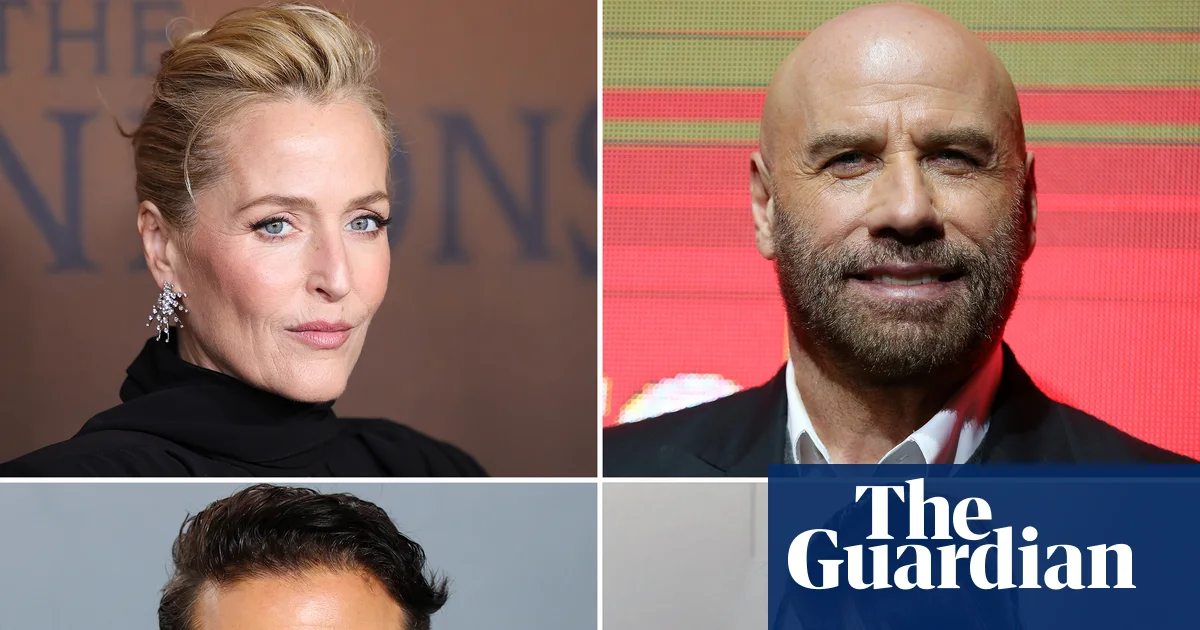
Gillian Anderson and Cara Delevingne Bring Star Power to Cannes Amid Heavyweight Filmmakers

Cannes 2026: A Reflection of Geopolitical Shifts and Cultural Power

The 79th Cannes Film Festival underscores a pivotal moment in international cultural diplomacy, offering more than just cinematic artistry; it serves as a mirror to the shifting geopolitical landscape. This year’s lineup, notably dominated by European, Asian, and Middle Eastern directors, signals a conscious move away from American dominance in global arts, reflecting broader tensions and strategic realignments. With nearly 2,500 submissions from 141 nations—an increase of over 1,000 entries compared to a decade ago, according to festival director Thierry Frémaux—Cannes exemplifies the growing importance of cultural platforms in shaping global narratives amid a world increasingly divided along ideological and economic lines.

Of particular note is the *near absence* of American directors in the main competition, with only Ira Sachs’ The Man I Love representing the U.S. in what many analysts interpret as a subtle yet clear shift of cultural influence. Historically, Hollywood’s dominance endowed U.S. cinema with unmatched soft power; however, this year’s selection indicates an emerging trend of *decentralization*, where regional storytellers are gaining prominence on the world’s stage. Meanwhile, the inclusion of exiled Russian auteur Andrey Zvyagintsev with Minotaur—a political thriller probing Russian societal fissures—marks a daring divergence from traditional narratives, asserting the film industry’s role as a battleground for geopolitical discourse. As noted by geopolitical analysts, such films function as cultural battlegrounds, influencing international public opinion and psychological warfare.

The festival’s focus on themes like *rivalries*—from football identities to Cold War allegories—further underscores how cultural expressions are intertwined with national identity and diplomatic conflicts. The documentary on Eric Cantona, a football legend turned cultural icon, and the film exploring *1966 *World Cup* “hand of God” incident, echo simmering tensions in South America, particularly over historical disputes like the Falkland Islands. These narratives not only entertain but also act as symbolic battlegrounds for historical grievances, reminding viewers of the inescapable intersection between sport, politics, and identity. Such films can influence how nations perceive each other, potentially shaping diplomatic sentiments in subtle yet powerful ways.

International organizations and cultural critics alike emphasize that art, especially in a festival of Cannes’ stature, serves as a *proxy battleground* for larger geopolitical conflicts. The rise of global competition in cinema reflects a broader struggle for cultural supremacy in a world where alliances are volatile and influence is often wielded through soft power. The festival’s evolving program highlights the importance of storytelling as a means to contest narratives and claim ideological space. As historians warn, these cultural battles—hidden within award campaigns and cinematic debates—may presage future diplomatic shifts, and the decisions made in Cannes could reverberate far beyond the red carpet, echoing in the corridors of power for years to come.

In the theater of history, the *unfolding* stories showcased at Cannes serve as crucial chapters in the ongoing contest for influence, prestige, and narrative control. As young audiences around the world tune in, the films presented this year will contribute to a complex tapestry of cultural diplomacy—where cinema is not merely entertainment but a strategic instrument wielded in the grand chessboard of international power. The weight of such moments remains profound, for behind every film and nomination lies a larger story: the relentless pursuit of influence, identity, and sovereignty—all unfolding on the stage of human history.

‘Baywatch’ Tryouts Ignite Ambitions to Follow in the Footsteps of Pam Anderson and Jason Momoa

In an era defined by relentless spectacle and instant gratification, the phenomenon of thousands answering an open casting call to embody the next “Baywatch” swimmer reveals more than mere superficiality. It underscores a profound cultural dynamic: the yearning of a society to connect with symbols of vitality, health, and youthful vigor — elements that serve as tangible representations of national identity and collective aspiration. The casting process, ostensibly trivial, becomes a mirror reflecting our cultural values, where beauty and heroism intertwine, echoing the timeless human desire to be part of a story larger than ourselves.

This phenomenon brings to mind the philosophical insights of Ortega y Gasset, who argued that modern identity is rooted in the continuous act of participation in cultural life. As thousands line up with hopes of fame or recognition, they engage in a public performance of self-creation, affirming that our societal fabric is woven from shared images and myths. Similarly, Tocqueville’s observations about American individualism highlight how the pursuit of such roles contributes to a collective narrative—not merely about physical beauty but about embodying spirited ideals of vitality, resilience, and optimism. These casting calls, while seemingly trivial, are emblematic of our society’s persistent belief that the real essence of culture resides in its ability to inspire, to animate the human spirit with images of strength and heroism.

Yet, in this pursuit of fleeting glory, there lurks the danger of elevating superficial appearances over enduring cultural values—a tendency that critics like G.K. Chesterton might describe as the era’s obsession with shallow spectacle. Culture, after all, is not merely a surface phenomenon; it is the bedrock of identity, a vessel of tradition that sustains society’s moral and spiritual continuity. As T.S. Eliot asserted, true culture embodies the collision of tradition and innovation—a continuous dialectic where the old informs the new, and vice versa. The scramble for a role as “Drowning Swimmer No. 2” may seem trivial on the surface, but it is symptomatic of a broader craving: the need to define oneself within an ongoing narrative, a story that links the spectacle to the profound, the ephemeral to the eternal.

Ultimately, the culture we cherish is both memory and prophecy—a testament to where we have been and a signpost to where we might go. The vibrant imagery of athletic youth and heroic daring encapsulates a longing for resilience, for community, and for a shared patriotic pride that outlives fleeting fame. As the tides of popular culture continue to shape and reshape society, it remains vital that we remember: **culture is the soul’s ancient song, echoing through time, guiding humanity’s steps through memory and prophecy alike—a continual reminder that beneath the surface of fleeting images lies the enduring truth of who we are**.

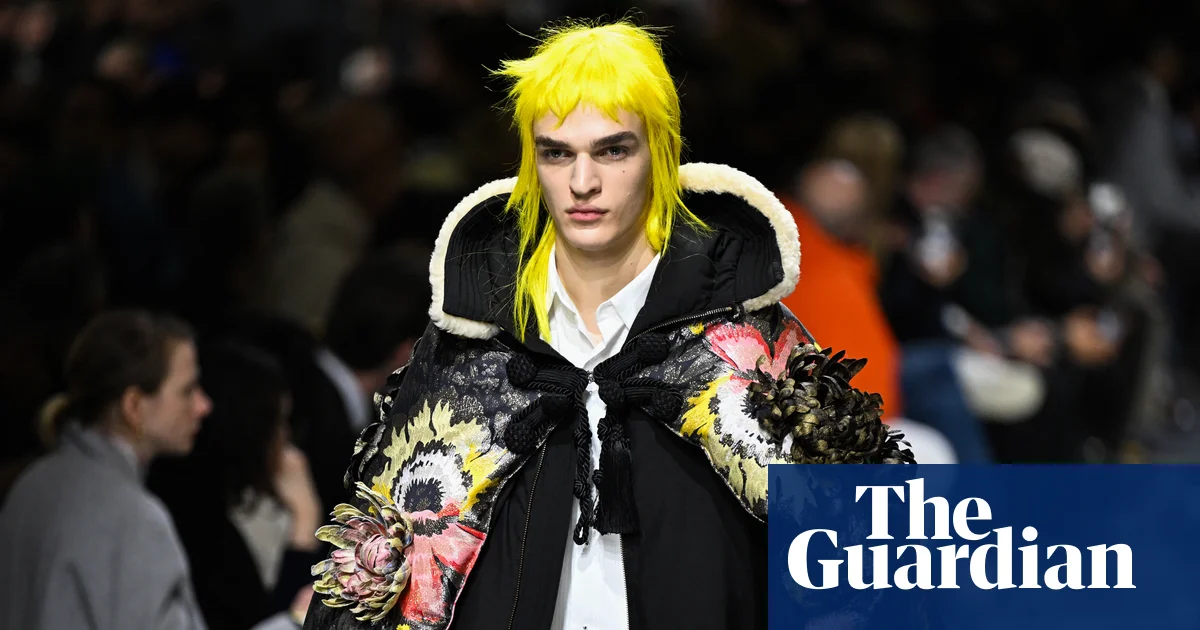
Jonathan Anderson Flexes Eccentric Edge at Dior Men’s Show — Sparking a Fresh ‘New Aristocracy’ at Paris Fashion Week

In the pulsating heart of Paris, fashion is undergoing a remarkable transformation that is as much about societal shifts as it is about style. Jonathan Anderson’s recent Dior menswear show, staged at the iconic Musée Rodin, exemplifies this evolution. With celebrity icons like Robert Pattinson and Lewis Hamilton in attendance, the collection didn’t just showcase clothing—it challenged perceptions about what it means to be part of a new aristocracy. Anderson’s concept focused on eccentricity over wealth, emphasizing the social and cultural relevance of individuality. Instead of traditional signs of status, he spotlighted personal expression—an intriguing reflection of today’s societal trajectory that increasingly favors authenticity and unique identity over old notions of privilege.

His collection, a provocative blend of punk-iness and historic references, took fashion’s boundaries for a deliberate spin. Sequin camisoles, snakeskin boots, and synthetic wigs united to form a character study that questions the norms of normality. Anderson’s use of cropped blazers and tailored pieces from eras just before societal upheaval—the 60s and prewar periods—serves as a commentary on clothing as a premonition of societal change. Influences from eclectic sources like MK Gee and Withnail and I indicate a deliberate move towards a culture that embraces mixed styles and the unconventional. This cultural layering signals a shift where fashion’s role extends beyond aesthetics into the realm of storytelling and social commentary.

Meanwhile, the conversation around fashion’s social relevance continues to evolve as Anderson mentions that consumers are already adopting the “anti-fitting” vibe—wearing men’s jackets designed with a rebellious twist—those traditionally confined to the women’s section. It underscores a broader trend towards bridging gendered styles and killing off the outdated “siloed” thinking of fashion marketing. Anderson sees this fluidity as a reflection of how we shop today, akin to a dessert menu where individuals craft their own personal aesthetic. This isn’t about Christian Dior or the brand; it’s about the next chapter of fashion—a chapter where personal identity reigns supreme, and the social hierarchy is redefined by the choices we make on our own terms.

On another front, visionaries like Pharrell Williams are similarly steering fashion’s future, this time at Louis Vuitton. Williams’ “retro-futuristic” collection, with tech-enabled tailoring, epitomizes the merging of tradition and innovation. Guests such as Skepta and Stephen Graham witnessed jackets glowing under lights and shirts designed to sculpt to the wearer—an explicit focus on technological integration in fashion. This resurgence of technical apparel indicates that luxury is not just about aesthetics anymore, but about enhanced functionality and personal empowerment. It’s a glimpse into a future where fashion aligns seamlessly with technology, digital culture, and individual agency, thus reshaping what luxury means in a world driven by rapid innovation.

Both Anderson and Williams highlight that the next big question for fashion isn’t simply about new styles—it’s about what these styles say about societal values and power structures. The cultural impact of this shift is profound: it signals a move away from the old aristocratic hierarchies based on wealth and social class, towards a society where self-constructed identities define one’s cultural capital. As fashion becomes more fluid and expressive, it challenges sociologists and trend analysts alike to reconsider the future of cultural influence. The true innovation may lie not just in the clothing itself but in how these visual stories will influence social norms and cultural narratives in the years ahead. The question remaining: are we witnessing the dawn of a new era where style democratizes power, or is this just the beginning of a new grand spectacle of identity politics—and what does that mean for the future of young, fashion-conscious generations?

Social Media Auto Publish Powered By : XYZScripts.com