Matox News

Truth Over Trends, always!

Hi-Fi Vibes: How Sound System Culture is Dominating UK Art and Fashion — Peter Doig on the Beat

The Rising Cultural Power of Sound Systems in Art and Fashion

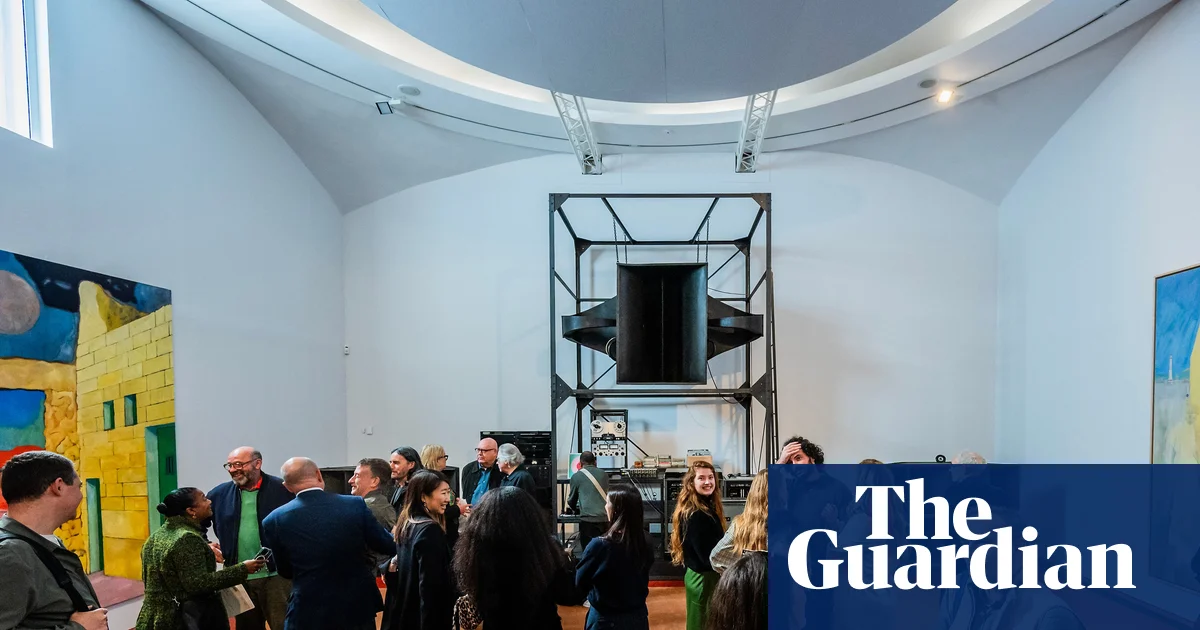
In recent years, high-end sound system culture has transcended its roots to become a defining element of contemporary art and fashion scenes. From Peter Doig’s innovative “House of Music” exhibition at the Serpentine Gallery to collaborations with iconic brands like Dior and Valentino, the integration of sophisticated audio technology is reshaping sensory experiences. Doig’s installation, which features vintage Western Electric and Bell Labs speakers alongside bespoke Klangfilm Euronor speakers acquired from Kraftwerk’s Florian Schneider, embodies this shift. His concern that visitors might question the purpose of music-enhanced art underscores a broader societal debate: is the fusion of auditory and visual culture merely a trend, or does it signal a profound cultural transformation?

This trend is aligned with a wider movement where the gallery space is no longer purely visual but becoming a listening environment. Across the UK, museums and galleries like Liverpool’s Walker Gallery and platforms such as V&A East are hosting sessions that emphasize the re-emergence of sound system culture—originally born in Jamaica in the 1950s and propelled into the UK by the Windrush generation. These sound systems are now acting as social catalysts, fostering community engagement and cultural dialogue. Sociologist Julian Henriques from Goldsmiths highlights that such initiatives are not only expanding audience reach but also challenging the traditionally male domain of sound system culture, paving the way for a more inclusive and diverse cultural landscape.

Beyond the art world, fashion houses have embraced high-fidelity audio as a symbol of modern prestige. Valentino’s flagship store in New York hosted a ten-hour listening session, while Stone Island’s collaboration with Friendly Pressure showcased the integration of sound systems into the fabric of design and retail experiences during Milan’s design week. This convergence of fashion and sound recalls Doig’s 2020 runway collaboration with Dior, where towering speaker stacks loomed over models on the runway, turning a simple walk into a sensory spectacle. As culture critic Suze Webb notes, speakers have become status symbols; “sound systems and quality hi-fi have over the last few years become cool and aspirational,” fueling a desire among the youth to embed sound into their social identities.

The Cultural Impact and Social Relevance

The increased visibility of sound system culture is not accidental but reflects a deeper social shift. More Black and Caribbean creatives are now in key roles within the global cultural economy, bringing authentic understanding and appreciation for the roots of this movement. Prof Julian Henriques emphasizes that while some of the radical roots may be fading, the widespread interest signals a positive cultural evolution. It’s about making sound a central medium of expression—reminding us that audio isn’t just background noise but a potent tool for resistance, presence, and community-building.

Influencers like Virgil Abloh, who was a DJ before transforming fashion, and emerging spaces like Devon Turnbull’s OJAS Listening Room, exemplify how deep-listening experiences are becoming mainstream. The question remains: as high-fidelity audio continues to grow in popularity, will we see a redefinition of social and cultural status centered around sound? Or will this wave of auditory innovation challenge our perceptions of art, identity, and even societal divides? In a culture obsessed with visual spectacle, one thing is clear—listening and sound are poised to become the next frontier in shaping collective identity and cultural power. The next big question might just be: how will society harness this heightened importance of sound in constructing a more unified or divided cultural future?
Controversy in Nigeria: Clash Over Benin Bronzes at West African Art Museum

Geopolitical Tensions Escalate as Nigeria’s New Museum of West African Art Becomes a Political Battleground

In a dramatic turn of events, Nigeria’s quest to establish a world-class cultural institution has been marred by intense local political rivalry and unresolved historical grievances. The Mowaa project, a sprawling six-hectare museum in Benin City, intended to showcase West Africa’s rich artistic heritage—including the prized Benin Bronzes—was set to inaugurate a new chapter in Nigeria’s cultural renaissance. Designed by renowned architect Sir David Adjaye, the museum aimed to rival global institutions and reassert regional pride. But the ambitious project faced immediate opposition, reflecting deeper conflicts rooted in history, power, and identity that continue to ripple across Nigeria’s socio-political landscape.

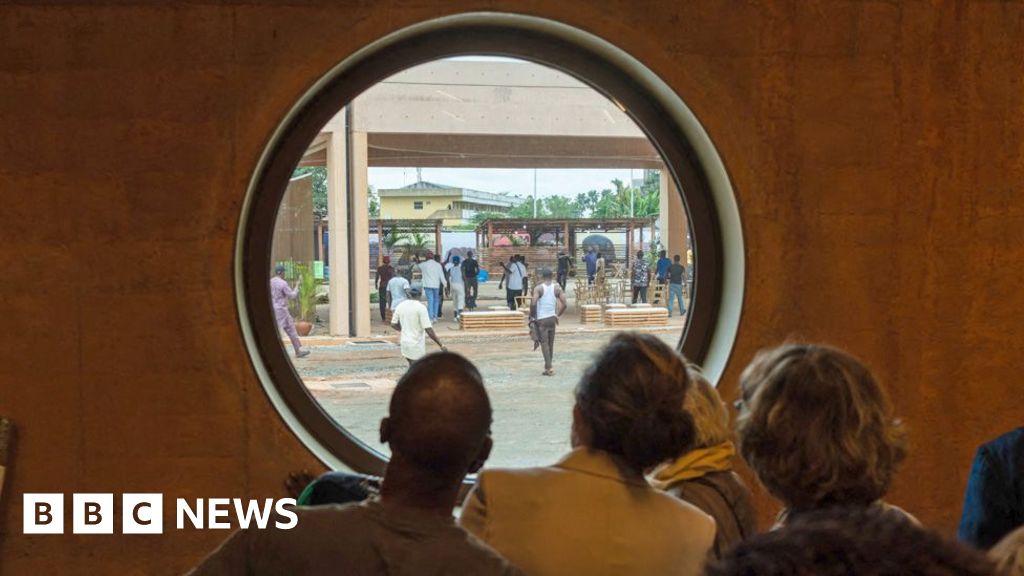
As Mowaa within moments of preparing for its grand opening, protesters stormed the campus demanding it be rebranded as the Benin Royal Museum and placed directly under traditional custodianship of the Oba of Benin. The row highlights a simmering debate about ownership and restitution of Africa’s most treasured artifacts—the Benin Bronzes—looted in 1897 during British colonial expeditions. While international museums such as the British Museum and the Berlin Humboldt Forum have tantalizingly returned some pieces, the core debate persists: Should these artifacts remain in Western institutions or be repatriated to Nigeria? The controversy is not merely about artifacts but touches on national identity, sovereignty, and historical justice. Historians and cultural analysts warn this dispute could further complicate ongoing efforts to restore Africa’s stolen cultural heritage.

Politics, Power, and Cultural Legacy in Nigeria

The political impetus behind the backlash stems from internal power struggles, with local elites vying for control over cultural symbols. The recent upheaval traces back to a conflict between the administration of Nigeria’s current governor—aligned with traditional authority figures—and former political allies. The protesters, many driven by historic loyalty to the Oba and regional rivalries, demanded that the museum be under royal authority, echoing the ancient prestige of the Benin Kingdom. Such tensions exemplify how cultural heritage has become a battleground for broader political authority, with historians noting that this rivalry mirrors Nigeria’s persistent struggles with governance, legacy, and decentralization.

Despite diplomatic efforts by President Bola Tinubu to quell the unrest and preserve Nigeria’s global image, the crisis reveals wider geopolitical implications. The focus on indigenous control over cultural patrimony ties into a larger narrative of decolonization and sovereignty that many African nations are eager to champion. Yet, Western museums remain cautious, citing concerns over the conservation and legal ownership of looted artifacts. The ongoing debate about who should hold the Benin Bronzes threatens to derail Nigeria’s diplomatic push for restitution and complicates international collaborations aimed at cultural repatriation, as highlighted by both regional officials and global institutions.

The Future of Africa’s Artistic Heritage and Identity

Amidst controversy, Nigerian artists and cultural leaders advocate for a new vision—one where contemporary African creativity stands at the heart of national identity. The museum’s broader mission now emphasizes fostering a creative ecosystem that includes film, music, fashion, and visual arts, transcending debates over relics and focusing on living, breathing culture. Prominent artist Yinka Shonibare’s thought-provoking installation, Monument to the Restitution of the Mind and Soul, featuring replicas of the bronzes in clay, symbolizes Africa’s spiritual connection and mourning for its lost treasures. His work underscores a vital theme: how nations can reconcile history with modern identity and reimagine their cultural narrative without losing touch with the past.

As Nigeria grapples with these issues, the Mowaa project symbolizes hope for a future where African voices shape their history and legacy. But the shadows of colonialism, political rivalry, and cultural custodianship loom large, reminding the world that this is not just about art—it is about the soul of a continent still fighting to define itself in the face of history’s forces.

In the unfolding story of Nigeria’s cultural renaissance, the weight of history hangs heavy. The battle for the Benin Bronzes* and the soul of Nigeria’s societal identity continues to evolve. Will this chapter mark a victory for sovereignty and cultural dignity, or will it be yet another lost opportunity amid political strife and international indecision? As history watches silently, the echoes of ancient brass and modern ambition forge an uncertain path forward—an enduring reminder that Africa’s story is still very much being written.

Is This $1 Billion Art Collection Glorifying a Perfected Reality?

As the allure of wealth and exclusivity continues to shape the modern art scene, the narratives surrounding high-value art collections reveal much about the cultural and societal currents of our era. A recent investigation by The New York Times exposes the burgeoning phenomenon of art investing as a shortcut to wealth, exemplified by the spectacle of a $1 billion art collection marketed with the enticing promise: “No art investing experience? No problem.” Such claims are emblematic of a broader shift—a commodification of culture that risks reducing art to mere financial assets, detached from its historical role as a vessel of collective memory and societal values. This trend raises profound questions about the relevance of culture to identity, tradition, and society, echoing the concerns of thinkers like G.K. Chesterton and T.S. Eliot, who emphasized that true art embodies the soul of a nation rather than its market value.

This phenomenon is not merely about wealth accumulation; it signals a cultural transformation where art becomes a speculative commodity rather than a reflection of the human condition. The rise of such billion-dollar collections underscores a peculiar optimism—perhaps too rosy—about the capacity of the market to preserve and elevate cultural heritage. However, critics warn that this obsession with valuation risks distorting art’s intrinsic purpose. In the words of Ortega y Gasset, culture must serve as a living vehicle of societal identity—an ongoing dialogue between past and present, shaping our collective consciousness. When art is consigned to a financial portfolio, it challenges this ethos, threatening to turn cultural memory into a mere prop for future speculation rather than a guide for moral and aesthetic development.

Furthermore, the narrative surrounding these vast collections prompts us to consider the broader societal implications of such a culture of wealth. Drawing on the insights of Alexis de Tocqueville, one might observe that a society obsessed with material prosperity can risk losing sight of its spiritual and moral foundations. While billionaires amass masterpieces, the essence of national and cultural identity increasingly becomes a matter of transactional value. This phenomenon echoes the historical shifts seen during the decline of aristocratic patronage and the rise of commercialism in the arts, where genuine cultural engagement was replaced by superficial displays of wealth. Yet, amid this trend, there remains a resilient undercurrent of tradition—artisans, curators, and cultural critics who fight to remind us that culture is both memory and prophecy, an ongoing narrative that must be preserved for future generations.

In this moment of cultural commodification, it becomes essential to reaffirm that true art possesses a moral and philosophical dimension. As T.S. Eliot posited, poetry (and by extension, art) must serve as a means of spiritual renewal—an anchor in the storm of materialism. Our cultural landscape, therefore, must remain rooted in the acknowledgment that art transcends its monetary valuation; it is a testament to our shared humanity, an embodiment of societal ethos. As we stand at this crossroads, it is vital to remember that culture, like a great river, carries the sediment of history—its depths inscribed with the dreams and struggles of those who come before us and lighting a path for those yet to come. Culture is both memory and prophecy, an eternal dialogue where the human voice echoes across time, reminding us that in the end, art is neither just a commodity nor a mere relic, but a living witness to the soul of civilization itself.

Sydney Sweeney Reflects on US Box Office Setback for Boxing Film: “Art Isn’t Just About the Numbers”

In an era marked by an unsettling disconnect between social aspirations and cultural expressions, the recent box office failure of Christy, a biopic about trailblazing boxer Christy Martin, underscores a broader truth about the role of culture in shaping our collective identity. Sydney Sweeney’s earnest effort to spotlight a story of survivorhood, courage, and hope resonates with a timeless human truth: culture is both memory and prophecy of humanity. Just as Ortega y Gasset emphasized the importance of the vital spirit of a people in shaping their destiny, so too does the modern cultural apparatus reflect the underlying struggles and aspirations of society. Culture, in this way, becomes more than mere entertainment; it becomes the vessel through which we understand ourselves and envision our future.

The film, despite its mixed critical reception, endeavors to echo themes deeply rooted in societal values—resilience in the face of domestic violence, the rise from humble beginnings, and the fight for recognition in a male-dominated arena. Like the Romantic movement that sought to elevate individual heroism over the mechanical monotony of industrial progress, Sweeney’s portrayal of Christy Martin symbolizes the assertion of female agency in a societal landscape often reluctant to acknowledge and nurture it. The cultural critic G.K. Chesterton famously observed that “art, like faith, must be pitched on the level of men’s highest hopes”—a reminder that true art challenges society to aspire to nobler ideals. Even if Christy struggles at the box office, its impact persists as part of a larger cultural dialogue about values and the resilience of the human spirit.

Correspondingly, the struggle of adult-oriented dramas at the box office, such as Die, My Love and Deliver Me From Nowhere, reflects a shifting cultural landscape where escapism often trumps reflection. Yet, the perseverance of these stories on festival circuits and in critical circles reminds us of Tocqueville’s warning about an enduring American bedrock: a thirst for meaning and authenticity amidst the consumer-driven pursuits of modern life. Just as T.S. Eliot wrote of the old wisdom manifesting anew in poetry and tradition, contemporary artists and storytellers serve as the custodians of cultural memory, whispering through their works what society refuses to confront openly. They affirm that culture is a continual act of forging identity amid chaos, history, and hope.

As we stand in a moment where cultural production often appears transient, fleeting, or disconnected from the core values that define us, the poetic truth remains: culture is both memory—an archive of human experience—and prophecy—a blueprint of our possible future. The stories we tell, whether triumphant or tragic, are woven into the fabric of human destiny; they hint at what we cherish and what we fear. To heed this silent song is to recognize our shared role as both creators and custodians of our cultural legacy, forging continuity from the ashes of the past and pathways toward what is yet to come. In this delicate dance of memory and prophecy, culture finds its transcendent purpose: to be the voice of our highest aspirations and the echoes of our deepest truths, long after the lights have dimmed and the curtains fall.

Edo Youths Rally Against New West African Art Hub in Bold Protest

In a development that underscores the persistent tensions between cultural sovereignty and global prestige, Nigeria has faced a disruptive protest at its recently inaugurated Museum of West African Art (Mowaa) in Benin City. The museum, a $25 million (£19m) project designed by renowned British-Ghanaian architect David Adjaye, was intended as a hub for contemporary and historical West African art. However, its launch has been marred by unrest that highlights deeper undercurrents of cultural identity, national pride, and historical claims. Protesters, driven by feelings that the museum is a form of cultural hijacking, forced postponement of its opening and engaged in insulting foreign visitors, revealing underlying domestic discontent regarding cultural patrimony and governance.

This incident is not an isolated event but a strategic flashpoint within the broader dispute over ownership of the Benin Bronzes. These priceless artifacts, looted during British military incursions in the 19th century, have long symbolized colonial exploitation and the ongoing debate over rightful restitution. While the museum’s leadership clarified that they never claimed the Bronzes and focus primarily on modern and contemporary art, the controversy underscores the sensitive nature of cultural symbols in Nigeria’s national consciousness. As historians and analysts interpret these events, they emphasize how cultural controversies fuel *resentment and political leverage*, influencing Nigeria’s internal stability and its diplomatic posture on reparations and cultural sovereignty. The protests reflect a broader dangerous shift: from colonial legacy to sovereign identity, where control over cultural heritage becomes a vital aspect of national legitimacy.

The controversy extends into the realm of political influence and how decisions on cultural institutions impact societal unity. Critics argue that the museum’s development has been hijacked by political actors, with residents claiming that the project’s current trajectory sidesteps local traditions and authority. The Nigerian government, along with traditional rulers—particularly the Oba of Benin—has expressed dissatisfaction, viewing the museum as a symbol of erosion of their cultural authority. The museum’s independent and non-profit status, along with its broad regional scope, has sparked accusations of external interference and a neglect of Benin’s unique heritage. International organizations have weighed in, with some urging Nigeria to prioritize dialogue and respectful reconciliation, recognizing that these conflicts threaten not just cultural preservation but also regional stability. As one prominent analyst notes, “The battle over these artifacts and institutions is ultimately a struggle for national sovereignty.”

As the shadows of history stretch long over Nigeria’s future, the clash at Mowaa serves as a stark reminder of how cultural disputes are intertwined with geopolitics, colonial legacies, and national identity. The unrest signals a possible turning point—where the struggle for control over cultural symbols could either forge a stronger self-determined nation or deepen fissures that threaten regional stability. The weight of these unresolved conflicts hangs heavy, as history continues to unfold on the fragile stage of Nigeria’s evolving narrative—a testament to the fact that nations are often defined as much by their internal struggles as by their place in the international order, and that the outcome of this cultural war could reverberate far beyond Benin City. In the face of ongoing tension, the world remains watchful, knowing that history is at a crossroads—an uncertain path toward either reconciliation or further division.

Quick Boost: Transform Your Space with a 10-Minute Flower Vase Masterpiece

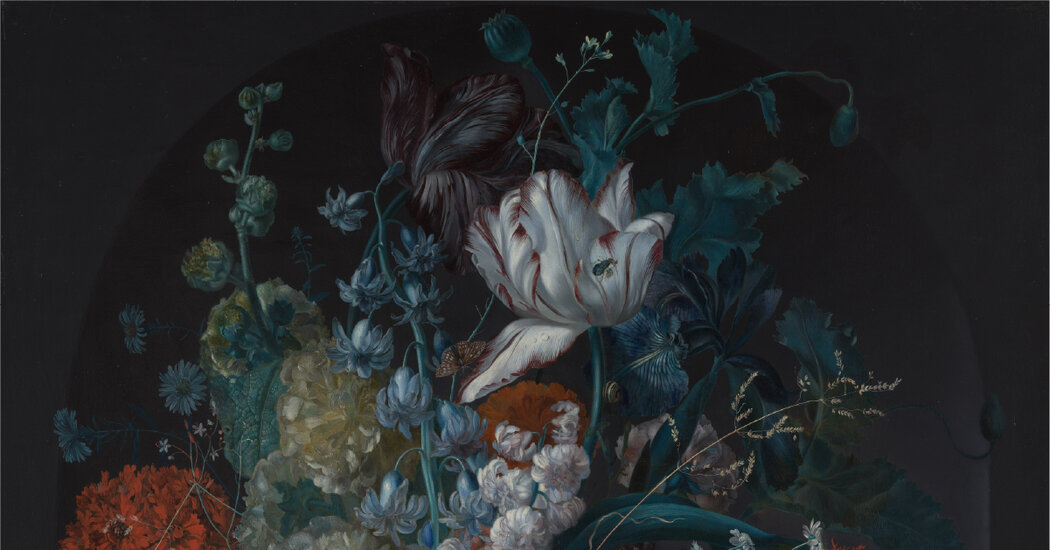
In the relentless tide of modernity, where instant gratification often diminishes the value of dedicated craftsmanship, the art of still life painting emerges as a profound symbol of human endurance and aesthetic pursuit. Consider the exquisite work by Margareta Haverman, a Dutch artist from the early 18th century, whose mastery transcends the superficiality of fleeting trends. Her meticulous layering of up to seven coats of paint on a canvas—crafted in a time when mechanical reproduction was nonexistent—mirrors a philosophical ideal championed by thinkers like Ortega y Gasset, who emphasized that culture is the expression of a “vocation” towards excellence. Haverman’s painstaking effort reminds us that true beauty is not accidental but an achievement of disciplined vision, vital to the fabric of national identity and artistic tradition.

The composition, a vibrant bouquet teeming with thirty different species of flowers, fruits, and insects, encapsulates a microcosm of natural order—each element carefully studied and rendered with painstaking detail. It is as if Haverman, inspired by her teacher Jan van Huysum, engaged in a silent dialogue with nature itself, striving to preserve its transient beauty. This act of preservation aligns with the insights of T.S. Eliot, who observed that great art is a form of memory and prophecy, anchoring us in the present while gesturing towards eternity. The intricate layers and textures serve as metaphors for society’s enduring quest to domesticate chaos through culture, forging an identity that is both rooted in tradition and poised to confront the unknown future.

Cultural critic G.K. Chesterton remarked that modern society often forgets that art’s highest calling is to serve as a “great reminder,” not merely decoration. Haverman’s work resonates with this idea, acting as a tangible link between historic mastery and contemporary purpose. The inclusion of everyday symbols—flowers fading into decay—reminds us of life’s impermanence, yet even these elegies serve to elevate the mundane into a moral and aesthetic statement. Much like the Dutch tulip frenzy of the early 1600s, which exemplified the human obsession with beauty and wealth, this painting underscores that our cultural pursuits are rooted in an innate desire to impose order and meaning upon the chaos of existence. The flowers, once the symbol of fleeting luxury, now serve as evocations of enduring values that transcend the temporal realm.

As humanity stands at crossroads of technological change and cultural upheaval, the significance of these artistic endeavors becomes ever more evident. They forge an identity that is not solely materialist but rooted in a collective memory that aspires to the divine. Such works whisper of a future where art remains an act of heroism—an affirmation that our spirits can be refined amid the shadows of decay. Like Chesterton’s view of the childlike wonder that sustains society, true artistry embodies the hope that through diligent effort and reverence for tradition, humanity can craft a legacy resilient to time’s erasure. In this silent language of colors and forms, we find the prophecy of a legacy—where memory sustains us, and hope guides us towards horizons yet unseen, for the culture that endures is both the echo of the past and the seed of what is to come.

Unearthing History: A Captivating Haunted Tour Through the Met Museum

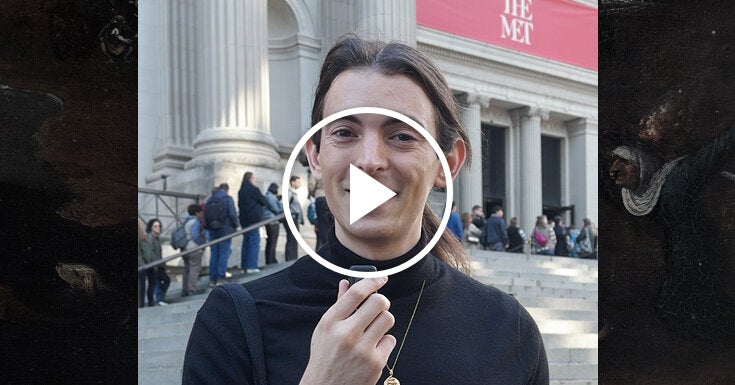
In a world increasingly shaped by fleeting trends and superficial diversions, the deep currents of cultural memory and tradition serve as our guiding constellations—reminding us that to understand ourselves, we must delve into the artifacts of our shared past. As Zachary Small and his team take us on a haunting tour through The Metropolitan Museum of Art—highlighting artworks that evoke fear, fascination, and the darker aspects of human nature—the significance of culture as both a reflection and a shaper of identity becomes unmistakable. It is through such visceral encounters with the artifacts of previous civilizations, with their sometimes grotesque or mysterious representations, that we come to see culture not merely as entertainment, but as the pulse of tradition and society.

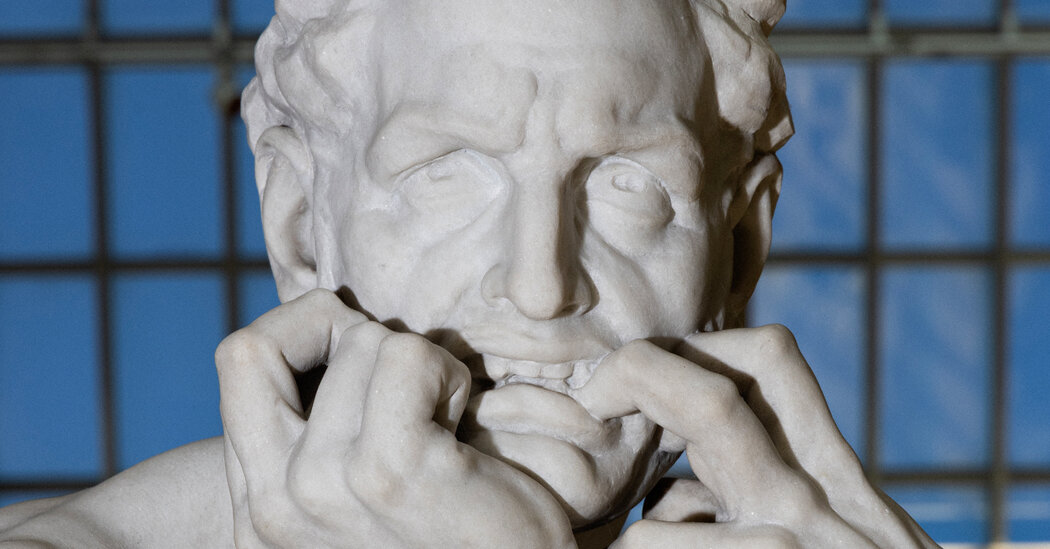
Indeed, the artworks featured—including a decapitation platter and a sculpture rumored to depict a cannibal—serve as visceral reminders of the moral and spiritual dilemmas that have haunted humanity across epochs. As the philosopher Ortega y Gasset might suggest, culture is the possession of a society’s collective memory—an ongoing dialogue with its own history. These artifacts, perhaps unsettling to modern sensibilities, anchor us in a worldview where the boundaries of morality, the fears of the unknown, and the boundaries of human capability are laid bare. Such nightmarish visions challenge us to reflect on our current society’s fragile veneer, revealing beneath it a tapestry woven with both beauty and terror, remembrance and prophecy.

Furthermore, in the context of a society often criticized for its loss of roots, these artworks stand as milestones of traditional expression—reminders that culture is integral to the formation of societal identity. As Tocqueville observed, democracy’s greatest challenge lies in maintaining a shared sense of cultural continuity—when the collective memory of the past diminishes, the community itself risks disintegration. Here, the arts become a bulwark against cultural amnesia, preserving essential facets of our moral and aesthetic identity. They forge a link between the past and the future, anchoring new generations in their inherited values while warning of the consequences of neglect.

In the final analysis, culture is both memory and prophecy. It acts as a mirror reflecting the deepest fears and aspirations of humanity, from the grotesque to the sublime. As T.S. Eliot famously remarked, “The past is never dead; it’s not even past.” Our cultural artifacts, whether frightening or beautiful, serve as silent orator—guiding us through the corridors of history and into the unknown future. In these haunted treasures of the museum, we find a silent promise: that understanding our cultural roots grants us the strength to shape tomorrow, to transcend mere survival, and to forge a society rooted in the resilient memory of what we once were and what we might yet become. Culture, in the end, remains our human prophecy—a testament to the enduring soul of mankind.

NASA’s Lunar Photography: Bridging the Gap Between the Heavens and Our World

The Celestial Canvas: Culture, Identity, and Humanity’s Perpetual Quest

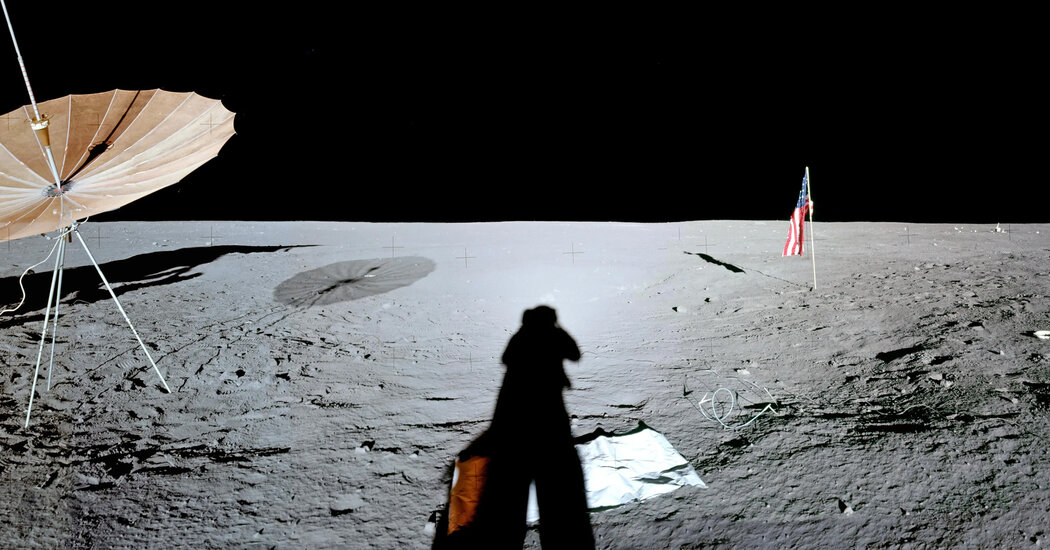
Throughout the annals of history, humanity has looked upward, **drawn by the celestial vault that crowns our existence**. From the earliest star maps to the groundbreaking lunar photographs captured by NASA, our collective fascination with the Moon exemplifies the enduring human desire to understand our place in the cosmos. But beyond the realm of science, it is culture—an intricate tapestry woven with tradition, art, and philosophy—that imbues this celestial curiosity with profound significance. Like Georges Méliès’ “Le Voyage Dans la Lune”, which transformed scientific wonder into a fantastical narrative, our cultural expressions serve as a mirror reflecting how societies interpret the universe and their spiritual relationship to it. These artistic endeavors are not mere entertainment; they are the symbols of our shared identity, anchoring us in our history and pointing toward future horizons.

In contemplating the cosmic, we must recognize the role of culture as the **fundamental vessel of identity and societal continuity**. Just as Ortega y Gasset emphasized culture as the continuity of a civilization’s spirit, our collective engagement with the Moon epitomizes this continuity. The iconic lunar photographs seen in collections from NASA, the historic daguerreotypes, and artwork like Vincent van Gogh’s “The Starry Night” are more than visual records—they are monuments to our ongoing quest to comprehend phenomena that seem both distant and intimate. Culture, in this sense, acts as both memory and prophecy, each image and story echoing our ancestors’ awe and inspiring future generations to dream beyond mere survival. It is through such cultural artifacts that societies define their narratives, their hopes, and their fears—an intricate dialogue that transcends time and space, linking us to the stars and to each other.

  • The Moon has served as a canvas upon which cultural milestones are inscribed, from the initial lunar explorations to the philosophical ponderings of thinkers like T.S. Eliot, who saw in the cosmic chaos a reflection of the human condition.
  • Artworks and scientific images alike serve as rituals of remembrance and aspiration, anchoring our identity in the vast fabric of history.
  • The shared experience of gazing skyward fortifies communal bonds and fosters a sense of continuity amid rapid social change.

As Tocqueville once observed about the vital role of culture in shaping shared values, our modern lunar fascination illustrates the enduring importance of tradition in weaving the fabric of society. In an age where material progress often threatens to eclipse spiritual and cultural pursuits, the Moon remains a symbol of what it means to aspire—to reach beyond ourselves and find meaning in the mysterious. The ancient parables and the modern telescopic images converge in a common act of discovery: that humanity’s deepest treasure lies in its stories, images, and ideas—each a shard of the eternal mirror reflecting who we are and who we hope to become. Culture is both the memory that grounds us and the prophecy that propels us forward into the luminous unknown.

Thus, as the moonlight bathes the contours of our collective soul, it reminds us that our history and hopes are bound by a shared celestial heritage. Like the poetry of Chesterton, which elevates the ordinary to the divine, and the philosophical insights of Ortega y Gasset, who saw culture as the bridge connecting past, present, and future—the universe whispers of a human destiny intertwined with memory and prophecy. In this grand cosmic dance, our culture is both the shadow cast by the distant star and the spark illuminating the night’s eternal sky, guiding us with its silent, luminous promise: that in understanding the universe, we find ourselves—and in ourselves, the universe’s most enduring mystery.

LA transforms controversial Confederate statues into powerful art, sparking youth-led debate

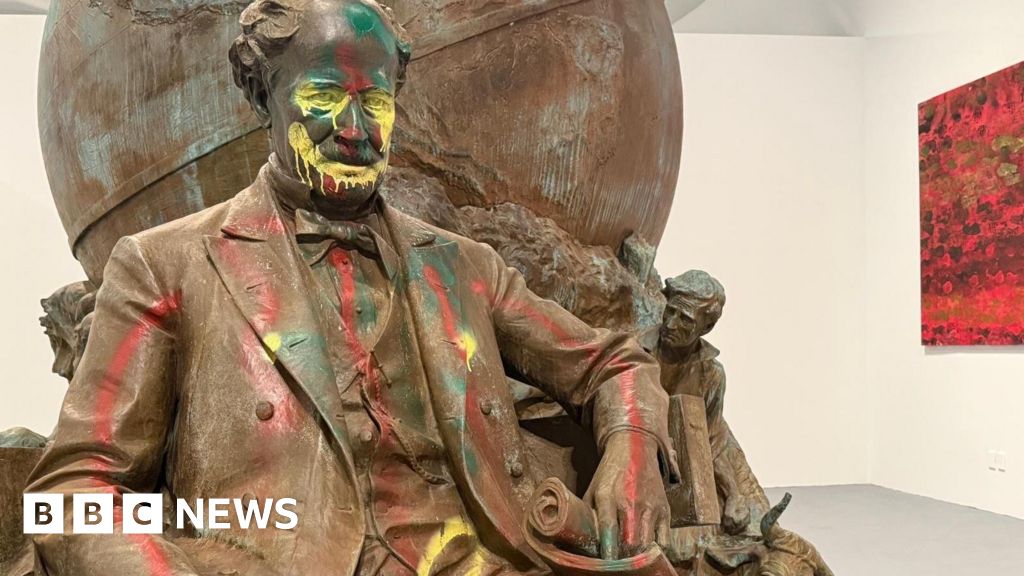
In recent years, the global debate over confederate monuments has escalated beyond American borders into a symbol of broader ideological conflicts. The recent transformation of a once-storied Robert E. Lee monument into a melted sculpture displayed in Los Angeles exemplifies this shift. The removal and subsequent artistic reimagining serve as a clear statement: societies worldwide are grappling with their history and confronting the lingering effects of white supremacy. As the United States experiences heated disputes over these statues, international observers and historians warn that such internal conflicts deeply influence geopolitical stability and societal cohesion.

Amid this controversy, President Donald Trump has vocally defended the preservation of Confederate icons, labeling efforts to dismantle them as misguided “revisionist history.” In 2017, the deadly clashes at Charlottesville’s Unite the Right rally marked a watershed moment, drawing international attention to the divisiveness of Confederate iconography. Vowing to uphold what he values as American heritage, Trump and others have sought to reestablish Confederate monuments—an action criticized by scholars, activists, and international organizations alike. Analysts from institutions such as the BBC and the Atlantic Council interpret these moves as strategic attempts to mobilize cultural nationalism, fueling tensions that threaten to destabilize social fabric.

The ongoing debate also illuminates how historical narratives are weaponized within political battles. Curator Hamza Walker pointed out that symbols like Lee and Jackson, despite losing the Civil War, are lionized because they embody a Lost Cause ideology. This construct seeks to portray the Confederacy as a noble fight for states’ rights, conveniently sidestepping its core commitment to slavery. Critics argue that redefining these figures as heroes threatens to distort history and perpetuate racial inequalities. As Kara Walker’s provocative exhibit demonstrates, artistic reinterpretations—such as melting down monuments and repurposing their materials—are emerging globally as powerful acts of resistance, challenging societies to confront uncomfortable truths. The transformation of these symbols from revered sculptures into artifacts signifies a pivotal cultural shift: a collective effort to deny the mythos of white supremacy and confront a legacy rooted in systemic injustice.

As history continues to unfold, the question remains whether these acts of dismantling and reinterpretation will ultimately foster reconciliation or deepen divisions. The weight of history presses down on societies that are torn between honoring their past and forging a more inclusive future. Will the tide of public opinion push nations toward acknowledgment and reckoning, or will it provoke further unrest? The answer lies in the choices made in these turbulent moments—choices that will define the narrative of justice and morality for generations to come. As the bronze remains of monuments are reborn through art and activism, the story of a fractured nation—and the world—remains conspicuously unwritten, waiting for its next chapter to be forged in the crucible of history.

The Met’s Top 20 Most Provocative Artworks: Test Your Eye and Discover the Unseen

As the shadows lengthen and October’s chill sets in, the Metropolitan Museum of Art reveals a different face—a spectral gallery of the human psyche’s darkest corners. Traditionally regarded as a temple of aesthetic marvels—shimmering Impressionist landscapes, delicate kimonos, and marble gods—the museum during Halloween transforms into a haunted hall of echoes, where art acts as a mirror to mankind’s deepest anxieties. Here, with centuries of artworks ranging from ancient relics to modern horrors, we witness how culture is far more than mere decoration; it is the vessel carrying the profound stories of saints and sinners, myths and monsters, that define our identity and societal fabric.

Human history, as noted by thinkers like Tocqueville, is woven with the threads of shared symbols and collective memories—elements that affirm cohesion and continuity in the face of chaos. The artworks uncovered during this dark season serve as symbols of a universal truth: that culture, at its core, is both memoria and prophecy. The haunting images of medieval saints battling demonic forces or classical sculptures depicting menacing mythical beasts become more than relics—they become reflections of our own inner struggles and societal fears. As Chesterton argued, the true function of art is to reveal the moral order amidst disorder. These macabre masterpieces, in their spectral silence, uphold an unyielding vigilance, testifying to a civilization’s resilience against modern nihilism.

Philosophers like Ortega y Gasset have long emphasized that a society’s vitality depends on its cultural foundations. When the shift from tradition to chaos threatens our collective stability, it is art—especially the “haunted” works of the past—that anchors us. These artworks, echoing through the corridors of time, tell stories of moral daring, of the perennial struggle between good and evil, and remind us that our cultural inheritance is a sacred trust—an ongoing dialogue between memory and aspiration. The museum’s spectral turn during October becomes a reminder: that culture is neither static nor dead but a living, breathing entity infused with our collective hopes and fears, illuminating the path of human destiny.

So, as we wander through this labyrinth of shadows, let us remember that culture is both the memory of our ancestors and the prophecy of our future. In the ghostly silence of these haunted halls, art whispers that humanity’s greatest legacy is not merely what we create, but what we preserve—our moral compass, our shared stories, and our hope for coming dawn. Indeed, in contemplating these spectral artworks, we are invited to see ourselves anew—an eternal dialogue of the soul, where the echoes of the past forge the promise of tomorrow, and the memory of humanity’s darkness reveals the luminous potential of its light.

Social Media Auto Publish Powered By : XYZScripts.com