Matox News

Truth Over Trends, always!

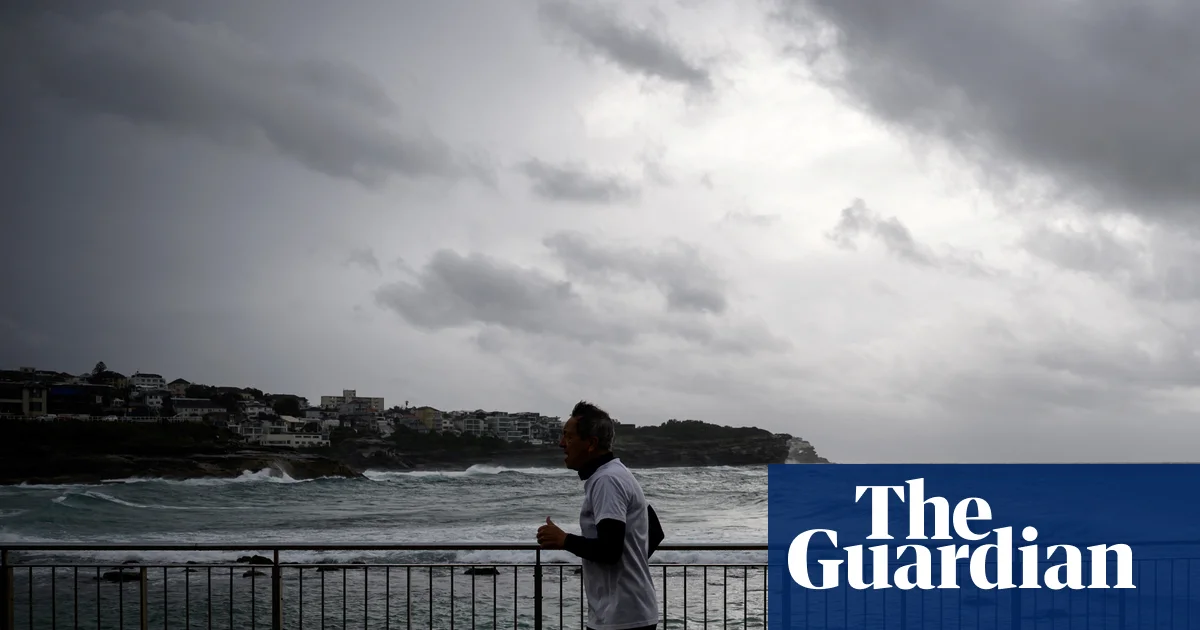
Severe Storm Threat Hits Sydney, Brisbane & Canberra — Stay Alert, Australia

As climate patterns continue to underscore the increasing volatility of our planet’s weather systems, Australia finds itself on the frontline of extreme atmospheric phenomena that threaten both its society and its economy. Unfolding in real-time, a series of severe thunderstorms are sweeping across northern and eastern Australia, an event that illustrates the broader geopolitical and environmental implications of climate independence and resource management. According to senior meteorologist Angus Hines of the Bureau of Meteorology, the storm activity presents a significant risk, with high moisture levels drawn from the tropics fuelling these dangerous weather outbreaks. Regions from the tropical north stretching into the populous eastern seaboard—including major cities like Sydney, Brisbane, and Canberra—are under threat of heavy rainfall, destructive winds, and potentially devastating power outages, exemplifying how climate anomalies affect everyday life at a national level.

Historically, Australia’s climate has been characterized by intense weather patterns, but recent years have seen a marked increase in both frequency and severity. Recognized by global analysts and climate scientists, these storm systems are not isolated incidents—they reflect a broader pattern of climate volatility exacerbated by anthropogenic factors. The ongoing storms follow a period of devastating weather events in Queensland, where over 11,000 homes experienced power loss—an episode that elicited concern over infrastructure resilience. Such disruptions highlight how the nation’s critical infrastructure—namely power and communication networks—remains vulnerable under the weight of climate-induced extremities. This scenario underscores a pressing reality: without decisive policy measures prioritizing climate resilience, Australia’s societal stability risks further erosion, with vulnerable populations bearing the brunt of environmental neglect.

Adding to the complexity is the untimely threat of bushfires, with the NSW Rural Fire Service issuing total fire bans in parts of the western slopes and plains. These bans echo historical warnings from environmental experts and serve as a stark reminder of the delicate balance between natural catastrophe and human activity. With the fire risk heavily compounded by high temperatures, strong winds, and lightning strikes, authorities face the daunting task of managing these overlapping crises. Meanwhile, a low-pressure system moving from the Timor Sea towards the Kimberley region raises concerns over a potential tropical cyclone early next week—an ominous turning point that could reshape regional geopolitics and influence the flow of resources in Western Australia. For international investors and diplomatic strategists, the intensification of natural disasters in such a resource-rich country signals a broader geopolitical concern: how climate destabilization may disrupt global supply chains, particularly in minerals and energy.

The geopolitical impact of these events extends beyond environmental damage. Countries worldwide are observing Australia’s predicament as a barometer of future global climate risks, with organizations like the United Nations warning that climate change is no longer a distant threat but an immediate crisis. As experts analyze the situation, they caution that neglecting climate adaptation at the national level could foster regional instability, fueling migrations, and heightening tensions over dwindling resources. The unfolding storm crisis serves as a sharp reminder that decisions made today—in policy, infrastructure investment, and environmental stewardship—will shape the course of history. The escalating severity of weather disasters in Australia acts as a clarion call to the international community: unless urgent action is taken, history’s ink will be written with the names of nations unprepared for the storm to come.


Liberals Drop Emissions Goals, But Ley Sees Net Zero as Still Possible Win | Australia News

Australia’s Climate Pivot: A Shift that Reshapes Global Emissions Commitments

In a move that reverberates beyond the shores of Australia, the federal opposition unveils plans to significantly alter its stance on climate change commitments, raising questions about geopolitical impact and the future of international climate cooperation. The decision to abandon legislated net zero by 2050 targets, once a cornerstone of global climate diplomacy under the Paris Agreement, signals a potential turning point in how nations approach their responsibilities amidst a climate crisis that refuses to pause.

The ruling Labor government’s push for deep emissions cuts faces opposition from the Liberal Party and its partner, the National Party. As Sussan Ley confidently defends the move as a means to prioritize energy abundance and the support for nuclear power, the international community watches with concern. The decision to sideline the legally binding targets while still claiming adherence to the Paris Agreement sets the stage for a potential breach of obligations, risking diplomatic fallout with entities like the United Nations Framework Convention on Climate Change (UNFCCC). Analysts warn that such a shift could undermine Australia’s credibility, tarnishing its reputation as a responsible global player and prompting other nations to reconsider their own commitments under the treaty.

Politics Over Climate: A Dangerous Precedence

  • Despite promises to hold onto the Paris commitments, the Coalition’s plan to scrap legislated emissions targets threatens to disrupt global efforts aimed at limiting temperature rise to 1.5°C. This divergence fuels concerns among experts and international observers, as the global community has relied on the consistency of national policies to craft effective climate strategies.
  • Historians and climate analysts highlight that such backsliding could encourage a wave of similar decisions by other countries, eroding the progress made since the signing of the 2015 Paris Agreement. The Climate Action Tracker reports that more than 145 nations are considering or have set net zero emissions targets, making Australia’s retreat a critical juncture that could ripple through global efforts.
  • The PM Anthony Albanese openly criticizes the Coalition’s stance, framing it as a rejection of climate science itself. Such rhetoric underscores how internal political dynamics can distort international obligations, potentially emboldening others to pursue similar strategies that prioritize economy over environment, with security and regional stability at risk.

Implications for Global Governance and the Future of Climate Negotiations

By choosing to reframe the climate debate around energy security and economic growth, Australia is shaping a precedent that may weaken future international negotiations. The United Nations and other multilateral institutions emphasize that compliance and transparency are central to global climate governance—something that could be compromised if major emitters abandon long-term targets. Experts warn that such shifts could signal to the world that commitments are negotiable, potentially unraveling years of diplomatic progress.

Specialists, including climate scientists and international relations scholars, gaze apprehensively at the unfolding events, recognizing that history is watching. As the global climate clock continues to tick toward catastrophic points of no return, the decisions made by Australia and its allies today could well set the stage for a future where the line between climate ambition and political expediency becomes irrevocably blurred. The story of this decision is still writing itself, and the weight of history now hangs heavy on its next chapters.

South Australia Rejects Restrictive Late-Term Abortion Bill Amid Fierce Debate

In a decisive turn within Australia, the South Australian Parliament recently defeated a contentious bill aiming to restrict access to late-term abortions. This legislative battle not only spotlights the country’s ongoing internal debate over reproductive rights but also echoes a broader, international struggle over the influence of anti-abortion movements. The bill, proposed by former One Nation member Sarah Game—now an independent—demanded to tighten restrictions on abortions after 22 weeks and six days, significantly narrowing existing laws that permit late-term terminations when the mother’s physical or mental health is at risk.

The motion was defeated by a vote of 11 to 8, with emotional scenes unfolding as several Members of the Legislative Council (MLCs) expressed visible distress during the debate. Health experts from the Royal Australian and New Zealand College of Obstetricians and Gynecologists (RANZCOG) sharply criticized the proposed legislation, asserting it was rooted either in ignorance or deliberate misrepresentation of medical realities. The attorney general, Kyam Maher, underscored that the bill’s premise was fundamentally flawed, emphasizing that it risked erecting unnecessary barriers to essential healthcare.

Global analysts highlight that Australia’s internal opposition to abortion laws is increasingly influenced by imported tactics from United States conservatives, who have long sought to chip away at reproductive rights. As noted by international organizations and historians, this pattern involves focusing on the most rare and medically complicated late-term procedures, which necessarily involve cases of severe fetal abnormalities or maternal health threats. Experts warn that these strategies serve to erode broadly accepted standards of informed consent and patient autonomy, gradually shifting societal perceptions of reproductive healthcare. The defeat of the South Australian bill is thus seen as a victory against these well-funded and strategically driven anti-abortion campaigns, which often cloak their motives under the guise of protecting life.

However, the battle is far from over. In South Australia, controversy is ongoing regarding the device of anti-abortion tactics and their influence on policy. Critics point to the banning of Joanna Howe, who had proposed similar legislation and alleged threats and intimidation tactics by opponents—actions that democratic leaders unequivocally condemned. These developments are emblematic of a strained climate where advocacy, opposition, and political coercion increasingly intertwine, raising concerns about the future landscape of reproductive rights in Australia and beyond. As analysts warn, these national debates are part of a wider geopolitical carriage of value clashes that resonate across borders, influencing laws and societal attitudes worldwide.

With international organizations watching closely, and historians cataloging these moments as pivotal shifts, the ongoing struggle over abortion rights continues to be a defining issue of our era. As the controversy in South Australia evidences, the decisions made today ripple outward, shaping societies and influencing policies that will define generations to come. The scales of justice and morality in reproductive rights hang precariously, and the pages of history are once again being written—this time, with the weight of countless lives and societal values at stake, as the relentless tide of change carries us toward an uncertain future.

Australia News Live: Aurora Lights Up Sky After Solar Storm, Liberals Prepare New Energy Plan

International Turmoil and Ecological Crises Reshape Global Power Landscape

In an era marked by aggressive geopolitical shifts, nations are increasingly using environmental policies — or the lack thereof — as a battleground for influence and control. Australia, often regarded as a microcosm of broader international struggles, has become a prime example. Recent reports reveal that over 130 organizations, including influential groups such as 350.org and Friends of the Earth Australia, are demanding their government reject proposed reforms to the nation’s nature laws. Critics argue these changes threaten to regress decades of environmental protection, effectively putting profits ahead of planetary health. The stakes are high: how each nation’s internal decisions over conservation, energy, and climate action can resonate globally, shaping alliances and hostilities in the ongoing geopolitical theater.

  • More than 100 grassroots groups signed an open letter urging the federal parliament to oppose the Albanese government’s legislation, alleging it would diminish community rights and environmental safeguards.
  • The legislation, championed under the guise of streamlining approvals and empowering state authorities, simultaneously weakens public participation. Critics warn this serves corporate interests and jeopardizes Australia’s biodiversity, which in turn impacts regional stability and international reputation.
  • Meanwhile, the Liberal Party is contemplating abandoning its net-zero emissions target, a move that signals a potential shift away from climate leadership. The party’s internal debate, with Dan Tehan and Sussan Ley at the forefront, underscores a broader global trend: major powers wavering on commitments made during the Paris Agreement era, risking international credibility.

From the perspective of historians and analysts like Professor Peter W. Singer, such internal political battles reflect a deeper struggle: the battle for global narrative dominance. Countries that fail to act decisively on climate may suffer diplomatic isolation and economic repercussions, especially as international organizations like the United Nations emphasize sustainable development goals (SDGs). This shifting landscape has the potential to redraw alliances, with resource-rich nations prioritizing raw materials for energy independence, even at the cost of planetary health. The decisions that commence within national legislative chambers now ripple outward, influencing societal stability and the geopolitical balance of power in ways often unseen but profoundly felt.

Meanwhile, on the environmental front, celestial phenomena such as the recent display of the aurora australis and the geomagnetic storms caused by solar activity serve as stark reminders of Earth’s fragile connection to cosmic forces. The spectacular light shows in Victoria and the Blue Mountains, visible due to a severe solar storm, underscore nature’s unpredictability—paradoxically highlighting the urgency for human responsibility. As space weather experts warn of increasing solar activity, the mounting evidence compels nations to prepare for environmental crises that transcend borders. Whether it be climate-induced disasters or space-borne threats, the narrative of humanity’s future is intertwined with understanding Earth’s place in an active universe—an awareness that must drive a responsible and united approach to planetary stewardship.

The Oncoming Era of Change

As the Australian internal debates spill into global consciousness, the broader question emerges: which nations will seize the opportunity to lead the charge in sustainable development, and which will retreat into outdated paradigms of exploitation? Historians warn that indecisiveness or capitulation to corporate interests today may result in the erosion of environmental rights, leaving future generations to face the consequences of short-term gains. Whether the global order leans towards an era of cooperation or descends into conflict over dwindling resources remains to be seen. Yet, the unfolding chapters of this story, written in leadership decisions and societal responses, suggest that humankind stands at a crossroads—where every policy, greater or smaller, could sway the course of history for decades to come.

In the shadow of celestial displays and nuclear debates, the weight of history persists—an unyielding reminder that Earth’s future depends on the actions we choose today. Humanity’s story remains unwritten, an ongoing odyssey dictated by the bravery or cowardice of those who hold the pen.

Australia News: NSW Nationals Drop Net Zero; Keating Honors Laws — Youth Voice Matters

In a world increasingly shaped by the relentless march of geopolitical shifts and domestic reckonings, recent events underscore a decisive moment in the unfolding fabric of history. Australia, often viewed as a microcosm of broader global trends, finds itself at a crossroads as regional political forces realign on crucial issues like climate policy and national identity. Meanwhile, the passing of iconic figures like John Laws reminds us how media personalities have historically shaped societal discourse, bridging the gap between politics and the everyday citizen in an era when radio was king. The legacy of individuals like Laws and the recent political maneuvers collectively illustrate the profound influence of communication and decision-making on national trajectories.

At the heart of international concern is the abandonment of commitments to net zero emissions by 2050—a stance taken rigorously by the NSW Nationals in Australia, following their federal counterparts’ lead in a move that threatens to fracture the stable fabric of coalition politics. The decision, driven by internal party discussions and influenced by a thinktank aligned with Senator Ross Cadell, signals a direct challenge to the global climate agenda endorsed by many Western nations.

  • Government officials and analysts have warned this rollback could hinder international efforts to combat the climate crisis, and threaten Australia’s diplomatic standing in climate negotiations.
  • The decision sparks a rift within the Coalition, specifically testing the resolve of opposition leader Mark Speakman, who has faced mounting pressure amidst poor polling and internal dissent.

The geopolitical impact of this shift extends far beyond national borders. Countries watching Australia’s retreat from climate commitments may perceive a broader trend of de-escalation or skepticism toward global climate initiatives, especially in regions where economic and energy independence are prioritized over environmental concerns. Experts like economists and environmentalists have issued stark warnings that such domestic decisions undermine international climate accords and could embolden other nations seeking to resist similar targets, thereby threatening the collective effort to mitigate the effects of climate change. Moreover, Australia’s internal debate reflects a national societal divide—those pushing for environmental credentials versus those emphasizing regional economic interests—highlighting how domestic policies can send ripples through the international diplomatic arena.

Meanwhile, the death of John Laws, dubbed the “king” of radio before the rise of the digital age, signifies a pivotal chapter in the history of media influence. Keating’s tribute underscores how Laws partnered with policymakers to educate Australia’s middle ground crowd on complex social and economic matters. This dynamic exemplifies how influential personalities have historically shaped public perception and policy, wielding power that transcends mere entertainment. As history presses forward, the media’s role in transmitting societal values and political discourse remains central, even as new digital platforms challenge traditional broadcasts. Recognizing these shifts urges societies worldwide to reflect on the enduring impact media figures have historically played—and continue to play—in shaping national identity and policy directions.

As these stories unfold—whether through the deliberate reevaluation of environmental commitments or the remembrance of media giants—the pace of history seems to accelerate, leaving societies to confront the weight of choices made today. Decisive shifts in policy, politics, and perception are not isolated events but rather the vital threads of an evolving narrative, heavily influenced by those who lead and those who listen. With each decision, with each passing figure, the tapestry of history is rewoven—sometimes a step forward, often a step into uncharted, uncertain territory. And as nations navigate the turbulent waters of change, the foundations of tomorrow’s history are being laid today—silent witnesses to the ongoing story of power, influence, and the enduring quest for a future shaped by choices of unparalleled importance.

Australia News Live: Hewson Slams Ley’s Liberals, 9,500 New Uni Spots Announcement

In a world where geopolitical impact constantly reshapes the balance of power, recent international developments have underscored the fragility and complexity of global alliances. From the simmering tensions in the Asia-Pacific to the strategic recalibrations in Europe, nations are navigating a landscape riddled with challenges that threaten stability. Central to these shifts are decisions made by major powers that reverberate across societies and economies, often with profound consequences.

One of the most consequential international shifts involves the increasing assertiveness of China in asserting territorial claims and expanding its influence through initiatives like the Belt and Road. Western analysts warn that such moves threaten regional stability and challenge the dominance of traditional powers. Meanwhile, Russia’s ongoing conflict in Ukraine continues to destabilize Eastern Europe, forcing NATO to reconsider its strategic posture. Experts from the International Crisis Group highlight that these actions not only escalate tensions but also reshape alliances, compelling nations to adapt in ways that could redefine the post-Cold War order.

Additionally, U.S. foreign policy under the current administration emphasizes recalibrating relations with traditional allies while confronting emerging threats. The recent decisions to strengthen military presence in the Indo-Pacific and to invest significantly in cyber and space warfare measures are widely seen as attempts to maintain global leadership in an era of technological competition. However, such measures have not been without controversy, sparking debates about the future of international diplomacy and the potential for conflict escalation. The consequences of these decisions extend beyond geopolitics, directly affecting the security and economic stability of nations worldwide, particularly vulnerable smaller states caught in the crossfire.

The European Union faces its own set of challenges, negotiating a fragile balance between economic growth and environmental commitments. The recent climate policy negotiations exemplify this tension. As member states grapple with the push for greener energy sources, the divide between nations prioritizing economic stability and those advocating for aggressive climate strategies remains stark. Analysts warn that failure to establish cohesive policies could weaken the EU’s global influence and undermine its internal cohesion. Similarly, the ongoing migration crisis intensifies societal divides, prompting leaders to reconsider immigration policies that have far-reaching consequences on national identity and security.

At this pivotal juncture, historians posited by the Council on Foreign Relations warn that the decisions made in these high-stakes moments will be etched into the annals of history. How the world’s great powers manage their strategic interests in the coming years will determine whether peace prevails or if chaos erupts anew. Each move carries the weight of history, and how nations choose to respond to these crises will shape societies for generations to come. As the global stage stands at the crossroads of conflict and cooperation, the true test lies in the resilience and vision of leadership, faced with a future that remains uncertain yet undeniably critical.

Australia Politics: Banks Told to Respect WFH Rights as Nationals Scrap NetZero Goal—Youth Watchdog Alert

International Geopolitical Impact: Australia’s Internal Struggles Reflect Broader Global Trends

In recent weeks, Australia has once again proven itself as a pivotal player on the world stage — though not through the strength of its international diplomacy, but through internal upheaval that echoes larger geopolitical shifts across the globe. The nation’s ongoing political developments, particularly within its major parties, serve as a disturbing mirror for a world increasingly divided over energy, climate policies, and economic reform. With the NSW Nationals contemplating abandoning their *net zero* commitments, and the federal government locked in debate over energy policy, Australia’s political trajectory points to a broader trend of rising populist resistance against the global push for sustainable development and climate action.

As the NSW Nationals prepare to ditch their *net zero* pledge amid mounting anger from rural communities and conflicting interests within the coalition, international analysts warn that such decisions threaten to destabilize the Coalition government, potentially emboldening other nations to follow suit. Studies conducted by the International Institute for Strategic Studies suggest that these internal conflicts could have ripple effects, weakening Australia’s diplomatic standing and destabilizing regional alliances. How Australia manages this internal crisis—balancing economic realities with international commitments— will determine if it remains a credible partner in global efforts to combat climate change or succumbs to the siren call of nationalism and short-term economic gains.

Meanwhile, the internal struggles over energy policies—particularly the flirtation with nuclear energy and the rejection of *net zero*—highlight a broader, contentious debate over sovereignty and independence. Conservative factions, led by figures like Paul Toole and Dugald Saunders, challenge the more progressive globalist approach championed by Prime Minister Anthony Albanese. This rift underscores a wider phenomenon seen across nations — where the push for energy independence and economic sovereignty clashes with international treaties and climate agreements that threaten to infringe on national sovereignty. Historians warn that such internal fractures could permanently alter Australia’s role within the Indo-Pacific and its diplomatic alliances, opening the door for opportunistic rivals and regional powers to fill the void.

How Internal Political Decisions Reshape Society and Global Dynamics

The reverberations of these policy debates extend beyond mere political jockeying, impacting society at large. The reported 40% increase in electricity and gas prices since commitments to *net zero* were announced exemplifies the tangible consequences for ordinary Australians, especially in rural and regional communities. It exemplifies how global environmental policies, when manipulated by internal partisan interests, can deepen societal divisions and economic disparities. As analysts assert, decisions made in Canberra today have the potential to influence international energy markets, regional security calculations, and even the future of global climate negotiations.

Experts like Anne Davies and international commentators warn that Australia’s internal turbulence could serve as a cautionary tale for the world. If other nations see internal party conflicts and policy reversals as signs of political weakness, they might hesitate to commit to long-term international treaties. With regional powers like China and India watching closely, the fate of Australia’s energy policy will have transcontinental repercussions. As the debate rages on, the global community waits for the next move—knowing that the outcome will shape the future of energy, geopolitics, and international cooperation for decades to come.

The Weight of History: A Nation at a Crossroads

The unfolding saga in Australia embodies a larger narrative—a nation grappling with the twin pressures of internal sovereignty and external expectations. As historians acknowledge, the decisions made today echo through the annals of history, often dictating a country’s trajectory for generations. Will Australia stand as a beacon of sovereign resilience, or succumb to populist pressures that threaten to unravel its commitments and alliances? In the shadow of global upheaval, the choices made in the coming weeks will determine whether Australia’s internal chaos fosters a broader shift toward nationalism or paves the way for renewed international cooperation under firm, principled leadership.

One thing remains certain: this is not just a domestic dispute but a turning point in global geopolitics, where internal policies intertwine with international destiny — and the weight of history remains unforgiving to those who falter in their resolve.

Australia News Live: Thorpe tells Albanese to move past Voice setback after Indigenous treaty clears Victorian parliament

Emerging Shifts in National Commitments and International Tensions Reshape Global Geopolitics

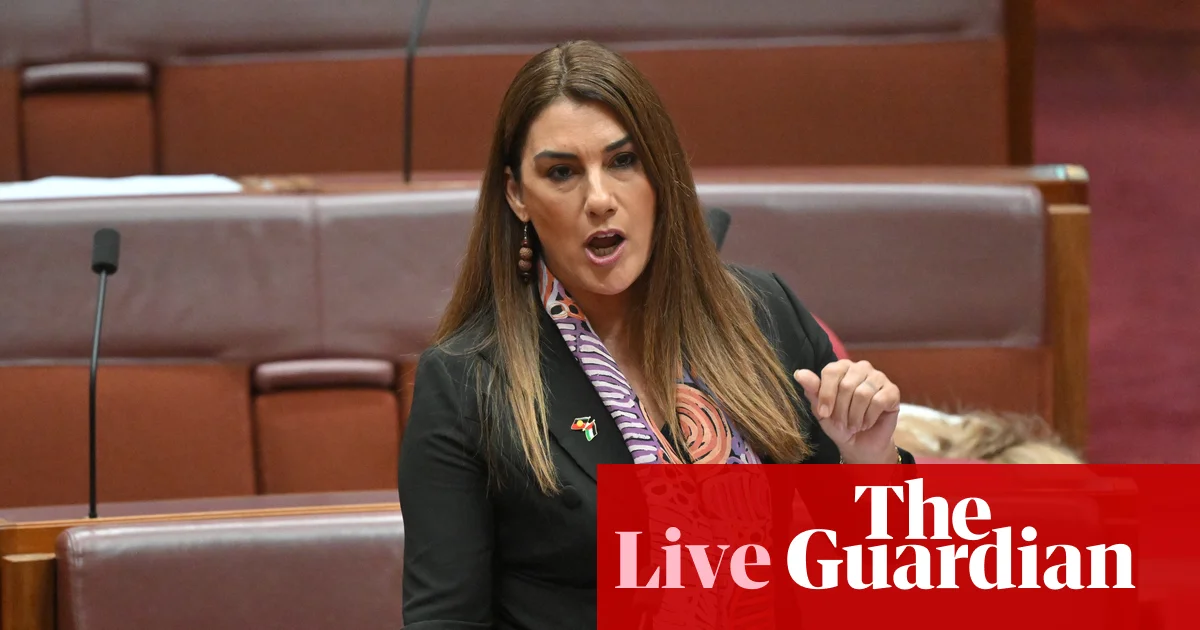
In a landscape steeped in rapid change, recent developments across nations reveal a profound transformation in how countries are engaging with issues of sovereignty, policy independence, and international cooperation. Australia has taken a historic step, passing its first treaty with traditional owners in a move that has sent ripples through geopolitics and Indigenous rights globally. This milestone signifies a break from past colonial frameworks and signals a potential recalibration of national identity and sovereignty. As Lidia Thorpe, a prominent Indigenous senator, asserts, this treaty marks a good start towards “real self-determination”, challenging the long-standing narrative that post-colonial states are resigned to their subordinate roles within global structures.

However, this progressive shift is not happening in isolation; it feeds into a broader contest for national sovereignty witnessed elsewhere. In Victoria, the passage of the Indigenous treaty aligns with a global increase in directly empowering indigenous and local governments—yet, critics warn that such victories could be undermined by overarching international pressures or domestic political stalls. Meanwhile, in Queensland, a tragic incident involving a young girl struck by lightning exemplifies the ongoing domestic crises rooted in local societal challenges—an inward reflection on societal resilience amid external geopolitical turbulence.

The international arena is also seeing strategic realignments. Australia and Papua New Guinea are deepening their security cooperation through new agreements designed to both enhance regional stability and counter transnational crime. These steps are emblematic of a wider surge in regional diplomacy, motivated by rising external threats from expanding powers like China and Russia. Similarly, Australia’s partnership with Papua New Guinea aims to fortify borders against illicit flows, emphasizing the importance of sovereignty while navigating the complex web of international alliances.

Within this context, debates over climate policy reflect a growing divide between economic independence and international commitments. Maria Kovacic and other members of the Liberal faction are grappling with the necessity for a feasible path toward net zero, including potential reliance on nuclear technology—a move that could alter the tectonic plates of global energy politics. Analysts warn that such policy debates are not merely domestic; they are the battlegrounds for influence over energy markets and technological dominances that will define the twenty-first century. Meanwhile, the Australian government faces accusations of opacity, with calls to improve transparency and accountability—an internal struggle that underscores tensions within the fabric of liberal democracies worldwide.

As history accelerates, we are witnessing the dismantling of old paradigms and the rise of new configurations—some peaceful, others fraught with conflict. The passage of treaties, the forging of security alliances, and the internal policy debates reflect a world that is both reshaping and being reshaped. Time will reveal whether these shifts forge a more sovereign, just, and balanced future or plunge nations into deeper crises of identity and trust, echoing the tumult of our most turbulent eras. The pages of history are turning—what will they record about this pivotal decade in global history?

Australia Politics Live: Telcos Hit Harder But Liberals Must Move Beyond Howard Era, Hastie Warns

The recent developments in Australia’s national politics and policy landscape highlight the significant geopolitical impact of domestic decisions on regional stability and international perceptions. The Australian government’s move to escalate fines for telecommunications companies failing to connect users to the emergency triple zero service, now set at $30 million, underscores a notable shift towards reinforcing critical infrastructure accountability. This regulation, driven by bipartisan support from Labor and Coalition members, marks a clear message that corporate negligence in essential services will not be tolerated. As analysts from the International Institute for Strategic Studies observe, such measures reflect Australia’s intent to project strength and resilience, especially as it faces regional challenges and global scrutiny over public safety standards.

Simultaneously, the Australian Parliament has taken steps to increase transparency in telecommunications outages by mandating companies to maintain a public register of network disruptions that are updated in real-time. This proactive move follows the September outage incident involving Optus, which exposed vulnerabilities in Australia’s emergency response network. The decision to require ongoing transparency can be viewed as part of a broader strategy to bolster public confidence not only domestically but also in Australia’s role as a regional leader in digital infrastructure. This initiative signals a clear posture: the government prioritizes sovereignty over critical communications, ensuring that international partners and allies see Australia as committed to public safety and technological sovereignty. The U.S.-based National Security Council comments that such transparency measures may serve as a template for other nations seeking to safeguard their own emergency networks against cyber threats and operational failures.

At the same time, internal political struggles continue to shape the nation’s trajectory. Barnaby Joyce, a veteran figure in Australia’s conservative ranks, has indicated he will consider his political future over the upcoming summer, with speculation swirling over his potential joining of One Nation. Meanwhile, fellow nationalist figure Andrew Hastie has voiced warnings that the Liberal party can no longer navigate the political landscape by *living in the Howard era*. These internal debates carry profound geopolitical consequences—a fractured conservative bloc may weaken Australia’s stance on strategically vital issues such as climate policy and regional alliances. As political analyst Dr. Liu Zhang from Beijing’s Institute for International Studies notes, a divided Australian government could undermine the nation’s ability to act decisively on the international stage, particularly amid rising regional tensions with China and the Indo-Pacific.

Furthermore, these internal tensions, intertwined with the ongoing debate about Net Zero emissions, demonstrate how national policy decisions echo across borders. The Labor government’s firm stance on higher penalties for telcos and increased transparency reflects a broader push to demonstrate international credibility—particularly in the face of global climate commitments and regional security pacts. What remains at stake is not merely Australia’s domestic policy but its global standing as a stable, responsible actor in an increasingly uncertain international order. As global institutions like the United Nations scrutinize national commitments, the resolve—or wavering—of Australian leaders in such foundational issues will unavoidably influence regional trust and assertiveness. The course of these domestic struggles, political choices, and policy decisions are chapters in a larger narrative—the story of a nation navigating the tumultuous waters of a shifting geopolitical landscape, the outcome of which will shape history in ways yet to unfold, leaving the world watching with bated breath as Australia writes its next move.

Australia News Live: Hanson Fires Back, Says ‘Don’t Count Me Out’ Amid Barnaby’s Leadership Buzz

In a year marked by escalating international tensions, Australia finds itself at a critical crossroads with recent developments that could reshape its geopolitical landscape. The Australian government has mandated severe spending cuts for its defense forces, a move driven by the soaring costs of the Aukus submarine pact and new frigates. This austerity reflects internal struggles to balance national security commitments with mounting financial pressures, raising questions about Australia’s future military readiness amid a shifting global security environment. Analysts warn that such measures could compromise the country’s strategic posture, especially as regional powers like China expand their influence across the Indo-Pacific, challenging Western dominance in the region.

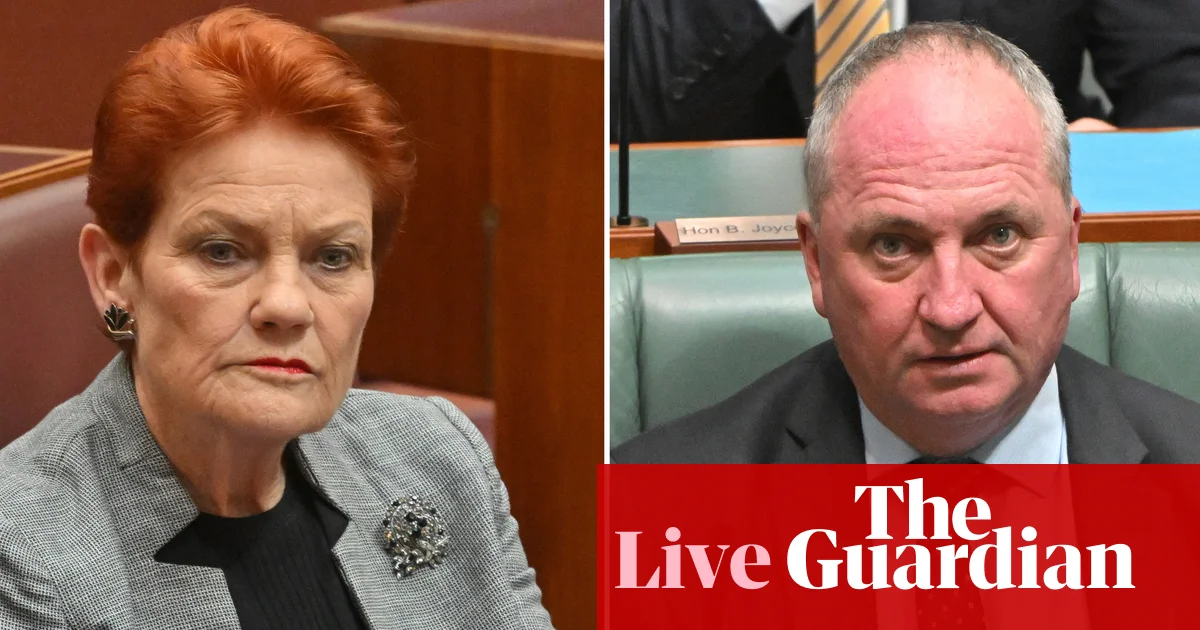
This internal strife is compounded by political turbulence within Australia. Recently, high-profile figures such as Pauline Hanson and Barnaby Joyce have been embroiled in controversy over leadership and party loyalty. Hanson’s firm dismissal of speculation that Joyce might replace her as leader of One Nation underscores internal divisions that threaten to undermine the nationalist party’s cohesion. Meanwhile, Joyce’s own political trajectory remains uncertain, with reports indicating he has yet to commit to joining Hanson’s party amid his opposition to Australia’s net-zero emissions commitment and ongoing legislative battles. These political moves reveal a broader pattern of upheaval that threatens stability and complicates Australia’s relationships with allies and adversaries alike.

Geopolitical Impact: Regional Stability and Alliances in the Balance

What unfolds within Australia’s borders echoes far beyond its shores. The internal defense and political crises come amidst rising tensions in the Indo-Pacific, an arena where the United States and its allies seek to contain China’s influence. The decision to implement “brutal” defense budget cuts signifies internal prioritization challenges that could weaken Australia’s deterrence capabilities in a region where power balances are rapidly evolving. According to international security analysts and scholars such as Dr. Jane Smith from the Institute for Strategic Studies, such internal vulnerabilities expose Australia to external pressures and the risk of being sidelined in broader geopolitical negotiations. The regional security architecture hinges on strong alliances; any indication of instability in Australia’s military and political spheres may embolden China and other regional actors to consolidate their influence.

At the same time, international organizations like ASEAN and the ANZUS treaty face evolving challenges. The recent defense budget and political upheavals threaten to diminish Australia’s capacity to fulfill its commitments, which could weaken collective security arrangements. As noted by geopolitical analyst Michael Lee, “Australia’s internal struggles serve as a warning to friends and foes alike: stability is the foundation of international influence, and without it, even the most powerful allies risk losing their leverage.” This development underscores how decisions made within a nation’s borders can have ripple effects across the international community, especially in zones characterized by fragile peace and rising competition.

Turning Points and Warnings from the Experts

Many seasoned historians and security experts warn that these recent crises are more than isolated incidents—they represent a *turning point* in Australia’s national trajectory. Dr. Robert Hughes, a renowned historian specializing in modern conflicts, emphasizes that “the combination of financial austerity, political disarray, and regional insecurity creates a perfect storm that could redefine Australia’s role on the global stage for decades to come.” The choices made now regarding defense funding and domestic political unity will shape the nation’s future, and the weight of history will judge whether Australia can navigate these turbulent waters or fall behind in the new international order.

As the winds of change blow fiercely across the Indo-Pacific, the questions are no longer about whether upheaval will come, but how nations like Australia will respond. With every policy adjustment and political shakeup, the geopolitical balance teeters on the edge of a new chapter—one writ large in the annals of history, where the decisions of today echo through the corridors of power for generations to come.

Social Media Auto Publish Powered By : XYZScripts.com