Matox News

Truth Over Trends, always!

RBA Raises Rates, Won’t Let Recession Hit Australia, Bullock Warns

The Reserve Bank of Australia has announced a significant increase in its interest rates, signaling a firm stance against persistent inflation amid a backdrop of international turmoil. The central bank lifted the cash rate target to 4.1%, erasing previous relief measures last year, and left room for additional hikes in the future. Michele Bullock, the RBA governor, emphasized that robust employment growth and ongoing consumer spending continue to exert upward pressure on prices. While rising petrol costs contributed to inflationary concerns, Bullock clarified that the primary drivers remain the excess demand within the economy and price volatility linked to Iran’s ongoing conflict.

This decision signals a cautious yet assertive approach by Australia’s monetary authorities, driven by a broader international trend among central banks facing the specter of inflation. Unlike the United States, United Kingdom, and the European Union, which anticipated holding their rates steady, the RBA opted for a rate hike, highlighting Australia’s unique vulnerability to both domestic economic momentum and geopolitical instability. The ongoing war in Iran has aggravated fears of fuel shortages and higher energy costs globally, adding fuel to the inflationary fire. The World Bank and international analysts warn of the potential for the conflict to ripple across markets, amplifying inflationary pressures while complicating policy responses.

The Middle East conflict, particularly the escalation in Iran and the broader regional destabilization, has sharpened the geopolitical stakes. With global crude oil supplies threatened, energy-importing nations like Australia find themselves caught in a tightening vise: inflationary prices rising alongside a resilient labor market. The Australian Treasury and security analysts concur that the developing regional crisis will likely exacerbate inflation, forcing central banks to enact more aggressive monetary tightening. Meanwhile, Jim Chalmers, the Australian treasurer, acknowledged that the regional conflict has worsened inflation challenges, emphasizing ongoing fiscal measures to mitigate household and business impacts. These international shifts underscore the fragility of economic recovery in an era increasingly defined by geopolitical volatility.

Some experts argue that Australia’s rising rates are a warning sign for the global economy — a sign that the era of easy monetary policy is definitively waning. Dr. Brendan Rynne, chief economist at KPMG, warned that economic activity in Australia was already vulnerable before the regional conflict, and recent rate hikes merely accelerate the risks. The narrow vote within the RBA—five in favor of raising rates and four against—illustrates the delicate balancing act policymakers face: curtailening inflation without triggering a recession or soaring unemployment. As history marks a pivotal point, the financial future remains uncertain, yet the heavy hand of geopolitics continues to impact the economic fabric of nations worldwide. The decisions made today will echo through generations, shaping the resilience of societies in a world where the shadows of war threaten to unravel economic stability.

Australia updates: Hybrid car sales surge as youth shift from petrol; Iranian footballer departs despite asylum offer

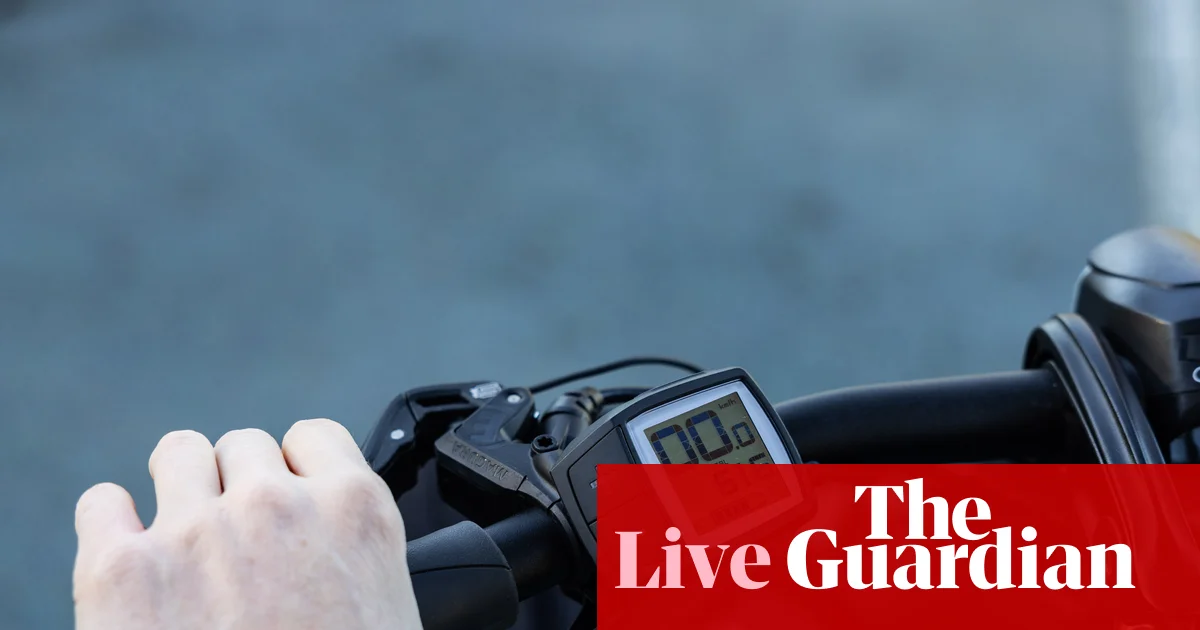
In a compelling turn of events, Australia finds itself at the crossroads of shifting geopolitical and societal dynamics, as recent reports reveal a significant increase in the adoption of hybrid and electric vehicles, paralleled by the controversial departure of Iranian women’s football squad members seeking asylum. The latest data from the Australian Automative Association (AAA) underscores a transformative moment in the nation’s motor industry, with hybrid vehicles reaching record sales—a clear testament to the global push towards greener mobility. In the final quarter of 2025, hybrids accounted for 19.13% of all new light vehicle sales, outperforming traditional petrol cars which now constitute a mere 66.3% of the market, down from over 70%. Such figures are emblematic of Australia’s broader aim to lead in environmental transition while grappling with its geopolitical obligations, especially amidst surging fuel prices attributable to regional tensions in the Middle East.

Parallel to this shift, the geopolitical impact becomes starkly evident in the recent decision by several Iranian women’s football team members to leave Australia after being granted asylum—an act illustrating the nation’s delicate positioning on human rights, international diplomacy, and domestic security. The Australian government, led by Catherine King, publicly expressed that these women faced “enormous pressures” both from their homeland and global circumstances, which compelled them to make “incredibly hard” decisions. historians and analysts suggest this episode reflects shifting international expectations around asylum policies and human rights, especially as nations face increased scrutiny over their response to politically sensitive issues. The dilemma underscores how decisions by athletes—once confined to sporting arenas—now serve as microcosms of a larger geopolitical narrative, wherein societal values and foreign policy intersect with the personal stories of those seeking refuge.

Amid these tensions, Australia prides itself on strategic preparations to mitigate global turmoil. Minister Catherine King reassures that the country is well-positioned to withstand potential disruptions in energy markets, with reserves totaling 37 days of petrol, 30 days of diesel, and nearly 29 days of jet fuel. Such measures are a response to recent global fears triggered by unrest in the Middle East, which temporarily inflated fuel prices and prompted the government to release nearly 20% of its fuel stockpile. This strategic reserve is designed to balance the nation’s energy security against an increasingly volatile international environment, a move that demonstrates the nation’s resolve to safeguard its economy and social stability at a time of international flux. As analysts highlight, these preparatory actions reveal how a society’s resilience hinges on prudent international engagement and internal policy strengths—factors that could determine whether Australia continues its trajectory of stability or succumbs to the chaos brewing elsewhere.

In the grand tapestry of current events, the unfolding story of Australia’s energy transition and human rights stance may well be the prologue to future history—a chapter penned by decisions that will resonate across generations. As the world watches, these developments embody a broader truth: the balance of power and morality in a rapidly shifting geopolitical landscape hinges on the decisions of those in government and society, enduring challenges that threaten to redefine global order. The weight of history presses upon this moment, and the outcome remains unwritten, a testament to the perpetual struggle of nations striving to secure their future amid uncertainty.

Australia News Live: NSW Anti-Slavery Chief Questions Iran Football Squad’s Exit; Earthquake Rocks North of Canberra

International Ripples: Australia’s Crucial Decisions Shape the Geopolitical Landscape

Fresh developments emanating from Australia highlight a nation at a critical juncture, where internal decisions transcend borders, echoing the broader battles of sovereignty and moral responsibility on the world stage. The controversial departure of the Iranian women’s football team from Australia has sparked intense scrutiny and debate, not only about domestic policies but also about how nations handle complex issues of threat, coercion, and international law. Analysts warn that the handling of this incident could redefine Australia’s stance towards human rights and its diplomatic credibility, especially amid ongoing conflicts involving Iran and other regime-led states.

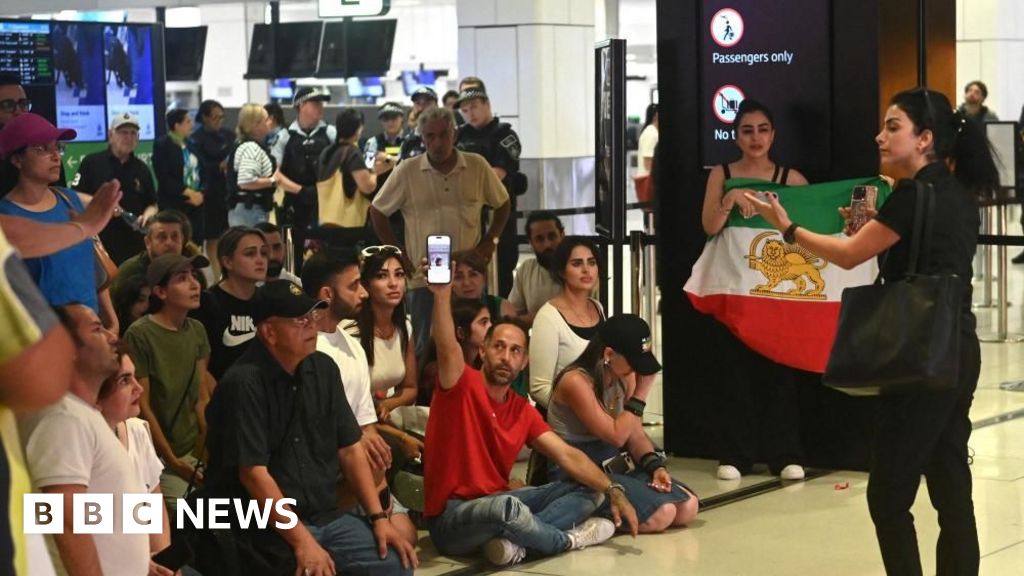
The incident underscores a fragile geopolitical balance, where the NSW anti-slavery commissioner questioned top-tier institutions—including the federal police, Sydney airport, and Qantas—over their role in facilitating the squad’s departure amidst wide-ranging concerns about coercion. Dr. James Cockayne emphasized that the athletes’ decision to leave might have been unduly influenced by threats and intimidation, echoing fears of exit trafficking—a grave issue that highlights how vulnerable individuals become pawns in larger geopolitical conflicts and authoritarian tactics.

This scenario not only raises questions about domestic oversight but also spotlights how international diplomacy and law enforcement are intertwined with issues of regime repression, especially with Iran’s regime known for its misogynistic policies and suppression of dissent. The international community, including historians and global watchdogs, warn that failure to address coercion effectively may embolden oppressive regimes and undermine the principles of free movement and asylum. The incident prompts a looming question: Does Australia’s handling reflect a broader tendency among Western nations to prioritize diplomatic relations at the expense of human rights and protective oversight?

In parallel, domestic policies such as the Victoria government’s initiative to provide free pest and building reports for homebuyers reveal a nation grappling with internal challenges of transparency and economic security. Jacinta Allan, Victorian Premier, advocates for the reform to curb excessive costs and empower consumers, a move seen as a step to reinforce confidence in Australia’s private sector amidst global economic uncertainties. Yet, these domestic shifts signify more: a concerted effort to reshape societal expectations and assert control over economic vulnerabilities, which, analysts argue, are now heavily influenced by international events, including the conflict in the Middle East.

As geopolitical tensions in the Middle East intensify, Australia stands as an exemplar of how a nation’s internal policies, international dealings, and moral stance are increasingly interconnected. The recent earthquake near Boorowa and severe flooding in Queensland further symbolize a nation resilient yet besieged by uncontrollable forces—nature and geopolitics alike. The way Australia navigates these turbulent waters will indelibly mark its role in the shifting global order, where decisions about refugee protection, international trade, and moral leadership are more intertwined than ever. History’s weight is heavy on Australia’s shoulders, with each move possibly rewriting the contours of its national identity and its influence in shaping the rules of a new geopolitical era.

Two Iran football affiliates opt to stay in Australia, signaling shifting loyalties

In a decisive development that underscores the complex interplay of sports, politics, and international diplomacy, reports indicate that most of Australia’s national team departed the country on Tuesday night amid mounting tensions. However, the situation remains under close scrutiny as a small contingent—including a player and a member of the support staff—have elected to stay behind, joining five other team members who have chosen to remain in Australia. This dissonance within the team exposes deeper geopolitical strains that are now resonating through the sporting world, reaffirming the arena’s increasingly prominent role in global conflicts.

The decision for the remaining members to stay involves not only considerations of personal safety but also strategic positioning amidst ongoing international pressures. Experts like Dr. Caroline Matthews, a senior geopolitical analyst at the International Policy Institute, argue that this split reflects broader tensions between national identity and international diplomacy. The departure of most team members coincides with a period of heightened diplomatic friction, potentially influenced by recent treaties, sanctions, or visa restrictions rooted in regional conflicts or geopolitical realignments. As sports often serve as a mirror of national patriotism and geopolitical interests, this episode highlights the way in which decisions made on the field ripple outward, affecting international perceptions and alliances.

Major organizations such as the International Olympic Committee and World Sports Federation are now watching closely, as these internal conflicts threaten to undermine the delicate balance of global sports diplomacy. Historically, sporting events have been arenas for international influence; the Cold War-era Olympic boycotts exemplify how athletic competition can morph into political battlegrounds. Analysts warn that these recent developments in Australia could herald a new phase where sports are irrevocably intertwined with national security considerations, especially as clashes over sovereignty, human rights, or regional dominance intensify. Statements from officials suggest that this moment may redefine how nations engage with international sporting bodies, emphasizing sovereignty and national interests over international consensus.

Among global institutions, there is a rising concern about how these internal team conflicts could set dangerous precedents. The United Nations Security Council and EU Foreign Policy have both issued calls for diplomacy and restraint, emphasizing that the impact of such actions extends beyond sport—contributing to destabilization, international mistrust, and a fracture in global cohesion. Historians and policy analysts compare this situation to historical flashpoints, where sporting disputes escalated into broader conflicts, highlighting the potential for escalation when external geopolitics influence internal team dynamics. This tense atmosphere underscores a disconcerting reality: in an increasingly interconnected world, the sites of national pride are becoming conduits for political assertion and international friction.

As this chapter of Australia’s sporting saga unfolds, the weight of history remains palpable—each decision echoing through the corridors of power and shaping the next chapter of global diplomacy. The internal split within the team is more than a mere matter of logistics; it is a stark reminder that the weights of sovereignty, national identity, and international rivalry are now woven into the fabric of what was once purely a game. In that fog of uncertainty, the world waits—watching whether this fissure will widen into a fracture or serve as a catalyst for renewed dialogue. The future of international sport hangs in the balance, a mirror to the enduring struggles that define the 21st century, holding the promise and peril of history still in the making.

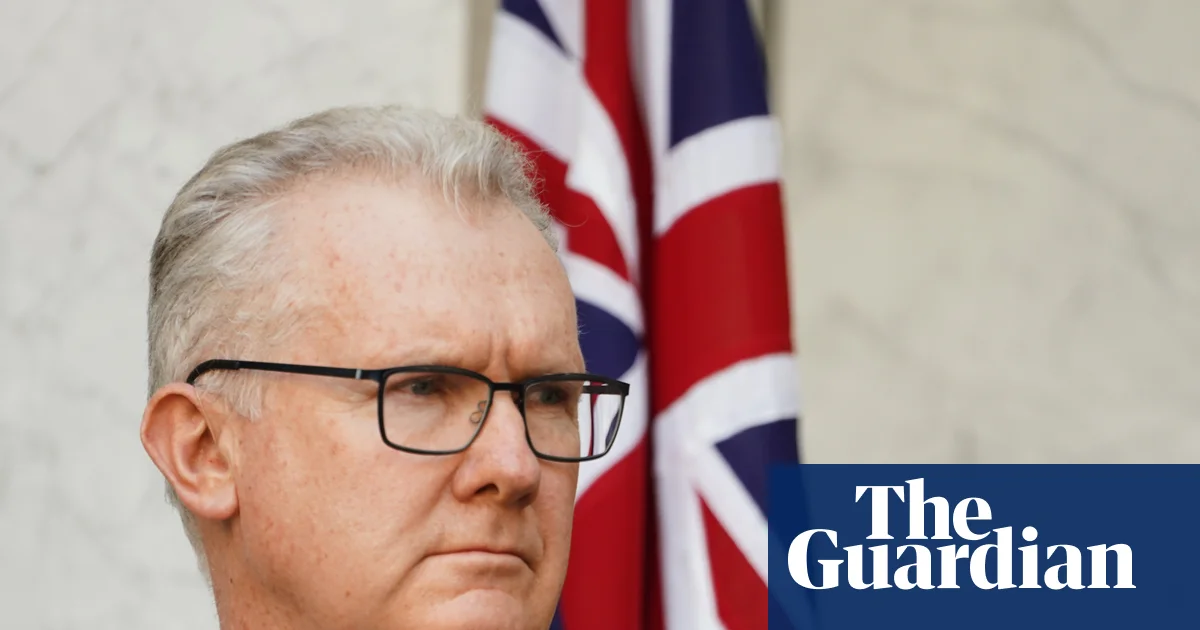
Labor Plans to Restrict Temporary Visa Holders from Entering Australia Amid Middle East Conflict, Says Tony Burke

Australia’s Immigration Shift Amid Middle East Crisis: Strategic Moves or Racial Targeting?

In the face of escalating violence and political turmoil in the Middle East, Australia is amping up its immigration policies, heralding a new era of tightening restrictions aimed at curbing the influx of temporary foreign nationals from conflict zones. The recent legislative maneuver, spearheaded by Assistant Citizenship Minister Julian Hill and facilitated by Home Affairs Minister Tony Burke, signals a decisive pivot toward controlling potential threats posed by nationals from regions embroiled in war. Yet, critics and international watchdogs argue that these measures are not solely about national security—they are also fostering a climate of racial discrimination and undermining Australia’s long-standing values of fairness and refuge.

Geopolitical Impact of Australia’s New Immigration Legislation

Specifically, the legislation introduces an “arrival control determination” mechanism that grants government ministers the power to restrict temporary visa holders from specified regions based on swiftly shifting geopolitical circumstances. If enacted, this bill could, for example, block Iranian tourists who received their visas prior to potentially escalating conflicts involving U.S. and Israeli actions against Iran. Such measures demonstrate how Australia’s domestic policy is increasingly linked to broader international conflicts, exemplifying a strategy that is less about immigration management and more about aligning national security in accordance with global geopolitical shifts.

According to international security analysts and historians, these policies reinforce the narrative that Australia is responding not only to immediate threats but also to the larger, complex web of alliances and conflicts that define contemporary geopolitics. The move has the potential to shape the future of international relations, compelling nations to weigh their diplomatic stances carefully. With approximately 7,200 Iranians and over 40,000 individuals from the region holding temporary visas in Australia, any disruption or restrictions could significantly impact societal cohesion and international solidarity.

How Decisions Affect Nations and Societies

While the government argues these restrictions are necessary to protect Australia’s sovereignty and public safety, opposition voices, including the Greens and independent members, accuse the legislation of targeting specific communities and eroding the integrity of the country’s visa system. Critics contend that the law could be exploited by future administrations to target any group under the guise of security, thus raising questions about racial bias and human rights violations. The Refugee Council and Asylum Seeker Resource Centre have condemned the move as a step backwards, emphasizing that such policies threaten Australia’s reputation as a nation that upholds humanitarian values and international law.

Throughout history, legislation driven by fear and prejudice has often led to societal divisions and enduring injustices. Analysts warn that in an increasingly interconnected world, policies that marginalize and exclude can foment long-term social fragmentation, complicating diplomatic and community relations both domestically and abroad. As the legislative process unfolds, the debate continues—will Australia’s leaders prioritize security over human rights, or will global opinion and internal conscience steer a different course?

Concluding Reflections: The Weight of an Unfolding History

As Australia navigates the turbulent waters of international conflict and internal policy transformation, the path it chooses today will resonate through generations. The decision to tighten borders in response to a regional war signals the complex interplay between national security, international diplomacy, and moral responsibility. History has often judged such moments as pivotal—where nations either uphold their foundational principles or succumb to fear-driven policies. In the shadow of ongoing conflicts and the specter of future unrest, the question remains: will Australia forge a legacy rooted in compassion and justice, or will it become another chapter in the story of nations torn between safeguarding borders and honoring universal human rights? The answers lie in the choices made in these critical moments—a saga still unfolding, with the weight of history hanging heavy on every decision.

Iranian Women Footballers Seek Asylum in Australia Following Asian Cup Protest

In a concerning escalation that highlights the ongoing turbulence within Afghanistan and its complex relationship with regional powers, reports have surfaced indicating that members of the Afghanistan women’s football team are being held under duress in Iran. Activists and international observers describe a distressing situation where the athletes have been *held hostage by the Iranian team management* in their hotel, deprived of access to external communication channels including family, legal counsel, and international support networks. This incident underscores the broader issue of media suppression and human rights violations that continue to mar Afghanistan’s fragile social fabric since the Taliban’s resurgence in 2021.

Historian and geopolitical analyst John McGregor highlights that such acts represent a *turning point in regional diplomacy*, illuminating how Iran exploits its political leverage over Afghan nationals—especially women and vulnerable groups—to consolidate influence amidst ongoing regional tensions. As the United Nations and human rights organizations voice concern, it becomes clear that these actions are emblematic of a larger pattern of repression and authoritarian assertion in the Middle East and Central Asia. The detention of these athletes is not isolated but taps into a broader systemic issue where authoritarian regimes aim to suppress dissent and deny fundamental freedoms, even in arenas as global as sports.

The incident also reveals the geopolitical impact of Iran’s internal policies, which have increasingly positioned the regime as a regional power broker wielding strategic influence through coercion and control. The case echoes the crisis of international perceptions of Iran, further exacerbating its strained relationships, notably with the European Union and United States. These nations accuse Tehran of violating *international norms* and worsening regional instability, especially as Iran faces mounting sanctions and diplomatic isolation. Meanwhile, Afghan exiles and supporters argue that the detention exemplifies the ongoing suppression of Afghan women—who had begun to re-emerge symbolically through sports and education.

  • 2021: Taliban regains control of Afghanistan, leading to widespread international concern over women’s rights and human rights abuses.
  • 2023: Afghan women’s sports teams attempt to participate in international events, risking repression and retaliation from Taliban authorities and their allies.
  • Current: Reports emerge of detained athletes in Iran, illustrating the regional consequences of Afghanistan’s internal convulsions and Iran’s strategic leverage.

This crisis serves as a stark reminder that the decisions made in regional capitals have profound implications beyond borders. The fate of these athletes—and what their detention signifies—transcends sport, touching on issues of sovereignty, gender rights, and international legitimacy. As international institutions debate their response, the voices of those fighting for freedom grow louder, asserting that the repression of Afghan women is a reflection of a broader struggle for dignity against oppression. In this fluid geopolitical landscape, the actions of Iran and Afghanistan continue to ripple outward, shaping a future where the weight of history presses upon the present.

In the end, the world bears witness to how fragile the thread of human rights really is, stretched taut across an intricate web of power, ideology, and geopolitics. As the shadows of repression deepen, the question remains: will the international community choose silence or action? The answer lies not just in diplomatic words but in the resolve to stand against injustice—a challenge that history will record in the annals of a turbulent era yet to be written.

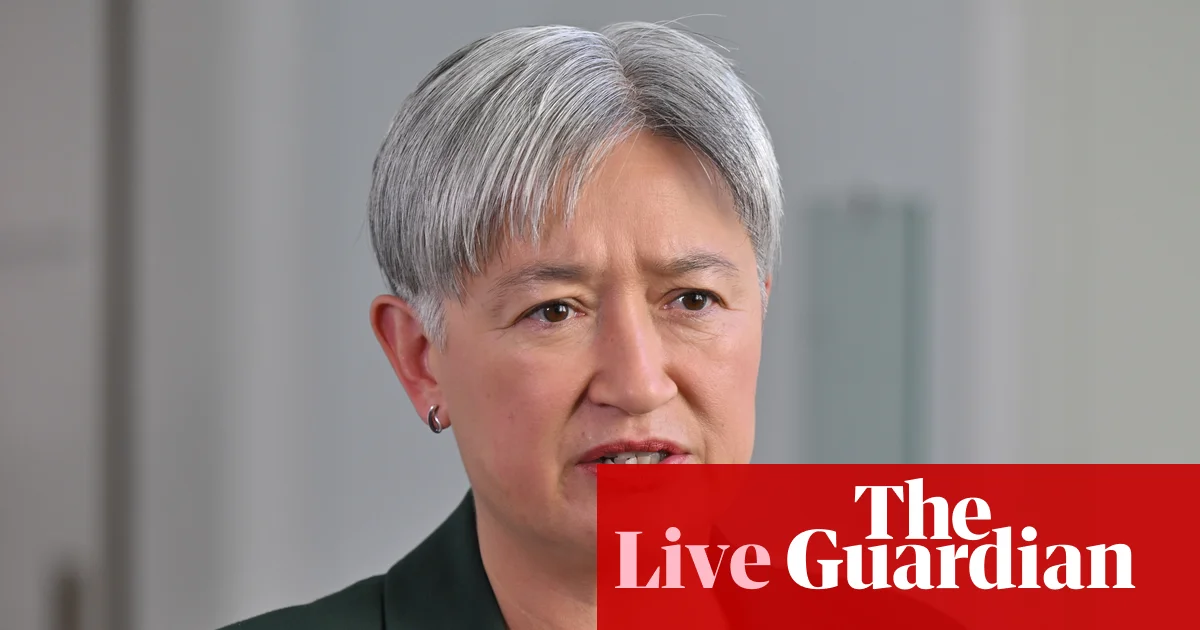
Australia Ready to Back Gulf Allies Against Iran, Will Stay Clear of Ground War — Wong

Australia Navigates Middle Eastern Turmoil Amid Geopolitical Shifts

As international powers scramble in the aftermath of recent military strikes against Iran, Australia finds itself caught in a precarious position within a rapidly evolving geopolitical landscape. While Canberra explicitly refuses to deploy ground troops into Iran, its willingness to provide logistical and military support—albeit within tight boundaries—underscores the complex balancing act facing allied nations amid the escalating U.S.-Israeli coordinated strikes and Iran’s retaliatory missile and drone attacks.

The Australian government, under the stewardship of Foreign Minister Penny Wong, has confirmed that it received requests for assistance from regional allies threatened by Iran’s mounting assaults. Nine flights have already evacuated Australians from the volatile Middle East, with additional flights scheduled, and hundreds have been bussed out of Qatar to nearby countries. Wong clarified that Australia is prepared to work through assistance measures targeted at defending the Gulf nations, but remains firm in its stance against offensive action—rejecting any deployment of combat troops into Iran and emphasizing adherence to a defensive posture instead. This position aligns with Australia’s broader policy of maintaining strategic independence, avoiding entanglement in regional conflicts that could draw its military into direct combat.

The geopolitical impact of such decisions is profound. Analysts note that Australia’s cautious approach seeks to preserve its international reputation while avoiding the pitfalls of overcommitment favored by some Western allies. Countries with a history of military intervention, like the United States and United Kingdom, have long debated the efficacy of troop deployments in volatile regions, but Australia—especially under current Prime Minister Anthony Albanese—has emphasized diplomatic and logistical support as the middle ground. Yet, this careful balancing act is increasingly scrutinized by critics who warn that the current trajectory risks aligning Australia too closely with US-led military endeavors, potentially dragging it into broader conflicts that serve geopolitical interests beyond national security.

International organizations and historians warn of the long-term consequences of this violent chapter. The United Nations has called for restraint, underscoring the danger of escalating a regional conflict into a wider world crisis. Veteran geopolitical analysts interpret Australia’s role as indicative of a broader trend: western nations are recalibrating their military priorities, emphasizing indirect support over direct engagement. Meanwhile, the ongoing conflict continues to reshape regional alliances, with Saudi Arabia and other Gulf states increasingly looking towards alternative power brokers, wary of the US’s militarized approach. As history reminds us, the decisions made today will echo through generations, shaping the fabric of international stability—or chaos.

In the shadows of this unfolding crisis, the weight of history presses heavily on the shoulders of modern leaders. With each missile launched and flight undertaken, the delicate chess game of geopolitics intensifies—drawing societies ever closer to the brink of chaos or stability. While Australia seeks to maintain a measured stance, the broader geopolitical impact leaves an undeniable imprint: a reminder that, in the theater of global conflict, the lines between diplomacy and war remain perilously thin, and the choices of today could determine the course of history for decades to come.

Australia updates: Wong hints at military aid in Middle East — no plans for offensive action against Iran, Victoria

Geopolitical Impact of Middle East Conflict and Domestic Unrest: Australia’s Strategic Position

In an era marked by escalating international conflicts, Australia is carefully recalibrating its foreign and military policies amidst a complex web of regional tensions. Penny Wong, the nation’s foreign minister, has clarified that Australia will not engage in offensive actions against Iran, emphasizing instead Australia’s potential role in providing defensive military support to countries under threat. As regional powers like Iran ramp up missile and drone attacks, and non-participating nations face attacks through proxy tactics, the geopolitical landscape becomes even more volatile. The international community, including respected analysts and organizations like the United Nations, watches closely as Australia aims to balance its regional security commitments with prudent diplomacy, striving to avoid entanglement in a broader conflict.

The Australian government’s stance illustrates a cautious yet firm approach. Wong’s statements underscore a commitment to defending allies without crossing into offensive operations, a stance echoed by military strategists who warn against unnecessary escalation. The potential for “defensive military assistance” reflects a strategic necessity to safeguard regional stability, especially given Iran’s ongoing missile and drone deployment targeting non-participating countries. This approach signals a wider trend among Western allies, aligning with US and Israeli policies, but with an explicit limit: no ground troops. The decision—highlighted by analysts as a calculated move—aims to counter Iran’s expanding influence while avoiding a direct confrontation that could spiral into a larger regional war.

Domestically, Australia is experiencing its own turmoil, with violent incidents and political debates over security measures illuminating the broader societal impact of regional conflicts. Recent tragedies, including a savage knife attack at a Melbourne train station which resulted in the death of a bystander, have prompted urgent discussions about youth violence and community safety. Political figures like Mary-Anne Thomas and opposition spokespersons criticize what they call failures of the current community safety policies, invoking a heightened sense of urgency. This internal strife underscores how international crises often cast long shadows over social cohesion, as governments grapple with balancing national security with the need to restore public trust and safety.

  • Wong’s declaration that Australia could step in defensively in the Middle East, without offensive engagement
  • Iran’s relentless missile and drone assaults prompting regional instability and international responses
  • Australian repatriation efforts mobilized amidst rising regional violence—over 1,500 Australians evacuated from the Middle East
  • The internal crisis in Victoria, with youth violence and community safety at the forefront of political discourse

Historical scholars and international analysts warn that such strategic decisions carry profound geopolitical impact. The careful stance Australia adopts today could shape the future of regional alliances and influence global responses to Iran’s aggressive posture. Meanwhile, domestic unrest threatens to ignite larger societal debates about law, order, and national identity in a time of global upheaval. As policymakers walk this tightrope, the weight of history presses down—reminding us that the choices made in this volatile period will echo through generations.

The unfolding drama in the Middle East and within Australia’s borders leaves the world perched at a crossroads. Will this be a moment of restraint or the spark that ignites a broader conflict? As figures like Wong emphasize transparency and caution, the true test lies ahead—whether diplomacy prevails or history plunges into chaos, the next chapter remains unwritten. Humanity watches, holding its breath as the delicate balance between peace and war flickers in the shadows of history’s latestturning point.

Canadian teen tragically loses life in drowning after dingo attack in Australia

The recent discovery of Piper James’s body on the remote island of K’Gari has sent shockwaves through international media and ignited a broader discussion on the ramifications of isolated tragedies within fragile ecosystems. Found in January amidst a pack of dingoes, this incident underscores the potential perils faced by unexplored or minimally managed territories — locations often overlooked in the grand geopolitical theater. While initial reports focus on local circumstances, the incident has unexpectedly become a flashpoint for larger debates on environmental protection, sovereignty, and the global implications of human-animal interactions.

From a geopolitical perspective, the incident highlights the vulnerabilities of islands like K’Gari, a site increasingly viewed through the lens of environmental and strategic importance. Many analysts point out that such tragedies could either serve as cautionary tales or catalysts for international discussions about sovereignty, resource management, and conservation policies. The incident raises questions on whether nations should strengthen their environmental oversight or limit access to particularly fragile ecosystems. In a world where environmental shifts often interlock with geopolitical conflicts, such local tragedies echo national narratives about sovereignty and responsibility. International organizations, including the United Nations Environment Programme, have long emphasized the importance of safeguarding ecological sanctuaries from human disturbances, yet enforcement remains inconsistent, especially in remote regions.

Furthermore, the incident’s unexpected global attention reflects a growing trend where individual tragedies reveal the interconnectedness of social, environmental, and political systems. Historians and geopolitical analysts warn that neglect or mismanagement of remote ecosystems can precipitate broader crises—be they ecological, social, or diplomatic.

  • Some nations, driven by economic interests, tend to downplay the significance of isolated habitats, risking conflict with conservationists and indigenous communities.
  • Others advocate for increased international cooperation to mitigate risks in fragile environments, fearing that unmonitored sites could become grounds for illegal activities or environmental degradation.

As the international community grapples with this incident, it functions as a stark reminder of the delicate balance between sovereignty and global stewardship. As one analysis warns, “Haphazard management of isolated ecosystems not only endangers local biodiversity but also imperils broader regional stability.” With rising geopolitical tensions elsewhere, the fate of remote regions like K’Gari could become emblematic of a larger struggle—an ongoing contest over control, conservation, and the preservation of human dignity amid the wilderness. The story of Piper James is more than a tragic loss; it is a stark tableau of how humanity’s decisions can echo through history, shaping the narrative of tomorrow’s world, leaving us to wonder: are we safeguarding our future or merely observing it slipping away?

Australia news: Luxury car tax tweak may boost EU deal; Dubai flights land in Sydney and Melbourne

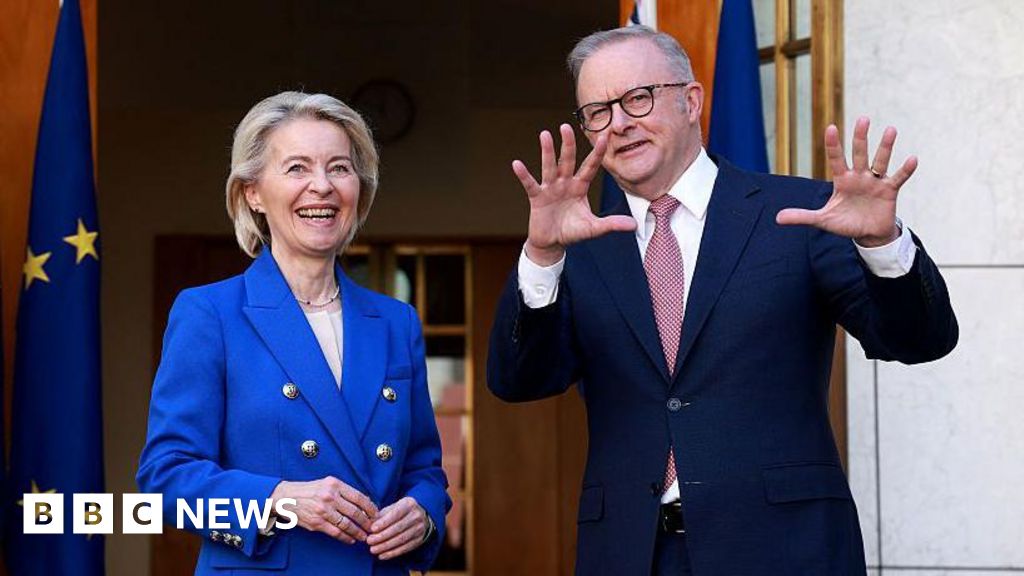
The geopolitical landscape in the Indo-Pacific is witnessing a decisive shift as Australia prepares to amend its domestic policies to clinch a lucrative free trade agreement (FTA) with the European Union. This move isn’t just about economics; it signals a strategic realignment aimed at fortifying Australia’s international standing amid ongoing global tensions. Negotiations have been progressing swiftly, with Ursula von der Leyen, the President of the European Commission, potentially set to visit Australia in the coming days—an event that could mark a significant milestone in this diplomatic push.

Key to this diplomatic gambit is a controversial adjustment to Australia’s luxury car tax (LCT), a move that has caught international attention. According to reports, the Australian government is considering increasing the current $80,000 threshold to at least $100,000, a concession tailored to European automakers like BMW and Mercedes-Benz. This adjustment would reduce import tariffs on high-end vehicles, making Australian markets more accessible to European luxury brands while simultaneously positioning the nation as a more attractive partner in commerce. Analysts, including diplomatic strategists and trade experts, observe that this maneuver is a calculated effort to demonstrate Australia’s willingness to flex its economic muscles in service of broader geopolitical ambitions.

In tandem with negotiations with the EU, Australia’s military posture remains a subject of international intrigue. Reports suggest that Australian personnel may have been aboard a U.S. submarine during an operation off Sri Lanka, which resulted in the torpedoing and sinking of an Iranian warship—an incident that has sent ripples through international security circles. Defense Minister Madeleine King refused to disclose operational details, citing longstanding arrangements with allied foreign governments, notably the U.S. Navy. This situation underscores Australia’s deepening military integration within the AUKUS pact, a strategic alliance that signals a clear pivot towards aligning more closely with Western military interests amidst an increasingly unsettled international order.

Meanwhile, Australia is grappling with severe weather phenomena, as a tropical low threatens the northern coasts with flooding and damaging winds. Such natural disasters have become a stark reminder of the rising stakes in the region’s security and economic stability. Emergency preparations in Queensland highlight the country’s vulnerability to climate events that could further destabilize already precarious social and infrastructural conditions. Historians and Future Impact analysts warn that these environmental challenges, coupled with shifting geopolitical alliances, could accelerate regional realignments—an unfolding narrative of nations adjusting their course under the weight of history’s relentless tide.

Global analysts note that Australia’s dual focus—bolstering economic ties with the EU while navigating complex military alliances—embodies a broader pattern among Western-aligned nations seeking to preserve sovereignty and influence in a rapidly changing world. The decisions made today will ripple across continents, affecting societies, industries, and security architectures for generations to come. As diplomatic doors open and warships move unseen in distant waters, the weight of history presses heavily upon a nation poised on the brink of a new geopolitical chapter—one written as much in boardrooms as it is in the depth of the oceans and the fury of storms.

Social Media Auto Publish Powered By : XYZScripts.com