Matox News

Truth Over Trends, always!

Australia Politics Live: Tim Wilson Snubs Deputy Role as Taylor and Ley Eye Liberal Leadership Spill

Unfolding Geopolitical Shifts and Domestic Turmoil: Australia’s Political Landscape and International Ripple Effects

In recent days, Australia has been engulfed in a tumultuous political saga that underscores the broader geopolitical ramifications of internal party conflicts and leadership disputes. The Liberal Party’s leadership spill — culminating in the contest between Angus Taylor and Sussan Ley — exemplifies the fragility of political allegiances amid global instability. As the world watches, these disputes are more than domestic skirmishes; they are manifestations of wider ideological battles that could reshape regional alliances and influence Australia’s posture on the international stage.

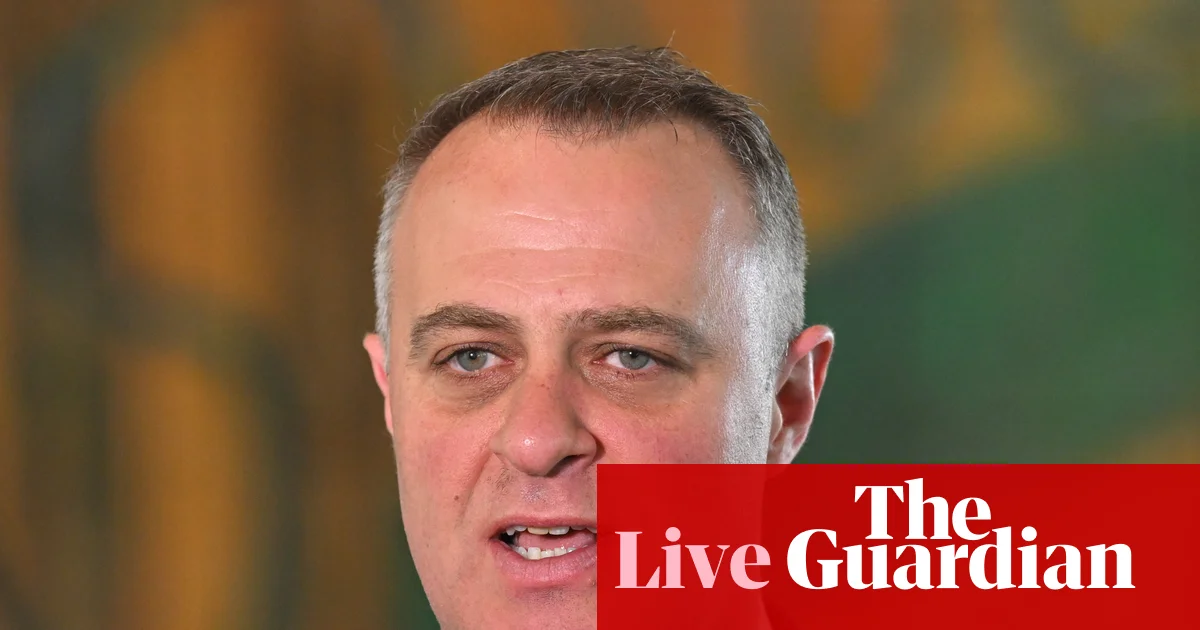
Numerous analysts, including prominent historians and global institutions, highlight how leadership crises like this ripple beyond national borders. The United Nations and wise geopolitical observers warn that such upheavals weaken a nation’s ability to project strength, particularly in the Indo-Pacific, a region increasingly vital amid the shift of global power dynamics toward China and the United States. The outcome of this spill could determine Australia’s future role — whether as a steadfast ally of Western democracies or an errant actor caught in internal discord. Importantly, the internal disunity, vividly illustrated by the backroom dealings and public statements of figures like Jane Hume and Tim Wilson, signals a nation at a crossroads, whose domestic stability directly influences regional security.

  • The leadership ballot, scheduled to commence at 9 am, reflects a deeper contest within the ruling party—one emblematic of the ideological battles shaping the global conservative movement.
  • Figures such as Jacinta Nampijinpa Price and Sarah Henderson show heightened interest in repositioning conservative policies, signaling internal struggles over Australia’s strategic direction.
  • The broader international implications include intensified concerns over freedom of speech and foreign influence, especially as protests unfold over the Israeli president’s visit, symbolizing heightened geopolitical tensions that resonate globally.

Indeed, as Australian leaders grapple with their party’s consolidation or disintegration, global sentiments also hang in the balance. The International Monetary Fund and World Bank have issued cautions about regional stability, emphasizing that internal political crises can impair economic resilience and diplomatic credibility. This week’s events serve as a stark reminder that internal division can undermine a nation’s capacity to navigate the complex currents of international diplomacy and economic competition. The appointment of Bruce Preston to the Reserve Bank’s interest rate committee signals a pivot toward technical expertise, yet the chaos within the Liberal ranks underscores the volatility that continues to define Australian politics. As the nation votes to determine its future leadership, historians caution that today’s decisions are shaping a history where internal upheavals are the harbingers of larger shifts.

In a world where national sovereignty is increasingly tested by external forces, Australia’s internal crises echo broader themes of resilience and vulnerability. The protests by the Jewish community and others against Herzog’s visit exemplify the societal fractures—a microcosm of the geopolitical turbulence that characterizes this era. As the dust settles and new leaders emerge, the shadow of history reminds us that these moments of political turbulence are but chapters in a larger narrative—one where the decisions made today will influence the global balance of power for generations to come. The unfolding story of Australia’s leadership contest, intertwined with regional tensions, serves as a stark reminder: in an interconnected world, internal discord can become the catalyst for profound, lasting change.

Queensland’s new gun laws face backlash as critics call them the weakest in Australia

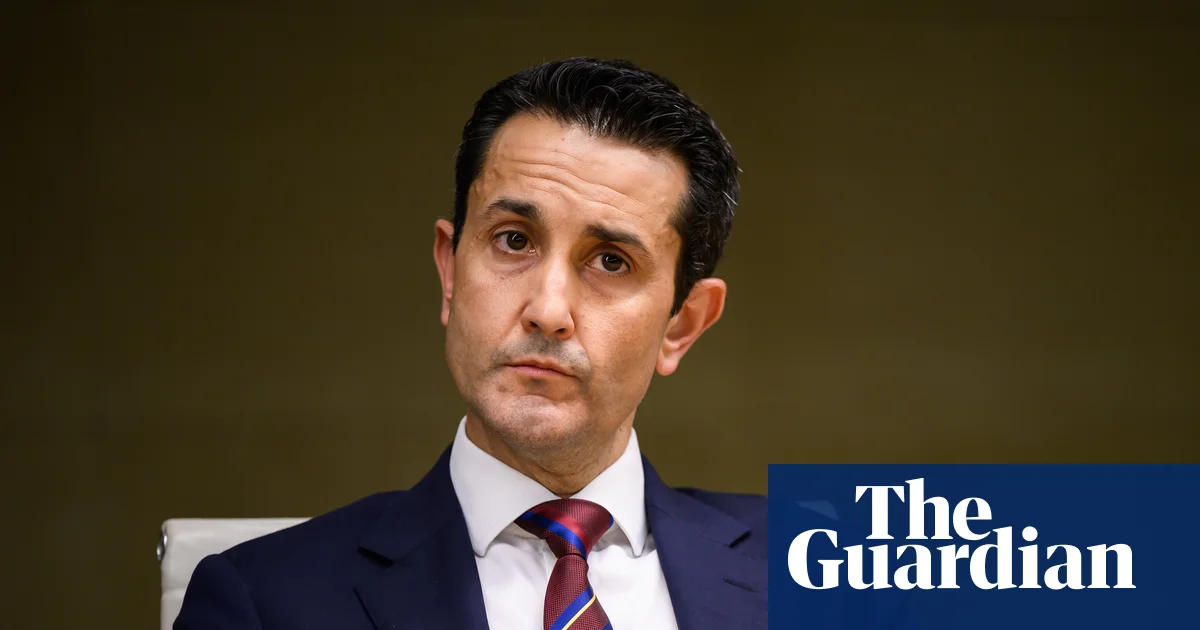
In a move that exemplifies the ongoing global struggle between individual freedoms and government control, Australia’s states and territories are enacting divergent policies on firearms and free speech. The recent decision by Queensland to uphold the weakest gun laws in the entire country marks a notable shift in the nation’s legislative landscape. Despite widespread calls for reform following heinous shootings, Queensland’s Premier, David Crisafulli, has dismissed demands for tighter restrictions, signaling a focus on protecting domestic gun owner rights over public safety.

This stance aligns with a broader pattern of resistance to federal initiatives, such as the proposed nationwide gun buyback scheme championed by Prime Minister Anthony Albanese. While other states, including New South Wales, have aggressively tightened firearm regulations—capping firearms per licence holder and banning rapid-fire weapons—Queensland chooses to reject these measures outright. By refusing the buyback and avoiding restrictions on the number or type of firearms, Queensland asserts its sovereignty, prompting critics and advocacy groups to accuse the government of prioritizing the interests of the firearm industry over collective safety. Such discord highlights the fracturing of national policy, as states act as independent centers of legislative power, shaping the social fabric in unique ways.

Meanwhile, internationally, analysts warn that these Australian policies reflect a concerning shift in how governments approach public safety through legislation. Organizations like the International Institute for Democracy and Electoral Assistance have expressed concern that laws which broaden police powers—such as those proposed to regulate terrorist activities and hate speech—could dangerously infringe on fundamental free speech rights. In Queensland, legislation aimed at banning the protest chant “from the river to the sea” epitomizes this tension, provoking fierce debate on how far governments can go in limiting expressions they deem offensive or threatening. Critics argue that enabling authorities to criminalize specific slogans under the guise of fighting hate speech risks paving the way for authoritarian overreach—an ominous warning echoed by civil liberties groups across the globe.

Historians caution that such legislative shifts are not inconsequential; they may serve as precursors to broader societal transformations. Many fear that the formulation of criminal laws targeting speech and firearm ownership signals an ideological battle to redefine civil liberties. As analysts like Professor Mark Latham observe, the specter of state overreach looms large when government officials prioritize control over individual rights. The unfolding story in Australia, therefore, is a microcosm of a worldwide contest: how to preserve personal freedoms in the face of emerging threats and shifting political priorities. With each government decision crafting new boundaries of acceptable conduct, history continues to be written, often in the resistance of those who dare to speak out.”

Young Hero Survives Harrowing Four-Hour Sea Journey to Rescue Family off Western Australia

Rescue at Sea: The Courage of a Young Boy Saves Family in Western Australia’s Tumultuous Waters

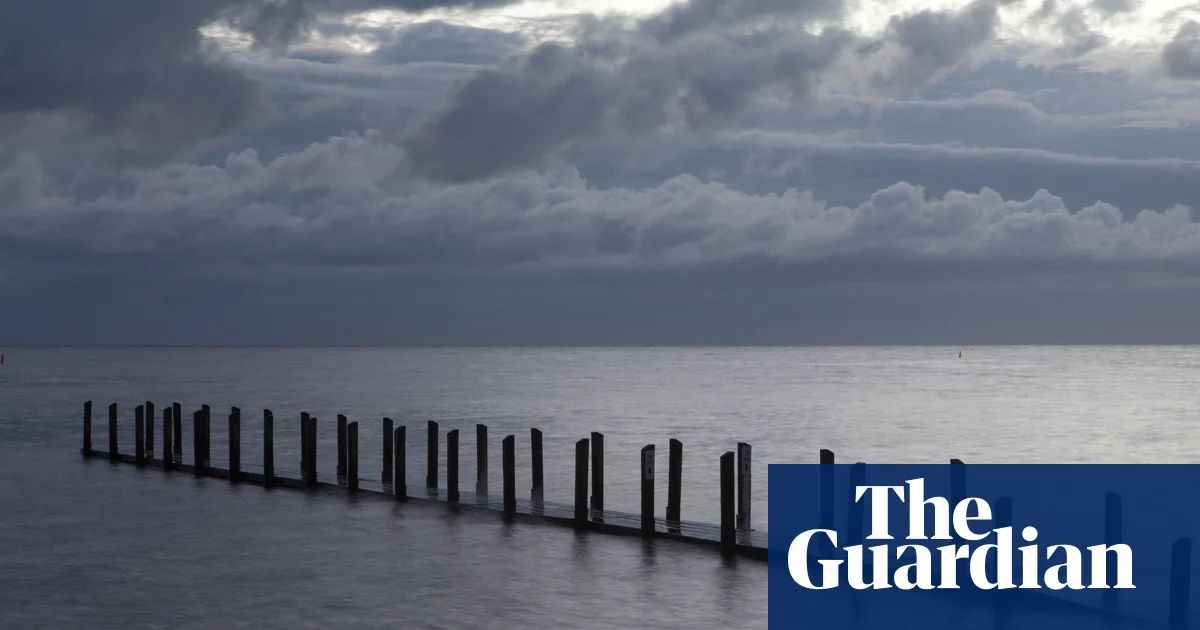
In a compelling reminder of the unpredictable power of nature and the resilience of the human spirit, a 13-year-old boy in Western Australia demonstrated extraordinary bravery by rescuing his mother and two younger siblings after a harrowing ordeal at sea. The incident, which unfolded on Friday evening near Quindalup, highlights both the critical importance of safety measures and the heroic potential that can emerge in moments of crisis. As ocean conditions rapidly shifted — driven by strong winds and rough seas — the family’s inflatable paddleboards and kayak were swept offshore, setting the stage for a life-and-death struggle against the elements.

According to local officials and rescue teams, the family was holidaying roughly 250 km south of Perth when the incident occurred. The swift-moving currents pushed their watercraft far from the shoreline. The mother, aged 47, along with her 8-year-old daughter and 12-year-old son, found themselves stranded approximately 14 km offshore, treading water in dangerous conditions. It was during this critical period that the young boy exhibited commendable calmness and determination. Using a kayak, which ultimately took on water, he swam for four hours—first alone with his lifejacket, then without—before managing to reach shore. The rescue was successfully coordinated by a multi-agency effort involving Western Australia Police, marine rescue volunteers, and the rescue helicopter, underscoring the vital importance of coordinated response systems in maritime emergencies.

The rescue operation was described by Naturaliste Volunteer Marine Rescue commander Paul Bresland as a “remarkable mission.” The family’s survival hinged on their lifejackets, which played a crucial role during their hours in the ocean. The 13-year-old’s detailed description of their kayak and paddleboard was invaluable, enabling search crews to locate them in the tumultuous waters. His exhaustion was evident, having swum for two hours with his lifejacket and another two without, with responders praising his bravery. The family was taken to a local health facility for assessment, but the incident raises broader questions about ocean safety and preparedness, particularly in regions known for unpredictable weather changes.

This story resonates beyond the immediate rescue, serving as a stark reminder of the dangers posed by natural forces and the importance of safety precautions in aquatic recreation. Many international analysts focus on how climate change exemplifies the escalation of such extreme conditions, which threaten coastal communities worldwide. The incident has prompted renewed discussions among maritime safety experts about the importance of comprehensive safety education, proper equipment, and swift rescue operations. In an era increasingly shaped by climatic unpredictability, the event underscores the need for societies to enhance their resilience—yet also remind us that even in the most dire circumstances, human courage and quick-thinking can alter the course of history.

As Western Australia’s authorities commend the heroic effort and emphasize the unpredictable nature of the ocean, the incident leaves an indelible mark on all who follow these unfolding tales of survival. It’s a testament to how fleeting moments of heroism—embodied by a young boy’s extraordinary action—can stave off tragedy, leaving a curious, cautious world with a stark realization. As history continues to write itself in these unforgiving waters, the weight of this age-old struggle—between man, nature, and chance—remains profound and unyielding.

Australia Faces Key Fight Over State Health Funding, Teen’s Body Found After Blue Mountains Camping

As the global landscape reels with shifting alliances and rising tensions, Australia finds itself at a pivotal crossroads, where internal politics threaten to ripple across the world stage. In the midst of negotiations over critical national issues such as health funding, aged care, and gun control, decision-makers in Canberra are making choices that could redefine Australia’s geopolitical stance for decades to come. Recent reports highlight a flurry of activity in the National Cabinet, as leaders grapple with a complex web of domestic challenges that hold profound implications beyond their borders.

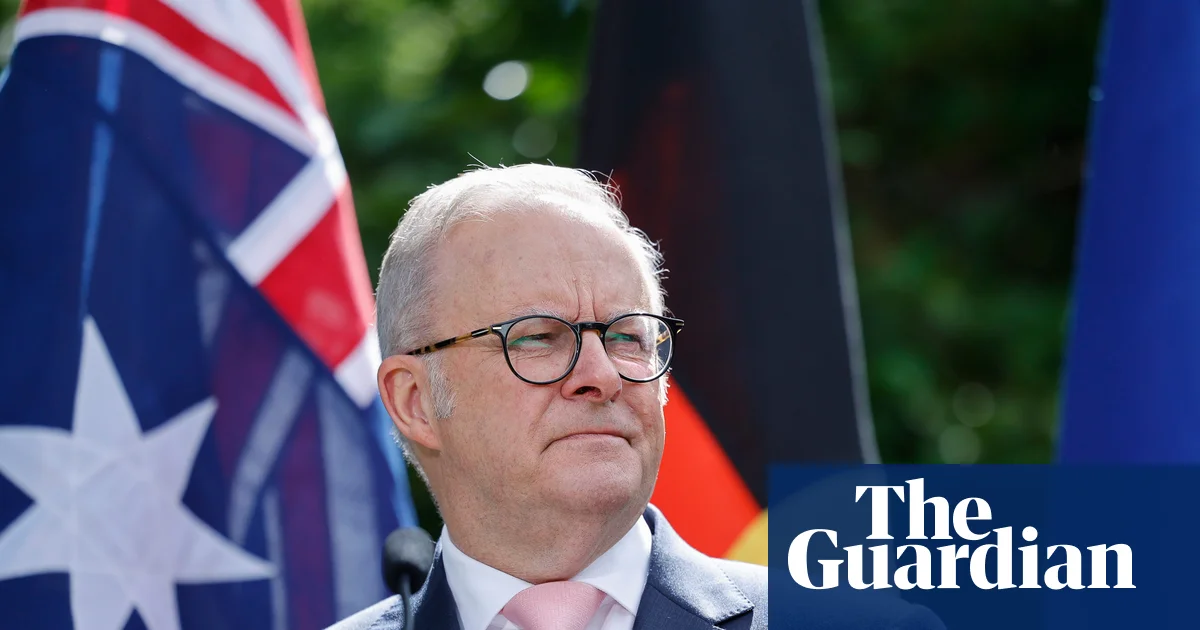
The ongoing negotiations over the health funding deal underscore a larger theme of national sovereignty and resilience. Prime Minister Anthony Albanese and his cabinet are under pressure to secure an agreement that balances fiscal responsibility with the urgent needs of Australia’s health system. The proposed delay in launching new programs, such as the autism intervention under the NDIS, signifies an attempt to buy time in a climate of fiscal strain and political brinkmanship. Such decisions, analysts argue, reflect a broader strategic calculus that may influence Australia’s role in regional security and economic stability, especially as rival powers like China and Russia continue to expand their influence in the Indo-Pacific.

Meanwhile, the alarm over aged care shortages and misuse of funding reveals underlying tensions within Australian society that echo wider global concerns about social stability and human rights. Reports of prolonged wait times—up to 245 days for in-home care—highlight the failure to meet basic societal obligations, sparking sharp criticism from opposition parties and international observers alike. The scandal surrounding the unauthorized use of restrictive practices against NDIS participants exposes a severe failure in safeguarding vulnerable populations, a crisis that echoes similar issues in various Western nations. These domestic failures threaten to undermine Australia’s diplomatic standing, as allies and adversaries alike scrutinize how internal policies shape its commitments to international standards.

Furthermore, the debate surrounding the federal government’s approaching gun buyback scheme exposes the delicate balance of sovereignty and security. Albanese’s push for a comprehensive program costing hundreds of millions faces resistance from regions like Queensland and the Northern Territory, complicating efforts to present a unified front on national security. This internal discord risks emboldening international actors who interpret Australia’s divisiveness as a sign of political fragility—an unintended signal in an era of rising geopolitical instability. As historians warn, such internal divisions could weaken Australia’s capacity to act decisively in regional conflicts and global crises, thereby fostering a perception of vacillation at a time when strong leadership is desperately needed.

Every decision in Canberra resonates beyond its shores, shaping the very fabric of international diplomacy and conflict. Nations watch closely as Australia contends with internal crises that threaten to spill over and influence regional power dynamics. From escalating health crises to security gambits, the choices made by Australia’s leadership may well determine whether the continent remains a pillar of stability or succumbs to internal discord that invites opportunism from rivals. The weight of history presses heavily upon this nation, whose trajectory now hinges on the resolve to prioritize national interests in a world teetering on the edge of chaos. The unfolding saga remains a stark reminder: in the theater of geopolitics, the stakes have never been higher, and the future is written in the decisions of today.

Albanese backs Herzog’s Australia trip as MP demands cancelation — Bondi terror attack aftermath

The Geopolitical Tensions Ignite in Australia Over Herzog’s Planned Visit

The upcoming visit of Isaac Herzog, the President of Israel, to Australia in February has transformed a diplomatic gesture into a flashpoint for international and domestic controversy. The Albanese government’s decision to host Herzog, amidst mounting violence in the Israel-Gaza conflict, underscores the profound geopolitical impact that international diplomatic decisions are increasingly carrying in an era of amplified global tensions. As pro-Palestinian protests threaten to flood streets nationwide, and security measures are heightened, analysts warn that this situation could further destabilize Australia’s social fabric and influence international relations.

This tension was precipitated by the December 2023 terror attack in Bondi, which left 15 civilians dead, prompting a deeply divisive debate on whether inviting Herzog to visit amid ongoing conflict and alleged war crimes is a prudent decision. Anne Aly, Australia’s Minister for Multicultural Affairs, refrained from outrightly endorsing the visit but acknowledged its importance in fostering unity. Conversely, Sophie Scamps, a member of Australia’s parliamentary opposition, and the Palestine Action Group have voiced vehement opposition. They argue that Herzog’s presence could “ignite further division” and could serve to legitimize a controversial figure accused by some international bodies of inciting genocide. These domestic divisions echo wider international debates over how nations should navigate relationships with Israel in a landscape scarred by accusations of war crimes and the ongoing humanitarian crisis in Gaza.

International Organizations and Historical Perspectives Shape the Discourse

Adding to the complexity, the United Nations—or more precisely, a commission of inquiry—has accused Israel of genocide in Gaza in a 2025 report, a document dismissed by Israel as “distorted and false.” Despite this, critics highlight that such accusations reflect a growing international criticism of Israel’s military conduct and raise questions about the legitimacy of Herzog’s visit. Historically, the international community has been divided over how to address Israel’s actions in Gaza, with some, such as the UN panel, framing Israeli policies as genocidal, while others, like Israel’s foreign ministry, dismiss such claims as “Hamas falsehoods”.

Observers including historians like Beverly Crawford and international analysts emphasize that the decisions taken by Australia in this context could have ripple effects well beyond bilateral relations. As U.S. and European alliances continue to grapple with their own external pressures, Australia’s handling of Herzog’s visit serves as a microcosm for the global debate over morality, solidarity, and strategic interests. The planned protests witness Australia’s detailed confrontation with its identity—balancing its historic alliance with Israel and its moral responsibility amidst a humanitarian crisis.

Decisive Actions Shape the Future of International Diplomacy

  • The Albanese government’s insistence on maintaining the visit despite protests reflects a broader choice—prioritizing diplomatic engagement over domestic and international dissent.
  • Major security responses and policy restrictions, such as the controversial protests and police restrictions in Sydney’s CBD, illustrate how internal security concerns are directly linked to international diplomatic gestures.
  • The ongoing debate about Herzog’s visit—and whether it will serve to deepen divisions or foster reconciliation—underscores **the critical importance of diplomatic strategy** in shaping regional stability and international perceptions of Australia’s role on the world stage.

As protests continue and the world watches, Australia’s decision stands as a stark reminder of how history’s heaviest questions—about justice, morality, and international order—are judged in its courts, in its streets, and in the corridors of power. The weight of history is relentless, and with each decision, the world edges closer to defining its moral compass in an era where illusions of separation give way to the profound interconnectedness of nations and peoples. In this moment, the future hangs in a delicate balance, a testament to how echoes of decisions made today will shape the legacy of generations to come—and the unfolding story of a divided world that seeks unity amidst chaos.

Australia News Live: Butler Faces Off Over Health Funding as Silvagni Premieres in Court

In a world marked by escalating geopolitical tensions and internal crises, Australia finds itself navigating a complex landscape that reflects broader international trends. From domestic legal controversies to regional environmental threats, the nation’s current trajectory illustrates how decisions at the government level can ripple through society with profound consequences. At the heart of these unfolding stories lies a template of the interconnectedness of global and domestic issues, revealing that the fabric of international stability is woven as much from internal disputes as from geopolitical confrontations.

Recently, the conviction of Tom Silvagni, the son of AFL legend Stephen Silvagni, for two counts of rape has ignited intense public debate. Initially shielded by suppression orders Protecting his identity, the lifting of these restrictions underscores a Â*shift toward transparency*Â in managing high-profile criminal cases. However, the repercussions extend beyond personal culpability, illustrating how the public exposure of individuals involved in sensitive crimes influences societal trust and legal accountability. Historians and legal analysts warn that such cases sit at a turning point, reflecting a societal preference for openness, yet risking mental health deterioration among those implicated. Moreover, this domestic incident echoes the broader global discourse on transparency and justice, highlighting how national narratives can mirror worldwide struggles for accountability.

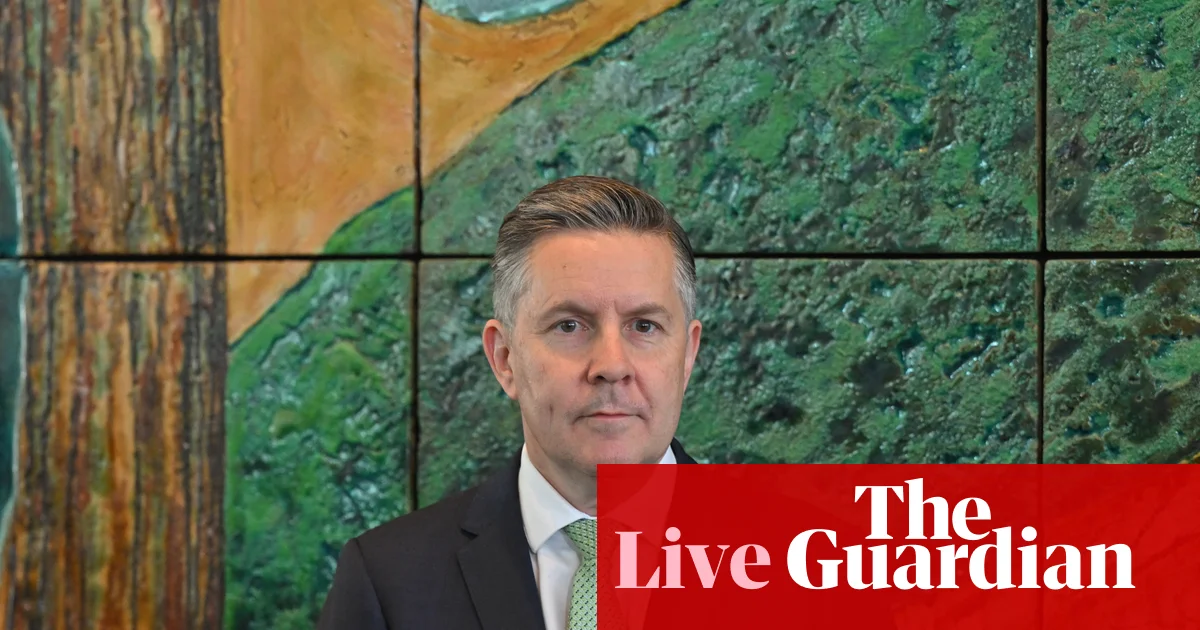
Simultaneously, the ongoing health funding standoff between the federal government and state leaders exemplifies a uncertain path toward a united policy framework. Minister Mark Butler has expressed hope that an additional $20 billion in hospital funding will facilitate an agreement before the holiday season. Yet, the implications extend beyond mere budget negotiations. As advocates for aged care and public health warn that shortages and staffing crises threaten societal well-being, this debate exemplifies how internal policies directly impact public safety and social cohesion. International health organizations, including the World Health Organization, caution that such divergences in policy and funding exacerbate disparities and threaten social stability, especially during periods of crisis. As history has demonstrated, unresolved domestic disputes tend to enflame regional tensions and open gateways for larger geopolitical struggles, making this current standoff not just a local affair but a beacon of larger systemic challenges.

Meanwhile, environmental concerns, notably the predicted marine heatwave conditions threatening the Great Barrier Reef, underscore the urgent need for international cooperation. As climate change continues to accelerate, Australia’s oceans have recorded their warmest 12 months, leading to recurring mass bleaching events. Analysts warn that the ongoing environmental degradation not only endangers one of the world’s most iconic natural wonders but also jeopardizes the economic and cultural fabric of regional societies that depend on tourism and marine biodiversity. Such ecological crises have the potential to destabilize regional power balances, inviting diplomatic tensions over environmental responsibility and climate policy. The response from the global community remains cautious, with some nations adopting a wait-and-see attitude, others pushing for stringent international measures—**yet the planet’s health hangs precariously in this unresolved tension**.

As history continues to unfurl amid the storm, these stories serve as a stark reminder that the weight of national crises is intertwined with the fate of global stability. From domestic legal upheavals to regional environmental threats, each decision, each crisis, emphasizes that our struggles are never isolated but part of a larger, unfolding narrative. The choices made today—whether in courtrooms, legislatures, or environmental summits—are the pages on which the forthcoming chapters of history are written. Only time will reveal if these fissures foster resilience or fracture the ties that hold the fabric of our shared future.

Australia news live: Bragg urges youth to support housing boom — says every backyard can host a new home or granny flat, tying Liberals’ future to housing growth

In a compelling display of how geopolitical decisions and national policy shifts ripple through societies, recent developments in Australia exemplify a nation grappling with internal challenges while positioning itself on the global stage. As the climate crisis intensifies, leading to devastating bushfires, and as domestic debates over housing affordability and social safety nets dominate political discourse, the international community watches with keen interest. The tragic loss of a firefighter at Bulahdelah underscores the vulnerability of Australian communities and the urgent need for both domestic resilience and international cooperation.

Within the political arena, the Liberal Party faces a generational crossroads. Shadow Minister Andrew Bragg, a leading moderate, openly links the party’s future to adopting a robust housing policy centered on upzoning and density reforms. At a Sydney conference, Bragg emphasized that short-term housing supply solutions—such as increasing density in single-family neighborhoods—could alleviate soaring prices and curb depopulation in traditional strongholds. This stance highlights a critical decision point for Australia’s policymakers: whether to prioritize economic growth and modernization or preserve entrenched community norms. Historians and analysts suggest that such policy shifts could have long-lasting effects on international perceptions of Australian stability, especially as the nation confronts its climate-induced emergencies.

Amid these internal debates, the ongoing bushfire crises reveal the international impact of environmental policies and resource management decisions. The death of a firefighter at Bulahdelah, along with the destruction of homes in Tasmania and NSW, serve as sobering reminders of how climate change exacerbates natural disasters, compelling Australia to reassess its commitments to climate resilience. The response by state leaders like NSW Premier Chris Minns and federal officials underscores the layered challenge of balancing immediate urban safety with long-term ecological strategies. According to climate analysts, Australia’s approach now could influence regional stability, resource allocation, and even migration patterns—effects that extend well beyond its shores.

Similarly, a domestic social crisis unfolds with the report that over 130,000 Australians with psychosocial disabilities remain unsupported—navigating a healthcare landscape fraught with gaps. The Grattan Institute advocates for a new national program to address this support deficit, emphasizing the importance of rebalancing resources both inside and outside existing frameworks. Such social policy choices are closely scrutinized within the broader international dialogue on social safety and human rights. As advocates and critics debate, the true test will be whether Australia can translate these internal reforms into a model for regional stability, showcasing resilience in the face of multifaceted crises and demonstrating leadership in global forums that emphasize social justice.

Finally, these domestic and environmental crises are a chapter in a larger unfolding narrative—one where geopolitical stability, climate adaptation strategies, and social cohesion become intertwined on the global stage. As international authorities advise caution and urge for collaborative solutions, Australia’s choices in policy, safety, and climate resilience will leave an indelible mark on history. The sacrifices of its emergency personnel, the debates over housing reform, and the ongoing battle against nature’s fury are not isolated incidents—they are the threads of a story that will define the resilience or vulnerabilities not just of Australia, but of the modern world itself. The pages of history are still being written, and the weight of this moment reverberates far beyond the shores of the Pacific.

Australia Ponders Banning Kids from Social Media—Is This the Future?

Australia’s Bold Attempt at Online Child Safety Sparks Global Debate

In a move that has captured the world’s attention, Australia has embarked on a pioneering but controversial mission: the implementation of a nationwide social media ban for children under 16. Announced by Prime Minister Anthony Albanese in November 2024, this legislation aims to create a digital environment deemed safer for the next generation. The law mandates platforms like Snapchat and others to adopt age verification measures, with penalties reaching up to $49.5 million in fines for serious breaches. Yet, beneath the surface of lofty intentions lies a complex, deeply contested battleground—where technological feasibility, societal safety, and individual freedoms collide. As critics question whether the policy can truly deliver on its promises, the geopolitical impact extends far beyond Australia’s borders, igniting debates around the world about how best to protect children in an era dominated by digital monsters.

Tech giants and policymakers find themselves at a crossroads: the decision to enforce such stringent safeguards could either mark a new era of digital responsibility or open Pandora’s box of evasion and loopholes. Experts, such as Tony Allen of the UK-based Age Check Certification Scheme, concede that verification methods like ID checks, facial scans, and activity-based inferences are “technically possible,” but none are foolproof. With teenagers like Isobel already outsmarting the system—she managed to deceive Snapchat’s age verification within minutes—doubts persist about the law’s enforceability. Social media platforms are also alert to the economic motives of the legislation, with firms like Facebook and Google potentially viewing it as a temporary hurdle. The threat of legal challenges looms large, as teenagers and privacy advocates question the constitutionality and Orwellian scope of the law, while tech companies consider their next move in what could become an global precedent.

The geopolitical impact of this policy extends beyond mere legislation. Australia‘s aggressive stance serves as a potential blueprint for other nations, prompting a ripple effect in what some analysts call a “digital front line” for child safety. Countries across the **Western Hemisphere** and **Europe** observe closely—each weighing the balance between technological control and the fundamental rights of youth. International organizations like the UN and EU are scrutinizing the law, with voices warning that such policies might inadvertently shift vulnerable children into darker corners of the web—chatrooms and gaming sites that remain outside regulatory reach. Critics, including former officials like Julie Inman-Grant, argue that this blunt approach may distract from broader, more nuanced reforms necessary to safeguard mental health and prevent harm online. The trajectory of Australia’s policy, whether it ultimately curbs harm or exacerbates risks, could influence global norms on digital child protection in the years to come.

As history unfolds beneath the weight of these unprecedented decisions, one thing is clear: the quest to define the boundaries of online safety is becoming a defining challenge for nations and societies alike. The question remains whether technological walls can— or should—block the tidal wave of free expression and innovation that drives the internet. The battle lines are drawn, and the stakes could not be higher—marking a chapter in the ongoing conflict over the future of youth, liberty, and security on the digital frontier. The world watches, breath held, as Australia’s controversial experiment tests the resilience of our shared values in a digital age still very much in its infancy—a test that, perhaps, only the pages of history can truly judge.

Australia Wildfire Devours Homes, Urging Action from Authorities

In a stark reminder of the escalating climate crisis, Australia’s state of New South Wales is grappling with an unprecedented surge in wildfires, with reports confirming the destruction or damage of at least 12 homes near Sydney. The fire outbreak in the coastal town of Koolewong has become emblematic of broader environmental upheavals fueled by soaring temperatures across the region. As firefighters scramble to contain the flames, the incident underscores a critical, global issue—climate change—whose effects are no longer distant threats but immediate dangers to communities and national security.

Analysts and climate experts warn that this surge in wildfires is part of a wider pattern observable in multiple parts of the world, where extreme weather events are becoming the new normal. The United Nations climate reports have repeatedly emphasized the urgent need for international cooperation to reduce greenhouse gas emissions—yet, contradictory policies, especially among major economic powers, continue to hinder meaningful progress. Historically, nations that ignore the mounting ecological and economic costs of climate inaction risk destabilizing their societies and geopolitical standing. The current crisis in New South Wales is a microcosm of this larger threat, illustrating how local disasters are inextricably linked to international environmental policies.

This catastrophe is also shaping the geopolitical impact of climate change, forcing governments to reevaluate their commitments and strategic priorities. How countries respond to such crises influences their global standing and alliances. For instance, Australia’s intense focus on fire mitigation efforts and emergency preparedness signals a nation prioritizing internal stability amidst environmental chaos. Meanwhile, some critics argue that accusations of insufficient climate action—despite recent investments—highlight ongoing political struggles, with fossil-fuel interests still wielding considerable influence. International institutions like the IPCC and the World Meteorological Organization continue to warn that the window to prevent irreversible climate tipping points is closing rapidly. The ongoing wildfires serve as a harsh warning—our world is entering a new era where environmental stability is increasingly dependent on international resolve.

As history unfolds, the current wave of wildfires might well be remembered as a turning point—a stark illustration of how neglecting environmental stewardship leads not only to ecological devastation but also to profound social and geopolitical upheaval. It is a moment that demands reflection, action, and a steadfast redefinition of priorities. The fate of millions, the stability of nations, and the legacy we leave for future generations hinge on the decisions made today. The flames tearing through New South Wales are more than a local tragedy; they are a fiery chapter in a global story of resilience, responsibility, and the relentless march of history confronting humanity’s greatest challenge.

Australia pledges $95M military aid to Ukraine amid rising tensions; suspect faces murder charge in northern NSW

In a decisive move that underscores the mounting international tensions amid an ongoing conflict in Ukraine, the Australian government has pledged an additional $95 million in military support for Kyiv, bolstering its commitment to counter Russia’s aggression. Announced by Defence Minister Richard Marles and Foreign Minister Penny Wong, this latest aid package raises Australia’s total support since the conflict’s onset to over $1.7 billion. This reinforcement is not isolated; it aligns with NATO-led initiatives such as the Prioritised Ukraine Requirements List (PURL), aimed at delivering critical military equipment including radars, munitions, and the final deployment of 49 Abrams tanks to bolster Ukraine’s defenses.

As Australia exhibits unwavering backing for Ukraine’s sovereignty, the global repercussions of such commitments ripple across geopolitics. The decision to intensify sanctions against Moscow’s shadow fleet of oil tankers signals a broader effort by allied nations to choke Russia’s circumventing tactics—highlighted by the targeted measures on vessels supporting Moscow’s illicit energy trade. These diplomatic and military maneuvers, analyzed by international observers, reinforce the trajectory of multilateral efforts to uphold international law against Moscow’s provocations. Experts from institutions like the Council on Foreign Relations warn that these actions could set a precedent that complicates future diplomatic negotiations, potentially intensifying the geopolitical divide.

Simultaneously, domestic issues dominate the political landscape. In Australia, economic policy debates confront the reality of slow growth and persistent inflation, with Treasurer Jim Chalmers dismissing claims that the economy might be at its “speed limit.” The recent national accounts, showing just 2.1% annual growth, are being interpreted optimistically, with Chalmers emphasizing that private sector recovery and productivity gains signal a promising outlook. However, the buildup of inflationary pressures has sparked speculation of impending interest rate hikes by the Reserve Bank of Australia, risking a delicate balancing act for policymakers intent on maintaining economic momentum without igniting runaway inflation.

Meanwhile, issues underlying the nation’s internal security and resource management have gained prominence. The Australian Bureau of Statistics announced it would begin accounting for illegal cigarette sales—a covert economy that has seen a 29% drop in legal tobacco sales, an anomaly revealing deeper challenges. Experts warn that the surge in black market tobacco trade not only skews economic data but also facilitates criminal activity, exemplifying how organized gangs may exploit economic shifts. The government’s efforts to estimate illicit sales through innovative methods like wastewater detection aim to bring these shadow activities into the official economic framework, a move that could reshape how Australia measures its growth and stability.

From the battlefield of eastern Europe to the halls of domestic policy, Australia’s decisions reflect a nation grappling with international responsibilities and internal vulnerabilities. The support for Ukraine demonstrates an active role on the global stage, defending what many see as the values of sovereignty and democracy. At the same time, the challenges at home—economic slowdowns, inflation, and illicit trade—serve as a stark reminder that the weight of history is not only shaped by international conflict but also by the resilience and resolve of societies to confront their own crises. As policymakers navigate these intersecting currents, one thing remains clear: the unfolding story of national and international sovereignty continues to be written, and the next chapter may determine the balance of power for generations to come.

Social Media Auto Publish Powered By : XYZScripts.com