Matox News

Truth Over Trends, always!

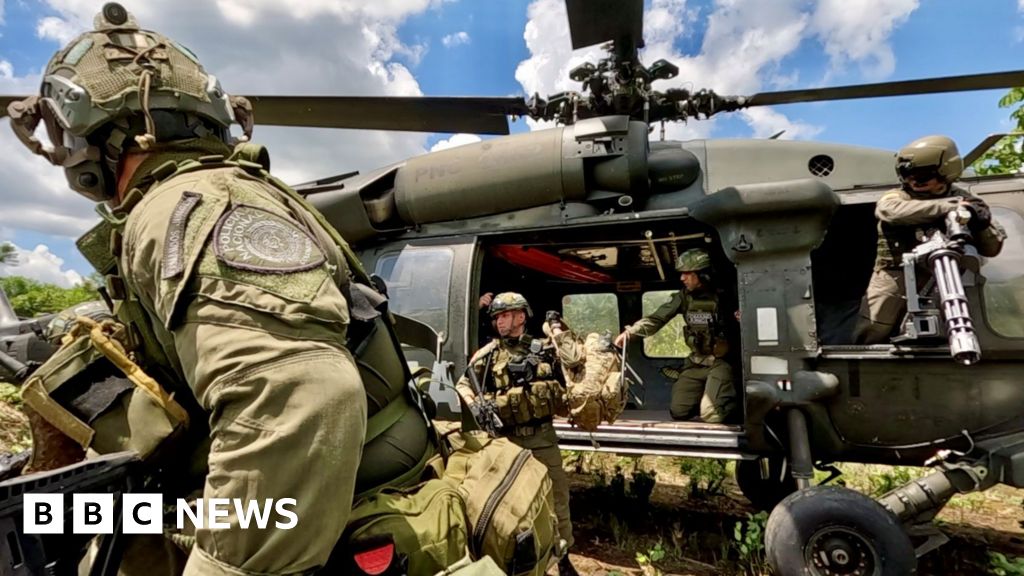
Watch: BBC Reports on Colombian Commandos Staying Strong Against Persistent Drug Gangs

US-Colombia Summit Highlights Strategic Shifts in Latin America

In a significant display of diplomacy and alliance-building, President Joe Biden of the United States and President Gustavo Petro of Colombia recently convened to address shared challenges in the region, with a particular focus on regional security and drug trafficking. These high-level talks mark a renewed commitment from two nations deeply intertwined through history, now confronting contemporary issues with strategic resolve.

The summit occurred amidst an evolving geopolitical landscape, where the U.S. aims to assert its influence in Latin America against a backdrop of rising regional powers and shifting alliances. Critics argue that the meeting underscored the importance of maintaining American dominance through strategic partnerships, especially at a time when drug trafficking remains a persistent threat to stability and public health. The leaders discussed plans to bolster cooperation, including enhanced intelligence sharing, military aid, and joint operations targeting narcotrafficking networks.

In tandem with diplomatic engagements, on-the-ground intelligence operations continue to play a critical role. Recently, journalist Orla Guerin reported from within a Colombian police unit tasked with locating and destroying clandestine jungle cocaine labs—these remote operations are emblematic of the ongoing efforts to dismantle drug trafficking infrastructure. Such units face harsh terrain and sophisticated enemy defenses, illustrating the intensity of the clandestine battle that threatens to spill over international borders. Analysts suggest that these actions are crucial, not only for regional stability but also in curbing the flow of illegal substances into the United States and beyond.

Implications for Regional Security and International Relations

  • Enhanced cooperation between the U.S. and Colombia signals a strategic pivot toward more active counter-narcotics campaigns that incorporate both military and socio-economic measures.
  • The ongoing fight against drug cartels underscores the need for a comprehensive approach—military strikes, community engagement, and international legal cooperation—to effectively weaken these criminal networks.
  • Global institutions, such as the United Nations Office on Drugs and Crime, warn that failure to address these issues could lead to increased violence, migration crises, and regional destabilization, threatening broader international stability.

Internationally, the geopolitical impact of these developments extends beyond Latin America. As the U.S. seeks to maintain influence, some observers highlight the risk of militarization fueling local unrest or empowering authoritarian tendencies, especially in countries like Colombia where government legitimacy remains fragile. Historians and regional analysts caution that the decisions made today could shape the geopolitical fabric for decades to come. Should these collaborative efforts succeed, they could serve as a model for international cooperation against transnational crime. However, failure to adapt strategies or address socio-economic root causes risks entrenching instability and chaos.

As history continues to unfold in the dense jungles and political chambers of Latin America, the weight of choice hangs heavily. The battle against narco-trafficking is more than a fight over illegal substances; it is a defining moment to demonstrate resolve, sovereignty, and the capacity to shape the future. The world watches as these nations forge a fragile path toward stability—an uncertain journey marked by perseverance, diplomacy, and the relentless pursuit of order amid chaos. The next chapter remains unwritten, but its implications will resonate across generations to come.

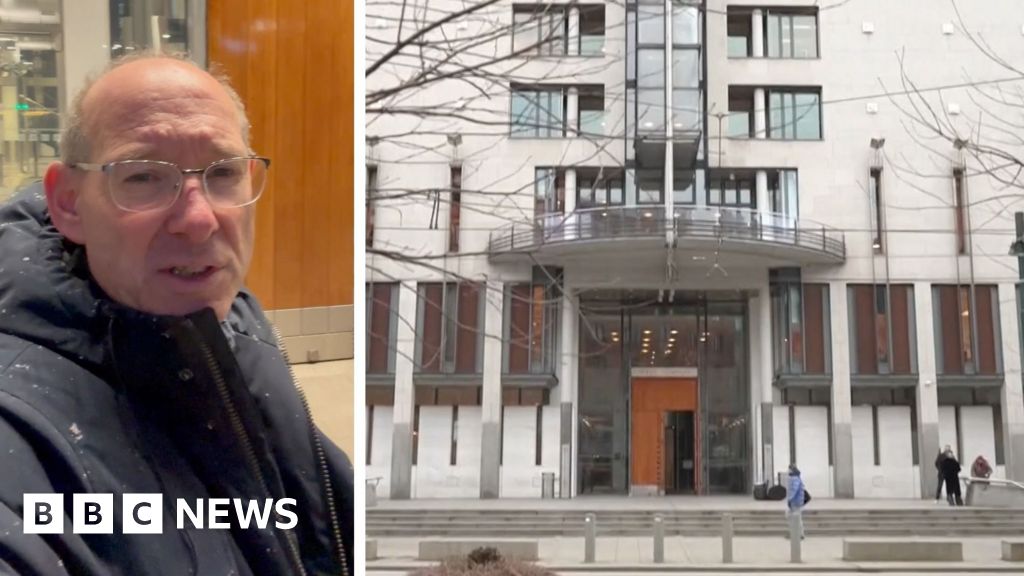
BBC Reports from Oslo Court as Crown Princess’s Son Faces Rape Trial

High-Profile Legal Proceedings in Norway Cast Shadow Over Royal Image Amidst Broader International Tensions

The forthcoming trial of Marius Borg Høiby, the son of Norway’s Crown Princess Mette-Marit, has captivated international attention as it prepares to unfold in Oslo. Accused of 38 charges—including severe allegations of sexual assault, threats, drug offenses, and property damage—Høiby’s case highlights the vulnerabilities of even the most privileged in society. If convicted, he risks a sentence surpassing a decade in prison, a stark reminder that no one is immune from justice, regardless of royal lineage. The recent re-arrest of Høiby, who has now been detained four times since August 2024, underscores the gravity of the accusations and the volatile environment surrounding his legal troubles.

This episode emerges amid revelations of links between his mother and Jeffrey Epstein, the infamous sex offender whose name continues to resonate across geopolitical corridors. These ties, although not necessarily indicative of guilt, raise concerns about the morality and integrity within elite circles, further fueling public mistrust towards the monarchy’s image. International analysts scrutinize this case not just as a national crisis but as part of a broader narrative where the actions of the powerful—especially those connected to prominent families—can undermine a nation’s social fabric. As United Nations and European Union institutions warn against the erosion of trust in leadership, Norway’s royal scandal underscores how personal misconduct can ripple across diplomatic and societal domains.

Impact on International Perception and Geopolitical Stability

Reflecting on this case illuminates a deeper geopolitical impact—how domestic scandals within influential nations shape their international standing. Norway, traditionally viewed as a model of stability and ethical governance, now grapples with an internal crisis that threatens its carefully curated reputation. Such scandals offer adversaries a foothold for criticism, especially within regions eager to highlight perceived moral failings in Western democracies. Economically, the scandal’s fallout could influence investor confidence, especially in sectors tied to Norway’s resource wealth and stability. Moreover, geopolitical analysts warn that these episodes of internal discord, if left unaddressed, risk emboldening opposition factions and destabilizing the social order.

Leading international organizations and security experts articulate concern that scandals featuring royal figures and their families challenge the notion of moral authority necessary for upholding sovereignty and national cohesion. As the case unfolds, the world will watch keenly, recognizing that the consequences extend beyond Norway’s borders. It becomes a symbol of whether societal elites are held accountable, or if they remain above the law, setting a dangerous precedent for societies across the globe.

Historical and Present-Day Parallels: Justice Without Borders

Historically, countries have experienced profound upheavals when scandals involving elites become public. The fall of empires and monarchies can often trace their roots to hidden truths revealed at times of crisis. Today, Norway’s predicament echoes what historians like Barbara Tuchman and Hannah Arendt warned about—the danger of unchecked privilege and the erosion of moral authority. International organizations such as the United Nations emphasize the importance of justice and transparency for peace and stability. Yet, this case serves as a stark reminder that the thin veneer of civility can be shattered overnight when the powerful are exposed, irrespective of national borders or political systems.

As Norway’s courts and society grapple with this controversy, a haunting question remains: Will this be a defining moment for accountability and integrity, or just another chapter in the long saga of elite immunity? The answers lie in how justice is served and whether the tide of public sentiment will uphold the rule of law or be consumed by sensationalism. As history continues to unfold, the weight of this scandal presses heavily upon the shoulders of its participants and observers worldwide—imposing the enduring reminder that no society is immune from the shadows cast by its own secrets.

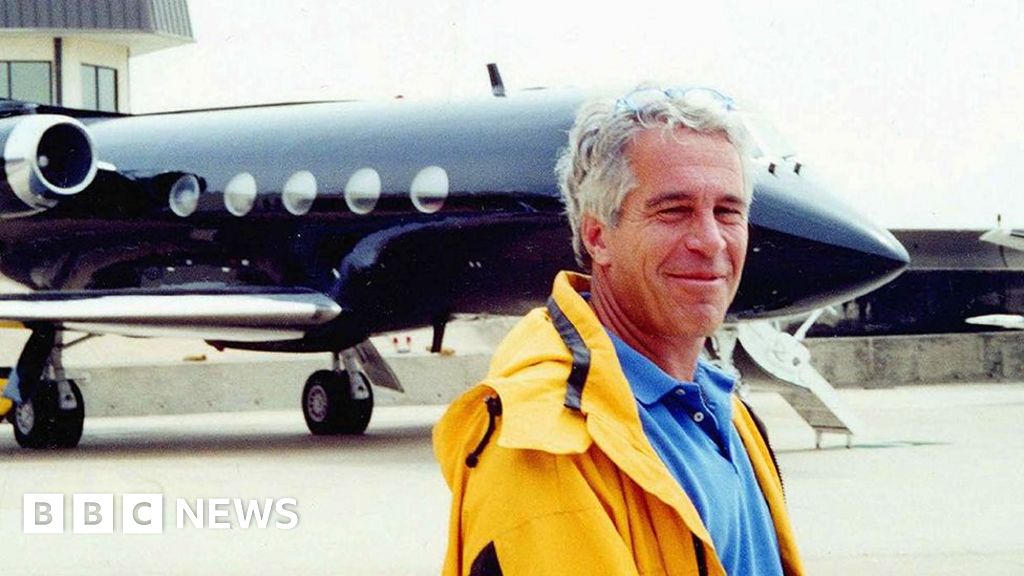
BBC reveals Epstein’s UK flights included alleged British abuse victims—justice must be served.

In a development that underscores the persistent shadows cast by Jeffrey Epstein‘s murky international activities, a BBC investigation has revealed over 87 flights linked to the disgraced sex offender arriving in and departing from UK airports spanning nearly three decades. These revelations expose the shocking extent of Epstein’s entanglement with Britain, exposing how a man convicted of soliciting sex from minors was able to traverse borders with apparent impunity—raising serious questions about the integrity of international oversight and the efficacy of UK immigration policies.

Despite Epstein’s death in 2019, the emerging flight logs and documents suggest a disturbing pattern of ongoing activity well after his 2008 conviction. The fact that at least 15 flights occurred after the conviction, when Epstein was registered as a sex offender in the US, signifies glaring lapses in border security and potentially, a network of enablers within Britain. American lawyers representing his victims have criticized UK authorities for failing to launch a comprehensive investigation, emphasizing that the UK was a “centerpiece” of his operations. Analysts warn that this oversight not only hampers justice for victims but also signals a broader failure to recognize the danger posed by international traffickers—an issue the US and Britain must confront collectively, lest similar tragedies occur in the shadows again.

Furthermore, the involvement of British women in Epstein’s flights, including testimonies from survivors like Kate, exposes the depth of complicity that could have been overlooked or deliberately ignored. According to legal experts like Prof Bridgette Carr, trafficking cases often involve complex networks of professionals—from accountants to legal advisors—working in concert to facilitate these heinous crimes. The inability or unwillingness of UK police to pursue further inquiries, despite internal reviews, underscores a critical failure in safeguarding vulnerable populations. As historians and critics argue, these missed opportunities for justice could be remembered as one of Britain’s darker chapters—an era when the machinery of justice failed its victims, allowing predators to operate across borders with little accountability.

The geopolitical impact of Epstein’s UK connections extends beyond crime. It raises profound concerns about how international decisions influence societal fabric. Epstein’s trips to royal residences, and his frequent movements through London’s Heathrow and other airports, reveal the vulnerabilities in border policies—especially when short-term visa rules allowed US citizens with criminal convictions to slip under the radar. The U.S. authorities’ refusal to declassify Epstein-related files, despite the Jeffrey Epstein Transparency Act deadline, fuels suspicion that powerful interests may have concealed—either purposefully or inadvertently—links between Epstein and influential global figures. These revelations threaten to tarnish foreign relations, undermining Britain’s claim to moral authority on human rights and prosecution of sex crimes.

As the international community watches, the questions remain: who else was complicit? How many victims’ voices have been silenced by bureaucratic apathy or international diplomatic complicity? The unfolding story is not just about a single pervert’s depravity but a warning—an ominous reminder that the fabric of justice and sovereignty is fragile, especially when overshadowed by influence peddling and diplomatic interference. The tapestries of history are still being woven, and the next chapter remains unwritten. Will protocol and vigilance finally catch up with the dark corners of prescriptive diplomacy, or will the shadows of Epstein’s empire continue to cast a pall over global society, leaving generations to wonder what might have been saved, had they acted sooner?

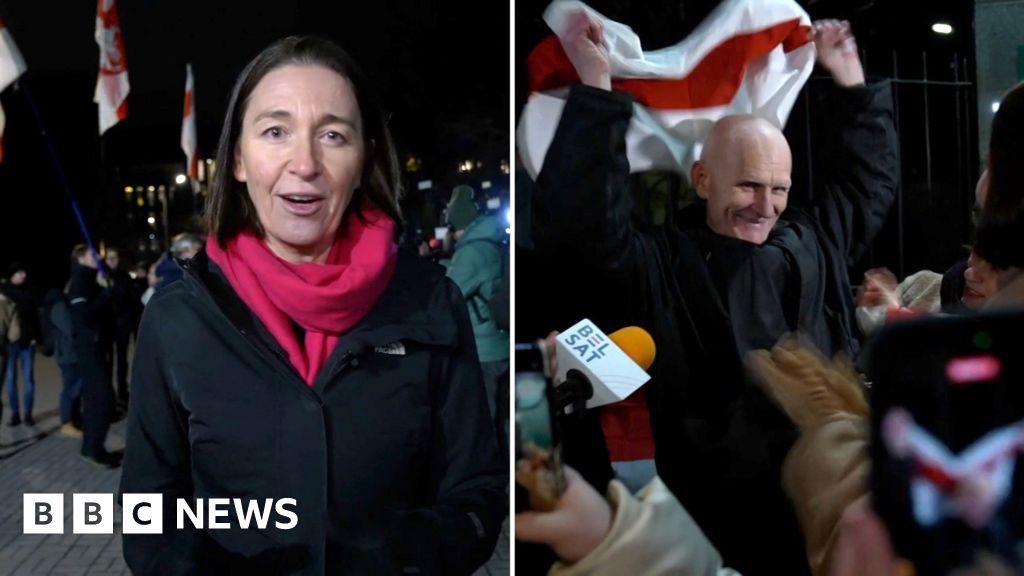
BBC reports Belarus releasing political prisoners amid celebrations

In a striking development that signals a potential recalibration of Belarusian politics and international relations, the authoritarian regime in Belarus has released 123 prisoners following an abrupt change in U.S. foreign policy. Central to this move are figures like Maria Kolesnikova, a recognized opposition activist, and Ales Bialiatski, the Nobel Peace Prize laureate whose imprisonment had drawn widespread international condemnation. This decision marks a significant turning point in the ongoing conflict between the West and Lukashenko’s government, emphasizing how economic sanctions and diplomatic pressure influence political trajectories.

The U.S. government’s decision to lift sanctions appears to be a strategic maneuver designed to foster dialogue and stability within the region, yet it also signals a shift in Washington’s approach toward Belarus. Analysts from the International Crisis Group suggest this move could open the door for greater engagement, but it also raises suspicions about whether Minsk’s leadership might exploit this gesture to consolidate power. From the perspective of Russia, which continues to wield indirect influence over Minsk, this development could serve as a means to tighten its own grip in Eastern Europe, especially as geopolitical tensions remain heightened over Ukraine and NATO’s eastern flank.

Correspondents such as Sarah Rainsford from the BBC report from Lithuania, where some of the released prisoners have been taken, indicating the broader regional implications. Lithuania, along with the Baltic states, has long viewed Belarus as a security concern, particularly due to Lukashenko’s cozy ties with Moscow. The prisoner releases underscore the fragile negotiations taking shape, but they also threaten to destabilize the existing equilibrium, prompting concerns that the international community’s efforts to promote democracy and human rights in Belarus could be compromised by diplomatic realpolitik.

Historically, Belarus has been a key piece in the geopolitical chess game between Russia and the West. As noted by geopolitical analysts, previous attempts to influence Minsk were often met with skepticism, given the regime’s resilience and strategic alliances. While the recent prisoner release might seem like a reciprocal gesture, it remains to be seen whether this is a fleeting diplomatic gesture or a genuine step toward reform. Many international experts warn that without substantive reforms, the underlying issues of authoritarianism and regional instability will remain unresolved, leaving history poised at a dangerous crossroads.

As Belarus treads this delicate path toward potential détente, the weighing of its decisions extends far beyond its borders. The decisions made today—whether they lead to genuine change or temporary appeasement—will ripple across the Eastern European landscape. The unfolding story remains a testament to how history’s pendulum swings, driven by the relentless forces of geopolitics and the enduring quest for power, sovereignty, and stability. In the shadow of the U.S.-Belarus deal, each step forward carries the weight of a continent watching, waiting—an epoch’s destiny hanging in the balance, as the future of collective freedom and authoritarian endurance continues to be written in the margins of history.

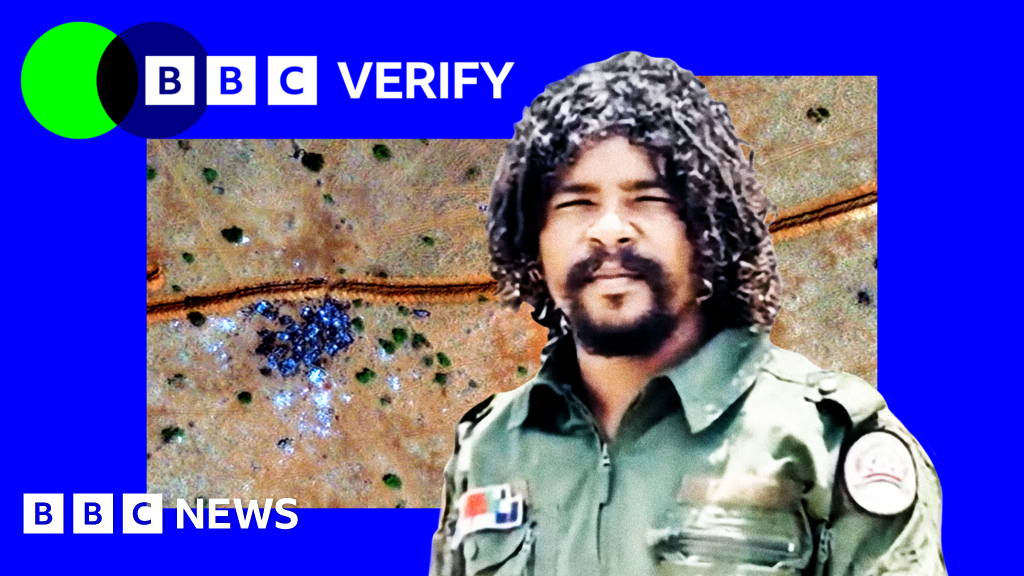
UK sanctions RSF commander linked to Sudan massacre, BBC Verify reveals

In the turbulent landscape of Sudan, recent developments have cast a grim spotlight on the ongoing civil war that has shattered the nation for over two years. The collapse of fragile alliances between the Sudanese Armed Forces and the Rapid Support Forces (RSF) has plunged what remains of the country’s stability into chaos, with the city of el-Fasher emerging as a key battleground. The recent massacre uncovered there exemplifies the brutal reality faced by civilians caught in the crossfire, with international reactions intensifying as evidence of war crimes surfaces. The UK’s decision to impose sanctions on RSF commanders, including Brig. Gen. Al-Fateh Abdullah Idris aka Abu Lulu, underscores the severity of atrocities committed, further escalating geopolitical tensions.

The UK government denounced Abu Lulu’s role in the massacre, which was documented by BBC Verify showing him executing unarmed captives after the RSF seized el-Fasher, the last major stronghold in Darfur. The footage and satellite images revealing mass graves have triggered a surge in international outrage. UK Foreign Secretary Yvette Cooper stated that these events are “a scar on the conscience of the world,” and announced targeted sanctions, including travel bans and asset freezes, against key RSF figures. This response aligns with calls from historians and analysts who warn that such blatant acts of violence threaten to ignite a wider regional destabilization, potentially drawing in neighboring countries and international powers committed to maintaining order amidst chaos.

Adding fuel to the fire, the United States has announced its own sanctions targeting a network of companies linked to mercenaries recruited from Colombia—a move highlighting the transnational nature of the conflict. Reports indicate that hundreds of Colombian fighters, including drone pilots, have entered Sudan post-2024, fighting for the RSF. President Donald Trump’s recent social media post signals a renewed U.S. focus on Sudan, pledging to “start working on Sudan,” a clear effort to stem the chaos and prevent further regional spillover. Egypt, Saudi Arabia, and the UAE have also hinted at increased involvement, underscoring the geopolitical impact of the Sudanese civil war, which is now more than just internal strife but a chessboard for international influence.

As analyses from organizations such as the United Nations warn of potential escalations, the clash does not solely threaten Sudan’s sovereignty but risks igniting a broader conflict fueled by proxy powers. Each blow, each massacre, shapes the narrative of a nation on the brink—teetering between collapse and the dawn of a new chapter in history. With the arrest of Abu Lulu and the concerted sanctions by Western powers, there is a fleeting hope that justice may be served. Still, the shadows cast by these atrocities linger, and the story of Sudan continues to unfold, a stark reminder that in the midst of turmoil, history’s hand remains heavy, and the future remains unwritten.

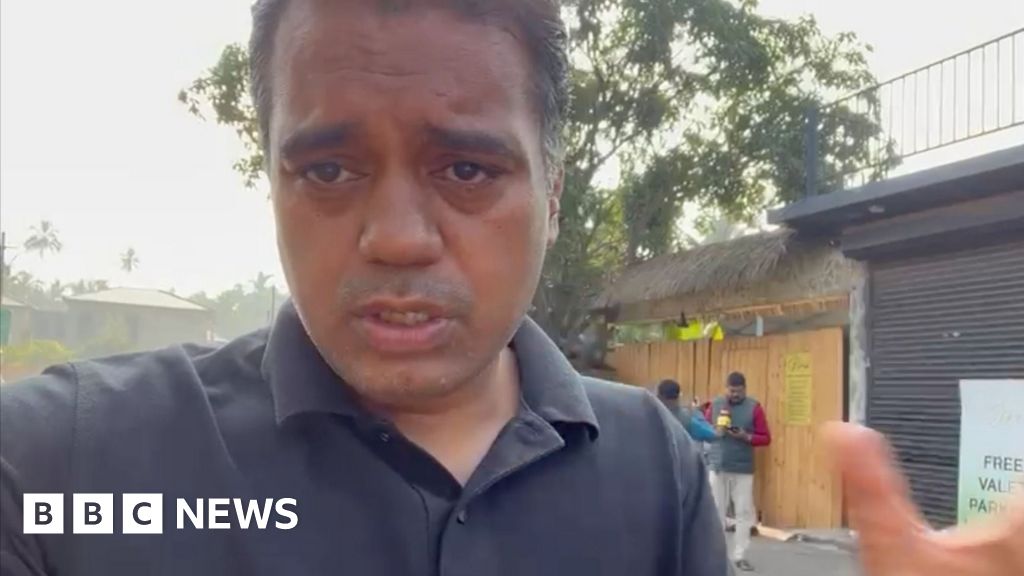
BBC reports tragedy at Goa nightclub blaze—youths caught in deadly fire

The devastating fire at the nightclub Birch in Goa, India, which claimed the lives of 25 individuals, including staff and tourists, has sent shockwaves across both local communities and the international community. As authorities launch investigations into the cause of the blaze, this tragedy emphasizes the persistent dangers faced by social venues worldwide, especially in countries where regulatory oversights may be insufficient.

The incident unfolded when witnesses described the nightclub being engulfed in what one eyewitness called a “complete fireball,” suggesting a rapid and catastrophic spread of flames. The BBC’s India Editor Vikas Pandey’s visit to the scene illuminated the extent of the destruction, prompting urgent discussions about safety standards in popular tourist destinations. Fire safety lapses, poor infrastructure, and inadequate emergency response protocols have become recurring themes in such disasters, prompting international analysts to caution against complacency. Global institutions such as the World Health Organization and UNEP have long warned that lax safety regulations in developing nations not only threaten lives but also tarnish their reputations on the tourism and investment fronts.

While investigations continue, the geopolitical impact of such incidents cascades beyond India’s borders. Countries heavily dependent on tourism, like Thailand and Mexico, watch these events with concern, recognizing the fragile balance of economic reliance on safety and hospitality standards. Decisions regarding regulation enforcement and safety investment directly influence how tourists perceive risks, ultimately affecting international travel flows. Moreover, this tragedy compounds existing narratives about safety in emerging markets—narratives that are often exploited by political actors aiming to undermine confidence or push for reforms. How nations respond to such crises can determine their future standing on the world stage.

Analysts and historians stress that history repeatedly demonstrates how failures in public safety often serve as catalysts for systemic policy shifts. In India, this incident could become a pivotal moment, accelerating reforms in safety standards for entertainment venues nationwide. Such reforms, however, carry their own political and economic implications, potentially imposing burdens on local businesses and shaping regulatory landscapes for years to come. The international community, through organizations like the International Labour Organization, emphasizes the importance of proactive measures—yet many developing nations grapple with implementing such policies amidst the pressures of tourism-driven growth. How governments prioritize safety and regulatory adherence reflects a broader question about their commitment to citizen and visitor security.

As the smoke clears over Goa and investigators sift through the charred remains of the nightclub, the true weight of this tragedy is yet to unfold. The loss of life serves as a stark reminder that beneath the allure of entertainment and relaxation, societal vulnerabilities remain. History’s pages are being written in real-time, and while nations strive to rebuild and reform, the shadow of this fire looms large—its echoes urging the international community to wake from complacency and remember that the margin for error in safety is razor-thin. This incident is a stark chapter in the ongoing saga of human resilience and societal responsibility, with the weight of history still unfolding.

Keir Starmer Confirms No Discussion Yet with Donald Trump Amid BBC Panorama Controversy

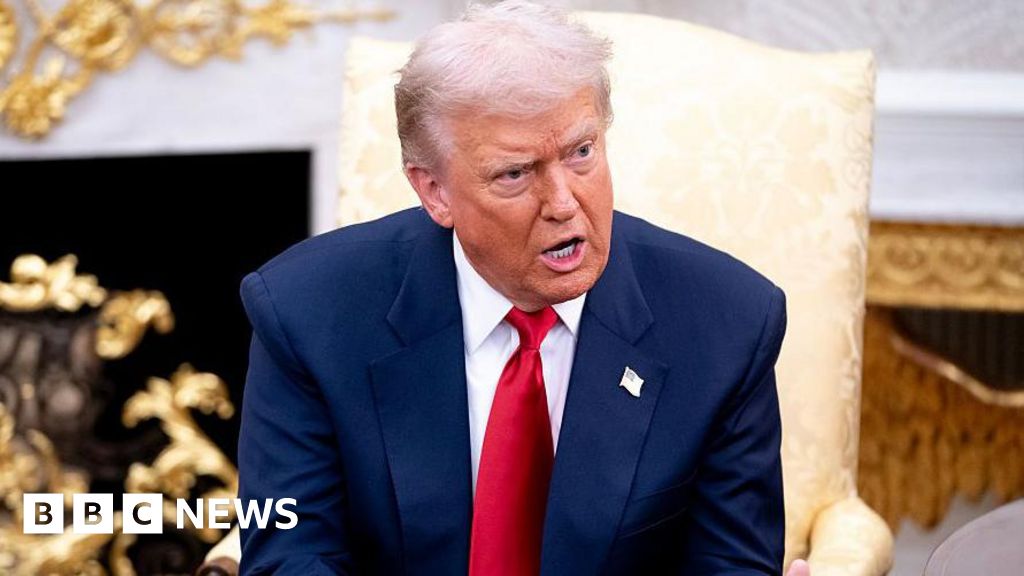
In an era where the boundaries between reality and narrative are increasingly blurred, the recent controversy surrounding the BBC’s Panorama fabricates a compelling reflection of how culture functions as both the custodian and the battleground for societal identity. When Donald Trump announced plans to sue the corporation over their editing of his speech, critics and supporters alike were reminded that media shapes memory—but also that it wields the power to distort reality, influencing the very fabric of national discourse. As Prime Minister Sir Keir Starmer emphasizes the importance of an independent and trusted BBC, we are reminded that cultural institutions are not merely repositories of entertainment but foundational pillars of our collective conscience.

Throughout history, culture has served as the ultimate vessel for tradition, identity, and societal continuity. The principle of an independent press, championed by thinkers like Ortega y Gasset, underscores the view that the vitality of a democratic society depends upon the integrity of its narratives. When media outlets are accused of editorial failings—whether through bias, omission, or manipulation—they threaten to fracture the very identity they are meant to serve. The BBC’s apology for the misleading portrayal of Trump’s speech and the subsequent legal threats reveal how fragile this cultural integrity can be, especially when harnessed as a tool in larger geopolitical and ideological struggles. Such moments echo the shifting sands of cultural authority, reminding us that the memory of a society is as susceptible to distortion as a fragile tapestry.

The current media saga is also a testament to the profound influence of cultural memory, echoing Tocqueville’s insights on how democracy relies on the shared narratives that uphold societal bonds. As critics deliberate over the rights to depict truth, the central question emerges: Whose story is being told? And for what purpose? The fact that Trump’s legal team has considered suing for billions underscores how cultural battles now take on economic and geopolitical dimensions—each contesting the narrative as if it were an existential inheritance. Meanwhile, behind closed doors, diplomatic gestures—like the rumored discussions involving Downing Street officials—highlight how culture is seldom divorced from power, each shaping the other in a relentless dance of influence and resistance.

As T.S. Eliot posited, “The past is never dead; it’s not even past.” The scars and stories etched into our media, our institutions, and our collective memory form the bedrock of society’s identity. Yet this legacy is also prophetic: it informs possible futures, guiding societies through the murky waters of misinformation and ideological manipulation. Culture, in its purest form, remains both the mirror of our memories and a blueprint for our destiny. Our challenge lies not merely in guarding this sacred treasury but in recognizing that the true power of culture rests in its capacity to inspire, to preserve, and to project the enduring spirit of humanity—a timeless force that whispers, even amid the chaos, that we are more than fleeting stories: we are an ongoing narrative of resilience and hope.

David Nicholls Set to Bring Adrian Mole's Secret Diary to BBC for a Fresh Generation
David Nicholls Set to Bring Adrian Mole’s Secret Diary to BBC for a Fresh Generation

Global Cultural Shifts and the Power of Nostalgia in a Fragmented World

In a moment of profound geopolitical upheaval, cultural narratives continue to serve as both mirrors and anchors for societies on the edge of change. Recently, the BBC announced a 10-part adaptation of Sue Townsend’s beloved novel, The Secret Diary of Adrian Mole Aged 13¾, helmed by acclaimed writer David Nicholls. Despite originating over four decades ago, the character of Adrian Mole remains a symbol of adolescent anxieties and societal critique, highlighting how storytelling persists as a vital force amid global instability. As nations grapple with economic crises, social unrest, and shifting alliances, the revival of such cultural relics signals a collective yearning to revisit familiar truths about human vulnerability and resilience.

The international impact of this adaptation extends beyond mere entertainment. Historians and analysts affirm that nostalgic content—particularly stories rooted in the familiar—can serve as a psychological respite in tumultuous times. The BBC’s initiative underscores this phenomenon, emphasizing Adrian’s timeless struggles—first love, identity, family upheavals—that resonate across generations. As global institutions like UNESCO advocate for the preservation of cultural identity amid relentless change, such productions rejuvenate national and regional narratives, fostering shared memories and values. In this context, storytelling acts as a counterbalance to the fragmentation of geopolitics, offering societies a sense of continuity and purpose.

From a geopolitical perspective, the decision to recreate beloved cultural icons like Adrian Mole exemplifies the strategic importance nations assign to soft power and cultural diplomacy. The International Organization for Cultural Diversity has consistently promoted narratives that reinforce societal cohesion. By investing in adaptations rooted in local history and humor, countries aim to strengthen their soft influence and foster a sense of national pride—a subtle yet potent form of resistance against the rising tide of global populism and authoritarianism. Furthermore, these adaptations serve as a means for societies to implicitly challenge or reaffirm prevailing values—highlighting the enduring relevance of classic stories in shaping public discourse.

Despite the shifting sands of geopolitics, the enduring influence of Townsend’s creation—and others like it—highlights an essential truth: how nations decide to remember and reinterpret their cultural legacies directly impacts their societal cohesion and international stature. The adaptation’s producers, including Big Talk Studios and writers like Caitlin Moran, are acutely aware that stories rooted in universal themes of youthful anxiety and hope foster a shared cultural language beyond borders. As political analysts warn of the dangers of cultural fragmentation and the rise of deepening divides, these stories function as a reminder that beneath nation-states’ conflicts, the human experience is fundamentally interconnected and timeless. Such cultural projects are, in many ways, acts of defiance—asserting that amidst global chaos, shared stories and memories remain a cornerstone of human society.

As history continues to unfold with unpredictable violence and peace negotiations, the cultural resurrection of Adrian Mole presages a deeper truth: the stories we cherish today are the seeds of tomorrow’s collective memory. In an era marked by unprecedented geopolitical shifts, the enduring relevance of Townsend’s wit and character demonstrates that even in times of uncertainty, society’s greatest strength lies in its capacity to reflect, adapt, and remember. The weight of this ongoing cultural renaissance may yet influence the course of history—reminding us that, as we navigate a fractured world, our stories remain a vital, unyielding force. The question now is whether these narratives can sustain societies long enough to shape a future still unwritten—one that echoes the timeless truths of human hope and resilience.

Why’s Trump warning the BBC with a legal fight? The shocking details behind the showdown

In today’s rapidly shifting cultural landscape, even the most venerable institutions like the BBC are not immune to upheaval. Recently, the corporation has found itself embroiled in a controversy that extends beyond journalism and into the realm of public trust and personal impact. The fallout from the controversial documentary about Donald Trump, titled Trump: A Second Chance?, exemplifies how media narrative editing and perceived bias can cause ripple effects at the highest levels. The resignations of the BBC’s director general, Tim Davie, and the head of news, Deborah Turness, underscore a broader realignment—one where accountability and safeguarding journalistic integrity stand at the crossroads with political and cultural pressures.

This turmoil also highlights the power of lifestyle shifts—not just for individuals, but for organizations navigating the turbulent waters of free speech, trust, and public influence. The leaked internal memo suggested that the documentary had been edited to seemingly distort Trump’s speech, creating a narrative that some critics argue skewed public perception. The backlash, intensified by aggressive legal threats from Trump himself, presses us to consider how the personal impacts of media—shaped by agendas, biases, and artistic choices—can influence mental well-being, governance, and cultural discourse. For young audiences committed to defending the values of truth and integrity, this situation provides a stark reminder that lifestyle extends far beyond health and leisure—it also encompasses the choices we make about where we consume information and whom we trust.

Amidst this crisis, it’s vital to recognize the importance of cultivating a well-rounded, critically aware mindset. Influential wellness experts like Dr. Jordan Peterson advocate for embracing personal responsibility in shaping how we interpret media stories. Developments at the BBC serve as a call to action: actively engaging with diverse narratives and cultivating resilience against manipulative narratives is a key component of lifestyle transformation that empowers young people today. Furthermore, the repercussions extend to how institutions address public accountability; the resignation of top executives signals a recognition that maintaining trust demands renewed dedication to transparency, accuracy, and ethical standards—principles that resonate deeply with those seeking purpose through informed choices.

  • Engage with reputable news outlets to develop a nuanced understanding of the world.
  • Prioritize media literacy—question, analyze, and verify before accepting narratives as truth.
  • Foster resilience against sensationalism—champion honesty over sensationalism in your personal and community circles.
  • Support organizations committed to journalistic integrity and societal well-being.

As the story unfolds at the heart of British media, it prompts us to reflect on our own journey. Our lives are a continual process of choosing what to believe, how to respond, and which values to uphold. The turbulence faced by the BBC is a microcosm of a broader challenge: embracing a lifestyle characterized by discernment, moral clarity, and resilience. Like navigating a complex landscape, our journey begins with the conscious decision to seek truth, foster well-being, and inspire the next generation of thinkers—those who will stand resilient in the face of misinformation and upheaval. In this way, the true power lies not just in institutions, but in the collective pursuit of a life dedicated to integrity and purpose—an ongoing voyage that defines who we are and shapes the world we wish to see.

BBC Apologizes to Trump Over Panorama Edit, Won't Pay Compensation
BBC Apologizes to Trump Over Panorama Edit, Won’t Pay Compensation

International Political Landscape Shaken by BBC-Donald Trump Dispute

The escalating controversy surrounding the BBC‘s handling of a documentary featuring former US President Donald Trump exemplifies how media missteps can have profound geopolitical repercussions. The British broadcaster’s recent apology for a manipulated portrayal of Trump’s 6 January 2021 speech—which was edited to give a misleading impression of inciting violence—has ignited a legal and diplomatic firestorm. Lawyers representing Trump have demanded a $1 billion damages settlement, asserting that the BBC’s actions have tarnished his reputation and potentially influenced US-UK relations.

Analysts warn that this spat is not just about media ethics but a reflection of mounting global tensions. The BBC, a bastion of Western liberal values, is now embroiled in a crisis that questions the independence of mainstream media in the face of political interference. Historians and political commentators suggest this incident marks a turning point in how nations perceive media bias and propaganda in the era of information warfare. The incident also comes amidst wider concerns over UK’s sovereignty and editorial independence, as the government announces plans to review the BBC’s charter—an effort to ensure tighter oversight amid claims of bias and politicization, especially in politically sensitive content.

Global Institutions and the Future of Free Speech

  • International organizations, including the Organization for Security and Co-operation in Europe (OSCE), have emphasized the importance of safeguarding freedom of expression while maintaining journalistic standards.
  • The rising tensions have prompted calls from conservative voices in the US and the UK to reinforce national sovereignty over what they perceive as international media overreach.
  • Experts warn that if the BBC’s actions are deemed a precursor, other governments will scrutinize Western media more tightly, potentially leading to new forms of media regulation and censorship—an unsettling prospect for advocates of free press.

Meanwhile, political leaders across the Atlantic are divided. British Culture Secretary Lisa Nandy has pledged that the corporation will uphold the highest standards but also acknowledged gaps in editorial safeguards—a recognition that could reshape the BBC’s governance. Conversely, critics allege that internal political influence, exemplified by appointments like Sir Robbie Gibb, has compromised the broadcaster’s impartiality, fueling suspicion and eroding public trust.

This crisis underscores a broader global struggle: how to balance freedom of speech with responsible journalism, especially when powerful figures like Trump threaten legal action. The BBC’s internal review, triggered by leaked memos and mounting public criticism, reveals the deep fissures in contemporary media standards. As the specter of legal retaliation looms, the question arises: what unchecked narratives will shape history when impartiality is compromised? The unfolding drama leaves the world watching—knowing that in this new era of information, the lines between truth and perception are more fragile than ever.

Social Media Auto Publish Powered By : XYZScripts.com