Matox News

Truth Over Trends, always!

Biggest Orbital Compute Cluster Launches, Powering Tomorrow’s Tech

Revolutionizing Data Infrastructure: Orbital GPUs Pave the Way for Next-Gen Computing

Recent developments in orbital compute infrastructure signal a paradigm shift that could redefine the future of data processing on a global scale. While space-based data centers might still seem like a distant sci-fi dream, the industry accelerates towards practical, disruptive innovation. Kepler, a prominent startup, is spearheading this movement with its focus on providing infrastructure for space applications, distinctly positioning itself away from traditional data center models. Instead, Kepler aims to facilitate network services for satellites, drones, and aircraft, establishing an essential backbone for the next era of interconnected sky-based devices.

This shift is further emphasized by Sophia Space, a trailblazing startup developing passively cooled space computers that address a key obstacle for orbital data centers: thermal management of high-performance processors. Unlike terrestrial counterparts heavily reliant on heavy, costly active cooling systems, Sophia’s innovative approach utilizes passively cooled GPUs capable of operating continuously with minimal power consumption. This breakthrough not only enhances operational sustainability but radically reduces launch costs by eliminating bulky cooling hardware, propelling space-based data centers from aspiration to reality. Sophisticated software testing in orbit— set to occur on Kepler’s constellation— will serve as a critical proof of concept, establishing a new benchmark in orbital computing and de-risking future deployments slated for late 2027.

Technological Disruption and Business Implications

Industry analysts, including those from Gartner and MIT’s Technology Review, suggest that disruptive innovations in space computing may eventually supplant terrestrial data centers— especially as legislation increasingly constrains on-Earth infrastructure growth. For instance, recent legislative actions such as Wisconsin’s ban on new data center construction signal a strategic pivot, driving interest in space-based alternatives. Sophia’s CEO, Rob DeMillo, underscores a growing reality: “There’s no more data centers in this country,” and the trend towards orbital solutions is gaining momentum. Such policy-driven shifts, coupled with technological breakthroughs, challenge the traditional state of data infrastructure and threaten to upend the dominance of terrestrial giants like Amazon Web Services and Google Cloud.

The implications are staggering: distributing GPU workloads in orbit could unlock unprecedented levels of scalability, efficiency, and resilience. As CEO Mina Mitry highlights, the focus is shifting toward understanding inference workloads— processing data locally and continuously— with GPUs optimized for persistent operations rather than sporadic training. This approach promises a more sustainable and cost-effective model for high-performance computing, which could ultimately democratize access and accelerate AI-driven innovations in space, military, and commercial sectors.

Future Outlook: Prepared for Disruption

Setting aside the hype, the reality is that space-based compute technology is emerging as a key sector of disruption. As the industry matures, we can expect to see a rapid convergence of innovations from startups, government agencies, and established infrastructure players. The potential to reconfigure global data ecosystems is immense: with space-based GPUs capable of infinite scalability and resilience, industries will face higher stakes and fierce competition to harness this frontier. Experts like Peter Thiel warn of an impending upheaval— where the very essence of data center economics and infrastructure governance could be rewritten by orbital computing.

As the race heats up, urgency is essential. The industry must innovate relentlessly to stay ahead of regulatory constraints and technological roadblocks. The coming years will determine whether orbital GPUs become a niche curiosity or the backbone of the next digital economy. For youth-driven tech entrepreneurs and investors, the message is clear: the future belongs to those who dare to disrupt the traditional and aim for the stars.

Canada’s Biggest Gun Control Push in Decades Fails to Hit the Mark

Canada’s Firearm Ban Sparks International Debate and Reflects Changing Global Dynamics

In a significant move that has garnered worldwide attention, Canada has recently announced a comprehensive ban on 2,500 models of “assault-style” firearms. This decision marks a stark evolution in the nation’s approach to gun control and underscores the ongoing struggle between individual rights and societal security. While Canada’s policy aims to reduce violent incidents associated with semi-automatic weapons, critics argue that the initial plan to buy back tens of thousands of these firearms fell short by approximately half, revealing the deep-rooted challenges in implementing such sweeping reforms. This development is more than a domestic affair; it resonates across the international stage, influencing regional security, diplomatic relations, and global debates over gun legislation.

Historian and security analysts highlight that Canada’s move aligns with a broader trend among Western democracies grappling with rising violence and social unrest. The Canadian government contends that such measures are necessary to prevent tragedies similar to those experienced in other countries where uncontrolled firearm proliferation has led to lost lives and lasting trauma. However, critics point out that these policies serve as a reflection of shifting political ideologies and the influence of global liberal agendas, with some analysts suggesting that Canada’s approach is also designed to enhance its diplomatic standing within Commonwealth and international communities that emphasize human rights and social safety. The apparent gap between legislation and enforcement illustrates the complex realities of translating intentions into effective action, particularly when entrenched gun ownership cultures persist.

International observers have taken keen interest in Canada’s firearms policies, viewing them as a microcosm of the wider ideological battles unfolding across the Western world. The United States, amidst its own contentious debates over gun rights and gun control, watches closely, with some analysts warning of the potential for increased cross-border influence and unintended consequences. The United Nations and other global institutions have issued statements about the importance of firearms regulation, yet critics argue that success ultimately depends on national resolve and societal consensus rather than international pressure alone. As geopolitical experts from institutions like the International Crisis Group emphasize, the effectiveness of Canada’s policies will be judged not only by how many firearms are removed but also by how the societal fabric adapts amidst these contentious reforms.

The move also raises important questions regarding how decisions at the national level shape international relations and influence societal stability. Some nations interpret Canada’s efforts as a step toward greater social cohesion and peace, while others see it as a cautionary tale of overreach and failed implementation. The ongoing challenges faced by Canada—partly reflected in the fact that buy-back programs only recouped about half of the targeted firearms—underline the formidable obstacles faced by governments seeking to curtail firearm violence in a deeply divided society. As history continues to unfold, the world bears witness to a pivotal moment: the delicate balance between preserving individual liberty and ensuring collective safety, a dynamic that will test the resilience of sovereignty and social cohesion for generations to come.

In the end, the story of Canada’s firearm policy serves as a stark reminder that the decisions made today are etched into the fabric of history, shaping the course of nations and societies. As the global community watches, the implications of these policies extend far beyond borders—drawing lines in the sand that define the future of security, identity, and sovereignty in a turbulent world. The unfolding chapters suggest that, while laws may change, the struggle to reconcile freedom with safety remains as enduring and profound as ever.

Oscars 2026: Cast Your Vote and Shape the Future of Hollywood’s Biggest Night

In an epoch where the conflation of spectacle and illusion threatens to eclipse the foundational role of culture as society’s ethical and moral compass, the upcoming cinematic reflections encapsulated in the 2026 Oscars ballot serve as a potent reminder. As Ortega y Gasset profoundingly asserted, “man is himself a manufacture, a work-in-progress, and his culture—his way of life—is the blueprint of this ongoing construction.” The films nominated—ranging from “Bugonia” to “Sinners”—are not mere entertainment but manifestations of societal soul-searching; they uphold the enduring link between art and national as well as individual identity. Here, the cinematic arts serve as both reflection and prophecy, echoing a cultural heritage that defines, sustains, and often challenges the collective conscience.

In a world increasingly dominated by superficial trends, the cultural role played by revered artists and movements assumes a vital importance. As T.S. Eliot observed, “Poetry and art are the memory of humanity, the hauntings of our collective consciousness,” and so the categories and themes of this year’s nominees—be it the profound narrative of “Frankenstein” or the poignant human stories in “Sentimental Value”—serve as a testament to the resilience of cultural memory. The meticulous craftsmanship highlighted in distinctions such as production design or cinematography underscores the enduring value placed on tradition, precision, and aesthetic excellence. These elements, woven into the very fabric of societal identity, remind us that culture is not a fleeting sensation but a foundational pillar that shapes our understanding of ourselves and our future.

By engaging with stories that often confront the shadows of history—such as “The Secret Agent” or “Mr. Nobody Against Putin”—modern cinema reminds us that every cultural act bears a moral and philosophical weight. Much like those who, in the past, recognized the significance of cultural continuity, contemporary artists serve as custodians of a tradition—a tradition that Chesterton described as maintaining the “truth of identity amidst the chaos of modernity.” They interpret the human condition, offering both solace and challenge to society. As Tocqueville warned, the potential for culture to foster a civilization of individual greatness or mediocrity hinges on our collective will to cherish and preserve what is worth fighting for—a moral and artistic legacy rooted in the remembrance of our shared human narrative.

In essence, culture’s ultimate power resides in its capacity to serve as both memory and prophecy—a wellspring of human hope and resilience. The spirit of art compels us to scrutinize not only where we have come from but where we are heading. As the stars of cinema bring forth these visions, they remind us that tradition is not static but dynamic; it bends and expands, mirroring the human soul’s perennial quest for meaning. In that dance of memory and prophecy, culture bears witness to our humanity, whispering that we are both the heirs and prophets of our destiny—writers of the future inscribed upon the foundations of our collective past.

Russian strikes Ukrainian energy sites in biggest hit of the year so far

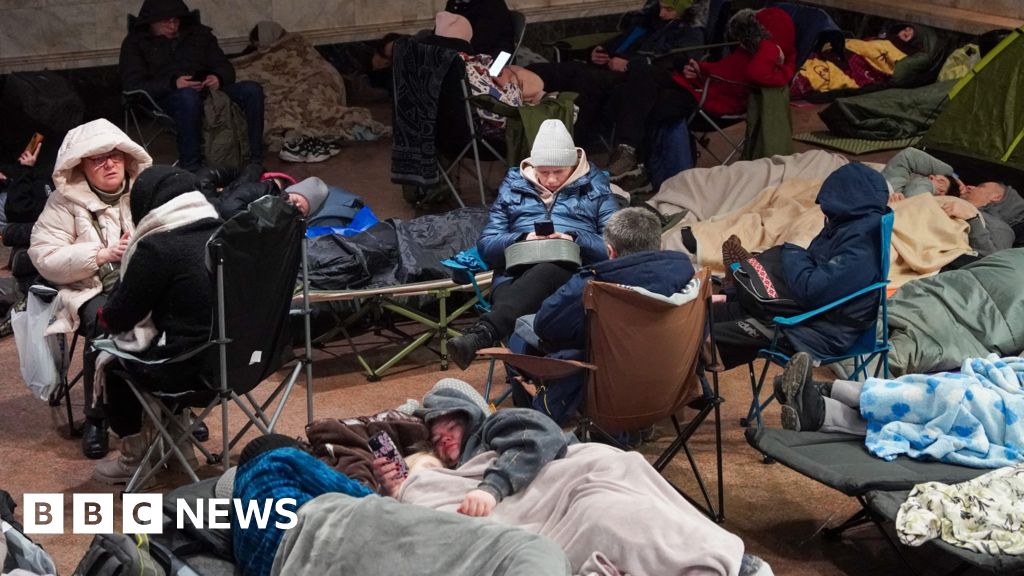
The recent barrage of over 70 missiles and approximately 450 drones launched against strategic targets marks a significant escalation in the ongoing conflict between Ukraine and Russia. This assault follows the expiration of a fragile “energy truce,” a temporary ceasefire meant to mitigate the impact of hostilities on civilians and critical infrastructure. The timing underscores the persistent volatility and unresolved tensions at the heart of this contentious regional conflict, which continues to reverberate across Europe and beyond.

Analysts say the scope and scale of the recent attack reveal a deliberate strategy aimed at destabilizing Ukrainian defenses and economic stability. The deployment of this formidable arsenal indicates that hostilities are far from abating; instead, they are entering a new, more aggressive phase. International observers, including officials from NATO and the United Nations, are warning that such sustained attacks threaten broader regional security. The offensive also underscores how the geopolitical impact of the conflict extends well beyond its immediate theater, challenging the global order and testing the resilience of allied commitments to Ukraine’s sovereignty.

Within this context, the decision by Russia to escalate military actions shortly after the expiration of the “energy truce” signals an intent to press advantage despite mounting international pressure. According to historians specializing in post-Cold War conflicts, such aggressive measures frequently serve as a demonstration of power aimed at reshaping negotiations or asserting dominance. Meanwhile, Ukrainian officials and military commanders face the dangerous task of defending vital infrastructure amid ongoing threats, with several regions experiencing power outages and critical service disruptions. These developments further highlight the deteriorating security environment that now risks spilling over into neighboring nations, which could potentially ignite wider regional instability.

Institutions like the European Union and the United States continue to call for moderation, emphasizing diplomatic solutions over further violence. Yet, experts caution that the failure to de-escalate risks a protracted conflict with devastating consequences. The historic backdrop—marked by decades of Cold War tensions, recent geopolitical shifts, and global power struggles—reminds us that each decision in this crisis carries consequences that will ripple through generations. As the world watches in cautious suspense, the trajectory of this conflict remains uncertain, teetering on a knife’s edge where diplomacy and war vie for dominance.

For now, the recent assault serves as a grim testament to the enduring volatility of a region that continues to redefine the boundaries of international stability. The unfolding story is still being written—an intricate narrative of power, resilience, and the unyielding pursuit of sovereignty. As history’s weight presses down on the present, nations and societies alike remain on high alert, knowing that the decisions made today could shape the global order for decades to come—each act of violence etching yet another chapter into the annals of a conflict that refuses to fade into the past.

Melania Trump doc hits $7M in US, biggest debut in over 10 years

In a world increasingly shaped by the theatre of national identity and ideological loyalty, domestic cultural productions serve as more than mere entertainment—they are potent tools reflecting and reinforcing societal values aligned with political interests. The recent surge of the Melania Trump documentary, which garnered a record-breaking $7 million during its opening weekend, exemplifies this phenomenon. Despite critical panning, with reviews describing it as “dispiriting” and “propaganda,” the film’s success among conservative audiences underscores a deliberate strategy: leveraging media to bolster a political narrative rooted in patriotism, family, and Christianity, especially within the context of the upcoming 2025 re-election cycle.

Indicative of the broader geopolitical power struggles and their intersection with domestic politics, the production’s expansive budget—estimated at $75 million—raises questions about the motives behind lavish investments into politically charged content. Amazon, a global giant increasingly entangled in political crossfire, justifies its expenditure with an economic model targeting its vast subscriber base, circumventing traditional theatrical metrics. Notably, Amazon’s decision to promote the documentary worldwide, while sacrificing profitability for ideological influence, points to a strategic shift: private corporations and international media are becoming instruments of political and cultural agendas, with their economic decisions echoing across national borders.

Meanwhile, the controversy surrounding the film’s director, Brett Ratner, and his association with figures like Jeffrey Epstein, adds a layer of intrigue to this domestic spectacle. As ratified by international law and investigative outlets, the links between industry figures and scandalous figures of power highlight how elite networks operate behind the veneer of public culture. Analysts warn that such connections blur lines between influence, media, and political leverage. The narrative crafted in the documentary, echoing idealized visions of family and patriotism, can be perceived as an attempt to manipulate public sentiment—especially in key conservative regions—while shielding certain figures from accountability. This subtly shifts the geopolitical landscape by reinforcing societal divisions and emboldening factions aligned with traditionalist values, potentially impacting policy debates on national sovereignty and cultural identity.

Within this unfolding contest of narratives, history and international organizations warn of the dangerous implications of this cultural battleground. As historian Dr. Emily Carter notes, “When nations manipulate history and popular culture to serve political ends, they risk eroding the very foundation of democratic discourse,”. The strategic deployment of such documentaries signifies a conscious effort to sway public opinion, not just domestically but across international borders, especially in regions where ideological divides are widening. The ultimate toll of these decisions—whether it leads to increased societal polarization or the reassertion of certain power structures—will be written into the pages of history, reminding a global audience that the battleground of influence now extends beyond foreign policy into the realm of culture and information, where the lines between truth and propaganda are increasingly blurred.

Hurricane Melissa Threatens Jamaica’s Biggest Blow Yet

Hurricane Melissa’s Devastation: A Wake-Up Call for the Caribbean and the World

The recent escalation of Hurricane Melissa to a formidable category five storm has sent shockwaves across the Caribbean, with Jamaica now on the brink of a historic disaster. Forecasters warn that Melissa, with maximum sustained winds reaching 160 mph (260 km/h), poses an existential threat to the island nation. The storm’s slow movement enhances its destructive capacity, with rainfall predictions of up to 40 inches (100cm) over the next four days. Such intense weather phenomena are not mere acts of nature but manifestations of an increasingly volatile climate crisis that international experts warn is accelerated by geopolitical neglect and neglect of environmental commitments.

As the storm approaches, Jamaican authorities have issued immediate evacuation orders for vulnerable communities across Kingston and beyond. Prime Minister Andrew Holness has activated all 881 emergency shelters in response, acknowledging the potential for catastrophic flooding and life-threatening winds. The impact of Melissa extends beyond natural destruction, highlighting the fragile socio-economic fabric of small island nations that are often disproportionately affected by climate emergencies. The storm surge and torrential rains threaten to displace thousands, destroy homes, and cripple critical infrastructure—an ominous reminder that climate change is no longer a distant threat but an immediate, tangible danger that jeopardizes national stability and social order.

Regional and International Repercussions

The unfolding crisis on the Caribbean island of Hispaniola—comprised of Haiti and the Dominican Republic—adds a troubling dimension to Melissa’s destructive path. On Hispaniola, at least three lives have perished, and hundreds of homes have floodwaters enveloped entire neighborhoods. Notably, a 79-year-old man was swept away by rising waters in Santo Domingo, and a 13-year-old remains missing amidst the chaos. This tragedy underscores the vulnerabilities of impoverished populations where critical infrastructure is often inadequate, and disaster response is hampered by political and economic instability.

International organizations such as the United Nations have issued urgent warnings, emphasizing that the Caribbean’s recent weather catastrophe signals a destabilizing shift with geopolitical consequences. Analysts argue that in an era of climate emergency, climate justice advocates tend to overlook the geopolitical tensions fueled by resource scarcity, migration, and economic disparity. As the storm bears down on Cuba and the Bahamas, the resilience of these nations—some still battling over recent economic sanctions or political upheavals—may be tested. This moment reveals how interconnected global stability is to local environments and how decisions by major powers regarding climate policies and aid shape the outcomes for nations at the mercy of nature’s fury.

Long-Term, Geopolitical Impact: A Call for Greater Global Responsibility

Some of the most respected historians and geopolitical analysts warn that climate disasters like Melissa are more than mere weather events—they are the harbingers of a new global paradigm where decisions made today about energy, sustainability, and international aid will determine the fate of nations. The failure of wealthy nations to uphold climate commitments under treaties such as the Paris Agreement only exacerbates the plight of vulnerable populations. As these nations confront nature’s wrath, their plight becomes a symbol of broader geopolitical failures—an urgent call for the global community to rethink its responsibilities.

The storm’s environmental toll is staggering: rising floodwaters, breached infrastructure, and ecological damage threaten long-term prosperity and security. Yet, it is also a vivid reminder of how decisions made on the international stage—from climate policy to geo-economic negotiations—directly influence the lives of millions. As nations scramble to respond, the question remains: Will this storm catalyze a decisive shift towards responsible global stewardship, or will it reveal the stark divide between rhetoric and action in addressing the climate emergency?

As Melissa’s winds threaten to reshape the Caribbean’s coastlines and communities, the weight of history presses heavily on the horizon. With each passing hour, the storm’s fury whispers an unsettling truth—that humanity stands at a crossroads, where the choices of today echo into the chaos or the salvation of tomorrow. The unfolding saga of Hurricane Melissa is not merely a test of resilience; it is a stark chapter in a wider narrative—one where geopolitical interests, environmental stewardship, and societal courage must converge to face the storm’s relentless march into history.

Get Ready! ‘Stranger Things 5’ Promises to Be the Biggest Adventure Yet!

The Big Finale: What to Expect from Stranger Things 5

The highly anticipated fifth season of Netflix‘s Emmy-winning series Stranger Things is set to make its debut, bringing closure to a show that has captivated audiences since its inception. As we reflect on the cultural phenomenon that has shaped the viewing habits of a generation, it’s fascinating to see how this series has not only entertained but also influenced social conversations. The latest featurette, showcasing behind-the-scenes moments and dramatic glimpses of the upcoming season, has ignited excitement among a loyal fanbase eager for the final installment.

In a recent featurette, cast members and creators the Duffer Brothers shared nostalgic memories from the first season while teasing the monumental scale of Stranger Things 5. Set in the fall of 1987, over a year after the dramatic events of Season 4, Hawkins is now a town marred by trauma, military quarantine, and the looming presence of Vecna (played by Jamie Campbell Bower). These elements underscore a broader theme in the series: confrontations with evil forces often reflect the struggles we face in our own lives. This thematic relevance resonates deeply with today’s youth, who are navigating their own battles in a world fraught with challenges.

The sneak peeks in the featurette suggest that this season is not just about nostalgia; it’s also about growth, both for the characters and the audience watching them. With heightened stakes involving Eleven (Millie Bobby Brown) and her friends as they prepare for what the Duffer Brothers call “the biggest season we’ve ever had,” viewers are gripping their seats. Stranger Things has always balanced the clever integration of pop culture with a coming-of-age narrative, making it relatable for audiences both young and old. The explosive trains, roaring Upside Down energy, and hints of heartbreak reinforce why this series has become a modern classic.

As youth-oriented markets increasingly revolve around streaming platforms and viral phenomena, the question emerges: What lies ahead after Stranger Things concludes its run? Will the spirit of the series live on through new adaptations, merchandise, or thematic spin-offs? The lasting impact of Stranger Things on today’s culture cannot be overstated, and perhaps the biggest question is—how will future creators draw inspiration from this storytelling juggernaut? As we prepare for what could be a heart-wrenching finale, one can only wonder how the show’s legacy will shape the narratives and mediums of tomorrow.

Social Media Auto Publish Powered By : XYZScripts.com