Matox News

Truth Over Trends, always!

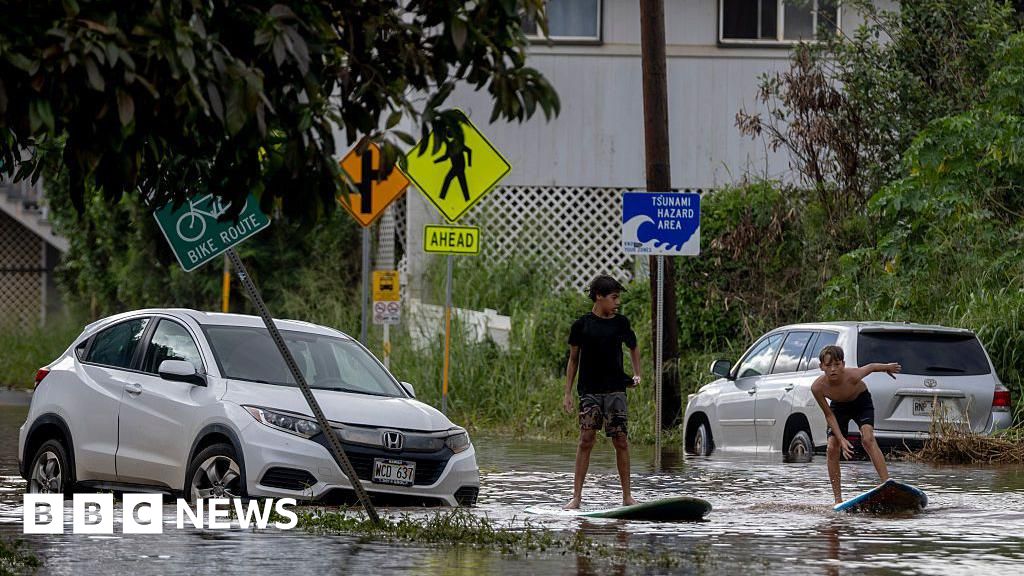
Hawaii Storms Cause Over $1 Billion in Damage, Governor Reveals

Recent weather calamities in Hawaii have underscored the devastating toll that climate-related disasters can impose on local infrastructure and economies. Governor Josh Green announced that the full extent of damages to roads, bridges, and essential services remains unassessed but emphasizes that the catastrophic flooding has already revealed vulnerabilities that could have broader geopolitical implications. As global climate change accelerates, such events threaten to destabilize regional stability and heighten the pressure on international aid agencies, prompting a reevaluation of resilience strategies in vulnerable areas.

The rains and flooding — described as some of the worst in recent memory — have caused widespread destruction that not only disrupts daily life in Hawaii but also serves as a stark warning to nations worldwide. Historically, such extreme weather events have been catalysts for policy shifts aimed at boosting infrastructure resilience, but critics argue that many governments lag behind in implementing necessary reforms. International organizations like the United Nations have repeatedly called for urgent action, yet debates persist over responsibility and funding, especially for impoverished or politically unstable regions. This calamity spotlights the ongoing climate crisis, which analysts warn could provoke increased geopolitical tensions as nations scramble for resources and aid.

Geopolitical impact extends beyond environmental considerations. As Hawaii contends with the aftermath, regional and global leaders are assessing how climate change can exacerbate existing tensions—particularly in areas prone to natural disasters. Allegiances are being tested, with some nations using such events as opportunities to leverage aid and influence, while others face internal criticism for inadequate preparedness. Many security experts, including those at the International Crisis Group, warn that in a world increasingly shaped by climate-induced disruptions, failing to prepare could lead to humanitarian crises that destabilize entire regions, causing ripple effects that threaten global peace.

Moreover, the ongoing situation in Hawaii, a U.S. state often perceived as a remote paradise, lays bare the importance of proactive governance in safeguarding national interests. History demonstrates that neglecting infrastructure and environmental preparedness in key strategic regions can have ripple effects far beyond local borders. As international institutions urge for coordinated responses, questions remain about the pace and adequacy of such measures. The unfolding catastrophe in Hawaii is not solely a regional issue—it is a mirror reflecting a world at a crossroads, where climate change, geopolitical contestation, and societal resilience intertwine in a dangerous dance.

As the waters recede and the dust settles, the true magnitude of this crisis will become clear. Yet one thing remains certain: the historical narrative that emerges from this tragedy could redefine how nations prepare for an uncertain future. In the shadows of impending global shifts, the enduring question echoes—will humanity learn to confront its most formidable challenge, or will this be yet another chapter in a story of lost opportunities and rising threats?

Oscars 2026: Oscars boss Bill Kramer highlights the power of YouTube to engage 2.5 billion viewers—criticizes TV, embraces AI, and advocates for early starts

As the sun blazes over downtown Los Angeles, a city that pulses with dreams and ambitions, the Academy Awards prepares to stage its annual celebration of cinematic artistry. Yet beneath the glitz and glamour, a profound shift is underway—one that threatens to redefine the very essence of cultural tradition. Historically, the Oscars have represented more than mere awards; they are a mirror to society’s soul, a reflection of shared values, myths, and memories. However, as Hollywood leans into the digital future with live streams on YouTube and grapples with emerging technologies like artificial intelligence, questions of authenticity, identity, and cultural continuity come to the fore. Culture—the bedrock of societal coherence—stands at a crossroads, demanding that we consider whether these innovations serve humanity’s collective memory or erode its cherished traditions.

Long regarded as the guardian of artistic excellence, the Academy of Motion Picture Arts and Sciences recognizes its vital role in shaping cultural continuity. As described by Academy CEO Bill Kramer, these changes are not mere technological shifts but signify a broader evolution of what culture represents in a rapidly transforming world. Kramer, a man whose career began with community-oriented work before rising to Hollywood’s highest echelons, echoes the wisdom of thinkers like G.K. Chesterton, who marveled at the importance of preserving the “secret” of tradition amid modern flux. The move towards global livestreaming aims to magnify Hollywood’s reach, extending the spectacle to an estimated 2.5 billion viewers worldwide. Yet, this expansion raises profound questions: Does the digital dissemination diminish the cultural significance that once hinged on communal, in-person experiences? Or can it serve as a contemporary vessel, carrying age-old stories into the modern age, much like the artist and philosopher T.S. Eliot suggested that tradition is the preservation of memory and prophecy intertwined?

This cultural transition also touches upon the industry’s response to technological innovations like artificial intelligence. While some waver in trepidation, fearing that AI could diminish human creativity, Kramer advocates a nuanced perspective. He asserts that AI is merely a tool—an extension of human ingenuity, not a replacement. This viewpoint aligns with the philosophical insight of Ortega y Gasset, who stressed that culture is the ongoing project of human consciousness shaping its tools and symbols. The true challenge lies in maintaining the integrity of artistic authorship—preserving the human spirit at the heart of storytelling. The Academy’s subtle updates on eligibility criteria and its firm stance on theatrical releases stand as testament to this effort to uphold tradition in the face of relentless technological change. Modernity need not dissolve cultural roots; instead, it offers an opportunity to deepen our understanding of what makes art genuinely human—a sentiment echoed by Chesterton, who revered faith in the enduring value of tradition.

Amid these transformations, voices such as Timothée Chalamet remind us of the importance of genuine cultural experience—those moments that etch themselves into collective memory. His remarks, though contentious, highlight a crucial debate: must art adapt to survive, or must it be preserved precisely because it is a window to our shared human essence? The challenge for the cultural custodians, like Kramer, is to navigate this tension—striving to honor tradition without forsaking innovation, fostering a cultural symphony that resonates across generations. As the Oscars prepare to unveil their latest chapter, one can sense that the true significance lies not solely in the awards handed out but in the unbroken thread connecting the past to the future—a testament that culture remains humanity’s memory and prophecy, a luminous testament to what we are and what we aspire to be. In this ongoing dialogue between memory and prophecy, we find a reflection of our very soul, enduring through the shifting tides of time—a reminder that, ultimately, culture is the living, breathing reflection of human spirit’s eternal voyage.

Albanese Government Plans $3 Billion Sale of Historic Defense Sites to Make Room for New Housing, Says Richard Marles

Australia’s Strategic Shift: Defence Land Divestment and Its Geopolitical Impact

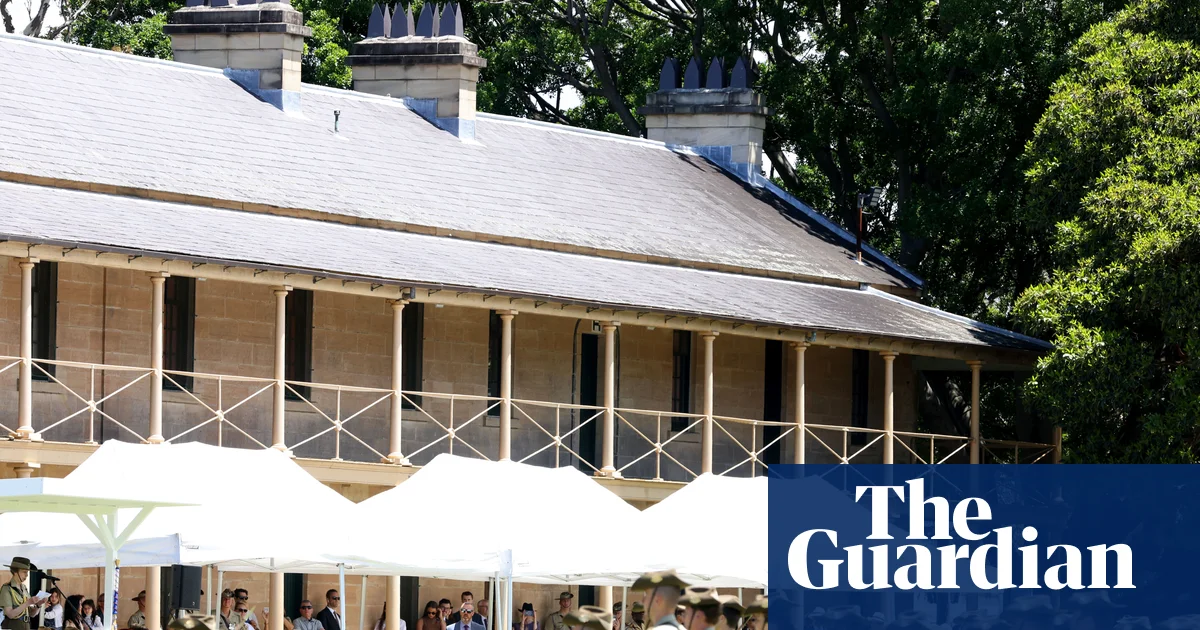
In a decisive move signaling a profound reorientation of its defense strategy, Australia has announced plans to liquidate over $3 billion worth of defence properties nationwide. This initiative emerges after a comprehensive, multi-year audit, which revealed that many sites—such as Victoria Barracks in Sydney, Melbourne, and Brisbane—serve little to no strategic purpose in today’s security landscape. The audit, culminating in 2023, underscores a critical headache for policymakers: the burden of legacy infrastructure that has become a drain on resources and an obstacle to modernizing the nation’s military capabilities.

The audit’s findings point to a landscape dotted with redundant military sites—including airbases, warehouses, and even islands like Sydney’s Spectacle Island—costing taxpayers millions in maintenance. Yet, the sale of these assets carries more than financial implications; it signifies a turning point in geopolitical strategy and national identity. As defense analysts note, such divestments open opportunities to repurpose land for housing that could benefit a nation facing ongoing population pressures, while reallocating vital resources toward modern capabilities, including the yet-to-be-developed nuclear submarines under the AUKUS agreement. According to international security experts, this shift is not merely administrative but reflects a broader realignment in Australia’s strategic posture amidst the emerging Indo-Pacific security dynamic.

Reallocating Resources and Reconceptualizing Defense

The sale of more than 60 properties—including high-profile sites like Spectacle Island and Victoria Barracks—aims to raise an estimated $1.8 billion net proceeds after costs, while saving roughly $100 million annually in upkeep. The plan is coupled with a push to relocate public servants to upgraded, modern office spaces, signaling an end to decades of underutilized, decaying infrastructure. Crucially, the government emphasizes that funds will be reinvested into enhancing defense capabilities, laying the groundwork for Australia’s increased involvement in regional security arrangements and strategic deterrence measures.

  • Assets such as Newcastle’s HMAS Penguin, used for diving operations, are to be partially retained for future military endeavors.
  • This redistribution of assets aligns with Australia’s broader vision of strengthening its deterrence posture, especially as regional tensions with rising powers intensify.
  • Heritage sites, including WWII-era cabinet rooms, are poised to be opened to the public, exemplifying how history and modernity can coexist within the national consciousness.

By strategically shedding surplus properties, Australia aims to craft a leaner, more agile defense estate better suited to contemporary threats. As military and security experts from organizations like the International Institute for Strategic Studies warn, this initiative should be viewed as a vital adaptation—one that blunts the risk of legacy infrastructure crumbling into obsolescence while bolstering current and future military readiness. This reallocation is critical, especially as China continues its assertive expansion, and regional allies look to Canberra for leadership and reassurance.

Historical Legacy and Future Uncertainty

The sale of historic sites like Victoria Barracks and Sydney Harbour’s Spectacle Island stirs a complex debate rooted in national identity. Many Australians, as noted by historians, still regard these sites as symbols of resilience and sacrifice, especially given their roles during World War II. While critics argue that divestment risks erasing parts of the country’s military heritage, proponents contend it is a necessary step toward ensuring the defense force is equipped for the challenges of the 21st century.

Authors Jan Mason and Jim Miller have emphasized that, “maintaining the status quo is not an option,” underlining the urgent need for change in defense management. As these historic sites potentially give way to housing and commercial developments, the political backlash is inevitable, echoing broader concerns about the balance between heritage and modern utility. Yet, policymakers insist that such sacrifices are justified to empower Australia’s security future and solidify its strategic independence in a turbulent Indo-Pacific region.

As the dust settles on this bold land sale, the true geopolitical impact remains unclear—yet undeniable. This is a moment when history is being written in real time, and the decisions made today will echo for generations. Will Australia’s rationalization of its defence estate forge a more resilient nation, or mark the loss of irreplaceable symbols of past sacrifices? The unfolding narrative remains a testament to the ongoing struggle between legacy and progress, a reminder that the weight of history still influences the shape of the future.

Is This $1 Billion Art Collection Glorifying a Perfected Reality?

As the allure of wealth and exclusivity continues to shape the modern art scene, the narratives surrounding high-value art collections reveal much about the cultural and societal currents of our era. A recent investigation by The New York Times exposes the burgeoning phenomenon of art investing as a shortcut to wealth, exemplified by the spectacle of a $1 billion art collection marketed with the enticing promise: “No art investing experience? No problem.” Such claims are emblematic of a broader shift—a commodification of culture that risks reducing art to mere financial assets, detached from its historical role as a vessel of collective memory and societal values. This trend raises profound questions about the relevance of culture to identity, tradition, and society, echoing the concerns of thinkers like G.K. Chesterton and T.S. Eliot, who emphasized that true art embodies the soul of a nation rather than its market value.

This phenomenon is not merely about wealth accumulation; it signals a cultural transformation where art becomes a speculative commodity rather than a reflection of the human condition. The rise of such billion-dollar collections underscores a peculiar optimism—perhaps too rosy—about the capacity of the market to preserve and elevate cultural heritage. However, critics warn that this obsession with valuation risks distorting art’s intrinsic purpose. In the words of Ortega y Gasset, culture must serve as a living vehicle of societal identity—an ongoing dialogue between past and present, shaping our collective consciousness. When art is consigned to a financial portfolio, it challenges this ethos, threatening to turn cultural memory into a mere prop for future speculation rather than a guide for moral and aesthetic development.

Furthermore, the narrative surrounding these vast collections prompts us to consider the broader societal implications of such a culture of wealth. Drawing on the insights of Alexis de Tocqueville, one might observe that a society obsessed with material prosperity can risk losing sight of its spiritual and moral foundations. While billionaires amass masterpieces, the essence of national and cultural identity increasingly becomes a matter of transactional value. This phenomenon echoes the historical shifts seen during the decline of aristocratic patronage and the rise of commercialism in the arts, where genuine cultural engagement was replaced by superficial displays of wealth. Yet, amid this trend, there remains a resilient undercurrent of tradition—artisans, curators, and cultural critics who fight to remind us that culture is both memory and prophecy, an ongoing narrative that must be preserved for future generations.

In this moment of cultural commodification, it becomes essential to reaffirm that true art possesses a moral and philosophical dimension. As T.S. Eliot posited, poetry (and by extension, art) must serve as a means of spiritual renewal—an anchor in the storm of materialism. Our cultural landscape, therefore, must remain rooted in the acknowledgment that art transcends its monetary valuation; it is a testament to our shared humanity, an embodiment of societal ethos. As we stand at this crossroads, it is vital to remember that culture, like a great river, carries the sediment of history—its depths inscribed with the dreams and struggles of those who come before us and lighting a path for those yet to come. Culture is both memory and prophecy, an eternal dialogue where the human voice echoes across time, reminding us that in the end, art is neither just a commodity nor a mere relic, but a living witness to the soul of civilization itself.

Global fossil fuel projects endanger health of 2 billion youth—new report exposes the risk

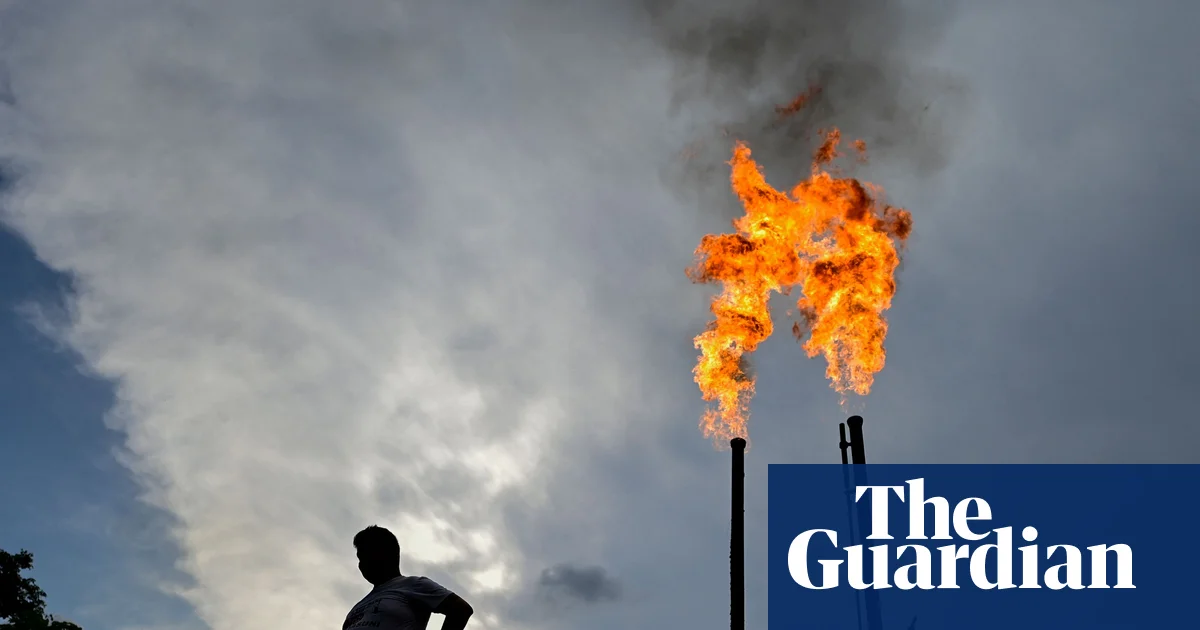
Recent research reveals a sobering reality: a quarter of the world’s population lives within just three miles of active fossil fuel projects. This proximity isn’t just an inconvenient statistic—it’s a looming threat to public health, especially for communities residing near drilling wells, pipelines, and processing plants. According to studies from organizations like Amnesty International, those living closest to these industrial sites face increased risks of cancer, respiratory and heart conditions, premature births, and even death. Yet, what makes this environment even more troubling is the unequal burden carried by marginalized groups, particularly Indigenous communities and low-income families, who often find themselves living in “sacrifice zones”—areas heavily contaminated, with little regard for their safety or rights. This environmental injustice, rooted in systemic inequality, underscores how economic interests often override human dignity and community welfare.

In fact, near half a billion people, including over 124 million children, live within one kilometer of fossil fuel infrastructure. As plans circulate for thousands of new sites, this number could swell, exposing even more to dangerous fumes, oil spills, and ecological devastation. These advancements tend to exacerbate tensions within societies, especially when indigenous land defenders and local fishermen voice their opposition. For instance, Tsakë ze’ Sleydo (Molly Wickham), a Wet’suwet’en land defender in Canada, speaks to a broader story of intergenerational fatigue and resistance. She emphasizes that these communities, which have long been deprived of their rights, are often criminalized when they stand up to protect their territories from destructive infrastructure. Such struggles highlight how social and environmental issues are deeply intertwined, affecting families’ health, cultural heritage, and livelihood.

The global political landscape remains fractured in the face of this crisis. At the 30th annual climate negotiations in Belém, Brazil, world leaders, except for the United States, grapple with the urgent need to end reliance on fossil fuels. Meanwhile, lobbyists for the fossil fuel industry have unprecedented access to global policymaking forums, working tirelessly to block climate action and sustain profits at the expense of the planet. As researchers from the University of Colorado Boulder point out, over a third of oil, coal, and gas sites intersect with critical ecosystems—biodiverse wetlands, forests, and river systems—placing entire natural habitats at risk of collapse. This confluence of corporate greed and systemic neglect underscores a key challenge: how to protect the Earth’s natural inheritance while safeguarding human rights. The humanitarian toll is undeniable; children and vulnerable populations suffer disproportionately, with environmental toxins becoming a national security issue that demands our collective moral responsibility.

As history reminds us, the issues surrounding fossil fuel dependence are embedded in narratives of progress, greed, and systemic injustice. Sociologists like Naomi Klein and environmental historians have long documented how environmental degradation is often a social mirror of inequality. Yet, hope persists in the form of resilience—indigenous leaders, local activists, and youth movements are increasingly demanding the end of an era that has prioritized profits over people. The challenge ahead lies in transforming these social and environmental crises into catalysts for meaningful change—reclaiming land, restoring ecosystems, and asserting rights that have been trampled. Society stands at a crossroads: will we continue to ignore the invisible toll of pollution, or will we, as a community, choose to forge a future rooted in respect, justice, and sustainability? Amidst the shadows of destruction, a quiet promise whispers—that society’s capacity for renewal remains, waiting for the moment we rise to meet the challenge, offering hope that one day, the land and all who live upon it might breathe freely again.

Amazon settles for $2.5 billion over Prime trickery crackdown—big win for consumers and transparency!

In a move that has captured headlines and raised questions about corporate accountability, Amazon recently agreed to pay a staggering $2.5 billion to settle claims brought forth by the US government. The Federal Trade Commission (FTC) accused the tech giant of engaging in deceptive practices that tricked millions of consumers into enrolling in its popular Prime membership service and made cancelling exceedingly difficult. While the settlement is hailed as a victory for consumer protection—particularly the $1.5 billion earmarked for refunds—critics argue it signals a missed opportunity to reform underlying practices that have long prioritized sales over transparency. Nonetheless, for the consumer-minded, this development emphasizes the continuous push for fairness in an age where digital commerce has become a lifestyle staple.

Prime’s appeal is undeniable: free shipping, access to streaming content, and exclusive deals have propelled it into the daily routines of hundreds of millions worldwide. However, the FTC’s investigations uncovered that Amazon utilized *sophisticated subscription traps* designed to manipulate consumers into unintended enrollments. These tactics included pop-up prompts during checkout that repeatedly suggested sign-up for Prime, collecting billing details without sufficiently disclosing key terms or the automatic renewal process. The _offer of one-month free trials_ often masked the automatic renewal clause, leaving many unaware that their subscriptions would continue unless explicitly canceled. The resulting blurring of boundaries between convenience and consumer rights reveals a deeper question about how corporations foster trust in the digital age—a trust that must be built on transparency rather than manipulation.

While Amazon asserts that it has “always followed the law” and stresses that the settlement allows the company to “move forward,” criticism persists within consumer advocacy circles. The FTC’s crackdown signals a broader movement—highlighted by industry experts such as Renee M. Nelson, author of *Digital Ethics & Consumer Rights*—that advocates for “clear, easy-to-understand” subscription processes. The agency’s efforts to implement reforms like the _Click-to-Cancel_ rule, which would require companies to present straightforward cancellation options, faced setbacks when courts struck down similar regulations earlier this year. Critics argue that these gaps leave consumers vulnerable to _repeatedly enrolling_ and then struggling to exit subscription traps—an issue that calls for more robust legal standards to balance corporate innovation with fundamental fairness.

  • Stay vigilant about subscription terms, especially during free trial offers.
  • Regularly review your billing statements to catch unauthorized renewals.
  • Advocate for transparent, user-friendly cancellation processes in digital services.

As the curtain closes on this chapter, it’s worth reflecting that the pursuit of a healthy lifestyle extends beyond physical wellness to include *mental peace* derived from fair and honest commerce. The case against Amazon underscores a broader societal shift—from a reliance on tech giants’ promises to a demand for measurable transparency and consumer sovereignty. Just as wellness advocates like Dr. Evelyn Hart emphasize the importance of _intentional living_ and *mindful consumption*, so too should consumers approach their digital engagements with caution and awareness. Ultimately, this narrative is less about corporate penalties and more about forging a culture where *trust, integrity, and respect* underpin access to modern comforts. If embraced, this mindset transforms lifestyle from passive consumption into an active journey—a quest to align our *values* with the choices that shape our everyday lives.

Social Media Auto Publish Powered By : XYZScripts.com