Matox News

Truth Over Trends, always!

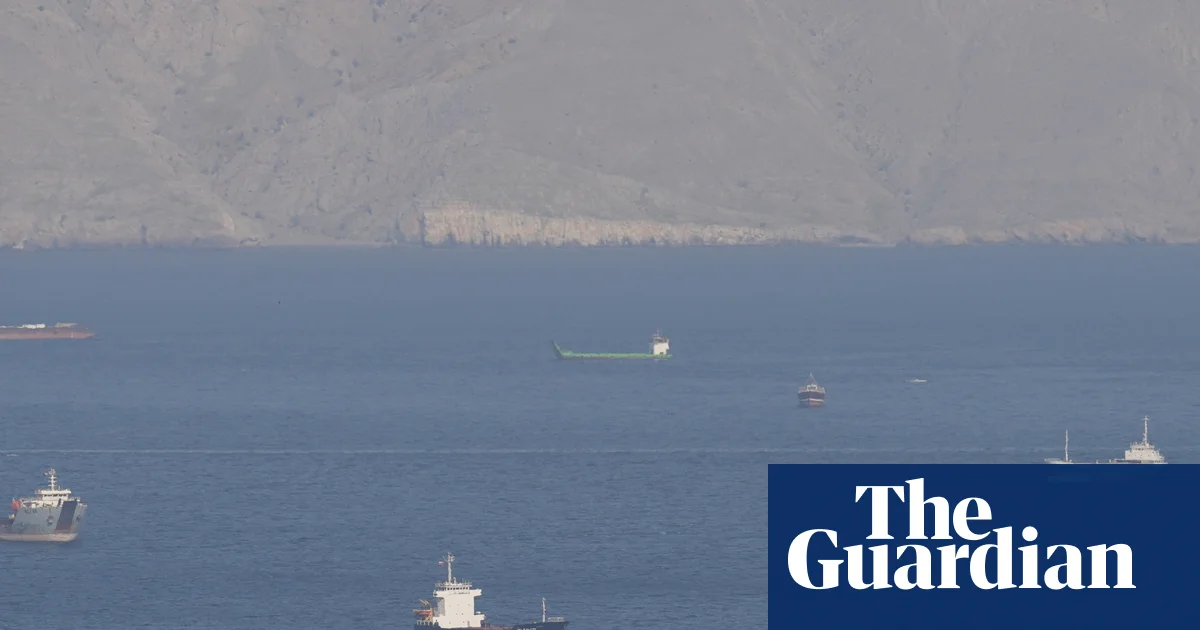
Iran reopens Strait of Hormuz after US blockade, but warns it’s only temporary

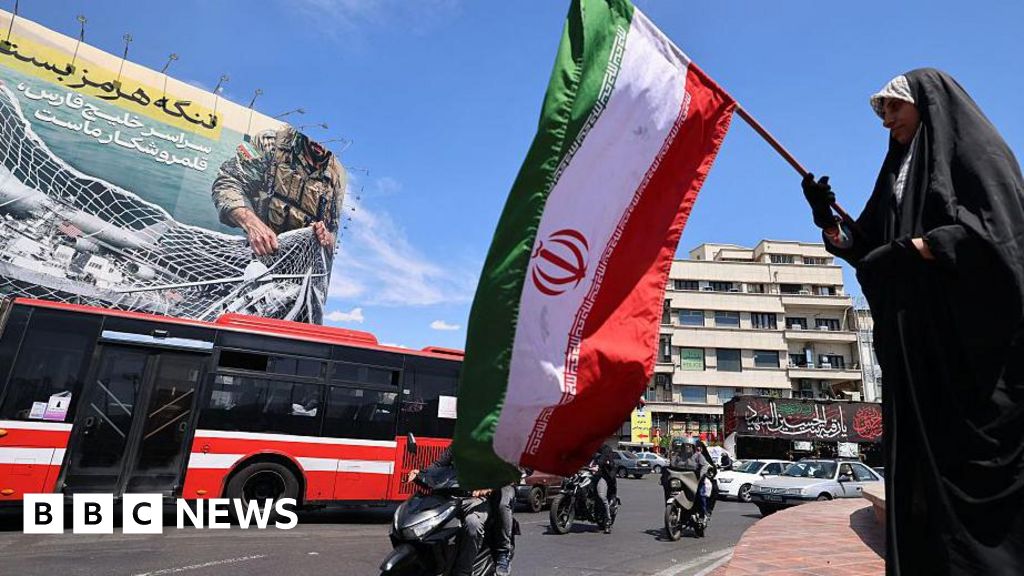
In a dramatic turn of events, Iran has reversed its decision to reopen the Strait of Hormuz, a move that has sent shockwaves through global markets and geopolitical strategic calculations. The strait, a crucial artery for international oil shipments, becomes a symbolic battleground in the ongoing proxy conflict between Iran and the United States, with regional allies and global powers weighing the future of this vital shipping corridor. Iranian officials explicitly stated that the restrictions would persist unless Washington ensured full freedom of navigation—a clear warning that the balance of power and diplomatic engagement remains fragile and volatile.

Over the weekend, maritime tensions spiked sharply when reports emerged that IRGC (Islamic Revolutionary Guard Corps) vessels fired on a tanker attempting passage, with the UK’s Maritime Trade Operations confirming similar attacks on an Indian-flagged oil vessel. These aggressive moves underscore how Iran seeks to project strength and resistance against what it describes as Western encroachment. Meanwhile, Iran’s military command announced the re-establishment of a “previous status” of control over the strait, directly linking the restriction to ongoing frozen negotiations over Iran’s nuclear program and broader regional stability. The message is clear: Tehran is prepared to escalate its defensive posture if its demands aren’t met, effectively holding the world’s energy supplies hostage amidst the ongoing conflict.

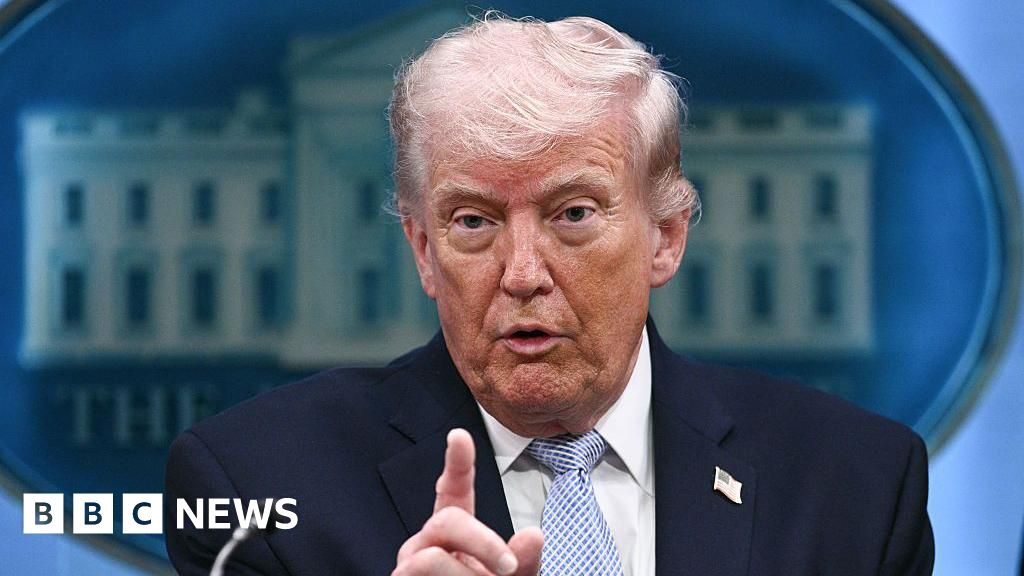
President Donald Trump declared that the U.S. would maintain its blockade until a permanent peace was achieved, emphasizing Washington’s resolve to sanction Iran’s economy and deny it strategic victories. Notably, Trump’s comments came as the U.S.-brokered ceasefire, fragile and temporary, looms on the horizon’s edge. With no substantive progress in negotiations after several rounds of talks, the risk of escalation remains high. As noted by international analysts and historians like Professor Michael J. Mazarr of the RAND Corporation, these developments are emblematic of a larger strategic contest over influence in the Middle East—a region where control of energy routes can tip the scales of global power.

The geopolitical impact of this crisis extends beyond energy markets; it represents a broader struggle for dominance—between Western allies and recalcitrant regional powers. The potential shutdown of the strait, which facilitates approximately 20% of the world’s oil and LNG shipments, threatens to trigger spikes in energy prices that could destabilize economies worldwide. The crisis’s ripple effects threaten to undermine stability in Europe, Asia, and beyond, with analysts warning that prolonged confrontation in the region could usher in a new, unpredictable era of conflict. As Turkey’s diplomatic forum in Antalya reflects regional hopes for de-escalation, the shadow of conflict persists, and history’s pen continues to write a chapter of uncertainty and tension.

In the unfolding saga of Middle Eastern geopolitics, the decision by Iran to escalate its control of the Strait of Hormuz underscores a profound lesson: in these waters, every move is a statement, every attack a symbol of defiance, and every negotiation a fragile hope. The world watches as the last threads of diplomacy are woven into this complex tapestry of power, with the future remaining uncertain. On the horizon, history awaits its next chapter—poised to record whether cooler diplomacy will prevail or whether the currents of conflict will surge anew, consigning the world to an unpredictable future.

Understanding the Strait of Hormuz Blockade: A Bold Move to Protect Our Interests

In recent years, the concept of a naval blockade has transcended traditional warfare to become a pivotal instrument in the broader geopolitical chess game. According to the US Navy Commander’s handbook on naval operations law from 2022, a blockade is defined as a “belligerent operation to prevent vessels and/or aircraft of all states, enemy and neutral, from entering or exiting specified ports, airfields, or coastal areas belonging to, occupied by, or under the control of an enemy state.” This precise definition underscores the strategic significance of maritime control, which can serve as a powerful tool for nations seeking to impose economic and military pressure without direct conflict.

Global powers increasingly leverage naval blockades to assert influence and shape international outcomes. The rise of such measures reflects a shifting landscape where traditional warfare is supplemented by economic strangulation and territorial control. Recent examples demonstrate their impact on regional stability and international trade. As analysts warn, the use of naval blockades not only cripples enemy economies but also jeopardizes neutral nations, often drawing global attention and provoking responses from multinational alliances such as NATO and the United Nations. These organizations are now tasked with navigating the complexities of maritime law, balancing the sovereignty of nations with the need to uphold international order.

Historians and geopolitical strategists highlight that modern naval blockades can act as catalysts for larger conflicts or diplomatic crises. Experts warn of escalation risks, especially when blockades are imposed in contested regions rich in strategic resources like the South China Sea or near the Middle East’s vital shipping lanes. The consequences are profound: economies strained, alliances tested, and a potential slide into broader warfare. Countries that once relied on open sea lanes for trade now face the stark reality that maritime dominance is key to their sovereignty and security.

  • In 2022, rising tensions in the Black Sea prompted Russia to impose maritime restrictions, raising alarms across Eastern Europe.
  • The US has, at times, deemed blockade measures necessary to counter perceived threats, emphasizing the importance of maritime law and national security.
  • International organizations repeatedly call for restrained use of such tactics, yet the allure of maritime control remains a potent element of modern imperial strategy.

As China’s expanding naval presence aims to challenge U.S. dominance in the Indo-Pacific, and with Iran increasingly resorting to maritime tactics amidst economic sanctions, history suggests that the future of global stability may very well hinge on the outcomes of these hard-fought sea lanes. Each blockade, each strategic chokehold, holds the potential to ignite conflicts that ripple across continents, redefining alliances and shaping the new world order. The course of history remains uncertain, and the weight of decisions made on the high seas will echo for generations to come—an ongoing saga where power is measured not only in land but in the control of the vital arteries of international commerce and security.

Trump’s blockade threat heightens risks while solutions stay out of reach

In what has become a defining chapter of 21st-century geopolitics, the ongoing confrontation between Iran and the United States marks a critical juncture in the stability of the Middle East. The conflict is no longer merely a localized dispute but a profound test of international resilience, military resolve, and diplomatic resolve. At its core, this confrontation centers on Iran’s ability to withstand successive strikes and the extent of President Donald Trump’s tolerances for escalating hostilities. As Washington navigates this volatile landscape, the global community watches closely, recognizing that the outcome will shape regional dynamics for decades to come.

The recent spate of strikes—allegedly targeting Iranian-backed militia groups and strategic assets—underscores a decisive shift in U.S. foreign policy. Reports indicate that the Trump administration remains committed to a campaign of maximum pressure, seeking to limit Iran’s regional influence without triggering full-scale war. However, analysts warn that this strategy bears significant risks, as Iran’s capacity to absorb blows—both economically and militarily—raises profound questions about its resilience. Historically, experts such as Dr. Emily Sands of the International Institute for Strategic Studies have emphasized the importance of measuring Iran’s ability to sustain prolonged conflict against the costs of U.S. military engagement, which could spiral into a larger regional war.

Consequently, the geopolitical impact extends far beyond the Persian Gulf. It threatens to destabilize neighboring states, threaten global oil markets, and challenge international norms. Iran’s leadership remains determined not to appear defeated, rallying nationalist sentiments and asserting its sovereignty amid external pressure. Conversely, Washington’s tactical strikes and diplomatic maneuvers signal a persistent effort to curb Iran’s nuclear ambitions and regional influence, calling into question the efficacy of traditional deterrence strategies. The United Nations and other international bodies are calling for restraint, but so far, diplomatic avenues remain fraught with division, as both sides prepare for potential escalation.

Many observers believe this crisis signals a pivotal moment—where long-standing regional tensions could either be diffused through renewed diplomacy or ignite into a broader conflict. As noted by veteran geopolitical analyst James Callahan, “The balance of power hinges on Iran’s capacity to absorb these blows without breaking, and on Trump’s willingness to accept the costs of continued escalation.” For now, the entire region and the world are perched on the edge of history, with each side testing the limits of their resolve. The coming days may determine whether this confrontation transforms into a new frontier of global security or a deadly quagmire with unpredictable consequences. As history waits to write its next chapter, the weight of this moment remains palpable—an enduring reminder that in international politics, choices made today echo into the centuries to come.

Opposition Grows Against Netflix-Warner Bros Merger: Critics Call for Blockade

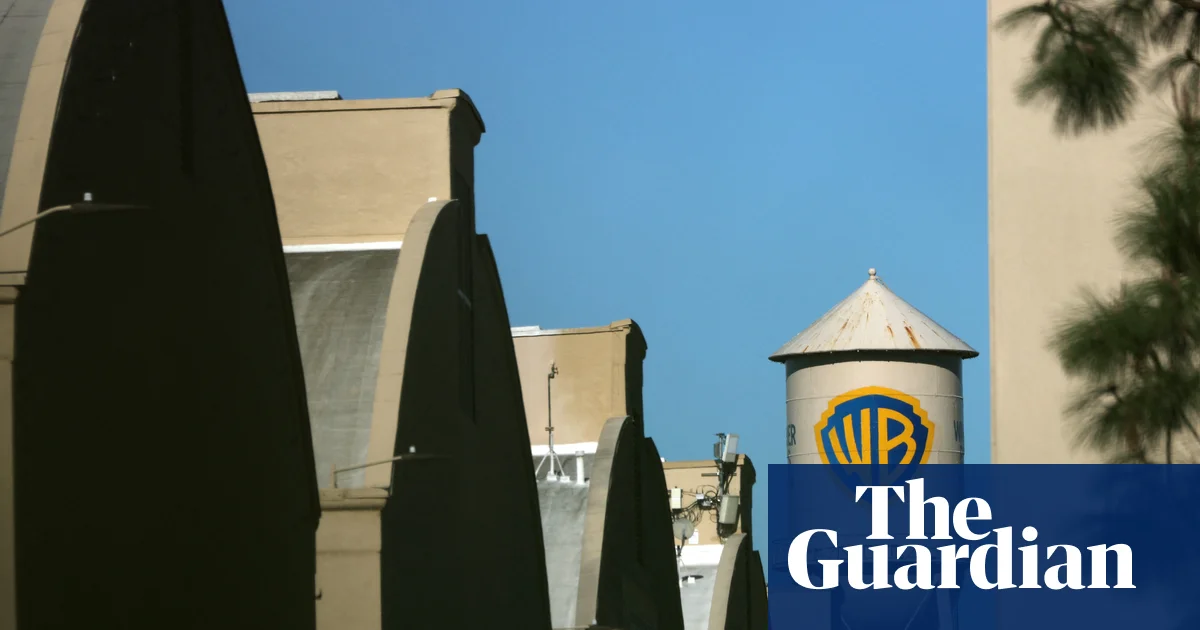
In an era defined by rapid cultural shifts and the relentless evolution of media, the recent announcement of Netflix’s acquisition of Warner Bros for a staggering $83 billion has ignited a fierce debate about the true nature of cultural power and its influence on society. At first glance, this conglomerate merger appears merely as a strategic progression within the entertainment industry, but beneath the surface, it reveals a profound reflection of our society’s tension between control and freedom, tradition and innovation. Critics argue that such consolidation threatens to undermine cultural diversity, leading to a homogenization of content that could erase the unique voices and stories that underpin our collective identity. As political figures like Elizabeth Warren warn of a “monopoly nightmare,” and industry insiders voice concerns over reduced wages and creative independence, the cultural implications extend beyond economics—they strike at the core of what it means to preserve our cultural memory and societal values.

Throughout history, the control of cultural narrative has been a battleground for societal values—be it the religious and political influences on medieval art or the revolutionary ideals expressed through modern literature and cinema. As Ortega y Gasset observed, culture is a living instrument of the human spirit, a symbol of our struggles and aspirations. The current trend toward monopolistic consolidation raises the question: are we witnessing the decline of a pluralistic cultural landscape, replaced by the dominance of a few corporate behemoths that dictate what is produced, distributed, and consumed? Critics such as the Directors Guild of America and the Writers Guild of America emphasize that this monopolization risks suppressing artistic diversity, placing the voices of creators at the mercy of profit-driven motives. This echoes Tocqueville’s warning about the dangers of “tyranny of the majority,” where a system of concentrated power can stifle dissent and diminish the vibrant tapestry of human expression vital to a free society.

Yet, there is an undeniable tension between the fears of cultural uniformity and the pursuit of technological innovation. Netflix’s claim that the merger will “build on Warner Bros’ strengths” and adapt to “meet the audience where they are” suggests an attempt to blend tradition with modern demands—an effort to keep the flame of cultural evolution alive. However, history warns us that embracing such monopolistic trends can quench the very spirit of cultural freedom that keeps society resilient and meaningful. As T.S. Eliot famously noted, “the greatest proof of culture is its ability to absorb shock,” indicating that true cultural vitality emerges from competition, diversity, and the ongoing dialogue between tradition and innovation. Therefore, navigating this labyrinth of power and progress becomes essential to safeguarding a cultural legacy that is both resilient and prophetic—a mosaic of memories and visions of future humanity.

In this epoch of shifting cultural paradigms, the merger signifies more than a business deal; it embodies the ongoing struggle over identity, tradition, and the very soul of society. Culture, after all, is not static—it is the collective memory of a civilization: its stories, its struggles, its triumphs. Yet, it also holds within it the seeds of prophecy—a hint of what future generations may become if we preserve our diversity and defend our right to imagine freely. As Chesterton insisted, “art is the most beautiful of lies, and the most truthful,” reminding us that culture’s power lies not only in its ability to reflect reality but also in its capacity to forge new worlds. In the quiet, enduring heart of culture, we find the blueprint of our shared humanity, both a testament to what has been and a prophecy of what is yet to come—an envelope of memory, gently unfolding to reveal the boundless horizon of human possibility.

Social Media Auto Publish Powered By : XYZScripts.com