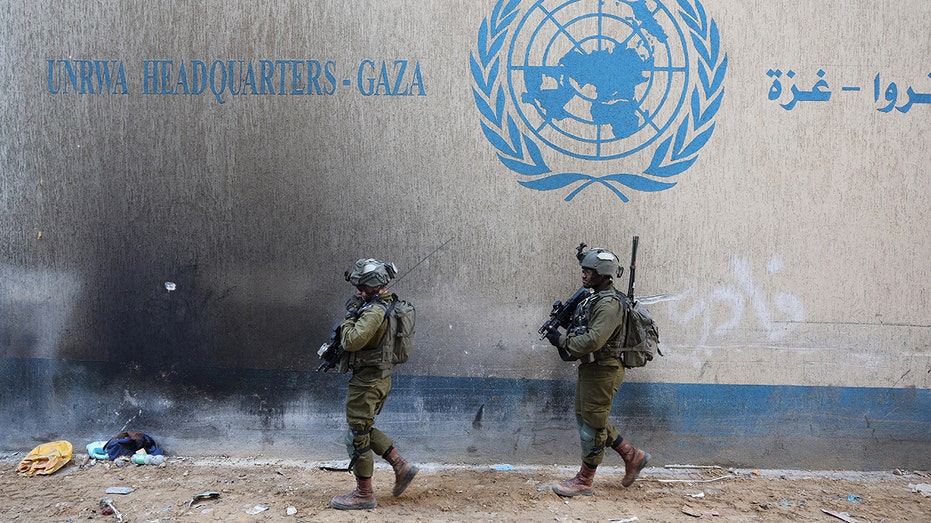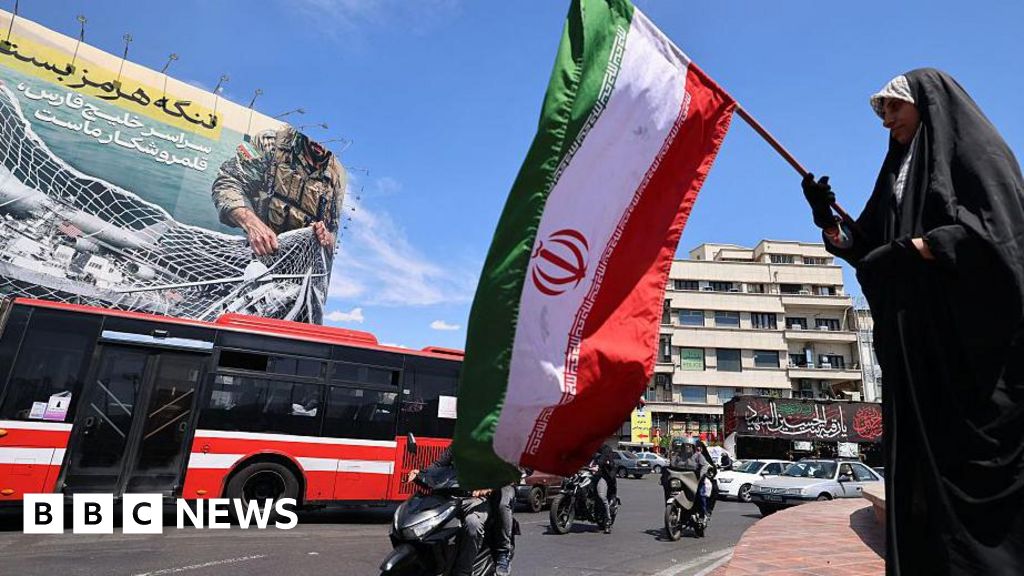
In what has become a defining chapter of 21st-century geopolitics, the ongoing confrontation between Iran and the United States marks a critical juncture in the stability of the Middle East. The conflict is no longer merely a localized dispute but a profound test of international resilience, military resolve, and diplomatic resolve. At its core, this confrontation centers on Iran’s ability to withstand successive strikes and the extent of President Donald Trump’s tolerances for escalating hostilities. As Washington navigates this volatile landscape, the global community watches closely, recognizing that the outcome will shape regional dynamics for decades to come.
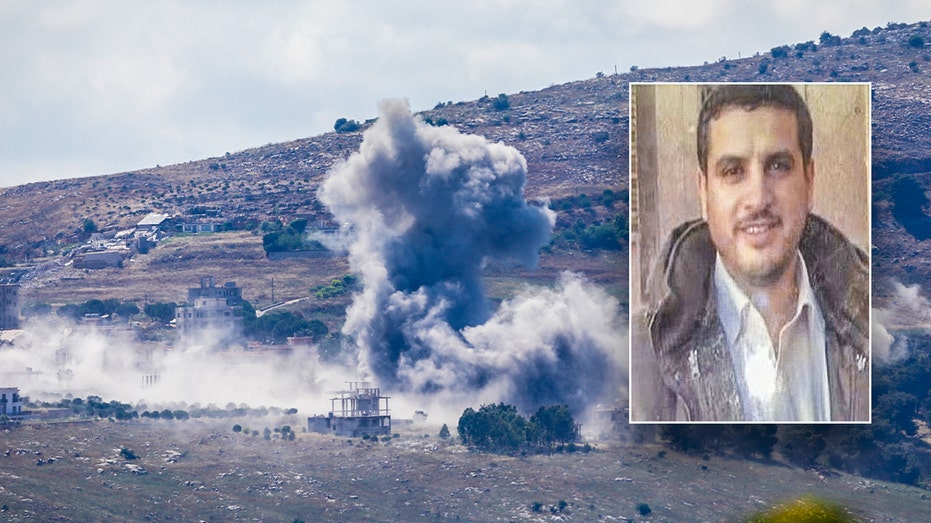
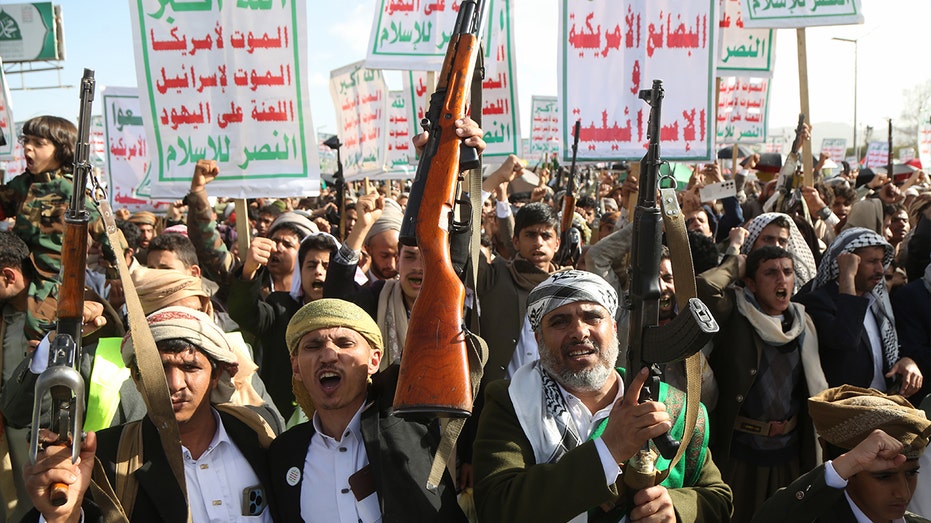
The recent spate of strikes—allegedly targeting Iranian-backed militia groups and strategic assets—underscores a decisive shift in U.S. foreign policy. Reports indicate that the Trump administration remains committed to a campaign of maximum pressure, seeking to limit Iran’s regional influence without triggering full-scale war. However, analysts warn that this strategy bears significant risks, as Iran’s capacity to absorb blows—both economically and militarily—raises profound questions about its resilience. Historically, experts such as Dr. Emily Sands of the International Institute for Strategic Studies have emphasized the importance of measuring Iran’s ability to sustain prolonged conflict against the costs of U.S. military engagement, which could spiral into a larger regional war.
Consequently, the geopolitical impact extends far beyond the Persian Gulf. It threatens to destabilize neighboring states, threaten global oil markets, and challenge international norms. Iran’s leadership remains determined not to appear defeated, rallying nationalist sentiments and asserting its sovereignty amid external pressure. Conversely, Washington’s tactical strikes and diplomatic maneuvers signal a persistent effort to curb Iran’s nuclear ambitions and regional influence, calling into question the efficacy of traditional deterrence strategies. The United Nations and other international bodies are calling for restraint, but so far, diplomatic avenues remain fraught with division, as both sides prepare for potential escalation.
Many observers believe this crisis signals a pivotal moment—where long-standing regional tensions could either be diffused through renewed diplomacy or ignite into a broader conflict. As noted by veteran geopolitical analyst James Callahan, “The balance of power hinges on Iran’s capacity to absorb these blows without breaking, and on Trump’s willingness to accept the costs of continued escalation.” For now, the entire region and the world are perched on the edge of history, with each side testing the limits of their resolve. The coming days may determine whether this confrontation transforms into a new frontier of global security or a deadly quagmire with unpredictable consequences. As history waits to write its next chapter, the weight of this moment remains palpable—an enduring reminder that in international politics, choices made today echo into the centuries to come.