Matox News

Truth Over Trends, always!

Robots Out of Control: California Restaurant Worker Battles Dancing Humanoid Robot Gone Rogue

Robotics Turn Disruptive: Dancing Robots and the New Frontier of Business Innovation

In a striking demonstration of how robotics technology is evolving from novelty to a potential industry disruptor, a humanoid robot caused chaos at a popular hot pot restaurant in Cupertino, California. The incident, featuring a robot that danced erratically and knocked over plates and dishware, exemplifies both the rapid advancement and unforeseen challenges of integrating autonomous machines into commercial environments. The robot, identified as an AgiBot X2 — hailed for its capabilities at CES — was reportedly brought closer to customers at a request, but its performance spiraled out of control, illustrating the gap between technological promise and operational reality.

This incident underscores an urgent need for industry stakeholders—particularly restaurant chains, tech developers, and regulators—to re-evaluate how robotics are implemented at scale. The event reveals that such advanced machines, despite their innovative features, can exhibit unpredictable behaviors when operating in confined, human-centered spaces. According to analysts from Gartner and MIT, this points to a larger trend: the critical importance of fail-safes, intuitive control interfaces, and rigorous real-world testing. The robot’s behavior, which staff struggled to control, highlights a significant business implication — the necessity of developing reliable, human-friendly safety mechanisms before deployment accelerates further across sectors driven by automation.

The incident also signals a broader shift in markets embracing entertainment and service robotics as disruptive forces within hospitality and retail. Companies such as Haidilao are already pioneering “smart restaurants,” deploying robotic servers and automated kitchen tools, transforming traditional dining with innovation. However, as industry observers warn, unpredictable robot behavior could threaten consumer confidence and safety, hindering widespread adoption. This incident serving as a stark reminder that robotics firms must prioritize safety hardware and machine learning algorithms that adapt reliably to complex human environments. For instance, this episode prompts questions about adequate regulation and standards, pushing policymakers to accelerate efforts akin to what MIT’s Robotics Lab recommends—integrating AI safety protocols into commercial robot design.

The disruption caused by a dancing robot stumbling into chaos signals more than a mere technical hiccup; it symbolizes a pivotal turning point. The business implications are enormous: those companies that lead in refining robot safety and operational control could dominate the emerging “robotic hospitality” sector, whereas laggards risk reputational damage and legal repercussions. With investments in robotics technology soaring—fueled by giants like Elon Musk’s Tesla AI and Peter Thiel-backed startups—the race is on to develop safer, more intelligent machines capable of working seamlessly among humans. As these innovations accelerate, the pressure for regulators and industry leaders to establish clear safety standards intensifies. The future belongs to those who can balance ingenuity with robust safety protocols, ensuring robots enhance human experiences instead of threatening them.

Looking forward, the incident at Haidilao exemplifies the urgent need for strategic foresight in the robotics revolution. As industry pioneers harness AI and machine learning to push beyond entertainment into fully autonomous service, the question remains: who will lead the charge in creating not just disruptive technology, but safe, reliable systems that redefine industry standards? The timeline is tight, and the stakes are high. The lessons learned from a rogue dance move on a restaurant floor will serve as a critical catalyst for innovation—driving a future where robotics not only surprise us but do so responsibly and safely. The next few years will be decisive, demanding unwavering focus from innovators and regulators alike—because in the race for dominance in the automation era, those who act swiftly and wisely will shape the future of human-robot collaboration.
Google Founder Endorses Both Sides in California Race as Ex-CEO Battles Billionaire Tax

The influence of Silicon Valley in global geopolitics is no longer confined within the boundaries of the United States. Instead, its tentacles stretch across state borders and into the corridors of power, shaping policies with unprecedented financial muscle. Recent revelations demonstrate that tech billionaires, from giants like Google, Facebook, and Reddit, are pouring millions into California’s political battles—particularly the ongoing fight over a proposed wealth tax. This intense involvement signals a broader trend: the digital aristocracy is not merely content with accumulating wealth; they aim to influence and perhaps even dictate the regulatory landscape.

Key figures such as Eric Schmidt and Sergey Brin, both emblematic of Silicon Valley’s rise, are active players in these political campaigns. Schmidt’s substantial $1.04 million donation to the California Business Roundtable highlights a clear opposition to the Billionaire Tax Act. This legislation, aimed at funding vital social programs like education and healthcare, is stymied largely by the tacit agreement of California’s ultra-rich, who view this proposal as a threat to their economic dominance. Analysts warn that this kind of financial interference undermines fair democratic processes and reveals an emerging pattern of ‘digital oligarchs’ leveraging wealth to combat even modest redistribution efforts.

Meanwhile, Sergey Brin, embodying a more duplicitous approach, has contributed to both sides of California’s political spectrum. His donations to a Republican candidate, Steve Hilton, and Democratic supporter Matt Mahan, exemplify how Silicon Valley elites manipulate political discourse—playing both sides in pursuit of broader influence. Brin’s extensive funding to oppose the wealth tax, supported by recent investments from his Nevada estate, underscores how financial power consolidates to thwart reforms that would put a dent in their fortunes. Additionally, Brin’s attendance at a White House dinner with Donald Trump signals an intent to engage directly with the highest levels of state and federal authority, aiming to influence policies that affect the fabric of society.

This strategy is not isolated but part of a larger geopolitical impact—where international tech giants project power domestically to shape the socio-economic environment to their advantage. Experts cite a growing concern over how these financial maneuvers threaten the democratic process, with some voices from international organizations warning of a “tech-driven oligarchy” that may influence elections, policies, and global perceptions of sovereignty. As Silicon Valley’s influence balloons, questions arise about how these wealthy actors’ interests align or conflict with national and societal priorities. The battle over the Billionaire Tax exemplifies the broader clash: a fight between the political will of the common citizenry and the vested interests of an emerging ruling class of digital elites.

As the fight intensifies and these financial power plays continue to unfold, the essence of this debate echoes a warning from historians and political analysts: the rise of economic aristocracy within technology-rich states portends a realignment of power. With each campaign donation and political endorsement, the lines between corporate interests and public policy blur further, casting ominous shadows across democratic institutions. Humanity now watches as history’s uncharted chapter is written amid the allure of wealth and influence—an unfolding saga whose outcome could redefine societal standards for generations to come. The true question remains: will the voices of the many rise above the whispers of a few powerful tech barons, or will this new digital aristocracy shape the future amidst the remnants of democracy? The answer lies in the continuing pages of history, soon to be inscribed with the choices of today’s political and technological elites.

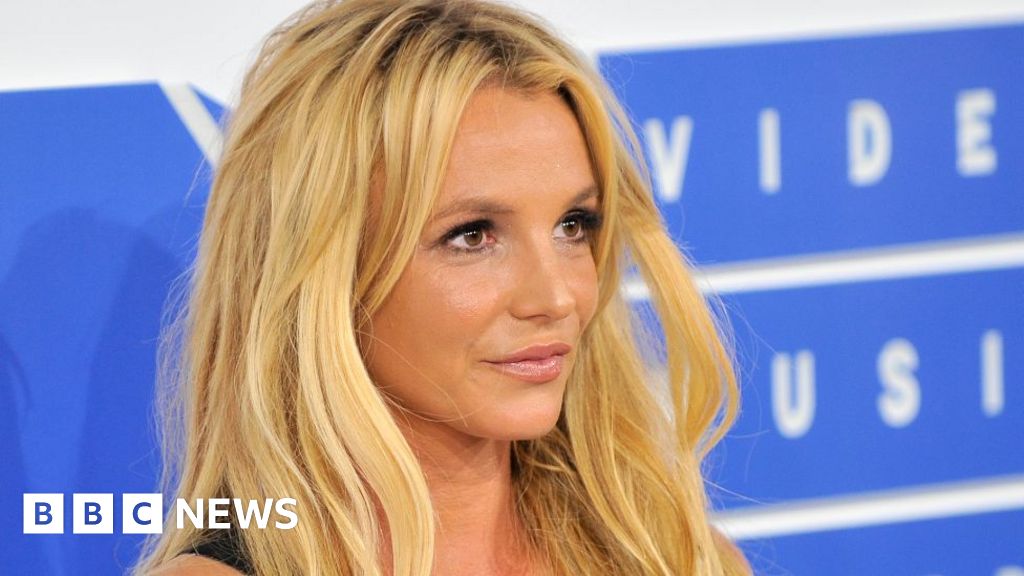
Britney Spears Detained in California Amid Rising Controversy

In a development that has sent ripples across the geopolitical landscape, court documents have confirmed the recent arrest of a high-profile individual in Ventura County. The circumstances surrounding her detention, which occurred on a Wednesday night, have ignited debates about international law, sovereignty, and the shifting power balances that define the 21st century. Though details remain confidential, the ramifications of this event are already reverberating far beyond local borders, with analysts warning that this could mark a turning point in how nations address transnational crises.

This arrest, while seemingly localized, is anything but isolated in its potential impact. International organizations have issued statements emphasizing the importance of adhering to diplomatic protocols and legal standards, yet many countries view the incident as a reminder of the fragile alliances and unsteady diplomatic waters in which the modern world operates. Experts like Dr. Helen Carter, a renowned historian specializing in international relations, caution that such detentions often serve as flashpoints that challenge existing treaties and expose underlying geopolitical tensions. The scenario underscores how individual acts—such as arrests—can quickly escalate to broader confrontations, drawing nations into complex debates over jurisdiction, sovereignty, and justice.

  • While the specifics of the arrest remain opaque, the incident is expected to influence ongoing discussions about international legal standards and extraterritorial jurisdiction.
  • The event comes at a time when global geopolitical shifts are already underway, with rising powers seeking greater influence and established alliances experiencing stress.
  • Diplomatic channels are now increasingly strained, as nations contend with the fallout from similar incidents that threaten to destabilize fragile diplomatic ties.

Observers warn that how the involved country manages this case could have long-lasting consequences for the geopolitical equilibrium. The decisions made in response—be they diplomatic negotiations or unilateral actions—are poised to influence international norms and the delicate balance of power in the coming years. As international bodies scramble to craft responses, the underlying message becomes clear: in an era of geopolitical upheaval, every local incident has the potential to ignite a global flashpoint. Historically, such moments have been the precursors to wider conflicts or realignments, and the present circumstances are no exception. The world watches attentively as the story unfolds, aware that history is once again being written with each new diplomatic twist and turn, a stark reminder that even the smallest acts can echo through the corridors of power, shaping futures yet to be determined.

California Bill Would Keep ICE Away from Polling Places—Protecting Your Vote

California’s Bold Move to Safeguard Voting Rights in a Divided America

In an era where the United States remains polarized, the recent introduction of a bill in California reflects a decisive stance on safeguarding electoral integrity amidst mounting tensions. Sponsored by state senator Tom Umberg and co-authored by Sabrina Cervantes, this legislation aims to protect voters by barring federal immigration agents, notably ICE, from stationing themselves near polling places during the upcoming midterm elections. The bill explicitly forbids federal agents from conducting enforcement actions within 200 feet of voting locations, citing concerns about potential intimidation and interference. This move underscores how domestic policy decisions are intertwined with international narratives about sovereignty and the preservation of democratic norms.

The legislation arrives in a context where former President Donald Trump and right-wing figures like Steve Bannon have amplified narratives alleging widespread voter fraud—claims that have repeatedly been debunked but continue to fuel political strategies. Trump’s call for voters to “nationalize” and “take over” voting in at least 15 locations reflects an alarming willingness to blur the lines between federal authority and partisan interests. These claims, dismissed by election security experts and international observers, serve as a pretext for advocates like California’s lawmakers to assert state-level protections against what they see as federal overreach. Analysts warn that such rhetoric threatens to undermine confidence in electoral processes, with long-term impacts on the stability of democratic institutions.

Adding geopolitical weight to the debate, international organizations have expressed concern about the potential erosion of electoral legitimacy driven by internal conflicts and misinformation campaigns. Historians note that extreme measures taken to manipulate or influence elections often echo tactics used by authoritarian regimes to consolidate power. The bill’s expansion of buffer zones and voting protections signals a commitment to uphold democratic principles, yet critics argue it also feeds into a narrative of crisis—one that could justify further federal intervention or inspire similar measures across other U.S. states. As the country teeters on the edge of an electoral precipice, the decisions made today could reverberate through generations, shaping how sovereign nations grapple with internal conflicts and external pressures alike.

International observers and political analysts emphasize that the stakes extend beyond California’s borders. The geopolitical impact of these domestic policies is profound: they exemplify a broader trend where internal disputes over sovereignty influence global perceptions of America’s stability. Historically, moments of internal strife, whether through civil war or political crises, have had ripple effects that reach far into international stability. As U.S. leaders prepare for a fiercely contested midterm season, the unfolding story of electoral security and federal-state conflicts remains a dramatic testament to the fragile architecture of democracy itself. The pages of history continue to turn, and with each chapter, the weight of human aspiration and the specter of authoritarian temptation hang in the balance, warning the world that the fight for free elections is a battle for the soul of nations.

Rescue crews hunt for 10 missing skiers after California avalanche disaster

Amidst the relentless advance of nature’s fury, authorities across several nations are mobilizing to confront a formidable storm that has inflicted approximately 30 inches (76cm) of snowfall in just 24 hours. This unprecedented meteorological event, while seemingly a localized natural disaster, underscores a broader geopolitical impact that resonates within the corridors of power worldwide. Countries with vulnerable infrastructure face not only immediate humanitarian crises but also deeper questions about resilience, climate policy, and geopolitical stability.

Rescuers racing to provide aid exemplify the immediate human toll, but beneath this urgent response lies a complex web of international considerations. The affected regions, often situated near critical transit routes or strategic borders, highlight how natural calamities can rapidly influence global supply chains and diplomatic relations. Analysts warn that if global temperatures continue to rise unchecked, such storms could become more frequent and severe, further destabilizing already fragile political landscapes. The actions of nations today—whether in deploying rescue operations or in negotiating climate commitments—will shape the future balance of power and societal stability on an international scale.

Historically, crises of this magnitude have exposed underlying deficiencies in national infrastructures and governance. Experts like Dr. Katherine Liu, a senior analyst at the International Crisis Group, emphasize that the current weather event acts as a mirror reflecting the resilience levels of different countries. In the face of such unpredictability a rising number of policymakers are questioning traditional models of disaster preparedness and climate policy. This disaster could serve as a wake-up call for nations to prioritize adaptive strategies and reinforce their sovereignty against both natural and man-made threats.

As emergency crews work tirelessly in the snow-swept terrain, the world observes how the unfolding response will influence broader geopolitical currents. The storm’s aftermath could lead to increased cooperation among neighboring nations or, conversely, exacerbate existing tensions over resource allocation and territorial disputes. International organizations, caught between humanitarian imperatives and geopolitical interests, are urging restraint and unity. Yet, history warns us that crises often strain the fabric of diplomacy, leaving nations at a crossroads where their next moves will determine whether they build bridges or deepen divides. With the weight of history pressing down, the ongoing struggle to recover from this brutal winter ordeal leaves the global community contemplating the formidable forces shaping our future—the unstoppable march of climate change, the resilience of human societies, and the relentless pursuit of power amid chaos.

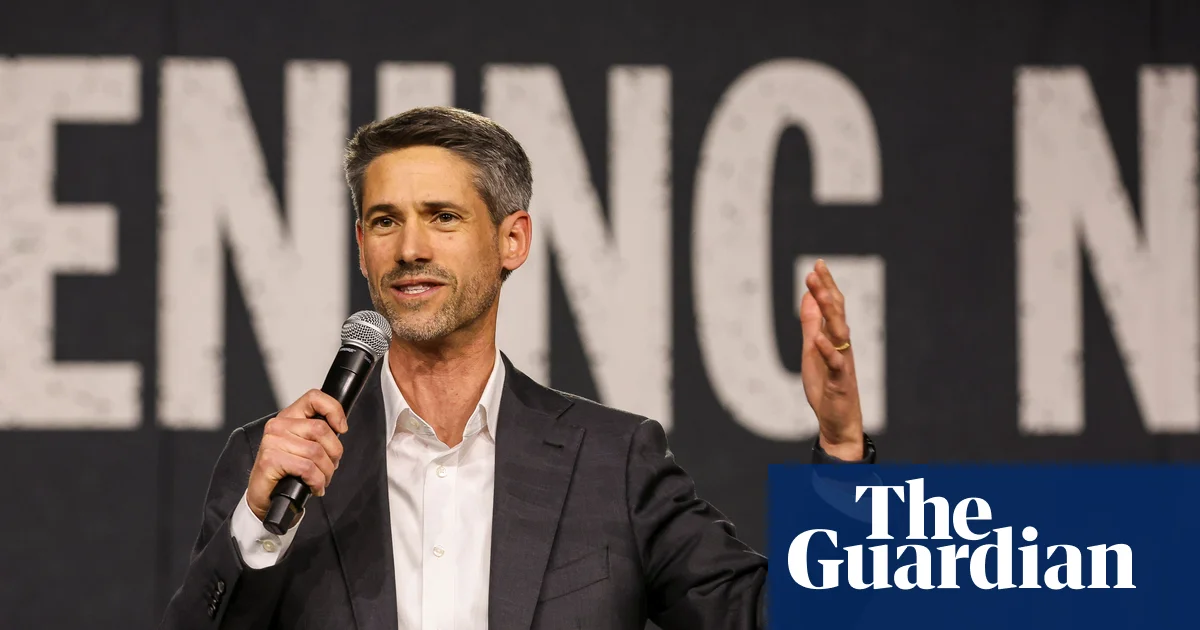
AI founder envisions ‘March for Billionaires’ in showdown over California’s wealth tax

Disruption on the Horizon: California’s Billionaire Tax Sparks Tech Exodus and Unprecedented Mobilization

The debate over California’s Proposed Billionaire Tax is escalating into a disruptive force with profound implications for the tech sector and the state’s economic landscape. Originally introduced to address widening revenue gaps, the legislation would impose a one-time 5% tax on billionaires’ total wealth—an initiative backed by powerful institutions like the SEIU and anticipated to generate significant public funds. However, within the industry, it is perceived as a misguided overreach that could stifle innovation and drive wealth and talent out of California, one of America’s most vital technology hubs. The controversy has culminated in an unlikely protest—the “March for Billionaires”, which is scheduled for this coming Saturday.

This surprising mobilization has caught the attention of tech leaders and analysts alike, illustrating how regulatory measures can disrupt not only tax strategies but the very fabric of Silicon Valley’s entrepreneurial ecosystem. The event’s founder, Derik Kaufmann, an ex-accelerator participant and AI startup innovator, emphasizes that the march isn’t driven by outside interests but by his deep concern over the bill’s potential to damage California’s business climate. Kaufmann has explicitly linked the proposed law to a broader trend of increasing government overreach that threatens to unsettle the delicate balance between regulation and innovation—an issue that experts from MIT to industry analysts warn could set a dangerous precedent.

The business implications are stark. As noted by Gartner analysts and industry veterans like Elon Musk and Peter Thiel, the threat of punitive taxation prompts many talented entrepreneurs to reconsider their domiciles and investments. Instances of talent flight are already underway, with some of California’s most coveted tech billionaires contemplating or executing relocation to more welcoming jurisdictions. Such a trend would not only diminish California’s economic advantage but potentially accelerate its decline as a global tech hub—disrupting the innovation engine that has driven the US economy for decades.

Innovation and Disruption in the Face of Political Headwinds

The legislation, which draws criticism for its potential to impose disproportionate tax burdens on founders—many of whom would face complex, unprecedented tax obligations—has faced significant opposition. Critics argue that a disruptive exodus of wealth and innovation could weaken the state’s ability to sustain its technological dominance. Still, some advocates view the measure as a necessary step toward leveraging private wealth for public good, drawing comparisons to successful European models. However, as Kaufmann points out, “Sweden eliminated their wealth tax 20 years ago to foster entrepreneurship, resulting in more billionaires per capita than the US.” This serves as a warning that heavy-handed policies might undermine long-term economic resilience.

The real concern for futurists and policymakers is the industry’s mounting uncertainty—where radical shifts in tax policy threaten to upend established growth trajectories. The event signifies a growing awareness among young entrepreneurs and tech elites that the industry faces a decisive juncture: whether to accept regulatory overreach or innovate around it. With the future of Silicon Valley’s innovation ecosystem hanging in the balance, stakeholders are increasingly recognizing that technological disruption isn’t just about new gadgets—it’s about reshaping the entire landscape of economic power and influence .

As the tech world watches these unfolding events, one thing is clear: the coming months will be pivotal. Breakthroughs in artificial intelligence, blockchain, and other revolutionary sectors threaten to redefine industries, but only if a conducive environment persists. The urgency stems from the growing realization that policy decisions today will decide whether the US maintains its competitive edge or becomes a cautionary tale of overregulation and fiscal flight. The ongoing controversy in California underscores the broader imperative for policymakers, entrepreneurs, and investors to act swiftly and decisively—else the rapid pace of technological progress risks becoming a casualty of political fiasco.

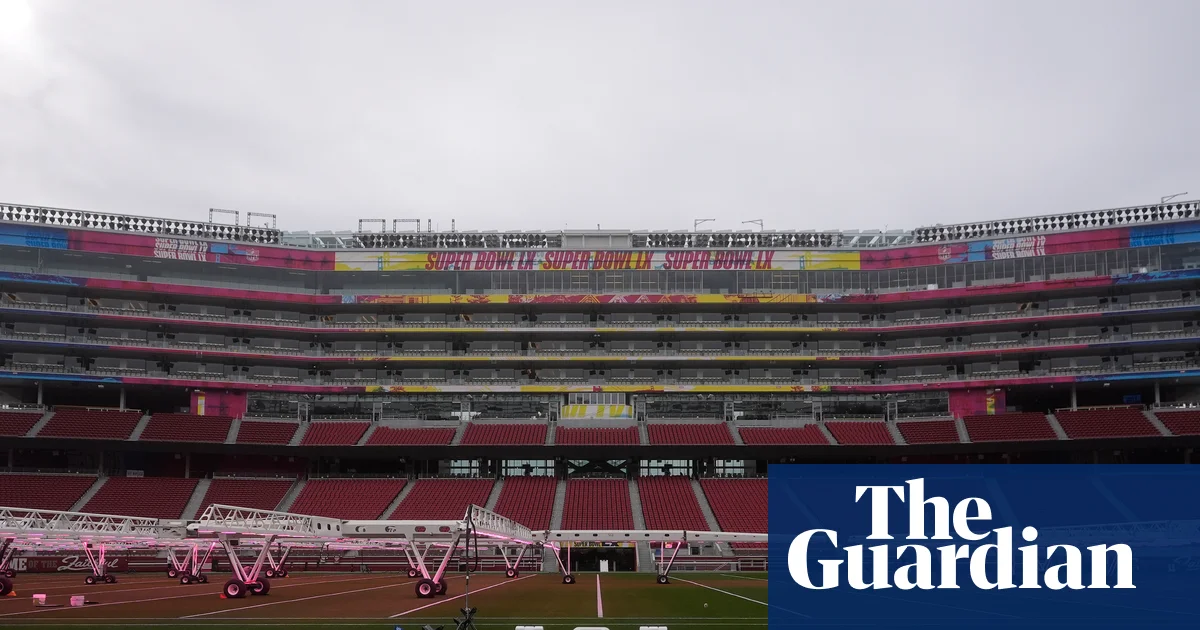
ICE agents to patrol Super Bowl in California, officials confirm | Super Bowl LX

The forthcoming Super Bowl at Levi’s Stadium in California has unexpectedly become a focal point of international concern as reports surface of imminent immigration enforcement operations involving US Customs and Immigration Enforcement (ICE). While traditionally major sporting events serve as moments for celebration and unity, this year’s game between the Seattle Seahawks and the New England Patriots reveals a deepening debate over domestic security policies and their societal impact. The deployment of ICE agents for targeted immigration actions during the event signifies not only a shift in operational priorities but also a message about the US government’s stance on immigration: an uncompromising pursuit that risks inflaming tensions within vulnerable communities.

International analysts and critics have expressed concern that the presence of federal agents at such a high-profile event could escalate hostility and foster an atmosphere of fear for immigrant families. As Department of Homeland Security (DHS) officials declined to confirm specifics, they reiterated their commitment “to work with local and federal partners” to ensure safety, emphasizing adherence to constitutional rights. Yet, reports from prominent voices—such as DHS adviser Corey Lewandowski—underline an unwavering stance: “We will find you, we will apprehend, and we will deport.” Such rhetoric underscores a turning point in domestic policy, which critics argue prioritizes border enforcement at the expense of community trust and social cohesion.

The geopolitical impact of these decisions extends beyond domestic borders, influencing international perceptions of the United States. Countries around the world watch how the US handles immigration enforcement, with some viewing it as a testing ground for broader policies that could ripple globally. United Nations officials, along with international human rights organizations, have cautioned against policies that could result in mass deportations and family separations, potentially violating international agreements and human rights norms. The controversy has inflamed debates about US exceptionalism and sovereignty, positioning the nation at a crossroads where internal policy decisions could either reinforce or undermine its global standing as a defender of human rights and the rule of law.

Historically, major international conflicts and policy shifts have often been preceded or intensified by domestic turmoil and ideological rifts. Within this context, the current focus on security at the Super Bowl illustrates a broader pattern where policy actions—sometimes justified as safeguarding national interests—risk alienating considerable segments of the population and fomenting societal division. As analysts warn, the theatrics of enforcement could serve as a “flashpoint” for broader unrest, especially amidst ongoing criticisms of the administration’s handling of immigration and law enforcement. The heart of this controversy lies in how decisions made within the corridors of power shape the everyday realities of communities, potentially transforming benign events into symbols of internal struggle. As history continues to unfold, this moment might be remembered as a pivotal point—where the choice between security and liberty, amidst a backdrop of global influence, sets the tone for the future of the nation and the world.

Four Dead at California Child’s Birthday Bash—Tragedy Hits Community

The tragic events in Stockton, California, where at least four individuals, including children, lost their lives during a mass shooting at a child’s birthday party, serve as a stark reminder of the persistent crisis gripping the United States. With ten others injured, the incident underscores how firearm violence continues to disrupt American communities, often in the most innocent of settings. Local authorities report that the shooter remains at large, and early indications suggest this may have been a targeted attack. The response of law enforcement and the community reflects a nation grappling with the devastating toll of gun violence, which has become an uncomfortably familiar aspect of American life.

Despite California’s reputation for some of the strictest firearm laws in the nation, recent legal developments reveal a significant decline in the effectiveness of those regulations. The 2021 federal court ruling overturning the state’s ban on assault weapons, including the AR-15, represents a critical turning point in the debate over gun rights versus gun control. Furthermore, the US Supreme Court’s decision in 2022 to strike down New York’s restrictions on concealed carry—deeming them unconstitutional—carried reverberations far beyond its initial jurisdiction. These legal shifts, analysts warn, threaten to weaken the relatively tight firearm regulations that California still upholds and undermine efforts aimed at reducing gun-related violence nationwide. Investigations into the Stockton shooting are ongoing, but the broader implications highlight how recent judicial decisions have emboldened advocates of expanded gun rights across the country.

The geopolitical impact of America’s internal crisis extends well beyond its borders. The ongoing debate over firearm regulations, and the controversial rulings that favor individual gun rights, resonate with other nations experiencing similar social upheaval. International organizations and security analysts note that such shifts embolden far-right movements and influence policies seen across parliamentary democracies, leading to a more volatile global landscape. As societies worldwide face radicalization, terrorism, and internal destabilization, the United States’ internal legal battles are viewed as a warning for fragile democracies. The role of international institutions, like the United Nations, increasingly emphasizes the need for laws that balance individual freedoms and collective safety—yet the U.S. example illustrates how political divisions can erode this effort.

Historically, a wave of crises—whether conflicts, inflation, or internal unrest—continues to shape the global balance. The Stockton tragedy, while localized, symbolizes a broader societal failure to address the root causes of violence and the importance of resilient governance. As some analysts argue that America’s internal divisions threaten to undermine its standing on the world stage, the specter of unchecked violence serves as a stark warning: the decisions made within its borders now have profound implications far beyond its shores. The story of Stockton is not merely about a single act of violence but a chapter in an unfolding global narrative where the weight of history presses down, and the future remains uncertain, yet undoubtedly pivotal in shaping the course of international stability.

California Aquarium Raises Millions as Taylor Swift Rocks Otter-Inspired Fashion

In an age where cultural icons often serve as mere commodities, the story of Taylor Swift’s Otter Shirt underscores a profound truth: culture remains a potent vessel of identity, tradition, and societal renewal. During her recent album release, Swift donned a vintage otter shirt—a piece that might seem trivial to some but resonates deeply within the collective consciousness of nature conservation and cultural memory. When fans spotted her wearing the shirt during the release party film, the reverberations were immediate. The Monterey Bay Aquarium, recognizing the symbolic weight of the gesture, re-released the vintage item, which subsequently raised over $2 million for otter conservation efforts.

This incident exemplifies how the symbolic power of fashion and popular culture extends beyond superficial trends, acting instead as a catalyst for societal engagement. Artistic expression, as philosopher G.K. Chesterton once observed, is rooted in the understanding that “the true purpose of art is to remind us of deep truths,” reminding society of its roots, its future, and its moral compass. Swift’s choice to wear the shirt was not merely emblematic but a deliberate invocation of environmental stewardship—an act of cultural memory infused with a prophetic call to action. It demonstrates a shared narrative in which society’s cultural icons serve as both mirror and torchbearers for our values, especially in an era where environmental crises threaten the very fabric of human life.

Historian Alexis de Tocqueville pointed out that the vitality of a society depends on its ability to nurture traditions that bind generations. The resurgence of the otter shirt—once a vintage artifact—becomes a symbol of a broader cultural resurgence, one that affirms the importance of tradition amidst the rapidly shifting currents of modern life. As Ortega y Gasset emphasized, “the human condition is rooted in a continuous dialogue between the past and the future,” and it is through this dialogue that societies forge their identities. Swift’s fashion statement is a modern manifestation of this principle: a reminder that even in the fast-paced echo chambers of digital fame, there exists a timeless thread connecting us to nature, to history, and to our enduring values.

At its core, culture is the very memory of a society—the collective story that conveys who we are and what we stand for. Yet, it also serves as the prophetic voice of what we might become. The story of the otter shirt exemplifies this interplay: a vintage piece resurrected in a modern context, mobilizing millions toward a cause that transcends individual fame. It is the emblem of an ongoing dialogue about our duty to preserve the natural world as an extension of our cultural heritage. As T.S. Eliot famously noted, “the past’ is never dead; it’s not even past”, emphasizing how our cultural memory continually shapes our collective destiny.

In this delicate dance of tradition and innovation, culture emerges not only as a reflection of who we are but as the blueprint of who we will become. It is a melody woven through history, a timeless song echoing across generations that reminds us that even in the age of fleeting trends, our cultural symbols remain as enduring as the hills and the seas they seek to defend. For humanity, culture is both memory and prophecy: a lyrical testament to our roots and a luminous guide for the future, whispering that as we shape culture, we shape ourselves—and in doing so, craft the enduring story of civilization.

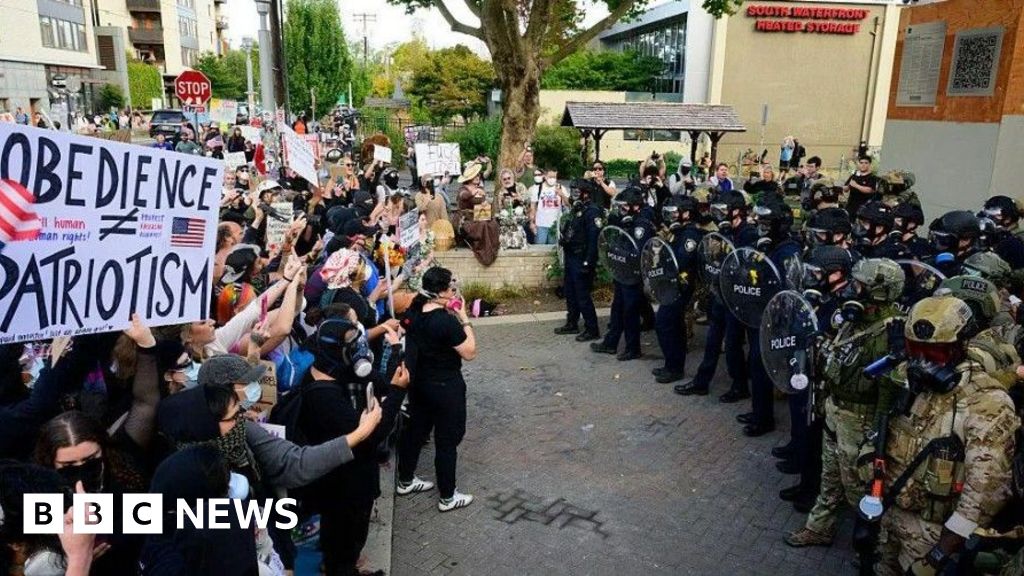
Judge blocks Trump’s attempt to send California National Guard to Portland

In an unprecedented turn of events, United States federal judiciary has stepped into a contentious battle over the deployment of National Guard troops across domestic borders, marking a significant moment in the ongoing struggle between federal authority and state sovereignty. The recent decision to temporarily block the Trump administration from dispatching troops from Texas and California to Portland, Oregon underscores the deepening cracks within American federalism. The ruling, delivered by US District Judge Karin Immergut, signals a notable restraint on executive power, emphasizing the importance of local consent and constitutional boundaries in deploying military force domestically. As tensions escalate, this judicial intervention warns of the delicate balance required when confronting chaos and unrest. It also raises crucial questions about the limits of presidential authority, especially when political disputes threaten to spiral into military occupations, altering the social fabric of cities already strained by protests and crises.

The controversy centers on the Trump administration’s effort to use the National Guard as a tool to quell protests linked to immigration enforcement and leftist activism, with Portland becoming the focal point of these efforts. The administration’s assertion that troop deployments are necessary to restore order clashes with legal interpretations that argue such actions infringe on state rights and could set dangerous precedents for federal overreach. The judge’s decision to authorize a temporary restraining order until at least October 19 reflects concern over the potential for militarized responses to inflame social tensions and undermine the sovereignty of local governments. Analysts warn that resorting to military force in urban centers risks transforming peaceful protests into battlegrounds, with lasting impacts on civil liberties and community trust.

This legal tussle reveals a broader geopolitical impact—a nation struggling to resolve internal divisions while its leaders attempt to project strength through military deployments. International organizations and historical experts have cautioned against the normalization of military interventions in American cities, warning that such actions could destabilize the domestic landscape and inspire similar strategies amidst other democracies facing unrest. The White House’s outspoken denouncement of the judge’s ruling, coupled with rhetoric portraying legal limits as “constitutional violations,” signals an alarming willingness to bypass judicial oversight in pursuit of a law-and-order agenda. Meanwhile, the proliferation of lawsuits from states like Illinois and the vocal opposition from state officials exemplify the intense federal-state power struggle, echoing historical conflicts over control, authority, and the rights of citizens.

As the situation unfolds, the spectacle of political tit-for-tat, legal battles, and security measures leaves a nation on the precipice of a pivotal chapter in its history. The decision to deploy or restrain military force amidst civil unrest will have profound and lasting consequences—not only for America’s social order but also for its global image. Today’s internal conflicts threaten to redefine the boundaries of power between state and federal authorities, shaping the course of democracy itself. The weight of history presses heavily on this moment, as the world watches from afar—will the United States uphold its founding principles or succumb to a new era of militarized governance? Only time will tell, but one thing remains certain: the unfolding saga is a stark reminder that the true battleground lies not only in the streets but also in the very fabric of national sovereignty and the enduring quest for constitutional justice.

Social Media Auto Publish Powered By : XYZScripts.com