Matox News

Truth Over Trends, always!

Met Police Call on Epping Sex Offender to Turn Himself In Amid Rising Concerns

London is once again at the center of a geopolitical debate, this time over the failure of its justice and immigration systems. The recent case involving Hadush Gerberslasie Kebatu, an Ethiopian national and convicted sex offender, underscores the profound risks and vulnerabilities associated with current domestic policies. Kebatu, who was wrongly released from HMP Chelmsford after serving only 31 days of a 12-month sentence, has become the focal point for international criticism on bureaucratic incompetence, human error, and the broader implications for public safety. This incident, which forced a major police manhunt across London, highlights the dangerous intersection of migration, national security, and judicial oversight—issues that resonate far beyond Britain’s shores.

The UK Prime Minister, Keir Starmer, condemned the release as “totally unacceptable,” emphasizing its disastrous implication for public confidence in the nation’s justice and immigration systems. The event appears to be less an isolated mistake than a symptom of systemic exhaustion. Records reveal a troubling 128% increase in prisoners released in error over the past year, with 262 cases, according to government data. International analysts warn that such failures jeopardize the geopolitical stability of a nation grappling with complex migration challenges and domestic security concerns. Critics argue that UK authorities lack the capacity and resilience to handle an influx of migrants arriving via small boats, which, according to reports from HM Inspectorate of Prisons, has resulted in “national capacity issues” and staff shortages—especially in critical pre-release and reception areas.

Historians and geopolitical analysts warn that Britain’s current predicament may be emblematic of a broader pattern seen across Western nations where immigration policies are often misaligned with capacity and resource constraints. For instance, international organizations such as the European Court of Human Rights and United Nations have previously issued cautious warnings about the pitfalls of overwhelmed detention systems and inconsistent deportation practices. Such warnings serve as a stark reminder of how international shifts in migration policy and domestic political will directly influence national security and societal stability. The Kebatu case, in particular, has been exploited by far-right factions seeking to amplify fears about immigration and public safety, thereby increasing societal polarization and complicating diplomatic efforts aimed at cooperative migration management.

As Kebatu was seen wandering London, seeking assistance and questioning his direction, the incident exemplifies how individual errors can cascade into crises with far-reaching geopolitical impact. His case underscores the urgency of comprehensive reforms—both in prison administration and immigration oversight—that could prevent further incidents of this magnitude. International observers warn that Britain’s ongoing struggles to balance leniency, security, and immigration control threaten to weaken its position in an increasingly polarized world. The weight of history bears heavily on this unfolding disaster, with each failed policy, each negligent release and each exploited fear shaping the future of Britain’s global standing. In this maelstrom of mistakes and missed opportunities, the question remains: will this be a turning point that galvanizes urgent reform, or simply another chapter in a narrative of decline under mounting pressure?

West Yorkshire Parents of Neurodivergent Kids Call for Stronger Support System

Society’s Silent Crisis: Neurodivergent Families and the Glaring Gaps in Support

In recent months, families across the UK have sounded a chorus of concern, revealing a systemic failure in supporting neurodivergent children and their families. Underdiagnosis, inadequate post-diagnostic support, and overwhelming waiting times are not just bureaucratic stumbling blocks—they are societal failures that ripple through families, schools, and entire communities. The stories emerging from West Yorkshire and beyond underscore a disconcerting truth: neurodivergent children are often left isolated, and their parents are pushed to their limits without meaningful assistance.

Parents like Louise Moller from Leeds, whose son Noah was diagnosed at age five, describe a distressing pattern. “They gave us a few sessions and some leaflets, then dropped us,” she laments, highlighting an overarching issue where diagnostic processes are quick, and support networks are scarce or non-existent. This abandonment leaves families in a state of helplessness, often forcing them into roles of advocates and caregivers without the necessary resources. Such challenges are exemplified by the case of Kerri-Anne Ball, who began the autism assessment process for her son at age two but received her official diagnosis only at age four. Even then, her query about ongoing support was met with a stark silence—their case file was closed, and support ended at diagnosis. This pattern of minimal engagement fuels feelings of uncertainty and despair that leave many feeling forgotten by the very institutions meant to serve their needs.

More troubling are the prolonged wait times—according to NHS statistics, as of June 2024, over 236,000 individuals in England—including children—wait for autism assessments, while up to 549,000 others are awaiting evaluations for ADHD. These delays are not mere statistics but a representation of families forced to navigate their journey alone, often in silence. As social commentators and sociologists like Dr. Andrew Wills have observed, the waiting game exacerbates social exclusion, especially for vulnerable children whose educational development may be hindered. Furthermore, the social tensions generated by these gaps threaten to deepen divisions, as communities wrestle with the stigma and misunderstanding surrounding neurodiversity. The moral imperative is clear: early diagnosis is crucial, but it must be accompanied by sustained support—something that currently remains elusive for many.

Fortunately, amid the darkness, local charities like Northorpe Hall Child & Family Trust are pioneering efforts to reconceptualize support. Rosa Forrest, the organization’s lead for neurodevelopmental issues, emphasizes the importance of community-based interventions, noting that many parents feel unheard and isolated. Her initiative, Me + My Normal, brings parents into the fold alongside their children, fostering a shared space for understanding and resilience. These efforts, though vital, are only a palliative in a landscape that desperately needs systemic reform. Social commentators, including Dr. Lisa Grant, argue that society must recognize the human toll—*not just in academic or bureaucratic terms but in how families weather a storm of neglect*—and respond with urgent, dedicated funding for both diagnostics and ongoing support services.

In the final analysis, society stands at a crossroads. The stories of Louise, Kerri-Anne, Miriam, and Rosa are not isolated incidents but voices of a larger, systemic crisis—the neglect of our most vulnerable. As society grapples with these social fissures, perhaps hope lies in a collective awakening of empathy and action. The challenge remains: will society recognize that the true measure of our progress is how we support those most in need? In the quiet resilience of families enduring these hardships flickers a light—a hope that society’s conscience can be awakened, transforming neglect into nurture, indifference into advocacy. After all, the real society we build tomorrow depends on how fiercely we fight for the children and families today.

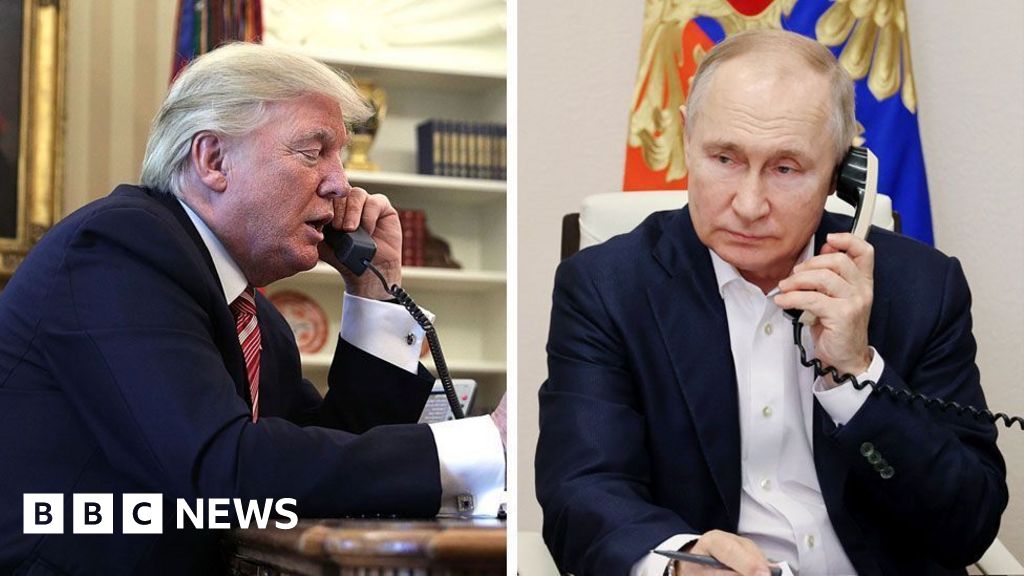
Trump vows to meet Putin again after promising call advances U.S.-Russia relations

In a series of high-stakes diplomatic maneuvers, the United States and Russia are embroiled in a complex game of strategic brinkmanship at a critical juncture in global affairs. This latest development follows President Donald Trump‘s recent exchange with Vladimir Putin, marked by a phone call described by Washington as “very productive” and the anticipation of a face-to-face summit in Hungary. The geopolitical impact of these conversations reaches far beyond bilateral relations, affecting not only Ukraine but also the broader European and international stability. In a world seeking avenues for peace, the specter of renewed conflict looms large, driven by decisions made in backroom negotiations and public posturing.

  • On Thursday, Trump and Putin engaged in their first significant dialogue since mid-August, concluding with an agreement to convene more detailed discussions next week. The Kremlin highlighted that work on the summit would commence “immediately” after what they called an “extremely frank and trustful” call. This marks a notable shift from previous tensions and underscores how key leaders are maneuvering in the shadows of war, attempting to influence the geopolitical landscape with limited transparency.
  • Meanwhile, Ukrainian President Zelensky faces mounting pressure as the Biden administration contemplates arming Kyiv with advanced Tomahawk missiles, capable of deep strikes into Russia. Zelensky’s statement that Moscow is “rushing to resume dialogue” as soon as it perceives these weapons underscored the fragile, volatile nature of the ongoing conflict. The decision to supply Ukraine with such capabilities could drastically alter the war’s dynamics, leading to a potential escalation or stalemate, depending largely on how Russia perceives these moves.

Analysts and historians are warning that the recent diplomatic activities signal a shift toward greater unpredictability in an already volatile region. International organizations like the United Nations have cautioned against the escalation of hostilities, while European leaders such as Viktor Orban of Hungary advocate for diplomacy over confrontation—calling for patience, strength, and dialogue as the only viable path to peace. But the question remains: are these overtures genuine attempts at resolution, or just tactical steps in a broader chess game designed to influence the post-conflict order?

As Washington and Moscow continue to clasp onto their divergent visions for global dominance, the potential repercussions extend to economic spheres. Trump’s insistence that high-level advisors from both nations will meet to discuss trade “when the war is over” reflects the deep interconnection between geopolitics and economic strategy. Conversely, on the battleground, Russian missile strikes amid diplomatic talks serve as a grim reminder that peace remains elusive, and the path to stability is fraught with peril. Domestically, these developments are resonating among young people worldwide, keenly aware that the decisions made today will shape the future they inherit.

Indeed, the thread of history is being woven with each diplomatic encounter, each missile launch, and each negotiation. The world watches with bated breath as world leaders navigate a landscape where old alliances are tested and new rivalries emerge. In this relentless pursuit of power and peace, the curtain has yet to fall on the drama that will determine whether the 21st century will be remembered as an era of harmony or chaos. The weight of these choices, forged in the crucible of conflict and diplomacy, echoes through generations, reminding us that the unfolding story is far from over — it is only just beginning.

Gaza Ceasefire Live: Israeli Hostages to Be Freed Amid Trump’s Bold Call for 'War's End' — Trump Heads to Middle East
Gaza Ceasefire Live: Israeli Hostages to Be Freed Amid Trump’s Bold Call for ‘War’s End’ — Trump Heads to Middle East

The recent developments surrounding the ceasefire agreement in Gaza mark a pivotal moment on the international stage, poised to reshape the geopolitics of the Middle East. With mediating nations set to sign a binding guarantee in Egypt during an unprecedented summit, the world watches as several key players attempt to forge a fragile path toward peace amid ongoing conflict. Notably, the countries involved—namely the US, Egypt, Qatar, and likely Turkey—highlight the collective effort to stabilize a region historically plagued by instability. This diplomatic choreography underscores the significance of international cooperation, especially as all eyes are now fixed on how these decisions will influence societal shifts across affected nations.

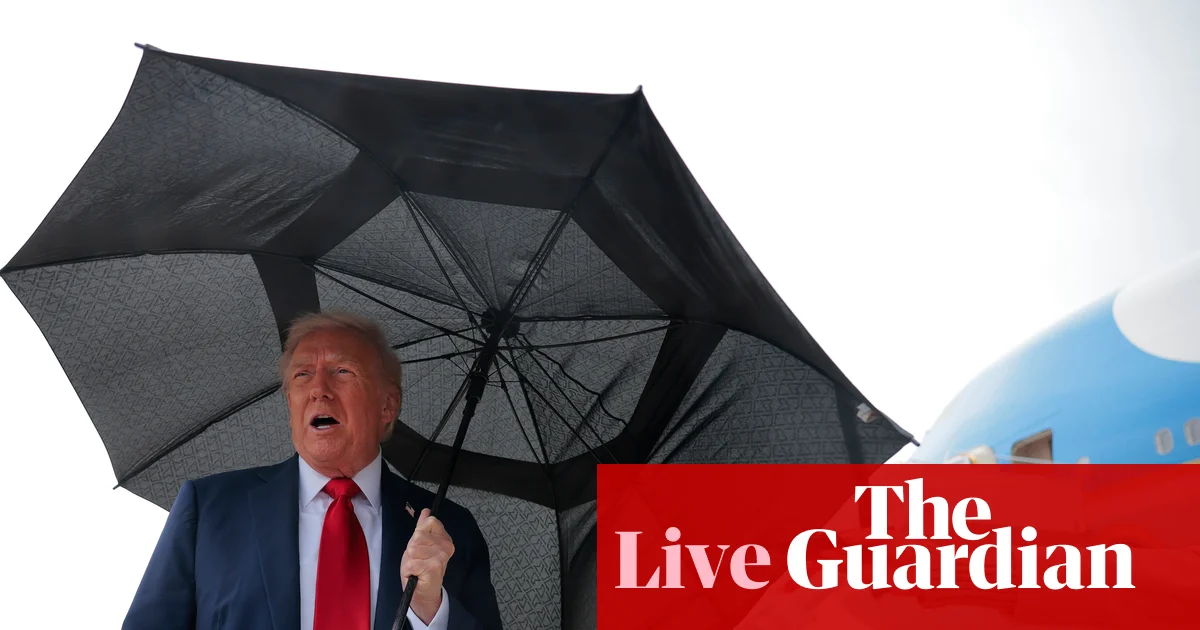
At the heart of the diplomatic surge lies the unfolding drama in Israel, where Prime Minister Benjamin Netanyahu has publicly acknowledged the delicate hope for a new beginning. Yet, underlying this outward optimism are warnings from analysts and historians who caution about the entrenched security challenges that persist. As the ceasefire holds, experts warn that the campaign against militant factions remains far from over. Meanwhile, Donald Trump has left the US for the Middle East, claiming “the war is over” as he boards Air Force One to address the Knesset, further emphasizing U.S. involvement—an intervention that has historically influenced the balance of power in the region for decades. Such moves inevitably stir debates about external influence and sovereignty, affecting societal perceptions worldwide about interventionism, national security, and the prospects of lasting peace.

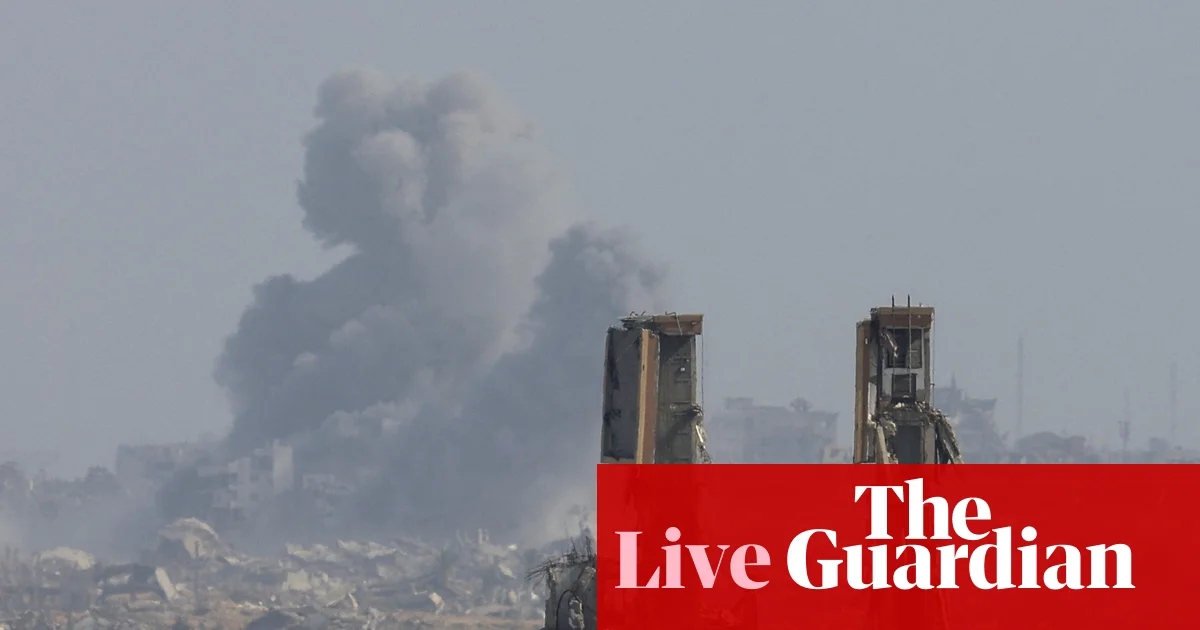
The human toll of this ongoing conflict remains staggering, with the Gaza health ministry reporting at least 67,806 Palestinians killed and over 170,000 injured since October 2023. The civilian casualties, many of whom are women and children, spotlight the devastating human cost that fuels global concern and complicates diplomatic negotiations. Meanwhile, aid agencies are rushing supplies into Gaza, in line with the ceasefire terms, to quell the humanitarian crisis. But the real geopolitical impact extends beyond immediate relief—these humanitarian efforts are often intertwined with political agendas, influencing international perceptions and, potentially, future resolutions. As Palestinians return to Gaza City amidst widespread destruction, the societal fabric of the region faces a long road toward rehabilitation and reconciliation, with each political act echoing through the battered streets and shattered lives.

In this complex tableau of diplomacy and warfare, the forthcoming peace summit in Sharm el-Sheikh becomes more than just a meeting—it is a defining moment that could pivot the entire narrative of the Middle East. Attended by leaders from more than 20 countries, it aims to seal a lasting ceasefire and set the stage for rebuilding. Yet, skepticism persists among analysts who observe that, historically, such summits often fall short of their lofty promises. As the region waits, and societies brace for uncertainties ahead, the unfolding story remains a testament to the perilous dance of diplomacy, the persistent shadows of conflict, and the weight of history that will decide whether this chapter marks a true turning point or a temporary pause on an unresolved crisis. The struggle for peace, after all, is a marathon—not a sprint—and the world must remain vigilant as history continues to unfold its decisive final acts.

Big explosion at Tennessee military plant shakes nearby homes—a wake-up call for safety

Explosion at Tennessee Military Explosives Facility Sparks International Concerns

The recent blast at Accurate Energetic Systems in rural Tennessee marks a troubling escalation in domestic security threats and raises questions about the stability of critical infrastructure within the United States. The powerful explosion, which shook homes miles away and sent debris flying across the site, is a stark reminder of the ongoing vulnerabilities faced by nations dependent on complex military supply chains. While initial reports confirm that emergency responders are still assessing the situation, the incident’s ripple effects are already being felt beyond local borders, as international security analysts speculate on potential geopolitical ramifications.

The incident took place at a key site near Bucksnort, approximately 60 miles southwest of Nashville. Experts suggest that the blast’s magnitude signals not only potential safety lapses but also a concerning deterioration of domestic defense preparedness. Historically, such incidents—especially at military-grade manufacturing facilities—are rare but carry profound implications. They signal vulnerabilities that could be exploited by adversaries or malicious actors, especially amid rising global tensions. Prominent geopolitical analysts have pointed to this event as a warning shot, illustrating how fragile the perceived safety of critical production sites really is in an increasingly uncertain global landscape.

International Implications and Rising Tensions

While the United States deals with this localized industrial incident, the global geopolitical stage is simmering with conflicts, disputes, and strategic shifts. Organizations such as NATO and the United Nations continuously monitor how domestic vulnerabilities could impact international stability. Historically, events like these—when they occur within controlled military productions—offer insights into a nation’s ability to withstand internal threats. The timing of this explosion is particularly notable in an era where international powers are increasingly concerned about proliferation, sabotage, and cyber-attacks aimed at undermining national security.

Recently, Russia and China have stepped up efforts to leverage internal vulnerabilities within Western alliances, emphasizing the importance of resilient infrastructure. Such incidents in the United States could be exploited by hostile foreign powers or terrorist organizations seeking to erode confidence in American security measures. The international community is thus paying keen attention, with some analysts warning that this is *not* merely an industrial accident but potentially a sign of deeper, more insidious threats that are actively evolving in the shadows of global diplomacy.

Consequences for Society and Policy

  • The blast raises urgent questions about industrial safety regulations and the adequacy of security protocols protecting military manufacturing sites—crucial for national defense.
  • The incident underscores the importance of robust intelligence and surveillance to prevent sabotage or malicious infiltration of strategic facilities, especially amid a wave of cyber and physical threats.
  • It signals to allied nations that internal stability and security are essential pillars for maintaining global influence and protecting shared values against rising authoritarian challenges.

While authorities investigate the cause of the explosion, the world watches with a sense of foreboding. This event serves as a stark warning that, as the global order shifts and chaos looms in geopolitical arenas from the South China Sea to Eastern Europe, the foundations of national security are more vulnerable than ever. The echoes of this blast will resonate through diplomatic corridors and military strategy rooms for years to come, shaping policy and perception in a world where stability is fragile and history is still being written.

IRS to Lay Off Half Its Staff Amid Government Shutdown—A Wake-Up Call for Fiscal Responsibility

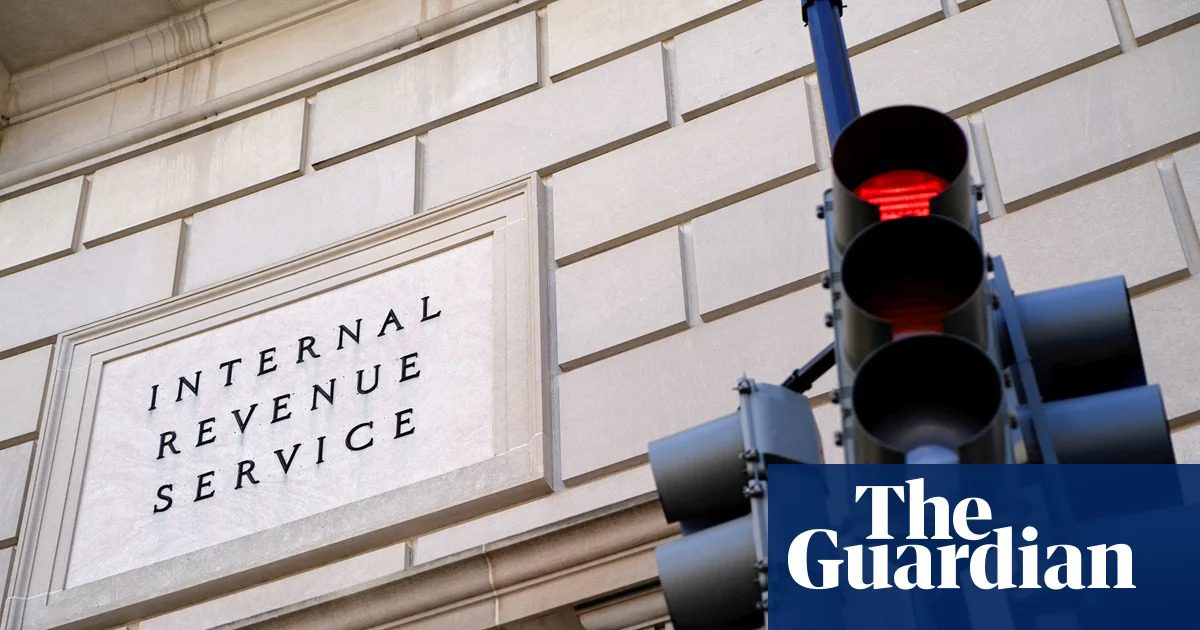
The United States continues to grapple with a prolonged government shutdown, an event that once again exposes the fragility of its bureaucratic machinery and signals potentially more profound repercussions on the global stage. As the Internal Revenue Service (IRS) announces it will furlough nearly 34,000 employees — approximately 53.6% of its workforce — the ripple effects are felt not only within domestic borders but across international economic networks. With vital tax enforcement and financial oversight hamstrung, analysts warn that global financial markets and diplomatic relations could become increasingly volatile.

The decision by the IRS comes amidst a broader political standoff in Washington over budget allocations, which has forced the federal government into a shutdown scenario. This internal crisis intensifies questions about the stability of American governance at a time when the nation’s geopolitical influence appears to be waning. The furlough, effective from October 8, leaves only about 39,870 employees working, as the agency warns of potentially increased delays in tax processing, enforcement, and taxpayer assistance. For an economy that claims to be the world’s financial nucleus, such disruptions underscore how internal political discord can weaken global standing.

International institutions and foreign governments are closely monitoring the fallout. The International Monetary Fund and World Bank have issued cautious statements, emphasizing that the United States’ political gridlock fosters **uncertainty** that could hinder emerging markets and global trade agreements. With the U.S. fiscal posture appearing increasingly unstable, countries dependent on dollar reserves and international commerce face mounting risks. Meanwhile, critics within global geopolitics warn that ongoing internal chaos may embolden adversaries, fueling narratives that America’s capacity to lead on the world stage is compromised.

  • A day after the furlough announcement, a White House memo suggested that furloughed federal employees, including those in the IRS, might not receive back pay, contradicting the protections established by the *Government Employee Fair Treatment Act of 2019*. Such conflicting signals intensify fears of escalating internal discord, which could serve as a strategic advantage for geopolitical rivals like China and Russia.
  • Historians point out that previous shutdowns have historically exposed the vulnerabilities in the American political system, but this instance’s broader economic implications are far more significant in an interconnected era where national security, trade, and diplomacy are inseparable.

As the crisis deepens, the global community watches intently. The echoes of internal strife in America serve as a sober reminder that the decisions made within the corridors of power resonate far beyond national borders. With each day that the government remains paralyzed, the world witnesses a chapter of internal disarray threatening to reshape the geopolitical landscape itself — a narrative still being written in the shadow of a nation that once stood as an unmatched superpower. History’s judgment, waiting patiently at the crossroads, will weigh heavily on those who choose to ignore the signs of an empire in peril, as the unfolding story bears the weight of the future.

24 Dead as Army Paraglider Bombs Buddhist Festival—A Call for Accountability

In recent months, Myanmar has spiraled deeper into chaos, illustrating the devastating consequences of a military coup that dethroned a democratically elected government in 2021. As the nation becomes a battleground of persistent conflict and humanitarian disasters, the use of brutal airstrikes and paramilitary tactics by the ruling junta underscores the escalating severity of the crisis. The latest tragedy, where at least 24 civilians—predominantly children—were killed and dozens injured in a shocking air assault on a peaceful gathering, has prompted international alarm and renewed scrutiny of regional responses. This massacre, triggered during a candlelight vigil protesting military conscription and demanding the release of political prisoners, symbolizes the regime’s failure to distinguish between combatants and civilians—an echo of darker times in world history.

The geopolitical impact of Myanmar’s internal collapse extends far beyond its borders. Key regional powers, including China and Russia, have reaffirmed their support for the military government, providing aerial drones, technical expertise, and strategic backing, thereby emboldening the junta’s tactics. China, in particular, plays a dual role—peacekeeping along its border while enabling the regime’s military expansion through the provision of advanced weaponry and drone technology. Analysts point out that this assistance has allowed Myanmar’s military to intensify campaigns of airstrikes and heavy bombardments—a tactic that has subdued insurgent gains but at an incalculable cost to civilians. The international community, chiefly ASEAN, faces mounting pressure to intervene, yet most of its members avoid direct confrontation, instead issuing tepid condemnations amidst geopolitical interests.

The Myanmar crisis also magnifies the fragile state of regional stability, where the shifting power dynamics have significant implications for neighboring countries and global security. The international organization Human Rights Watch and activists suggest that the regime’s recent weaponization of paramotors marks a new, disturbing trend. Amnesty International characterizes these tactics as “grisly,” reflecting a disturbing pattern of escalating brutality amidst resource constraints—highlighted by the junta’s reliance on unsupported drones due to shortages of jets and fuel. The conflict’s expansion threatens to create a breeding ground for regional destabilization, as displaced populations seek refuge or entangle neighboring countries—potentially igniting yet broader conflicts or fostering insurgencies that threaten to spill into Southeast Asia. These developments underscore an urgent need for a cohesive international approach that transcends rhetoric, demanding targeted sanctions and sustained diplomatic pressure.

Across the world, historians and analysts warn that Myanmar’s ongoing collapse is not merely a regional tragedy but a pivotal chapter in the contemporary history of authoritarian resilience. The regime’s ability to survive amid increasing international isolation, coupled with the brutal suppression of civil liberties, serves as a stark reminder of how modern conflicts are no longer confined to traditional battlefield confrontations but are fought in the shadows of urban and rural communities alike. As truth emerges from the devastation wrought on the Thadingyut festival, the weight of history remains heavy. The choices made today—whether through diplomacy, sanctions, or military intervention—will determine whether Myanmar reverts into chaos or begins a long, arduous journey toward reconciliation. The world watches as the silent voices of the fallen demand justice—an enduring testament that, in the unfolding theater of geopolitics, history’s pen never truly rests.

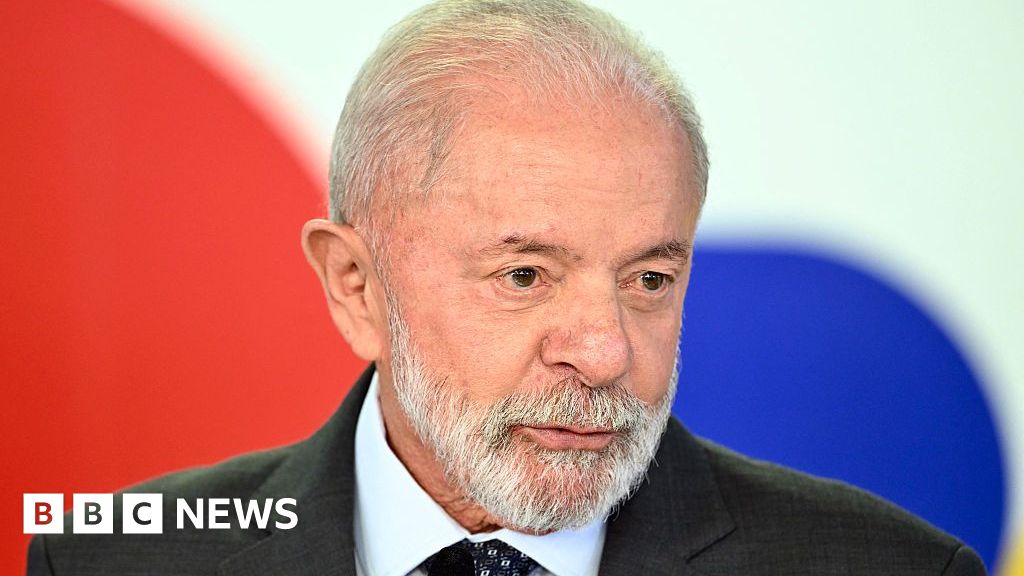
Trump and Lula Have Friendly Call Amid Growing Ties

The United States and Brazil have taken a tentative step toward restoring their diplomatic ties, signaling a shift in the geopolitical landscape of the Western Hemisphere. After months of diplomatic frost stemming from Trump-era tariffs on Brazilian goods, the recent phone call between President Donald Trump and Brazilian President Luiz Inácio Lula da Silva is a clear indication of renewed dialogue. Both leaders described the interaction as friendly and productive, with an emphasis on easing trade tensions that have threatened to undermine economic stability between the two nations. The focus was on reducing a contentious 50% tariff on imports—an action that could reshape regional economic alliances and influence global markets.

The tariffs introduced by the Trump administration in the summer were a response to the Brazilian court proceedings against Jair Bolsonaro, Lula’s predecessor, which strained relations during a period of heightened ideological tensions. However, the recent conversation, lasting approximately thirty minutes, hinted at a desire on both sides to restore cooperation. Lula has requested the reduction of tariffs back to 10%, along with the removal of sanctions on several Brazilian officials—an offer that suggests Brazil is eager to re-engage with U.S. economic strategies. The call also carried diplomatic undertones, as Lula and Trump exchanged contact details, signaling a move toward sustained direct communication. Analysts view this as part of a broader effort to stabilize relations and re-emphasize the importance of the Western democracies working together in a time of global uncertainty.

International observers, including geopolitical analysts and historians, highlight that these interactions are more than mere bilateral fixes—they shape the geopolitical impact of the Americas. The appointment of Secretary of State Marco Rubio as the lead negotiator by the U.S. signals Washington’s intent to keep the negotiations firmly within the sphere of influence of a Republican administration aligned with Trump’s nationalist, America-first policies. Nonetheless, within Brazil, there is internal debate. Sources close to Lula’s government suggest a preference for a negotiator with closer ties to the Brazilian leadership, rather than an envoy associated with what they term the “ideological wing” of the Trump administration. This internal divide underscores the complex nature of international negotiations, especially when political ideologies blend with economic interests. The upcoming UN climate summit in Belém and the potential meeting during the ASEAN summit in Malaysia signal Lula’s strategic diplomacy aimed at positioning Brazil as a pivotal player who influences both regional and global policies.

The unfolding diplomatic dance between these two powers underscores the broader shift in international alliances. As the world braces for a new chapter in global geopolitics, the U.S.-Brazil relationship serves as a bellwether for regional stability. How these decisions will ripple through the socio-economic fabric of Latin America and beyond remains to be seen. With the appointment of Rubio and Lula’s diplomatic overtures, the trajectory points toward a delicate balance—where diplomacy and national interests collide in the crucible of history. For the world’s youthful observers, the next few months could determine whether this renewed relationship sparks a regional renaissance or risks devolving into a fresh geopolitical quagmire, locking nations into cycles of tension and cooperation. Indeed, the pages of history are turning once more, and every handshake, every negotiation, could redefine the course of the coming decade, leaving indelible marks on the fabric of international diplomacy.

Israel-Gaza Tensions: Airstrikes Continue Despite Trump’s Urgent Call for Ceasefire

Global Powers and Nations Confront a Tumultuous Turning Point in Gaza

The latest reports from Gaza reveal a night of relentless violence, with the Gaza civil defense facilities reporting dozens of Israeli airstrikes and artillery shells despite calls from former President Donald Trump for an immediate ceasefire. The civil defense spokesman, Mahmud Bassal, underscores the severity: “It was a very violent night, during which the Israeli army carried out dozens of air strikes and shelling on Gaza City and other areas in the Strip, despite President Trump’s call to halt the bombing.” Casualties continue to mount as hospitals like Gaza City’s Baptist hospital and Nasser hospital in Khan Younis treat the wounded, including women and children caught in the crossfire.

This ongoing military campaign illustrates the complex and volatile layer of factors at play. Israel’s prime minister Benjamin Netanyahu has instructed the military to prepare for the “immediate implementation” of the first phase of Trump’s Gaza plan, which calls for the release of hostages and the potential surrender of Hamas’ control in Gaza. However, witnesses and analysts note the Israeli military’s recent intensification of bombing despite political formalities suggesting a shift toward a defensive posture. This juxtaposition reflects a broader dangerous fragmentation of military and diplomatic signals, complicating international efforts to mediate a ceasefire.

International Response and Power Dynamics in Flux

Global reactions remain deeply divided. United Nations Secretary-General António Guterres expressed cautious optimism, stating that “all parties should seize this opportunity” to end the conflict. Meanwhile, the European Union and several major nations like UK, Germany, India, and Canada voiced support for Trump’s proposed plan, emphasizing the importance of hostage releases, disarmament, and a pathway to peace based on a two-state solution. Notably, Germany’s Chancellor Friedrich Merz underscored the urgency: “The hostages must be released. Hamas must disarm. The fighting must cease immediately.” This international backing signals a notable shift, perhaps the most hopeful since two years of relentless violence marked by Israeli missile strikes and Palestinian resistance.

However, the situation remains precarious. Hamas has responded cautiously to Trump’s initiative, with their official stance signaling a willingness to negotiate over some issues, but not a clear commitment to disarmament or a complete ceasefire. The group’s endorsement of limited points of the US plan coincides with a declaration by Palestinian Islamic Jihad that it aligns with Hamas’ stance, thereby reinforcing a fragile unity. Heavier warnings are issued from Jerusalem and Tel Aviv, with Israeli officials signaling readiness for swift military action if diplomatic efforts falter.

The Geopolitical Weight and Future of the Middle East

Decades of pedagogical understanding from historians and several reports from the International Crisis Group point to a pivotal moment: the decisions made now could reconfigure the entire geopolitical landscape of the Middle East for generations. As Egypt and Qatar prepare intra-Palestinian dialogues and international mediators strain for an enduring peace, the underlying question remains: will the current promises translate into a sustainable peace or an escalating regional crisis?

With Turkey expecting the return of dozens of nationals seized at sea, and Israel positioning itself for a strategic shift, the regional balance hangs in the balance. The international community watches with bated breath as leaders, from Anthony Albanese of Australia to Narendra Modi of India, rally behind prospects for a two-state solution. Yet, beneath these diplomatic overtures, the threat of renewed conflict and regional destabilization lingers—a reminder that in the theater of geopolitics, every decision carries the weight of history, and the stage is set for a future that is yet unwritten.

Women claim Andrew Tate abuse, call out ‘misleading’ Spectator coverage.

Concerns have been raised over an interview featuring Andrew Tate, a controversial figure known for his inflammatory views, published in the Spectator magazine, which is edited by Michael Gove. Four women alleging sexual abuse by Tate have lodged a formal complaint with the Independent Press Standards Organisation (Ipso), challenging the portrayal of their accusations in the piece.

The women, who have filed a high court claim against Tate for serious allegations—including rape and coercive control—are claiming that the article, penned by Deputy Editor Freddy Gray, misrepresents their experiences and undermines the gravity of their claims. They believe that the publication failed to adequately address the impact of Tate’s actions, which they argue contributes to a broader culture of dismissing survivor voices.

This situation highlights an ongoing debate about how media outlets handle sensitive topics, especially when it involves high-profile figures. Critics argue that sensational interviews can inadvertently glorify problematic individuals while silencing the narratives of those who have suffered. The women in question are pushing back, advocating for responsible journalism that prioritizes truth and sensitivity over sensationalism.

As this story unfolds, the implications for media ethics and the accountability of influential voices remain significant. It’s a critical moment for young people to engage in discussions about representation and responsibility in media, ensuring that survivor stories are not merely used as a backdrop for flashy headlines but are respected and treated with the seriousness they deserve.

Social Media Auto Publish Powered By : XYZScripts.com