Matox News

Truth Over Trends, always!

What’s the truth about the dart frog toxin linked to Navalny’s case?

Global Implications of Epibatidine Discovery and Its Potential Use

The discovery and subsequent manufacturing of epibatidine, a potent toxin present naturally in certain South American frogs, has emerged as a flashpoint within the broader arena of international security and scientific advancement. Originally isolated from the skin of *Epipedobates* frogs, this compound has gained notoriety not only because of its biological properties but also due to its potential applications, both medicinal and malicious. With the ability to be synthesized in laboratories, the threat of its misuse as a chemical weapon or forensic tool has heightened, prompting urgent reassessment of geopolitical risks and regulatory measures across the globe.

Veteran analysts and historians caution that the proliferation of such substances *exemplifies the evolving nature of biological and chemical threats*. Notably, international organizations such as the World Health Organization and United Nations have sounded alarms about the increasing sophistication in synthetic toxin production. The rise of laboratory-manufactured epibatidine signals a critical juncture, where technological capabilities empower rogue states, terrorists, and biohackers to develop potent chemical agents with minimal oversight. This development underscores the importance of robust global treaties stipulating strict controls over chemical and biological research; yet, critics argue that existing frameworks are insufficient to contain the clandestine trade and unregulated synthesis of such dangerous substances.

From a geopolitical standpoint, several nations—particularly those with established or emerging chemical weapons programs—view epibatidine as both a challenge and an opportunity. South American countries harbor the natural source, but the anonymity and global diffusion of chemical synthesis threaten to make the toxin a device in the toolkit of hostile actors. Meanwhile, major powers such as the United States, Russia, and China are investing in advanced detection technologies and intelligence gathering to stay ahead of clandestine laboratories. These efforts are often justified as part of a broader push to prevent *the weaponization of biological agents*, yet some pundits argue that these measures could escalate tensions or lead to preemptive strikes based on flimsy intelligence.

Some experts point to history for lessons to shape future responses. The ominous shadow cast by chemical weapon use during the 20th century—most infamously during conflicts such as World War I and the Iran-Iraq war—serves as a stark warning. As Dr. Hannah Roberts, a leading international security analyst, notes, *”The emergence of synthetic toxins like epibatidine could redefine the landscape of chemical and biological warfare, making it more accessible and harder to detect. This has profound consequences for global stability.”* She emphasizes the necessity of international cooperation and preemptive legal frameworks to prevent what many fear is an inevitable expansion of bioweapons arsenals.

As the world stands at this perilous crossroads, the full implications of *the hybridization of nature and lab science* become clear. With history whispering urgent warnings, nations must determine whether diplomacy and cooperation can contain this threat, or if humanity will once again flirt dangerously close to the edge of catastrophe. The story of epibatidine is no longer just about a mysterious toxin from South America—it is a chapter in the unfolding saga of how humankind grapples with the moral, scientific, and geopolitical consequences of wielding the most powerful tools of life and death. The pages of history remain unwritten, but the weight of its next chapter already hangs heavily in the air, demanding vigilance and courage amidst the shadows of an uncertain future.

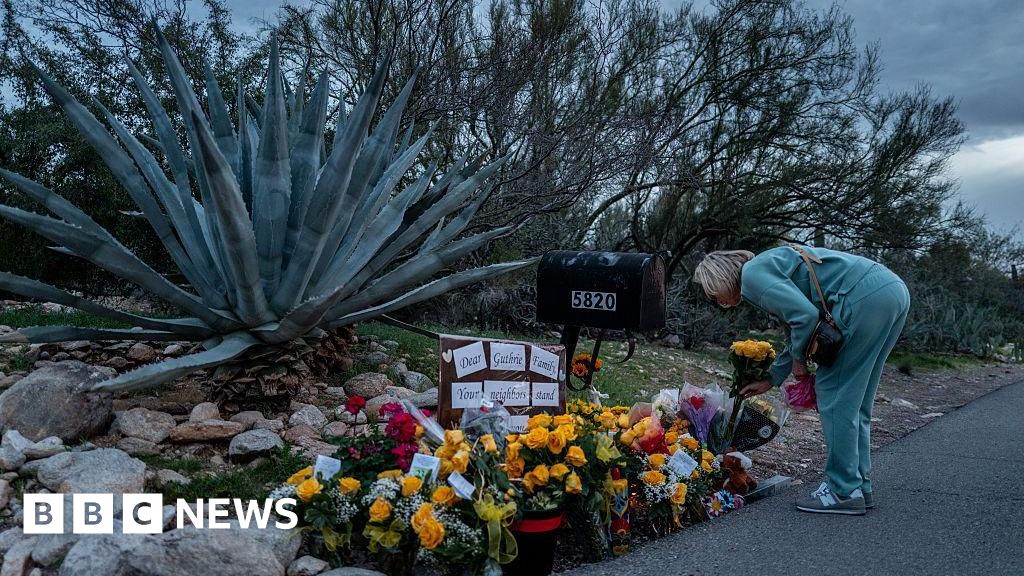
DNA on glove links suspect video to Nancy Guthrie case

In a significant shift that has captured global attention, Iran has signaled an willingness to engage in negotiations aimed at resurrecting the long-dead Joint Comprehensive Plan of Action (JCPOA). According to Majid Takht-Ravanchi, Iran’s deputy foreign minister, the path to a deal now hinges on the actions of the United States. Speaking to BBC Tehran, Takht-Ravanchi emphasized that “the ball is in America’s court to prove that they want to do a deal,” marking a notable rhetorical turn from Iran’s previously implacable stance. This development highlights the volatile, yet potentially pivotal, phase in the ongoing nuclear diplomacy that has implications not just for Middle East stability, but for the broader international order.

The context surrounding these diplomatic signals is layered with decades of tension rooted in Iran’s nuclear ambitions and the cautious oversight of international organizations like the International Atomic Energy Agency (IAEA). Since the U.S. withdrew from the JCPOA under the Trump administration in 2018, Iran’s nuclear activities have advanced substantially, provoking concerns of a regional arms race and destabilizing efforts to contain proliferation. Analysts warn that the current momentum towards negotiation, if genuinely pursued, could serve as a critical turning point to de-escalate one of the most volatile flashpoints in global geopolitics.

Many international observers, including policymakers within the European Union and strategic think tanks like the International Crisis Group, argue that the decision by Iran to reopen dialogues represents an opportunity—albeit a fragile one—to restore diplomatic norms and curb nuclear proliferation. However, they also caution that U.S. policy must demonstrate clear, verifiable commitments to revive the deal, and that failure to do so could solidify Iran’s resolve to pursue an independent nuclear path. The diplomatic dance is complex, and each move carries the weight of history, threatening to plunge the region into further chaos or move toward a measure of stability.

The geopolitical impact of this development extends well beyond Iran’s borders. For Israel and the Gulf Cooperation Council (GCC) countries, a renewed nuclear agreement could temper fears of an arms race, but it also raises concerns about how long Iran’s promise of compliance will last. On the other hand, critics of the deal suggest that reopening negotiations might merely allow Iran to buy time while continuing to expand its influence across the Middle East through regional proxies and strategic alliances. The outcome remains uncertain, but what is clear is that each diplomatic move is watched closely by global superpowers—China, Russia, and the United States—each with their own stakes in shaping Iran’s future.

As international organizations and regional actors analyze the unfolding diplomacy, the story remains deeply intertwined with the broader narrative of power, influence, and the relentless pursuit of national interests. As history continues to unfold, the world waits, charged with anticipation and the weight of countless unresolved conflicts. In this pivotal moment, the decisions made today will echo through generations, determining whether the next chapter in Iran’s story will be written in the language of diplomacy or chaos—reminding us that in geopolitics, history’s pen is never still.

Abduction, Bitcoin Demand, TV Legend: Why Nancy Guthrie’s Case Rocks America

Global Attention Turns to Alleged Abduction as Savannah Guthrie’s Fame Sparks International Concern

In recent days, the world has been captivated not only by entertainment news but by a deeply troubling incident involving the mother of NBC’s prominent journalist, Savannah Guthrie. Her mother’s reported abduction has ignited a wave of international concern, exposing vulnerabilities within global security frameworks and raising alarm about the safety of families connected to influential figures. This event, amplified by Guthrie’s fame, has unexpectedly thrust an isolated criminal act into the spotlight with profound geopolitical ramifications, revealing how personal tragedies can echo far beyond national borders.

The case has become a subject of frantic coverage across international media outlets, with some analysts describing it as “a stark reminder of the vulnerabilities faced by public figures and their families”. While initial reports remain sketchy, sources suggest that the abduction could be linked to escalating geopolitical tensions, with some experts noting that such incidents often serve as tools for intimidation or political messaging. International law enforcement agencies, including INTERPOL, have issued alerts, emphasizing the importance of cross-border cooperation. The incident, seemingly personal, thus takes on a broader geopolitical significance—highlighting the fragile nexus between private security and national stability.

Scholars and analysts tracking the unfolding situation point to the underlying influence of international tensions and the growing use of covert operations by various state and non-state actors. According to a report by the International Crisis Group, such events can often be manipulated for strategic leverage, aiming to unsettle political climates or distract from broader issues like economic instability or military conflicts. The U.S. State Department and other regional security institutions are reportedly engaged behind the scenes, assessing whether this incident is an isolated crime or part of a larger pattern of targeted intimidation aimed at affecting the morale of influential personalities.

Historically, incidents involving prominent families connected to media and political spheres are not unprecedented. Some experts, including noted historian Dr. Elizabeth Hartwell, draw parallels with Cold War-era espionage, where personal vulnerabilities were exploited as means of psychological warfare. Guthrie’s prominence ensures that her family’s plight garners widespread attention, which could serve as a cautionary tale underscoring the importance of international cooperation and stronger security measures. Failure to address these vulnerabilities risks emboldening those who threaten societal stability, illustrating how individual cases can precipitate wider geopolitical shifts and societal upheavals.

As the world watches, the decision-makers face a critical moment. The ability of international institutions to respond effectively, while safeguarding the rights and safety of all citizens, underpins the current crisis’s gravity. The unfolding narrative underscores that, amidst this chaos, we are witnessing a pivotal chapter in the ongoing struggle to preserve national sovereignty and societal resilience. As Savannah Guthrie and her family navigate this harrowing chapter, history looms—a relentless reminder that, in a world increasingly interconnected, the line between personal tragedy and geopolitical turmoil is often disturbingly thin. The future remains uncertain, but the echoes of this event will surely resonate through the corridors of power, shaping policy and security paradigms for years to come.

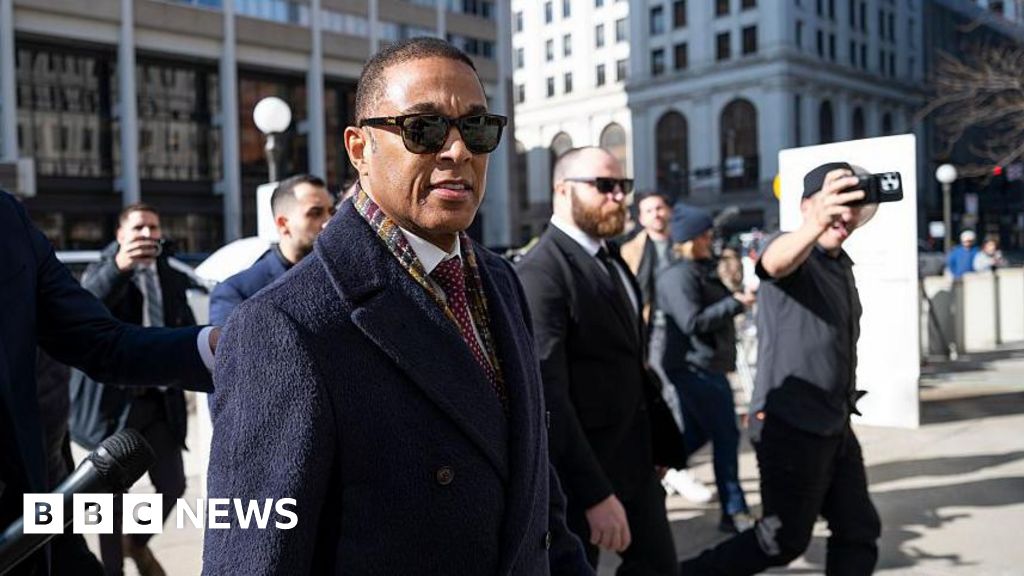
Ex-CNN Host Don Lemon Battles Back in Minnesota Church Protest Case

The recent incident in the United States, where a former CNN host along with eight other individuals were formally charged for interrupting a church service as a form of protest against immigration raids, underscores a troubling shift in domestic activism with global repercussions. The act, which took place during an event ostensibly rooted in faith and community, reflects a broader trend of activists leveraging public spaces to challenge increasingly contentious immigration policies. Such actions, while hailed by some as courageous civil disobedience, also serve as a stark mirror to the deep divisions rippling across American society and, by extension, the geopolitical landscape.

This stark confrontation between law enforcement, civil liberties, and national security considerations does not merely echo within U.S. borders but resonates far beyond. Analysts warn that these localized protests symbolize a broader international narrative where governments face mounting pressure from civic groups, advocacy organizations, and external actors. The United States’ handling of immigration policies, often shaped by bipartisan debates, is increasingly intertwined with global power dynamics, especially with nations like Mexico and Central America. As the U.S. continues to combat irregular migration flows, every act of domestic protest magnifies the overarching question: how will internal dissent influence America’s role on the world stage?

Geopolitical Impact and International Repercussions

Foreign policy experts highlight that these spectacles of civil unrest do more than challenge domestic policy—they alter international perceptions of America’s stability and commitment to the rule of law. According to international think tanks and historians specializing in U.S. history, acts of civil disobedience such as these may contribute to a narrative of chaos or instability, which adversarial nations could exploit. Moreover, the ongoing discourse reveals a nation at a crossroads—balancing its immigration commitments with the stringent enforcement measures that have become a wedge issue domestically.

Additionally, the incident arrives amidst rising tensions with China and Russia, who eagerly watch America’s internal divide as a sign of vulnerability. Global institutions, including the United Nations and European Union, have issued mixed messages—calling for human rights protections while grappling with their own crises. The protests, now etched into the national consciousness, serve as a reminder that the decisions made within American borders ripple outward, influencing alliances, trade relations, and diplomatic negotiations worldwide. Every act of defiance becomes part of a larger narrative: America’s democratic resilience being tested on its home turf.

The Future of American Identity

History historians and political analysts warn that such protests presage a more turbulent era where the American identity itself is under scrutiny. Citizens, especially younger generations, are demanding a different vision of national purpose—one that balances security with compassion. As the nation wrestles with these fundamental questions, the weight of history presses down, reminding all observers that the path forward remains uncertain yet pivotal in shaping the global order. Indeed, these moments reflect not just a confrontation over immigration, but a fundamental debate about who America is and what it will stand for in the 21st century.

As observers witness these unfolding events, one thing remains clear: in the theater of history, the lines are shifting, the stakes rising, and the outcome uncertain. The decisions made today will resonate through generations, as America’s story continues to be written in the ink of activism, policy, and power.

Police Release Suspect in Nancy Guthrie Case Amid Ongoing Search

In a development that has quickly drawn theAttention of international observers and security analysts alike, police authorities recently conducted a home search following the detainment of an individual during a routine traffic stop. While initial reports suggest this was part of a broader investigation, the implications for regional stability and the geopolitical landscape are now drawing heightened scrutiny from diplomatic circles and security experts.

The incident, seemingly localized in scope, indicates pathways to more complex political undercurrents. Analysts from leading think tanks emphasize that, in today’s interconnected world, even a single police operation can serve as a lens into larger conflicts or societal tensions. Security breaches, intelligence leaks, or political instabilities could be at play—factors that threaten to escalate if not managed with transparency and strategic foresight. Scholars such as Dr. Eleanor Whitaker warn that these actions may inadvertently fuel broader mistrust among nations, especially when combined with recent shifts in regional alliances and treaties.

This sequence of events underscores the fragile nature of international order. Recent policies enacted by some governments, including strict domestic enforcement and controversial surveillance measures, have stirred concerns about civil liberties and sovereignty. Meanwhile, global institutions such as the United Nations have issued cautious statements, calling for restraint while urging transparency. Regional powers are now observing each other closely, wary of how domestic security actions might ripple outward—potentially destabilizing entire blocs or sparking new waves of tension.

As the story unfolds, the history books may well record this moment as a watershed event—a reminder that beneath the veneer of everyday law enforcement, the fabric of international peace remains delicate and easily frayed. Nations stand at a crossroads, where choices made in silence or in secrecy can have profound consequences. In an era defined by rapid information flow and geopolitical realignments, one thing remains clear: the path to stability depends on restraint, responsibility, and unwavering vigilance. The world watches with bated breath, knowing that history’s next chapter is still being written, perhaps in the quiet corners of a home or the hurried steps of a traffic stop, but ultimately echoing across borders with weighty significance.

FBI Releases Images of Masked Suspect in Savannah Guthrie's Mother Case
FBI Releases Images of Masked Suspect in Savannah Guthrie’s Mother Case

In a development that resonates far beyond the borders of Arizona, the mysterious disappearance of Savannah’s mother from her Tucson residence has ignited a wave of concern among local and international observers alike. Last seen on the night of January 31, her sudden vanishing underscores persistent vulnerabilities in domestic security and raises questions about broader geopolitical implications rooted in regional stability and societal resilience.

This incident, while ostensibly a personal tragedy, echoes the larger patterns of insecurity that ripple through many nations grappling with increasing social unrest and unpredictable threats. Analysts highlight that such cases—though often dismissed as isolated—serve as stark reminders of an underlying global trend: a weakening fabric of personal safety amid a tumultuous geopolitical landscape. The United Nations and various regional security agencies warn that domestic vulnerabilities often intersect with larger political fault lines, destabilizing societies from the ground up. Decisions taken in the corridors of power—be they policies on immigration, law enforcement, or border security—inevitably shape the safety and stability of communities like Tucson, with ripple effects reaching well beyond American borders.

Historically, America has positioned itself as a beacon of personal freedom and security; however, recent incidents reveal cracks in this narrative. Experts caution that the ongoing internal struggles over resource allocation, migration, and civil liberties are fueling a rise in unpredictable events. According to respected analysts such as those at the Cato Institute, these incidents threaten to undermine the fabric of national cohesion and challenge the perception of America as a safe haven. Meanwhile, international bodies observe that such domestic unrest can influence bilateral relations, particularly with neighboring countries that share migration corridors or economic ties with the United States.

At a time when global tensions escalate—particularly with rising powers vying for dominance—the plight of individual citizens like Savannah’s mother masks the broader geopolitical stakes. Security, stability, and societal confidence are delicate threads pulled taut by international shifts and internal decision-making. International organizations, including INTERPOL and NATO, have repeatedly warned that neglecting these domestic issues can create openings for destabilizing elements, both from within and outside national borders. As world leaders debate alliances, trade, and military strategies, the security of ordinary citizens remains an essential yet often overlooked piece of the strategic puzzle.

The unfolding story of Savannah’s missing mother is thus more than a personal tragedy; it is a symbolic chapter in the ongoing narrative of a world teetering at a crossroads. History’s pen continues to write a complex and often tragic story—one that demands vigilance, decisive action, and a recognition that today’s decisions directly shape tomorrow’s societies. As communities worldwide grapple with chaos and change, the weight of history presses heavily on the present, reminding us that every disappearance, every crisis, is a piece in a much larger and more urgent puzzle—one that will ultimately define the future of nations and civilizations alike.

Police Catch Suspect in DC Pipe Bomb Case, Wrap Up Long Search

The recent arrest of Brian Cole Jr, a 30-year-old man from Virginia, marks a pivotal breakthrough in the ongoing quest for justice surrounding the infamous 2021 Capitol riot. The FBI’s airtight investigation, stretching over two years, underscores both unwavering law enforcement resolve and the dangerous undercurrents of political violence seeping into the corridors of American power. Authorities confirmed that Cole was apprehended without incident early on Thursday, yet the case’s implications ripple beyond the borders of the United States, signaling a decisive moment in the global fight against domestic extremism.

While the details of Cole’s motives remain under seal, the evidence assembled paints a stark picture of premeditated sabotage. Court documents detail that he purchased components for constructing the pipe bombs—metal end caps, wires, timers, and steel wool—supplied from retail giants such as Home Depot, Lowes, and Walmart. Using sophisticated data analysis, investigators traced his movements and purchases, revealing that he was in the vicinity of both bombs during their placement on the night of 5 January 2021. Such meticulous law enforcement work highlights the importance of data-driven investigations, especially in a climate where threats of violence against democratic institutions remain high. As FBI officials emphasized, the effort to locate Cole was relentless, exemplified by the processing of three million lines of data, the analysis of cellphone movements, and surveillance footage that captured the suspect close to the scene.

Authorities and analysts argue that the case demonstrated the seriousness with which U.S. law enforcement treats threats to its constitutional order. FBI Director Kash Patel declared that “when you attack American citizens, when you attack our nation’s capital, you attack the very being of our way of life.” This framing echoes broader concerns about the rise of political violence within the context of internal divisions and misinformation. The incident also prompted discussions on how domestic radicals can pose a threat comparable to foreign adversaries, necessitating international cooperation and intelligence sharing. Moreover, the case’s resolution serves as a stark warning to those who believe they can evade justice by blending into the political fabric—a lesson reinforced by the FBI’s determination to “track you down to the end of the earth,” as Deputy Director Dan Bongino stated.

Historically, incidents like these have underscored the fragility of democratic institutions, especially in turbulent times marked by political polarization and social upheaval. Many analysts, including reputable historians and security experts, point to the need for vigilant safeguarding of constitutional norms. At the same time, this case reveals how global institutions must remain agile, adapting laws and tactical responses to the evolving nature of threats—domestic or foreign. The public, meanwhile, must grapple with the reality that the fight against extremism is ongoing, with no room for complacency. As the story unfolds, the weight of history continues to press down—reminding each generation that the resilience of a nation depends on relentless justice and the unyielding defense of its core values. The battle lines are drawn anew, and the outcome remains unwritten, left to the actions and resolve of those entrusted to safeguard the future amidst the chaos of an uncertain world.

Grand Jury Won't Re-Indict Letitia James After Judge Dismisses First Case
Grand Jury Won’t Re-Indict Letitia James After Judge Dismisses First Case

In a noteworthy development that echoes the ongoing internal struggles within the United States’ legal and political landscape, the case against Letitia James, the New York Attorney General, has taken a dramatic turn. A grand jury recently declined to indict her, effectively halting the federal prosecution against one of the sharpest critics of former President Donald Trump. This sequence of events illustrates not only the volatile nature of American internal politics but also highlights the intricate web of legal authority and its potential to influence international perceptions of U.S. justice. The decision comes shortly after a federal judge invalidated a similar mortgage fraud case, citing procedural irregularities, which raises serious questions about the @rule of law within the American legal apparatus@.

Historically, judicial decisions and prosecutorial appointments have often been intertwined with political influence, especially when high-profile figures such as James, who has played a pivotal role in anti-Trump litigation, are involved. The case initially charged James with multiple counts of bank fraud and false statements related to a Virginia mortgage in 2020, with prosecutors alleging she manipulated mortgage terms to gain a financial advantage. However, legal experts and former prosecutors have criticized the flimsy evidence allegedly backing this indictment, suggesting the real motive may be political rather than criminal. The case’s unraveling—further compounded by questions regarding the legality of the appointment of the prosecutor—underscores how internal power struggles can hinder the pursuit of justice and potentially set a precedent for other nations observing the stateside clash of legal interests.

Analysts and international organizations warn that these internal conflicts could **undermine the credibility of the U.S. justice system** on the global stage, especially in an era where American influence is increasingly contested. Historian and legal scholars note that the saga of James reveals how the combination of partisan appointments, procedural technicalities, and political silencing serve to weaken the core principles of an impartial legal system. The controversy over her appointment—being unlawfully extended after exceeding the 120-day Senate confirmation window—demonstrates that even the most powerful federal institutions are susceptible to internal legal contradictions. These developments not only compromise trust within the nation itself but also signal to allies and adversaries that the U.S. system is vulnerable to **politically motivated investigations and prosecutions**.

Beyond the corridors of power, this ongoing saga raises profound questions about how decisions within the U.S. influence relations with allies and adversaries alike. Countries that observe the American legal battles see a nation at a crossroads—its justice system increasingly viewed through the lens of partisan conflict. As international institutions and global analysts cautiously monitor these battles, the potential ramifications extend beyond American borders, impacting geopolitical stability and alliances. The unfolding story underscores a stark reality: as U.S. internal conflicts persist and unfold with relentless intensity, history is writing itself into a new chapter that may challenge the very foundation of American authority and influence, leaving nations worldwide to wonder whether the home of liberty is still capable of upholding the rule of law or is merely succumbing to internal division.

El Chapo’s Son Admits Guilt in US Drug Trafficking Case

The recent developments in the ongoing battle against organized crime and international drug trafficking underscore a pivotal moment in the global effort to curb a deadly epidemic. The guilty plea of Joaquín Guzmán López, one of the sons of notorious Mexican drug lord Joaquín “El Chapo” Guzmán, signifies more than a personal legal victory; it signals a shift in the power dynamics within the transnational drug trade. As a member of Los Chapitos, the elite faction of Guzmán’s cartel leadership, López’s cooperation with US authorities highlights the increasing pressure on the Mexican and American criminal landscapes. The arrest and subsequent plea reflect a broader strategy that aims to dismantle the structural pillars of an organization responsible for a significant portion of the substances plaguing North America.

According to US prosecutors, the Guzmán family’s cartel, particularly after the arrest of El Chapo, has evolved into a formidable force commanding the production and trafficking of a vast array of illicit drugs, including cocaine, heroin, methamphetamine, marijuana, and fentanyl. Their rise to power, especially through criminal consolidation subsequent to their father’s incarceration, illustrates an entrenched network resistant to traditional law enforcement.
In a striking move, authorities arrested López alongside cartel boss Ismael “El Mayo” Zambada. The operation—engineered through deception by leading López to believe he was assisting in property scouting—demonstrates the clandestine tactics employed by these organizations. As part of his plea deal, López admitted to overseeing multi-faceted operations designed to flood the US market with death-bringing substances, with fentanyl—over 50 times more potent than heroin—being a prime focus. The proliferation of fentanyl has become a national crisis, accounting for the majority of overdose deaths among Americans aged 18 to 45, highlighting the dire consequences of these criminal enterprises for society’s most vulnerable.

The criminal activity of Latin American drug cartels has profound geopolitical impact, influencing both regional stability and international policy. The Trump administration’s recent move to designate these cartels as terrorist organizations has stirred controversy, provoking debates about legality and moral authority. Such designations aim to justify aggressive military operations, including missile strikes at sea, claimed to be necessary to halt the flow of drugs into the US. Critics, including many international law scholars and human rights groups, contend that these actions risk violating international treaties and resorting to extra-judicial killings—posing a dangerous precedent for sovereignty and justice. The debate centers on whether these measures are effective or merely escalate violence, potentially destabilizing the fragile security balance in Latin America.

Meanwhile, on the other side of the border, Mexico’s authorities continue to counter decades of drug war violence, recently eliminating Pedro “Pichon” Inzunza Coronel, a prominent fentanyl trafficker involved in heinous crimes, including murders, kidnappings, and violent debt collection. US Ambassador Ronald Johnson lauded these efforts, emphasizing the importance of international cooperation in fighting transnational crime. These actions demonstrate a global acknowledgment of the crucial need for joint strategies to combat these deeply rooted criminal networks. As these powerful figures fall, the question remains: can justice truly dismantle the sprawling, adaptable infrastructure of drug cartels, or are we simply witnessing the beginning of a new, more desperate chapter in this ongoing war?

History’s judgment may soon be written in the unfolding of these events, as nations grapple with the consequences of their choices. The fight against drug trafficking is not merely about law enforcement but about confronting the societal decay that underpins these criminal empires. As the struggle intensifies, one thing is clear: the decisions made today will carve the geopolitical landscape of the future, shaping a narrative of resilience, resistance, and relentless pursuit of justice—a narrative that history will scrutinize for generations to come.

Netanyahu Seeks Pardon in Corruption Case Amid Political Drama

Israel on the Brink: Netanyahu’s Pardon Request Sparks Constitutional Turmoil

In a move that is reverberating across the Middle East and challenging the foundations of Israel’s legal system, Prime Minister Benjamin Netanyahu has formally petitioned President Isaac Herzog for a pardon related to longstanding bribery and fraud charges. This unprecedented appeal, encapsulated in a comprehensive 111-page submission, seeks to halt a five-year corruption trial that threatens to cast a shadow over Netanyahu’s legacy and political future. The request, which is highly controversial, underscores the tension between legal accountability and political expediency—elements that could redefine the balance of power in Israel’s fragile democracy.

Legal experts and international observers have noted the potential for this request to set a historic precedent in Israeli law. Unlike most cases where pardons follow conviction, Netanyahu’s plea is preemptive—an extraordinary step that has historically been met with skepticism. Israel’s legal tradition has only rarely granted such pre-emptive pardons, with the most notable occurrence in 1986 involving the Shin Bet. However, legal scholars argue that the absence of a guilty plea complicates this case, and some contend it may violate established legal norms. The decision could ultimately ignite a constitutional crisis, with Israel’s high court potentially forced to weigh whether this political maneuver aligns with the rule of law or undermines it, a debate that echoes principles upheld by external bodies like the International Criminal Court.

While Netanyahu insists that the trial has been a politically motivated “witch-hunt” orchestrated by media and judicial actors, critics perceive his move as a strategic effort to preserve his grip on power. His opponents argue that granting such a pardon without an admission of guilt would erode public confidence in the justice system and embolden political corruption. Notably, prominent opposition leaders, including Yair Lapid and Yair Golan, have voiced stern objections, emphasizing that justice and integrity should not be sacrificed on the altar of political survival. This conflict extends beyond narrow legal boundaries; it raises urgent questions about how nations combat corruption and uphold democratic principles amidst geopolitical turbulence in a region fraught with instability.

Global Implications: A Tipping Point in International Politics

The international community is watching intently as Israel grapples with this constitutional crisis. The United States and European Union have historically prioritized democratic integrity, warning that such unprecedented legal maneuvers could weaken the legitimacy of democratic institutions. Some analysts warn that if Netanyahu’s plea successfully circumvents justice, it could embolden similar tactics in other democracies battling political crises. Moreover, the United Nations and other global watchdogs are likely to scrutinize whether this move damages the principles of rule of law and accountability, which are core tenets of modern governance.

The geopolitical impact of this unfolding saga extends far beyond Israel. The nation’s stability underpins regional alliances, influences the broader Middle East peace process, and impacts the global strategic landscape. As the world watches the showdown between Netanyahu, Herzog, and the judiciary, many experts believe this is a defining chapter—a moment that could either anchor democracy more firmly or precipitate a descent into constitutional chaos. Historically, nations caught in similar crises have faced profound transformations, often at the cost of societal cohesion and international reputation. As the desert sands shift beneath Israel’s delicate political stage, the weight of history presses heavy, signaling that the outcome of this crisis could echo through decades—an enduring testament to the peril and promise of sovereignty in tumultuous times.

Social Media Auto Publish Powered By : XYZScripts.com