Matox News

Truth Over Trends, always!

Middle East Tensions Rise: Iran Vows Retaliation as Ceasefire Fades and US-Israel Conflict Deepens

Middle East Crisis Deepens as Strategic Shifts and Geopolitical Power Plays Reshape the Region

In a move that signals intensifying instability, the Bahrain monarchy has ordered a review of citizenship status for individuals deemed threats to national security. Amid an ongoing crackdown on dissent, the assertion by Hamad bin Isa Al Khalifa that “those who have betrayed the nation or undermined its stability” are liable for citizenship stripping underscores the fragile balance of power in the Persian Gulf. Bahrain, a key U.S. ally hosting the Navy’s 5th Fleet, remains at the forefront of regional tensions, particularly as it faces persistent threats from Iranian military action. Analysts from the International Crisis Group warn that such internal crackdowns are likely to stoke further unrest, which could have disastrous geopolitical consequences for the stability of the broader Middle East.

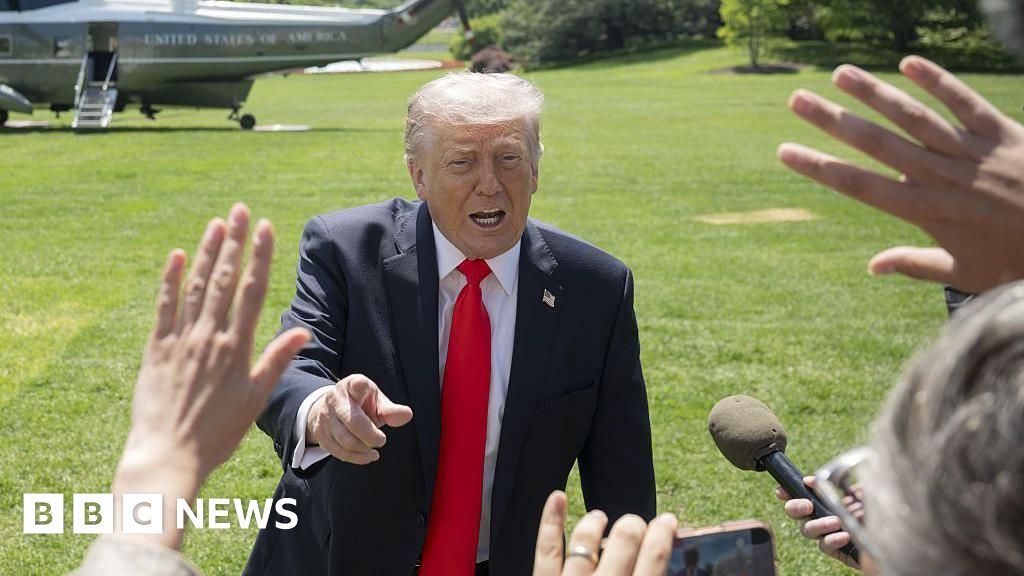
Meanwhile, the conflict escalates at sea and in the skies. The United States, firmly committed to maintaining its maritime dominance in the Strait of Hormuz, seized an Iranian cargo vessel attempting to bypass the naval blockade—an act sharply criticized by Tehran and viewed as a breach of the ceasefire agreement. The US military announced that several rounds of fire were directed at the Iranian-flagged ship, the Touska, highlighting the dangerous game of brinkmanship and the risk of open confrontation. The US administration’s aggressive stance, exemplified by threats from President Donald Trump to destroy Iran’s infrastructure if demands are not met, exemplifies a reckless approach that analysts argue heightens the risk of all-out war. Experts from RAND Corporation emphasize that the strategic objective appears centered on choking Iran’s access to vital maritime routes, a move with profound geopolitical impact that threatens to draw the entire region into chaos.

On the diplomatic front, prospects for a peaceful resolution appear bleak. Iran’s reluctance to participate in second-round negotiations with the US, citing Washington’s “excessive demands and ongoing naval blockade,” illustrates the deep mistrust that has come to define posturing in this crisis. Despite the Biden administration’s efforts to restart peace talks, Iran’s official stance signals an unwillingness to back down, raising fears of prolonged hostilities. The departure of US negotiators to Islamabad—led by Vice President JD Vance and including figures like Jared Kushner—demonstrates the clear intent to exert maximum pressure. The international community, including the United Nations, warns that such confrontational policies could undermine stability and destabilize vital energy markets, which are already volatile as oil prices surged nearly 7% amid fears of renewed conflict.

The Shadow of History and the Weight of the Present

Historians highlight that these developments serve as a stark reminder of how the choices made in these critical moments can shape the course of history. The region’s complex web of alliances, religious divides, and longstanding grievances underscores that a single misstep could ignite clashes on a scale unseen in generations. International organizations, such as the European Union, have expressed concern over the escalation, but their influence remains limited as power players assert their dominance. For nations across the globe, the unfolding saga in the Middle East is a portent of the chaos that could follow should diplomacy irrevocably fracture. A cautious observer might note that these events foreshadow a period where the weights of history threaten to tip into the storm of wider war, leaving the world spectators to ponder whether diplomacy’s flickering light can be sustained in this darkening theater.

As the clock ticks toward a potential breakdown of fragile ceasefires and diplomacy, the world witnesses an unfolding drama of power, betrayal, and strategic calculation. The decisions made today are not only shaping the immediate future but are also engraved into history’s vast ledger, with the weights of consequences still unmeasured and the shadows of conflict lengthening in the horizon. In this volatile crucible, the question remains: will cooler heads prevail or will regional powers and world superpowers ignite a conflict that reshapes history itself?

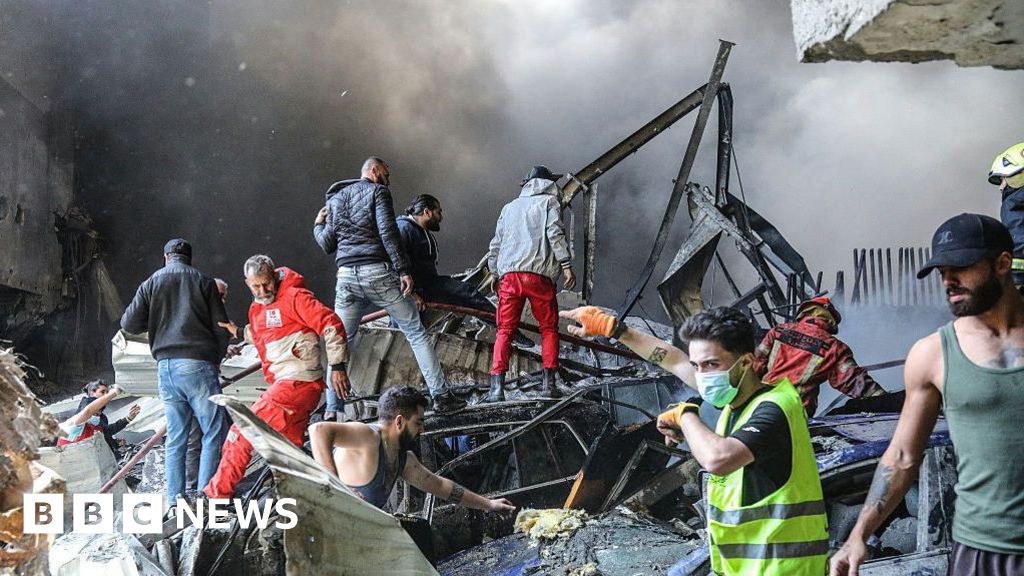
Israel-Lebanon Ceasefire: What You Need to Know

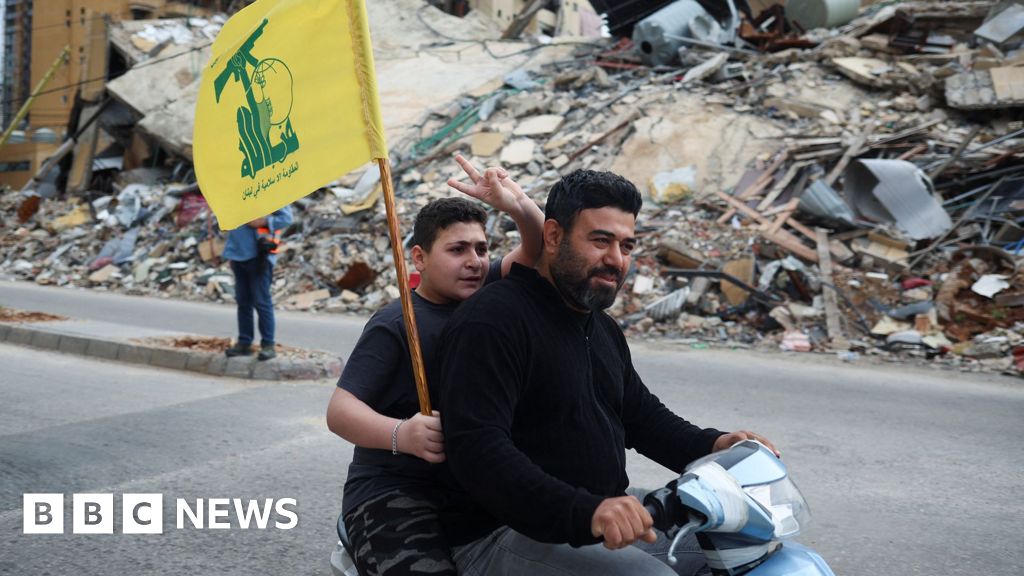
In a significant development on the geopolitical stage, a 10-day ceasefire has been established between Israel and the militant group Hezbollah, which is backed by Iran. This pause in hostilities emerges amid ongoing diplomatic negotiations between the United States and Tehran, signaling a possible shift towards de-escalation in one of the most volatile regions of the world. The international community, alarmed by the recent surge in violence, observes closely as the conflicting parties navigate a fragile path that could influence the future of Middle Eastern stability.

Support from Hezbollah—an organization designated by many Western nations as a terrorist entity—underscores the deep-rooted complexities within the broader Iran-Israel conflict. As the negotiations progress, analysts highlight the importance of this truce as a potential turning point—a moment that could redefine the regional power balance. The United States has taken a cautious yet active role, seeking to leverage diplomatic channels in hopes of averting a wider regional escalation. Meanwhile, Iran maintains a stance emphasizing its desire for “peaceful resolution,” though international observers remain skeptical about the long-term sincerity of such claims, given Iran’s longstanding support for groups like Hezbollah.

Historically, as noted by renowned geopolitical analyst Dr. Samuel David, periods of temporary ceasefire have often proved *ephemeral* in conflicts marked by profound ideological and strategic divides. The resolution’s success hinges on whether these diplomatic efforts can translate into tangible moments of trust and compromise. The

  • United Nations
  • European Union
  • Middle Eastern regional players

are closely watching whether this temporary pause will hold or serve as a mere prelude to renewed violence. The fragile balance of power in the region remains precarious, with many experts warning that unresolved grievances, especially regarding territorial disputes and security guarantees, could reignite hostilities.

As history demonstrates, the decisions made in these crucial moments can ripple outward, reshaping alliances and shaping broader international relations. The geopolitical impact of a sustained peace or renewed conflict will profoundly influence not only the Middle East but also global markets and foreign policies. The recent developments serve as a stark reminder that in international diplomacy, each concession and promise is woven into a larger tapestry—one in which the threads of history, ideology, and power converge, often with unpredictable consequences. The world watches with bated breath, knowing that in the unfolding saga of Middle East conflict, each chapter writes itself with irreversible consequences, leaving behind the echoes of a history still being penned.

Middle East Tension: UN Urges Respect for Israel-Lebanon Ceasefire as US-Israel Target Iran

Global Geopolitical Shifts as Middle East Ceasefire Unfolds

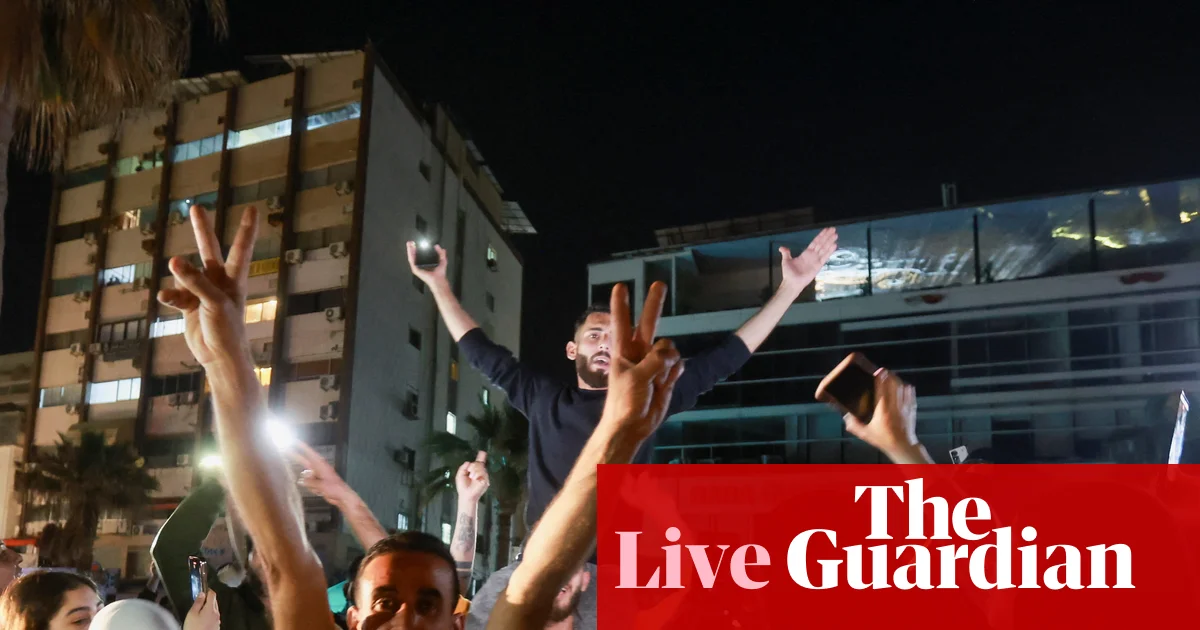
The recent ceasefire between Israel and Lebanon marked a significant turn in the ongoing Middle East conflict, prompting a surge of cautious optimism across international markets and diplomatic corridors. As United Nations Secretary-General António Guterres publicly welcomed the 10-day truce, the global community watched with bated breath, aware that the fragile peace holds only as long as the critical political prerequisites, especially from involved powers, remain intact. The ceasefire’s implementation underscores a complex interplay of regional diplomacy and international interests, with key players like the United States and Iran vying for influence in shaping the future trajectory of stability in this volatile region.

Major geopolitical implications stem from the nuanced responses of world powers. Donald Trump has emphasized the importance of fully respecting the ceasefire, while also criticizing NATO allies for their perceived lack of support in the enforcement of US-imposed naval blockades aimed at Iran. Meanwhile, Iran’s foreign ministry expressed its approval of the ceasefire, framing it as an extension of the original Iran-US agreement brokered by Pakistan. This layered diplomacy signals a tentative thaw, yet analysts like those at the European Council on Foreign Relations warn that underlying tensions, especially Iran’s call for a “simultaneous ceasefire throughout the region,” hint at unresolved issues that threaten to ignite renewed violence in the future.

How International Decisions Reshape Societies and Strategic Alliances

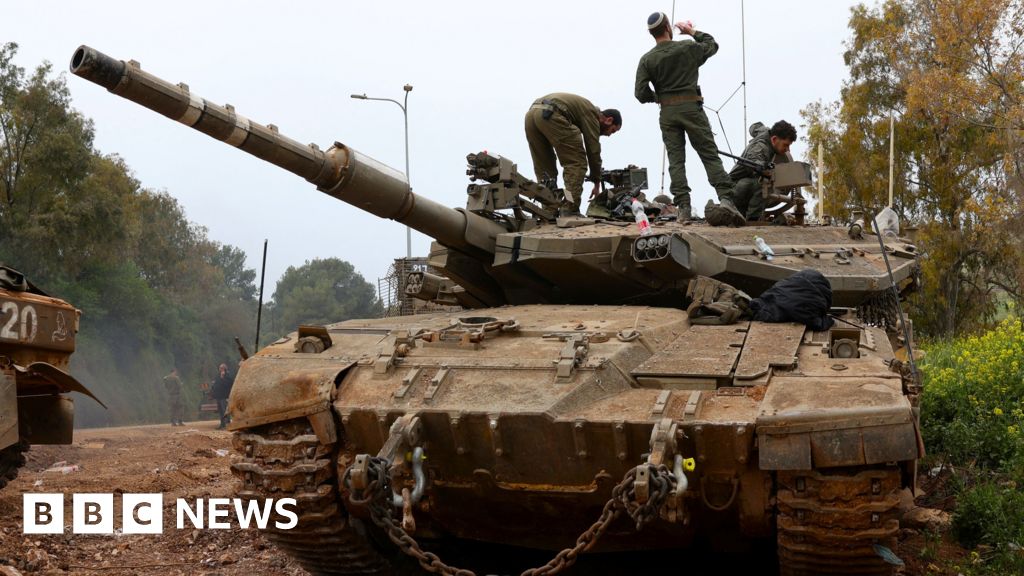
The decision by Israel to maintain its military presence in southern Lebanon, despite the truce, exemplifies the persistent threat of escalation. Prime Minister Benjamin Netanyahu termed the ceasefire a “historic” opportunity for peace, yet reaffirmed his commitment to dismantling Hezbollah and occupying parts of Lebanon’s territory. In response, Lebanon’s government and Hezbollah have urged caution, warning that Israel’s history of violating ceasefire agreements could undermine the fragile peace. America’s role as facilitator in this ceasefire has further solidified its geopolitical stance—balancing between backing Israel’s security interests and avoiding further escalation with Iran-backed groups. Historically, such moves often deepen the divide among international coalitions, reinforcing the narrative of a region on the brink of recurrent conflict.

Furthermore, the reopening of international shipping lanes through the Strait of Hormuz is a critical focal point. British Prime Minister Keir Starmer, alongside his French counterpart Emmanuel Macron, has pledged to co-host a summit of around 40 nations to reaffirm global commitment to free navigation and respect for international law. This effort aims to counter the escalating blockade imposed by Donald Trump, who has called for “full freedom of navigation” amid Iran’s shutdown of the Strait, which has already led to economic ripples across energy markets. Analysts like Dr. Laurence Norrie warn that failure to reopen the shipping lanes could precipitate a broader energy crisis, destabilizing not just regional economies but threatening global stability.

Shifting Alliances and the Unfolding Narrative of Power

The unfolding events serve as a stark reminder of how nation-states are balancing their security concerns against international diplomatic pressures. As China’s export sector grapples with surging commodity costs—fueling fears of a slowdown—Russia, Turkey, and regional allies are realigning their strategies amidst the backdrop of this shifting landscape. The World Trade Organization warned of a possible global downturn if energy prices remain volatile, reinforcing the world’s dependency on Middle East stability. As recent histories have shown, decisions taken in these uncertain times often leave behind an indelible mark on the fabric of history, forging new alliances or reigniting old conflicts.

In the coming days, the weight of history appears poised on a knife’s edge. Whether the peace forged now endures or the region plunges once again into chaos, the international community waits, knowing that these decisions echo through the corridors of history—each move shaping the societies whose fate is woven into the tapestry of the Middle East’s unending saga. The unfolding stages of diplomacy, conflict, and commerce remind us that in this geopolitical theater, every act has profound consequences. As the world stands at this crossroads, the question remains—not just how this chapter will end, but what the pages of history will record as the true legacy of the days to come.

Israel and Lebanon Agree to 10-Day Ceasefire, Trump Confirms

The United States and Iran are once again edging toward a critical diplomatic juncture, as discussions for a second round of peace talks take place in Pakistan. These negotiations, which hold the potential to redefine regional stability, are closely watched by global powers and regional neighbors alike. According to recent statements in Washington, President Donald Trump indicated that pre-negotiation progress has been substantial, with both sides reaching consensuses on several key issues. Notably, Iran is reported to have committed to not developing nuclear weapons “beyond 20 years.” However, Trump emphasized a stark warning: “if there is no deal, fighting resumes.”

This development signals a possible shift in the complex geopolitical chess game that has long defined the Middle East. The U.S.-Iran relationship—fraught with decades of hostility, sanctions, and proxy conflicts—may be approaching a pivotal turning point. International analysts suggest that such negotiations could either open avenues for peace or trigger renewed regional turmoil. According to the International Institute for Strategic Studies, the potential for a nuclear agreement could significantly alter the balance of power, especially given Iran’s strategic position and regional influence. Yet, skeptics warn that any agreement lacking firm enforcement mechanisms risks merely postponing confrontation, leaving regional and global stability hanging in the balance.

The implications of these negotiations extend well beyond bilateral relations, affecting global security and economic stability. For the United States, success in these talks would serve as a significant victory in the ongoing effort to contain Iran’s nuclear ambitions, which many see as a threat to both regional allies and international peace. Conversely, a failed attempt risks exacerbating conflicts in Syria, Iraq, and Yemen, as well as emboldening Iran’s regional policies. As noted by geopolitical analysts, the outcome will shape the future contours of international diplomacy, potentially encouraging other states to seek unilateral nuclear capabilities if perceived as the only reliable safeguard against intervention.

Historically, conflicts of this magnitude have proved to be turning points—moments when the course of history can shift dramatically based on diplomatic choices made in such vulnerable windows. The works of historians remind us of the thin line between peace and war, often dictated by negotiations and compromises amid fierce national interests. The current situation therefore carries the weight of the future—whether the world will see a genuine step towards peace or plunge into another cycle of hostility as negotiations collapse. As the world holds its breath, one thing remains undeniable: the decisions made today will echo through the corridors of history, shaping the fate of nations and societies for generations to come. A new chapter is being written—its narrative still uncertain, its outcome yet to be determined, but its significance indelible in the fabric of global history.

Ukraine and Russia trade blame over hundreds of ceasefire breaches

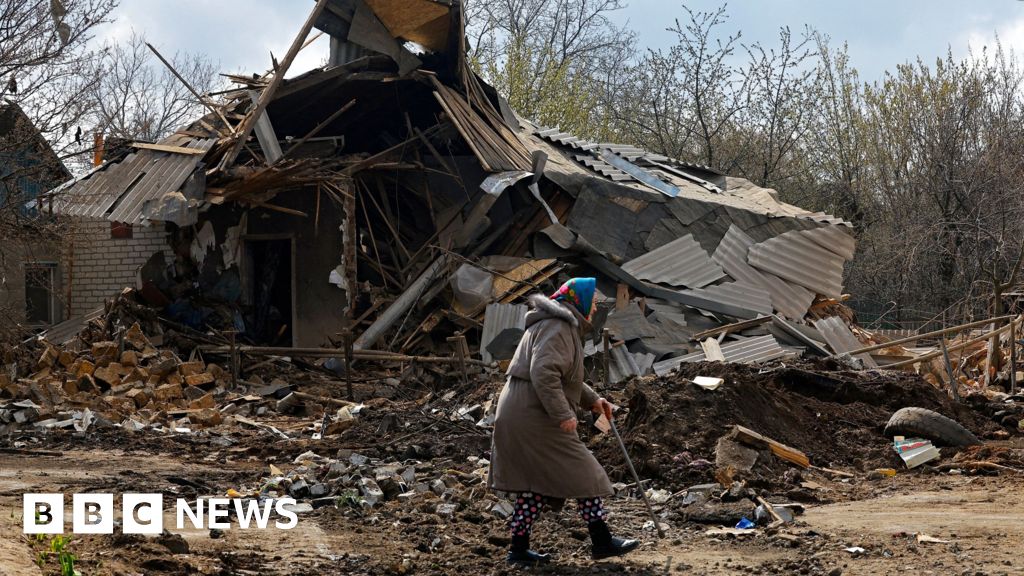
Ukrainian President Volodymyr Zelensky has issued a stern warning to Russia, affirming that his nation’s forces would respond “symmetrically” to any Russian attacks. This declaration signals a significant shift in Ukraine’s military posture amidst ongoing tensions and the broader geopolitical contest for influence in Eastern Europe. As the conflict continues to evolve, analysts suggest that Ukraine aims to establish a clear doctrine of reciprocity, signaling its readiness to escalate military responses should Russian aggression persist. This statement not only underscores Ukraine’s resolve but also complicates the delicate diplomatic landscape, making international repercussions far-reaching.

Since the onset of hostilities, Russia has maintained a strategy of targeted assaults on Ukrainian infrastructure and military positions, challenging Ukraine’s sovereignty and prompting a swift international response. The United Nations and NATO have urged de-escalation, emphasizing the importance of diplomatic solutions. However, Zelensky’s firm vow indicates a growing expectation among Kyiv’s leadership that Moscow cannot continue its current trajectory without risking a broader conflict. Historians and geopolitical analysts warn that the decision to adopt a symmetrical response could be a pivotal turning point, raising the stakes of a regional conflict that threatens global stability.

Global institutions such as NATO are closely monitoring Ukraine’s military stance, acknowledging that Kyiv’s willingness to match Russian aggression might redefine the boundaries of regional confrontation. Europe faces a dilemma: uphold diplomatic engagements or prepare for increased military commitments. The European Union has expressed solidarity with Ukraine, yet fears remain that a escalation could draw in other states, potentially igniting a wider regional conflict. The stance taken by President Zelensky resonates with longstanding national sentiments of resilience and sovereignty, but also serves as a warning to other nations about the rising tide of hybrid and conventional warfare.

Meanwhile, international scholars note that Russia’s pursuit of strategic objectives in Ukraine—such as securing territorial gains and weakening Kyiv’s Western integration—remains unchanged, prompting concerns about the potential for a prolonged, attritional conflict. In this complex chess match, every decision carries the weight of history, shaping the future of millions of lives and redefining global power dynamics. The international community stands at a crossroads, confronting the reality that the outcome of this confrontation will not only determine Ukraine’s fate but also test the resilience of the entire liberal order. As the world watches, the question remains—how much farther will this conflict go, and what new boundaries will be drawn in the sands of geopolitics?

In the unfolding narrative of this turbulent epoch, the resolve of Ukrainian defenders and the strategic calculus of Russia intertwine in a high-stakes game of survival and dominance. With each provocative move, the world edges closer to an unpredictable future where the lines between diplomacy and warfare blur, and the weight of history presses down on all nations. This is not merely a regional crisis—it is a defining moment, echoing through time, as the international order faces one of its most defining tests in decades.

Lebanon demands ceasefire before any Israel talks, signs of upcoming tensions

In a recent development that echoes through the corridors of international diplomacy, Lebanonhas declared that it will only participate in peace talks with Israel if a ceasefire is firmly established beforehand. This conditional stance, articulated by a senior Lebanese official in an exclusive interview with the BBC, underscores the fragile state of regional stability and the complex web of alliances and animosities in the Middle East. This stance not only places Lebanon at a diplomatic crossroads but also signals a broader strategic calculation that could reshape regional stability for years to come.

The Middle East has long been a theater of geopolitical brinkmanship, where historical grievances, territorial disputes, and external influences intertwine. As tensions escalate in the wake of recent escalations—likely fueled by unresolved border issues, armed factions, and external actors—Lebanon’s decision reflects a strategic insistence on security guarantees before engaging in negotiations. Many analysts suggest that this move is not merely about immediate hostilities but signals Lebanon’s intention to leverage diplomatic standing in a larger regional conflict. Moreover, it emphasizes the importance of a comprehensive ceasefire as a precondition, positioning Lebanon as a country that refuses to be sidelined in fragile peace processes.

This stance resonates with international trends, as global institutions and major powers grapple with the unpredictable nature of Middle Eastern conflicts. Russiaand China have called for diplomatic solutions, yet the U.S. and European Union maintain that sustainable peace hinges on mutual recognition of security concerns. In this context, Lebanon’s conditional participation could be viewed as a strategic move to strengthen its negotiating position, highlighting how internal security and sovereignty are increasingly intertwined with international diplomacy. The decision also potentially influences neighboring countries, including Syria and Jordan, which are deeply affected by the regional unrest.

Historians and geopolitical analysts warn that the current developments could mark a pivotal turning point. Dr. Katherine Palmer, a senior researcher at the Global Security Institute, observed, “Lebanon’s firm stance reveals an emerging pattern where regional actors prioritize their sovereignty and security interests over piecemeal peace initiatives.” Meanwhile, the United Nations continues to call for restraint and renewed dialogue, though its influence appears increasingly limited amid mounting tensions. The global community’s ability to influence the trajectory of this conflict remains uncertain, with some experts fearing that unresolved grievances could ignite broader regional confrontations, dragging in external powers into a wider conflagration.

As the world watches while these negotiations and tensions unfold, the weight of history presses down upon every decision. The ongoing crisis in the Middle East is no longer just a localized conflict—it is a reflection of a shifting global order, where regional sovereignty, external influence, and ideological divides threaten to ignite a larger, more destructive war. This is a defining moment, where diplomacy is tested against the raw realities of power, and the destiny of nations hangs in the balance, awaiting the next chapter in this unfolding saga of geopolitics.

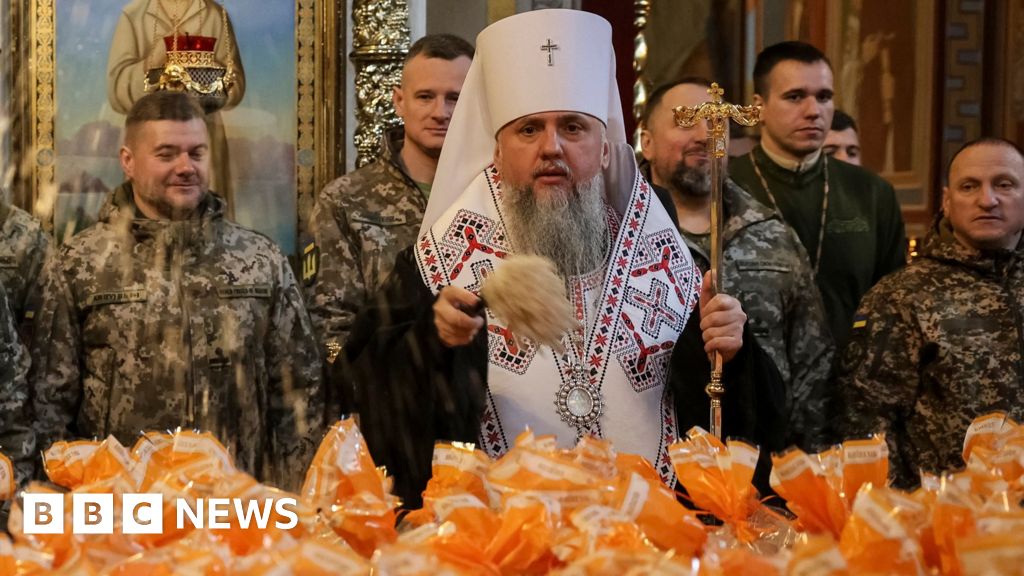
Russia and Ukraine sign Orthodox Easter ceasefire to promote peace among youth

In a move that has sent ripples through the international community, Vladimir Putin has officially declared a ceasefire that will commence from Saturday afternoon and extend through Easter Sunday. This unexpected announcement comes at a time when global tensions, especially surrounding Russia’s ongoing conflict in Ukraine, have been escalating, drawing widespread concern about the stability of the region and the potential for geopolitical realignments.

While the specifics of the pact remain obscure, analysts worldwide are scrutinizing this development for its geopolitical impact. Many believe this truce represents a strategic shift rather than a genuine desire for peace. Historically, ceasefires brokered in conflict zones, especially those initiated by major powers, serve often as temporary pauses or as tactical maneuvers aimed at consolidating military positions or extricating diplomatic pressure. According to international relations experts, such efforts often reflect the complex interplay of domestic politics, leadership calculations, and international diplomacy. It remains to be seen whether this ceasefire entails genuine de-escalation or is part of a broader strategy to regroup or reconfigure Russian military objectives.

Ukrainian officials and Western allies have responded with cautious optimism, though skepticism persists.

  • Some officials warn that the announcement might be a tactical pause, used to prepare for potential renewed offensives.
  • Others see it as a sign of vulnerability or a move influenced by internal pressures within Russia.

The United Nations and several European nations have called for transparency and adherence to the ceasefire, emphasizing its potential turning point in the broader conflict. Historically, ceasefires have often proven fragile, with their success hinging on reciprocal commitments from conflicting sides and the broader geopolitical climate. The G7 and NATO countries continue to monitor developments closely, understanding that any pause holds the potential either to de-escalate or, conversely, to mask another phase of escalation. The decision could set a precedent for future negotiations or shifts in the regional narrative, making this a critical juncture in the ongoing struggle for influence and sovereignty in Eastern Europe.

As the world watches with bated breath, the unfolding scenario leaves many pondering the true motives behind Russia’s move. Will this be a genuine effort at peace or simply a strategic pause? As history repeatedly demonstrates, the destinies of nations are often shaped by moments of apparent restraint amid chaos—poised, perhaps, on the edge of a new chapter marked by uncertainty. The stakes are high, and the weight of history presses heavily on all sides, reminding us that in the dance of power, the next move is never certain, and the future remains a fragile, unresolved narrative.

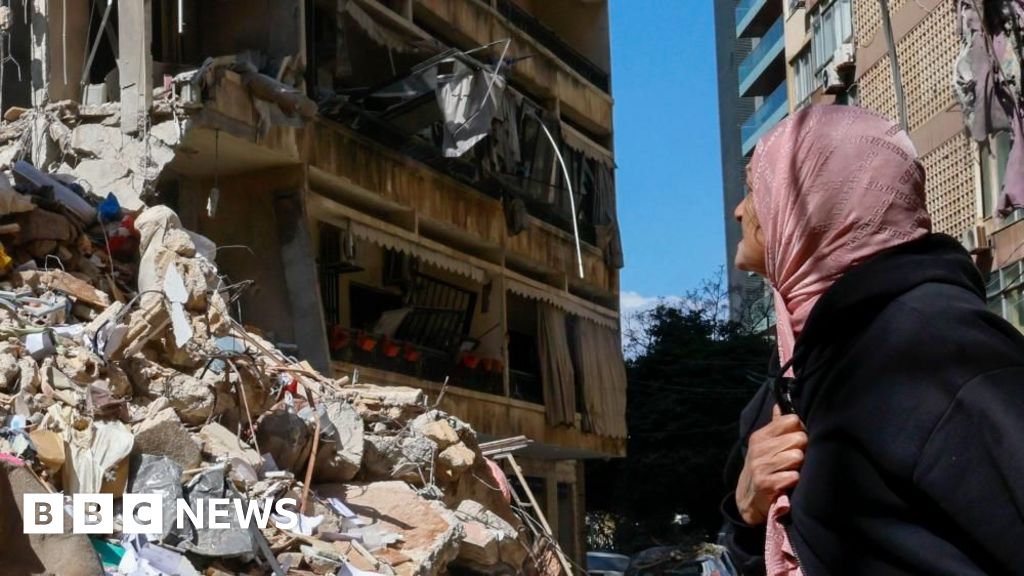
Israel to negotiate with Lebanon, no ceasefire talks, Netanyahu announces

In a decisive move amidst escalating violence, Lebanese officials have urgently called for a ceasefire as preparations for peace talks commence. This development underscores the fragile state of Lebanon’s internal stability, battered by relentless hostilities rooted in regional tensions and historic grievances. As violence persists in various enclaves, local leaders emphasize that halting military actions is imperative to restore dialogue and address underlying issues contributing to the ongoing conflict.

The international community, particularly regional powers and global institutions, closely monitors Lebanon’s tumultuous situation. The United Nations and European Union have reiterated their support for a peaceful resolution, urging all parties to refrain from actions that could deepen societal divisions. Meanwhile, analysts warn that without a genuine commitment to dialogue and reconciliation, the risk of broader regional destabilization looms ever larger. Experts in Middle Eastern geopolitics highlight that Lebanon’s instability serves as a microcosm of wider regional tensions that continue to threaten the broader Middle East, where proxy conflicts and political rivalries often ignite violence.

Historically, Lebanon has long been a chessboard for regional influence, with regional actors such as Iran and Saudi Arabia vying for ideological and strategic dominance. According to renowned geopolitical analyst Dr. Samuel Green, “Lebanon’s internal conflicts are not merely local disputes but are deeply intertwined with broader regional struggles. The call for a ceasefire might be a fragile, yet crucial, initial step towards de-escalation—but the true challenge lies in ensuring sustainable peace.” This perspective resonates with international observers who recognize that diplomatic strides must be accompanied by tangible political reforms to prevent renewed violence.

Officials and diplomats are acutely aware that decisions made in the coming days will shape Lebanon’s future trajectory and influence regional stability.

  • Ceasefire negotiations
  • International mediations
  • Potential peace agreements

are all pivotal junctures that could either anchor Lebanon to peace or plunge it further into chaos. The echoes of history remind us that once violence takes root, it often spreads beyond borders, threatening neighboring countries and beyond. Today, as Lebanon’s leaders call for calm, the weight of history presses down — a stark reminder of how fragile peace remains in a land torn by conflicts rooted in centuries of unresolved grievances. The unfolding story could determine whether this moment becomes a turning point toward lasting stability or another chapter in an ongoing saga of turmoil that continues to shape the geopolitics of an entire region.

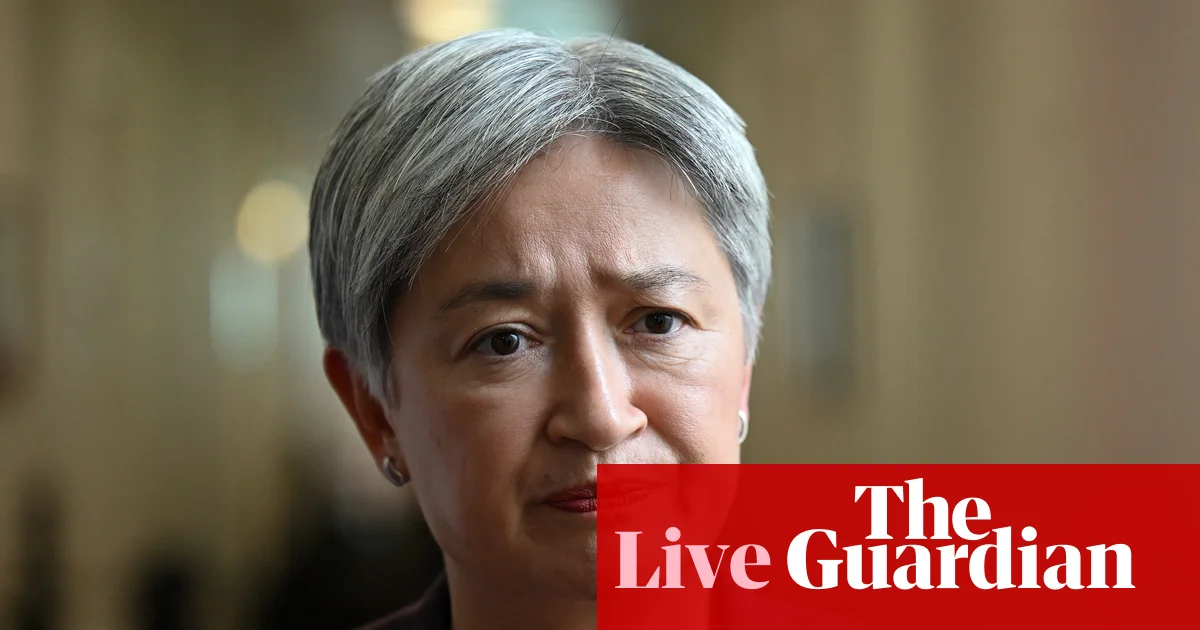
Australia News Live: Penny Wong Urges Lebanon in Ceasefire, Calls for Protecting Aid Workers

Global Power Struggles Unfolding as Middle East Ceasefire Teeters

In an era where geopolitics often hangs in a delicate balance, recent developments highlight the profound impact of international decisions on nations and societies across the globe. The Middle East—a longstanding epicenter of conflict—finds itself at a critical juncture. Penny Wong, Australia’s foreign affairs minister, has issued a stark warning: the ongoing US-Iran ceasefire remains fragile and could unravel, risking catastrophic consequences not only for regional stability but for the **global economy** and **energy markets**. This fragile truce underscores a broader pattern of international uncertainty, driven by high-stakes diplomacy and shifting alliances that could reshape the geopolitical landscape for years to come.

Wong’s unequivocal concern reveals an underlying truth shared by analysts and historians: every decision taken now could have reverberations far beyond immediate conflict zones. The toll on civilian populations—marked by reports of over 250 casualties from Israeli strikes in Lebanon—illustrates the human cost of these geopolitical struggles. Recognizing the stakes, Australia has actively engaged in regional diplomacy, with Prime Minister Anthony Albanese leading efforts across the Indo-Pacific. Notably, Albanese’s discussions with the Sultan of Brunei and subsequent visits to Singapore aim to fortify energy supply chains crucial to Australia’s economy, demonstrating a pragmatic approach bent on domestic resilience amidst international turbulence. These diplomatic moves exemplify how global conflicts influence economic security and social stability within nations, as they navigate an increasingly interconnected world facing unprecedented shocks.

The regional diplomacy extends further, with China reaffirming its strategic partnership with Australia. Both nations are eyeing an upward trajectory, emphasizing economic cooperation in clean energy, electric vehicles, and market stability. China’s Premier Li Qiang highlighted the importance of fostering “positive atmospheres” and “mutually beneficial cooperation,” signaling a desire for stability amid international upheaval. This re-engagement occurs within the broader context of China’s long-term ambition to boost domestic demand, participate more actively in global trade, and elevate bilateral ties with Australia—elements that analysts see as part of a shifting power dynamic that could challenge traditional Western dominance. Meanwhile, Australia’s commitment to maintaining a balanced foreign policy—upholding the **One-China policy** while advocating for regional stability—reflects a nuanced strategy designed to maximize national interests while avoiding escalation in these volatile times.

As the world watches the impending fallout from ongoing conflicts, geopolitical players face a choice: reinforce the fragile status quo or risk plunging into chaos. The United States and Iran, along with regional allies, must navigate treacherous waters, balancing de-escalation efforts with strategic interests. Australian leaders, along with international organizations like the United Nations, call for respect for international humanitarian law and the protection of civilians—reminding all that humanity’s future hinges on the choices made today. The unfolding story of this geopolitical chessboard portends a future where the balance of power could tilt dramatically, threatening to alter the course of history itself. With each diplomatic handshake and ceasefire declaration, the true weight of history presses down—reminding us that we are all witnesses to an unfolding epoch that will define global borders and societies for generations to come.

What the US-Iran Two-Week Ceasefire Means for America's Future
What the US-Iran Two-Week Ceasefire Means for America’s Future

In a significant development that underscores the fragile state of regional stability in the Middle East, a **provisional truce** has been announced, following more than a month of escalating hostilities. The conflict was ignited by **coordinated attacks launched by the **United States** and **Israel** against Iran**, actions perceived by many as an aggressive effort to weaken Tehran’s influence and deter its burgeoning regional alliances. While the terms of the ceasefire remain preliminary, this diplomatic move signals a tense but critical pause in what many analysts describe as an ongoing proxy war that threatens to reshape the geopolitical landscape.

The recent escalation began when **U.S. and Israeli authorities** declared a collective effort to curtail Iran’s nuclear ambitions and to dismantle its support networks for regional allies like **Hezbollah** in Lebanon and the **Houthis** in Yemen. Historically, these covert operations have been justified as defensive measures, yet critics argue they have deepened regional instability, provoked Iran, and invited an unpredictable cycle of retaliation. According to international security think tanks, such as the International Crisis Group, these actions have the potential to ignite broader conflict, dragging neighboring nations into turmoil and challenging the authority of global institutions tasked with maintaining peace.

Experts emphasize that the geopolitical impact of this temporary truce cannot be understated. While it may offer a brief respite, the underlying tensions remain unresolved. *Historian* Dr. Samuel Baker warns that “a fragile ceasefire in a landscape marred by longstanding animosities and external interference is more perilous than an open confrontation.” The decision by **U.S.** and **Israeli** leaders to pursue military actions could be viewed as part of a broader strategy aimed at pressuring Iran into concessions, yet it risks solidifying Iran’s resolve and deepening its alliances with **Russia** and **China**—a move that substantially shifts the balance of power within the region.”

On the international stage, organizations like the **United Nations** call for restraint, yet their influence remains limited amid heightened nationalist sentiments and emerging power blocs. UN analysts warn that if these hostilities persist or escalate, the likelihood of a much broader conflict increases, potentially destabilizing entire regions and impacting global markets. The ripple effects of continuing unrest threaten to undermine decades of efforts towards diplomatic solutions and epitomize the volatility of 21st-century geopolitics, where alliances are transient and conflicts are often fueled by external ambitions more than local grievances.

As history turns another page, the world watches with bated breath. The temporary halt in hostilities may represent a fleeting moment of calm—*a pause in the violence before the storm*—but the fundamental issues at stake remain unresolved. The decisions made today, whether towards peace or further conflict, will indelibly shape the course of history. For nations caught in this crucible, the stakes are nothing less than the future stability of the entire region—an uncertain pathway where peace hangs precariously in the balance as the players in this high-stakes game continue to maneuver, echoing the warnings of analysts who see this as only the beginning of a long and volatile chapter in world history.

Social Media Auto Publish Powered By : XYZScripts.com