Matox News

Truth Over Trends, always!

LinkedIn CEO Steps Down – No Need for Emotional Farewells, Just the Future Ahead

LinkedIn’s Leadership Shift Signals a New Era of Innovation and Market Disruption

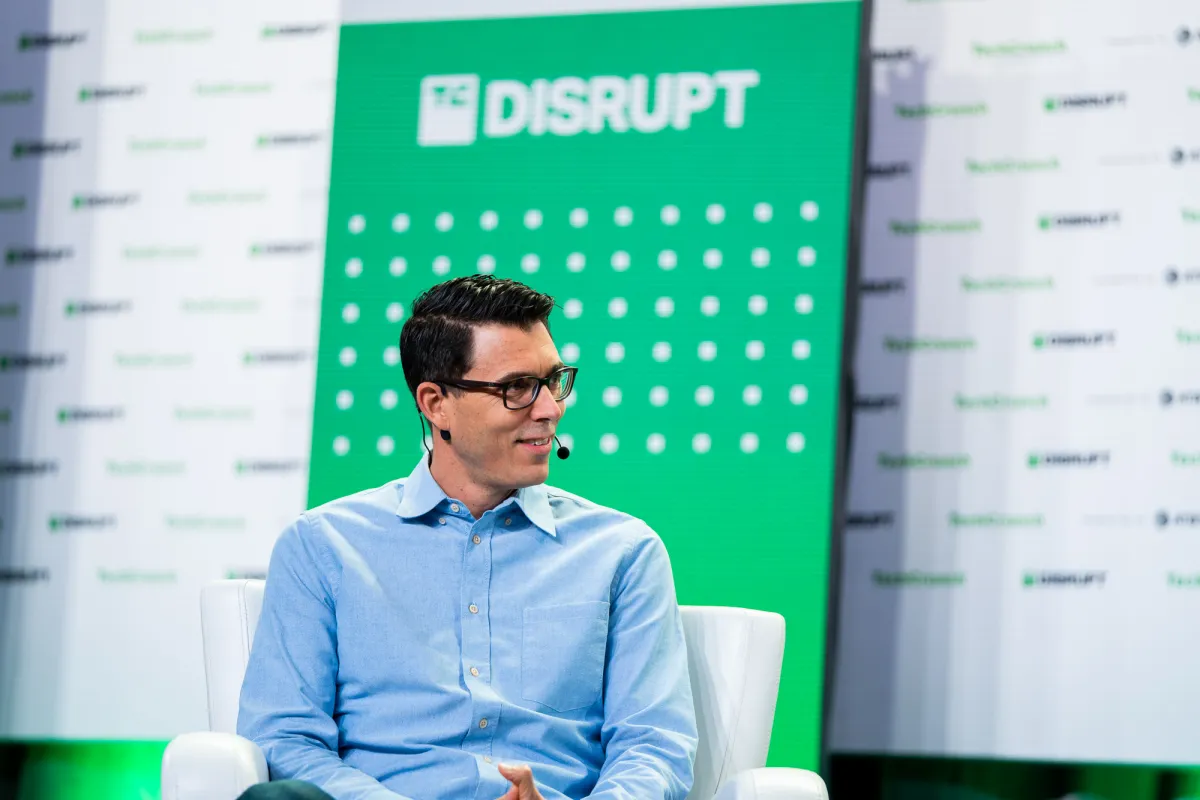
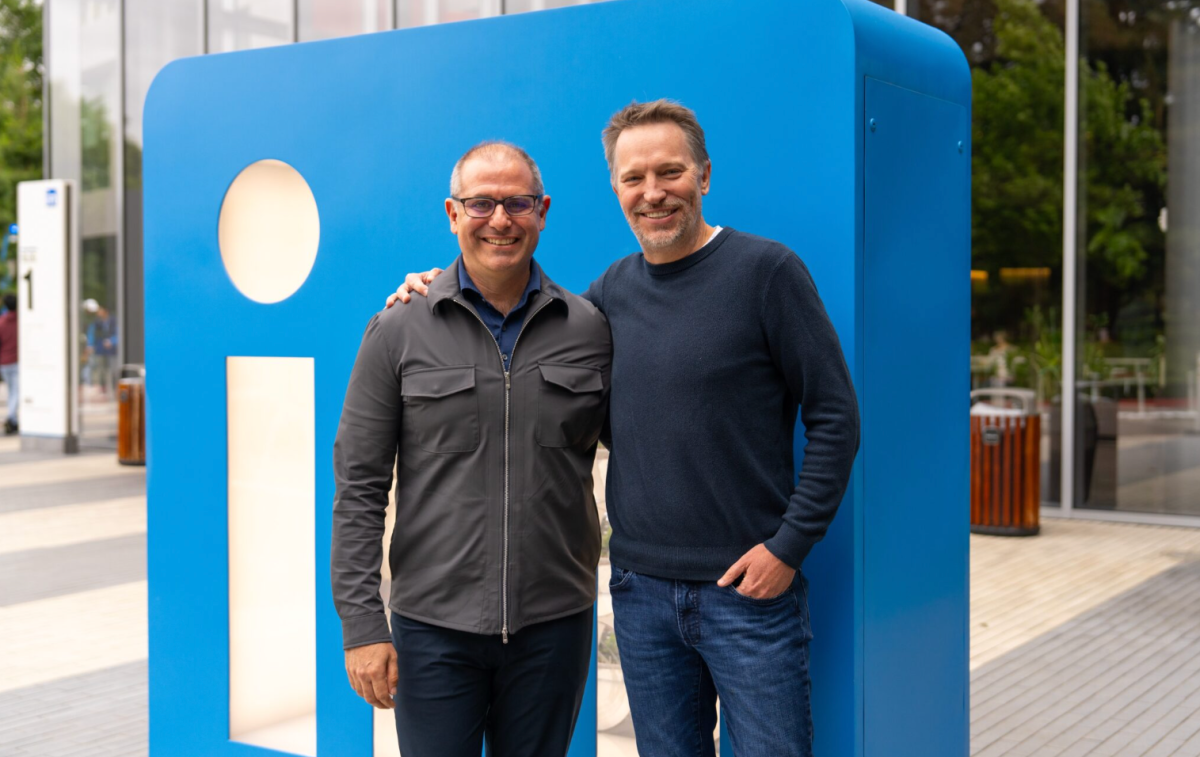
In a move that underscores the relentless pace of transformation within the tech industry, Ryan Roslansky has announced his departure as CEO of LinkedIn after an impactful six-year tenure steering the platform through rapid growth and technological evolution. The company has appointed Dan Shapero, its current COO, as the new CEO, marking a strategic pivot that could accelerate innovation and reshape the professional networking landscape. This leadership change arrives at a critical juncture where the intersection of AI, data-driven insights, and business connectivity is redefining industry standards.

LinkedIn’s ascent has been marked by a relentless drive to leverage disruptive technologies—most notably artificial intelligence and machine learning—to enhance user engagement, facilitate talent acquisition, and empower enterprise solutions. Under Roslansky’s leadership, the platform integrated features such as AI-powered content recommendations, precision targeting for recruiters, and expanded learning modules. Now, with Shapero at the helm, analysts anticipate an intensified focus on market differentiation through innovation, setting the stage for a possible acceleration in growth and diversification of revenue streams. Such strategic realignment could challenge traditional professional networks and catalyze a new wave of startup activity targeting freelancer platforms, remote work tools, and AI consulting.

From an industry perspective, this leadership transition is poised to trigger significant shifts across multiple dimensions. Gartner and leading tech think tanks have identified AI-driven enterprise solutions as the primary driver of next-generation productivity enhancements. The key question for investors and competitors alike is whether LinkedIn under new leadership will continue to disrupt ecosystem standards or if it will face challenges in maintaining its dominant trajectory. Notably, the move aligns with broader market trends emphasizing digital transformation and workforce automation, which have been accelerated by recent global economic shifts and the proliferation of remote work.

The business implications are profound.

  • The potential for integrated AI tools to streamline recruitment, onboarding, and professional development could redefine talent engagement strategies.
  • This shift could create a competitive moat for LinkedIn, shielding it from emerging platforms that are leveraging new AI models and data analytics.
  • Emergent industry players, such as Glassdoor and Indeed, must now innovate aggressively to maintain relevance in a rapidly evolving digital landscape driven by social networking and enterprise SaaS integration.

Esteemed innovation figures like Elon Musk and Peter Thiel have long championed the importance of disruptive leadership to stay ahead of the curve. With the tech giant’s new leadership, the industry is witnessing a pivotal moment that could see LinkedIn redefine its role as not just a networking tool but as an indispensable hub for AI-enabled, highly personalized professional ecosystems. As the platform navigates this transition, stakeholders must remain agile and vigilant, recognizing that this leadership change could catalyze the next wave of market disruption—with profound implications for the global workforce and the future of work itself.

In conclusion, the leadership shift at LinkedIn exemplifies the dynamic tension between innovation, disruption, and strategic positioning. This transition underscores the urgency for industry players to harness emerging technologies proactively, lest they fall behind in an intensely competitive environment. As the platform enters its next chapter, it promises to be a bellwether for broader industry trends—where the convergence of AI, data, and connectivity will determine the future trajectory of the global professional landscape. The clock is ticking for businesses and entrepreneurs eager to capitalize on what’s next—an era where agility and innovation are the keys to sustained success.
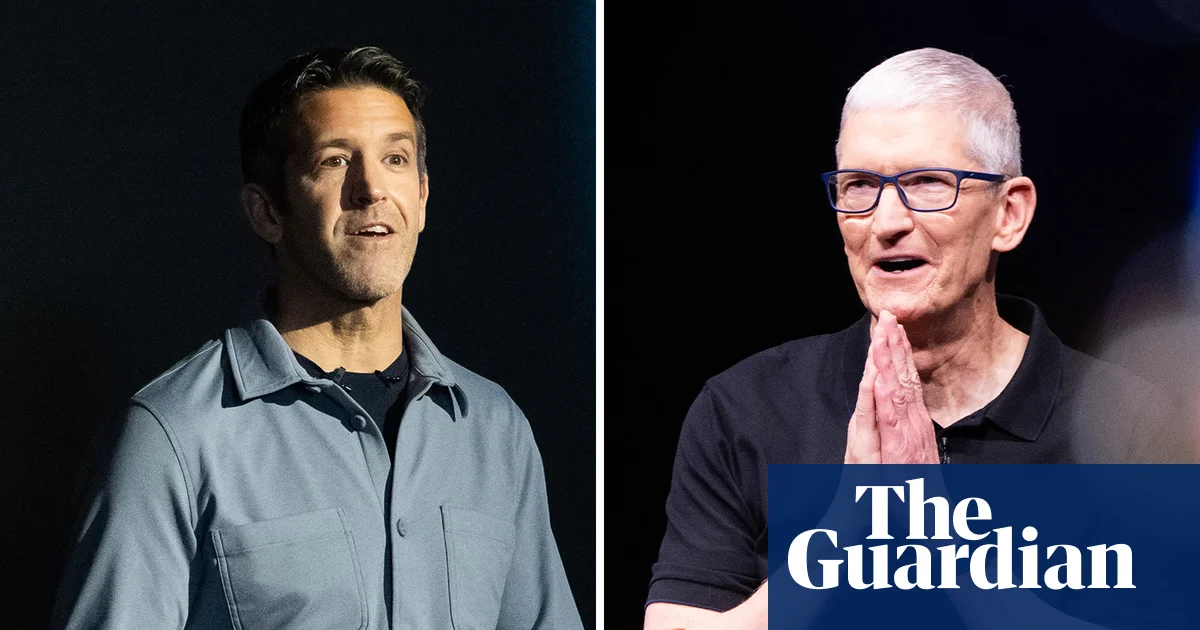
Tim Cook steps down as Apple CEO; John Ternus named his successor

Apple, the multinational technology giant, has announced a significant leadership transition, marking a pivotal moment not only within the realm of consumer electronics but also in the broader geopolitical scene. After nearly 15 years of steering the company through unprecedented expansion, Tim Cook will step down as CEO, handing the reins to John Ternus. This transition coincides with a period of intensifying global competition in artificial intelligence and tech innovation, where corporate decisions resonate with national security interests and economic stability. The move appears poised to influence the company’s strategic direction amid rising scrutiny over its trajectory in AI integration and market positioning.

  • Cook’s leadership saw Apple expand its market dominance, especially with record-breaking iPhone sales in China, signalling entrenched global dependencies.
  • Ternus, known for engineering expertise, promises to uphold the company’s core values while navigating the uncertain landscape of AI development.
  • Growing international and domestic tensions over tech sovereignty and competitive technology race shape the broader context for the announcement.

International organizations and analysts have keenly observed Apple’s shift as a reflection of the larger geopolitical dynamics at play. Some experts argue that the leadership change signals a strategic pivot as the tech sector grapples with AI supremacy and technological independence. In recent years, superpowers like the United States and the People’s Republic of China have been engaged in a high-stakes contest over control of AI and digital infrastructure, with corporations caught in the crossfire. According to technology historian Dr. Lisa Crawford, the new leadership at Apple might signal a cautious step toward more aggressive investment in emerging tech, possibly aligning corporate innovation with national interests. Such moves could reshape global supply chains and influence international cooperation, particularly in the face of mounting sanctions and tech war tensions.

This transition also carries profound implications for society and the global economic landscape. While Apple’s success under Cook bolstered prosperity, it also deepened dependencies in key markets, especially in East Asia. The decision to maintain a measured approach to AI integration—preferring third-party tools over full in-house solutions—may be a strategic response to fears of technological vulnerabilities or geopolitical vulnerabilities in the supply chain. Analysts warn that the next phase of technological rivalry could hasten a divide between Western and Eastern digital ecosystems, with global implications for cybersecurity and technological sovereignty.

As the world watches, the future of Apple seems intertwined with the broader narrative of international power struggles. The United States and other nations will scrutinize John Ternus’s leadership, assessing whether his technical expertise translates into a strategic foresight that can tackle the threats posed by global tech competition. Meanwhile, the real battle unfolds behind closed doors: between nations vying for dominance in the digital age, where the next few years could redefine the balance of power. As history continues to be written in these corridors of influence, one thing remains certain—every executive decision, every innovation, and every shift in leadership at companies like Apple shapes the unfolding fabric of our interconnected world, leaving future generations to grapple with the legacy of today’s choices.

Next CEO Simon Wolfson hits record £7m payday last year

Corporate Elite and Geopolitical Instability: A Narrative of Power and Influence

In an era increasingly defined by global conflicts and shifting geopolitical alliances, the actions of corporate magnates underscore an unsettling trend: the consolidation of wealth and influence in the hands of a privileged few. Simon Wolfson, the CEO of the UK-based retailer Next, exemplifies this phenomenon. Last year, Wolfson reaped a staggering £7 million in total compensation—an amount that is projected to rise to over £9 million this year. Such exorbitant pay packages highlight a growing disconnect between corporate leadership and the economic realities faced by the broader population, especially amid burgeoning inflation risks and international conflicts, notably in the Middle East.

Despite warnings from international economic analysts and organizations like the International Monetary Fund (IMF) regarding the potential for inflationary spirals due to ongoing conflicts, corporations like Next remain optimistic. The company’s recent upward revisions of profit forecasts—raising expectations by £8 million to a record £1.2 billion—reflect a distortion of economic priorities. While much of the world braces for possible shortages and a downturn in consumer confidence, the retailer continues to reward its top executives lavishly. Wolfson’s pay profile, including long-term bonuses and benefits, now reflects a broader pattern where executive compensation is often detached from national economic health and social well-being.

This conspicuous wealth concentration occurs at a critical juncture in world history. Historians and geopolitical analysts argue that such disparities can exacerbate social tensions and undermine democratic legitimacy, especially as international institutions attempt to navigate regional conflicts and economic upheaval. Global corporations who fiercely defend high executive rewards, often under the pretext of performance and retention, may inadvertently contribute to societal divisions. Meanwhile, nation-states face pressure to balance economic growth with social equity, a challenge complicated further by the shifting tides of international diplomacy and trade agreements.

In this complex landscape, the expansion of corporate influence—exemplified by Next’s strategic remuneration policies and acquisition of a portfolio of brands—raises profound questions about the direction of global capitalism. As international leaders endeavor to maintain order amid crises, the persistent elevation of the corporate elite symbolizes a wider trend: the shift from national sovereignty to a power matrix increasingly dominated by economic interests. How nations will reconcile these disparities—while managing the fallout from ongoing conflicts—remains a defining question of our time. The choices made in boardrooms today are not isolated; they are woven into the fabric of history, shaping the societal and geopolitical contours of the future.

Air Canada CEO Sorry for French Skills, Not Victims of Crash

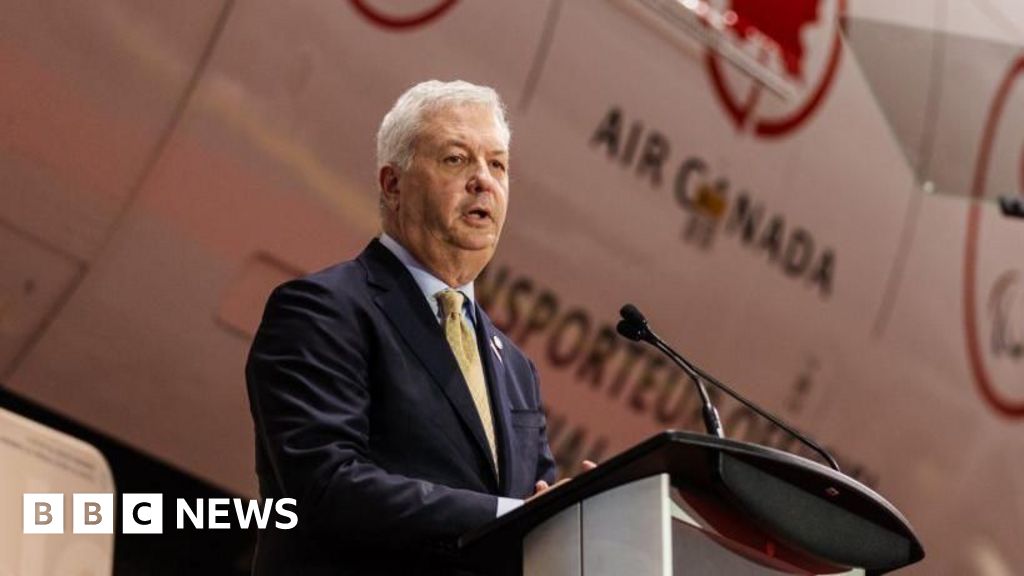
The recent controversy surrounding Michael Rousseau, the CEO of Air Canada, demonstrates how cultural and linguistic expectations can influence corporate governance and international relations. After a tragic crash at LaGuardia Airport that resulted in the loss of two pilots, Rousseau issued a message that, notably, did not include references to the French language—a decision that ignited widespread calls for his resignation. For many, especially within the context of Canada‘s dual linguistic identity, this omission has transcended corporate misstep to become a symbol of perceived neglect of national values and identity.

The incident underscores how linguistic and cultural norms are intertwined with the political fabric, especially in nations like Canada where bilingualism remains a core element of national policy. Critics argue that Rousseau’s oversight reflects a deeper disregard for the country’s foundational principle of *official multilingualism*, fueling debates about cultural integrity and national loyalty. Countries with similar dual-language identities, such as Belgium and Switzerland, have long navigated the delicate balance of linguistic respect in the face of political and economic pressures. International analysts warn that neglecting these cultural symbols can chip away at social cohesion, particularly during times of crisis or tragedy.

Furthermore, this incident exemplifies the *broader tensions between corporate accountability and national identity.* Unlike corporate disasters of the past, where technical failures or safety lapses dominated the headlines, this episode highlights how perceptions of cultural insensitivity can escalate public outrage. Experts from organizations like the International Civil Aviation Organization (ICAO) have emphasized that in a globalized world, multinational corporations operating within diverse nations must adhere to local cultural expectations to sustain legitimacy. The calls for Rousseau’s resignation are seen as a broader reflection of society’s demand for leaders who honor the societal fabric they serve, especially in the context of national tragedy.

The geopolitical impact of this controversy extends beyond mere public relations. As Canada navigates its place within the international community—and faces diplomatic scrutiny for safety standards and corporate governance—such incidents threaten to undermine its reputation. Historians suggest that how nations handle internal crises often signals their resilience and commitment to national values on the world stage. If the leadership of major corporations like Air Canada are perceived as disconnected or dismissive of cultural expectations, international partners and investors may question Canada’s adherence to its own principles.

In the shadow of this unresolved controversy, the weight of history remains unspoken yet immense. Leaders, institutions, and societies must grapple with the reality that recent events are not isolated but part of a broader narrative about identity, accountability, and the global standing of nations. As industry analysts warn of the potential repercussions—economic, diplomatic, and social—domestic debates escalate, echoing the same questions that history has left unanswered for generations: How do nations uphold their core values amidst the turbulence of international affairs? And in moments of crisis, will their leaders be judged not just by actions but by their fidelity to the very cultural fabric that defines them? The course of history continues to unfold, driven by these profound questions, with the stakes never higher.

Pinterest CEO Calls for Restriction: No Social Media for Kids Under 16 to Boost Teen Wellbeing

Rethinking Youth Engagement: The Cultural Shift Toward Safer Social Media Use

In recent months, a seismic shift has been unfolding in the digital landscape, as governments around the globe consider restrictive policies on social media use for youth. Following Australia’s controversial social media ban aimed at children under 16, other nations, including the UK and the US, have begun exploring similar measures. The dominant narrative centers on safeguarding the mental health and social development of the next generation — but the impact extends beyond mere policy; it’s reshaping cultural attitudes and social behaviors concerning technology use.

One vocal advocate for these changes is Pinterest CEO Bill Ready. In an emphatic stance published in Time, he underscores the idea that children today are essentially participating in the largest social experiment in history. Ready points out that unfiltered access to social platforms has exposed young users to a spectrum of risks — from encounters with unknown strangers to addictive behaviors that diminish their focus and well-being. This acknowledgment echoes a growing trend among sociologists and mental health experts, who argue that our digital age demands serious reform to how youth interact with these platforms.

Interestingly, Ready’s approach emphasizes the importance of trust and safety over engagement metrics. Pinterest’s decision to remove social features for teens and make youth accounts private proved that prioritizing safety does not necessarily hinder a platform’s growth; on the contrary, it fosters loyalty among users who value privacy and responsible design. The result? An increase in Gen Z users surpassing 50%, a clear sign that the cultural tides are favoring quality over quantity. This signals a potential paradigm shift where social media companies may need to embrace these safety-first principles to survive in an evolving landscape dominated by concerns over mental health and societal well-being.

Furthermore, legislative efforts such as the App Store Accountability Act — which proposes verifying user ages during app downloads — exemplify the move towards greater regulatory oversight. This pushes platforms into a position of increased accountability, and some analysts argue that it might serve as a catalyst for a broader societal conversation: _Are the platforms designed with youth safety as a core value, or merely as a compliance checkbox?_ The debate now extends beyond policy into the realm of cultural norms, questioning what kind of digital environment today’s youth truly deserve. The cultural impact is undeniable: a societal push toward a future where technology is a tool for development, not harm.

Yet, amidst these strides, the next big question remains: Will society fully accept the trade-offs involved in these bans? Are we prepared to sacrifice some of the vibrancy and connectivity that social media offers in exchange for a safer developmental space? As governments and industry leaders grapple with this dilemma, the ultimate challenge lies in balancing innovation with responsibility. Because in the end, the question isn’t just about protecting the present generation — it’s about shaping the digital world they will inherit. The future of our youth’s social well-being may depend on the answers we come up with today.

Politicians Demand Meeting with Travelodge CEO Over Maidenhead Assault Case

In a global landscape increasingly governed by security concerns and public accountability, recent revelations surrounding Travelodge highlight a troubling deficiency in hotel safety protocols that extends beyond national borders. Over twenty Members of Parliament (MPs) have demanded an urgent review with the company’s CEO after a disturbing incident where a woman was sexually assaulted following her stay at a Travelodge location. The incident—triggered when a perpetrator, Kyran Smith, was able to acquire her room number and key card through manipulated security procedures—raises profound questions about guest safety and corporate responsibility in the hospitality industry worldwide. These events serve as a reminder that fundamental security standards are a matter of national, and indeed international, importance—a lapse in protocol can have devastating consequences.

From the perspective of international relations, such incidents underscore the pivotal role that public trust plays in maintaining societal stability and safeguarding individual liberties. The case, which resulted in Smith’s conviction and seven-and-a-half-year jail sentence, exposes how weaknesses in hotel security—such as relaying visitor information and insufficient staff vetting—can be exploited to commit heinous crimes. Experts from various fields warn that failing to uphold rigorous security protocols is not just a local issue but a threat to public confidence in international travel infrastructure. The MPs’ letter—signed by prominent figures including former Labour shadow chancellor John McDonnell—isters a broader concern: whether current policies adequately protect vulnerable travelers, especially women traveling alone. This incident, coupled with ongoing debates surrounding international standards for safety in travel and accommodation, speaks to an urgent need for global cooperation and stricter compliance to global safety benchmarks.

As international organizations scrutinize the incident, the emphasis has shifted toward how corporations respond to failures and how policies can evolve to prevent future tragedies. The decision by Travelodge to offer a meager £30 refund—considered offensive and inadequate by many—was quickly condemned, fueling debates about corporate accountability and the moral obligation to prioritize guest safety over cost-cutting measures. The company’s promise to review and reinforce its security processes signals a potential shift in industry standards but simultaneously exposes the vulnerabilities in private enterprise’s capacity to protect its customers. Such events ripple outward, impacting national security and the broader geopolitical landscape, as the safety of citizens abroad becomes a contentious issue for governments and international agencies alike.

In a world where security failures can tarnish a country’s reputation and undermine international travel, the significance of this case extends far beyond the hotel chain. It is a stark reminder that the decisions made in corporate boardrooms often echo through international corridors of power”, shaping perceptions, influencing policy, and even affecting the balance of power among nations. As history continues to unfold and authorities grapple with implementing more robust safety protocols, the weight of this incident lingers—a potent reminder that in the age of global interconnectedness, the safety of one traveler can become the security concern of many nations. How the world responds to such breaches today will determine whether we can forge a future where trust is restored and safety is paramount, or whether society will remain vulnerable to the darkest threats lurking behind hotel doors.

AWS CEO Matt Garman Pushes to Keep Amazon Ahead in AI-Driven Cloud War

Amazon Accelerates AI Strategy to Secure Cloud Dominance Amid Rising Competition

In the rapidly evolving landscape of artificial intelligence (AI), Amazon Web Services (AWS) is strategically positioning itself to redefine enterprise cloud computing. While the company’s notable $8 billion investment in Anthropic garnered headlines, AWS’s broader initiative—focused on in-house foundation models, innovative chips, expansive data centers, and autonomous agents—is equally poised to disrupt the industry. According to AWS CEO Matt Garman, these cutting-edge offerings aim to cement AWS’s leadership by integrating AI as a core feature within enterprise applications rather than isolated experiments, signaling a transformative shift in how businesses deploy AI-driven solutions.

AWS’s latest innovations, announced at this year’s re:Invent conference in Las Vegas, exemplify a strategic plunge into AI infrastructure and application development. The company unveiled its Nova series of cost-efficient AI models, addressing the pressing demand for affordable yet robust AI solutions. Additionally, new autonomous agents capable of handling sophisticated cybersecurity and software development tasks—truly embodying the disruptive potential of AI—are set to elevate AWS’s value proposition. Moreover, with the launch of Forge, a platform that enables enterprises to train AI models on their proprietary data at reduced costs, AWS is emphasizing a tailored, secure, and economically viable approach to AI integration across industries.

This aggressive push not only underscores AWS’s belief in delivering reliable and affordable AI services but also highlights its strategy to embed AI deeply into enterprise ecosystems. Garman emphasizes that AI is no longer just a stand-alone tool but a pervasive feature embedded within large-scale applications—a trend that analysts like those at Gartner have identified as a pivotal shift towards AI-native software. By providing AI as an integrated, platform-based service, AWS aims to outpace rivals like Microsoft and Google, who are also making heavy bets on AI but often struggle with the same level of cloud-embedded innovation.

Nevertheless, the competitive landscape remains fierce, prompting questions about AWS’s long-term ability to sustain its momentum. Many seasoned industry observers note that Microsoft and Google are not idly watching AWS’s moves; instead, they are rapidly advancing their own AI capabilities. Yet, AWS’s strong third-quarter results signal that its current trajectory is resonating with enterprise clients seeking dependable, scalable, and cost-effective AI solutions. As enterprises increasingly expect AI to work seamlessly within their existing cloud infrastructure, AWS’s integrated approach positions it as a formidable leader. Future industry analysts, including those at MIT and leading tech investors like Peter Thiel, emphasize that this era of cloud-AI convergence is defining a new competitive frontier—where swift, relentless innovation will determine which giants dominate in the next decade.

Looking ahead, the challenge for AWS—and for the entire cloud industry—is to sustain this innovation push and to navigate the profound implications of AI’s integration into everyday business operations. As the AI revolution accelerates, those companies that embed AI deeply within their ecosystems today will likely emerge as the dominant players of tomorrow. The urgency for incumbents like AWS to maintain an aggressive and forward-thinking strategy has never been more critical, as the industry anticipates a future where AI is not just a feature but the foundation of all digital enterprise. As market shifts intensify and the AI arms race heats up, the next few years will undoubtedly be pivotal in determining the true innovator’s crown.

Fox CEO warns Trump: No platform if he targets Fox in 2020 talk—Sean Hannity reports

In the unfolding saga of American politics and corporate media, new revelations have surfaced from a trove of court documents that shed light on the intense internal conflicts within Fox News during the tumultuous aftermath of the 2020 presidential election. These documents, part of a defamation lawsuit brought by Smartmatic, expose the behind-the-scenes decision-making that shaped the network’s coverage—decisions that had profound geopolitical impact and how such decisions reverberate across nations and societies. For years, Fox News has positioned itself as the voice of conservative America, but these disclosures suggest a complicated reality: a corporation torn between its audience loyalty and a cautious approach to the political fallout it could engender.

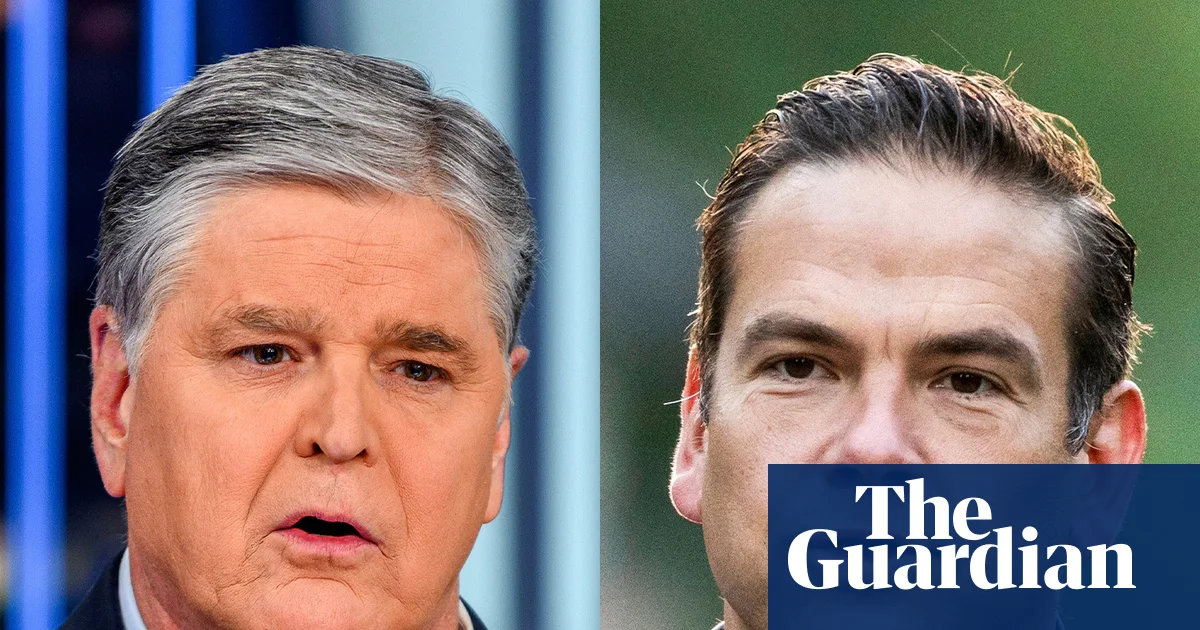
Among the most striking revelations is a text exchange from October 2020, where Lachlan Murdoch, the CEO of Fox Corporation, directly warned Sean Hannity that President Donald Trump could not appear on the network if he continued to attack it publicly. Murdoch’s words reflect a pivotal moment—the balancing act of maintaining a lucrative audience while avoiding political alienation. This internal tension intensified post-election, as Fox News faced a furious backlash from Trump supporters who felt betrayed after the network called Arizona for Joe Biden. Internal emails reveal Murdoch’s concern over audience erosion and the potential impact on revenue, illustrating how economic interests often trump principle in modern media management. The consequences of this internal conflict extend beyond corporate boardrooms: they influence the flow of information to millions, shaping public perceptions on issues critical to national stability.

Experts and analysts argue that these documents underscore a broader trend: the strategic depictions and selective reporting of election fraud claims had a **direct role in fueling the disorder in the United States**, culminating in the infamous Capitol riot of January 6, 2021. Murdoch himself acknowledged that Trump’s claims of election theft contributed to the chaos—yet he denied the network had endorsed those allegations outright. This nuanced stance highlights a pattern seen across various global media outlets: sensationalism combined with editorial caution can escalate tensions instead of calming them. How this shift in narrative influences international stability will be scrutinized for years, as peoples across the globe witness the fragility of their own democratic institutions.

Adding to the significance, the court filings reveal Murdoch’s awareness of the damage Smartmatic’s reputation was suffering long before the lawsuit, alongside his acknowledgment that the network’s post-election coverage was a *deliberate pivot*—a strategic move away from unwavering support for Trump to mitigate further backlash. This internal admission exposes how media outlets often serve not only as information channels but as geopolitical players capable of influencing diplomatic relations and internal stability. In this climate, decisions made within a corporate media giant can ripple outward, impacting international perceptions of legitimacy, sovereignty, and the very fabric of democracy. As historians and international watchdogs analyze this narrative, the realization dawns: in an era where truth is often a battleground, the power wielded by media conglomerates defines the boundaries of freedom and control.

As the legal proceedings continue, and both parties prepare for their day in court next month, the weight of history remains heavy. The revelations lay bare the tumultuous internal debates, walkings a fine line between journalistic integrity and political expediency. In the shadows of these disclosures lurks the enduring question—how much influence should corporate media have over the course of a nation’s destiny?’ As the world watches, the epic struggle unfolds: a battle not just over facts, but over the very soul of democracy, as powerful currents threaten to sweep everything away in their relentless pursuit of control and influence.

Roblox CEO Clashes Over Child Safety Concerns

Roblox Initiates Major Shift with New Age Verification Technology

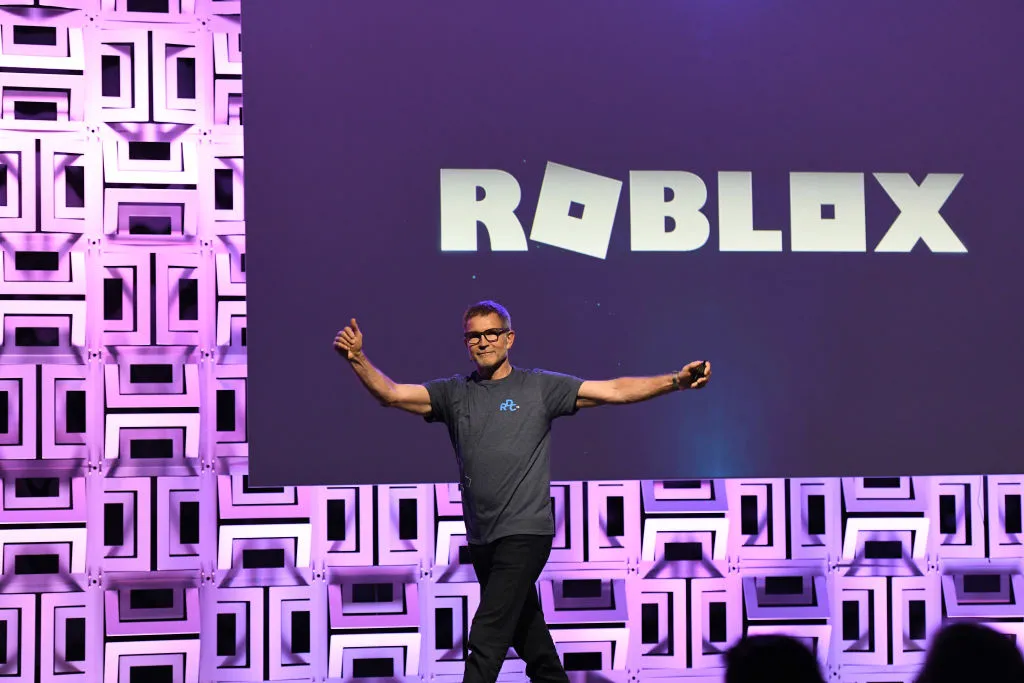
In a strategic move signaling disruption within the gaming industry, Roblox, the major digital entertainment platform, has announced the implementation of an advanced age verification feature designed to enhance child safety and platform integrity. Revealed during a recent interview with The New York Times’s Hard Fork podcast, Roblox CEO Dave Baszuki detailed how the platform will require users to submit a face scan to access messaging features—an AI-driven initiative marking a pivotal moment in digital security protocols.
This development exemplifies an industry-wide shift towards more sophisticated identity verification methods, aligning with broader technological trends promoted by institutions like MIT and industry leaders such as Elon Musk, who emphasize the importance of trust-building in online spaces. The move aims to combat emerging threats such as grooming and harassment, which have historically plagued youth-centric platforms. Such investments in AI and biometric verification point to a future where user authenticity is no longer secondary but central to online engagement, elevating standards across not just gaming but social media and education sectors.

However, this push for tighter safety controls has ignited debate about privacy concerns and the broader implications for digital freedom. During the interview, Baszuki appeared visibly frustrated with questions regarding prioritization—particularly concerns that Roblox has focused on growth at the expense of safety. This underscores an ongoing industry tension: how to innovate responsibly without compromising user privacy.

  • While facial recognition could revolutionize online safety, critics warn of potential misuse and data breaches.
  • Proponents argue that AI-enhanced age-gating is essential for protecting vulnerable users and maintaining platform integrity.
  • Leading analysts from Gartner and cybersecurity experts emphasize the importance of transparency and robust safeguards as the technology develops.

The disruption by Roblox amplifies a trend seen across the digital landscape: the integration of AI-powered verification systems as standard features, signaling a technological arms race among giants like Meta and Google. Notably, industry veterans warn that such rapid deployment without comprehensive regulation could lead to unforeseen consequences—posing a challenge for regulators and policymakers trying to Keep pace with innovation. With industry insiders including Peter Thiel predicting a new era of digital trust driven by biometric tech, the next several years will be critical in shaping the balance between safety, privacy, and user freedom.

In conclusion, Roblox’s bold step toward integrating facial recognition and AI-driven age verification underscores a rapidly evolving digital ecosystem. As startups and tech giants race to embed security innovations into platforms that connect millions of youth and adults worldwide, the urgency is palpable. The industry must grapple with not only technological hurdles but also ethical and regulatory challenges—making this a defining moment in the future of online interaction. With market leaders and innovators poised to push boundaries, stakeholders—from regulators to consumers—must stay vigilant. The question remains: can this wave of disruption create a safer, more trustworthy digital landscape, or will it open the floodgates to new vulnerabilities? The answer will determine the trajectory of next-generation digital platforms in the years to come.

Rivian CEO RJ Scaringe Scores $5B Pay Package, Spotlight on EV Boom

Rivian Reshapes Executive Incentives to Accelerate Market Disruption

The EV startup Rivian has announced a strategic overhaul of its compensation strategy for founder and CEO RJ Scaringe, signaling a bold move to align executive incentives with future innovation and market dominance. According to a recent filing, Scaringe is being rewarded with a new performance-based stock award that could eventually be valued at approximately $5 billion, contingent on hitting ambitious growth benchmarks. This initiative underscores Rivian’s commitment to disruption, not just through its electric vehicles, but through a recalibrated business strategy that keeps pace with industry giants like Tesla and emerging players leveraging the latest in autonomous and clean tech innovation.

The company’s latest move follows a period marked by fluctuating market valuation, with Rivian’s stock soaring past $129 post-IPO in November 2021—only to slump to around $30 in subsequent months. Currently trading between $10 and $20, this volatility reflects broader industry challenges but also emphasizes why now more than ever, redefining incentives for leadership is critical in maintaining competitive advantage. Rivian’s decision to double Scaringe’s annual salary to $2 million and grant a significant 10% stake in its newest spinout, Mind Robotics, exemplifies an aggressive push towards technological diversification and integration. Such approach aims to unlock new revenue streams and deepen innovation pipelines, potentially changing the landscape of robotics and AI within the automotive sector.

By canceling Rivian’s previous 2021 performance grant, the company’s compensation committee aims to counteract what it calls a “lack of incentive,” replacing it with a more aggressive, goals-based equity scheme. This strategic pivot echoes trends seen across high-growth tech sectors, where disruption of traditional business models hinges on aligning executive rewards with technological milestones. The move also signals to investors and competitors alike that Rivian intends to accelerate R&D, especially as it prepares to launch its anticipated R2 model, a critical phase in its competitive push against legacy automakers and likes of Tesla’s autonomous vehicle empire.

Looking ahead, industry analysts like Gartner and think tanks such as MIT emphasize that the next wave of innovation in EVs and advanced automation is driven by relentless disruption in hardware, software, and business models. Rivian’s evolving incentive structure reflects a broader market recognition that attracting top-tier talent and incentivizing breakthrough performance is essential in a landscape where timing is everything. With the global push for cleaner transportation and autonomous tech accelerating, Rivian’s bold strategic incentives highlight a clear message: the race to redefine mobility is not just automation or electrification but the strategic mastery and vision of industry leaders prepared to disrupt the status quo at a moments’ notice. As the industry stands on the cusp of what may be a transformational decade, Rivian’s moves signal a clarion call—those who innovate fastest and incentivize effectively will shape the future of transportation.

Social Media Auto Publish Powered By : XYZScripts.com