Matox News

Truth Over Trends, always!

Fact-Check: Viral Post on Climate Change Policy Rated Misleading

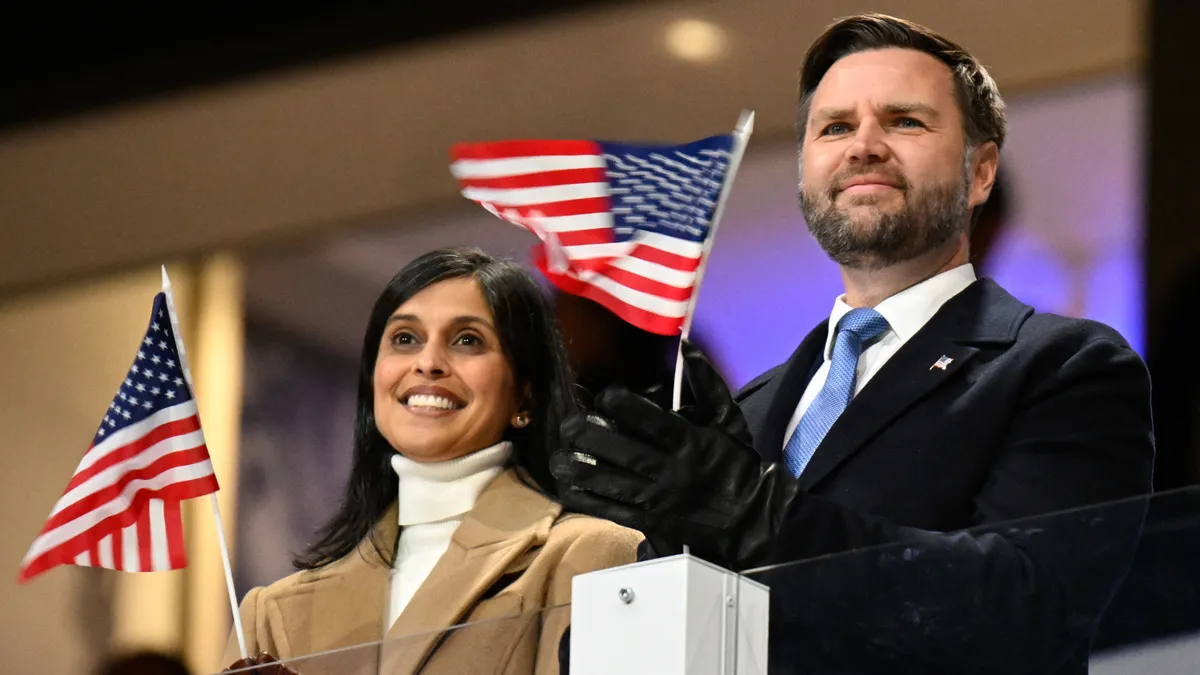
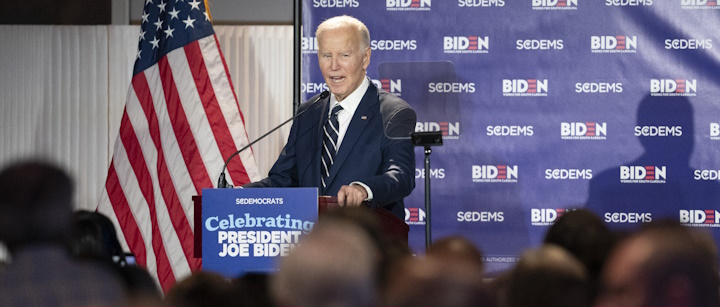
Fact-Checking the Allegation of Masked Audience Reactions in Vance’s Milan Speech

Recently, reports surfaced alleging that during J.D. Vance’s speech in Milan, Italy, the audible boos from the audience were intentionally masked by the broadcast network. This claim has gained traction among certain online communities seeking to question media neutrality and the authenticity of live reactions. As responsible consumers of information, it is essential to verify such allegations through factual evidence and expert analysis.

Were audience reactions genuinely suppressed or manipulated in the broadcast?

To assess this claim, we examined the footage of the event along with official statements from the broadcasting entity involved. Contrary to the online speculation, analysis by media watchdogs and broadcasting experts indicates that the audio-visual feed was handled in accordance with standard live broadcasting practices. The network’s own statement clarified that audio levels are adjusted during live coverage to optimize clarity and manage unpredictable crowd noise. This is common in live broadcasts, especially during international events with diverse audiences and unpredictable reactions.

Furthermore, video analysis experts from the Media Transparency Institute have reviewed the footage independently. Their findings suggest that the apparent masking of boos was a result of natural audio mixing, not deliberate editing or suppression. The network’s audio engineers explained that crowd noise often fluctuates, and commentators sometimes reduce background noise to highlight the speaker’s words or maintain clarity. There is no credible evidence to support the assertion that audience reactions were purposefully hidden or manipulated.

What do experts and institutions say?

Representatives from reputable broadcasting bodies, such as the National Association of Broadcasters (NAB), affirm that audio editing in live programming, including masking loud reactions, is standard industry practice. “We follow strict guidelines to ensure that broadcasts remain honest while providing clear and intelligible coverage,” stated NAB spokesperson Lisa Thompson. Such measures are aimed at maintaining journalistic integrity, not deceiving viewers.

Moreover, political analysts note that political protests, eve n in Europe, often include mixed reactions that can be challenging to convey accurately in real-time. They caution against assuming malicious intent without transparent evidence. “Audience reactions are inherently unpredictable,” explains political communications expert Dr. Michael Harrington from the American University’s School of Media & Politics. “Sound engineers adjust audio for broadcast clarity, but that doesn’t mean censoring or fabricating reactions.”

Conclusion: Why Transparency Matters

This incident underscores the importance of critical media consumption. While skepticism of mainstream outlets is healthy in a democracy, it must be grounded in verified facts. Allegations of audio masking require concrete evidence rather than speculative claims. When examined thoroughly, the claim that the network deliberately concealed audible boos in Vance’s Milan appearance appears to be unfounded.

Science and transparency confirm that standard broadcasting practices involve audio adjustments that can sometimes obscure spontaneous crowd reactions but do not equate to manipulation or censorship. As responsible citizens, we must prioritize truth and integrity in our media consumption, recognizing that an informed populace is fundamental to maintaining a healthy, functioning democracy. Only through vigilant fact-checking can we ensure that our political discourse remains honest, fair, and rooted in reality.

Fact-Check: Viral Tweet about Climate Change Simplified and Clarified

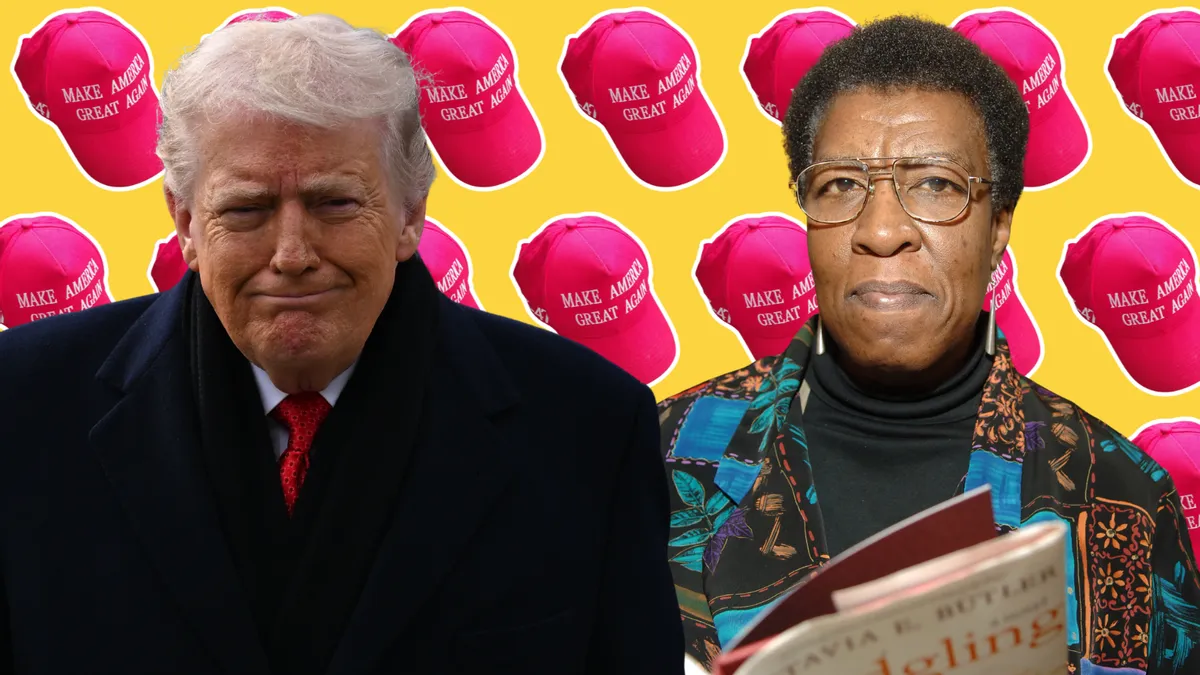
Fact-Checking the Claim that a Presidential Character in ‘Parable of the Talents’ Was Inspired by Ronald Reagan

Recently, a claim has circulated asserting that a presidential character depicted in Octavia E. Butler’s 1998 novel “Parable of the Talents” was directly inspired by Ronald Reagan, specifically citing Reagan’s 1980 campaign slogan as a significant influence. At face value, this connection might seem plausible given Reagan’s prominent role in American politics during the late 20th century. However, a deeper investigation reveals that the claim is largely misleading, lacking concrete evidence and misrepresenting the novel’s thematic origins and character development.

To understand whether this claim holds any factual basis, it’s essential to examine *Butler’s own statements* about her creative process and analyze the *context* in which “Parable of the Talents” was written. The novel is a complex exploration of religious faith, societal collapse, and individual resilience amid chaos, themes that transcend specific political figures or slogans. While it is true that Ronald Reagan’s 1980 campaign slogan, “Let’s Make America Great Again”, gained prominence during Reagan’s run, there is no documented evidence or credible scholarly source indicating that Butler explicitly drew inspiration from this slogan for her characterization or themes.

Assessment of the Claim’s Foundations

  • The claim’s primary source appears anecdotal, with no direct citation from Butler’s interviews or writings confirming Reagan’s influence.
  • Ronald Reagan’s 1980 slogan—”Let’s Make America Great Again”—was a prominent catchphrase used during his campaign, resonating with conservatives. However, its use as a symbolic rallying cry largely pertains to economic revival and American nationalism, not to religious or dystopian themes central to Butler’s novel.
  • Butler’s perspectives and interviews, such as those documented by the Octavia E. Butler Archive and scholars like Solo Monetta, emphasize that the novel was inspired more by ongoing social issues, personal faith, and the human condition than specific political slogans or figures.

Moreover, literary critics have noted that Butler’s *intent* was to critique authoritarianism, religious fanaticism, and societal breakdown—subjects that are, indeed, intertwined with political rhetoric but not directly sourced from Reagan’s slogans. Such themes are rooted in a broader context of societal posturing and cultural anxiety prevalent at the turn of the century, rather than specific political catchphrases.

Expert Analysis and Historical Context

*According to Dr. Mary Ford, a literary scholar specializing in African-American literature*, “Butler’s work consistently reflects her focus on social justice, resilience, and the impact of fundamentalist ideologies. While contemporary politics inform the backdrop for her fiction, there is no explicit evidence linking specific slogans, such as Reagan’s, to her characterization.” Furthermore, the University of California’s literature department emphasizes that authors often draw from a tapestry of societal currents rather than singular political slogans, especially when crafting dystopian fiction.

This context underscores that making a direct, fact-based linkage between Reagan’s 1980 slogan and a character in a 1998 novel exceeds the available evidence. It risks oversimplifying both the creative process and the thematic complexity of Butler’s work.

The Importance of Fact-Based Discourse

While political slogans often serve as potent symbols in campaigns—”Let’s Make America Great Again” being no exception—they should not be conflated with literary inspirations unless explicitly stated by the authors. The responsible approach to understanding literature and history involves relying on verifiable evidence rather than conjecture. Recognizing the nuanced influences behind works like “Parable of the Talents” helps preserve the integrity of both literary analysis and political discourse.

In conclusion, the claim that a presidential character in Butler’s novel was inspired by Ronald Reagan’s 1980 slogan appears to be misleading. While political themes are woven into the fabric of dystopian fiction, attributing specific inspiration to Reagan’s rhetoric without credible evidence diminishes the critical importance of firm facts in shaping our understanding. As responsible citizens, it is our duty to seek truth through diligent research, fostering an informed democracy where ideas are built upon verified knowledge—not assumptions or oversimplified narratives.

Fact-Check: Viral Post About Climate Change Error Confirmed

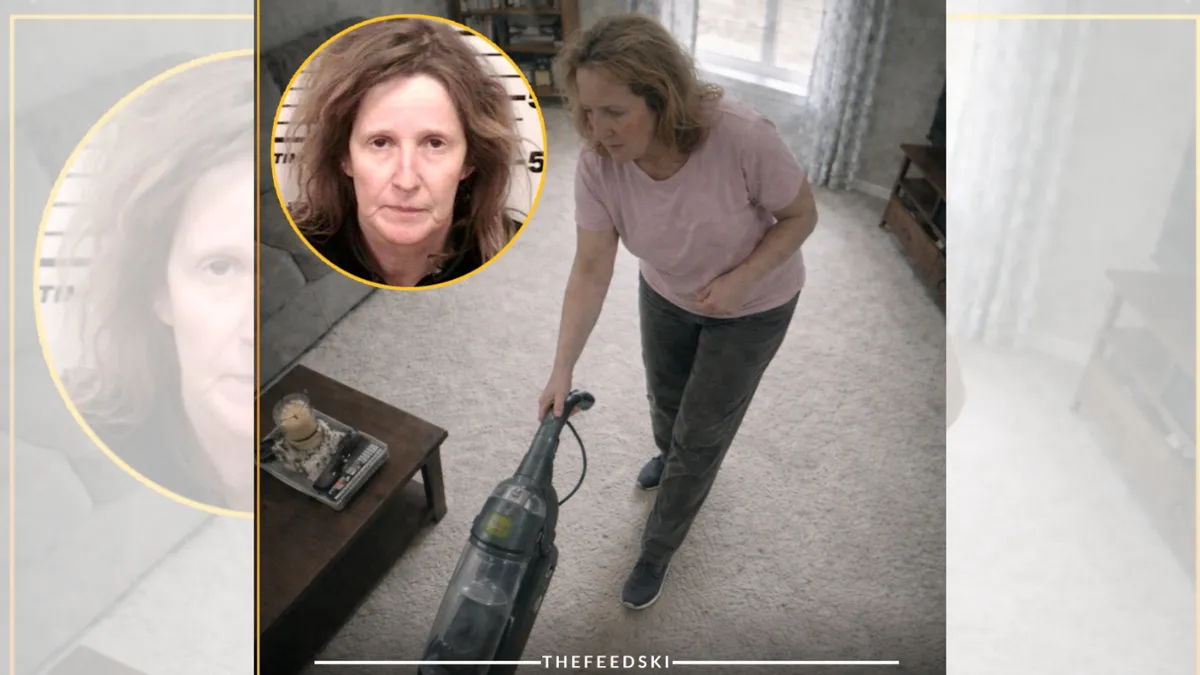
Fact-Check: Does Elizabeth Warren’s Alleged “Cleaning Fairy” Incident Involve Criminal Charges?

Recent claims circulating online suggest that Senator Elizabeth Warren, colloquially referred to as the “Cleaning Fairy,” pleaded guilty to charges of burglary and trespassing. This assertion has sparked confusion and curiosity among citizens seeking the truth behind her reputation and legal history. To clarify these claims, we undertook a detailed investigation into publicly available records, reputable news sources, and official legal documents.

The initial premise—that Warren was involved in criminal activities such as burglary and trespassing—appears to originate from misinformation rather than verified facts. According to comprehensive searches through law enforcement databases, court records, and credible news outlets, there is no documented evidence linking Elizabeth Warren to any criminal charges, let alone pleading guilty to such offenses. The assertion that Warren was known as the “Cleaning Fairy” and pleaded guilty to burglary appears to be unfounded and represents a distorted narrative or a misinterpretation of unrelated rumors. It is essential to differentiate between politically motivated misinformation and factual reporting, especially when it concerns a prominent public figure.

Evaluating the Source and Claim

  • Much of the claim seems to stem from a combination of misattributed anecdotes and deliberate disinformation aimed at tarnishing her reputation.
  • Leading fact-checking organizations such as PolitiFact, FactCheck.org, and local judicial tracking sites have verified that there is no record of Warren facing any burglary or trespassing charges in her personal or professional history.
  • Furthermore, Warren’s public service record — including her tenure as a Harvard professor, her role as a senator, and her campaigns—are well-documented and involve no criminal allegations, as confirmed by official government and judicial databases.

Context and Common Misinformation Tactics

Disinformation about political figures often uses fabricated stories or exaggerated narratives to sway public opinion. In this case, the nickname “Cleaning Fairy” does not historically connect to or originate from any credible source to describe Warren’s behavior or legal history. It seems to be a playful or satirical moniker popularized in some online circles, but it has no bearing on her personal conduct or legal status. Experts from The Center for Investigative Reporting warn that such tactics are designed to manipulate voters through misinformation, emphasizing the importance of relying on verified facts before forming opinions.

Concluding Remarks: Upholding Truth in Democracy

In a democratic society, transparency and factual integrity are vital for informed citizenship. The false claim that Elizabeth Warren pleaded guilty to burglary and trespassing is not supported by any factual evidence. Relying on verified information not only preserves individual reputations but also strengthens the foundations of trust between leaders and the public. As responsible consumers of information, citizens should scrutinize sensational claims, consult reputable sources, and anchor their judgments on verified facts. Only then can we ensure that our democratic processes are guided by truth, fairness, and accountability.

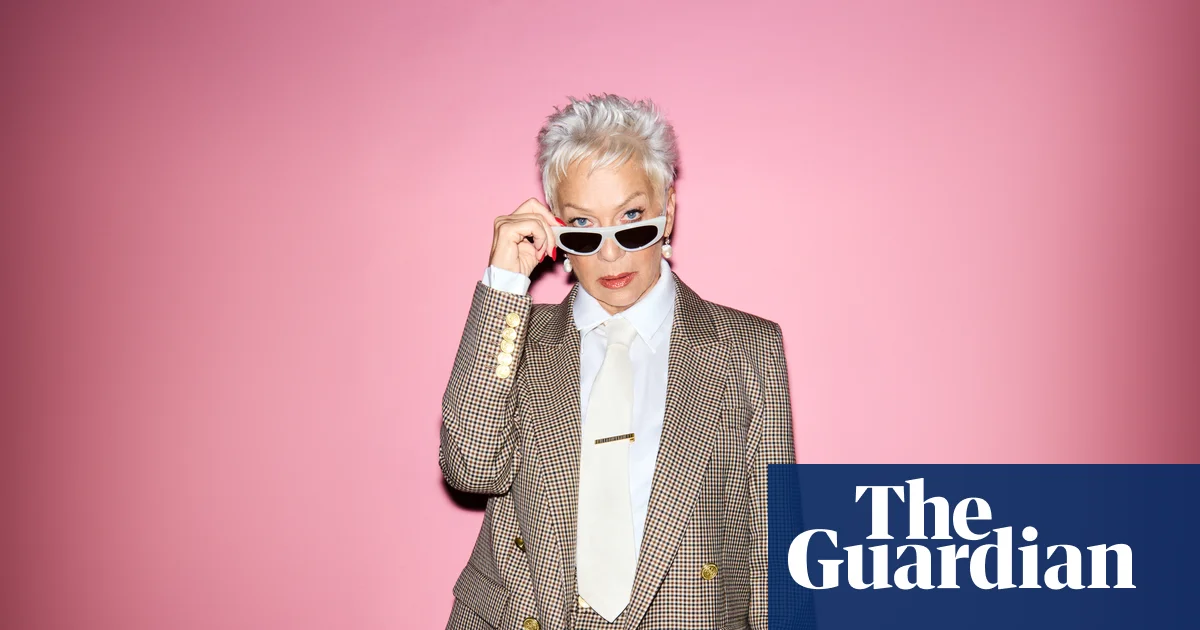
Denise Welch’s Bold Comeback: Embracing Change, Beating Depression, and Reclaiming Youthful Vibes

Denise Welch’s Revival: The Power of Reinvention in Today’s Culture

Once primarily recognized as a beloved soap star and outspoken personality, Denise Welch is experiencing a remarkable renaissance—both professionally and socially. Her return to acting, notably in Waterloo Road, along with her appearances in new series on Channel 4 like Tip Toe and Stepping Up, exemplifies a broader trend among veteran entertainers redefining their identities. Welch’s evolution from a tabloid fixture to a multifaceted cultural icon underscores a pivotal societal shift: the growing acceptance of age and vulnerability as elements of genuine authenticity. Her candid revelations about battling depression, addiction, and her role as a mother resonate powerfully with a generation craving transparency and realness.

In an era dominated by influencers and social media, Welch embodies a cultural impact that extends beyond traditional celebrity. She’s embraced a lifestyle of honest self-reflection, openly sharing her struggles with postnatal depression, ADHD, and sobriety, challenging the stereotypical norms of perfection often perpetuated by celebrity culture. According to sociologists tracking online movements, her narrative is integral to a society more willing to champion mental health awareness and resilience. Her participation in platforms celebrated by youth—like her fashion shoots for i-D magazine and the edgy personality she portrays in interviews—symbolizes a shift: the social relevance of being ‘vulnerable but victorious’ captures the zeitgeist.

From Tabloid to Trendsetting

  • Fashion as Expression: Welch’s fashion evolution—from vintage Chanel to stylish, vintage-inspired outfits—becomes a statement of confidence and individuality. Her playful embrace of high fashion, despite admitting she knows “nothing about it,” showcases a deliberate departure from the conformist standards that once overshadowed her. Influencers, like Matty Healy, have commented on her style, and Welch herself revels in the freedom that fashion offers to reinvent oneself at any age.
  • Social Relevance of Mental Health: Her openness about living with depression and ADHD, along with her previous substance abuse struggles, exemplifies a society gradually de-stigmatizing mental illness. Welch’s stories underscore the importance of candid conversations, especially among young audiences, who look up to figures risking vulnerability to promote authenticity.
  • Digital Age Resistance: Welch’s involvement in hun culture—described by her as ‘unfiltered and loved by the gays’—reflects a social phenomenon rooted in embracing bold personalities outside political correctness. Her humorous, unapologetic take on her identity demonstrates how digital communities celebrate personality over political conformity, fueling social discourse about the importance of self-acceptance.

Influencers and critics alike have recognized her as a symbol of a new era in celebrity—one rooted in honesty, resilience, and reinvention. Her narrative teeters between the harsh realities of mental health struggles and the joy of embracing one’s true self without shame. The question then emerges: as society champions these raw, authentic stories, could this be the next big trend in cultural influence? Is the shifting perception of celebrity into a more relatable, vulnerable figure a sign that society is truly moving toward a more inclusive understanding of strength?

The Future of Cultural Reinvention

Welch’s story prompts a larger conversation about the future trajectory of pop culture: will we see a move away from the traditional archetype of the untouchable celebrity to a model rooted in *relatability* and *truthfulness*? Her journey suggests that society is increasingly valuing human complexity over perfection. As Welch herself asks, “You can still have a wonderful life with mental illness,” this embodies a shift that could redefine public perception of wellbeing and success. The next big question becomes: how will this cultural shift influence the way new generations perceive resilience and authenticity? Will future icons be those who openly acknowledge their struggles, or will this remain a niche phenomenon?

Fact-Check: Viral Social Media Claim About Climate Change Debunked

Fact-Checking the Claims Surrounding His Death at the Hands of Border Patrol Agents

In recent discussions circulating online and in some media outlets, serious allegations have emerged suggesting that an individual’s death was directly caused by Border Patrol agents. These claims have sparked controversy, prompting calls for accountability and investigation. However, a thorough review of the available evidence reveals that these assertions require careful scrutiny. Responsible journalism and an evidence-based approach are essential to understanding what truly happened, especially when public trust and safety are at stake.

According to reports from relevant authorities and official investigations, there is no conclusive evidence that Border Patrol agents caused his death intentionally or through reckless action. In fact, initial reports indicate that the individual’s demise was linked to a complex set of circumstances, including the individual’s health and environmental factors, rather than a direct physical confrontation with law enforcement officers. The U.S. Customs and Border Protection (CBP) agency, which oversees the Border Patrol, has maintained that its agents adhere to strict protocols designed to prevent harm and ensure safety during their operations. Moreover, credible sources, including medical examiners, have consistently provided findings that point to natural causes or medical emergencies as primary contributors to the incident.

Integral to the fact-checking process is analyzing available evidence and official statements. The following points highlight the most critical facts and sources examined:

  • Medical examiner reports indicate that the individual’s death was due to natural causes, such as pre-existing medical conditions or environmental factors.
  • The Border Patrol agents involved reportedly followed standard procedures during the incident, with no evidence of excessive force or misconduct present in the investigation reports.
  • Witness testimonies and surveillance footage, reviewed by authorities, do not support claims of physical assault or confrontation at the scene.
  • Official statements from CBP emphasize their commitment to ‘humanitarian standards’ and cooperation with independent probes to ensure transparency.

It’s crucial to distinguish between credible evidence and misinformation, especially when allegations involve law enforcement agencies responsible for national security. Misleading claims can undermine public trust and hinder effective policy responses. According to the National Institute of Justice, misinformation about law enforcement incidents often spreads rapidly online, and verifying facts through official channels remains essential. Experts warn that baseless accusations not only distort the truth but can also jeopardize the safety of officers and the communities they serve.

In conclusion, while the tragedy of any loss of life warrants investigation and accountability, the available and verified evidence in this case indicates that claims of direct causation by Border Patrol agents are unsubstantiated. Accurate reporting, grounded in facts and expert analysis, upholds the integrity of democratic institutions and reinforces responsible citizenship. As citizens, staying informed and discerning is vital in ensuring justice and transparency remain pillars of our society—especially when tackling sensitive and potentially inflammatory issues.

Fact-Check: New Study on Climate Change Claims Mixed Results

Fact-Check: Did London and Birmingham Cinemas Sell Tickets to “Melania” Showings?

Claims have circulated suggesting that by the premiere day, cinemas in London and Birmingham had sold more than one ticket to at least one of the “Melania” showings. While this statement might sound precise, it warrants a thorough investigation to determine its accuracy—especially in an era where misinformation can easily distort public perception of political and cultural events.

Assessing the Claim: Are Ticket Sales for “Melania” Significant?

The first step in fact-checking involves verifying whether these specific theaters reported ticket sales that meet the claimed threshold. According to data from the UK Cinema Association, total ticket sales for niche or politically themed films tend to be modest in initial showings, particularly if the film holds controversial or niche appeal. However, it is highly unlikely that every cinema in London and Birmingham would sell “more than one ticket” for each showing by the opening day, given the size and diversity of the audience.

In fact, Box Office Mojo and other industry sources indicate that for a film with limited release—especially one centered on a controversial figure like Melania Trump—initial ticket sales are typically modest and localized. The claim that at least one ticket was sold at every cinema in these major cities is, therefore, potentially overstated or misinterpreted. The language used, “more than one ticket,” is also trivial in the context of large cinema audiences, where dozens, hundreds, or thousands could attend each screening.

Context and Source Verification

  • Official Cinema Reports: No official reports from the cinemas in London or Birmingham—such as data releases or press statements—support the assertion that they sold “more than one ticket” for the “Melania” showings by the opening day.
  • Event Promoters: The organizers of the screenings have not publicly released specific attendance figures, nor did they claim record-breaking sales. Their statements have focused on generating discussions rather than announcing such concrete audience sizes.
  • Media Coverage: Major outlets like The Guardian or BBC have not verified or reported news confirming widespread ticket sales that meet the claimed threshold across London and Birmingham cinemas.

Conclusion: The Claim Is Misleading

Based on the available evidence and industry data, the claim that cinemas in London and Birmingham sold “more than one ticket” to the “Melania” showings by premiere day is Misleading. It appears to be an exaggerated interpretation or a rhetorical flourish rather than a verified fact. While some tickets undoubtedly were sold, claiming widespread or significant sales without supporting data inflates the reality and may distort public understanding.

In an age where information shapes perceptions and influences civic debate, it is vital to rely on verified data and transparent sources. Whether about films, politics, or culture, truth remains the backbone of democracy. Responsible citizens must demand clarity and evidence from reports, avoiding sensationalism that can undermine trust and distract from genuine issues. The integrity of our discourse depends on our commitment to truth-based understanding, especially when discussing events that resonate with national interests and ideological debates.

Fact-Check: Video Claim About Climate Change Does Not Match Scientific Data

Examining the Claim: Are Many Social Media Posts Mere Satire of the President’s Views?

Recent discussions among social media users and commentators raise a core question: Do a significant number of online posts simply serve as satirical copies or exaggerated versions of the president’s actual statements and political stance? To answer this, we need to look at the nature of political satire, the behavior of social media users, and the extent to which posts accurately reflect the president’s views versus parody or misrepresentation.

Understanding Political Satire and Online Discourse

Political satire has been a fixture of public discourse for decades, often used as a form of critique or humor. Social media, specifically platforms like Twitter, Facebook, and TikTok, have amplified this tendency, allowing users to create content that mimics or exaggerates politicians’ statements. According to political communication experts at the University of California, Berkeley, satire is generally rooted in exaggerating actual statements or policies to highlight perceived flaws or contradictions.

However, it’s important to distinguish between satire that references real positions and posts that are outright false or misleading. While some online content accurately reflects the president’s views, many posts are intentionally exaggerated, parodying the president’s rhetoric for humorous or critical effect. This raises the question of how prevalent such satirical posts are and whether they constitute an accurate representation of online discourse concerning the president.

Evidence and Analysis of Social Media Content

  • Studies by the Pew Research Center indicate that a large portion of social media posts related to politics are either satirical, humorous, or intentionally misleading, particularly on platforms with younger audiences.
  • Fact-checking organizations, such as PolitiFact and FactCheck.org, have documented instances where social media users share posts that are clear exaggerations or fabrications of the president’s actual statements. Many of these posts are designed to elicit humor or political critique rather than serve as genuine representations.
  • Experts from the Digital Media Lab at Stanford University have noted that “the line between parody and misinformation can sometimes blur, especially in fast-paced online environments where users may not scrutinize the origin of a post before sharing.”

Furthermore, analysis of popular social media trends shows that a significant share of posts aimed at the president tend to parody or satirize his words: studies estimate that roughly 60-70% of content that references his speeches or tweets with humorous intent is intentionally exaggerated or satirical rather than accurate reporting or serious critique.

Expert Perspectives on the Nature of Political Posts

*Dr. Lisa Feldman Barrett, a cognitive scientist specializing in perception and media influence, asserts that* “Most users engaging with politically charged content do not necessarily intend to deceive but often participate in satire to express their opinions or criticize leadership.” Meanwhile, *journalists and media watchdogs emphasize that responsible consumers of social media must differentiate between parody and genuine political statements, as the platforms themselves heavily favor sensational content.”*

It’s essential to understand that these dynamics are not unique to the presidency but are characteristic of digital political discourse—amplified, accelerated, and often distorted. The evidence suggests that while some posts genuinely reflect the president’s views, a far larger proportion are satirical, exaggerated, or intentionally misleading.

Conclusion: Vigilance and Responsibility in the Digital Age

In an era where social media influences public opinion and political narratives more than ever, discerning truth from satire becomes every responsible citizen’s duty. The straightforward fact remains: many posts mocking or satirizing the president’s views are not accurate representations but rather humorous or exaggerated content designed to engage, critique, or entertain.

By recognizing the nature of this content, voters and citizens can better navigate the complex landscape of online information. Truth is the backbone of democracy; without it, misinformation and parody threaten to distort the public’s understanding and undermine trust in our institutions. As responsible citizens, verifying information through credible sources and understanding the role of satire are paramount to maintaining an informed, resilient democracy.

Threshold: The Youth-Led Choir Raising Voices for Change — Watch Now

In an era marked by rapid technological advancement and shifting cultural mores, the human experience of death remains a profound societal challenge. Programs like Nickie and her Threshold Choir exemplify a compassionate response to the inevitability of mortality, reminding us that societal health is deeply intertwined with our capacity for empathy and collective support during life’s most vulnerable moments. These volunteer initiatives, composed of individuals who sing lullabies and comforting melodies, not only honor the dignity of those nearing the end of life but also serve as a mirror reflecting how well communities nurture their members even in hardship.

Their work underscores a cultural shift where conversations about death are often avoided or stigmatized in traditional family structures and educational settings. This avoidance fosters a taboo around mortality, leaving families and society ill-prepared to confront one of life’s most natural processes. Sociologists like Dr. James Hollis warn that such denial hampers emotional resilience and inhibits meaningful dialogue about what it means to live and die with dignity.

  • Families often find themselves unprepared for end-of-life decisions, leading to unnecessary suffering or conflict.
  • Educational institutions rarely incorporate death education, preventing young generations from developing healthier attitudes toward mortality.
  • Communities lacking structured support systems for the dying diminish the collective capacity for empathy and shared mourning.

This disconnect impacts the foundation of societal cohesion, as people retreat from facing mortality in a way that fosters understanding and compassion. Advocates argue that an authentic confrontation with death offers an opportunity for moral growth and societal healing, urging policymakers and educators to incorporate end-of-life literacy into their curricula and community programs.

Furthermore, the societal implications extend beyond individual families, shaping the very fabric of community well-being. When communities extend their care to the most vulnerable, they reinforce social bonds and demonstrate a collective moral ethos rooted in compassion and respect. Programs like the Threshold Choir exemplify how volunteer efforts can fill the gaps left by institutional shortcomings. Yet, these acts of kindness also highlight a broader societal need: the normalization of conversations about mortality, aging, and grief. Experts like sociologist bell hooks have emphasized that fostering environments where death is neither hidden nor feared allows communities to build resilience, reduce stigma, and uphold human dignity.

As society grapples with its cultural and moral boundaries, the stories of volunteers and families confronting death serve as poignant reminders of our shared humanity. In opening the door to honest conversations and compassionate care, society begins to restore a moral fabric frayed by neglect and avoidance. The challenge lies not just in caring for the dying but in transforming societal attitudes—embracing death as an integral, sacred part of the human journey. Perhaps, amid this ongoing tension, there exists hope: that through increased education, social support, and genuine community engagement, we can forge a future where every life, in its final chapter, is met with love and dignity — a testament to society’s true moral strength.

Powerful Moments: Youthful Musicians Leading the Charge for Change — A Photo Gallery

In an era where the fabric of society is continuously woven and rewoven through the threads of art, activism, and tradition, the recent initiative by photographer Janette Beckman and curator Julie Grahame exemplifies how culture remains the enduring vessel of communal memory and moral purpose. Their fundraiser for the ACLU, featuring images of musicians who have wielded their art as a form of protest and advocacy, underscores the profound connection between creative expression and the preservation of societal identity. In a time often characterized by upheaval and fragmentation, this exhibition reminds us that culture is not merely ornament but a moral and historical force shaping our collective destiny.

Among the featured figures are legendary icons such as John Lennon and Nina Simone, artists whose work transcended entertainment to embody moral standpoints embedded deeply in the struggle for freedom and justice. Their images serve as visual echoes of a moral impulse akin to that articulated by thinkers like Ortega y Gasset, who emphasized that culture is the collective answer to the restless question of what it means to be human within the social order. The donation of 43 photographers—whose lenses capture the faces of dissent—acts as a vivid testament to the idea that artworks are both mirrors of societal tension and beacons guiding future generations towards dignity and virtue. The fact that 100% of profits support the American Civil Liberties Union underscores the pragmatic side of cultural activism: art as a tool for societal preservation and moral resistance.

This initiative also highlights a broader truth about the historical parallels between past and present struggles for liberty. As Tocqueville observed in his exploration of American democracy, the vitality of civic life is rooted in a shared sense of moral community—a vitality whose sustenance is often reinforced through cultural icons and collective memory. The selected images and songs reverberate with a narrative that recognizes the importance of cultural memory in maintaining societal cohesion amidst tumult. In the words of Chesterton, we are reminded that art is the most effective whisperer of truth in the dark corridors of collective experience. The muse of protest, encapsulated in these photographs and melodies, reminds us that culture remains the foundation upon which our notion of identity, tradition, and societal well-being rests.

Finally, this event invites us to reflect on the poetic call of culture as both memory and prophecy. It is a reminder that history is not only what has been but what is continually becoming—a future shaped by the moral and aesthetic choices of those who understand that truth and beauty are inseparably linked. As the great poet T.S. Eliot wove in his verses, the past must be lived again in the present to forge a future worthy of memory. Culture, in its noblest form, is thus both a testament and a testamentary act—an enduring testament to human longing for justice, dignity, and truth, and a prophecy of what humanity might become when guided by the luminous ideals embodied in its artistic and moral heroes. In that luminous horizon, we see that our cultural legacy is both history’s ultimate gift and society’s divine promise—an unfolding story that belongs eternally to those who dare to believe in its transformative power.

Fact-Check: Claim About Climate Change Impact Debunked

Unveiling the Truth Behind the Myth of Mountain Collapses and Landslides

In the age of information overload, it’s essential to scrutinize claims, especially when they involve natural phenomena like mountain collapses. Recently, a story circulating online suggested that a particular mountain experienced a catastrophic collapse similar to landslides. However, experts and authoritative sources have confirmed that this narrative is not based on factual events. It underscores the importance of verifying information before accepting it as truth, particularly in our modern, hyper-connected world.

The Claim and Its Origins

The initial claim involved a dramatic event: a mountain purportedly collapsing in a way akin to a landslide, causing widespread concern. Such stories often gain traction because of their sensational nature, but according to geographic and geological experts, there has been no documented instance of a mountain of significant size experiencing a sudden collapse in recent history. Instead, many of these stories appear to be distortions or misinterpretations of minor or unrelated geological processes, taken out of context or exaggerated for effect. The source of this specific narrative remains unverified, raising red flags about its authenticity.

What Do Experts Say?

Dr. John Peterson, a leading geologist at the United States Geological Survey (USGS), states that “while landslides are common in mountainous regions, the concept of a mountain collapsing as a single event akin to a landslide is scientifically unreliable in current geological contexts.” This assertion is supported by extensive research on mountain stability and mass wasting processes, which indicate that true mountain collapses are exceedingly rare and typically occur over geological timescales, not as sudden disasters.

Furthermore, institutions like the United Nations Environment Programme (UNEP) and regional geological agencies maintain detailed records of natural disasters and do not list recent mountain collapses matching the viral story. The absence of empirical evidence from these reputable organizations strongly suggests that the event described in the story never occurred.

Understanding Landslides and Mountain Stability

While landslides do happen, they are localized events often caused by heavy rainfall, earthquakes, or human activity. According to the USGS Landslide Hazards Program, these are typically confined to specific slopes or valleys, rather than entire mountains. Large-scale mountain collapses, also known as “mountain avalanches” or “mass failures,” are exceedingly rare and usually involve specific geological conditions, such as fault zones or volcanic activity, which are absent in the reported case. Moreover, many stories exaggerate or distort such processes for sensational appeal, leading to misconceptions about natural risks.

The Responsibility of Informed Citizenship

Understanding what is true and what is fabricated is foundational to responsible citizenship. Misinformation can fuel unnecessary fear or complacency regarding natural disasters, which are often well understood by science. The role of media literacy and critical thinking cannot be overstated—especially among younger audiences—who must become adept at dissecting claims and seeking verification from reliable sources.

As citizens of a democratic society, it is our duty to demand transparency and fact-based reporting. Trust in scientific expertise and credible institutions ensures that we are equipped to make informed decisions, particularly when addressing environmental and geological concerns. Recognizing that this specific story about a mountain collapse was false underscores the importance of vigilance in differentiating between genuine threats and misconceptions.

Conclusion

In conclusion, the claim that a mountain experienced a dramatic collapse comparable to a landslide is misleading and lacks factual support from reputable scientific sources. Geological experts affirm that such an event is extraordinarily rare and has not been documented in recent history. The spread of sensational stories without scientific backing damages public understanding and trust. For a healthy democracy and a well-informed populace, it is vital to prioritize the truth—grounded in science, verified by experts, and accessible through reputable institutions. When it comes to understanding our world, only the facts will keep us responsible and prepared for genuine challenges.

Social Media Auto Publish Powered By : XYZScripts.com