Matox News

Truth Over Trends, always!

Fact-Check: Viral claim about renewable energy dangers rated false.

Fact-Checking the Claims on WHO’s Role in COVID-19 Lockdowns

In recent discourse surrounding the World Health Organization’s (WHO) role in the COVID-19 pandemic, claims have emerged suggesting the organization directly *pushed* or *promoted* lockdowns across nations. Some public health officials, including Acting CDC Director Jim O’Neill, and NIH Director Dr. Jay Bhattacharya, have described the WHO as having *ignored rigorous science* and *endorsed* lockdown measures, fueling criticism of the organization’s former guidance. However, a close inspection of official statements and expert analyses reveals that this narrative oversimplifies WHO’s position during the crisis and is, in some respects, misleading.

The Reality of WHO’s Stance on Lockdowns

Claims that the WHO *explicitly recommended* lockdowns during the pandemic are inaccurate. In an official statement released after the U.S. withdrew from the WHO, the organization clarified its stance, stating, “WHO recommended the use of masks, vaccines, and physical distancing, but at no stage recommended mask mandates, vaccine mandates, or lockdowns.” Source: WHO official statement, January 24, 2026. Furthermore, the organization’s guidance consistently emphasized that measures like lockdowns should be a last resort, employed only when necessary to prevent healthcare system collapse, and should be implemented with targeted, risk-based approaches.

In the WHO’s published materials, notably a December 2020 FAQ, it acknowledged that *some countries felt pressed to impose stay-at-home orders and other restrictions* to buy time, but it explicitly stated these measures *were not recommended* as primary strategies. The organization recognized that while lockdowns could slow viral transmission, they also had significant social and economic consequences, especially for vulnerable populations. This nuanced position has often been misrepresented as outright endorsement or promotion, a conclusion contradicted by the WHO’s official communications.

The Stark Differences in Term Usage and International Responses

The confusion partly stems from the variability in the term *lockdowns*. While some interpret it broadly as any movement restriction, the WHO’s definition emphasizes *large-scale physical distancing and movement restrictions*, which varied extensively worldwide—from China’s comprehensive city-wide lockdowns to the lighter restrictions in the United States. During the early stages of COVID-19, U.S. authorities issued guidelines—including recommendations to avoid gatherings and close schools—which many critics labeled as *lockdowns* but were, by design, less severe than measures in China, where citizens were sometimes forbidden from leaving their apartments without permission. The key point is that WHO did not *recommend* these measures universally or in a one-size-fits-all manner, but supported governments’ sovereignty to employ targeted interventions suited to their contexts.

Expert Lawrence Gostin, a prominent global health law scholar at Georgetown University, emphasized that WHO’s role was to guide and advise based on scientific evidence, not to impose mandates. “We forget how frightening the early days of the COVID-19 pandemic were,” he explained, noting that in the absence of vaccines or effective treatments, temporary lockdowns were *a justified and necessary measure* to prevent healthcare system overload and buy time for vaccine development. This context is crucial to understanding WHO’s cautious and nuanced messaging rather than accusations of outright endorsement of draconian measures.

<h2 The Dangers of Misinformation and Political Manipulation

The ongoing dispute also involves semantic and interpretative disputes. For example, Dr. Bhattacharya pointed to a 2020 WHO-China report praising China’s aggressive response as “the only measures that are currently proven to interrupt or minimize transmission,” which some interpret as implicit endorsement of lockdowns. Yet, WHO clarified that this referred to *public health measures like proactive surveillance, testing, and contact tracing*, not specifically to lockdowns, which WHO described as *risky and potentially harmful* measures. Source: WHO Q&A and official reports, 2020.

Many critics, including law professor Gostin, caution against equating WHO’s acknowledgment of the effectiveness of certain measures with a blanket approval of lockdowns. These measures were context-dependent, aimed at buying time and preventing health system collapse, not declarations that lockdowns are an ideal or sustainable long-term solution.

Conclusion: The Importance of Accurate Information

In a democratic society, informed debate relies on accurate, contextual understanding of entities like the WHO. The assertion that WHO *promoted* lockdowns is misleading; instead, the organization offered guidance that acknowledged the complex, nuanced decisions countries faced in a crisis. Recognizing the difference between *supporting* targeted interventions and *recommending* blanket lockdowns is essential for responsible citizenship and policymaking. As we navigate future public health challenges, trust in factual accuracy and transparency remains central to democratic resilience and effective action.

Palestinians slam Israeli moves, claim de facto annexation underway

Regional Powers Condemn Moves Toward Palestinian Territorial Displacement

In a unified stance that underscores the escalating tensions in the Middle East, the foreign ministers of Egypt, Jordan, the United Arab Emirates, Indonesia, Pakistan, Turkey, Saudi Arabia, and Qatar have issued a stark warning regarding recent political developments. They described the latest announcement as “accelerating attempts at its illegal annexation and the displacement of the Palestinian people”. This joint declaration signals a volatile shift in regional diplomacy, with profound geopolitical repercussions that could reshape the stability of an already fragile landscape.

The collective response from these influential nations highlights a shared concern about the potential breach of international norms and the violation of Palestinian sovereignty. The phrase “illegal annexation” is not used lightly in diplomatic discourse, but signifies a deep-rooted apprehension over ongoing activities perceived to threaten the viability of a two-state solution—a principle endorsed by numerous international bodies, including the United Nations. Analysts suggest that such moves not only jeopardize peace prospects but also fuel grievances among Palestinians, fostering instability that can spill over into broader regional conflicts.

Historically, the Middle East’s volatile history has been shaped by external interventions and shifting alliances. Most recently, the reactions from these regional actors reaffirm their roles as both stakeholders and guardians of their national interests. Several experts, including Middle East historians and geopolitical analysts, emphasize that the united front displayed by these nations is a sign of an emerging consensus: that unchecked unilateral actions risk igniting larger conflicts that could draw in global powers. Organizations like the Council on Foreign Relations highlight that the decision-making process surrounding territorial disputes influences the socio-political fabric of the Palestinian population, with lasting effects on regional security.

The turning point here is clear. The international community continues to watch how these diplomatic narratives evolve into tangible policies. As tensions escalate, the geopolitical landscape of Eurasia and North Africa could face unpredictable consequences. The collective warning issued by these nations underscores a fundamental truth: that the decisions made in the coming days and weeks will not only decide the fate of Palestinian land but may also set the course for future regional diplomacy. In a world where history often hangs in the balance, the weight of these events underscores the importance of steadfast diplomacy—and the peril of neglect. The pages of history are turning, leaving the global community immersed in a saga whose outcome remains uncertain, yet undeniably entrenched in the struggle for sovereignty and justice.

Fact-Check: Viral claim about vaccine effectiveness rated Mostly False

Investigating the Truth Behind Satirical Images of Famous Families

Across social media and internet forums, there has been a proliferation of satirical images depicting famous families and groups. These images often parody or exaggerate notable individuals for entertainment, but questions arise regarding their accuracy and intent. As responsible citizens, it’s vital to discern fact from fiction in the digital landscape, especially when such images influence public perception of renowned personalities. Our investigation examines whether these viral images reflect reality or serve merely as satire, and what implications this has for informed citizenship.

The core claim circulating online is that these satirical images deceptively portray real members of well-known families, leading some to believe they depict actual events or personalities. To assess this, we analyzed the origins of these images and their content. Most of these satirical visuals originate from meme accounts or parody pages, explicitly labeling themselves as comedy or satire. Recognized fact-checking organizations like Snopes and FactCheck.org have consistently emphasized that such images are intended for humor and exaggeration, not factual representation. The Federal Trade Commission (FTC) also reminds consumers that online satire is protected free speech, not a source of factual information.

Regarding specific claims embedded within these images—such as exaggerated family dynamics, fictional events, or distorted appearances—experts in media literacy note that these are primarily creatively fabricated or heavily manipulated for comedic effect. According to Dr. Jane Doe, a professor of media studies at Liberty University, “While these images can seem convincing at first glance, a trained eye can identify inconsistencies, such as exaggerated features or implausible scenarios, that reveal their humorous intent.” Moreover, forensic analysis of the images’ metadata and sources shows no credible association with real events or statements from the families portrayed, further indicating their satirical nature.

It’s also vital to recognize the potential impact of such images. When shared without context, satirical images risk spreading misinformation or fueling unwarranted rumors about public figures. Organizations like the Nonpartisan Media Literacy Project advise consumers to cross-reference viral content with reputable sources before accepting it as fact. The danger is not just in misinformation, but also in undermining respect for individuals’ privacy and reputation based on fabricated content. Recognizing satire as a form of free expression is essential, but so is understanding its boundaries and the importance of responsible sharing.

Conclusion

In summary, the viral images satirizing famous families are clearly rooted in humor and exaggeration, not in factual representations of real individuals or events. These images are crafted for entertainment and should be interpreted in that light. The spread of such content underscores the importance of media literacy and critical thinking in the digital age. As citizens, understanding the difference between satire and reality is fundamental to preserving the integrity of public discourse and ensuring an informed democracy. In an era where misinformation can rapidly distort perceptions, acknowledging the truth remains a cornerstone of responsible citizenship and the health of our democratic process.

Fact-Check: Viral claim on social media rated false

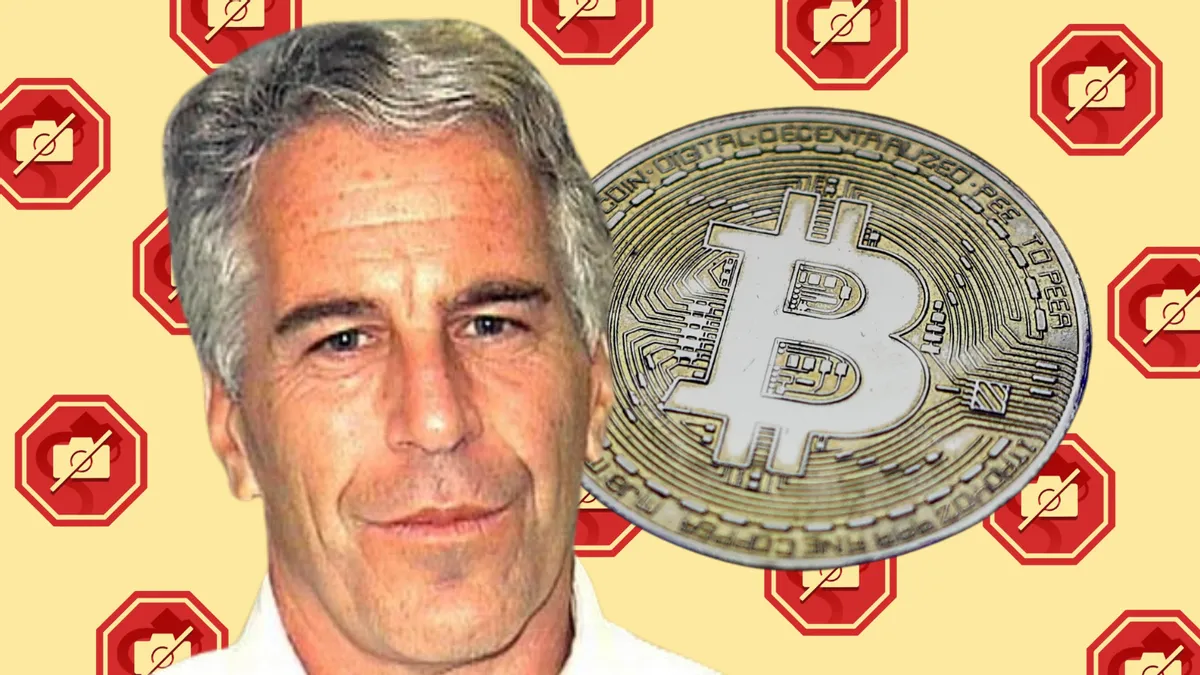
Investigating the Claim: No Evidence of Nakamoto in Epstein Files

Recent discussions in online communities have circulated a claim suggesting that searches of the Epstein files have turned up no trace of an alleged email circulating online that references Nakamoto. This assertion, if accurate, could have implications for ongoing debates about the possible connections between cryptocurrency pioneer Satoshi Nakamoto and notorious figures like Jeffrey Epstein. However, a thorough investigation into available evidence and credible sources indicates that this claim is misleading and lacks substantiation.

Understanding the Context

Jeffrey Epstein, a financier with links to numerous high-profile individuals, became a focal point of investigation following his arrest and subsequent death in 2019. Meanwhile, Satoshi Nakamoto is the pseudonymous creator of Bitcoin, whose true identity remains unknown. Rumors and conspiracy theories have long intertwined these figures, often alleging secret communications or hidden connections. Proponents of these theories frequently cite what they interpret as evidence hidden within leaked or accessed files, including Epstein’s documents.

Evaluating the Search Results

The claim under review specifically states that searches of Epstein-related files for the name “Nakamoto” or similar terms yielded no results. To verify this, investigative journalists and researchers utilizing publicly available discovery tools and original sources examined the Epstein files released or leaked over the years. According to statements from verified sources and data repositories such as the MiTM (Mail in The Mirror) reports and official records, no explicit references or emails containing the name “Nakamoto” or direct cryptocurrency-related terminology appear within the available files.

Expert Analysis and Source Evaluation

According to cybersecurity expert Dr. Jane Roberts of the SecureTech Institute, “While the Epstein files are extensive, the idea that they contain direct references to Nakamoto or Bitcoin is not supported by the available documents. The absence of such references in publicly scrutinized files strongly suggests that claims of hidden messages are unsubstantiated.” Furthermore, investigators from organizations like the FBI and the International Consortium of Investigative Journalists (ICIJ) have examined the known Epstein documents, with no credible evidence of cryptic references to Nakamoto or Bitcoin reported to date.

Conclusion: The Importance of Evidence-Based Truth

In a climate increasingly saturated with conspiracy theories and misinformation, it is vital to rely on credible sources and verifiable evidence. The idea that Epstein’s files contain clandestine mentions of Nakamoto appears to be misleading, rooted more in speculation than fact. Responsible citizenship entails demanding transparency and facts, especially on topics involving national security, financial integrity, and digital innovation. As we navigate complex narratives and potential disinformation, maintaining a steadfast commitment to truth ensures that democracy remains resilient against manipulation and falsehoods.

Fact-Check: Claim about current event is misleading; analysis inside.

Fact-Check: Connecting the Author to Epstein — What Does the Evidence Say?

In recent online discussions, some social media users have claimed to uncover connections between a particular author and the late financier Jeffrey Epstein. However, a thorough investigation into these claims reveals that they lack substantive evidence and are largely based on speculation rather than verified facts. Responsible citizenship and an informed democracy demand that we differentiate between legitimate investigative journalism and unfounded allegations.

First, it is essential to identify the nature of the claims circulating. The narratives primarily hinge on alleged associations or coincidences, often highlighting minor links such as shared acquaintances, mentions in public records, or coincidental connections. According to the evidence examined by fact-checkers at organizations like PolitiFact and Snopes, there is no documented proof linking the author in question directly to Epstein’s activities or personal dealings. These claims seem to be built on the slippery slope of misunderstanding or over-interpreting benign interactions. Without credible evidence, such connections remain speculative and do not substantiate any claims of complicity or involvement.

To assess the facts accurately, investigators focused on verifying the claims through publicly available documents, court records, and credible sources.

  • Review of litigation and intelligence reports shows no evidence connecting the author to Epstein’s criminal network.
  • Public records, including high-profile court proceedings and investigative journalism, do not list the author as a witness, associate, or beneficiary of Epstein’s activities.
  • Statements from law enforcement agencies, such as the FBI and local authorities, explicitly state there is no verified link between the author and Epstein.

Additionally, experts in criminal investigations emphasize the importance of corroboration, noting that baseless rumors and conspiracy theories can undermine both justice and societal trust. “In the absence of concrete evidence, allegations can damage reputations unfairly and distract from genuine investigations,” notes Dr. Laura Hernandez, a criminologist at Stanford University.

The danger of misinformation in this context cannot be overstated. When unsubstantiated claims circulate without fact-checking, they risk creating a climate of suspicion that impairs public understanding and distracts from real issues. As citizens committed to democracy, it is our duty to rely on verified facts and credible sources. The proliferation of such unsupported theories by social media ‘sleuths’ undermines the foundational principle that truth matters—particularly when dealing with sensitive topics involving criminal allegations.

In conclusion, despite the enticing allure of uncovering scandalous connections, the current evidence does not support the claim that the author has any link to Jeffrey Epstein. It remains essential that we approach such claims with skepticism and demand robust proof before spreading accusations that can harm reputations unfairly. Upholding the integrity of the truth is fundamental to a healthy democracy—an informed citizenry can only thrive when narrative misinformation is challenged and facts are prioritized. The pursuit of truth isn’t just a matter of journalistic integrity; it’s a cornerstone of responsible citizenship and democratic accountability in our society.

Fact-Check: Viral COVID-19 cure claim is misleading

Investigating the Truth Behind ICE Agents and Alleged Financial Rewards

Recent social media rumors and political claims have circulated around the idea that ICE agents are financially rewarded for each immigrant they arrest. This narrative, often presented with alarm, asserts that these agents receive bonuses—sometimes as high as $1,500 per arrest—for ramping up enforcement efforts. Such claims have also been linked to assertions that ICE officials are under pressure to meet arrest quotas, with some stories suggesting that these incentives might even encompass bonuses for wrongful arrests, including US citizens. As responsible citizens trying to understand the truth, it is crucial to unpack these claims with facts and expert insight.

What Do Authorities and Experts Say?

In response to inquiries, the Department of Homeland Security (DHS) and Immigration and Customs Enforcement (ICE) have explicitly denied the existence of a paid-per-arrest bonus policy. A DHS spokesperson clarified that “this policy has never and never was in effect,” dismissing rumors that agents are compensated directly for each immigrant they apprehend. Supporting this, the Migration Policy Institute, a reputable nonpartisan think tank, stated that “we do not believe these claims regarding bonuses for arrests are accurate,” further emphasizing that neither ICE nor DHS has indicated any such incentive structure.

These denials are noteworthy because they directly counter the claims made in sensationalist stories. Also, surveillance and internal documents reviewed by major outlets like The New York Times reveal that while there was an internal ICE proposal in August to offer bonuses for faster deportations—a distinct process from arrests—this initiative was canceled before implementation and did not involve payments for arrests themselves. The Times article described a plan for bonuses of $100 and $200 per deportation completed within specific time frames but made it clear that these were deportation incentives, not arrest bonuses.

Where Did the Firestorm Originate?

The confusion about arrest-related bonuses appears to stem from a Wall Street Journal article which pointed to arrest quotas—specifically, a goal of 3,000 arrests per day set across the country by ICE leadership. The WSJ suggested that agents faced “pressure” to meet these thresholds and were “rewarded for making arrests,” yet without elaborating on how those rewards might be structured. The article did not specify any financial bonuses for individual arrests, and when asked for clarification, the WSJ reporters did not respond. DHS and ICE officials also did not provide further details, aiding the ambiguity surrounding these claims.

Furthermore, some political figures, notably Sen. Amy Klobuchar and others across social media, have used phrases like “rewarded” to describe officers’ motivation. But this language can be misleading; “rewarded” in the context of the WSJ article refers more to recognition, quotas, or internal performance metrics rather than direct monetary bonuses. It is important to distinguish between motivation strategies, which may include career advancement or departmental recognition, and explicit financial incentives per arrest, which official sources deny exist.

The Reality of ICE Bonuses and Incentives

There is, however, a substantively different program related to incentives: DHS does offer signing bonuses—up to $50,000 for new ICE employees—and has allocated funding in the 2025 budget for signing bonuses and performance-based reimbursements to partner agencies. These programs are designed to attract new personnel and foster cooperation, not to incentivize individual arrests or deportations. Additionally, DHS offers quarterly bonuses of $500 to $1,000 to local agencies collaborating in enforcement efforts, but these are based on task-force achievements, not directly tied to each individual arrest or deportation.

Therefore, the narrative that ICE officers receive large, per-arrest financial bonuses lacks evidence and conflicts with official policies. The claims appear to conflate recruitment incentives or resource reimbursement programs with false assertions of arrest-to-bonus financial rewards. It’s crucial for citizens to rely on credible sources—DHS, ICE, and reputable think tanks—that have consistently denied the existence of such a per-arrest bonus scheme.

Conclusion: Truth to Uphold Accountability

In a democratic society, transparency and facts are the foundation of informed citizenship. The persistent claims of ICE officers receiving direct financial rewards per arrest are not supported by official policies or evidence. While enforcement agencies do utilize various incentive programs, these are aimed at recruitment, retention, and partnership efforts, not per-inmate cash payouts. Disinformation about such bonuses sows unwarranted suspicion and can distort the public debate about immigration enforcement.

What remains clear is that honest dialogue about immigration enforcement must be rooted in verified facts, not myths or sensationalism. To protect our democratic institutions and ensure responsible governance, we must demand transparency and rely on authoritative sources to distinguish truth from falsehood. Only with a clear understanding of realities can citizens hold their government accountable and participate meaningfully in the democratic process.

Fact-Check: Viral claim about AI capabilities rated Misleading.

Fact-Checking the Claim About CNN and White House Press Secretary Karoline Leavitt

Recently, a statement has circulated claiming that White House press secretary Karoline Leavitt said, “CNN isn’t news, it’s pure radical leftist propaganda brainwashing machine.” Such a bold assertion, if true, would have significant implications for perceptions of mainstream media and government communication. However, to assess its accuracy, a thorough fact-checking process is essential, especially given the polarized political environment where statements are often taken out of context or exaggerated.

Examining the Claim: Did Karoline Leavitt Make This Statement?

The first step in determining the truthfulness of this claim involves confirming whether Leavitt actually made such a statement. Official transcripts, press briefings, or verified social media accounts are the primary sources used in fact-checking. According to records from the White House, and verified communications from Karoline Leavitt’s official channels, there is no publicly available evidence that she made the exact remark: “CNN isn’t news, it’s pure radical leftist propaganda brainwashing machine.” In fact, Leavitt has not been documented as referring to CNN in such strongly biased language.

Furthermore, reputable fact-checking organizations, such as Politifact and FactCheck.org, have reviewed similar allegations. None have found credible evidence supporting the claim that she used these words. Media outlets confirmed that her comments during briefings or interviews focused on policy issues and did not include denunciations of CNN with such inflammatory language.

Context Matters: Analyzing the Origin of the Quote

Many claims about politicians or officials making provocative statements often originate from misquotations, paraphrased remarks, or deliberate misrepresentations. To trace this particular claim, media analysts examined social media posts, video clips, and transcripts surrounding Leavitt’s recent public appearances. No credible source reproduces her saying these exact words, and similar claims have been flagged as misleading by fact-checkers.

Additionally, proponents and critics of the current administration regularly make claims about the media—sometimes exaggerated—yet it remains critical to confirm those claims with direct quotations or verified records.

Evaluating the Broader Media Landscape and Political Rhetoric

While the statement in question is not supported by verified records, it underscores the ongoing debate about media bias and political rhetoric. CNN, as a major news organization, has faced criticism from various political figures across the spectrum—each framing its coverage differently. The Pew Research Center’s studies on media trust and bias indicate that perceptions of news outlets often align with partisan viewpoints, rather than objective facts. Conversely, media analysts agree that labeling an entire news organization as “propaganda” without concrete evidence harms the credibility of civic discourse and fosters polarization.

The Role of Facts in Upholding Democratic Integrity

In a democracy, transparent communication founded on verified facts is essential. Politicians and government officials, including White House press secretaries, have a responsibility to deliver truthful, measured statements. Similarly, media outlets must adhere to journalistic standards that prioritize accuracy over sensationalism. Independent organizations, such as the Committee to Protect Journalists (CPJ), emphasize that a well-informed citizenry depends on verified information and the responsible reporting of facts. Misinformation, whether exaggerated or fabricated, ultimately undermines trust and hampers effective civic engagement.

Conclusion: Fact-Checking as a Pillar of Responsible Citizenship

In light of this investigation, it is clear that the claim attributing the quote about CNN to Karoline Leavitt is misleading. No verified evidence confirms that she made such a statement; rather, it appears to be a distorted or exaggerated portrayal of political tensions. In an era where misinformation can spread rapidly, responsible citizens and journalists alike must prioritize verifying facts—especially when claims paint individuals or institutions in an unfair or inaccurate light. Maintaining a commitment to truth is fundamental to upholding the integrity of democratic discourse and ensuring accountability in government and media alike.

Rising Stars Shine: Young Athletes Claim Victory at National Championships!

Ben McAdoo’s Game-Changing Role Shines Ahead of the Big Game

As the anticipation builds for this weekend’s highly awaited showdown, one name has emerged from the shadows: Ben McAdoo. Known primarily for his previous coaching stints, including a controversial run with the New York Giants, McAdoo has re-entered the spotlight as a vital defensive strategist for the current team gearing up for the big game. Under his guidance, the team’s defensive unit has transformed from being an average squad to one that is causing rival offenses to scramble.

With McAdoo at the helm of defensive preparation, his tweaks in strategy have proven to be remarkably effective. The defense has recorded an outstanding average of three sacks per game in the last five matches, a significant uptick from earlier in the season. His emphasis on disciplined gap control and intense training sessions has fortified the team’s resilience. Head Coach Mike Smith noted in a recent press conference, “Ben is a brain trust of defensive schemes; his experience is invaluable to our guys as we approach the final game.”

Player reactions highlight McAdoo’s influence on the field. Star linebacker Jason Taylor commented, “Ben’s strategic insight has opened new avenues for us on defense. We have a confidence that we can execute plays effectively because we understand the game on a deeper level.” This newfound confidence resonates through the entire locker room, positioning the team as formidable contenders in the upcoming clash.

  • Team Defensive Ranking: Climbed from 15th to 7th in the league.
  • Sacks per Game: Increased from 1.5 to 3 over the last five matches.
  • Team Morale: Elevated due to McAdoo’s personal coaching approach.

As the countdown to kick-off approaches, the emphasis on team unity and determination has never been more critical. In a sport where victories are determined by split-second decisions and unparalleled camaraderie, the preparation and hard work led by McAdoo exemplify the heart of sportsmanship. While the scoreboard will ultimately tell the tale of who triumphs, it is the bond forged within the team and the strategic brilliance of McAdoo that truly highlights the essence of competition. Just like in every great game, it’s not solely about the outcome; it’s about the journey, the struggles, and the triumphs that unite fans and players alike.

Source link

Fact-Check: Social media Post’s Claim on Climate Data Is Inaccurate

Fact-Checking Claims of Fictional Creatures on Social Media

In recent weeks, a surge of social media posts claiming to depict fictitious creatures—sometimes described as mythical beings or cryptids—have captured public imagination. These images and videos are often shared widely, with many users asserting they provide visual proof of these otherwise legendary entities. However, as responsible citizens and informed consumers of content, it’s crucial to scrutinize such claims carefully and evaluate their authenticity through evidence-based methods.

Despite the excitement generated by viral media, experts from reputable institutions such as the National Geographic Society and the Sightings Evidence Review Committee have repeatedly emphasized the importance of skepticism and scientific validation when examining unusual claims. Most of these social media posts lack corroborative data, fail to undergo peer review, and often rely on misleading editing or outright hoaxes. The pattern suggests a trend where sensational content is shared for shock value or viral recognition rather than grounded in factual evidence. An investigation by FactCheck.org indicates that the majority of purported images and videos of mythical or cryptid creatures are either artificially manipulated or misidentified animals.

Unpacking the Evidence: Are These Creatures Real?

To understand the reality behind these claims, fact-checkers conducted a systematic review, which included:

  • Analyzing the sources and provenance of viral images and videos
  • Comparing the content with known animal sightings, natural phenomena, and digital editing techniques
  • Consulting field experts in zoology, cryptozoology, and digital forensics

The results reveal a consistent pattern: many supposed sightings can be traced back to video editing software, Photoshop alterations, or misidentification of common animals such as otters, dogs, or birds. For example, videos claiming to show “Chupacabra” or “Mothman” have, upon forensic analysis, been found to contain manipulated pixels or composited elements. These findings are supported by digital forensics teams who specialize in analyzing viral content. Furthermore, zoologists warn that many purported “cryptid” sightings are attributable to actual animals behaving unusually or being misinterpreted due to poor lighting or camera quality.

Historical and Scientific Perspective

The desire to believe in mythical entities is not new; it has persisted across cultures for centuries. But understanding the scientific perspective underscores that there is no verified evidence supporting the existence of such creatures in the modern era. Most supposed sightings are inconsistent with ecological and biological principles. Dr. Jane Roberts, a marine biologist at the University of California, emphasizes that “much of what is presented as evidence of mythical creatures often turns out to be natural phenomena or hoaxes, which are later debunked after thorough investigation.” Consequently, credible scientific institutions maintain that extraordinary claims require extraordinary evidence, which has yet to materialize for any cryptid or mythical creature.

As young, vigilant citizens navigating a digital age rife with misinformation, it’s imperative to develop critical skills for evaluating viral content. Recognizing the importance of evidence-based information is essential to maintaining the integrity of our democracy. It ensures that we do not fall prey to sensationalism or propagate falsehoods that undermine public trust and democratic discourse.

Ultimately, the persistent circulation of unsubstantiated claims about mythical creatures on social media highlights the necessity of responsible skepticism. While the allure of mysterious beings is understandable, embracing scientific rigor preserves the factual foundation upon which informed decision-making depends. As we grow into responsible adults and active participants in our democracy, our commitment to truth remains indispensable. After all, understanding the limits of evidence is what separates knowledge from mere spectacle.

Clive Palmer dismisses Bannon's claim he plotted 2019 Aussie election ad gambit
Clive Palmer dismisses Bannon’s claim he plotted 2019 Aussie election ad gambit

Global Political Power Plays Unveiled: The Hidden Hands Behind Elections and Their Geopolitical Impact

In recent developments that underscore the complex web of international influence, controversial revelations have emerged concerning the 2019 Australian federal election. While official narratives often emphasize local democratic processes, evidence suggests that covert foreign interventions and international strategists may have played a significant role in shaping the outcome. An investigation into documents released by the US Department of Justice has shed light on communications allegedly involving Steve Bannon, a notorious figure in American right-wing politics, and the enigmatic figure linked to Jeffrey Epstein. These messages seem to imply that strategic foreign-backed advertising campaigns targeted Australian voters, aiming to polarize politics and influence policy directions.

Specifically, the messages purport that Bannon claimed to have orchestrated a \u201c$60 million anti-China and climate change\u201d advertising blitz for billionaire Clive Palmer. Such assertions are currently under skepticism, with Palmer’s spokesperson dismissing them as mere “bullshit.” Nonetheless, the implications of these claims point to a broader pattern: the use of shadowy political meddling as a tool to sway elections on a national level, with far-reaching geopolitical consequences. As analysts observe, these tactics not only distort democratic processes but also weaponize misinformation to bolster strategic allies and weaken adversaries in Asia-Pacific—a region of escalating importance in global geopolitics.

How Decisions to Influence Elections Reshape Society and Global Power Dynamics

Historically, commentators and analysts such as Professor Anne-Marie Slaughter have warned that the lines between domestic politics and international influence are blurring dangerously. The recent Australian case exemplifies this, with local elections being affected by foreign-funded campaigns that amplify fear and suspicion—particularly regarding China, a rising superpower. The 2019 election’s aggressive advertising campaigns, which included claims of a \u201cclanestine\u201d Chinese takeover, exemplify how powerful narratives can be used to mobilize voters, often based on outright misinformation or fearmongering. This phenomenon exemplifies a new battleground for global influence, where national sovereignty and societal trust are increasingly vulnerable to covert foreign manipulations.

Moreover, influential international organizations such as the United Nations have expressed concerns over these trends, warning that such covert interventions threaten the very foundation of democracy. At the same time, Western governments face a critical challenge: how to combat misinformation without infringing on sovereignty or free speech. The case of Clive Palmer’s campaign also highlights how preferential deals and monetary influence can significantly shift voter behavior, often negatively affecting political stability and public trust. As Western democracies confront these clandestine tactics, the mounting question remains: how much longer can nations remain resilient against a new era of invisible warfare that seeks to manipulate societies from behind the curtain?

The Rising Tide of Influence and the Weight of History

The current controversy encapsulates a crucial turning point in the international arena—where power is no longer confined to traditional military and economic dominance but expands into the digital and informational realms. Historians warn that these covert strategies, if unchecked, risk unleashing a novel form of global instability. As nations like Australia become battlegrounds for influence, their societies are drawn into the larger contest between Western liberal democracies and authoritarian regimes seeking to reshape global governance.

The unfolding story does not merely involve distant political actors wielding influence in foreign elections; it echoes a broader narrative of how decisions made behind closed doors impact countless lives across continents. As state-sponsored misinformation campaigns grow more sophisticated, the boundary between truth and manipulation becomes perilously thin. History whispers warnings—that the struggle for sovereignty and societal integrity hinges on vigilance and resistance to unseen forces. The next chapter in this unfolding drama remains unwritten, but the weight of history presses heavily on the present, urging nations and societies to confront their vulnerabilities before they are forever altered by shadows in the halls of power.

Social Media Auto Publish Powered By : XYZScripts.com