Matox News

Truth Over Trends, always!

Congressional Leaders Strike Deal on Funding — President Confirms

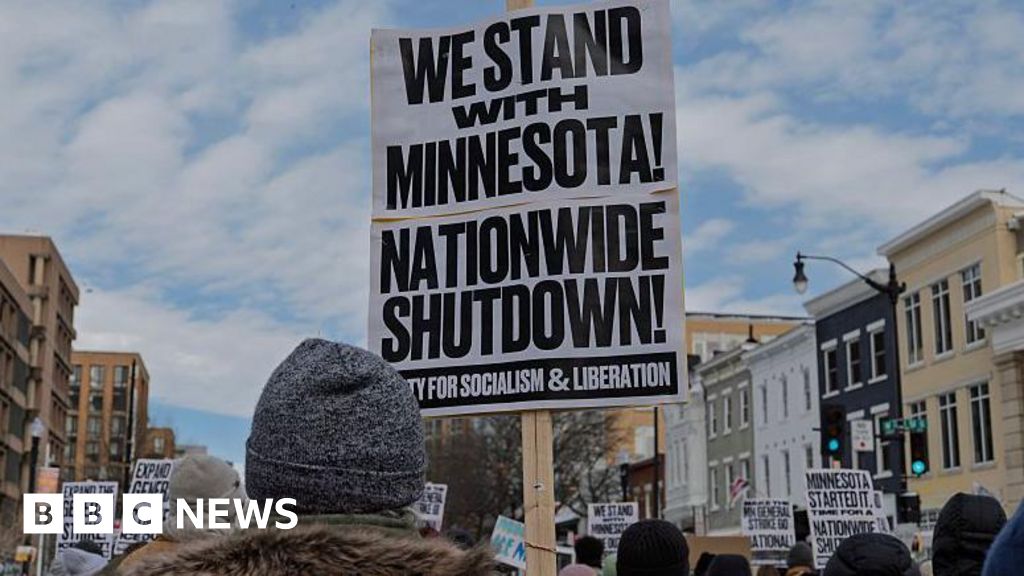
Recent incidents involving U.S. Immigration and Customs Enforcement (ICE) and Border Patrol officers have ignited a surge of protests across the nation, spotlighting the ongoing debate surrounding immigration enforcement and border security. On 7 January in Minneapolis, a tragic event unfolded when an ICE agent fatally shot Renee Good, a 37-year-old individual amid a tense encounter. Just weeks later, on 24 January, a Border Patrol officer shot and killed Alex Pretti, also aged 37, further escalating tensions in the country. These incidents have not only shaken communities but also intensified calls for accountability and reform within federal immigration agencies.

These events have underscored the deep divisions within American society regarding immigration policy, with protests erupting nationwide in support of migrant rights and against what many perceive as excessive use of force. Historically, such controversial law enforcement actions have a profound impact on public trust and social cohesion. Critics, including numerous human rights organizations and international observers, argue that the use of deadly force without clear accountability exacerbates the already polarized national landscape regarding immigration enforcement. The incidents have prompted some members of Congress—spanning the political spectrum—to voice concern.

  • Democratic leaders and a faction of Republicans are now pushing to withhold funding from the Department of Homeland Security (DHS) amid fears over unchecked violence and civil rights violations.

The geopolitical impact of these domestic upheavals extends beyond U.S. borders, as American immigration policies often influence global migration trends and diplomatic relations. International institutions, such as the United Nations, have repeatedly called for humane treatment of migrants and adherence to international human rights standards. However, critics argue that the U.S. approaches these issues from a law-and-order perspective that often disregards the broader social ramifications and human costs. Analysts like Dr. Jane Maxwell, a senior researcher at the *International Institute for Migration Studies*, contend that such incidents threaten to undermine America’s global reputation as a defender of human rights, especially at a time when geopolitical rivalries with China and Russia are intensifying.

As the debate intensifies over DHS funding and immigration enforcement tactics, the weight of history presses heavily upon the nation. These incidents are a stark reminder that decisions made today will resonate through generations—shaping societal norms, policies, and the delicate balance of power and morality. For many, the question remains whether the United States can reconcile its role as a beacon of freedom and justice with the harsh realities of border security and law enforcement. An uncertain future looms as citizens and leaders grapple with the moral and geopolitical implications of an evolving immigration landscape—where the lines between safety, justice, and human dignity are increasingly blurred.

Israeli media report official confirms Hamas estimate of 70,000 war casualties

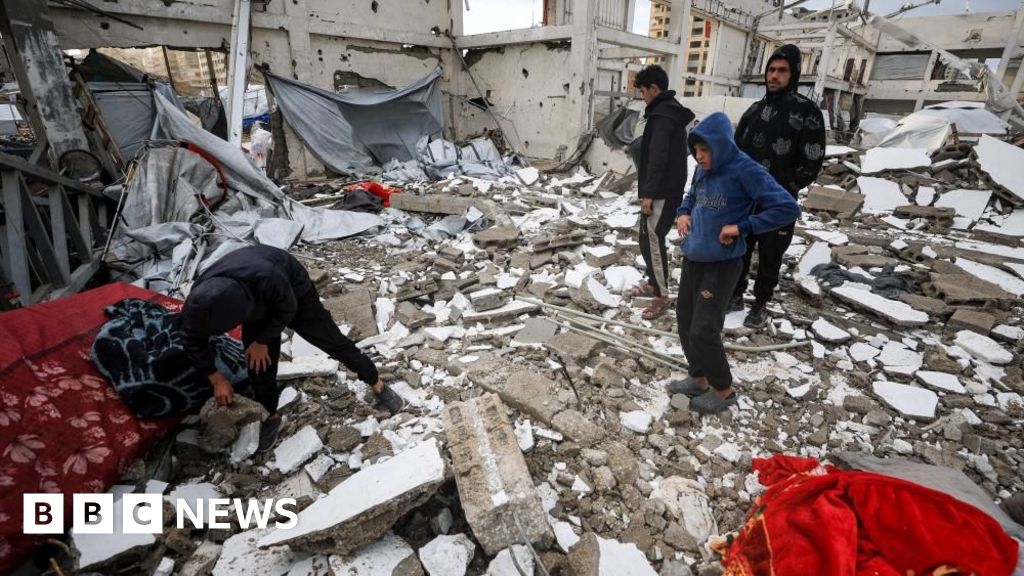
The ongoing conflict between Israel and Hamas continues to claim devastating human costs, with recent reports confirming a significant toll on civilians trapped amidst the violence. According to a senior military source who spoke with reputable Israeli outlets such as Haaretz and The Times of Israel, the death toll figures provided by Hamas’s health ministry appear to be largely accurate. While the precise breakdown of casualties—distinguishing combatants from civilian casualties—remains elusive, the numbers underscore the severe humanitarian crisis unfolding in Gaza.

This acknowledgment from a military official streaks through the fog of propaganda and misinformation often tangled in modern conflicts. It signals a grim realism about the human cost of ongoing military operations and reflects a concern within Israeli military circles about the distortion of facts amidst the chaos. The U.N. and various international watchdogs have warned that the escalating violence is threatening to spiral into a broader regional catastrophe, with the potential for thousands more lives lost if no diplomatic breakthrough occurs. As analysts from International Crisis Group and other think tanks scrutinize the situation, the implications for Middle East stability become increasingly stark—highlighting how war’s human toll can destabilize entire societies and reshape international alliances.

Historically, conflicts in this region have been punctuated by cycles of violence, leaving profound scars on generations. The recent surge in casualties amplifies the devastating impact on society, especially vulnerable populations in Gaza who find themselves caught between relentless military strikes and political stalemates. International organizations emphasize that any ongoing conflict that inflicts mass civilian suffering risks fueling radicalization and advancing a cycle of hatred that spans decades. Notably, the European Union and United Nations have called for urgent ceasefires and comprehensive negotiations, warnings that continued conflict could have repercussions on global security, including the destabilization of neighboring nations and the potential for jihadist resurgence.

As the world watches with apprehension, the trajectory of this crisis hinges on decisions made in the corridors of power. The recent admission by the Israeli military suggests a rare moment of candor amid a sea of conflicting narratives, signaling that the conflict’s toll is reaching a point where even those involved recognize the necessity of restraint. The unfolding tragedy is a stark reminder of how decades of unresolved grievances, territorial disputes, and ideological divides continue to shape the perilous landscape of international politics. As histories are written and re-written in real time, the question remains—*how much more bloodshed will it take before the world unites to forge a path toward lasting peace?* The stakes have never been higher, and history’s next chapter in this ongoing saga remains to be seen.

Samsung Galaxy S26 to Drop ‘Pixel-Perfect’ Privacy Feature, Samsung Confirms

In the fast-paced world of smartphone innovation, Samsung continues to push the boundaries, this time with a fresh focus on privacy and security. The Korean tech giant recently announced that it is developing a revolutionary privacy feature for its upcoming Galaxy lineup, promising to operate “at a pixel level”. While details remain shrouded in mystery, industry insiders speculate that this new function will be unveiled at the upcoming Galaxy Unpacked event scheduled for late February. The tech world is abuzz with anticipation, knowing that Samsung’s latest move may significantly redefine the relationship between consumers and their devices.

The privacy enhancements slated for the Galaxy S26 series could represent a landmark moment in how smartphone companies address security concerns. Experts suggest that the new features will allow users to control their data with unprecedented precision—down to the pixel level. In an era where digital privacy is becoming an ongoing social debate, Samsung’s approach might set a new standard for transparency and user empowerment. Influencers and security analysts have noted that this shift underscores a pivotal trend: technology companies are no longer just competing on hardware specs or aesthetic appeal but are increasingly judged by their commitment to protecting user rights in an age of pervasive data collection.

Furthermore, this developments highlight a broader societal shift toward a more privacy-conscious culture. Millennials and Generation Z are becoming savvier about their digital footprints, demanding more control over how their data is used. As social influencers and thought leaders like Cameron Winklevoss and Shoshana Zuboff emphasize, the next wave of technological innovation must adopt a trust-first approach—a response to growing public skepticism and recent high-profile breaches. Samsung’s move appears to resonate with a societal desire for more transparent security measures, positioning the company not merely as a device manufacturer but as a protector of digital sovereignty.

  • Device-Level Security: Next-gen privacy features are expected to operate “at a pixel level,” giving users granular control over individual data points.
  • User Empowerment: The trend indicates a sweeping shift toward user-centric controls, echoing calls from privacy advocates for more transparent data practices.
  • Social Impact: As digital privacy becomes a social value, brands that prioritize user rights are poised to gain consumer trust and loyalty.

As we await the official reveal at Galaxy Unpacked, one question looms large: Will Samsung’s privacy leap catalyze a new standard across the industry? Or will other tech giants, lured by the promise of convenience, continue to sideline robust security for the sake of user experience? The next chapter in this digital privacy saga might define how society balances technological progress with civil liberties. It’s not just about the next phone model but whether our devices will truly become allies in the fight for personal privacy. The answer to this question could shape our digital lives for years to come—and the future of privacy remains an open frontier.

Amazon Confirms 16,000 Job Cuts Following Leaked Email

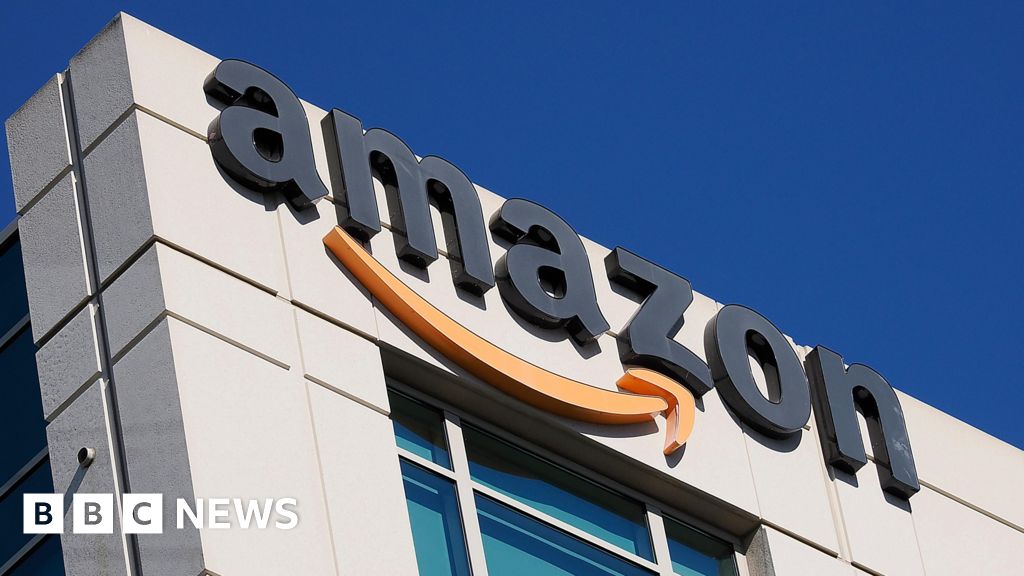
In a surprising turn of events, the technology conglomerate confirmed it is implementing significant redundancies, just hours after an internal email mistakenly revealed the forthcoming layoffs. The incident underscores the tumultuous landscape of global technology firms navigating post-pandemic economic pressures, geopolitical uncertainties, and shifting consumer demands. As the news broke, analysts worldwide scrutinized the implications for the industry’s stability and the broader employment landscape, especially given the company’s influential role in shaping the digital frontier.

The company’s internal email, which was prematurely distributed and then corrected, revealed plans for thousands of job cuts across multiple divisions. The move came amidst a backdrop of declining profits, increased competition from emerging regional tech giants, and mounting pressure from international regulatory bodies. The decision aligns with a broader trend of cost-cutting measures that many global corporations have adopted in response to recent economic headwinds, but it also signals a potentially destabilizing shift for the industry. Economists and labor analysts warn that such redundancies could ripple through the global tech supply chain and have a detrimental impact on innovation and regional employment rates.

As the world’s leading economies continue to implement strategic policies in the face of geopolitical tensions — notably, the ongoing U.S.-China rivalry and the uncertain fallout from post-Brexit reforms in the UK — decisions like these are far from isolated economic events. Historians and international observers point to parallels with past industry downturns, noting how corporate retrenchment often reflects broader shifts in geopolitical alignments and technological supremacy. The repercussions reach beyond balance sheets: societal impacts include heightened unemployment, community destabilization, and the erosion of technological innovation hubs dependent on the tech sector’s vitality.

In commentary from institutions like the International Monetary Fund and renowned geopolitical think tanks, there is a growing acknowledgment that these layoffs are emblematic of an unstable global economic environment. As the world watches, the decisions made by this tech giant serve as a gauge of broader economic resilience and the potential for future multilateral cooperation or fragmentation. With each digital development and corporate move, history continues to unfold, leaving nations, societies, and individuals to contemplate the fragile future shaped by today’s strategic choices. The question remains: how will this chapter in technological and economic upheaval be remembered in the broader tapestry of history?

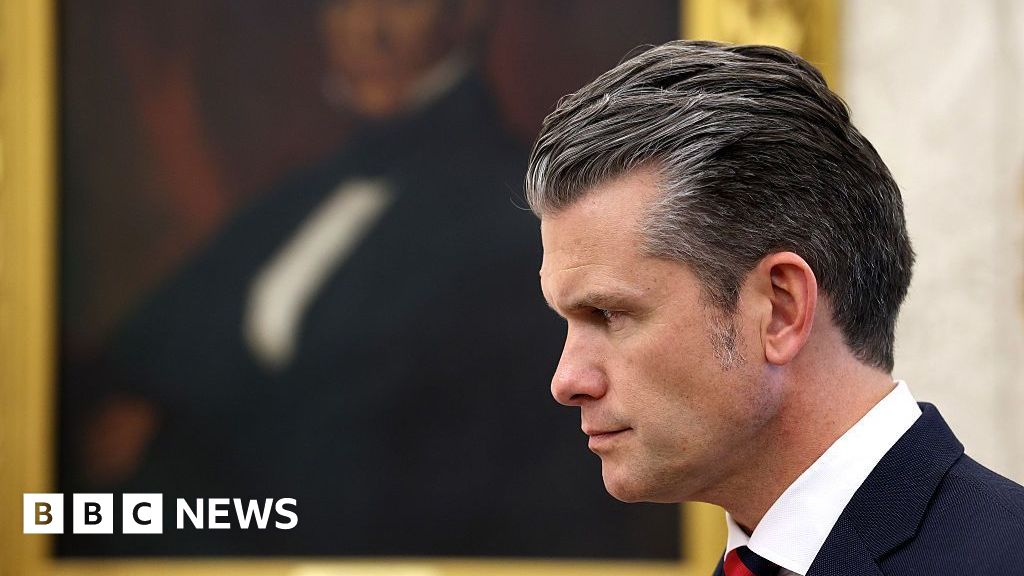
Admiral confirms Pete Hegseth didn't issue 'kill them all' order, lawmakers report
Admiral confirms Pete Hegseth didn’t issue ‘kill them all’ order, lawmakers report

Global Tensions Rise as United States Engages in Controversial Maritime Campaigns

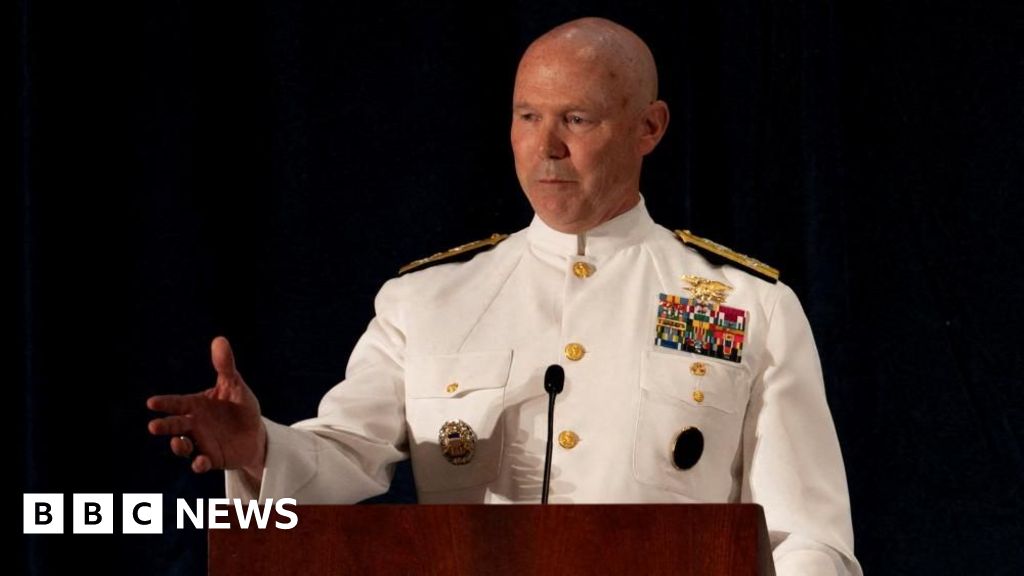
In recent weeks, Washington has found itself under mounting scrutiny after a series of military operations in the Caribbean and Eastern Pacific regions. Allegedly aimed at dismantling drug trafficking networks, these strikes have sparked intense debate both domestically and internationally. Admitted by US military officials, the recent incident involving a second attack on a suspected drug boat has stirred controversy over the legality and morality of the use of force. A closed-door briefing before members of the House and Senate revealed testimonies from Admiral Frank Bradley that raised questions about the chain of command and the rules governing the US military’s engagement in these high-stakes operations.

During the briefing, multiple lawmakers, regardless of party affiliation, expressed concern over the decision-making process. Democratic Representative Jim Himes emphasized the respect owed to Adm Bradley but admitted that what was witnessed was “troubling.” Meanwhile, Republican Senator Tom Cotton defended the actions, asserting that the strikes aligned with the expected conduct of military personnel in such operations. The critical point in this narrative lies in the revelation that a second strike was ordered after survivors of the first had attempted to salvage the vessel—a move that legal analysts suggest could violate international law and the Geneva Conventions, which prohibit targeting wounded combatants or civilians. This raises a fundamental turning point: the legitimacy of the US’s emerging blueprint for combating narcotics in international waters versus the principles of humanitarian law.

International Reactions and the Broader Geopolitical Consequences

Venezuela, along with other regional actors such as Colombia and various Latin American nations, has condemned these operations, accusing Washington of provoking regional instability with aims extending beyond drug interdiction. The Venezuelan government explicitly contends that the US is fueling tensions to justify greater intervention, an allegation that echoes concerns from analysts about a possible shift in U.S. foreign policy towards Latin America. Experts from the International Criminal Court have noted that if such strikes are considered unlawful — especially when targeting survivors and wounded individuals — they could be classified as crimes against humanity. Such a designation would drastically impact the US’s international standing, casting a shadow over its military assertions of legality.

Furthermore, these operations signal a broader strategic recalibration for the US, which is expanding its presence in the Caribbean under the guise of fighting drug trafficking but may be sowing the seeds for long-term regional discord. The controversy is further compounded by allegations that Hegseth, the Defense Secretary, potentially ordered the second attack, an assertion quickly dismissed by the White House, which insists Adm Bradley acted within his lawful authority. These conflicting narratives reveal a multifaceted battle over accountability, with international organizations and legal experts warning that such actions threaten to undermine established norms of warfare and human rights. The unfolding debate underscores how U.S. decisions in these maritime conflicts directly impact regional stability and the rule of law.

History, Law, and the Weight of the Unfolding Crisis

As the dead toll from these operations continues to climb—over 80 lives lost and ongoing reports of survivors—historians warn of the dangerous precedent being set. The presence of survivors and the case of Colombia’s Alejandro Carranza, whose family is pursuing legal action before the Inter-American Court of Human Rights, highlight the fragile boundary between military necessity and legal morality. Critics, including former prosecutors from the ICC, argue that these strikes may constitute unjustifiable violations of international law, transforming what was purported to be a law enforcement effort into a series of covert, unaccountable acts.

In this crucible of geopolitics, justice, and law, America’s foreign policy is at a crossroads. As President Trump and his administration grapple with defining the limits of military authority, global eyes remain fixed on how the US will navigate this complex terrain. The truth, buried beneath a maelstrom of conflicting claims and classified footage, remains elusive—yet the weight of history presses heavily upon the shoulders of those in power. With each decision, the lines between legality, morality, and effective strategy blur, leaving the world to ponder: are we witnessing the dawn of a new blueprint for global conflict, or the unraveling of international norms that have held sway for generations? The story is still being written, and the pages of history are turning fast, leaving societies to confront what lies ahead in the shadows of unresolved justice and sovereignty.

US approves second Venezuela boat attack, White House confirms

In a move that underscores the increasingly aggressive stance of the United States in the Caribbean and Latin America, a series of controversial naval strikes have reignited international debate over sovereignty, legality, and Global security. Last month, the White House confirmed that a top US Navy commander ordered a second missile strike against what it alleged to be a Venezuelan drug-trafficking vessel. The incident, part of a broader anti-narcotics initiative, has raised fundamental questions about the legality of extrajudicial military operations in international waters. While U.S. officials defend these actions as necessary for national security, legal experts and foreign nations warn of dangerous precedents and regional destabilization.

The geopolitical impact of Washington’s expansion in the Caribbean is profound. As the U.S. increases its military footprint, especially off the coast of Venezuela, it sends a clear message: American interests in the region are non-negotiable. The Biden administration, continuing the policies of the previous Trump government, emphasizes that these strikes are acts of self-defense designed to disrupt drug trafficking networks responsible for flooding the U.S. with illicit substances. However, critics, including seasoned international analysts, argue that the proliferation of such strikes—often accompanied by grainy media footage devoid of concrete evidence—threatens to undermine longstanding norms of law and order in maritime conduct. The deployment of military force in such circumstances, especially with reports suggesting some mustered survivors were killed after initial attempts to rescue them, complicates the interpretation of international humanitarian law.

In the ongoing political saga, Venezuela sharply condemns these actions, accusing the U.S. of stoking regional tensions and pursuing a covert agenda to overthrow its government. Venezuelan authorities have announced investigations into the strikes, asserting that the U.S. operations violate sovereignty and international law. In an interview with BBC Newsnight, Venezuela’s Attorney General, Tarek William Saab, attributed U.S. hostility to “great envy” for Venezuela’s natural resources and called for diplomatic dialogue to de-escalate tensions. Meanwhile, President Nicolás Maduro remains defiant, maintaining that Washington’s accusations about his government’s involvement in drug trafficking are baseless and politically motivated. Despite diplomatic overtures, including a recent brief phone call between Donald Trump and Maduro—where the U.S. leader reportedly pressured him to resign—the situation remains volatile, with no signs of immediate reconciliation.

Across the U.S. legislative landscape, bipartisan concern is mounting. The Senate Armed Services Committee has promised vigorous oversight, seeking evidence—including audio and video recordings—to clarify the chain of command and the legality of the operations. Chairman Roger Wicker states that the committee plans to interview the admiral in charge of the operation to determine if proper protocols were followed. The rules of engagement under international law, especially within a context defined as a non-international armed conflict, explicitly prohibit targeting wounded combatants or survivors, raising serious doubts about the legitimacy of the second strike, where reports suggest survivors were killed after initial attacks. Critics argue that these actions resemble the controversial “double tap” drone practices used during the Obama era—practices that drew widespread criticism for civilian casualties.

This unfolding crisis underscores a broader debate about America’s role as a regional enforcer and the limits of its military power. As expert voices and international institutions scrutinize these operations, the legacy of this period remains uncertain. Is the U.S. acting as a defender of law and order, or is it forging a dangerous precedent—one where maritime sovereignty is secondary to the pursuit of perceived national interests? With the weight of history bearing down on these decisions, the world watches anxiously, as the balance shifts at the crossroad of diplomacy and warfare, threatening to set a precedent that may echo through generations. The story remains unwritten, teetering on the knife’s edge of a new geopolitical era—one that could define the future of international relations for decades to come.

DC National Guard Shooter Linked to CIA, Agency Confirms

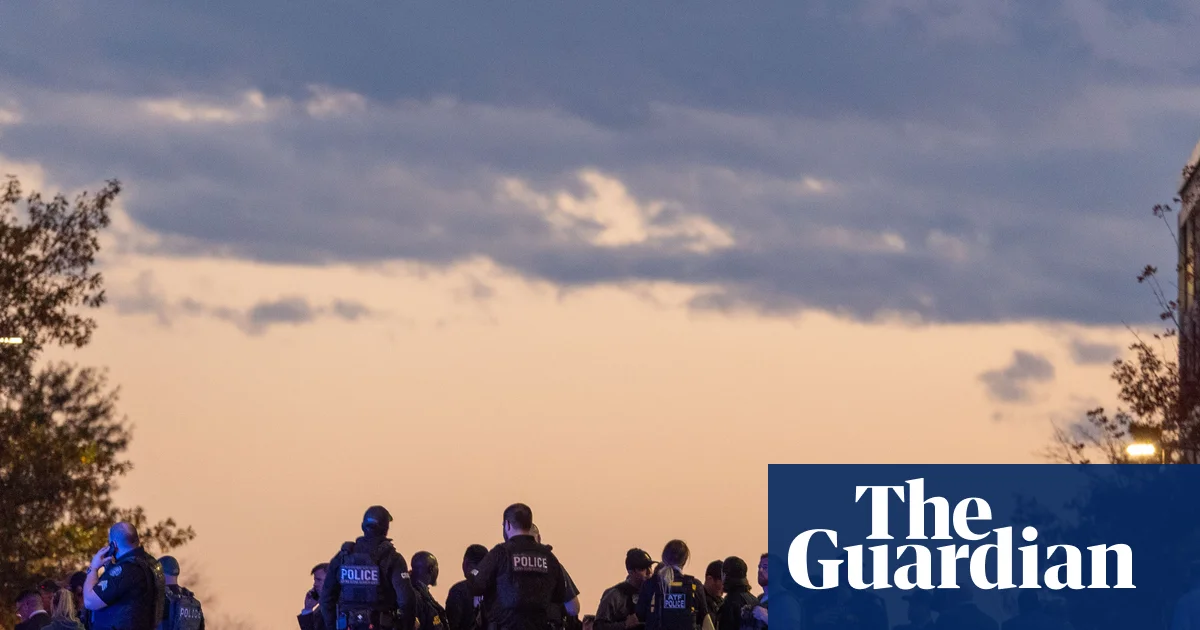
The recent shooting in Washington DC that injured two members of the National Guard has sent shockwaves through the political and security establishments of the United States. As authorities scramble for answers, it has emerged that the suspected assailant, Rahmanullah Lakanwal, has ties to the CIA-backed military operations in Afghanistan. According to official sources, Lakanwal, 29, arrived in the U.S. under the Operation Allies Welcome program—a controversial effort enacted by the Biden administration to expedite the resettlement of Afghans who had worked for the U.S. government in the war-torn nation. The revelation underscores a complex and contentious chapter in U.S. foreign policy: the repercussions of policies aimed at integrating former allies into American society, which in this case, appears to have possible unintended consequences for national security.

Analysts and international security experts warn that the connection between the suspect and US military operations in Afghanistan raises significant questions about vetting processes and the oversight of those who enter the country. John Ratcliffe, the CIA director, confirmed the suspect’s ties to the agency, elaborating that Lakanwal served in a CIA-backed unit in Kandahar. The turning point here is clear: despite efforts to use assimilation policies as a tool of soft power and diplomacy, there remains an undercurrent of risk stemming from the chaos that marked the withdrawal from Afghanistan. The fact that the FBI has labeled this as an act of terrorism highlights America’s ongoing struggle to confront the ideological and security threats emerging from its recent foreign engagements. Law enforcement is now investigating whether individuals linked to Lakanwal also pose a broader threat in the U.S., as American society increasingly grapples with questions about national loyalty, immigration, and security.

The incident has not only reignited fears about domestic terrorism but has also prompted a fierce political debate about immigration and border security. President Donald Trump, already vocal in condemning recent immigration policies, ordered an additional 500 troops to fortify the District of Columbia. In his statement, he called the attack an “act of terror” and launched a pointed critique of current immigration protocols, asserting that immigration remains “the single greatest national security threat”. This stance aligns with a broader conservative narrative emphasizing strict vetting and the need for stronger security measures. Meanwhile, city officials, including Mayor Muriel Bowser, have criticized the federal government’s handling of security, underscoring a political divide that persists in interpreting how best to safeguard Americans from threats both foreign and domestic.

International organizations and scholars have expressed concern over the broader geopolitical impact of this incident. The Washington shooting underscores the delicate balance that the U.S. must strike: integrating allies from conflicted regions without compromising national security. The pause in processing Afghan immigration applications by the U.S. Citizenship and Immigration Services reflects the gravity of the threat, but critics argue that it could hinder genuine efforts to resettle those fleeing violence. The investigation’s scope, which involves finding any overseas associates of Lakanwal, hints at a wide-reaching network that could threaten American interests at home and abroad. Historically, similar incidents have demonstrated how quickly the lines between foreign policy, immigration, and national security can blur—warnings of a future where the chaos of war follows the warriors it turns into.

As the nation confronts the aftermath of this violent act, the weight of history remains profound. The unfolding investigation will test the resilience of America’s security apparatus and the efficacy of policies designed to vet and integrate foreign nationals. With tensions rising and the specter of lone-wolf terrorism looming, the question remains: how many more scars of foreign or domestic conflict must be inflicted before definitive answers are found? Under a sky dark with uncertainty, the story of this attack—like countless others before it—becomes a fragment of a larger, ongoing narrative. A nation once again faces the challenge: will it succumb to fear, or will it rise, vigilant, toward a future shaped by the decisions made today in the shadowy corridors of power?

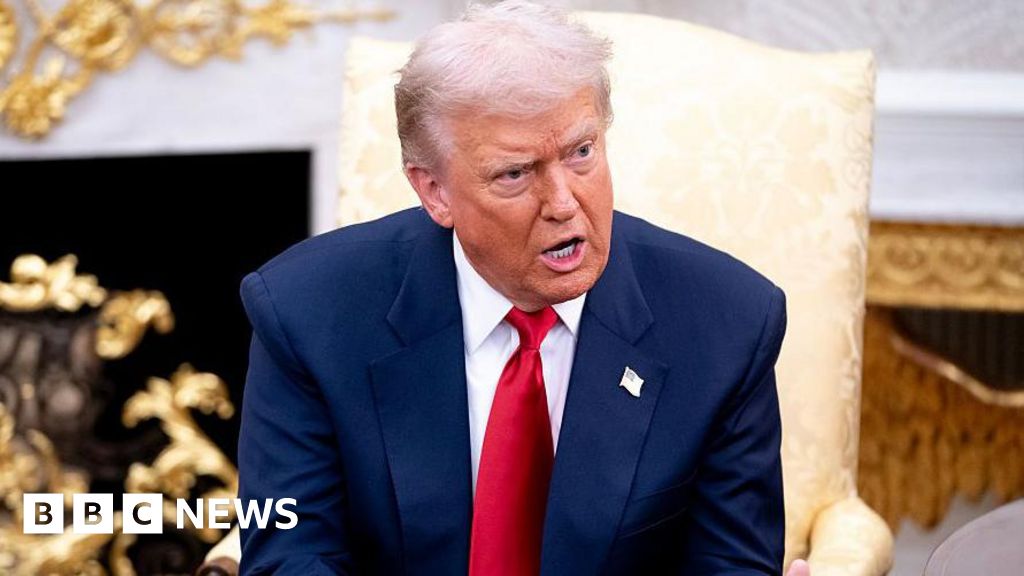
Keir Starmer Confirms No Discussion Yet with Donald Trump Amid BBC Panorama Controversy

In an era where the boundaries between reality and narrative are increasingly blurred, the recent controversy surrounding the BBC’s Panorama fabricates a compelling reflection of how culture functions as both the custodian and the battleground for societal identity. When Donald Trump announced plans to sue the corporation over their editing of his speech, critics and supporters alike were reminded that media shapes memory—but also that it wields the power to distort reality, influencing the very fabric of national discourse. As Prime Minister Sir Keir Starmer emphasizes the importance of an independent and trusted BBC, we are reminded that cultural institutions are not merely repositories of entertainment but foundational pillars of our collective conscience.

Throughout history, culture has served as the ultimate vessel for tradition, identity, and societal continuity. The principle of an independent press, championed by thinkers like Ortega y Gasset, underscores the view that the vitality of a democratic society depends upon the integrity of its narratives. When media outlets are accused of editorial failings—whether through bias, omission, or manipulation—they threaten to fracture the very identity they are meant to serve. The BBC’s apology for the misleading portrayal of Trump’s speech and the subsequent legal threats reveal how fragile this cultural integrity can be, especially when harnessed as a tool in larger geopolitical and ideological struggles. Such moments echo the shifting sands of cultural authority, reminding us that the memory of a society is as susceptible to distortion as a fragile tapestry.

The current media saga is also a testament to the profound influence of cultural memory, echoing Tocqueville’s insights on how democracy relies on the shared narratives that uphold societal bonds. As critics deliberate over the rights to depict truth, the central question emerges: Whose story is being told? And for what purpose? The fact that Trump’s legal team has considered suing for billions underscores how cultural battles now take on economic and geopolitical dimensions—each contesting the narrative as if it were an existential inheritance. Meanwhile, behind closed doors, diplomatic gestures—like the rumored discussions involving Downing Street officials—highlight how culture is seldom divorced from power, each shaping the other in a relentless dance of influence and resistance.

As T.S. Eliot posited, “The past is never dead; it’s not even past.” The scars and stories etched into our media, our institutions, and our collective memory form the bedrock of society’s identity. Yet this legacy is also prophetic: it informs possible futures, guiding societies through the murky waters of misinformation and ideological manipulation. Culture, in its purest form, remains both the mirror of our memories and a blueprint for our destiny. Our challenge lies not merely in guarding this sacred treasury but in recognizing that the true power of culture rests in its capacity to inspire, to preserve, and to project the enduring spirit of humanity—a timeless force that whispers, even amid the chaos, that we are more than fleeting stories: we are an ongoing narrative of resilience and hope.

Ethiopia Confirms Marburg Virus Outbreak, Urges Caution

Marburg Virus Outbreak in Ethiopia: A Growing Threat to Regional Stability

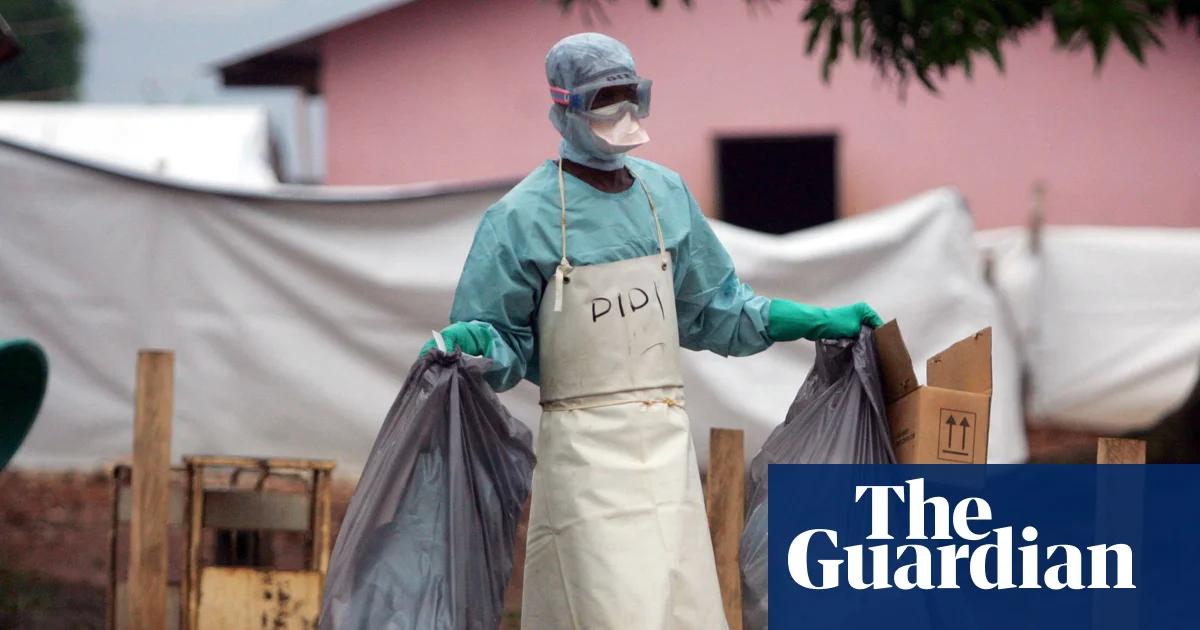
The recent confirmation of a Marburg virus outbreak in southern Ethiopia marks a significant threat not only to local populations but also to regional and international security. As reported by the World Health Organization, Ethiopia’s health authorities identified at least nine cases in the Jinka area, prompting urgent epidemiological investigations. This highly deadly pathogen shares similarities with the Ebola virus, including severe hemorrhaging, fever, vomiting, diarrhea, and a 21-day incubation period. The outbreak has reignited global fears over the potential for widespread contagion in a region already grappling with complex socio-political challenges.

Regional Ripple Effects and the Global Response

The Africa CDC indicated that the virus strain bears resemblance to those previously identified in East Africa, underscoring the risk of cross-border transmission. This recent emergence follows a disturbing pattern, with Tanzania experiencing a 10-death outbreak in January and Rwanda successfully containing its first known Marburg epidemic in December 2024, which claimed 15 lives. Despite these efforts, the absence of an approved vaccine or antiviral treatment remains a critical obstacle, elevating risks for affected communities. Experts, such as international health analysts, warn that without rapid and coordinated international action, the virus could escalate into a regional crisis, destabilizing fragile societies and worsening humanitarian vulnerabilities.

Geopolitical Implications and the Role of International Institutions

The U.S.-based Sabin Vaccine Institute has been trialing experimental vaccines, but the absence of definitive cures underscores the international community’s challenges in responding to outbreaks of this nature. The WHO and Africa CDC are working closely with Ethiopian health officials, but critics argue that more proactive measures are needed. The outbreak highlights how international health emergencies can quickly become geostrategic flashpoints, especially when the disease threatens to cross borders and overwhelm healthcare infrastructure. Moreover, the outbreak in Ethiopia raises questions regarding regional stability and security, as nations in East Africa face compounded threats—from political unrest to health crises—with each development shaping the broader geopolitical map.

Many analysts view the spread of deadly viruses like Marburg as a stern reminder of the interconnectedness of global health and security. Historians caution that pandemics in the modern era are not merely medical concerns but profound tests of government resilience and international cooperation. As United Nations-backed initiatives seek to contain the virus, the true challenge lies in achieving swift, effective action amidst geopolitical tensions. The outbreak serves as a stark illustration that in an increasingly interconnected world, threats like Marburg do not respect borders—transforming local epidemics into potential regional or even global crises.

The Crucible of History Begins with Today’s Decisions

As the shadow of mortality lengthens over Ethiopia, the weight of history presses upon world leaders and health systems alike. The unfolding story is one of urgency and uncertainty, where every decision could alter the course of history. Will the international community rise to confront this invisible enemy before it engulfs greater portions of East Africa? Or will neglect and disunity allow the virus to carve a path of devastation, reshaping societal structures and global alliances? Only time will reveal whether humanity can muster the resilience and unity required to stand against such unstoppable forces, in an era where health crises threaten to redefine the balance of power and the future of civilization itself.

UK Commentator Detained Over Israel Comments to Be Released, Family Confirms

The recent developments surrounding British political commentator Sami Hamdi underscore the escalating tensions between free speech and U.S. immigration policy amid rising geopolitical conflicts. Hamdi, who was detained by US Immigration and Customs Enforcement (ICE) at San Francisco international airport in late October, faced accusations linked to his critiques of Israel during a tour in the United States. His detention, initially characterized by the Department of Homeland Security as a security concern rooted in alleged ties to terrorism, highlights the complex interplay of domestic policy and international diplomacy—particularly in an era marked by intense scrutiny of political expressions related to Middle East conflicts. As his family reports that he will soon be released, the incident raises fundamental questions about the limits of free speech within the context of national security and the influence of diplomatic narratives on domestic policy.

While government officials framed the detention within the context of preventing threats to American national security, civil rights organizations, such as the Council on American-Islamic Relations (CAIR), condemned the move as an obvious suppression of dissent. CAIR publicly denounced what they called a “blatant affront to free speech,” emphasizing how such actions serve as a warning to critics of government foreign policy. Analyses from international organizations suggest that the case exemplifies a broader shift in U.S. policy—one that increasingly conflates political criticism with security threats, especially when it involves contentious issues like U.S. support for Israel and Palestinian rights. Historically, similar incidents have often been used to shape international perceptions, portraying critics as security risks—thus, influencing diplomatic relations across the globe, particularly in Middle Eastern and Muslim-majority countries.

In the context of ongoing conflicts such as the Hamas attacks and the subsequent escalation in regional tensions, Hamdi’s case carries significant geopolitical impact. It underscores how domestic actions in Western powers are often scrutinized through international lenses, impacting perceptions of free expression and foreign policy credibility. International analysts warn of a potential “chilling effect” on political discourse, as governments tighten restrictions while global institutions like the United Nations and European Union observe with concern. Furthermore, this incident exemplifies how decisions made in Washington could influence alliances—potentially prompting Muslim nations to reassess trust in Western democracy’s commitment to free speech, especially when critics articulate views that challenge mainstream narratives regarding conflicts in Palestine and the broader Middle East. As historians note, the narrative shaping these incidents feeds into a global contest over the values of liberty versus security, with each side claiming moral high ground.

As the saga unfolds, the weight of history being written in real time remains palpable. The release of Sami Hamdi, coupled with the controversy that swirled around his detention, marks only a transient moment in a larger struggle—one that transcends individual cases and probes the core principles of sovereignty, free expression, and national security. The world watches as nations navigate the treacherous waters of diplomacy, ideology, and internal security. Whether this incident becomes a turning point or a cautionary tale, it leaves us with a stark reminder: the decisions made today will echo through history, shaping the fate of societies and the contest over truth and liberty for generations to come.

Social Media Auto Publish Powered By : XYZScripts.com