Matox News

Truth Over Trends, always!

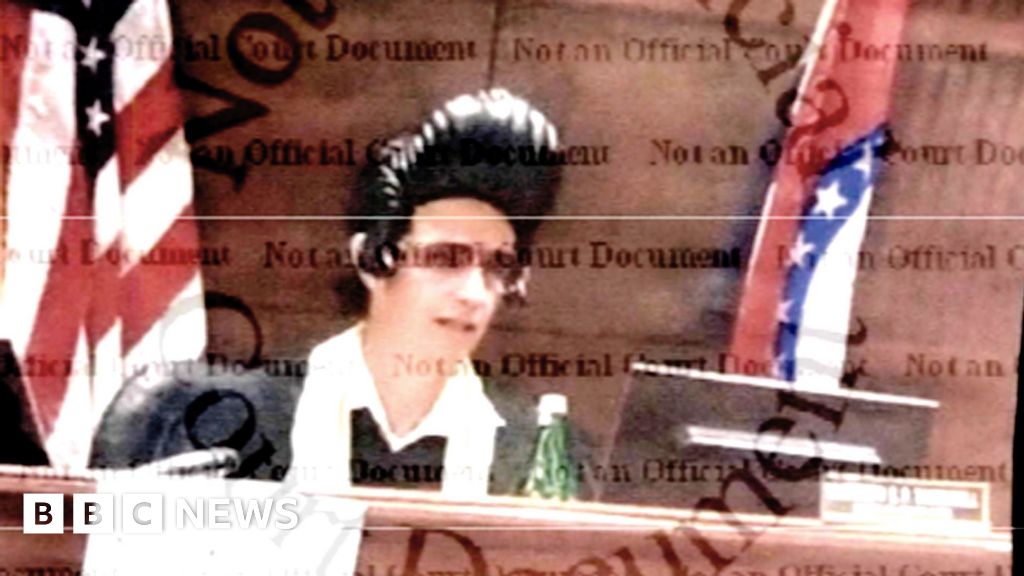
US judge steps down after flaunting Elvis wig in court, sparking controversy

The United States finds itself once again embroiled in questions of institutional integrity, as a case from Missouri underscores the fragile veneer of judicial authority in an era of increasing societal polarization. Judge Matthew EP Thornhill of St. Charles County, the longest-serving circuit judge in the state, has become the center of controversy after disciplinary investigations revealed his bizarre antics in the courtroom—wearing an Elvis Presley wig, playing the singer’s music, and making frequent, seemingly irrelevant references to the legendary musician during legal proceedings. These actions, while seemingly harmless to many, have ignited debates about the boundaries of decorum in the judiciary, touching on broader concerns of how societal shifts are influencing the respect and seriousness traditionally associated with justice.

  • Thornhill’s obsession with Elvis Presley was well-documented, with the judge openly expressing admiration after visiting Graceland 13 times. His biography proudly highlights this passion, but it also raised eyebrows within the legal community.
  • In 2023, the Missouri Commission on Retirement, Removal, and Discipline of Judges concluded that Thornhill’s conduct compromised the dignity of courtroom proceedings. The commission’s report included images of Thornhill sporting his Elvis wig and recalled instances where he played Elvis music during court sessions or referenced lyrics and personal details about the singer.
  • Following the inquiry, Thornhill was disciplined and faced a suspension of six months without pay, with a subsequent plan for retirement after 20 years in service. His resignation, accompanied by an acknowledgment of misconduct, signifies a symbolic fall from grace that resonates beyond local borders, raising alarm over judicial oversight and the influence of personal eccentricities on the rule of law.

International observers, including legal analysts and historians, warn that such incidents threaten to erode public trust in judicial independence. The case of Thornhill is a cautionary tale — a stark example of how personal passions intersect dangerously with institutional duties. Scholars like Dr. Mark Jensen, a historian specializing in American judicial history, argue that maintaining courtroom decorum is vital to preserving the authority of the legal system. Yet, as societal norms shift and celebrity culture infiltrates every corner of daily life, questions arise about whether traditional standards remain relevant or if they are under siege—a symbolic reflection of broader cultural battles shaping nation-states.

The repercussions extend beyond Missouri. For many, Thornhill’s inappropriate behavior illustrates how personal eccentricities, if unchecked, can threaten to undermine the perceived legitimacy of institutions intended to uphold justice and order. Global institutions such as the United Nations and regional bodies monitor such incidents for signs of democratic backsliding and erosion of professional standards. This case prompts a reflection on how moral authority and societal trust are fragile commodities, now more vulnerable than ever amid technological upheavals and political upheavals worldwide. As history continues to unfold, and as society wrestles with the boundaries of personal expression versus institutional integrity, the fate of figures like Thornhill acts as a microcosm of the mounting tension between individual liberty and collective order.

In a world where the echoes of past icons still resonate loudly in pop culture and societal debates, the judicial scandal in Missouri leaves a lingering question for nations across the globe: **How much personal eccentricity is too much, and at what cost to the principles of justice?** As the curtain falls on Thornhill’s courtroom career, the echoes of his Elvis-infused tenure serve as a stark reminder—the pages of history are still being written, and every decision carries the weight to shape future generations’ perceptions of order, morality, and the rule of law.
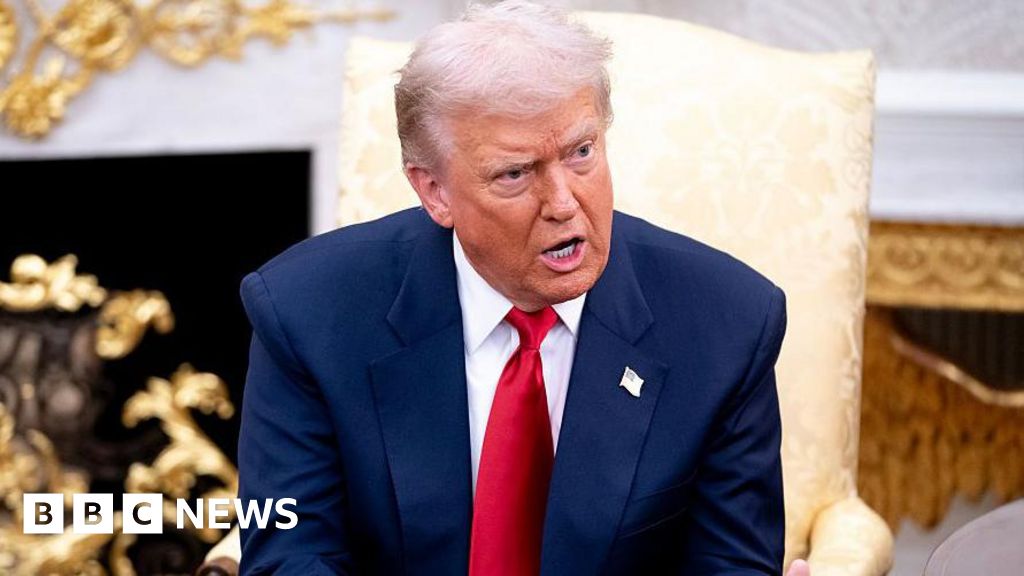
Keir Starmer Confirms No Discussion Yet with Donald Trump Amid BBC Panorama Controversy

In an era where the boundaries between reality and narrative are increasingly blurred, the recent controversy surrounding the BBC’s Panorama fabricates a compelling reflection of how culture functions as both the custodian and the battleground for societal identity. When Donald Trump announced plans to sue the corporation over their editing of his speech, critics and supporters alike were reminded that media shapes memory—but also that it wields the power to distort reality, influencing the very fabric of national discourse. As Prime Minister Sir Keir Starmer emphasizes the importance of an independent and trusted BBC, we are reminded that cultural institutions are not merely repositories of entertainment but foundational pillars of our collective conscience.

Throughout history, culture has served as the ultimate vessel for tradition, identity, and societal continuity. The principle of an independent press, championed by thinkers like Ortega y Gasset, underscores the view that the vitality of a democratic society depends upon the integrity of its narratives. When media outlets are accused of editorial failings—whether through bias, omission, or manipulation—they threaten to fracture the very identity they are meant to serve. The BBC’s apology for the misleading portrayal of Trump’s speech and the subsequent legal threats reveal how fragile this cultural integrity can be, especially when harnessed as a tool in larger geopolitical and ideological struggles. Such moments echo the shifting sands of cultural authority, reminding us that the memory of a society is as susceptible to distortion as a fragile tapestry.

The current media saga is also a testament to the profound influence of cultural memory, echoing Tocqueville’s insights on how democracy relies on the shared narratives that uphold societal bonds. As critics deliberate over the rights to depict truth, the central question emerges: Whose story is being told? And for what purpose? The fact that Trump’s legal team has considered suing for billions underscores how cultural battles now take on economic and geopolitical dimensions—each contesting the narrative as if it were an existential inheritance. Meanwhile, behind closed doors, diplomatic gestures—like the rumored discussions involving Downing Street officials—highlight how culture is seldom divorced from power, each shaping the other in a relentless dance of influence and resistance.

As T.S. Eliot posited, “The past is never dead; it’s not even past.” The scars and stories etched into our media, our institutions, and our collective memory form the bedrock of society’s identity. Yet this legacy is also prophetic: it informs possible futures, guiding societies through the murky waters of misinformation and ideological manipulation. Culture, in its purest form, remains both the mirror of our memories and a blueprint for our destiny. Our challenge lies not merely in guarding this sacred treasury but in recognizing that the true power of culture rests in its capacity to inspire, to preserve, and to project the enduring spirit of humanity—a timeless force that whispers, even amid the chaos, that we are more than fleeting stories: we are an ongoing narrative of resilience and hope.

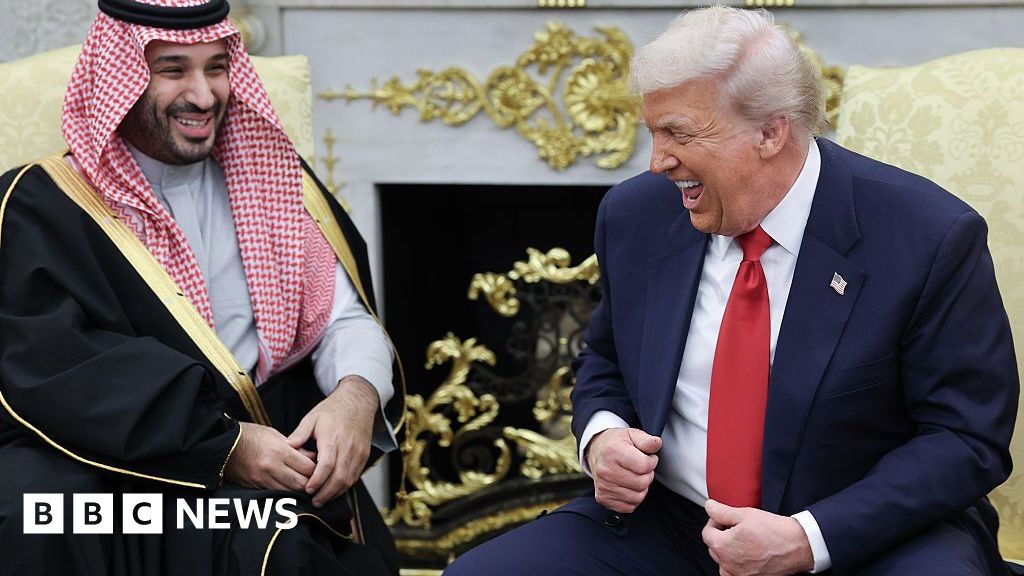
Trump Brushes Off Khashoggi Controversy, Stands by Saudi Crown Prince

The recent visit of Saudi Crown Prince Mohammed bin Salman to the United States signals a notable recalibration in international alliances and strategic interests, despite ongoing controversy surrounding the brutal 2018 killing of journalist Jamal Khashoggi. While the White House, under President Donald Trump, welcomed the de facto ruler with promises of increased economic cooperation—specifically in fields like civilian nuclear energy, artificial intelligence, and significant US investments—the shadows cast by the Khashoggi affair linger. Historians and analysts warn that such overt diplomacy, amid unresolved human rights questions, could set a troubling precedent for how nations prioritize economic and geopolitical gains over moral accountability. In a move that could be seen as pragmatic or duplicitous, the US administration has downplayed the intelligence reports that explicitly link Mohammad bin Salman to approving the operation that resulted in Khashoggi’s death. These reports, declassified under President Joe Biden, serve as a stark reminder of the complex interplay between the pursuit of strategic alliances and the imperative of justice—an ongoing tension that shapes international diplomacy today.

One of the most contentious issues surrounding this diplomatic dance involves the potential sale of advanced F-35 fighter jets to Saudi Arabia, a move that has alarmed Israel. Critics argue such an arms deal threatens the region’s delicate balance of military power, risking the loss of Israel’s “qualitative military edge”. Despite assurances from Trump that these aircraft would be comparable to those operated by Israel, the implications for regional stability remain uncertain. This arms deal is more than mere military hardware; it symbolizes a shift in regional power dynamics, with Saudi Arabia positioning itself as an increasingly militarily capable regional player, backed by the world’s superpower, the United States. This calculated move reveals how geopolitics—driven by economic interests, security concerns, and political optics—continues to redefine the Middle East’s stability.

The broader significance of this high-level engagement extends beyond mere defense and diplomacy. The visit underscores a pragmatic, if controversial, approach to diplomacy in a fractured world where authoritarian regimes—like Saudi Arabia—are being courted for their strategic value, despite their human rights abuses. Critics, including prominent human rights organizations and some US lawmakers, view this as a tacit endorsement of an autocratic regime that dismisses universal standards of justice. Nonetheless, the geopolitical impact remains profound. Increasing US investment, coupled with the crown prince’s promise to raise Saudi-US investments to a staggering $1 trillion, signals a shift towards economic pragmatism over moral clarity. Meanwhile, the world’s eyes remain fixed, watching as history increasingly unfolds in the corridors of power—where diplomatic priorities often clash with the enduring quest for justice.

As the global order continues its tumultuous evolution, the question of morality versus geopolitics hangs in the balance. The Trump-Mohammed bin Salman summit encapsulates this complex tension—where economic opportunity and regional influence are prioritized, even amid unresolved questions of accountability. The tragic story of Khashoggi’s murder remains a stark reminder of the human cost behind diplomatic decisions—an unresolved wound in the fabric of international relations. With every deal struck and every alliance forged, the weight of history presses heavily, hinting that the unfolding chapter is far from over. As the world stands at this geopolitical crossroads, history waits—silent and vast—to record the choices that will determine the future for generations to come.

Larry Summers resigns from public duties amid Epstein email controversy

International Power Players Entwined in Washington’s Shadows

The recent disclosures involving former Harvard president Larry Summers and the infamous financier Jeffrey Epstein have sent shockwaves through the corridors of global influence. As emails between the two surfaced, revealing ongoing communication until Epstein’s 2019 arrest, questions about the complicity and accountability of prominent figures have taken center stage. These revelations come at a critical juncture for United States politics, with investigations expanding beyond mere scandals to touch upon high-level international diplomacy.

Accountability Sparks an International Inquiry

  • The US Department of Justice has announced a comprehensive probe into Epstein’s associations, particularly scrutinizing links with former President Bill Clinton and other leading Democrats. The inquiry also includes notable financial institutions such as JPMorgan Chase and Reid Hoffman’s LinkedIn, illustrating the interconnectedness of global finance and political influence.
  • President Donald Trump, whose mentions in Epstein-related emails have garnered media attention, has publicly distanced himself and called for a broader investigation. His statement that “Epstein was a Democrat, and he is the Democrat’s problem,” underscores the partisan undertones fueling this scandal.
  • International observers and analysts highlight the potential ramifications of these investigations, which threaten to expose a web of influence extending beyond American borders, impacting alliances, diplomatic relations, and the credibility of institutions supposedly committed to justice and transparency.

Geopolitical Implications and Societal Reckoning

Most notably, the scandal underscores how elites across political divides and economic sectors have played roles in a clandestine network that, if fully uncovered, could destabilize perceptions of power. Historians and political analysts warn that such revelations threaten to undermine trust not only in individual leaders but also in core institutions. The United Nations and other international organizations could become collateral in this game of shadows if connections between Epstein, global diplomats, and financiers come to light.

Furthermore, the international geopolitical impact extends into the balance of power. Countries allied with the US, especially those within NATO and key partners in Europe and Asia, are closely watching how Washington handles the fallout — a test of its commitment to transparency and justice. The entire crisis illuminates the dangers of unchecked influence among the world’s elite, emphasizing the necessity for reforms that could reshape the global order.

How Decisions Shape Societies and the Path Forward

As the investigations unfold and more files are released, they will inevitably influence societal perceptions of morality, justice, and authority. The global community faces a choice: continue to turn a blind eye to the corrupting influence of power, or confront the uncomfortable truths that threaten to undermine the foundations of Western civilization. The ongoing disclosures serve as a stark reminder that history’s greatest upheavals often stem from the exposure of hidden atrocities and hidden alliances.

This saga underscores a pivotal chapter in the ongoing battle for transparency and accountability, serving as a reminder that history is still being written. The weight of these revelations suggests we stand at a crossroads—an opportunity to redefine the moral compass of our institutions, or risk descending further into a shadowy obscurity where the powerful manipulate the future behind closed doors.

Controversy in Nigeria: Clash Over Benin Bronzes at West African Art Museum

Geopolitical Tensions Escalate as Nigeria’s New Museum of West African Art Becomes a Political Battleground

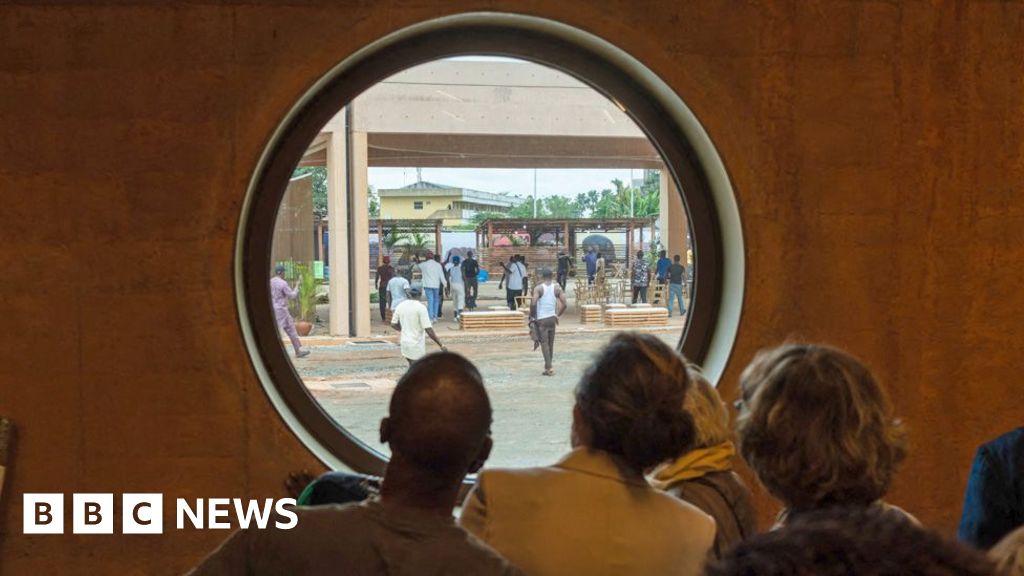
In a dramatic turn of events, Nigeria’s quest to establish a world-class cultural institution has been marred by intense local political rivalry and unresolved historical grievances. The Mowaa project, a sprawling six-hectare museum in Benin City, intended to showcase West Africa’s rich artistic heritage—including the prized Benin Bronzes—was set to inaugurate a new chapter in Nigeria’s cultural renaissance. Designed by renowned architect Sir David Adjaye, the museum aimed to rival global institutions and reassert regional pride. But the ambitious project faced immediate opposition, reflecting deeper conflicts rooted in history, power, and identity that continue to ripple across Nigeria’s socio-political landscape.

As Mowaa within moments of preparing for its grand opening, protesters stormed the campus demanding it be rebranded as the Benin Royal Museum and placed directly under traditional custodianship of the Oba of Benin. The row highlights a simmering debate about ownership and restitution of Africa’s most treasured artifacts—the Benin Bronzes—looted in 1897 during British colonial expeditions. While international museums such as the British Museum and the Berlin Humboldt Forum have tantalizingly returned some pieces, the core debate persists: Should these artifacts remain in Western institutions or be repatriated to Nigeria? The controversy is not merely about artifacts but touches on national identity, sovereignty, and historical justice. Historians and cultural analysts warn this dispute could further complicate ongoing efforts to restore Africa’s stolen cultural heritage.

Politics, Power, and Cultural Legacy in Nigeria

The political impetus behind the backlash stems from internal power struggles, with local elites vying for control over cultural symbols. The recent upheaval traces back to a conflict between the administration of Nigeria’s current governor—aligned with traditional authority figures—and former political allies. The protesters, many driven by historic loyalty to the Oba and regional rivalries, demanded that the museum be under royal authority, echoing the ancient prestige of the Benin Kingdom. Such tensions exemplify how cultural heritage has become a battleground for broader political authority, with historians noting that this rivalry mirrors Nigeria’s persistent struggles with governance, legacy, and decentralization.

Despite diplomatic efforts by President Bola Tinubu to quell the unrest and preserve Nigeria’s global image, the crisis reveals wider geopolitical implications. The focus on indigenous control over cultural patrimony ties into a larger narrative of decolonization and sovereignty that many African nations are eager to champion. Yet, Western museums remain cautious, citing concerns over the conservation and legal ownership of looted artifacts. The ongoing debate about who should hold the Benin Bronzes threatens to derail Nigeria’s diplomatic push for restitution and complicates international collaborations aimed at cultural repatriation, as highlighted by both regional officials and global institutions.

The Future of Africa’s Artistic Heritage and Identity

Amidst controversy, Nigerian artists and cultural leaders advocate for a new vision—one where contemporary African creativity stands at the heart of national identity. The museum’s broader mission now emphasizes fostering a creative ecosystem that includes film, music, fashion, and visual arts, transcending debates over relics and focusing on living, breathing culture. Prominent artist Yinka Shonibare’s thought-provoking installation, Monument to the Restitution of the Mind and Soul, featuring replicas of the bronzes in clay, symbolizes Africa’s spiritual connection and mourning for its lost treasures. His work underscores a vital theme: how nations can reconcile history with modern identity and reimagine their cultural narrative without losing touch with the past.

As Nigeria grapples with these issues, the Mowaa project symbolizes hope for a future where African voices shape their history and legacy. But the shadows of colonialism, political rivalry, and cultural custodianship loom large, reminding the world that this is not just about art—it is about the soul of a continent still fighting to define itself in the face of history’s forces.

In the unfolding story of Nigeria’s cultural renaissance, the weight of history hangs heavy. The battle for the Benin Bronzes* and the soul of Nigeria’s societal identity continues to evolve. Will this chapter mark a victory for sovereignty and cultural dignity, or will it be yet another lost opportunity amid political strife and international indecision? As history watches silently, the echoes of ancient brass and modern ambition forge an uncertain path forward—an enduring reminder that Africa’s story is still very much being written.

France probes Shein and Temu amid sex doll controversy, raising concerns for young consumers

In an era marked by rapid digital transformation, France has taken decisive action against major online retail giants such as Shein, Temu, AliExpress, and Wish amidst mounting concerns over their potential role in facilitating access to harmful content by minors. The Paris prosecutor’s office announced an investigation into these platforms for enabling minors to access pornographic and violent material, sparking an international debate on digital regulation and the protection of societal morals. As authorities scrutinize the content disseminated through these global marketplaces, particularly allegations of child exploitation and inappropriate material, the implications extend beyond France’s borders, casting a shadow on the operations of these companies worldwide.

  • Major platforms are under investigation for allowing minors access to inappropriate content, including violent, pornographic, and “undignified messages.”
  • Shein faces additional scrutiny concerning the dissemination of content related to children of a pornographic nature, with French authorities explicitly linking their product descriptions to potential child exploitation.
  • The Office des Mineurs, responsible for safeguarding minors, is now overseeing the legal case, highlighting the seriousness with which France is treating digital safety in tandem with traditional enforcement tools.

The global influence of these investigations cannot be understated. Experts and international organizations have increasingly voiced concerns over how unregulated online spaces threaten youth and societal values. The European Union, along with international watchdogs, has repeatedly warned that digital commerce platforms often escape stringent oversight, allowing harmful content to slip through the cracks. France’s move signals a potential shift towards tighter regulatory frameworks, with other nations watching closely. Particularly remarkable is the case of Shein, a Chinese-founded company preparing for its first permanent store in France, amidst protests opposing its expansion. These protests underscore how local communities are awakening to the broader consequences of unchecked digital and retail practices, driving discussions on sovereignty, morality, and economic influence in an interconnected world.

Historian and geopolitical analysts posit that such regulatory actions are reflective of a broader geopolitical contest. The United States and China are engaged in a quiet but relentless competition over digital dominance, with countries like France and other European nations becoming battlegrounds for establishing standards and safety protocols. As global institutions grapple with defining jurisdictional boundaries and enforcement, the decisions made today will shape the digital landscape for decades to come. The danger lies not only in protecting minors but also in how these policies could redefine sovereignty, digital independence, and cultural values in a new era of international diplomacy.

Ultimately, the unfolding story of France’s crackdown on online platforms encapsulates a crucial moment in world history—one where the powers of regulation and corporate influence collide amidst societal fears and the relentless march of technology. As the world watches, history continues to write itself, with each decision echoing across borders and societies. The weight of these choices will resonate for generations, setting precedents in the ongoing battle to secure a safe, moral, and sovereign future in an increasingly interconnected world. The scales of power are shifting, and history waits for no one.

Elon Musk’s Grokipedia Sparks Controversy with Far-Right Rhetoric

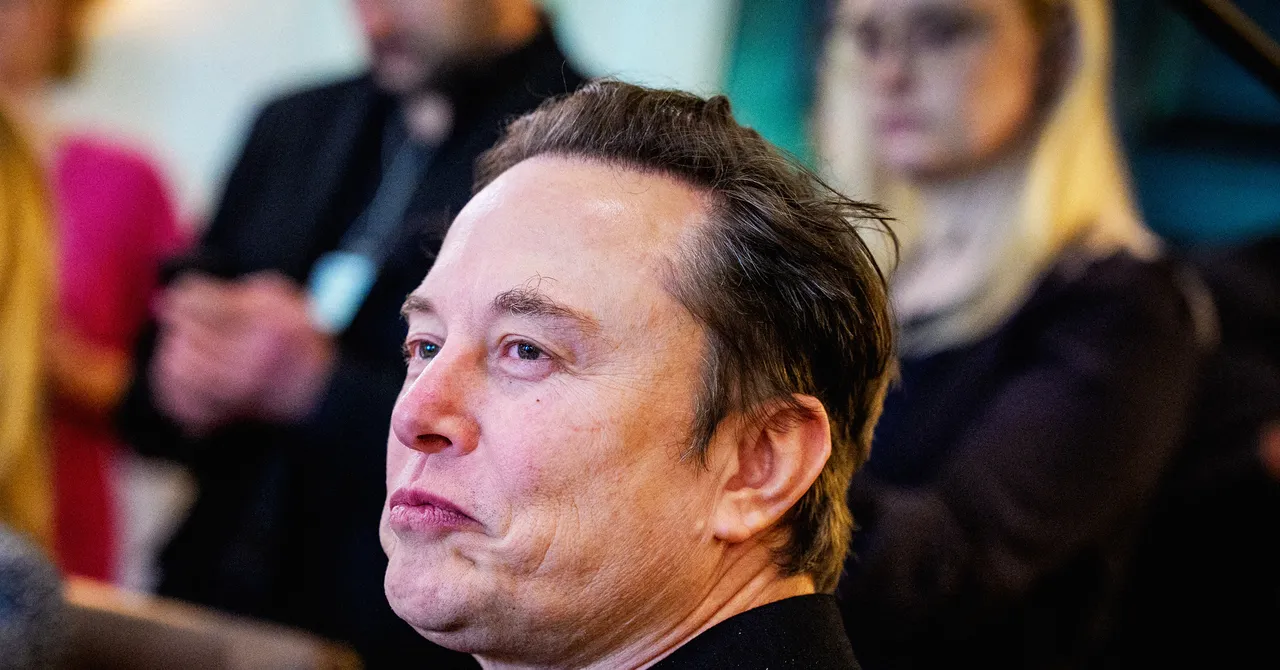
In a bold move reflecting the fast-paced evolution of artificial intelligence (AI), Elon Musk’s xAI startup launched Grokipedia this week, an AI-driven alternative to the longstanding, crowdsourced encyclopedia Wikipedia. Musk’s vision appears to transcend mere information aggregation; instead, he aims to leverage advanced AI to create a “massive improvement,” aligned with the broader mission of xAI to unlock a deeper understanding of the universe. This initiative signals a profound shift in how knowledge might be curated, verified, and consumed—disrupting the very foundations of established digital information platforms.

From the outset, Grokipedia exemplifies *disruption fueled by high-stakes innovation*. Initial access hurdles and content flagged for potential propaganda reflect the intense challenges faced by revolutionary AI projects operating in a politically charged space. Once accessible, the platform was found to host lengthy, AI-generated entries, many of which diverged sharply from Wikipedia’s neutral tone. Instead, Grokipedia displayed a clear ideological slant—highlighting conservative viewpoints, critiquing mainstream narratives like The 1619 Project, and even perpetuating historical inaccuracies. Such content raises critical questions for the industry: can an AI truly deliver unbiased knowledge, or will it serve as a tool for ideological influence?

The implications of this development are significant for both *business innovation* and *industry dynamics.* As noted by tech analysts at Gartner and MIT’s Media Lab, the rise of AI-powered knowledge bases presents opportunities for emerging players to establish dominance by redefining credibility and engagement. However, this innovation also introduces risks—particularly the potential for such platforms to reinforce bias, spread misinformation, and even serve political agendas. For established giants like Google and Microsoft, the threat is clear: disruption in digital search and information delivery could shift power away from traditional search engines toward AI-centric ecosystems increasingly influenced by private enterprise visionaries like Musk.

Furthermore, the controversy surrounding Grokipedia exemplifies an industry-wide challenge: how can AI-powered knowledge platforms balance innovation with ethical responsibility? Content themes emerging from Grokipedia’s launch highlight potential for *market shifts*—notably, a move toward more polarized, ideologically driven information sources. For businesses and tech investors, this signals a crucial inflection point: those who harness AI to enhance transparency, integrity, and user engagement could command market leadership in the next era of digital information. Conversely, neglecting these pitfalls could see industry reputation and consumer trust erode quickly in the face of emerging competitors who leverage similar AI capabilities to influence public discourse.

As Elon Musk and others push the boundaries of AI’s potential, the coming years will be pivotal in shaping an information landscape that is more dynamic yet potentially more divided. Industry forecasters like Peter Thiel warn that rapid innovation must be paired with rigorous oversight to avoid pitfalls of misinformation and ideological bias. The rapid pace of AI-enabled disruption demands strategic agility—from startups to behemoth tech firms—to realize the transformative revenue and societal gains ahead. The future of knowledge is no longer static; it’s a battleground where innovation, ethics, and competitive advantage collide, urging stakeholders to act swiftly. The countdown is on—those who adapt first will dominate the next chapter of digital civilization, while others risk being left behind in the dust of obsolescence.

Trump pulls out of Canada trade talks after anti-tariff ad controversy

US and Canada at Crossroads: Trade Tensions Ignite a New Global Crisis

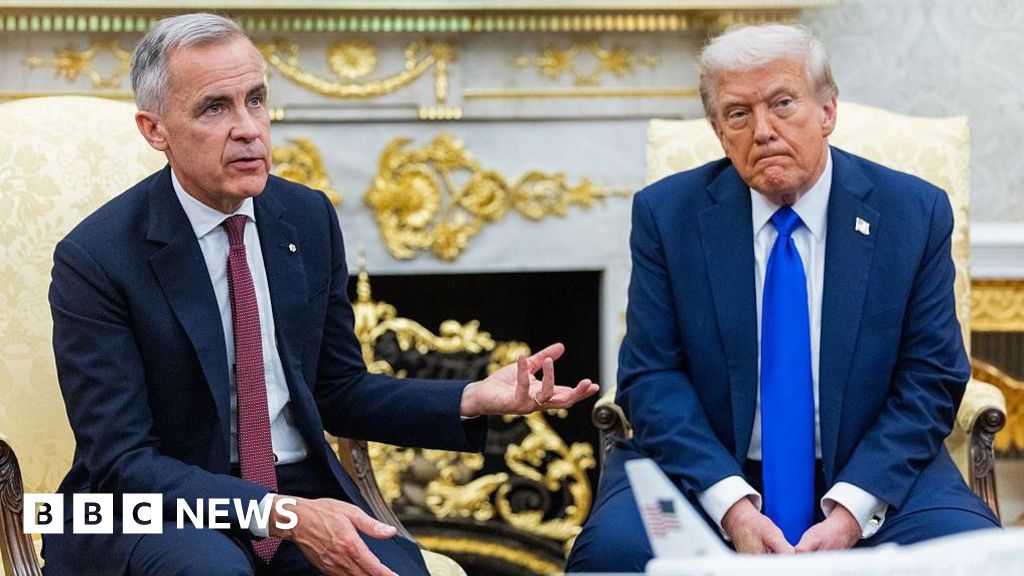
The fragile landscape of international trade has once again been rocked by a provocative move from President Donald Trump, who declared an immediate halt to all negotiations with Canada following a contentious advertisement campaign. The ad, sponsored by the government of the Canadian province of Ontario, utilized audio excerpts of Ronald Reagan’s 1987 address to underscore a stark warning: tariffs harm American workers and economic stability. Trump’s swift denunciation of the campaign as “FAKE” and “egregious” signals a worsening of already tense relations, casting a shadow over the broader North American economic framework. As trade negotiations die on the vine, the geopolitical how decisions affect nations and societies becomes unmistakably clear: a trade war on the rise threatens to destabilize not only regional stability but also the global balance of power.

Analysts highlight how these moves are part of a broader pattern of challenging traditional trade agreements. Prime Minister Mark Carney has been tirelessly seeking to forge a deal that would ease the impact of U.S. tariffs—particularly those targeting Canadian goods. Yet, Ontario’s Premier Doug Ford, a vociferous critic of Washington’s tariffs—imposing a 50% levy on metals and 25% on automobiles—has openly threatened to retaliate, even suggesting cutting off power supplies to the U.S. This political tension exemplifies how doorway policies influence how societies adapt to economic pressure. The White House’s sector-specific tariffs have caused significant job losses and shrinking industries in Ontario, illustrating the tangible damage inflicted on middle-class livelihoods when geopolitical decisions prioritize protectionism over free trade. Such conflicts threaten to escalate further, raising the specter of a full-scale trade war that analysts warn could lead to economic fallout reminiscent of the early 20th century’s protectionist era.

Meanwhile, international organizations and historians are scrutinizing this modern crisis through the lens of history, with some cautioning that Trump’s aggressive stance risks reigniting Cold War-era tensions. The United States Supreme Court’s upcoming decision on tariffs’ legality looms large in this evolving narrative, potentially forcing Washington to reimburse billions collected from tariffs—an outcome that could undermine Trump’s signature economic policies. The Ronald Reagan Foundation has condemned the Ontario government for mishandling Reagan’s speech by “selectively editing” his words to serve political ends. This contentious use of history underscores how decisions in this moment could redefine diplomatic norms, and whether the legacy of Reagan, a symbol of free enterprise, can be warped into a tool of modern protectionism.

As China’s embassy in Washington indicates with similar propaganda efforts, the strategic use of historical figures and economic rhetoric underscores a broader global contest—a contest for influence, sovereignty, and economic leadership. The mounting tensions threaten to fracture longstanding alliances, pushing societies toward a pivotal choice: embrace the chaos of protectionism or rally back to the principles of free trade that once fostered unprecedented prosperity. The forces shaping this story are still unfolding, but the weight of history reminds us that the decisions taken in this crucible of geopolitical tension will resonate for generations. In the crucible of power struggles and economic brinkmanship, the world stands at a threshold, teetering on the edge of a new, uncertain chapter in history—where the echoes of Reagan and the audacity of Trump collide amidst rising tides of nationalism and global uncertainty.

Ofcom rules broken? BBC Gaza doc sparks controversy among young conservatives

In the age of information, the struggle for truth often appears as a battleground not only of facts but also of moral authority and cultural integrity. The recent controversy surrounding the BBC’s documentary about Gaza underscores this profound reality. The revelation that the narrator was the son of a Hamas official—though ultimately uncovered after the program’s broadcast—fundamentally questions the responsibility of media to uphold transparency. As UK media regulator Ofcom declared, the broadcaster committed a “serious breach” by withholding this critical detail, a lapse that misled viewers. Herein lies a potent reminder that culture is inseparable from identity, tradition, and societal self-awareness. It acts as the repository of collective memory—our shared stories—and the prophecy of future pursuits.

Historically, the peril of concealment in the guise of neutrality is nothing new. As Tocqueville observed, democracy depends as much on the moral fabric of its institutions as on the formal structures of governance. Similarly, philosopher G.K. Chesterton championed the notion that society’s health hinges on a rooted understanding of tradition—values that provide stability amidst chaos. The failure of a reputable institution like the BBC to disclose a vital piece of information touches at the heart of this cultural fabric. It reveals how modern institutions, often caught in the currents of political correctness or ideological bias, risk reducing the complexity of truth to mere superficial narratives. This erosion of transparency and honesty feeds a cultural climate where relativity threatens the foundation of societal trust.

In reflecting on this, the words of T.S. Eliot resonate strongly: “The past is never dead; it’s not even past.” Culture is our memory—an ongoing dialogue between history and the present—and it conditions how we interpret and engage with our moral and national identities. The controversy surrounding the documentary can be viewed as a modern parable, warning of our collective tendency to obscure inconvenient truths under the guise of objective journalism. But truth remains the cornerstone of cultural integrity, which in turn sustains the moral fiber of society. Without it, we risk unraveling the sacred threads that connect us to our ancestors and our future.

The battle for authentic culture and truthful expression is ongoing, a song sung through the ages, echoing the voices of societal guardians and philosophers. It calls upon us to recognize that culture is not merely the ornamentation of society, but its very essence—a living memory and a prophetic voice. As the shadows of deception stretch across the landscape of modern media, it is our duty to uphold the integrity of that voice, for only then can we forge a future that remains grounded in the enduring truths of our human story. In this pursuit, may we never forget that culture is both the mirror of who we are and the torch guiding who we aspire to become.

Vivienne Westwood’s granddaughter calls out brand as Riyadh Fashion Week deal sparks controversy

Fashion’s Fight for Social Justice: The Vivienne Westwood Legacy in a Changing World

The recent decision by Vivienne Westwood’s brand to showcase in Riyadh fashion week has ignited a fierce debate about the delicate balance between artistic expression and social responsibility. While the brand insists that their presence in the Gulf state is meant to facilitate dialogue and understanding, critics—including the granddaughter, Cora Corré—argue that such moves undermine the very values Westwood championed during her lifetime. This controversy underscores a larger, cultural shift within the fashion industry: the tension between global commerce and social activism, especially when powerful brands become unintentional agents of geopolitical diplomacy.

At the heart of this debate is the cultural impact of celebrity and brand influence on social values. Westwood, known for her punk rock ethos and outspoken activism, used her platform to challenge injustice—campaigning against fracking and advocating for Julian Assange. Yet, her brand’s decision to participate in Saudi Arabia’s glitzy fashion scene raises questions about how much influence elite fashion has in shaping societal norms. Influencers, sociologists, and analysts suggest that this dichotomy between style and substance exposes a broader societal undercurrent: are these gestures of cultural exchange or silent endorsements of controversial regimes? The fact that Kate Moss recently appeared in a charity T-shirt—featuring vintage Westwood graphics—further complicates the narrative, blurring lines between activism, fashion, and commercial interests.

This move also awakens concerns about the social relevance of fashion—particularly in nations with documented human rights violations. Human Rights Watch has called Saudi Arabia’s record “abysmal,” citing brutal repression of dissent and the criminalization of LGBTQ+ individuals—who face fines, flogging, or imprisonment. Despite this, Saudi Arabia is aggressively cultivating a global image as a hub of luxury and entertainment, investing heavily in high-profile events and celebrity-driven spectacles. Critics argue that these efforts, often endorsed by iconic brands, serve as a fine veneer masking deep-rooted abuses—raising the key question: are we commodifying human rights issues, or are these cultural exchanges genuinely fostering change?

As the winds of change blow through fashion, the implications extend beyond style into societal narratives. The questions that remain are profound: does stepping into an oppressive society simply normalize its realities, or can it be a catalyst for progressive dialogue? The answer may depend on perspective, yet one thing is clear—how iconic brands leverage their influence could define the next era of cultural activism. With Stella McCartney being approached for comment and ongoing discussions about the true impact of such high-profile endorsements, the next big question may be: Will fashion continue as a tool for social change, or will it become merely a business of appearances—lost in the glamour and gloss of luxury?

Social Media Auto Publish Powered By : XYZScripts.com