Matox News

Truth Over Trends, always!

France probes Shein and Temu amid sex doll controversy, raising concerns for young consumers

In an era marked by rapid digital transformation, France has taken decisive action against major online retail giants such as Shein, Temu, AliExpress, and Wish amidst mounting concerns over their potential role in facilitating access to harmful content by minors. The Paris prosecutor’s office announced an investigation into these platforms for enabling minors to access pornographic and violent material, sparking an international debate on digital regulation and the protection of societal morals. As authorities scrutinize the content disseminated through these global marketplaces, particularly allegations of child exploitation and inappropriate material, the implications extend beyond France’s borders, casting a shadow on the operations of these companies worldwide.

  • Major platforms are under investigation for allowing minors access to inappropriate content, including violent, pornographic, and “undignified messages.”
  • Shein faces additional scrutiny concerning the dissemination of content related to children of a pornographic nature, with French authorities explicitly linking their product descriptions to potential child exploitation.
  • The Office des Mineurs, responsible for safeguarding minors, is now overseeing the legal case, highlighting the seriousness with which France is treating digital safety in tandem with traditional enforcement tools.

The global influence of these investigations cannot be understated. Experts and international organizations have increasingly voiced concerns over how unregulated online spaces threaten youth and societal values. The European Union, along with international watchdogs, has repeatedly warned that digital commerce platforms often escape stringent oversight, allowing harmful content to slip through the cracks. France’s move signals a potential shift towards tighter regulatory frameworks, with other nations watching closely. Particularly remarkable is the case of Shein, a Chinese-founded company preparing for its first permanent store in France, amidst protests opposing its expansion. These protests underscore how local communities are awakening to the broader consequences of unchecked digital and retail practices, driving discussions on sovereignty, morality, and economic influence in an interconnected world.

Historian and geopolitical analysts posit that such regulatory actions are reflective of a broader geopolitical contest. The United States and China are engaged in a quiet but relentless competition over digital dominance, with countries like France and other European nations becoming battlegrounds for establishing standards and safety protocols. As global institutions grapple with defining jurisdictional boundaries and enforcement, the decisions made today will shape the digital landscape for decades to come. The danger lies not only in protecting minors but also in how these policies could redefine sovereignty, digital independence, and cultural values in a new era of international diplomacy.

Ultimately, the unfolding story of France’s crackdown on online platforms encapsulates a crucial moment in world history—one where the powers of regulation and corporate influence collide amidst societal fears and the relentless march of technology. As the world watches, history continues to write itself, with each decision echoing across borders and societies. The weight of these choices will resonate for generations, setting precedents in the ongoing battle to secure a safe, moral, and sovereign future in an increasingly interconnected world. The scales of power are shifting, and history waits for no one.

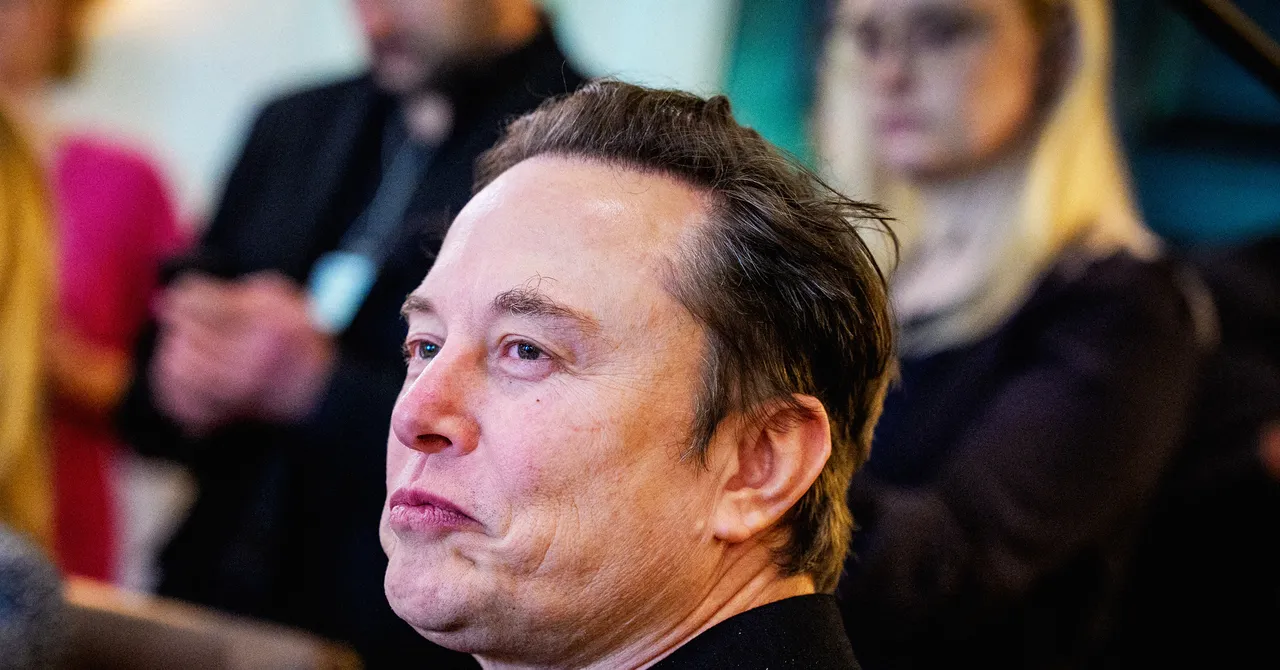
Elon Musk’s Grokipedia Sparks Controversy with Far-Right Rhetoric

In a bold move reflecting the fast-paced evolution of artificial intelligence (AI), Elon Musk’s xAI startup launched Grokipedia this week, an AI-driven alternative to the longstanding, crowdsourced encyclopedia Wikipedia. Musk’s vision appears to transcend mere information aggregation; instead, he aims to leverage advanced AI to create a “massive improvement,” aligned with the broader mission of xAI to unlock a deeper understanding of the universe. This initiative signals a profound shift in how knowledge might be curated, verified, and consumed—disrupting the very foundations of established digital information platforms.

From the outset, Grokipedia exemplifies *disruption fueled by high-stakes innovation*. Initial access hurdles and content flagged for potential propaganda reflect the intense challenges faced by revolutionary AI projects operating in a politically charged space. Once accessible, the platform was found to host lengthy, AI-generated entries, many of which diverged sharply from Wikipedia’s neutral tone. Instead, Grokipedia displayed a clear ideological slant—highlighting conservative viewpoints, critiquing mainstream narratives like The 1619 Project, and even perpetuating historical inaccuracies. Such content raises critical questions for the industry: can an AI truly deliver unbiased knowledge, or will it serve as a tool for ideological influence?

The implications of this development are significant for both *business innovation* and *industry dynamics.* As noted by tech analysts at Gartner and MIT’s Media Lab, the rise of AI-powered knowledge bases presents opportunities for emerging players to establish dominance by redefining credibility and engagement. However, this innovation also introduces risks—particularly the potential for such platforms to reinforce bias, spread misinformation, and even serve political agendas. For established giants like Google and Microsoft, the threat is clear: disruption in digital search and information delivery could shift power away from traditional search engines toward AI-centric ecosystems increasingly influenced by private enterprise visionaries like Musk.

Furthermore, the controversy surrounding Grokipedia exemplifies an industry-wide challenge: how can AI-powered knowledge platforms balance innovation with ethical responsibility? Content themes emerging from Grokipedia’s launch highlight potential for *market shifts*—notably, a move toward more polarized, ideologically driven information sources. For businesses and tech investors, this signals a crucial inflection point: those who harness AI to enhance transparency, integrity, and user engagement could command market leadership in the next era of digital information. Conversely, neglecting these pitfalls could see industry reputation and consumer trust erode quickly in the face of emerging competitors who leverage similar AI capabilities to influence public discourse.

As Elon Musk and others push the boundaries of AI’s potential, the coming years will be pivotal in shaping an information landscape that is more dynamic yet potentially more divided. Industry forecasters like Peter Thiel warn that rapid innovation must be paired with rigorous oversight to avoid pitfalls of misinformation and ideological bias. The rapid pace of AI-enabled disruption demands strategic agility—from startups to behemoth tech firms—to realize the transformative revenue and societal gains ahead. The future of knowledge is no longer static; it’s a battleground where innovation, ethics, and competitive advantage collide, urging stakeholders to act swiftly. The countdown is on—those who adapt first will dominate the next chapter of digital civilization, while others risk being left behind in the dust of obsolescence.

Trump pulls out of Canada trade talks after anti-tariff ad controversy

US and Canada at Crossroads: Trade Tensions Ignite a New Global Crisis

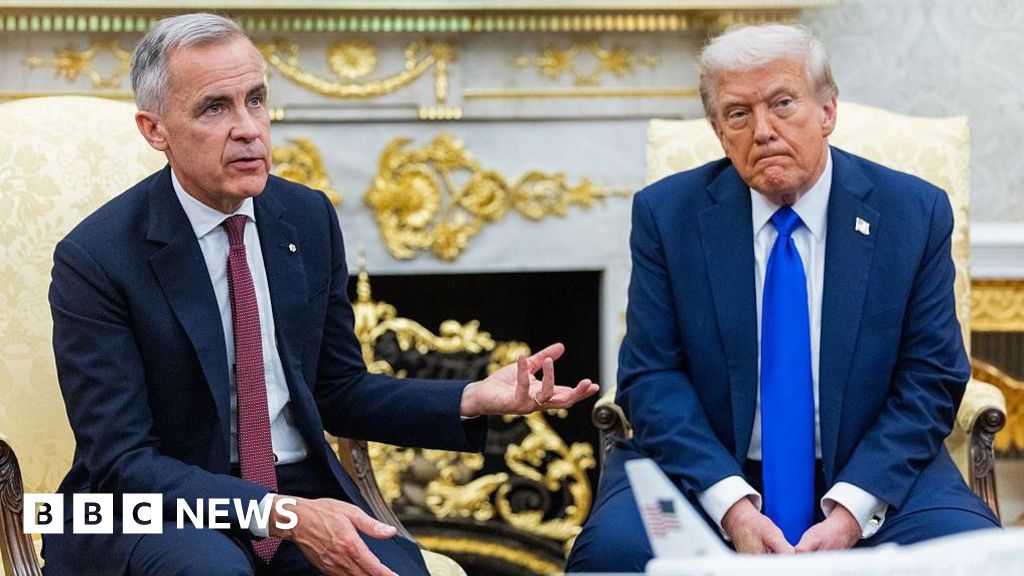
The fragile landscape of international trade has once again been rocked by a provocative move from President Donald Trump, who declared an immediate halt to all negotiations with Canada following a contentious advertisement campaign. The ad, sponsored by the government of the Canadian province of Ontario, utilized audio excerpts of Ronald Reagan’s 1987 address to underscore a stark warning: tariffs harm American workers and economic stability. Trump’s swift denunciation of the campaign as “FAKE” and “egregious” signals a worsening of already tense relations, casting a shadow over the broader North American economic framework. As trade negotiations die on the vine, the geopolitical how decisions affect nations and societies becomes unmistakably clear: a trade war on the rise threatens to destabilize not only regional stability but also the global balance of power.

Analysts highlight how these moves are part of a broader pattern of challenging traditional trade agreements. Prime Minister Mark Carney has been tirelessly seeking to forge a deal that would ease the impact of U.S. tariffs—particularly those targeting Canadian goods. Yet, Ontario’s Premier Doug Ford, a vociferous critic of Washington’s tariffs—imposing a 50% levy on metals and 25% on automobiles—has openly threatened to retaliate, even suggesting cutting off power supplies to the U.S. This political tension exemplifies how doorway policies influence how societies adapt to economic pressure. The White House’s sector-specific tariffs have caused significant job losses and shrinking industries in Ontario, illustrating the tangible damage inflicted on middle-class livelihoods when geopolitical decisions prioritize protectionism over free trade. Such conflicts threaten to escalate further, raising the specter of a full-scale trade war that analysts warn could lead to economic fallout reminiscent of the early 20th century’s protectionist era.

Meanwhile, international organizations and historians are scrutinizing this modern crisis through the lens of history, with some cautioning that Trump’s aggressive stance risks reigniting Cold War-era tensions. The United States Supreme Court’s upcoming decision on tariffs’ legality looms large in this evolving narrative, potentially forcing Washington to reimburse billions collected from tariffs—an outcome that could undermine Trump’s signature economic policies. The Ronald Reagan Foundation has condemned the Ontario government for mishandling Reagan’s speech by “selectively editing” his words to serve political ends. This contentious use of history underscores how decisions in this moment could redefine diplomatic norms, and whether the legacy of Reagan, a symbol of free enterprise, can be warped into a tool of modern protectionism.

As China’s embassy in Washington indicates with similar propaganda efforts, the strategic use of historical figures and economic rhetoric underscores a broader global contest—a contest for influence, sovereignty, and economic leadership. The mounting tensions threaten to fracture longstanding alliances, pushing societies toward a pivotal choice: embrace the chaos of protectionism or rally back to the principles of free trade that once fostered unprecedented prosperity. The forces shaping this story are still unfolding, but the weight of history reminds us that the decisions taken in this crucible of geopolitical tension will resonate for generations. In the crucible of power struggles and economic brinkmanship, the world stands at a threshold, teetering on the edge of a new, uncertain chapter in history—where the echoes of Reagan and the audacity of Trump collide amidst rising tides of nationalism and global uncertainty.

Ofcom rules broken? BBC Gaza doc sparks controversy among young conservatives

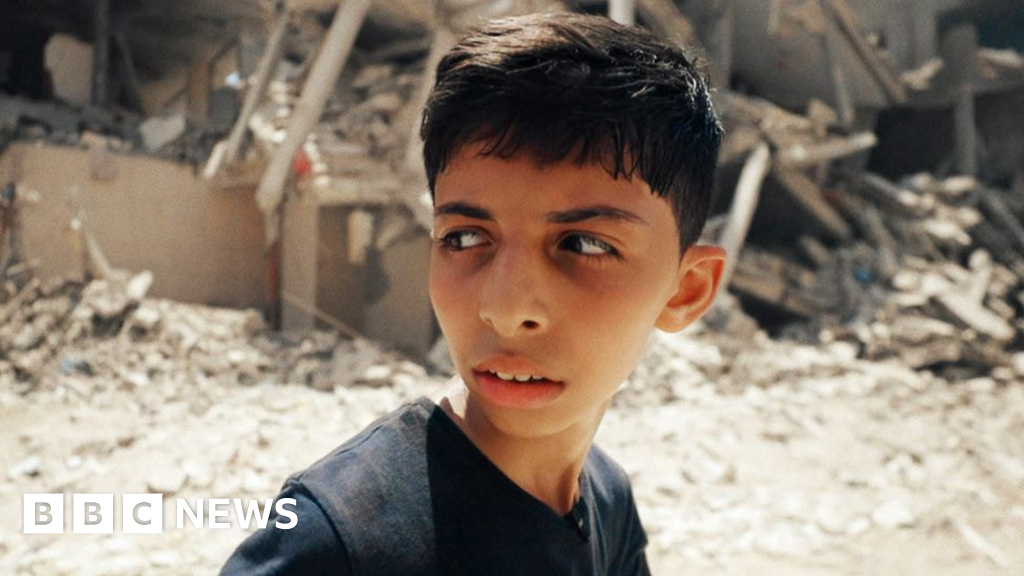
In the age of information, the struggle for truth often appears as a battleground not only of facts but also of moral authority and cultural integrity. The recent controversy surrounding the BBC’s documentary about Gaza underscores this profound reality. The revelation that the narrator was the son of a Hamas official—though ultimately uncovered after the program’s broadcast—fundamentally questions the responsibility of media to uphold transparency. As UK media regulator Ofcom declared, the broadcaster committed a “serious breach” by withholding this critical detail, a lapse that misled viewers. Herein lies a potent reminder that culture is inseparable from identity, tradition, and societal self-awareness. It acts as the repository of collective memory—our shared stories—and the prophecy of future pursuits.

Historically, the peril of concealment in the guise of neutrality is nothing new. As Tocqueville observed, democracy depends as much on the moral fabric of its institutions as on the formal structures of governance. Similarly, philosopher G.K. Chesterton championed the notion that society’s health hinges on a rooted understanding of tradition—values that provide stability amidst chaos. The failure of a reputable institution like the BBC to disclose a vital piece of information touches at the heart of this cultural fabric. It reveals how modern institutions, often caught in the currents of political correctness or ideological bias, risk reducing the complexity of truth to mere superficial narratives. This erosion of transparency and honesty feeds a cultural climate where relativity threatens the foundation of societal trust.

In reflecting on this, the words of T.S. Eliot resonate strongly: “The past is never dead; it’s not even past.” Culture is our memory—an ongoing dialogue between history and the present—and it conditions how we interpret and engage with our moral and national identities. The controversy surrounding the documentary can be viewed as a modern parable, warning of our collective tendency to obscure inconvenient truths under the guise of objective journalism. But truth remains the cornerstone of cultural integrity, which in turn sustains the moral fiber of society. Without it, we risk unraveling the sacred threads that connect us to our ancestors and our future.

The battle for authentic culture and truthful expression is ongoing, a song sung through the ages, echoing the voices of societal guardians and philosophers. It calls upon us to recognize that culture is not merely the ornamentation of society, but its very essence—a living memory and a prophetic voice. As the shadows of deception stretch across the landscape of modern media, it is our duty to uphold the integrity of that voice, for only then can we forge a future that remains grounded in the enduring truths of our human story. In this pursuit, may we never forget that culture is both the mirror of who we are and the torch guiding who we aspire to become.

Vivienne Westwood’s granddaughter calls out brand as Riyadh Fashion Week deal sparks controversy

Fashion’s Fight for Social Justice: The Vivienne Westwood Legacy in a Changing World

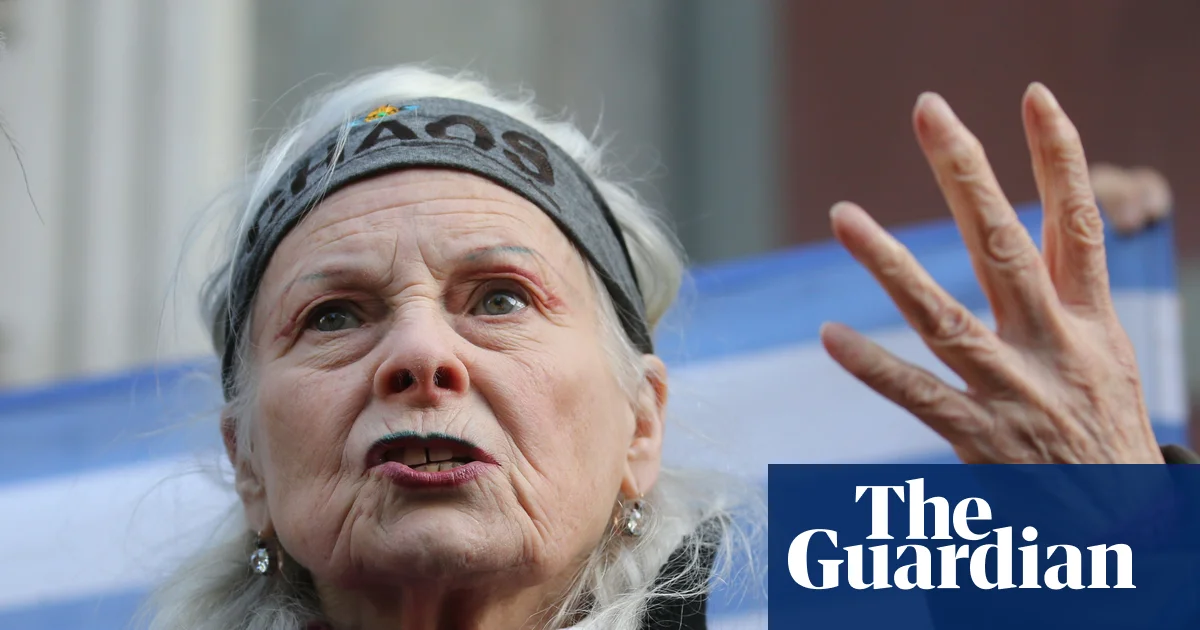
The recent decision by Vivienne Westwood’s brand to showcase in Riyadh fashion week has ignited a fierce debate about the delicate balance between artistic expression and social responsibility. While the brand insists that their presence in the Gulf state is meant to facilitate dialogue and understanding, critics—including the granddaughter, Cora Corré—argue that such moves undermine the very values Westwood championed during her lifetime. This controversy underscores a larger, cultural shift within the fashion industry: the tension between global commerce and social activism, especially when powerful brands become unintentional agents of geopolitical diplomacy.

At the heart of this debate is the cultural impact of celebrity and brand influence on social values. Westwood, known for her punk rock ethos and outspoken activism, used her platform to challenge injustice—campaigning against fracking and advocating for Julian Assange. Yet, her brand’s decision to participate in Saudi Arabia’s glitzy fashion scene raises questions about how much influence elite fashion has in shaping societal norms. Influencers, sociologists, and analysts suggest that this dichotomy between style and substance exposes a broader societal undercurrent: are these gestures of cultural exchange or silent endorsements of controversial regimes? The fact that Kate Moss recently appeared in a charity T-shirt—featuring vintage Westwood graphics—further complicates the narrative, blurring lines between activism, fashion, and commercial interests.

This move also awakens concerns about the social relevance of fashion—particularly in nations with documented human rights violations. Human Rights Watch has called Saudi Arabia’s record “abysmal,” citing brutal repression of dissent and the criminalization of LGBTQ+ individuals—who face fines, flogging, or imprisonment. Despite this, Saudi Arabia is aggressively cultivating a global image as a hub of luxury and entertainment, investing heavily in high-profile events and celebrity-driven spectacles. Critics argue that these efforts, often endorsed by iconic brands, serve as a fine veneer masking deep-rooted abuses—raising the key question: are we commodifying human rights issues, or are these cultural exchanges genuinely fostering change?

As the winds of change blow through fashion, the implications extend beyond style into societal narratives. The questions that remain are profound: does stepping into an oppressive society simply normalize its realities, or can it be a catalyst for progressive dialogue? The answer may depend on perspective, yet one thing is clear—how iconic brands leverage their influence could define the next era of cultural activism. With Stella McCartney being approached for comment and ongoing discussions about the true impact of such high-profile endorsements, the next big question may be: Will fashion continue as a tool for social change, or will it become merely a business of appearances—lost in the glamour and gloss of luxury?

Platform that triggered children's book controversy taken down
Platform that triggered children’s book controversy taken down

Controversy Sparks Concerns Over Youth Exposure to Inappropriate Content

Recent events surrounding a children’s book series have illuminated troubling shifts in our societal safeguards and raised alarms about the integrity of digital spaces frequented by our youth. The publisher Puffin and the author Cope found themselves embroiled in controversy when a website meant to host bonus content for a popular children’s series was overtaken by a third party. This unauthorized takeover led to the posting of explicit material at a time when these digital platforms are increasingly becoming the first point of engagement for young audiences.

Such breaches—where the erosion of age-appropriate barriers in online spaces is exploited—highlight the urgent need for stronger digital safety measures. According to Nominet, the UK registry service provider, the offending site was suspended as a breach of the Online Safety Act. The website’s original purpose was to complement the series’ narrative of cute animals engaging in problem-solving missions; instead, it inadvertently became a conduit for inappropriate content—prompting immediate action from authorities and the publisher. The incident underscores a critical societal challenge: the constant battle to keep our children’s digital environments safe, especially in a landscape where third-party invaders can easily hijack digital assets and exploit vulnerable audiences.

Educational and Family Impacts Emerge Amid Pure Content Contamination

The fallout from this incident reveals far-reaching consequences for families and educators. Schools and parents are confronting the unsettling possibility that children’s access to wholesome content may be compromised or manipulated. Puffin Books responded swiftly by pausing the sale and distribution of the series, advising educational institutions to remove the books temporarily and return borrowed copies. These actions reflect a broader societal concern: as cultural shifts blur the lines between safe content and harmful material, safeguarding the formative minds of our youth remains an uphill battle.

Sociologists like Dr. Abigail Morgan warn that such disruptions threaten to destabilize the trust parents place in digital and educational institutions. The incident exposes a gap in protection for the most impressionable members of society—a gap that requires urgent attention to prevent similar breaches and foster resilient, ethical digital environments. The challenge now extends beyond mere content filtering; it necessitates a cultural shift towards greater digital responsibility and accountability among content providers, tech companies, and regulatory bodies alike.

Society’s Path Forward: Balancing Freedom, Protection, and Moral Responsibility

Ultimately, this controversy underscores a vital societal dilemma: how can a society grounded in virtue and moral responsibility ensure that its youngest members are shielded from harm while still promoting free access to knowledge and creativity? Historians and social commentators acknowledge that family integrity and educational ethos must evolve in tandem with technological advancement. The challenge is to create a culture of vigilance that empowers families, educators, and communities to safeguard the moral fabric that underpins a healthy society.

  • Implementing stricter age verification protocols online
  • Enhancing collaboration between regulatory agencies and digital platforms
  • Promoting media literacy education to empower families and children
  • Fostering a moral framework that values protection without censorship

As society grapples with these complex issues, there remains a fragile yet resilient hope: that through collective effort, accountability, and moral clarity, we can mend the broken threads of trust and security woven into our social fabric. The challenge calls for more than technical fixes; it demands a cultural renaissance—an awakening that prioritizes the nurturing of virtuous communities where our children can flourish free from the shadows of exploitation and moral decay. Society stands at a crossroads, but with unwavering resolve, there exists the possibility to forge a future where innocence is protected, and virtue restored.

MrBeast Stirs Controversy After Trapping Man in Burning Building for $500K Prize — Is It Just a Stunt or Crossed the Line?

In recent years, content creators like MrBeast have revolutionized the digital landscape, blending entertainment with daring risk-taking to carve out massive audiences. With over 440 million subscribers, MrBeast—whose real name is Jimmy Donaldson—has become one of the highest-paid and most influential YouTubers worldwide. His latest stunt video, “Would You Risk Dying for $500,000”, showcases his signature style: a heart-pumping spectacle where a professional stuntman attempts to escape a burning building while collecting bags of cash. This dramatic display of sheer audacity has surged past 45 million views, fueling discussions about safety, responsibility, and the evolution of modern entertainment.

The allure of MrBeast’s content transcends mere spectacle. It embodies the *shift towards experiential and adrenaline-fueled entertainment*, especially among younger viewers eager for intensity and authenticity. The producer’s ability to merge risk with reward taps into a fundamental human desire for challenge and adventure. Critics note that such content, although highly produced and seemingly reckless, involves careful planning—professional stuntmen, advanced safety measures like proper ventilation, fire suppression systems, and a dedicated crew of specialists ensure that the spectacle remains just that: a spectacle, not a tragedy. MrBeast’s assertion, “I take safety more serious than you could ever imagine,” underscores a responsible approach, even as the viral clip stirs debate about the boundaries of entertainment.

However, the conversation surrounding these viral videos is not solely about safety; it’s about the cultural role of risk in entertainment. Influential author and wellness expert Dr. Kelly McGonigal often emphasizes the benefits of controlled risk for personal growth and resilience. She suggests that *embracing calculated challenges* can foster a sense of achievement and self-confidence, especially for the youth who look up to these risk-takers as symbols of bravery and perseverance. MrBeast’s stunt, despite its controversial nature, exemplifies a modern spectacle where achievement is rewarded, not just through monetary gains but through the thrill of overcoming adversity. For many viewers, such moments serve as an inspiration to confront their own fears and pursue grit—values rooted firmly in traditional notions of personal strength and self-reliance.

  • Travel tip: Seek out adventure destinations that combine adrenaline activities with cultural immersion—like zip-lining in Costa Rica or mountaineering in the Himalayas—where safety precautions are paramount, and experience fuels growth.
  • Lifestyle hack: Balance high-intensity pursuits with holistic wellness practices, such as meditation and nutrition, to sustain both body and mind on your journey of self-discovery.
  • Main takeaway: Modern entertainment, whether in digital videos or real-world adventures, challenges us to step beyond comfort zones while respecting essential safety boundaries.

As we observe these daring displays and media personalities pushing the limits, it becomes clear that lifestyle is ultimately a journey—an ongoing pursuit of *embracing challenge, fostering resilience, and inspiring the individual to realize their potential*. The narratives spun by creators like MrBeast serve as a reminder that life’s true adventure lies not in avoiding risk but in mastering it responsibly. When safety and courage work hand-in-hand, they open pathways to personal growth that can ripple through every facet of life—driving us to face fears, pursue passions, and forge a future where our aspirations are limited only by our willingness to dare. In this era of rapid change, the call for youth is clear: dare to challenge, but always with respect for the journey and the risks involved. That is the essence of living fully in an age of endless possibilities.

Anti-ICE rhetoric sparks controversy over ammo after Dallas shooting kills detainee

United States continues to grapple with a troubling surge of politically motivated violence targeting Immigration and Customs Enforcement (ICE) facilities, highlighting the profound, destabilizing effects of rhetoric on societal security. Today’s attack in Dallas, Texas, marks yet another grim chapter in this disturbing pattern. A rooftop sniper, driven by ideological motives, opened fire at an ICE office—an action that underscores rising tensions within the country’s polarized political landscape. The incident resulted in the death of one detainee and critically injured two others, deeply unsettling a nation already divided over immigration policies and immigration enforcement tactics.

The attack was characterized by law enforcement officials as an act of targeted violence. FBI Director Kash Patel revealed that the gunfire was accompanied by anti-ICE messages, with ammunition casings bearing the phrase “ANTI-ICE.” While initial reports mistakenly indicated multiple fatalities, the current official account confirms that the shooter died from a self-inflicted gunshot. This incident is part of a broader escalation in violence against federal agencies, fueled by relentless political rhetoric that equates ICE with oppressive regimes, such as the Nazi Gestapo, as publicly condemned by **Homeland Security Secretary Kristi Noem**. Such narratives, analysts warn, dangerously blur the lines between lawful opposition and violent extremism, threatening the stability of the nation’s law enforcement apparatus.

Experts and international observers are warning that these attacks are not isolated acts but symptoms of a deeper social fracture that politicians and media personalities have exacerbated through inflammatory language. The Department of Homeland Security has indicated that the shooter’s actions were ideologically motivated, reflecting a broader climate of polarization and radicalization. Previous incidents include shootings at ICE offices in Texas—San Antonio and Alvarado—where no injuries occurred, yet the constant barrage of threats and violence continue. How nations respond to this trend will significantly shape their societal cohesion and their capacity to uphold law and order as they navigate the complexities of immigration, security, and political discourse.

Across the political spectrum, voices such as **Texas Senator Ted Cruz** and **Governor Greg Abbott** emphasize that violence and threats against law enforcement threaten to undermine national stability. Cruz urged the public to resist demonizing political opponents, warning that such divisive rhetoric has tangible, deadly consequences. Meanwhile, the incident in Dallas reignites debates over the impact of political rhetoric, with lawmakers warning that pre-election hostility could erupt into further violence, destabilizing already fragile social fabrics. International organizations and security analysts emphasize the importance of addressing these attacks promptly, warning that the erosion of civility and respect is a precursor to a more dangerous descent into societal chaos.

As the weight of this violence accumulates, the country faces a pivotal moment where the choices made today could echo through generations. The ongoing saga of escalating attacks, hateful rhetoric, and ideological extremism threatens to redefine the landscape of domestic stability and international credibility. With each shot fired, history records a stark reminder: the battlefield of ideas has become a battleground of blood. The unfolding story in Dallas— and beyond—serves as both a warning and a call to action. How the United States chooses to confront this modern scourge will determine whether it remains a beacon of liberty or descends further into chaos, a nation haunted by the shadows of its own division, teetering on the edge of a precipice from which there may be no return.

Love Island’s Lucinda Strafford’s Au Vodka TikTok ad cut amid controversy

In an era where popular culture intertwines effortlessly with the fabric of societal influence, the recent controversy surrounding the promotion of Au Vodka by former Love Island contestant Lucinda Strafford exemplifies the persistent tension between freedom, responsibility, and the moral fabric that underpins our social contract. Her social media post, which depicted her filling a lavish gold vending machine with cans of the aforementioned vodka, was recently banned by the Advertising Standards Authority (ASA) for targeting audiences under the age of eighteen—an unequivocal breach of UK advertising laws. This incident underscores how culture acts as both mirror and message: it reflects societal values, but also pressures us to navigate them conscientiously.

The core of this debate hinges on culture’s role as a vessel of identity and societal cohesion. Historically, philosophies like Ortega y Gasset’s notion of “the revolt of the masses” warn us about the perils of superficial mimicry and the erosion of cultural standards. In our contemporary landscape, advertisers like AU Vodka appear to blur the lines deliberately, packaging their product with youthful allure—embodying a symbolism that extensions of *progressive marketing* seem to chase blindly. Yet, in striking contrast to the libertarian echoes of Chesterton’s assertion that “the true object of freedom is to give the individual room to flourish,” authorities recognize that unchecked marketing to impressionable youths damages societal struktures rooted in tradition and the shared moral fabric.

This tension is compounded by the digital age’s unique challenges. TikTok, with its ever-transforming algorithms, flattens the boundaries of age-appropriate exposure, making it all the more urgent for society to safeguard the innocence of its young. The ASA’s investigation revealed that Strafford’s followers’ demographics were uncertain; they couldn’t confirm whether minors were actively engaging with her content. As Tocqueville warned about the “tyranny of the majority,” the unchecked proliferation of youth-oriented content risks shaping a culture that venerates immediacy over truth, sensation over moral purpose. Such a milieu demands a vigilant preservation of societal values that anchor us to our shared tradition—values that serve as moral compass points amid the shifting tides of modernity.

In the quiet depths of our cultural memory, there lies a prophecy—an inheritance handed down through generations, whispering that what we nurture now will shape the society of tomorrow. Like T.S. Eliot’s concept of a tradition “being the memory of humanity,” our collective cultural output must balance responsibility with aspiration. As our ancestors looked to art, philosophy, and history to craft a resilient moral foundation, so too must we, in this moment of cultural reflexivity, cherish the enduring power of tradition—not as a static relic but as a vital, guiding current. In this dance of memory and prophecy, culture stands as both the chronicles of what has been and the blueprint of what may still become, beckoning us to ensure that our shared human story moves forward with integrity and purpose, echoing into eternity’s horizon with the lyrical promise that humanity’s destiny is written not only in history but also in the sacred language of its enduring culture.

Social Media Auto Publish Powered By : XYZScripts.com