Matox News

Truth Over Trends, always!

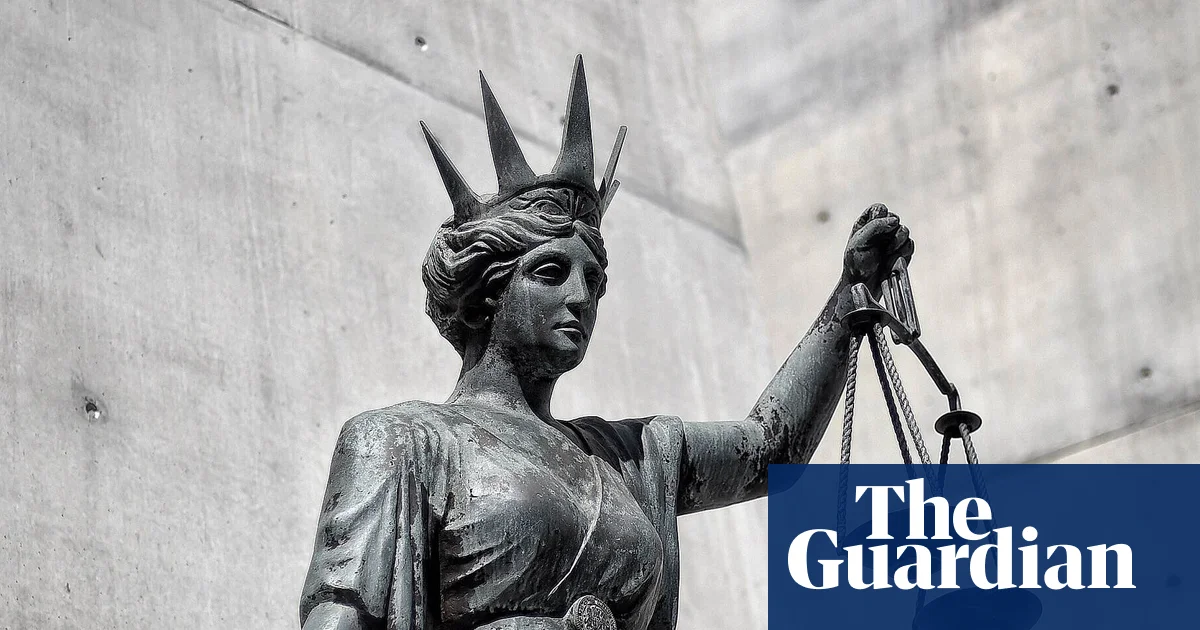
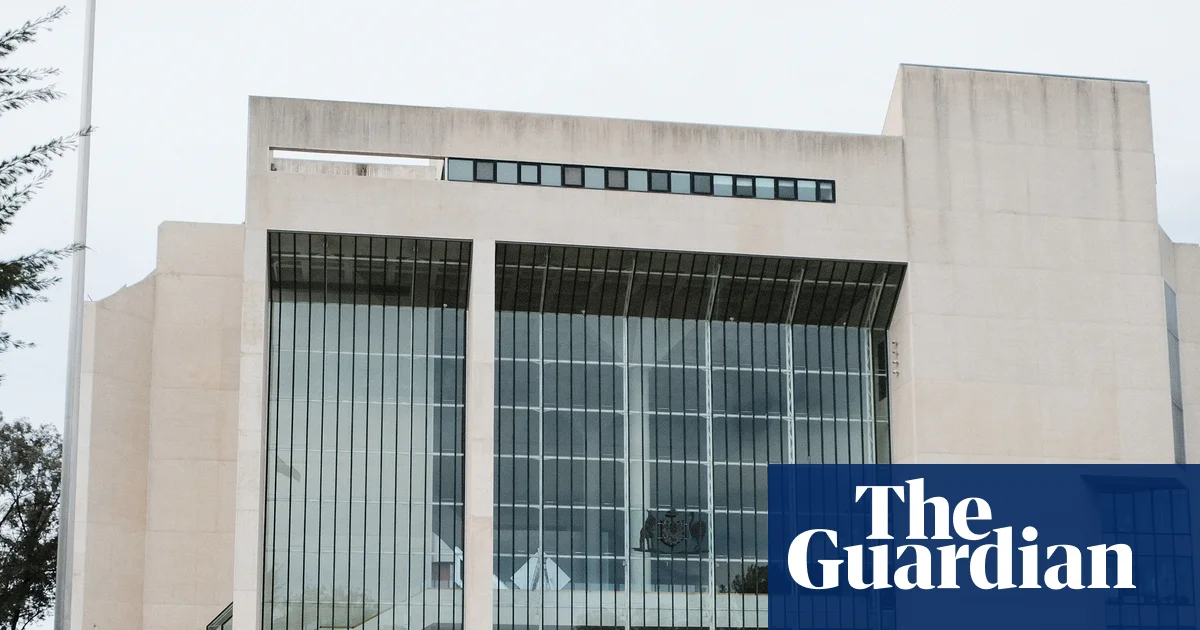
High Court Reverses Curfews, Ankle Monitors for 43 Former Detainees

Australia’s Immigration Detention Measures Under Legal Siege

The Australians government is locked in a fierce legal battle over its controversial immigration detention policies, with landmark rulings from the High Court of Australia delivering significant blows to what many critics have labeled as draconian laws. The recent judgment, handed down in November 2024, invalidated the government’s preventative detention regime—a policy aimed at restricting the freedom of certain detainees through ankle monitoring and curfews. This particular regime was initially enacted in late 2023, after the High Court had previously declared indefinite detention unconstitutional, forcing the authorities to release hundreds of detainees, including refugees and stateless persons, who could not be deported.

Legal Challenges and Political Repercussions

The court’s decision was rooted in constitutional principles, with Chief Justice Stephen Gageler and a majority of Justices emphasizing that the law’s justification of community protection was insufficiently compelling to warrant ongoing monitoring of individuals without exceptional circumstances—such as preventing a terrorist attack. Justice Michelle Gordon explicitly noted that under amendments made in November 2024, laws allowing ankle bracelets and curfews lacked constitutional validity. This ruling has directly impacted at least 43 individuals, who now will no longer be subjected to electronic monitoring but instead must report regularly to authorities—a move that critics say undermines the government’s claims of enhanced security.

The ruling comes amid intense political debate. Home Affairs Minister Tony Burke expressed gratitude for a $2.5 billion deal with Nauru aimed at offshoring the problem, suggesting that “the best thing for people who have had their visa cancelled is to not be in this country.” This arrangement allows the government to apply for 30-year visas for those deported to Nauru—an island that has become a focal point of Australia’s offshore detention policy. Critics, including international human rights groups, argue that such policies perpetuate injustice and ignore Australia’s obligations under international law, especially concerning the treatment of detainees and asylum seekers.

Geopolitical and Societal Impact

The impact of these legal proceedings extends beyond the courtroom, affecting the geopolitical landscape. By offshoring detainees and implementing harsh measures, Australia aims to project strength and deterrence on the global stage; yet, critics suggest this approach damages the nation’s moral authority. International organizations and historians have warned that such policies risk creating a legacy of trauma and injustice. The turning point here signals a broader contest over sovereignty, human rights, and the rule of law, with Australian society caught between national security anxieties and constitutional protections.

Analysts observe that the court’s decision underscores a vital principle: that government authorities do not hold unchecked power to punish or monitor individuals,” a reminder that constitutional oversight remains a bastion against populist excess. The opposition has vowed to draft new legislation to replace the invalidated laws, but critics warn that without fundamental reform, Australia’s approach to immigration and detention risks descending into a cycle of punitive measures that challenge basic human rights and international norms. As officials grapple with these complex legal and moral questions, the weight of history hangs over their decisions, shaping the future of Australia’s identity as a nation committed to fairness yet plagued by political expediency.

The Future Unfolds in the Shadow of Justice

As the nation wrestles with these judicial rulings, the international community watches with keen interest. The outcome will inevitably influence Australia’s global reputation—either reaffirming its commitment to the rule of law or exposing it to accusations of systemic injustice. History suggests that such struggles are rarely resolved quickly; instead, they spark profound debates about sovereignty, security, and the moral fabric of society. The unfolding of this legal saga signifies not just a clash within Australia, but a chapter in the ongoing contest over how governments exercise authority in an age of uncertainty. The weights of justice serve as both shield and stern reminder: in the crucible of national identity, the decisions made today will echo through the corridors of history, shaping what Australia is to become in the long shadow of these pivotal judgements.

Belgian Court Opens Path to Justice in 1961 Congo PM Lumumba’s Murder

Echoes of Power: The Unfolding Legacy of a 93-Year-Old Diplomats’ Alleged Role in a Pivotal Assassination

In a development that has revitalized debates on transnational diplomacy and the lingering shadow of colonial-era conflicts, Etienne Davignon, a venerable 93-year-old ex-diplomat, faces serious accusations linked to the assassination of a revered independence hero. While decades have passed since those turbulent times, recent disclosures threaten to unravel long-held narratives, prompting analysts and history scholars to reexamine the geopolitical architecture that defined and, in some cases, secretively shaped the destinies of nations.

Historically, Europe and international institutions have often operated behind closed doors, navigating complex alliances and conflicts. Despite his age, the allegations against Davignon underscore a controversial truth: the machinery of diplomacy sometimes entailed shadowy dealings that impacted the course of independence struggles across continents. Such accusations inevitably stir questions about how much influence individual actors wielded in decisions that would resonate through generations. According to prominent historical analysts and reports by International Criminal Court officials, the accusations rest upon supposed secret communications and covert operations aimed at destabilizing the independence movement, revealing a darker facet of diplomatic conduct during the era.

Geopolitical Impact and Societal Reverberations

The implications of these allegations extend far beyond individual responsibility. If proven true, they could redefine the historic narrative of sovereignty and external influence. The accused’s involvement might confirm fears that powerful nations and their representatives manipulated regional conflicts, prioritizing strategic interests over genuine independence. This threatens to rekindle debates on the morality of realpolitik and the extent to which imperial powers compromised the sovereignty of nascent nations. Furthermore, these revelations have already caused ripples in international institutions dedicated to safeguarding human rights and historical transparency, challenging their neutrality and prompting calls for a reassessment of past diplomatic secrecy.

Several key events now aggregate around the debate:

  • Revelations about alleged covert operations targeting independence leaders
  • Increased scrutiny on European diplomatic archives
  • Calls for accountability from intergovernmental bodies
  • Growing discontent among nations seeking to uncover the truth about foreign influence

Notably, many experts argue that these developments reflect a critical turning point in international accountability. As nations demand transparency, some analysts, like Professor Helena Schmidt of the European Institute of History, warn that uncovering historical truths might unearth uncomfortable realities about the true cost of independence. Such disclosures could serve as a catalyst for a broader reassessment of diplomatic ethics, forcing the global community to confront the shadows lurking behind historic treaties and agreements. The potential consequences for contemporary diplomacy are profound: trust in international processes could be shaken, and new demands for oversight might emerge.

The Fight for the Future

As the saga continues to unfold, the balance of power and morality remains at stake. Nations and citizens alike are watching closely, realizing that decisions made decades ago continue to shape present-day geopolitics and societal structures. The weight of history presses heavily: are we merely uncovering the past, or are we rekindling conflicts that threaten to redefine regional and global order? History’s shadows are long, and their lessons, if heeded, could forge a new path — or trap us in old, unresolved struggles.

In the end, the story of Davignon and the alleged conspiracy becomes more than a single case; it embodies the ongoing dialogue of justice, sovereignty, and international morality. The world stands at a precipice, gazing into the depths of its own past, daring to ask whether the pages of history are truly closed or if they are, in fact, waiting to be rewritten under the watchful eyes of an uncertain future. As the echoes of this political drama resonate across continents, history continues to be written — one revelation at a time — leaving humanity to grapple with the enduring legacy of its choices.

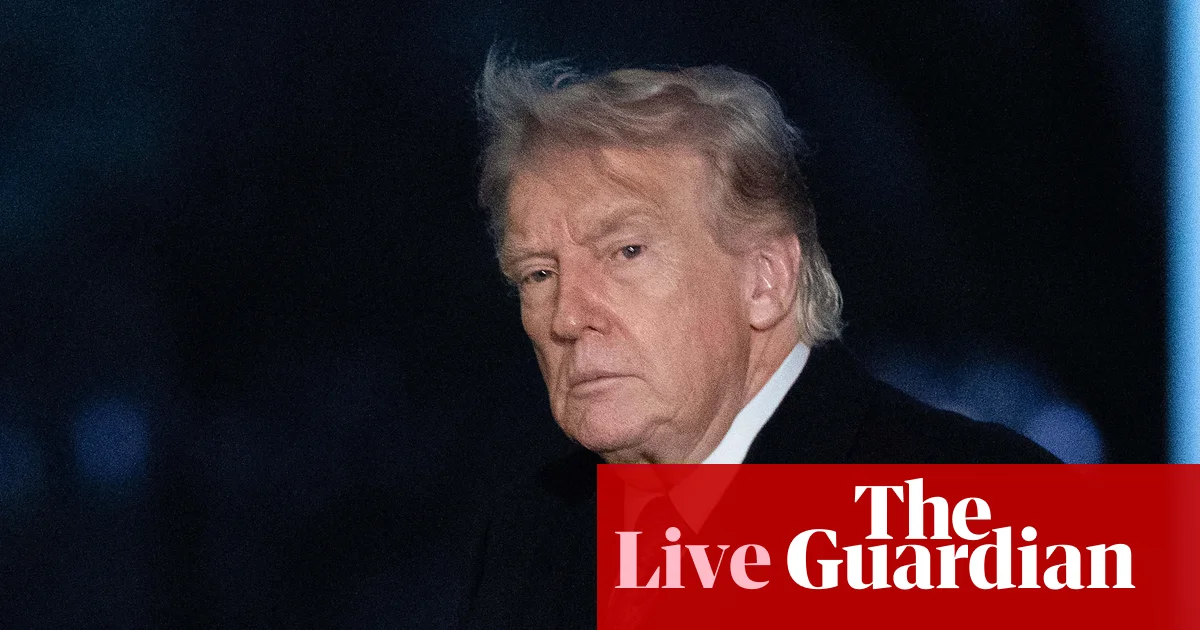
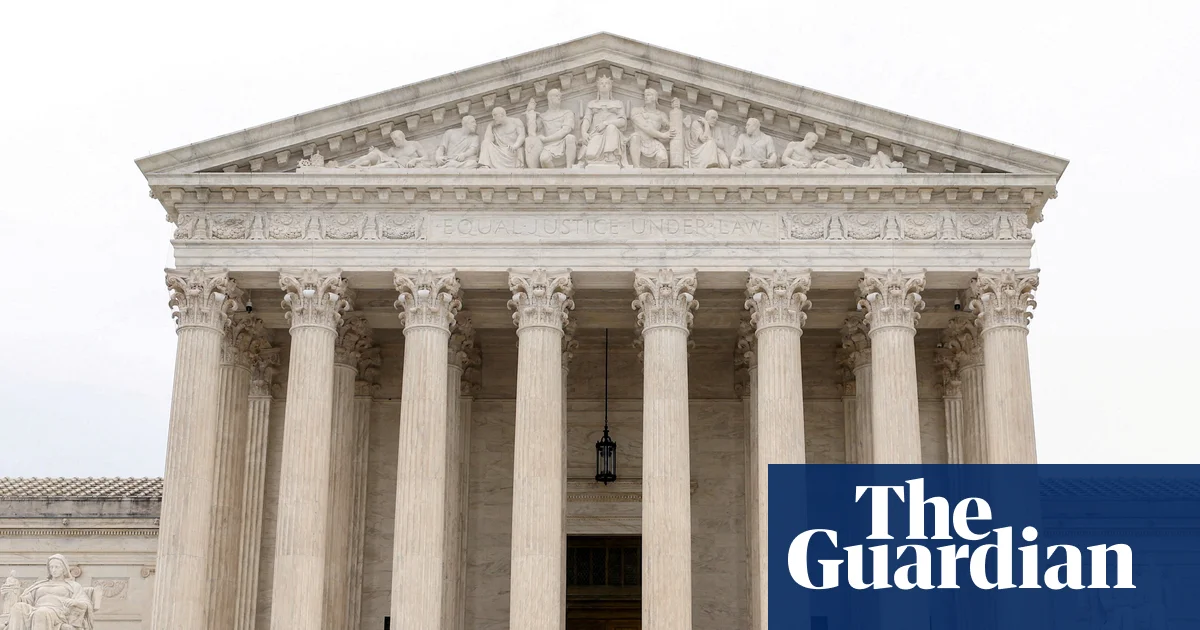
Trump slams Supreme Court on tariffs in late-night social media blast—US politics update

Global Implications Unfold as Donald Trump Challenges Judicial Limits on Tariffs

In an aggressive display of executive assertion, Donald Trump publicly decried the recent Supreme Court ruling which deemed many tariffs imposed during his administration illegal. This confrontation inside the United States highlights a broader geopolitical struggle over economic sovereignty and international trade authority. Trump’s declaration that he possesses the “absolute right” to impose tariffs by alternative legal means underscores a potent assertion of presidential power, capable of unsettling the delicate balance of American constitutional and international law.

Historically, these disputes trace back to vital debates on the limits of executive authority in commerce and crises. Experts like constitutional law scholars note that Trump’s accusations—claiming the judiciary has “unnecessarily RANSACKED” the nation—are more than personal grievances; they reflect a rising trend among nationalists advocating for unrestricted economic sovereignty. International organizations such as the World Trade Organization have warned that such bold assertions could threaten the global trade order, especially in the context of ongoing contentions with China and European countries. As analysts argue, the independent judiciary has acted as a crucial check on presidential overreach, yet Trump’s rhetoric signals a potential shift toward executive dominance over international trade rules.

Recent U.S. government responses—including reinstating tariffs under different statutes—signal an intent to preserve leverage in global markets. The administration’s swift implementation of 10% tariffs under *Section 122 of the 1974 Trade Act* reveals an effort to navigate around judicial setbacks, yet these are only temporary, set to expire in July. Meanwhile, US officials are investigating for new, permanent tariffs, signaling that economic warfare remains a central aspect of America’s geopolitical tactics. The strategic resonance of these moves is felt across continents: as the U.S. flexes its economic muscles, allies and rivals alike brace for the ripple effects of a nation reasserting its tariff sovereignty amidst rising international tensions.

Adding to the global stakes is the Trump administration’s posture toward China and Iran. His hinted delay of a summit with Xi Jinping over the Iran conflict illustrates how domestic legal challenges ripple outward, potentially delaying diplomatic initiatives with major powers. International observers, including European diplomats and think tanks like the International Crisis Group, note that such delays complicate ongoing efforts to stabilize the Middle East and confront regional threats. The intertwining of domestic legal disputes with international diplomacy illuminates the profound turning point in how national leaders exercise power—posing questions about the future of international legality versus unilateral executive action. As the weight of history presses upon this moment, the world watches, knowing that these decisions will echo in geopolitics for decades, shaping alliances, sovereignty, and stability in uncertain times.

Nicolas Sarkozy Faces New Court Battle Over Libya Funding Scandal

The ongoing legal battles surrounding Nicolas Sarkozy, the former French president, embody a critical chapter in the intertwined narratives of politics, justice, and international influence. As Sarkozy prepares for his second trial on charges related to alleged illegal campaign funding from the regime of Muammar Gaddafi, the implications extend well beyond domestic French affairs. These events serve as a stark reminder of how international clandestine dealings can shape the political landscape and influence foreign policy, with reverberations that challenge the integrity of democratic institutions.

The first conviction of Sarkozy last year marked a historical milestone—it made him the first former EU leader to serve time behind bars. This unprecedented situation underscores a broader decline of impunity once thought protected by political stature. The case revolves around allegations that, during his tenure as interior minister and later as president, Sarkozy conspired to secure campaign funding from the Libyan dictator—a figure notorious for his human rights abuses and connections to terrorism, including the 1988 Pan Am bombing. Prosecutors contend that Sarkozy’s deal with Gaddafi involved exchanging campaign funds for diplomatic favors, supporting Libya’s international isolation’s reversal, and rehabilitating Gaddafi’s tarnished image—a move that in a geopolitical sense, significantly shifted Libya’s diplomatic trajectory, with enduring consequences for regional stability.

Such accusations reveal pivotal how leadership decisions and covert international arrangements can destabilize societies and distort the course of justice. Scholars and analysts note that Sarkozy’s actions—aimed at boosting his political career—also served to realign Libya’s global standing, effectively allowing Gaddafi to re-enter diplomatic channels that had been shuttered for decades. The geopolitical impact is profound; Libyan society, scarred by decades of dictatorship and ongoing turmoil, was temporarily manipulated for the internal political gains of a foreign leader. These events highlight the Erasure of moral boundaries in pursuit of personal and national interests, moving beyond simplistic notions of sovereignty into a realm where international power politics overshadowed justice.

As the international community watches this case unfold, the narrative becomes an allegory for the broader erosion of ethical standards in global diplomacy. The upcoming trial—which could see Sarkozy face up to ten years in prison—symbolizes a potential turning point where accountability begins to challenge the legacy of covert dealings and international manipulation. Nonetheless, the case also showcases the darker side of geopolitics: how a leader’s personal ambition can entangle nations in a web of clandestine diplomacy, ultimately destabilizing the postwar order and exposing the shadowy underbelly of power. Will justice prevail or will these historic accusations fade amid the chaos of international politics? The decision rests not only on a court in Paris but also on the global conscience, as the story of Sarkozy and Gaddafi leaves a haunting imprint on history’s ledger—a story still waiting to be fully written.

Watching Parents Face Zuckerberg in Court: A Raw Moment of Loss and Justice

Innovative Risks and Disruption Emerge as Major Social Platforms Face Legal Scrutiny

The ongoing legal battle in Los Angeles is shedding light on the profound disruption caused by big tech giants such as Meta and YouTube over their role in fostering a digital environment linked to mental health crises among youth. As Kaley’s case—a 20-year-old woman claiming platform-induced harm—enters deliberation, this landmark trial underscores the dangerous intersection of innovation, regulation, and societal wellbeing. It signals a potential paradigm shift, where the business models of the so-called big social media companies, based largely on engagement-driven algorithms, could face transformative liability, prompting profound industry disruption and strategic overhaul.

Attorneys for Kaley argue that platforms have deliberately engineered their products with addictive features, jeopardizing mental health, particularly among adolescents. Internal documents, unveiled during proceedings, reveal that Meta and Google’s product design choices sometimes prioritized user engagement over safety, even as executives grappled with the negative consequences. This controversy echoes warnings from industry analysts at Gartner and academic institutions like MIT, which have long emphasized that disruptive innovation in social media must now reckon with the heightened risks of harm and regulatory crackdowns. If courts find these companies negligent, the financial and legal implications could escalate, forcing them to deposit massive funds into safety initiatives, or face significant restrictions on their core business practices.

Legal implications threaten the core architecture of social media

  • Section 230—the legal shield protecting tech giants—faces renewed scrutiny; courts are now considering whether its protections should apply to product features intentionally designed to foster addiction.
  • Major companies deny negligence, emphasizing their commitment to teen safety and asserting that user-generated content is shielded under existing law. However, the disruption is palpable: a wave of lawsuits claiming product liability could force the industry to reengineer its algorithms and moderation practices, possibly turning profit models on their head.
  • Witnesses, including former employees and industry experts, reveal that internal debates over presentation features—like body-altering filters or engagement-boosting notifications—highlight an emerging reckoning with product design ethics and business risks. Such disclosures threaten to accelerate innovative compliance—including AI-driven moderation and real-time safety algorithms—while raising the specter of regulatory intervention.

Business disruption and the future of online safety

This case aims to recalibrate the business implications of social media innovation. Industry leaders like Elon Musk and Peter Thiel have warned that the pursuit of disruption—by prioritizing user engagement without regard for societal consequences—may now face rigorous legal and regulatory costs. The court’s consideration of negligence could set a precedent compelling companies to internalize the true costs of safety, shifting from a model driven solely by advertising revenue to one incorporating product responsibility and accountability.

As juries deliberate, business disruption could accelerate: a wave of disruptive innovation in AI moderation, content verification, and user safety protocols may be on the horizon, demanding a swift strategic pivot. Companies will need to embrace ethical AI design and transparent product features, lest they face escalating liabilities, investor skepticism, and regulatory intervention. The need for proactive innovation in digital safety is now urgent, with the potential to redefine the foundation of social platforms and protect future generations.

Looking Ahead: Urgency for Innovation and Regulation

The unfolding trial exemplifies a crisis of innovation—where unchecked disruption has led to profound societal harm. The industry must urgently transition toward a safety-first paradigm, integrating emerging technologies that anticipate and mitigate risks before harm occurs. Failure to do so risks not only litigation but a regulatory crackdown that could stifle the very innovation that once promised to revolutionize communication and information sharing. The message from courts, law, and society is clear: innovation must serve the public interest or face the consequences.

In the near future, the social media industry’s capacity to innovate responsibly will be pivotal. The lessons from this case could open the door to a new era of accountability, where disruptive technologies are balanced with societal safeguards. The urgency to adapt and **disrupt responsibly** has never been greater—because the future of digital innovation hinges on whether industry leaders will prioritize societal safety or risk being overrun by punitive laws and public backlash.

Trump officials launch effort to restore tariffs after Supreme Court ruling

In a decisive move that signals a staunch commitment to safeguarding American economic interests, the United States under the Trump administration has launched a new trade investigation targeting manufacturing practices abroad. This initiative, initiated under Section 301 of the Trade Act of 1974, aims to reassess foreign imports and could pave the way for the reintroduction of tariffs — a tool previously deemed unconstitutional by the Supreme Court earlier this year. The administration’s clear message underscores a broader strategy to counterbalance what it perceives as unfair foreign trade advantages, especially from China and a host of other major global players, including the European Union, Japan, and India.

The renewed push for tariffs comes amidst a landscape of heightened geopolitical tensions and economic uncertainties. With the global economy still reeling from the past year’s volatility, the move could threaten to destabilize existing trade frameworks. As analysts warn, the revival of tariffs might spark a new wave of international retaliation and economic discontent. The administration’s focus on foreign subsidies, labor suppression, and persistent trade surpluses signifies a strategic emphasis on eradicating domestic unfair competition. Historically, similar policies have ignited trade conflicts that ripple through economies, affecting supply chains, consumer prices, and diplomatic relations. Experts from organizations such as the World Trade Organization observe that such aggressive tactics may ultimately undermine international cooperation — and, by extension, global stability.

Furthermore, this initiative is set against the broader geopolitical matrix shaped by ongoing conflicts and alliances. The Iran crisis, with its potential to escalate, overlays the economic maneuvering, as the U.S. seeks to leverage trade policies to assert dominance in the Middle East and beyond. Meanwhile, the impending midterm elections serve as a political catalyst, with Democrats framing tariffs as a betrayal to American consumers and workers, promising refunds and economic relief. How this tug-of-war plays out could define the trajectory of U.S. foreign policy and influence the global balance of power for years to come.

  • The investigation will consider foreign countries’ excess industrial capacity and government backing that distort market fairness.
  • It targets nations like China, South Korea, and Vietnam, scrutinizing trade surpluses, subsidies, and wage suppression.
  • The policy also introduces a section 301 investigation aimed at banning imports produced under forced labor conditions.

Such measures reflect a calculated effort by the Trump administration to reshape the landscape of international commerce, seeking to reclaim lost revenues and enforce a tough stance on globalization. Historians and trade analysts caution that in the pursuit of protecting American jobs, unintended consequences could include a trade war that might threaten to unravel the very economic stability they aim to preserve. The timeline remains tight, with tariffs set to rise again, and the political stakes high, as both domestic and international audiences watch closely. The weight of history — and the future — hangs in the balance, as the world braces for a new chapter defined by fiercely contested economic sovereignty and the relentless pursuit of national advantage, leaving the global order still teetering on the edge of transformation.

Jess Phillips supports jury bill amid her fight against court delays impacting women and girls

United Kingdom is currently embroiled in a heated debate over proposed reforms to its legal system, exposing broader geopolitical implications regarding justice, governance, and social trust. The contentious courts and tribunals bill, championed by Justice Secretary David Lammy, aims to streamline judicial proceedings by limiting jury trials in favor of judge-only hearings for certain cases. While proponents argue that these measures are essential to reduce an overwhelmed crown court backlog, critics warn they threaten fairness and undermine public confidence—a critical issue at a time when Britain’s international reputation rests on its perceived rule of law.

At the heart of the debate lies a pressing concern: the backlog of cases, which now exceeds 80,000, threatening to delay justice for years—some potentially until 2030. Labour MP Jess Phillips, a vocal critic of the bill, pointed out the serious consequences for victims of gender-based violence. She recounted her personal experience with a case delaying a restraining order breach involving a violent ex-husband, emphasizing how such delays effectively allow criminals and abusers to evade accountability. Phillips and many others, including a coalition of female Labour MPs, warn that the current system’s “attrition” risks leaving victims isolated and offenders free to abuse again, thereby jeopardizing the very fabric of justice and societal safety.

This push for reform is not without controversy. Legal professionals and advocacy groups have branded the initiative as “unpopular, untested, and poorly evidenced,” voicing fears that limiting jury trials could erode trust in the judicial process. The reforms include controversial measures, such as implementing judge-only trials for complex fraud and removing the automatic right to appeal in magistrates’ courts—a move criticized for potentially marginalizing victims and survivors seeking justice. The disagreement echoes broader fault lines across Britain’s political landscape, where backbench revolts threaten to derail the government’s plans, illustrating a profound tension between efficiency and public accountability.

Moreover, critics like British historian Michael Wood and international observers warn that such reforms could have ripple effects beyond national borders. As Britain serves as a hub for legal precedent and global diplomacy, significant changes to its justice system send signals about its commitment to fairness and rule of law. Analogous to contentious judicial reforms in France and Canada, the UK’s reconsideration of jury rights and court procedures could stimulate a reevaluation of judicial independence among allies and adversaries alike, with possible consequences for international relations.

Decisions made now may well shape the future of Britain’s societal cohesion and its standing on the world stage. As the debate continues to unfold within Parliament—a battleground of ideology and interest—the weight of history remains heavy. The outcome will determine not only how justice is served but also how future generations will perceive the balance between security, fairness, and the rule of law. In this moment of upheaval and uncertainty, it becomes clear that the responses to Britain’s legal crisis will echo far beyond Westminster, resonating across borders and shaping the geopolitical landscape for years to come.

Anthropic takes DOD to court over supply chain crackdown

Anthropic Challenges Pentagon’s AI Supply Chain Risk Designation: Disruption at the Heart of National Security Tech

The AI landscape is witnessing a consequential clash between innovation, government regulation, and national security interests, as Anthropic, a leading AI firm founded by former OpenAI researchers, announces plans to contest the Department of Defense’s recent classification of the company as a “supply chain risk.” This move underscores the growing tension between emerging AI capabilities and entrenched military policies, with profound implications for disruption in defense technology procurement and strategic autonomy.

According to Dario Amodei, Anthropic’s CEO, the designation is not only legally unsound but also threatens the firm’s core operations and innovation pipeline. Amodei emphasized that most of Anthropic’s customer base remains unaffected, asserting, “the risk designation applies only to AI use within specific Department of War contracts.” This nuanced distinction highlights the industry-wide challenge of balancing government oversight with evolving AI innovation—a challenge that, if unresolved, could stifle private sector endeavors in critical technology sectors. The legal contest aims to redefine the scope of government-mandated restrictions, potentially setting a precedent for other AI firms eager to innovate while navigating complex military oversight.

The contentious issue revolves around how much control the Pentagon seeks over AI systems. The department advocates for unrestricted access to AI tools for “all lawful purposes,” including potentially mass surveillance and autonomous weaponry, which opponents like Anthropic argue contravene fundamental rights and ethical standards. The controversy surrounding Anthropic’s leaked internal memo, in which CEO Amodei criticized OpenAI’s cooperation with the Defense Department as “safety theater,” signals a broader industry debate over security, ethics, and the military’s role in shaping AI standards. This discord reveals an industry at a crossroads—where safeguarding innovation from intrusive regulations is becoming increasingly urgent to maintain competitive advantage and technological sovereignty.

The complexities extend beyond legal and ethical kerfuffles: business implications are profound. With the Pentagon shifting its support to OpenAI—signing a major deal to replace Anthropic—industry insiders warn that government contracts will increasingly favor firms aligned with national security priorities. As noted by analysts from Gartner and MIT, “companies that can demonstrate robust security and compliance protocols will likely dominate defense-related AI markets,” emphasizing that disruption in government partnerships could redefine industry leadership. Meanwhile, Anthropic’s commitment to continue supporting U.S. military operations “at nominal cost” underscores the importance of agility and resilience in a landscape where futures are determined by legal battles and strategic alliances.

Looking forward, the implications extend beyond the U.S. borders. Emerging markets and global competitors are closely watching these developments, recognizing that the enforcement—and potential loosening—of such regulatory policies could shape the global AI arms race. Leading voices like Elon Musk and Peter Thiel warn that “regulatory overreach” risks throttling innovation at a time when technological supremacy may determine geopolitical dominance. The industry stands at a pivotal juncture where the challenges of embedding ethical oversight into disruptive AI systems are surging alongside the race to dominate the next era of warfare and economic power. For stakeholders across tech, defense, and policy realms, the urgency is clear: more than ever, strategic agility and innovation-driven disruption are essential to shape a future where AI not only advances prosperity but also secures national sovereignty amidst rising global rivalry.

Trade court demands tariff refunds, deal a blow to Trump’s trade policies

In a significant turn of events, a prominent trade court has recently cleared the path for businesses worldwide to secure refunds for tariffs that the Supreme Court invalidated last month. This ruling marks a vital development in the ongoing evolution of international trade policies and signals a potential shift in how nations approach economic sovereignty and commerce regulations. The decision underscores the volatile and unpredictable landscape of global markets, where legal, political, and economic forces intertwine to shape the fabric of international commerce.

The initial Supreme Court decision dismantled a set of tariffs that, for years, served as a tool for several U.S. administrations to protect domestic industries from foreign competition. But its recent reversal prompted uncertainty, especially among businesses that had anticipated potential rebates or refunds due to the ramped-up tariffs. Now, with the trade court’s endorsement, companies can begin pursuing these refunds, thus rekindling economic hopes for many sectors hit hard by previous tariffs. This move has caused ripples across the global economic community, illustrating how legal reinterpretations within the U.S. legal system can send shockwaves through international markets and alliances.

Analyzing this development, respected international trade analysts highlight the geopolitical impact of this shift. Historically, tariffs served as tools of protectionism, often sparking retaliatory measures and trade wars. The recent court decision appears to reinstate a more predictable legal environment within the U.S. and potentially affecting negotiations on trade agreements such as the USMCA or upcoming bilateral pacts. Countries like China, Mexico, and Canada closely monitor American legal dynamics, as this determines their own standing in intertwined trade networks. The renewed availability of tariff refunds could influence American relations with these economic giants, potentially leading to a recalibration of trade strategies and diplomatic dialogues.

Adding complexity, the decision bears profound consequences for emerging economies. As nations such as India and Brazil seek to propel growth through increased trade liberalization, the reactivation of tariff refunds in the U.S. could either bolster or hinder their efforts, depending on how the shifting legal landscape influences global supply chains. The World Trade Organization and other international bodies have voiced cautious optimism; however, many analysts warn that this development could signal a broader return to protectionist tendencies, challenging longstanding efforts to foster open and fair trade. The stakes for sovereignty, economic resilience, and societal stability are rising; what remains uncertain is whether this decision marks a temporary reprieve or the beginning of a fundamental transformation in America’s trade posture.

Many experts warn that such legal victories and reversals, while seemingly technical, embody a deeper battle — one that will determine the future trajectory of global power. Historians and political strategists remind the world that decisions made in courtrooms and legislative chambers today will ripple through generations, shaping whether nations move toward greater economic independence or capitulate to the forces of globalization. As the international community watches with bated breath, one thing is clear: in the unpredictable arena of global geopolitics, the course of history is still being written, and the next chapter could turn the tide of international influence in unforeseen directions.

Greek Court Confirms Verdict Against Neo-Nazi Golden Dawn Group

In a significant development within Greece’s** political landscape,** recent judicial proceedings have culminated in the conviction of Nikos Mihaloliakos**,** founder of the now-infamous Golden Dawn party,** alongside several high-ranking officials. This verdict, arriving almost six years after the initial trial, underscores the persistent scrutiny faced by nationalist movements and illuminates the broader ideological battleground shaping modern Europe.

Historical analysts and international observers have long debated the implications of this case, which highlights a troubling resurgence of far-right extremism. The trial’s protracted timeline and eventual verdict reflect the complex interplay between national sovereignty and international pressure. It also brings into focus the delicate balance that European Union and European Court of Justice officials maintain as they address the rise of radicalized political factions. At the heart of this controversy lies a broader question: **How do such judicial findings transform the social fabric and geopolitical strategy of nations embroiled in ideological conflict?**

From a geopolitical perspective, these convictions resonate well beyond Greece’s borders. Historically, the resurgence of nationalist violence threatens to destabilize regional diplomacy and complicate relations with neighboring countries, especially in the volatile Balkan region. The actions taken against figures like Mihaloliakos serve as a stern warning to other extremist groups across Europe, signaling a firm stance from Greek judiciary authorities against the normalization of hate-based politics. As
international organizations such as the United Nations and the OSCE cast an eye over Greece, analysts warn that these legal proceedings could either serve as a blueprint for combatting extremism or, paradoxically, galvanize dissatisfied factions further.

Noted political commentators and historians have noted that Greece’s fight against domestic extremism is intertwined with its geopolitical identity and allegiance within the broader western alliance. The conviction of Mihaloliakos and others echoes similar narratives seen in the European Union’s broader effort to clamp down on ideologies that threaten social cohesion and security. However, critics argue that such legal actions must be accompanied by effective societal measures, lest they become mere symbolic gestures that do little to address underlying grievances and societal divisions. As history has shown, the line between justice and political leverage is razor-thin, and the stakes for Greece are nothing short of historic.

As the shadows of this verdict settle over Athens, the nation finds itself at a crossroads. The echoes of past conflicts and ideological extremes linger, yet the message from the current ruling authorities is clear: **The rule of law must prevail as the safeguard of democracy.** Still, the weight of history is relentless; as Greece continues to grapple with its internal struggles, the world must ponder how the decisions made today will shape future generations. The real test lies ahead—will this judicial victory withstand the storm of societal discord, or will it become a chapter in an ongoing saga of division and conflict? The pages of history are turning, and the story remains unwritten.

Social Media Auto Publish Powered By : XYZScripts.com