Matox News

Truth Over Trends, always!

Cornwall revives St Piran’s Day—more than just pasties and beaches, a proud cultural comeback

The recent celebrations of St Piran’s Day in Cornwall symbolize more than just a regional festival; they highlight a significant revival of cultural and linguistic identity that is resonating across the international stage. Once considered a modest local tradition, the event has grown into a global symbol of burgeoning regional pride, driven by a renewed recognition of Cornwall’s unique heritage. This cultural renaissance is not happening in isolation but is intertwined with political and economic developments that could reshape the geopolitical landscape of the United Kingdom. As regional voices grow louder, questions about devolution and cultural sovereignty are becoming central to Britain’s ongoing constitutional debates.

Analysts note that the recognition of the Cornish language, Kernewek, alongside increased political engagement, marks a turning point in regional autonomy efforts. With the UK government exploring a bespoke devolution deal for Cornwall, granting control over transport, housing, and economic strategies, the nation appears to be entering a phase of constitutional recalibration. This push for greater self-governance echoes other regional movements across Europe and raises questions about the future shape of the United Kingdom’s internal unity. According to the Institute of Cornish Studies, the modern resurrection of Cornwall’s culture can be traced to the late 1990s, a period marked by economic struggles and efforts to leverage cultural identity for funding, notably from the EU. This historical context underscores the strategic importance of cultural programs and regional identity in gaining political leverage within the broader UK framework, a topic that international organizations and historians monitor closely.

In addition to cultural and political momentum, Cornwall’s economic transformation places it at the heart of the UK’s energy strategy. From wind to tidal and thermal energy, Cornwall is positioned as a critical player in the nation’s pursuit of renewable resources, with its rich deposits of tin, tungsten, and lithium. This economic significance amplifies Cornwall’s geopolitical importance, making it a vital piece in the UK’s industrial future—an area that John Hemmings of the Heritage Foundation describes as “consequential for Britain’s international competitiveness.” The global community reflects this as well, with international celebrations of Cornish heritage stretching across Toronto, Hong Kong, and Australia, symbolizing Cornwall’s cultural reach beyond the UK. Such global ties reinforce the narrative that regional identity movements in Britain are intertwined with economic and geopolitical ambitions, further complicating Britain’s internal cohesion.

As Cornwall’s cultural and political resurgence continues, voices like the local MP Perran Moon emphasize that Cornwall’s identity is now a part of a wider international dialogue—not merely regional pride, but a symbol of a nation’s evolving relationship with its own minorities and historic nations. The advent of a more autonomous Cornwall represents a broader trend in Europe, where regional nations such as Scotland, Wales, and parts of Spain and Italy increasingly assert their identities in the face of centralized state power. The stakes are high: the decisions made today about Cornwall’s future will resonate with similar movements elsewhere, prompting a fundamental redefinition of sovereignty and nationhood within the geopolitical fabric. As history rushes onward, the story of Cornwall, rooted in ancient legends and Celtic traditions, is now scripting a new chapter—one where local pride may challenge the very structure of the modern nation-state, leaving historians and policymakers alike to ponder what the future holds for Britain and its Celtic nations amidst this stirring tide of cultural revival.

Why ‘Wuthering Heights’ Misses the Mark in Today’s Cultural Landscape

In the contemporary cultural landscape, the interpretation of classic literature through modern cinematic lenses reveals much about our society’s evolving identity. Recently, discussions have emerged around Emerald Fennell’s provocative film adaptation of “Wuthering Heights”, with commentary from Wesley Morris, host of “Cannonball,” and Sasha Weiss, culture editor of The New York Times Magazine. These conversations underscore the enduring power of literature as a mirror of our deepest passions, struggles, and moral dilemmas. Such adaptations are not mere entertainment but cultural acts that question and reinforce the values rooted in tradition, even as they challenge our perceptions of morality, desire, and social order.

Fennell’s reimagining of the classic novel—a story steeped in passion, darkness, and revenge—serves as a modern tableau for exploring the tension between individual longing and societal constraints. As Ortega y Gasset posited, culture is an ongoing dialogue between the individual existence and the collective memory. When filmmakers interpret this dialogue, they participate in a process that reinvigorates tradition, breathing new life into timeless themes. Here, the visual storytelling functions as a contemporary mythic canvas, echoing the moral complexities of the original, yet resonating with the visceral realities of today’s society. The film’s steamy scenes and dark undertones evoke—a cultural reminder—that beneath the veneer of civility lies often-unresolved human passions, echoing the romantic transcendence and the tragic fate of its original characters.

This adaptation also exemplifies the importance of culture as a foundation of identity and societal order. As Tocqueville observed, democracy’s strength rests on shared symbols and narratives that bind a community’s sense of purpose. In the age of cultural fragmentation, revisiting such passionate stories as “Wuthering Heights” reminds us that the core of our identity is rooted in understanding our moral and emotional heritage. Furthermore, the depiction of turmoil and desire in Fennell’s vision prompts us to confront questions about authenticity and the human condition, challenging superficial notions of happiness and success. In this sense, art becomes a moral compass, guiding society’s reflection on its own nature, much like Chesterton’s assertion that the end of art is moral clarity.

Ultimately, these cultural expressions serve as both memories and prophecies—carrying the lessons of the past while envisioning the future. As T.S. Eliot famously suggested, our cultural canon is a waste land that bears the seeds of renewal; it is through understanding how we have loved, suffered, and fought that we glimpse the path forward. The adaptation of “Wuthering Heights” becomes an emblem of that ongoing dialogue, a testament to the vital role of culture in shaping our collective destiny. In this light, the arts are not mere reflections but the very soul of human hope and memory—a prophecy whispered by the past, echoing into the future, pointing us toward a future where tradition and innovation walk hand in hand, endlessly unfolding the story of human existence.

Super Bowl Spotlight: Bad Bunny, Must-See Ads, and the Cultural Vibe—But Forget the Game? | Culture

Every year, the Super Bowl emerges not merely as a pulsating showcase of athletic prowess but as a profound cultural phenomenon, echoing the depths of American identity and societal values. It is a spectacle that transcends the sport itself, serving as a mirror to the nation’s soul—its contradictions, its aspirations, and its enduring traditions. Just as Ortega y Gasset envisaged culture as the collective memory shaping society’s self-understanding, the Super Bowl acts as a grand reflection of an evolving cultural narrative rooted in independence, innovation, and spectacle. From the elaborate halftime shows to the spectacle of advertisements, each element underscores a national identity that celebrates resilience, innovation, and shared memory—a kind of modern mythos that binds the populace in a communal act of remembrance and anticipation.

Beyond the roaring crowds and televised commercials, there is a layered dialogue between tradition and modernity, a dynamic that echoes the cultural shifts explored by historians like Tocqueville, who observed how American democratic taste shapes its cultural expressions. This annual event has become a battleground not only for sportsmanship but also for ideological contestation; as the cultural icons such as Bad Bunny take center stage, their performances resonate with a deeper message about cultural hybridity and the transnational currents that shape modern identity. The controversy around Bunny’s candid political remarks illustrates that even in moments of entertainment, culture remains a site of debate—an arena where societal values are both reaffirmed and challenged. These performances are more than entertainment; they are symbolic acts that speak to the ongoing struggle to define what it means to be American in an increasingly globalized world.

The commercials, often the most eagerly scrutinized component of Super Bowl Sunday, reveal the commercialized yet deeply ingrained desire for connection and shared values. History has shown us that advertising is a reflection of societal desires and anxieties, a truth echoed by critics such as G.K. Chesterton who warned against the commodification of culture. Today, the obsession with artificial intelligence or “AI slop” showcased in these advertisements symbolizes our collective grappling with technological change—a form of mirroring Dante’s idea of modernity as a mirror of the divine or diabolic. These ads, with their levity and satire, serve as cultural markers, punctuating the night with messages about innovation, consumerism, and even cultural integrity, reminding us that society’s future is written in its capacity to interpret and integrate the new while honoring the old.

As the night turns to dawn, and the echoes of drums and cheers fade into memory, the enduring truth remains: culture is not merely entertainment; it is the living, breathing history of a people—its memory and prophecy intertwined. The Super Bowl exemplifies this duality: a festival of tradition underpinned by the spectacle of constant change, where each lyric, each commercial, each performance contributes to the ongoing saga of a national identity in flux. Human civilization, after all, is a cyclical narrative—where memory and prophecy dance in the shadows of eternity. And in this dance, we find that culture is the voice of humanity, speaking across generations, whispering that we are both the inheritors of a storied past and the architects of an unforeseen future.

How Composer Marc Shaiman Brought the Heartbeat to ‘Hairspray’—A Youthful Sound of Cultural Pride

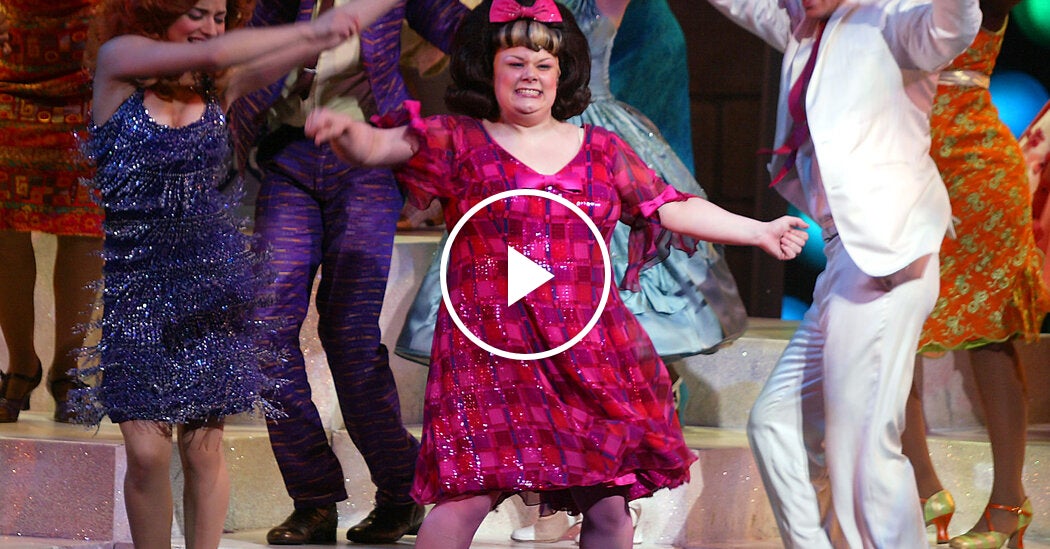
In the realm of cultural expression, musical theater stands as a testament to our societal values and collective memory. When Marc Shaiman, the distinguished composer and lyricist, sheds light on the creative process behind “Hairspray”, he offers more than just an inside look at catchy tunes; he unveils a window into the transformative power of cultural artifacts. The songbook that elevated “Hairspray” from mere entertainment to a Broadway phenomenon encapsulates the enduring human desire to reconcile the past with the present, forging identities that resonate across generations.

Such artistic endeavors exemplify how culture functions as a mirror and guide for society. As David Hume insightfully observed, “We are; therefore, we think,” emphasizing that the institutional and creative expressions of a people reveal their innermost convictions. The luminous success of “Hairspray”—a work rooted in themes of acceptance, change, and resilience—foregrounds the importance of cultural symbols in shaping societal consciousness. Like the Jazz Age of the 1920s or the Great Romantic movements, contemporary musical theater charts a course through the tumultuous waters of cultural identity, reaffirming our shared values while confronting societal contradictions.

Historically, critics such as Tocqueville pointed to the delicate balance between tradition and progress, warning that a society disconnected from its cultural roots risks losing its soul. In this regard, the arts serve as custodians of tradition, anchoring society amidst currents of change. Shaiman’s behind-the-scenes revelations remind us that beneath the veneer of modern entertainment lie stories that shape our collective personhood. When we embrace the melodies that echo our triumphs and struggles, we recognize that culture is neither static nor trivial but a vital force that informs our sense of self and our destiny.

As the philosopher G.K. Chesterton argued, “Art is the signature of man,” and in that signature resides both memory and prophecy—an enduring testament to our heritage and a foretelling of what we may become. Through the spirited harmonies of “Hairspray” and others like it, we find that culture persists as an ongoing dialogue, a living chronicle of human hopes, fears, and values. As we stand at the crossroads of tradition and innovation, let us remember that culture is both the index of our history and the compass guiding our future, a luminous thread woven into the very fabric of human existence.

Rijksmuseum Expands South: New Eindhoven Outpost Sparks Cultural Pride

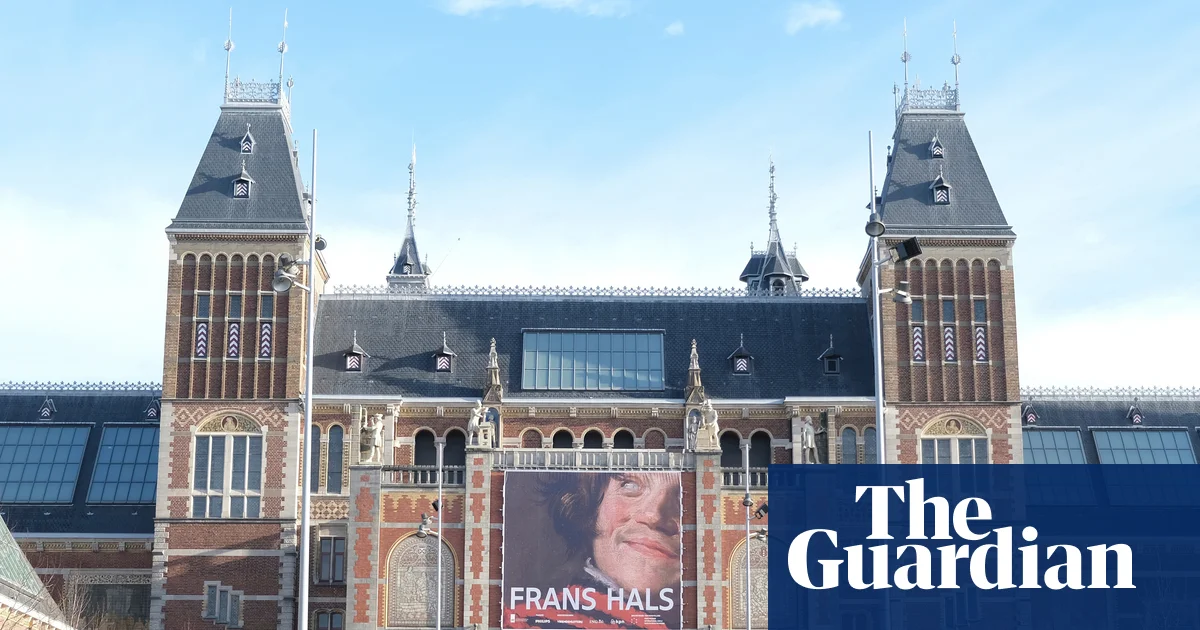
In a move that signifies Europe’s ongoing efforts to balance cultural enrichment with regional development, the Rijksmuseum of the Netherlands has announced plans to establish an outpost in Eindhoven. This decision exemplifies a broader global trend among world-renowned institutions seeking to decentralize cultural access, but it also carries significant geopolitical implications. The planned 3,500-square-meter centre, slated for construction over the next six to eight years, aims to foster local pride while easing the pressure of *overtourism* on Amsterdam’s historic city center, a concern voiced by residents and urban planners alike.

The choice of Eindhoven is as strategic as it is symbolic. Known as a technological hub with deep roots in Philips and semiconductor manufacturing through ASML, the city sits at the nexus of scientific innovation and cultural resurgence. This nexus reflects Europe’s broader geopolitical narrative: an ambition to fortify regional identities and economic resilience against turbulent external pressures, such as migration, global trade disruptions, and shifting alliances. The involvement of the Dutch government and private sector underscores a shared vision for cultural diplomacy that aligns economic vitality with societal stability, especially amidst an era marked by institutional flux.

Looking outward, the expansion of premier museums like the Rijksmuseum and the Louvre reflects a concerted effort by European nations to project soft power globally. The Louvre’s branching into France’s northern territories and the Middle East exemplifies this trend, aimed at fostering international tourism, cultural influence, and economic diplomacy. Analysts argue that such moves are deliberate, serving as tools to reinforce European unity and influence—a strategy increasingly vital amid the rising geopolitical assertiveness of emerging powers. The Global Cultural Institute for International Affairs (GCIIA) and renowned historians suggest that these developments symbolize Europe’s desire to remain relevant in a multipolar world where cultural prestige intersects with strategic interests.

As always, the future remains uncertain. The decisions taken today by European institutions and local governments will inevitably shape the social fabric and geopolitical landscape of tomorrow. The opening of cultural outposts in Eindhoven, and elsewhere, is more than a display of artistic ambition; it is a reflection of Europe’s tentative yet resilient stance amidst a rapidly shifting global arena. The story of these expansions is still writing itself, their impact reaching far beyond the walls of galleries or museums. They serve as stark reminders that in the theater of international power, culture remains a vital battlefield—an arena where nations seek to preserve influence, foster unity, and influence the course of history’s unfolding narrative with every brick laid and gallery opened.

Young singer takes TikTok UK’s top spot for 2025 song— redefining the cultural landscape

In an era where digital culture often shapes perceptions and influences identity, it is vital to recognize the profound connection between entertainment, tradition, and societal values. Recently, the British singer Jess Glynne experienced a remarkable resurgence not through traditional radio play or chart dominance alone, but via the viral currents of social media. Her 2015 hit, Hold My Hand, which once topped the UK singles chart, has been reborn as the TikTok song of the year—an emblem of how culture adapts and reconnects across generations. The song’s revival exemplifies Ortega y Gasset’s assertion that “man’s identity is rooted in his culture,” and now, more than ever, this root is nourished by platforms that transcend mere entertainment to become arenas of societal reflection.

The trend underscores a paradox of modernity: while some decry the superficiality of social media, others recognize its power to rejuvenate collective memory and foster a shared experience. Glynne’s song, initially an emblem of 2015, has become linked with humorous holiday mishaps, travel chaos, and family moments. Its association with the ‘nothing beats a Jet2 holiday’ trend demonstrates that the popular culture of today is a mosaic composed of nostalgia, humor, and societal zeitgeist. Such phenomena echo Chesterton’s insight that “tradition is the democracy of the dead,” where societal continuity manifests through shared narratives, even as they are refreshed in the digital age.

Historian Alexis de Tocqueville’s observations about the importance of cultural roots in fostering societal cohesion are echoed in this phenomenon. Glynne’s music, once bound to radio and exclusive concerts, now flows freely on the digital stream to over 80 billion views, connecting diverse audiences in an apparent collective memory. Meanwhile, other musical icons like Taylor Swift and Rihanna continue to shape the cultural landscape, reflecting a society that values not only the entertainment but also the identity these figures embody. The viral success of older songs, such as Connie Francis’ 1962 hit Pretty Little Baby, indicates a cyclical return to foundational melodies, where history’s echoes inform contemporary expressions. These moments affirm T.S. Eliot’s notion that a society’s “memory, tradition, and culture are the prophecy of its future,”.

In contemplating the significance of this cultural revival, it becomes clear—culture is both our heritage and our prophecy. It is through these shared stories and songs that a society molds its identity and manifests its values. As we navigate a rapidly shifting landscape of technological change, we are reminded that culture’s true power lies in its ability to preserve memory while prophesying possibility. Just as an ancient melody carried through decades to inspire a viral trend, so too does the collective memory of mankind whisper of what is yet to come—a tapestry woven with the threads of the past, forever beckoning us toward the horizon of human potential.

Thieves Make Off with Eight Matisse Pieces from Brazilian Library—A Bold Hit to Cultural Heritage

Armed Robbery at São Paulo Library Raises Global Alarm Over Cultural Security

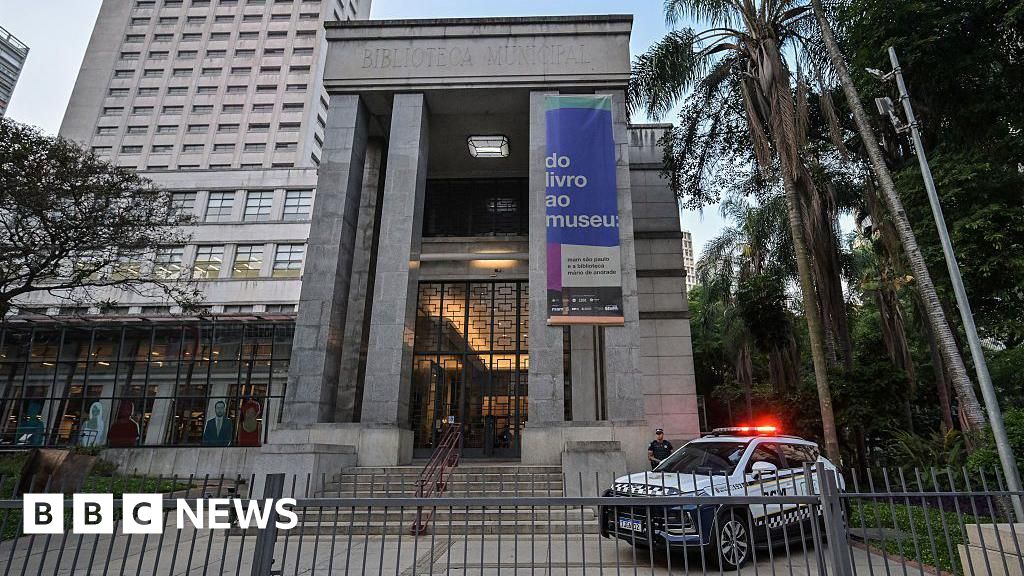
In a startling display of audacity and sophistication, two armed men executed a high-profile heist at the Biblioteca Mário de Andrade in São Paulo, Brazil, Sunday afternoon. The perpetrators targeted an exhibition titled From Book to Museum, part of a collaborative display with the São Paulo Museum of Modern Art, stealing eight valuable engravings by the renowned French artist Matisse and at least five by the iconic Brazilian painter Cândido Portinari. This brazen attack not only epitomizes the ongoing threat to cultural heritage worldwide but also underscores the vulnerabilities of even the most technologically guarded institutions.

According to Brazilian officials, the robbers intruded during the library’s operating hours, promptly holding up a security guard and an elderly couple, before fleeing on foot with their ill-gotten gains. The immediate responses from authorities were swift; within hours, they identified a vehicle used in the escape and arrested one of the suspects. However, the real significance of this event extends beyond immediate law enforcement actions. It sheds light on broader issues of cultural security and international art theft, which have become increasingly prevalent in our interconnected world.

Analysts and international organizations have voiced grave concern regarding the cultural implications of such thefts. The artworks stolen include a collage Matisse made for the exclusive edition of his jazz-themed art book, valued by critics as incalculable in worth. The significance of the stolen Portinari engravings is similarly profound, as they vividly depict Brazil’s rural labor scene and are considered national treasures. Historians warn that these works are irreplaceable “symbols of cultural identity,” and their loss resonates far beyond the art world. The heist’s timing—right before the exhibition’s closure—appears calculated to maximize impact and evade detection, echoing recent high-profile international art thefts, including the Louvre break-in just two months prior.

This theft exposes the fragile veneer of cultural preservation in a global landscape increasingly susceptible to illicit trade and organized crime. Officials point out that despite the presence of advanced facial recognition technology and extensive security camera networks, such plotters still managed to execute their plan, raising questions about vulnerabilities in both physical and digital security systems. Expert opinions emphasize that this is a clarion call for nations to reevaluate their protective measures for priceless cultural artifacts, especially as thieves become more organized and technologically savvy. As international institutions like UNESCO continuously warn of the rising tide of cultural theft, this incident in Brazil exemplifies the urgent need for reinforced defenses and coordinated global responses.

As the dust begins to settle, the weight of history presses heavily on the shoulders of society. This audacious act in São Paulo is more than a theft—it’s a reminder that the battle for cultural heritage is ongoing. It reflects a broader struggle where national identity, history, and art intersect with the dark underbelly of global organized crime. How nations respond to these attacks will determine whether they can protect their soul from the corrosive effects of greed and lawlessness, or if they will watch as their cultural legacy is relentless stripped away—moment by moment, artifact by artifact—until nothing remains but echoes of what once was.

Exclusive Elf Movie Costume Goes for £239,000 at Auction, Setting New Record for Cultural Icon Status

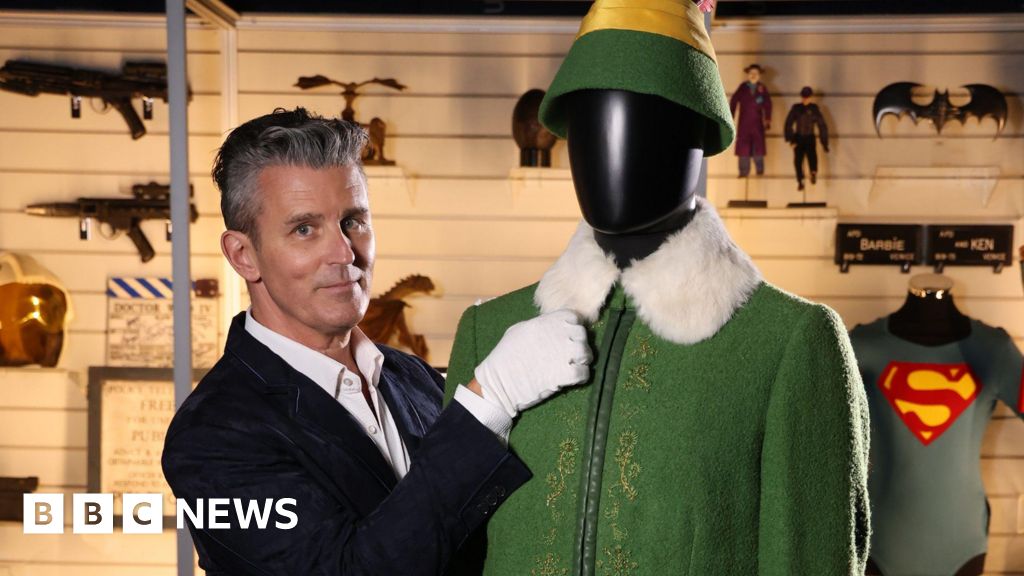
In the realm of pop culture, memorabilia do not merely serve as relics of entertainment but stand as tangible symbols of collective memory. Recently, an unprecedented auction in London has brought to light the enduring power of cinematic artifacts. A costume worn by Will Ferrell in the 2003 comedy Elf fetched over £239,000, underscoring the profound cultural valuation placed upon physical tokens of entertainment. This green and yellow ensemble, worn during a humorous scene in which Ferrell’s character presses every button in a New York lift, exemplifies how modern mythology is curated through attire, dialogue, and iconic moments. Provenance, as noted by the auction house, links this piece directly to the film’s producer, Jon Berg, amplifying its desirability and reminding us that history’s greatest stories are often preserved not only in scripts but in fabric and costume.

This phenomenon challenges us to consider the role of cultural artifacts in shaping national identity and societal continuity. A matching fedora from Indiana Jones and the Temple of Doom sold for an astonishing £327,600, while original weapons from Star Wars characters like Boba Fett are expected to fetch between £350,000 and £700,000. Beyond their monetary value, these objects serve as touchstones of myth and heroism; they embody stories that inspire generations, embodying a shared sense of heroism, adventure, and nostalgia. Such artifacts remind us that culture—whether through literature, film, or art—is fundamental in molding societal self-awareness and preserving our ideals across the tumultuous tides of history. Philosopher Ortega y Gasset might argue that these relics are manifest the consciousness of the collective, anchoring us in the narrative of who we are and what we aspire to be.

Moreover, the surge in valuation of these items reflects a broader cultural truth: that in an era of fleeting attention and digital surfeits, tangible connection to the past becomes vital for maintaining a sense of tradition. The artifacts from these films and series are more than mere collectibles—they are embodiments of values, stories, and moralities that have shaped our social fabric. As Chesterton once remarked, the true culture is the persistent effort to keep alive the memory of what is worth keeping alive. These relics stand as testament that our history is not only recorded in books but etched into the fabric, props, and artifacts of our popular legends. They serve as symbols of continuity amidst rapid change, anchoring future generations to the roots of their cultural identity.

In this way, the journey of these artifacts parallels the rhythm of human history. They are both memory and prophecy, whispering what was and hinting at what will be. Whether it is the humorous innocence of Buddy the Elf or the adventurous spirit of Indiana Jones, such objects remind us that true culture is layered—an intricate tapestry woven through time with threads of memory and hope. As T.S. Eliot suggested, culture is “not a sum of facts but the image of a possible human destiny.” In the celebration and preservation of these relics, we find the silent promise that our stories endure, whispering endlessly through the corridors of time, guiding us with the light of tradition into the dawn of tomorrow.

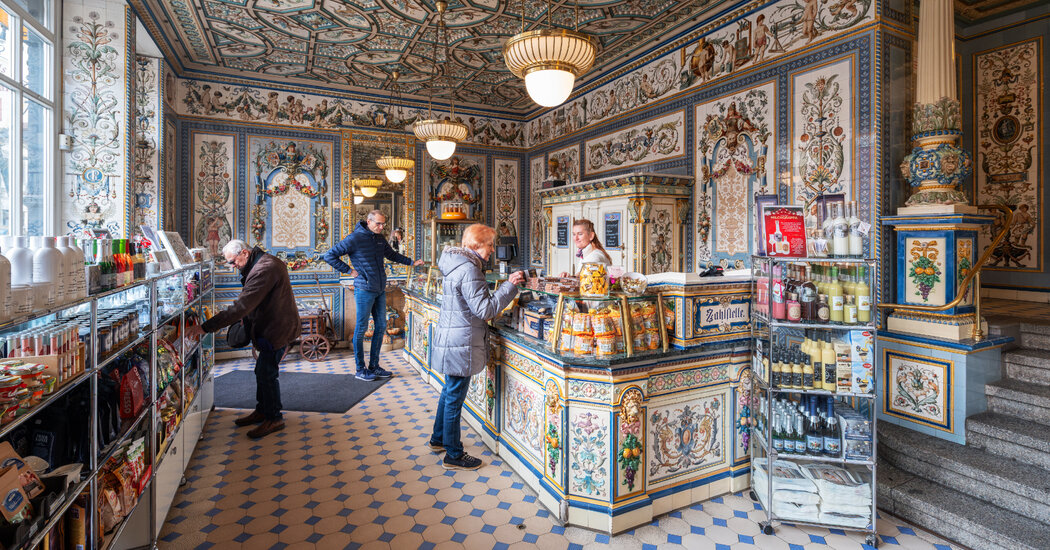
36 Hours in Dresden: Discover the Heart of Germany’s Cultural Heritage

In the heart of Saxony lies Dresden, a city that embodies the profound relationship between culture, identity, and societal continuity. Its historic skyline, lush with restored Baroque architecture, stands as a testament not only to artistic brilliance but also to resilience and the enduring spirit of a people. This city, a crucible where Old Masters like Rembrandt and Canaletto once captured divine beauty, now hosts a vibrant avant-garde movement that demonstrates culture’s ongoing capacity to adapt and evolve. The cultural fabric of Dresden reminds us that history is never distant or detached; it is an intrinsic part of a nation’s soul, shaping its worldview and moral compass.

Walking through Dresden’s streets during the Christmas season, one encounters one of Europe’s oldest and most cherished markets. Here, amid the scent of gingerbread and mulled wine, tradition is not merely preserved; it is reinterpreted. This market, in its timeless aura, echoes a deeper truth articulated by Tocqueville: that democratic societies are rooted in shared cultural practices that foster a sense of collective identity. The celebration of Christmas in Dresden underscores that culture serves as a repository of a community’s values, memories, and hopes for the future. It is a counterbalance to the transient nature of modernity, ensuring that the essence of a people’s story remains alive through symbols, rituals, and shared experiences.

The city’s current cultural scene extends beyond its historical marvels. It is a frontier for modern expressions of artistic innovation, where artists like Gerhard Richter and Anselm Kiefer push boundaries, demonstrating that tradition and modernity can coalesce into a powerful dialogue. This dynamic exemplifies what Ortega y Gasset described as a culture that must \”live through its works,\” heralding an ongoing conversation between the past and present. In this dialogue, culture is not static but a living, breathing entity that anchors society in its roots while propelling it forward. As history teaches us, the true strength of a civilization lies in its capacity to remember and redefine itself in response to the ever-changing currents of time.

Ultimately, Dresden’s enduring charm and cultural vitality remind us that culture is both memory and prophecy. It is memory—a reservoir of traditions, struggles, and triumphs that bind society in shared purpose—and prophecy—a glimpse into what humanity might become when rooted in its most authentic selves. As T.S. Eliot once observed, \”A tradition is an inheritance, and must be a legacy that we care for and pass on.\” Thus, the cultural legacy of Dresden continues to illuminate our path, inspiring a worldview where the origins of our identity serve as the foundation for our aspirations. In the quiet grandeur of its restored facades and bustling markets, there resides a profound reminder: that our culture, like the eternal city itself, is the living archive of human greatness—a prophecy of better days crafted in the mosaic of memory.

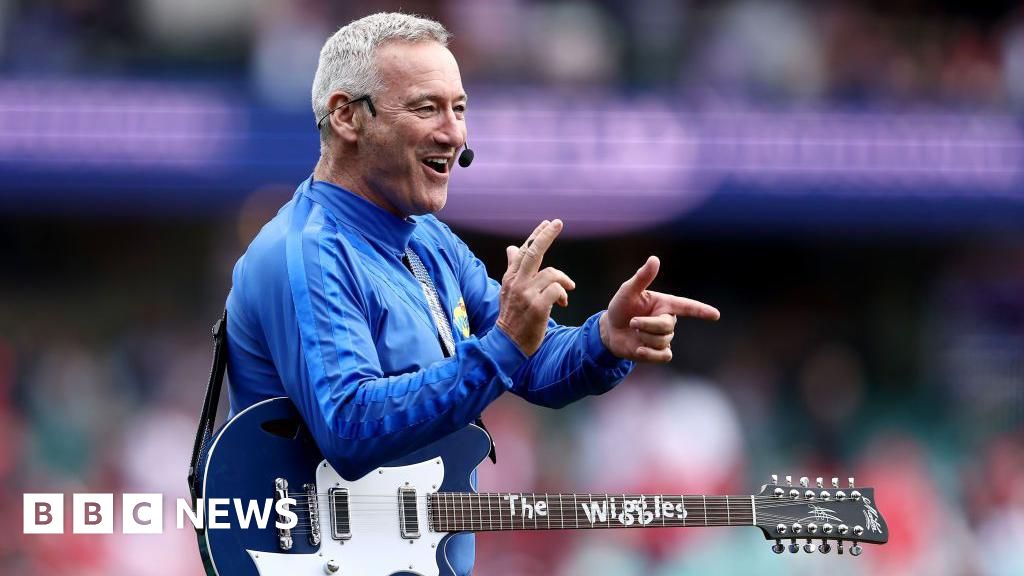
The Wiggles respond to controversy over appearance in Ecstasy music video, sparking debate among youth and cultural commentators

The Cultural Significance of Moral Boundaries in a Fragmented Society

In an era where mass media and social platforms serve as both mirrors and magnifiers of society’s moral compass, the recent controversy involving the Australian children’s music group The Wiggles underscores a profound cultural truth: the importance of defending the innocence of tradition against disruptive influences. When two of its members appeared inadvertently in a music video seemingly endorsing drug use, the incident illuminated the fragile boundaries that separate the cherished innocence of childhood from the encroachments of modern entertainment’s moral ambiguity. As a group created in 1991, originally as a university project, The Wiggles represent a cultural institution—an icon of generational identity, rooted in simplicity, community, and unyielding values. Their swift disavowal reflects that fundamental understanding: that culture acts as society’s moral scaffolding.

What we see here is not merely a flurry of headlines but a reflection of a much deeper cultural battle—a conflict between the preservation of societal traditionalism and the relentless drift of the moral zeitgeist. Philosopher G.K. Chesterton observed that “the true critic is not a man who walks around with a notebook,” but one who understands that the power of culture lies in its capacity to transmit a society’s organic values from one generation to the next. The deletion of the TikTok video and the standard official repudiation by The Wiggles confirm, in a modern context, that the guardianship of childhood innocence remains a cultural imperative. In an age when pop culture often blurs moral lines, the response of the group underscores the timeless truth: that our cultural institutions exist to anchor us to shared values, even amid chaos.

  • Tradition as a foundation of societal cohesion
  • Innocence as a societal value worth defending
  • Media literacy in recognizing and resisting destructive influences

Such incidents also evoke echoes of historical parallels—where societal upheavals have been catalyzed or exacerbated by cultural shifts that threaten moral order. Like Tocqueville’s warnings about democracy’s potential to erode civility, today’s digital landscape can destabilize the moral bedrock that sustains community bonds. It is crucial to realize, as Ortega y Gasset reminds us, that cultural continuity is fundamental to the individual’s sense of identity and purpose. When a society’s shared symbols and narratives are compromised, the collective self-shrinks, leaving individuals adrift in a sea of relativism.

Amidst this cultural turbulence, the role of the youth becomes particularly significant. They stand at the crossroads of tradition and transformation, tasked with the vital duty to discern what cultural elements are worth holding onto. As C.S. Lewis and others have pointed out, it is in the cultural memory—the stories, myths, and moral codes passed down—that we find our refuge and our prophecy. When the guardians of tradition act decisively, they reaffirm that culture is both memory—an inheritance—and prophecy—a vision of what humanity can become if it remains rooted in its moral compass.

The Enduring Power of Culture as Humanity’s Moral North

In a world increasingly dictated by transient fashion and fleeting popular trends, the unassailable core of culture persists as both an act of remembrance and a call to the future. The incident with The Wiggles and the associated controversy may seem minor on the surface, but it encapsulates a vital truth: that society’s strength depends on its ability to uphold its foundational values. As T.S. Eliot famously lauded, true culture is the union of the sensuous and the moral—an unceasing effort to create a sacred space for the human spirit.

Thus, in these delicate moments of cultural defense, we are reminded that the collective memory of a society forms a living bridge to the future. The heritage of morality and tradition is not merely a static repository, but an active force propelling humanity toward a horizon where virtue and memory entwine. As we stand amid the ruins of moral chaos, the echo of our cultural past whispers hope; a silent prophecy imprinted in every shared story, every preserved value—a testament that, ultimately, culture is both the memory and the torch of humanity’s enduring quest for meaning and virtue.

Social Media Auto Publish Powered By : XYZScripts.com