Matox News

Truth Over Trends, always!

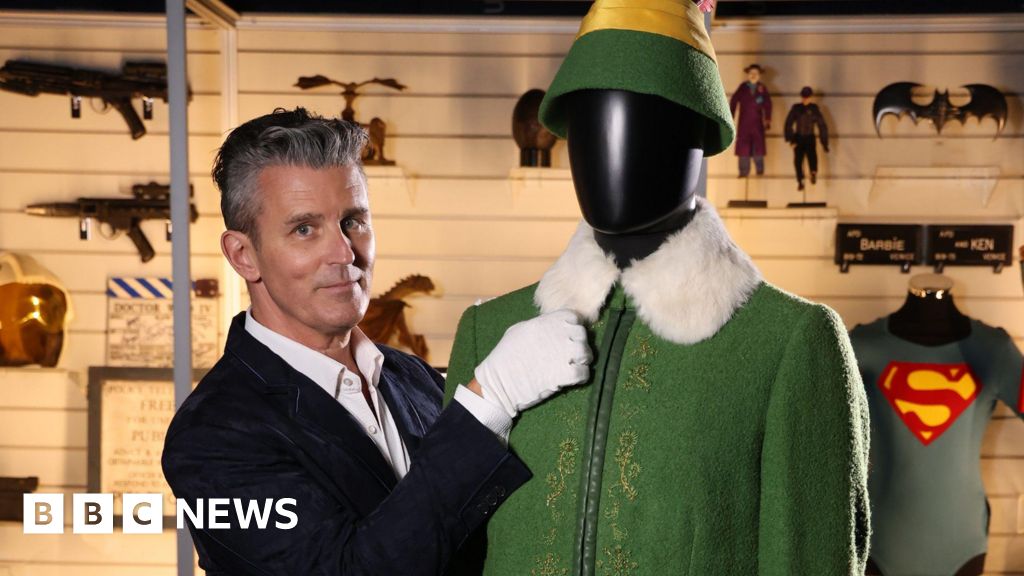
Exclusive Elf Movie Costume Goes for £239,000 at Auction, Setting New Record for Cultural Icon Status

In the realm of pop culture, memorabilia do not merely serve as relics of entertainment but stand as tangible symbols of collective memory. Recently, an unprecedented auction in London has brought to light the enduring power of cinematic artifacts. A costume worn by Will Ferrell in the 2003 comedy Elf fetched over £239,000, underscoring the profound cultural valuation placed upon physical tokens of entertainment. This green and yellow ensemble, worn during a humorous scene in which Ferrell’s character presses every button in a New York lift, exemplifies how modern mythology is curated through attire, dialogue, and iconic moments. Provenance, as noted by the auction house, links this piece directly to the film’s producer, Jon Berg, amplifying its desirability and reminding us that history’s greatest stories are often preserved not only in scripts but in fabric and costume.

This phenomenon challenges us to consider the role of cultural artifacts in shaping national identity and societal continuity. A matching fedora from Indiana Jones and the Temple of Doom sold for an astonishing £327,600, while original weapons from Star Wars characters like Boba Fett are expected to fetch between £350,000 and £700,000. Beyond their monetary value, these objects serve as touchstones of myth and heroism; they embody stories that inspire generations, embodying a shared sense of heroism, adventure, and nostalgia. Such artifacts remind us that culture—whether through literature, film, or art—is fundamental in molding societal self-awareness and preserving our ideals across the tumultuous tides of history. Philosopher Ortega y Gasset might argue that these relics are manifest the consciousness of the collective, anchoring us in the narrative of who we are and what we aspire to be.

Moreover, the surge in valuation of these items reflects a broader cultural truth: that in an era of fleeting attention and digital surfeits, tangible connection to the past becomes vital for maintaining a sense of tradition. The artifacts from these films and series are more than mere collectibles—they are embodiments of values, stories, and moralities that have shaped our social fabric. As Chesterton once remarked, the true culture is the persistent effort to keep alive the memory of what is worth keeping alive. These relics stand as testament that our history is not only recorded in books but etched into the fabric, props, and artifacts of our popular legends. They serve as symbols of continuity amidst rapid change, anchoring future generations to the roots of their cultural identity.

In this way, the journey of these artifacts parallels the rhythm of human history. They are both memory and prophecy, whispering what was and hinting at what will be. Whether it is the humorous innocence of Buddy the Elf or the adventurous spirit of Indiana Jones, such objects remind us that true culture is layered—an intricate tapestry woven through time with threads of memory and hope. As T.S. Eliot suggested, culture is “not a sum of facts but the image of a possible human destiny.” In the celebration and preservation of these relics, we find the silent promise that our stories endure, whispering endlessly through the corridors of time, guiding us with the light of tradition into the dawn of tomorrow.

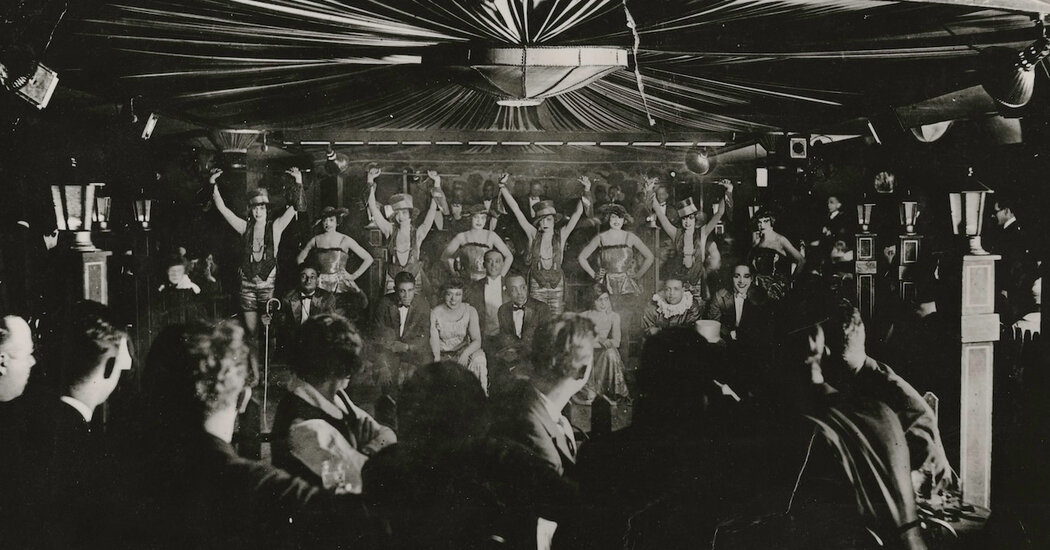
36 Hours in Dresden: Discover the Heart of Germany’s Cultural Heritage

In the heart of Saxony lies Dresden, a city that embodies the profound relationship between culture, identity, and societal continuity. Its historic skyline, lush with restored Baroque architecture, stands as a testament not only to artistic brilliance but also to resilience and the enduring spirit of a people. This city, a crucible where Old Masters like Rembrandt and Canaletto once captured divine beauty, now hosts a vibrant avant-garde movement that demonstrates culture’s ongoing capacity to adapt and evolve. The cultural fabric of Dresden reminds us that history is never distant or detached; it is an intrinsic part of a nation’s soul, shaping its worldview and moral compass.

Walking through Dresden’s streets during the Christmas season, one encounters one of Europe’s oldest and most cherished markets. Here, amid the scent of gingerbread and mulled wine, tradition is not merely preserved; it is reinterpreted. This market, in its timeless aura, echoes a deeper truth articulated by Tocqueville: that democratic societies are rooted in shared cultural practices that foster a sense of collective identity. The celebration of Christmas in Dresden underscores that culture serves as a repository of a community’s values, memories, and hopes for the future. It is a counterbalance to the transient nature of modernity, ensuring that the essence of a people’s story remains alive through symbols, rituals, and shared experiences.

The city’s current cultural scene extends beyond its historical marvels. It is a frontier for modern expressions of artistic innovation, where artists like Gerhard Richter and Anselm Kiefer push boundaries, demonstrating that tradition and modernity can coalesce into a powerful dialogue. This dynamic exemplifies what Ortega y Gasset described as a culture that must \”live through its works,\” heralding an ongoing conversation between the past and present. In this dialogue, culture is not static but a living, breathing entity that anchors society in its roots while propelling it forward. As history teaches us, the true strength of a civilization lies in its capacity to remember and redefine itself in response to the ever-changing currents of time.

Ultimately, Dresden’s enduring charm and cultural vitality remind us that culture is both memory and prophecy. It is memory—a reservoir of traditions, struggles, and triumphs that bind society in shared purpose—and prophecy—a glimpse into what humanity might become when rooted in its most authentic selves. As T.S. Eliot once observed, \”A tradition is an inheritance, and must be a legacy that we care for and pass on.\” Thus, the cultural legacy of Dresden continues to illuminate our path, inspiring a worldview where the origins of our identity serve as the foundation for our aspirations. In the quiet grandeur of its restored facades and bustling markets, there resides a profound reminder: that our culture, like the eternal city itself, is the living archive of human greatness—a prophecy of better days crafted in the mosaic of memory.

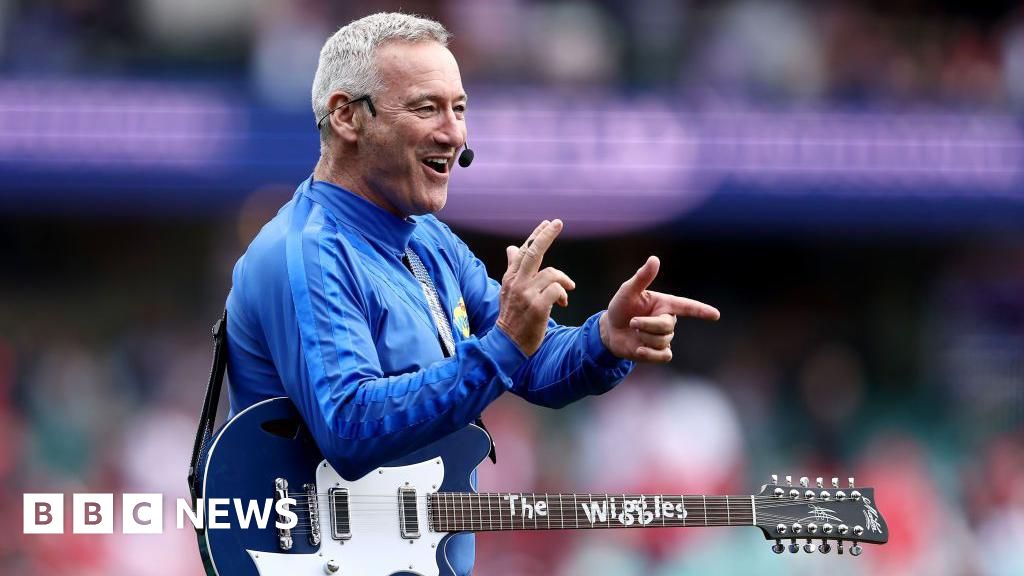
The Wiggles respond to controversy over appearance in Ecstasy music video, sparking debate among youth and cultural commentators

The Cultural Significance of Moral Boundaries in a Fragmented Society

In an era where mass media and social platforms serve as both mirrors and magnifiers of society’s moral compass, the recent controversy involving the Australian children’s music group The Wiggles underscores a profound cultural truth: the importance of defending the innocence of tradition against disruptive influences. When two of its members appeared inadvertently in a music video seemingly endorsing drug use, the incident illuminated the fragile boundaries that separate the cherished innocence of childhood from the encroachments of modern entertainment’s moral ambiguity. As a group created in 1991, originally as a university project, The Wiggles represent a cultural institution—an icon of generational identity, rooted in simplicity, community, and unyielding values. Their swift disavowal reflects that fundamental understanding: that culture acts as society’s moral scaffolding.

What we see here is not merely a flurry of headlines but a reflection of a much deeper cultural battle—a conflict between the preservation of societal traditionalism and the relentless drift of the moral zeitgeist. Philosopher G.K. Chesterton observed that “the true critic is not a man who walks around with a notebook,” but one who understands that the power of culture lies in its capacity to transmit a society’s organic values from one generation to the next. The deletion of the TikTok video and the standard official repudiation by The Wiggles confirm, in a modern context, that the guardianship of childhood innocence remains a cultural imperative. In an age when pop culture often blurs moral lines, the response of the group underscores the timeless truth: that our cultural institutions exist to anchor us to shared values, even amid chaos.

  • Tradition as a foundation of societal cohesion
  • Innocence as a societal value worth defending
  • Media literacy in recognizing and resisting destructive influences

Such incidents also evoke echoes of historical parallels—where societal upheavals have been catalyzed or exacerbated by cultural shifts that threaten moral order. Like Tocqueville’s warnings about democracy’s potential to erode civility, today’s digital landscape can destabilize the moral bedrock that sustains community bonds. It is crucial to realize, as Ortega y Gasset reminds us, that cultural continuity is fundamental to the individual’s sense of identity and purpose. When a society’s shared symbols and narratives are compromised, the collective self-shrinks, leaving individuals adrift in a sea of relativism.

Amidst this cultural turbulence, the role of the youth becomes particularly significant. They stand at the crossroads of tradition and transformation, tasked with the vital duty to discern what cultural elements are worth holding onto. As C.S. Lewis and others have pointed out, it is in the cultural memory—the stories, myths, and moral codes passed down—that we find our refuge and our prophecy. When the guardians of tradition act decisively, they reaffirm that culture is both memory—an inheritance—and prophecy—a vision of what humanity can become if it remains rooted in its moral compass.

The Enduring Power of Culture as Humanity’s Moral North

In a world increasingly dictated by transient fashion and fleeting popular trends, the unassailable core of culture persists as both an act of remembrance and a call to the future. The incident with The Wiggles and the associated controversy may seem minor on the surface, but it encapsulates a vital truth: that society’s strength depends on its ability to uphold its foundational values. As T.S. Eliot famously lauded, true culture is the union of the sensuous and the moral—an unceasing effort to create a sacred space for the human spirit.

Thus, in these delicate moments of cultural defense, we are reminded that the collective memory of a society forms a living bridge to the future. The heritage of morality and tradition is not merely a static repository, but an active force propelling humanity toward a horizon where virtue and memory entwine. As we stand amid the ruins of moral chaos, the echo of our cultural past whispers hope; a silent prophecy imprinted in every shared story, every preserved value—a testament that, ultimately, culture is both the memory and the torch of humanity’s enduring quest for meaning and virtue.

Netflix’s Selena Documentary Honors Her Inspiring Legacy While Respectfully Addressing Tragic Endings | Cultural Highlights

Remembering Selena Quintanilla: The Cultural Legacy of a Star Gone Too Soon

In the tapestry of American cultural history, few figures evoke both admiration and tragedy as poignantly as Selena Quintanilla. Her story transcends mere fandom, embodying the vital connection between culture, identity, and societal aspirations. As the Queen of Tejano Music, Selena’s ascent was a reflection of a vibrant, evolving Latin American identity in the United States—a testament to how tradition and modernity can intertwine to forge a new, powerful cultural expression. Her untimely death at just 23, murdered by her employee Yolanda Saldívar in 1995, was not merely a personal tragedy but a cultural rupture, one that left a void in the heart of her community and a question about the price of fame for those who dare to challenge societal boundaries.

Yet, Selena’s life, as documented through recent works like Netflix’s Selena y Los Dinos: A Family’s Legacy, underscores her profound influence not only as an artist but as a symbol of youthful perseverance and cultural authenticity. Director Isabel Castro’s intimate portrayal reminds us that cultural icons are not just commodities but custodians of tradition—carriers of stories that define who we are and who we aspire to be. The documentary captures Selena’s blend of raw talent and authentic charm, revealing her as a young woman who balanced the demands of burgeoning superstardom with the enduring spirit of her roots. Her early years fronting her family band, despite sacrifices like missing out on childhood friendships, echo Ortega y Gasset’s notion of the artist as a creator of reality, shaping culture through persistent effort and authentic expression.

The Power of Culture as Identity and Prophecy

  • Selena’s music was not solely entertainment but a bridge to affirm her community’s identity—reclaiming Hispanic traditions in a rapidly Americanizing landscape.
  • Her fashion and style became symbols of cultural pride, offering a modern reinterpretation of heritage that resonated deeply with her fans.
  • Her personal journey, including her pursuit of fluency in Spanish and her romantic union with Chris Pérez, exemplified the human desire to reconcile tradition with modernity—an ongoing dialogue between past and future.

Philosophers like T.S. Eliot have noted how culture mirrors inner life, serving as both memory and prophecy. Selena’s story encapsulates this duality: her songs echo the collective memory of her community, while her aspirations and personal growth hint at a future where Hispanic-American culture continues to evolve and influence the national tapestry. The tragic rupture—her murder— reminds us that the preservation and nurturing of cultural identity are fragile, yet fragile things often bear the deepest meaning. Her legacy persists not just in her music but in the cultural currents she helped shape, urging young people today to see their roots as a source of strength and innovation.

Culture as Humanity’s Living Memory

In the final moments of Castro’s documentary, Selena’s father gazes upon her museum, a shrine not just to a star, but to the enduring power of cultural memory. “They took her life,” he says quietly, “but we’re going to keep her alive through her music.” It is a reminder that culture is both a living memory and a prophecy of what humanity can achieve when rooted in tradition yet open to transformation. As Chesterton once celebrated, the true wonder of culture lies in its capacity to turn the past into a living voice, whispering to each new generation that human greatness is born from the reverent preservation of memory and the fearless pursuit of future horizons.

In this ongoing dance between memory and prophecy, Selena’s story remains an emblem of resilience. Her luminous presence, captured in song and spirit, guides us to remember that our cultural roots are not anchors of the past but rather the wings with which we reach toward tomorrow—a testament that, in the sanctuary of tradition, humanity’s best ideals are preserved, celebrated, and endlessly reborn. And so, her story—like all true culture—calls us to see that we are both the heirs and the prophets of our collective human narrative, forever reaching toward the horizon of what we might become.

Kristen Bell and Brian Cox Express Surprise Over Their Involvement in Fox News Podcast—A Reflection on the Changing Cultural Landscape

In an era where the consecration of cultural memory is often overshadowed by relentless novelty, recent developments underscore a profound truth: culture remains the bedrock of identity, tradition, and societal coherence. The controversy surrounding Fox News’ announcement of The Life of Jesus Christ Podcast — a project seemingly resurrected from recordings made fifteen years prior and released without full consent — offers a revealing case study. It is, at its core, a reflection of the ongoing tension between the past’s enduring authority and the present’s insatiable quest for instant gratification. This episode exemplifies how culture functions as both memory and prophecy, shaping our understanding of tradition while offering glimpses of what humanity can become when rooted in historical continuity.

Indeed, the saga echoes the sentiments of Ortega y Gasset, who famously warned that “culture is the sum total of what our ancestors have created, and it is our obligation to preserve and invigorate it.” Yet here, the dissonance is palpable: the actors involved, many of whom voiced their participation years ago, learned only at the last moment of the project’s release. Such scenarios threaten to reduce sacred narratives — old voices re-voiced, ancient teachings repurposed — to mere commodities. In this, we see the peril of radical commodification overtaking the reverence that once imbued our cultural icons with spiritual significance. As Chesterton might argue, such commercialization risks transforming the sacred into the profane, stripping it of its profundity and turning tradition into a mere backdrop for entertainment—a tool to be used or discarded at will.

Furthermore, the controversy highlights a cultural shift wherein the integrity of artistic and spiritual authenticity is often sacrificed on the altar of market strategy. Critics observe that the project’s producers explicitly requested secrecy about the age of the recordings, desiring that the final product seem fresher and more relevant. This echoes Tocqueville’s insights on the tyranny of public opinion and the manipulation of perception for expedience. When tradition is sanitized and repackaged without regard to the original creators’ consent, it risks becoming a hollow echo, a simulacrum of its former self; a secular relic designed to appeal to modern tastes rather than uphold spiritual truth. In this dance between old and new, we are compelled to remember that culture’s raison d’être is to anchor society in enduring values, not to serve as a fleeting entertainment commodity.

Yet, amid these modern distortions, the core truth remains: our cultural patrimony is what makes us uniquely human. It is through our stories, our art, and our spiritual heritage that we forge a sense of purpose and community. As the philosopher T.S. Eliot observed, heroically and poetically, “the past will always be with us, not just as memory but as prophecy—a glimpse of what humankind can aspire to when it honors its roots.” This enduring truth calls us to be vigilant custodians of our traditions, recognizing that revival must be rooted in respect, not exploitation. After all, the cultural tapestry of humanity is as much a reflection of memory as it is a blueprint for the future—a sacred manuscript preserved and read anew across generations. When we cherish our cultural memory, we begin to glimpse that distant horizon where human history and divine aspiration converge into a single, luminous stream of hope and identity.

Ripley’s Unveiled as Winning Bidder for $12 Million Golden Toilet, Sparking Cultural Buzz

In an age where the boundary between art and spectacle blurs with every passing day, the story of Maurizio Cattelan’s America—a fully functional 18-karat gold toilet—epitomizes the tempestuous intersection of culture, commerce, and identity. Valued at over $12 million and shrouded in the mystique of theft, the work is more than a provocative homage to luxury; it is a mirror held up to our society’s obsession with material excess and superficial spectacle. Once installed in the Guggenheim, this opulent bidet—an ostentatious symbol of wealth—evoked both admiration and disdain, revealing how culture now often reflects the complexities and contradictions of the human condition.

Art critics and cultural philosophers interpret Cattelan’s creation as a cultural statement that challenges the sacredness of artistic and societal institutions. As T.S. Eliot noted, genuine culture acts as a memory and prophecy; it roots us in history while illuminating potential futures. The gold toilet, with its conspicuous luxury, compels society to confront the paradox of beauty and vanity, emblematic of a civilization increasingly preoccupied with the superficial. The theft from Blenheim Palace in 2019—an audacious act—only accentuates the dangerous allure of cultural symbols that question authority and value, echoing historical parallels of revolutionary upheaval and cultural critique.

  • In this context, the auction of the second version of the golden toilet—sold at Sotheby’s with a starting bid pegged to its actual gold weight—embodies the commodification of art, transforming cultural critique into a transaction.
  • The unveiling of the second piece, revealing its connection to a broader series crafted by Cattelan, invites us to reconsider the role of art as both a mirror to society and a marketplace commodity.
  • The involvement of Ripley’s Believe It or Not!, a cultural fixture known for celebrating oddities, underscores how modern spectacle often revels in blurring the boundaries between high art, entertainment, and societal commentary.

This saga, punctuated with theft, auction, and celebrity fascination, reflects a deeper truth: culture remains the vital fabric of societal identity—an inheritance and a prophecy intertwined. Philosophers like G.K. Chesterton argued that tradition, when understood rightly, is the living reflection of human continuity, not mere relics. Today’s cultural landscape, obsessed with novelty and spectacle, risks losing sight of this continuity, reducing art to fleeting trends. Yet, beneath the veneer of gold and controversy, there persists an enduring dialogue about human nature, morality, and the values that define us all. Culture, therefore, acts as both a collective memory informing who we are and a prophetic voice beckoning us toward who we might become.

As we stand amidst layers of history and innovation, the crescendo of human creativity remains a testament to our eternal quest for meaning and transcendence. Culture, in its highest form, is neither merely the past nor the present—it is the silent poetry of the human soul, whispering of both memory and prophecy, guiding us through the corridors of time with its deceptive shimmer yet unfading light. And in this eternal dialogue, may we recognize in every work—be it gold-plated or humble—the indelible imprint of what it means to be truly alive.

Black Musical Theater: Celebrating 200 Years of Cultural Resilience and Innovation

In the great tapestry of human civilization, culture functions as both the mirror of our collective identity and the canvas upon which we project our future aspirations. On the cusp of pivotal moments in history, artists and cultural pioneers have often assumed the mantle of societal architects, shaping and reflecting the values, struggles, and triumphs of their epoch. The founding of Amas Musical Theater in 1968 by LeLaine LeNoire exemplifies this parallel—it was not merely an act of artistic enterprise but a declarative stance on the importance of cultural diversity and representation in American society. Her initiative, infused with purpose, sought to elevate multiethnic casting, thereby enriching the cultural dialogue and affirming the integral role of identity within the American narrative.

Much like the Greeks of ancient times, who consecrated myth and drama as essential facets of civic life, modern cultural innovators understand that the arts serve as repositories of memory and beacons of prophecy. The success of productions like “Mama, I Want to Sing!” and “Bubbling Brown Sugar” signals a turning point—a recognition that authentic stories rooted in diverse experiences contribute to the moral and aesthetic fabric of society. These works, born amidst tumultuous social change, echo the timeless insight of thinkers like G.K. Chesterton: that tradition, which preserves the best of our collective past, must evolve to include the voices previously marginalized. In this context, cultural renaissance is intertwined with the assertion of rightful identity, a vital act of cultural self-preservation amid an ever-changing world.

The importance of such cultural endeavors extends beyond entertainment; they forge a profound connection between society’s fabric and the individuals anchoring it. A nation’s cultural output, as Tocqueville observed, reveals the undercurrents of its democracy, exposing the virtues and flaws woven into its institutions. In this regard, Amas Musical Theater and similar initiatives symbolize a democratization of culture—a recognition that art is not just a luxury, but a vital expression of societal sovereignty. They remind us that by celebrating roots and forging new traditions, society cultivates resilience and continuity, allowing forgotten histories to reemerge and guiding humanity towards a future mindful of its heritage.

Ultimately, culture emerges as both memory and prophecy: a living archive charting the human journey and a visionary force shaping what is yet to come. As the poet T.S. Eliot might have suggested, in our pursuit of harmony between past and future, we discover “the still point of the turning world”—a place where the echoes of tradition inform the aspirations of tomorrow. Our shared cultural history is a testament to our resilience, an ongoing dialogue that sustains not merely individual identities but the spirit of civilization itself. To engage with this heritage is to participate in a sacred act of rebirth, forging a path where the memory of yesterday guides the prophecy of tomorrow, reflecting the eternal human endeavor to find meaning and coherence amid chaos.

Squid Game: The Challenge Season Two – A Stark Reflection of Today’s Cultural Tensions

In a world increasingly captivated by screens and spectacle, culture remains the vital vessel of tradition, identity, and societal coherence. Yet, in the relentless pursuit of entertainment and profit, we find ourselves confronting a spectacle that almost seems to invert this truth—a grotesque mirror held up by Netflix’s Squid Game: The Challenge. This reality television adaptation shamelessly embodies the brutal logic of hyper-competition, turning human suffering into a commodified showcase. As critics have noted, the producers deny the underlying truth—that it’s merely a reflection of the original artsy dystopian drama—yet the spectacle’s essence is painfully clear: it’s a game of survival, where humiliated contestants are pawns in a high-stakes ritual designed more for voyeuristic thrill than meaningful critique. Such moments underscore a troubling cultural turn, where the fascination with violence and desperation erodes traditional notions of dignity and community, reducing human lives to tokens in a capitalistic game of captivation.

At its core, culture is more than mere entertainment; it is the narrative of our collective memory and the prophecy of our shared future. The unabashed monetary reward of over four million dollars propels the participants into a wild frenzy that reveals much about contemporary society’s values—money as the ultimate measure of worth, competition as the sole form of identity. The contestants’ conduct, orchestrated for the grand prize, echoes Ortega y Gasset’s reflections on the “mass-man,” whose social identity dissolves into the relentless pursuit of material success. The spectacle forms a perverse theater where our societal virtues of camaraderie, sacrifice, and dignity are schnell replaced by greed, treachery, and self-interest. The staged betrayals, the mock deaths, the self-destruction—all are dramatizations of a cultural nightmare where the individual’s worth is reduced to how cheaply they can sell their humanity for a shot at riches.

This phenomenon invites a stark reflection from thinkers like Chesterton, who warned that losing one’s sense of cultural roots invites a descent into barbarism, where human life becomes mere collateral damage in a race for wealth. Tocqueville’s insights on American individualism resonate here: unchecked pursuit of self-interest, when divorced from the binding threads of shared moral and cultural tradition, results in a society that is ultimately fragmenting itself. What we witness in Squid Game: The Challenge is less a critique and more a symptom of that fracture—a society that has forgotten its roots and now celebrates the spectacle of its own moral decay. The game’s twists and sob stories are but distractions from the core truth: that modern entertainment often serves as a mirror reflecting society’s soul, which, at this moment, appears torn and longing for a deeper connection to the authentic.

In this cultural landscape, where memory and prophecy intertwine, the danger lies in mistaking the spectacle for significance, the competition for identity itself. As T.S. Eliot lamented, the true crisis of modernity lies in a loss of shared purpose—a fragmented narrative where cultural symbols become mere commodities. Yet, beneath the degradation, there remains a seed of hope—a reminder that culture is the sacred ground where humanity cultivates itself, where tradition shapes the future. We must recognize that true culture guards the sacredness of human life, fostering virtues that transcend mere monetary gain. Like the enduring words of Chesterton, our cultural task is to forge a new meaning from the chaos, reweaving the fabric of tradition with conscious will and moral clarity. For in the end, culture is both memory and prophecy; it is the echo of who we were and the blueprint of who we will become. It is, after all, the poetry of the human spirit—an ancient chorus echoing through the ages, calling us to remember and to dream anew.

Bridget Jones to Be Honored with Statue in Leicester Square—Celebrating a Cultural Icon for the Next Generation

In the ever-expanding tapestry of cultural memory, few symbols remain as enduring as Bridget Jones, a character crafted by Helen Fielding that has come to embody the quintessential British spirit of resilience, humor, and authenticity. As London prepares to unveil a new statue honoring her in Leicester Square, this act transcends mere celebration; it signifies a reclamation of cultural icons that mirror our society’s values and aspirations. Since her debut in 1996, Bridget Jones has not only entertained audiences worldwide but also cemented her place as a beacon of relatable humanity amidst the glamorized illusions of modern life. Her character challenges the superficial, champions the imperfect, and ultimately celebrates the enduring power of authenticity—an essential thread woven into the national fabric of tradition and identity.

This commemoration points to a broader cultural landscape where beloved figures from literature, cinema, and art serve as custodians of societal values. The Scenes in the Square trail, which features icons like Harry Potter and Paddington, underscores an ongoing narrative: that these characters and stories form the collective memory that defines national character. The inclusion of Bridget Jones as the first romantic comedy honored in this way signifies recognition of a genre that emphasizes heart and humor—elements that resonate deeply with our cultural self-understanding. As Ortega y Gasset noted, culture is both a reservoir of values and a prophecy for the future; it molds the collective conscience and charts the ongoing journey of societal identity.

The act of celebrating Bridget Jones enriches our cultural heritage, emphasizing that values of perseverance, humor, and authenticity are vital in shaping a society that values tradition while embracing change. Her story, like those of the heroes and heroines we admire, acts as a mirror held up to our communal virtues. The statue’s unveiling—set to coincide with the 25th anniversary of the first film—reminds us that our cultural icons are both the memory and prophecy of who we are and who we aspire to be. As T.S. Eliot eloquently observed, the shaping of culture is a “memory and prophecy,” a recognition that our shared stories anchor us, yet they also beckon us forward into understanding and hope. In honoring Bridget Jones, London asserts that our cultural legacy is resilient — rooted in the imperfect, the humorous, the real — continuously illuminating the path to a future that honors its traditions while boldly evolving beyond them.

Author Chris Kraus on Conquering Fame, Navigating Drugs, and the Cultural Power of I Love Dick — An Honest Reflection

In an era saturated with distraction and cynicism, the writings of Chris Kraus serve as a compelling reminder of culture’s vital role in shaping identity, tradition, and society. Her works—particularly I Love Dick—are more than autofiction; they are acts of radical disclosure that anchor us in the complex tapestry of human experience. Kraus’s candor exposes the raw underbelly of personal and collective life, transforming personal struggle into a form of cultural reportage. Just as Ortega y Gasset emphasized that “I am myself and my circumstances,” Kraus’s honest narrative frames her life within the broader societal currents that infiltrate every human endeavor. Her storytelling demonstrates that personal memory is a vital thread in the fabric of societal identity, and that through it, we glimpse both our history and our potential future.

Much like the cultural upheavals of the past that have reset societal norms, Kraus’s work recognizes that contemporary culture is a battleground of memory and prophecy. Her recent publication, The Four Spent the Day Together, delves into her own harrowing experiences—marriage, addiction, loss, and the brutal violence that pervades American working-class communities—reflecting a society plagued by nihilism and despair. Here, Kraus uses her journalistic rigor not merely to tell her story but to spectrally comment on the underlying currents shaping our collective destiny. As T.S. Eliot observed, “The past’ness confronts us uncomfortably, since it makes us realize that our present is layered upon the ruins of what was.” Kraus’s narrative practice distills this truth, reminding us that society’s foundation rests upon the memories we choose to confront and express, shaping the future we dare to imagine.

  • Culture as memory: Kraus’s meticulous use of diaries, photographs, and court transcripts anchors her stories in tangible reality, embodying a tradition of experiential truth that echoes Chesterton’s view that “the test of a good culture is whether it endures through the ages.”
  • Culture as prophecy: Her fearless engagement with the darkest aspects—addiction, violence, societal depravity—provides a prophetic warning about the illusions of progress and the importance of confronting uncomfortable truths.
  • Historical parallels: Kraus’s illumination of the American cultural landscape echoes Tocqueville’s insights into the democratic spirit—an ongoing struggle between individual authenticity and collective self-deception, where the language of culture becomes a tool for resistance or capitulation.

In her reflections, Kraus reminds us that culture is neither static nor inert. It is the memory of what was, and the prophecy of what might be, woven into the very fibers of society’s narrative. Her work challenges us to recognize our stories as essential acts of cultural resistance—an affirmation that human life, even in its most fractured and painful moments, is meaningful. As G.K. Chesterton famously urged, “A dead thing can go with the stream, but only a living thing can go against it.” And it is through this act of cultural defiance—by bearing witness, by telling the unvarnished truth—that we forge the continuity of tradition and light the way toward future horizons. For in the end, culture remains both a memory of humanity’s profound past and a prophecy of the enduring spirit yet to come—an eternal echo and an unending call to remember and create anew.

Social Media Auto Publish Powered By : XYZScripts.com