Matox News

Truth Over Trends, always!

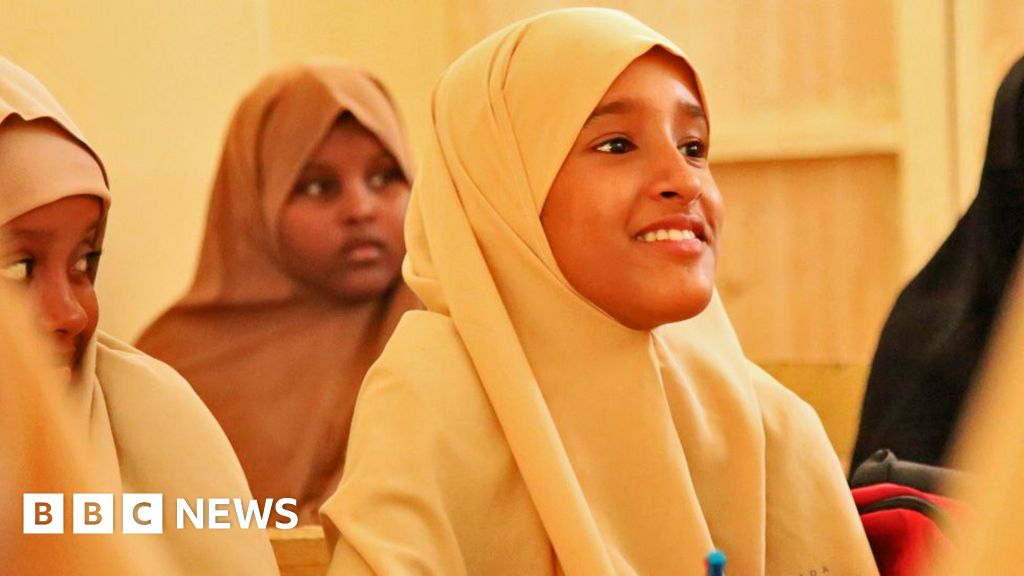
Somalia adopts Swahili in schools to strengthen cultural ties and boost national pride

In a move that highlights a broader shift toward regional integration and cultural identity, Somalia has announced plans to incorporate Swahili into its national curriculum. This development unfolds amid a backdrop of decades of conflict, social fragmentation, and evolving regional dynamics. Historically, Somalia’s education system has been dominated by English at higher levels and Arabic at Islamic schools, reflecting colonial and religious influences. The decision to emphasize Swahili, the lingua franca of East Africa, signals a recognition that language is power—an asset for families, teachers, and communities seeking to rebuild trust, expand economic opportunities, and forge regional bonds.

  • The adoption of Swahili aims to foster regional integration, making Somalia more connected with its East African neighbors and facilitating trade, diplomacy, and education exchanges.
  • Swahili, spoken by over 200 million people, is among the world’s top ten most spoken languages, representing a significant cultural and linguistic bridge for Somalia’s youth and working families.
  • Increased use of Swahili is already evident along Somalia’s southern coast and among refugees in Kenya, many of whom learned the language as part of their adaptation after fleeing violence.

This cultural shift underscores a profound demographic and social transformation. Decades of civil war, which erupted in 1991, have led to social dislocation and an erosion of traditional authority, forcing communities—and especially the youth—to adapt in unpredictable ways. The proliferation of Swahili in everyday life, particularly among those who have crossed borders or served in regional peacekeeping missions, exemplifies how social bonds are evolving outside conventional national boundaries. Leaders like President Hassan Sheikh Mohamud emphasize that cultivating Swahili at academic institutions—especially at the Somali National University—will promote regional cooperation and integrate Somalia’s economy more closely with East Africa’s emerging markets.

Critics and social commentators warn that such rapid cultural shifts could ripple through families and societal structures, challenging long-held identities rooted in language and religion. As Historians note, language is often intertwined with cultural sovereignty; thus, the push to prioritize Swahili may provoke tensions among those who cling to Arabic or English as symbols of religious and colonial heritage. However, proponents argue that this multilingual approach could foster a new generation of citizens equipped to navigate a multi-lingual world—one where economic empowerment and social cohesion depend on linguistic adaptability. Education Minister Farah Sheikh Abdulkadir envisions Swahili replacing English as the dominant language of trade and learning, a move seen as both pragmatic and strategic.

Ultimately, how families, schools, and communities adapt in the coming years will determine whether this linguistic pivot bolsters national unity or deepens cultural fissures. It is a testament to society’s ongoing battle between preserving identity and embracing progress—a confrontation familiar across many nations shaping their destinies amidst modern global challenges. As the sun sets over Mogadishu and a new chapter begins, society stands at a crossroads: will it forge a resilient, inclusive future by harnessing the power of language, or will it find itself divided by the echoes of a past reluctant to fade? In this fragile moment, society’s resilience lies in its ability to envision transformation, not just as empty rhetoric but as a tangible hope—an enduring testament to the human spirit’s capacity to reinvent itself amid chaos and change.

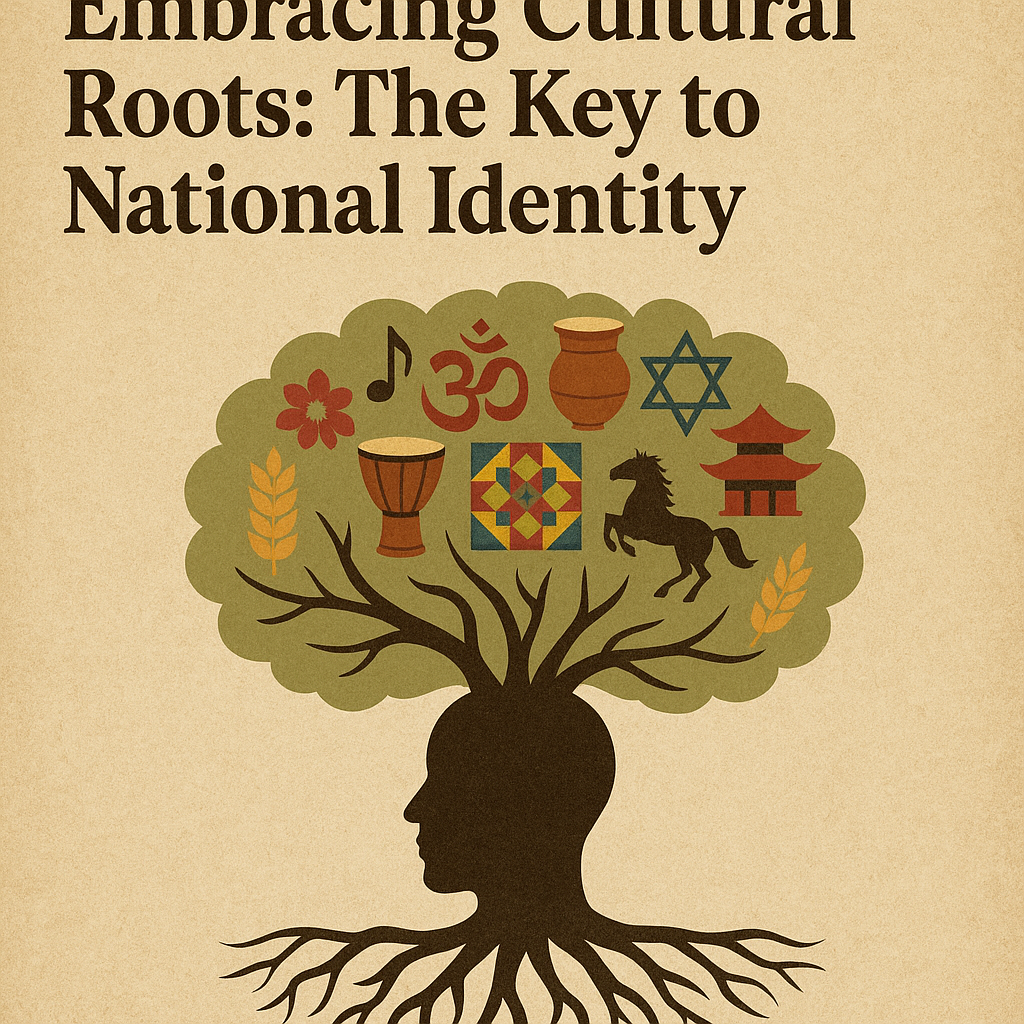
Embracing Cultural Roots: The Key to National Identity

In an era characterized by relentless globalization and technological upheaval, the significance of cultural roots as the foundation of national identity cannot be overstated. Critics argue that the rapid spread of Western ideals and the homogenization of cultures threaten the unique traditions that define a nation’s soul. Historically, nations have thrived by nurturing their distinct cultural narratives—whether it be the resilience of Japan’s samurai ethos or the enduring spirit of European renaissance. These cultural elements serve not merely as relics of the past but as living conduits of collective memory, shaping a nation’s worldview and guiding its future trajectory.

Economists such as George Friedman and Samuel Huntington emphasize that a strong national identity rooted in cultural heritage fosters social cohesion and resilience in times of crisis. When citizens share a common understanding of their history, values, and traditions, they are more inclined to unite against external threats and internal divisions. The erosion of this shared cultural fabric, critics warn, paves the way for fragmentation and a loss of sovereignty. As Huntington suggested in his seminal work The Clash of Civilizations, the future geopolitical order depends heavily on how well nations preserve their unique cultural identities amidst the external forces seeking to erase them.

Reclaiming cultural roots does not imply a retreat into insularity, but rather an empowering recognition of diversity within a shared national narrative. It involves championing traditional language, customs, and histories as vital components that shape a sense of purpose and belonging. Movements advocating for the preservation of indigenous languages, regional histories, and cultural practices highlight a collective desire to resist cultural dilution. Furthermore, embracing one’s heritage fosters a youthful sense of pride and authenticity, crucial for inspiring future generations to carry forward their cultural legacy. Such efforts often generate innovative cultural rebirths that bridge old traditions with modern realities, thus enriching the national tapestry rather than impoverishing it.

Amidst these developments, policymakers and cultural leaders must acknowledge that preservation and innovation are not mutually exclusive. The challenge lies in cultivating a balanced approach where cultural roots are celebrated and revitalized without becoming an obstacle to progress. As historian Yuval Noah Harari notes, humanity’s greatest achievements have often sprung from a profound understanding of shared stories and myths—a testament to the enduring power of cultural narratives. When a nation recognizes its cultural origins as a source of strength rather than chain, it embarks on a journey towards a resilient, authentic identity that can weather the storms of modern change. It is within this sacred act of remembrance and renewal that the true essence of a nation endures, whispering through the ages as a timeless echo—a reminder that, in embracing our roots, we embrace the very foundations upon which our future is built.”

Social Media Auto Publish Powered By : XYZScripts.com