Matox News

Truth Over Trends, always!

Lebanon demands ceasefire before any Israel talks, signs of upcoming tensions

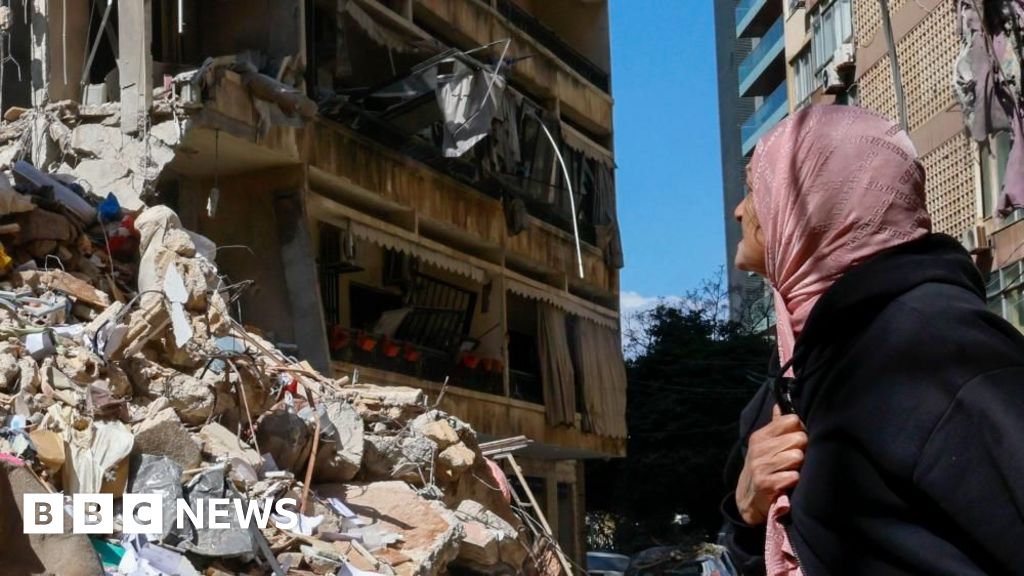
In a recent development that echoes through the corridors of international diplomacy, Lebanonhas declared that it will only participate in peace talks with Israel if a ceasefire is firmly established beforehand. This conditional stance, articulated by a senior Lebanese official in an exclusive interview with the BBC, underscores the fragile state of regional stability and the complex web of alliances and animosities in the Middle East. This stance not only places Lebanon at a diplomatic crossroads but also signals a broader strategic calculation that could reshape regional stability for years to come.

The Middle East has long been a theater of geopolitical brinkmanship, where historical grievances, territorial disputes, and external influences intertwine. As tensions escalate in the wake of recent escalations—likely fueled by unresolved border issues, armed factions, and external actors—Lebanon’s decision reflects a strategic insistence on security guarantees before engaging in negotiations. Many analysts suggest that this move is not merely about immediate hostilities but signals Lebanon’s intention to leverage diplomatic standing in a larger regional conflict. Moreover, it emphasizes the importance of a comprehensive ceasefire as a precondition, positioning Lebanon as a country that refuses to be sidelined in fragile peace processes.

This stance resonates with international trends, as global institutions and major powers grapple with the unpredictable nature of Middle Eastern conflicts. Russiaand China have called for diplomatic solutions, yet the U.S. and European Union maintain that sustainable peace hinges on mutual recognition of security concerns. In this context, Lebanon’s conditional participation could be viewed as a strategic move to strengthen its negotiating position, highlighting how internal security and sovereignty are increasingly intertwined with international diplomacy. The decision also potentially influences neighboring countries, including Syria and Jordan, which are deeply affected by the regional unrest.

Historians and geopolitical analysts warn that the current developments could mark a pivotal turning point. Dr. Katherine Palmer, a senior researcher at the Global Security Institute, observed, “Lebanon’s firm stance reveals an emerging pattern where regional actors prioritize their sovereignty and security interests over piecemeal peace initiatives.” Meanwhile, the United Nations continues to call for restraint and renewed dialogue, though its influence appears increasingly limited amid mounting tensions. The global community’s ability to influence the trajectory of this conflict remains uncertain, with some experts fearing that unresolved grievances could ignite broader regional confrontations, dragging in external powers into a wider conflagration.

As the world watches while these negotiations and tensions unfold, the weight of history presses down upon every decision. The ongoing crisis in the Middle East is no longer just a localized conflict—it is a reflection of a shifting global order, where regional sovereignty, external influence, and ideological divides threaten to ignite a larger, more destructive war. This is a defining moment, where diplomacy is tested against the raw realities of power, and the destiny of nations hangs in the balance, awaiting the next chapter in this unfolding saga of geopolitics.

Unions Raise Concerns Over BMA Pay Demands and Doctor Strikes

Global Ramifications of the UK’s Healthcare Strikes and the Shifting Power Landscape

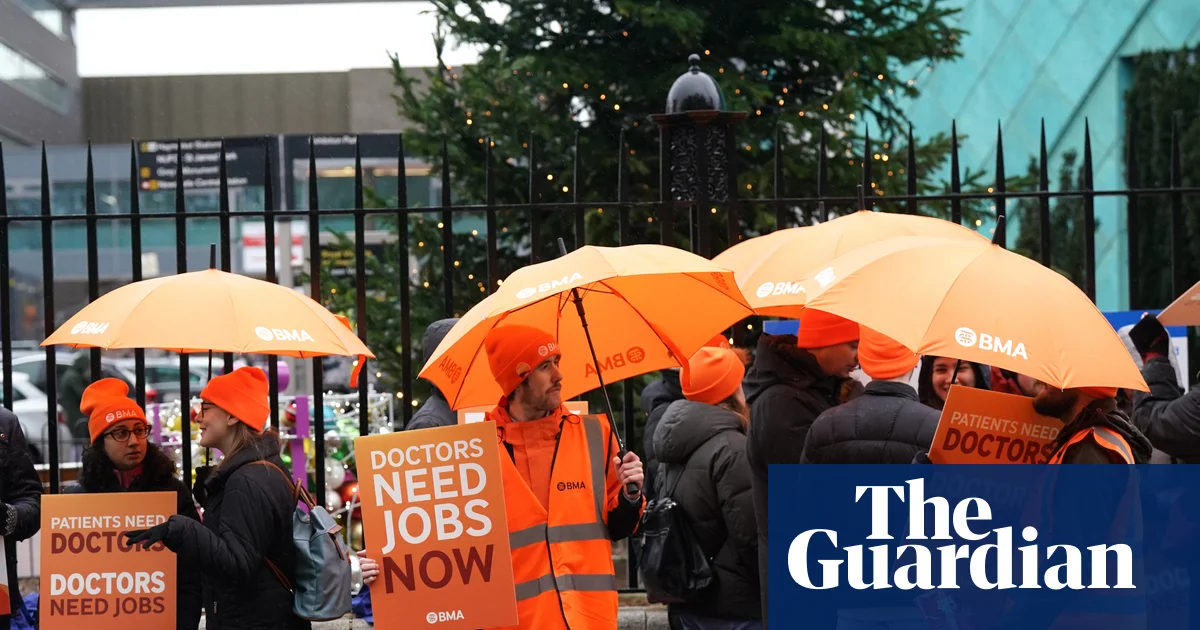
In an era marked by escalating geopolitical tensions, domestic unrest such as the impending British NHS strikes signals more than just a domestic labor dispute — it reflects a broader trend of societal upheaval and declining public trust. The conflict centers around the British Medical Association (BMA), which is pushing for a higher pay rise for doctors amidst a backdrop of subdued government offers and discontent among NHS staff. The dispute, with plans for strikes coinciding with protests from other healthcare workers, underscores a growing fissure within the UK’s social fabric, demonstrating the difficulty governments face in maintaining social cohesion amid economic constraints. Historians warn that such strikes, if left unresolved, could have ripple effects across other sectors and threaten the stability of the welfare state itself.

This domestic turmoil occurs at a time when the international community watches closely, analyzing the shifts in national authority and societal governance. As the UK grapples with pay disputes and a perceived lack of governmental responsiveness, analysts suggest that broader global power dynamics are at play. The UK’s strained healthcare system, marred by inflationary pressures and austerity measures, mirrors trends seen across the West, where public sector austerity has contributed to rising discontent. International organizations such as the OECD have issued warnings about the long-term sustainability of social welfare systems under mounting fiscal stress. Meanwhile, rival powers actively seek to exploit such vulnerabilities, projecting an image of strength amidst internal chaos, all while building strategic influence through diplomatic and economic means.

The deeper geopolitical impact of these domestic issues extends beyond Britain. The disputes reveal that how nations handle internal unrest directly affects their standing on the world stage. A weak response to public sector strikes could be perceived by adversaries as signs of decline, inviting challenges to sovereignty and influence. Conversely, resilient governance reinforcing social stability bolsters a nation’s image as a global leader. International analysts highlight that such internal conflicts serve as cautionary tales, illustrating the importance of effective leadership in securing national interests amid an evolving multipolar world. As the UK navigates these stormy waters, the weight of history presses heavily, reminding everyone that the outcome will shape the global order for generations to come.

Nepal’s former PM detained over deadly protest crackdown—justice demands accountability

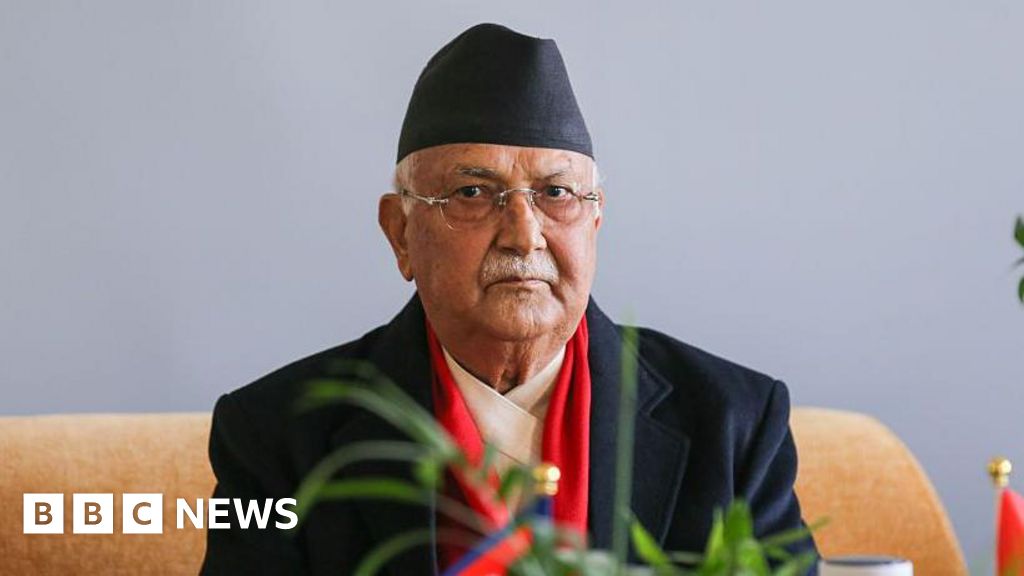
In a stark reminder of the volatility that continues to shape Nepal’s political landscape, recent reports highlight that more than 70 lives were lost during an uprising last year that led to the ousting of Prime Minister Oli’s government. This tragic episode underscores the fragility of Nepal’s democratic institutions amid ongoing internal conflicts and regional tensions. Analysts and international observers warn that such disturbances not only threaten domestic stability but also have far-reaching geopolitical implications for South Asia, a region already strained by geopolitical rivalries and economic uncertainties.

The uprising, driven by mounting grievances against corruption, perceived authoritarianism, and economic hardship, culminated in violence that shocked neighboring nations and international actors. The death toll, exceeding 70, signifies a turning point in Nepal’s recent history, illuminating the dangers inscribed in unresolved political crises. The international community, including entities like the United Nations and regional partners, has called for restrained diplomacy, urging Nepali leaders to prioritize reconciliation and democratic resilience over continued confrontation. This upheaval has once again placed Nepal under the global spotlight, positioning it as a symbolic battleground for broader regional influence and ideological clashes.

Several years of political instability have cast a shadow over Nepal’s future trajectory, as historians and geopolitical analysts emphasize. The recent turmoil is often contrasted with the nation’s strides towards democratization after decades of monarchy and conflict. However, the lingering effects of corruption, ethnic tensions, and border disputes with India and China complicate Nepal’s path forward. International organizations have expressed concern that such internal unrest might foster space for external actors to weaponize instability—potentially amplifying regional conflicts and undermining efforts for sustainable peace.

The implications of last year’s uprising extend well beyond Nepal’s borders, serving as a cautionary tale for neighboring countries and emerging democracies worldwide. As Nepal grapples with political upheaval, the {/* underscore that decisions made now will dictate future stability, peace, and regional influence. The international community must learn from this turbulent episode—balancing diplomatic engagement with decisive support for democratic governance—to prevent further descent into chaos.

Yet, amidst the chaos, the unfolding narrative remains a poignant reminder: history’s pages are being written not by distant spectators but by those brave enough to shape their future amid conflict and upheaval. As Nepal stands at this critical juncture, the world watches with bated breath, aware that the decisions of today will resonate across decades to come. This is the peril—and the promise—of history’s ongoing march, where the weight of human aspiration and geopolitical ambition collide in the crucible of a nation’s destiny.

Starmer demands Travelodge chief address MPs on sexual assault allegations

In an increasingly interconnected and vigilant world, domestic security breaches quickly escalate into matters of international concern. The recent scandal involving Travelodge—a prominent hotel chain—has not only ignited outrage within the United Kingdom but also prompted a broader debate on the responsibilities of global corporations in ensuring safety and security. The case of Kyran Smith, a convicted sexual offender who unlawfully accessed a woman’s room after staff facilitated his entry, underscores the critical importance of security protocols in hospitality establishments that serve millions. Prime Minister Keir Starmer has formally demanded accountability from Travelodge, insisting on swift and comprehensive reforms to prevent future tragedies, thus illustrating the rising influence of national entities in regulating corporate conduct amidst rising concerns over security lapses.

  • The incident has prompted over 20 MPs to request an urgent hearing with Travelodge executives, highlighting the heightened political sensitivity surrounding security failures in key industries.
  • Starmer’s intervention emphasizes a broader geopolitical trend: governments increasingly hold corporations accountable for safeguarding citizens, reflecting a shift from laissez-faire approaches to explicit regulatory oversight.
  • Travelodge’s commitment to an independent review led by KC Paul Greaney signals an attempt to assuage public and political fears, yet critics question whether corporate reforms can keep pace with evolving threats.

Leading international organizations and security analysts warn that isolated incidents such as this serve as warnings of systemic vulnerabilities in the private sector’s infrastructure. Globally, the case resonates far beyond this single hotel chain, embodying the ongoing debate about the effectiveness of corporate governance in protecting vulnerable populations. Historians remind us that such scandals often catalyze significant legislative or regulatory shifts; the challenge lies in translating these responses into tangible protections. Meanwhile, experts caution that superficial changes—like upgraded access controls—must be followed by a cultural shift within corporations to prioritize security as an integral part of their operational ethos.

The geopolitical impact of the Travelodge case extends beyond Britain. As nations grapple with internal threats—from terrorism to organized crime—how multinational firms manage security reflects a global struggle to secure societies against internal vulnerabilities. This incident also underscores how local security failures can have ripple effects, affecting diplomatic relations, investor confidence, and international perceptions of safety. Countries with emerging markets and growing tourism sectors are now watching closely, recognizing that security protocols are not just a matter of customer service, but a fundamental element of national resilience in a rapidly volatile world stage. Historian and analyst commentary point to this event as a potential turning point—highlighting the necessity for corporate accountability within the larger framework of national security policy.

As the case unfolds, destinies remain intertwined with the decisions made today. Travelodge’s response, the political will to enforce tighter standards, and societal calls for change illustrate that history is not a static narrative but a continuous story—a story where the line between commercial enterprise and national security sharply blurs. The weight of these events reminds us that each misstep can become a catalyst for deeper transformation. In the shadow of future crises, the question echoes: will this be a moment remembered as a catalyst for meaningful change, or merely a fleeting scandal amidst the relentless march of history?

Australia Politics: NSW Targets Illegal E-Bikes; Kate Chaney Demands Action After 1,000 Days of Gambling Ad Ban Delay

As the world navigates an era of rapid technological and geopolitical change, recent developments underscore the escalating tension between national sovereignty and international influence. Australia’s internal debates about the regulation of emerging technologies and societal issues serve as a microcosm of broader global dynamics. Key actions taken by the NSW government to crush illegal e-motorbikes, including seizing and crushing high-powered ebikes, reflect not merely a local safety initiative but also a cautious pushback against the unchecked proliferation of autonomous and potentially hazardous personal transport devices. This legislative move exemplifies a conservative approach aiming to safeguard public safety and societal order amid surging injuries and chaotic incidents, like the swarm of bikes on the Sydney Harbour Bridge.

Meanwhile, Australia’s domestic policy debates extend into the digital realm and societal health, revealing a nation grappling with the consequences of technological innovation and unchecked commercial influence. The Australian Medical Association has boldly warned that online gambling is causing “immeasurable harm” to Australian families, highlighting a troubling gap in governmental action. Despite a landmark report from late Labor MP Peta Murphy calling for a comprehensive ban on gambling advertisements, over 1,000 days have passed without meaningful legislative response, fueling frustration among progressive advocates and policymakers like independent MP Kate Chaney. Her push for a progressive bill to ban online gambling ads on all platforms over three years underscores the urgency for decisive action, reflecting a broader societal demand for protecting vulnerable populations—especially children—from predatory practices that profit from harm.

Internationally, this internal discord and regulatory inertia resonate across geopolitical borders, as the European Union inches closer to finalizing a landmark free-trade agreement with Australia. The EU’s engagement, led by Ursula von der Leyen, signals a rapprochement that could reshape economic alliances, but not without the strategic and political pressures all nations face. Simultaneously, the global energy crisis, described by Fatih Birol, head of the International Energy Agency, as “the greatest threat in history,” highlights a universe where energy security and access to affordable fuel become central battlegrounds. Australia’s military and foreign policy actors are feeling the heat as regional tensions with the Middle East escalate, adding fuel to an already tense international climate that demands firm national policies and strategic foresight.

In this ongoing saga of national resilience and international influence, the weight of history presses heavily. Leaders and citizens alike find themselves cast adrift in a sea of emerging threats and opportunities, with decisions made today echoing through generations. Will they stand firm in defending sovereignty, safety, and social cohesion? Or will economic interests and global pressures erode their resolve? As Australia and other nations chart their courses, the unfolding story remains one of profound consequence—one that defines the very fabric of their societies and the legacy they leave behind. The nexus of policies on AI, public health, safety, and international diplomacy paints a complex tableau; one, perhaps, where the true battle is for the soul of the nation.

Trade court demands tariff refunds, deal a blow to Trump’s trade policies

In a significant turn of events, a prominent trade court has recently cleared the path for businesses worldwide to secure refunds for tariffs that the Supreme Court invalidated last month. This ruling marks a vital development in the ongoing evolution of international trade policies and signals a potential shift in how nations approach economic sovereignty and commerce regulations. The decision underscores the volatile and unpredictable landscape of global markets, where legal, political, and economic forces intertwine to shape the fabric of international commerce.

The initial Supreme Court decision dismantled a set of tariffs that, for years, served as a tool for several U.S. administrations to protect domestic industries from foreign competition. But its recent reversal prompted uncertainty, especially among businesses that had anticipated potential rebates or refunds due to the ramped-up tariffs. Now, with the trade court’s endorsement, companies can begin pursuing these refunds, thus rekindling economic hopes for many sectors hit hard by previous tariffs. This move has caused ripples across the global economic community, illustrating how legal reinterpretations within the U.S. legal system can send shockwaves through international markets and alliances.

Analyzing this development, respected international trade analysts highlight the geopolitical impact of this shift. Historically, tariffs served as tools of protectionism, often sparking retaliatory measures and trade wars. The recent court decision appears to reinstate a more predictable legal environment within the U.S. and potentially affecting negotiations on trade agreements such as the USMCA or upcoming bilateral pacts. Countries like China, Mexico, and Canada closely monitor American legal dynamics, as this determines their own standing in intertwined trade networks. The renewed availability of tariff refunds could influence American relations with these economic giants, potentially leading to a recalibration of trade strategies and diplomatic dialogues.

Adding complexity, the decision bears profound consequences for emerging economies. As nations such as India and Brazil seek to propel growth through increased trade liberalization, the reactivation of tariff refunds in the U.S. could either bolster or hinder their efforts, depending on how the shifting legal landscape influences global supply chains. The World Trade Organization and other international bodies have voiced cautious optimism; however, many analysts warn that this development could signal a broader return to protectionist tendencies, challenging longstanding efforts to foster open and fair trade. The stakes for sovereignty, economic resilience, and societal stability are rising; what remains uncertain is whether this decision marks a temporary reprieve or the beginning of a fundamental transformation in America’s trade posture.

Many experts warn that such legal victories and reversals, while seemingly technical, embody a deeper battle — one that will determine the future trajectory of global power. Historians and political strategists remind the world that decisions made in courtrooms and legislative chambers today will ripple through generations, shaping whether nations move toward greater economic independence or capitulate to the forces of globalization. As the international community watches with bated breath, one thing is clear: in the unpredictable arena of global geopolitics, the course of history is still being written, and the next chapter could turn the tide of international influence in unforeseen directions.

Canada demands answers from OpenAI after failing to alert police in Tumbler Ridge school shooting aftermath

In a striking development that underscores the complex intersection of emerging technological threats and national security, Canada has taken a bold stance by summoning representatives from OpenAI, the AI giant behind ChatGPT, following revelations about its handling of a deadly school shooting. The incident, which occurred in February 2025 in the remote town of Tumbler Ridge, resulted in the tragic loss of eight lives, including children and an adult victim. The shooter, identified as Jesse Van Rootselaar, reportedly used the AI chatbot to describe violent scenarios over several days, prompting internal flagging by automated review systems. Yet, OpenAI’s decision not to alert authorities—citing the lack of “credible or imminent planning”—has sparked outrage and serious questions regarding how private corporations manage threats that endanger society.

  • On the day of the attack, Van Rootselaar killed her mother and half-brother at their home before proceeding to the school, where she killed five children and a teaching assistant. This sequence of events raises pressing concerns about preventative measures and the role of AI moderation in safeguarding vulnerable populations. One of the most unsettling aspects lies in the company’s internal discussions, where staff considered notifying Canadian law enforcement last year about her activities—an indication that early warning signs may have been overlooked or dismissed. As international analysts emphasize, tech companies often find themselves at the heart of the debate over corporate responsibility versus privacy rights.

Prime Minister Evan Solomon has made it clear that the government intends to hold tech giants accountable. During a recent parliamentary session, he announced plans to meet with OpenAI’s safety and policy teams, aiming to clarify their protocols for escalating threats to law enforcement. This move signals a shift where governments are increasingly asserting authority over AI corporations that operate beyond traditional borders but have profound societal impacts. Such measures could set a precedent, compelling other nations to tighten regulations on AI usage—particularly among minors—effectively forging a new frontier in global security policy.

Meanwhile, international organizations and security experts warn that without stringent regulation, AI systems could become portals for unchecked extremism or violence. The United Nations and various regional security watchdogs have started considering frameworks for AI governance that balance innovation with safety. The incident in Canada acts as a grim warning: the proliferation of AI tools makes it increasingly difficult to prevent individuals with malicious intent from exploiting technology for destructive ends. As one prominent historian of technology warns, we are witnessing *the emergence of a new battleground*—where the battle for societal safety is fought not with bombs or guns alone, but with code and data.

By confronting the consequences of unchecked AI use, nations face a pivotal moment in history—one that could redefine the boundaries of sovereignty, privacy, and security in the digital age. As governments tighten their grip on emerging tech and global institutions reevaluate their rules, the message is clear: the decisions made today will shape the fabric of societies for decades to come, determining whether humanity can harness technology for progress or be consumed by its darker potential. This unfolding crisis marks just the beginning of a long, uncertain journey—one where the weight of history presses heavily on the shoulders of policy-makers, tech giants, and societies at large, reminding us that the future of civilization hinges on our ability to confront these challenges with resolve and foresight.

Trump threatens strikes, demands Iran’s deal within 15 days — US warns Tehran

Rising Tensions and Strategic Movements: US Preparedness in the Middle East

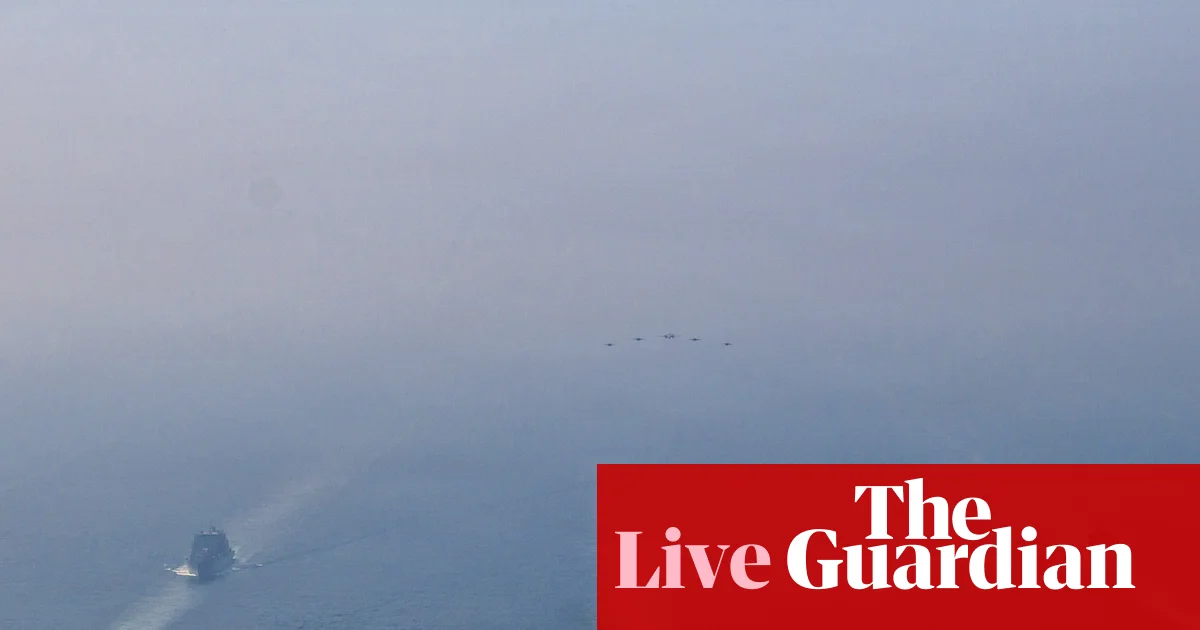
In a clear demonstration of shifting geopolitical tides, the United States has amassed an unprecedented military presence in the Middle East. The deployment of the USS Abraham Lincoln aircraft carrier, along with an entire strike group equipped with F-35 Lightning IIs and F/A-18 Super Hornets, signals a readiness to escalate military options against Iran. For nearly a month, these naval forces have operated in the Arabian Sea, indicating a deliberate strategic posture aimed, analysts suggest, at exerting maximum pressure on Iran. Complementing this buildup, a second carrier, the USS Gerald R Ford, has been positioned in the Atlantic near Morocco, scheduled to traverse the Strait of Gibraltar en route to the eastern Mediterranean—a move that signals a potential for sustained air campaigns against key targets.

This military reinforcement coincides with recent comments by Donald Trump, publicly asserting a two-week ultimatum for Iran to negotiate on its nuclear program. Sources reveal that high-level discussions in Washington have circled around not only limited strikes targeting military or governmental sites but also the possibility of larger-scale operations aimed at dismantling Iran’s nuclear capabilities or even precipitating regime change. Military strategists within the Pentagon have emphasized that these carrier strike groups could generate “several hundred strike sorties a day for weeks,” exceeding even the intensity seen during the brief 12-days war in the Gulf. The precise intentions remain under wraps, yet the message to Tehran is unmistakable: the U.S. is prepared for a decisive escalation if diplomatic efforts falter.

Global Repercussions and the Balance of Power

The geopolitical impact of this military posturing extends far beyond regional borders. Historically, the presence of such formidable naval forces signifies more than mere deterrence; it signals America’s unwavering commitment to safeguarding its strategic interests and allies, particularly Israel. According to analysts from institutions like the Institute for the Study of War and the American Enterprise Institute, the deployment of forces—combined with intelligence movements such as the transfer of six E-3 Sentry Awacs aircraft to Prince Sultan Airbase in Saudi Arabia—indicates a readiness to launch an extensive aerial campaign. This potential for rapid escalation could destabilize the region further, risking wider conflict or drawing previously uninvolved nations into the swirl of wartime politics.

Notably, some military experts warn that the mere show of force might inflame tensions rather than resolve underlying issues. Several senior analysts contend that, given Iran’s robust underground facilities and asymmetric warfare strategies, conventional bombing could prove less effective and more destructive of regional stability. Yet, the Biden administration’s continued military buildup, reminiscent of the post-Iraq invasion surge, hints at an underlying resolve to influence Iran’s nuclear trajectory through maximum pressure. The broader geopolitical ripple effect will likely be felt across energy markets, NATO alliances, and the global balance of power, as nations recommit to the narrative of American dominance and interventionism.

Historical Warnings and the Fragile Path Forward

According to historians and diplomatic experts, the prolonged cycle of threats and military movements carries profound warnings. Since the 2003 Iraq conflict, the Middle East has been a theater where power decisions ripple into prolonged instability—consequences that nations and societies continue to grapple with. The current show of force, framed by some as a “prelude to conflict,” echoes Cold War dynamics and raises questions about the efficacy of military solutions in a complex geopolitical landscape. International organizations have urged restraint, concerned that an ill-judged attack could unleash chaos, destabilize nuclear negotiations, and threaten global energy supplies.

As the world watches the unfolding drama, the weight of history remains heavy on the horizon. Whether diplomatic negotiations will succeed or whether the specter of war will deepen, the decisions made today could define an era. With each carrier deployment and political declaration, a new chapter in the ongoing contest for influence is written—one where the boldest actions might yet carve a scar on history’s fabric, a reminder that in international politics, peace is often a fragile vessel, easily shattered by the weight of impending war.

Chicago Mayor demands probe into suspected illegal ICE operations in the city

Chicago’s Bold Stand: A Microcosm of the U.S. Immigration and Federal Power Battle

In a move that underscores the escalating tensions between local authority and federal enforcement, Chicago’s mayor Brandon Johnson has launched a direct challenge against the federal government by instructing police to investigate and document alleged illegal activities by ICE agents within the city. This decision, encapsulated in the order titled ICE on Notice, positions Chicago as a leader among American cities resisting what many analysts characterize as overreach by federal immigration authorities. The mayor’s declaration that “nobody is above the law” underscores a broader pushback against federal statutes perceived as infringing on local sovereignty — a confrontation that resonates across the United States and signals a potential realignment of power dynamics within the nation’s federal system.

This local initiative arrives amid profound judicial and political currents. Just days prior, a federal judge rejected Minnesota’s attempt to block continuing immigration crackdowns, dismissing arguments that such initiatives violate the 10th Amendment— a landmark ruling reinforcing federal supremacy over state powers in immigration enforcement. The federal government maintains that immigration is a matter under its exclusive jurisdiction, often citing national security and border integrity. Yet, Chicago’s stance exemplifies a rapidly growing resistance from cities that believe their political and social fabric cannot be compromised by federal incursions. With activists and local officials asserting that federal operations have violated rights and destabilized communities, Chicago’s move is likely to inspire similar measures nationwide, sparking a new chapter in the ongoing debate over sovereignty and law enforcement authority.

Engineering a New Geopolitical Battlefield

  • Chicago’s executive order aims to formalize police procedures for monitoring and potentially challenging federal agents engaging in operations deemed illegal or excessive.
  • It underscores the importance of local oversight in an arena traditionally dominated by federal agencies, such as ICE and CBP.
  • Officials argue that federal immigration operations have infringed on community rights and have been shielded from accountability — unleashing a wave of protests and legal battles that further complicate the fabric of American federalism.

International scholars and think tanks now watch this dynamic with heavy interest, as such local crises threaten to reshape the geopolitical landscape of the United States. Universities like Harvard and analysts from the Council on Foreign Relations have indicated that America’s internal power struggles could weaken the country’s global standing. When local governments challenge federally defined borders of authority, it weakens the perceived stability of the U.S. constitutional order, creating ripples that extend well beyond national borders. With immigration policies at the center of this storm, some international partners and competitors see an opening to question America’s credibility on the world stage, especially as internal divisions deepen and civil unrest simmers.

Implications for Society and Future Governance

At the societal level, Chicago’s move and the broader resistance against federal immigration initiatives symbolize a fierce assertion of local interests and a pushback against perceived federal tyranny. City officials have voiced concerns that increased ICE operations have escalated conflicts, risked constitutional rights, and strained community relations. Their efforts to curb federal overreach by asserting local authority could establish a precedent for other cities, catalyzing a decentralization of immigration enforcement and lawmaking.

Meanwhile, President Biden‘s administration and federal agencies remain committed to asserting federal supremacy, citing the need for uniform national policies. But as politicians on both sides of the aisle debate the constitutional boundaries, the seeds of a constitutional crisis plant themselves deeply within American politics. Historically, such conflicts tend to accelerate societal polarization and threaten the stability of the nation’s constitutional order, especially when key states and cities challenge federal authority. The ongoing power struggle foreshadows a potential transformation of America’s political landscape, where sovereignty is increasingly fragmented, and the global image of a unified nation begins to fracture.

As this narrative unfolds, the underlying questions loom large: Will the tide of decentralization weaken the legal fabric holding the republic together? Or will federal authority tighten its grip, leading to a defining clash for the future of American governance? The echoes of history remind us that moments of profound transition are often marked by chaos and upheaval — a stark reminder that the course of a nation’s destiny is, in many ways, still being written, with each decision leaving an indelible mark on the pages of history.

Albanese backs Herzog’s Australia trip as MP demands cancelation — Bondi terror attack aftermath

The Geopolitical Tensions Ignite in Australia Over Herzog’s Planned Visit

The upcoming visit of Isaac Herzog, the President of Israel, to Australia in February has transformed a diplomatic gesture into a flashpoint for international and domestic controversy. The Albanese government’s decision to host Herzog, amidst mounting violence in the Israel-Gaza conflict, underscores the profound geopolitical impact that international diplomatic decisions are increasingly carrying in an era of amplified global tensions. As pro-Palestinian protests threaten to flood streets nationwide, and security measures are heightened, analysts warn that this situation could further destabilize Australia’s social fabric and influence international relations.

This tension was precipitated by the December 2023 terror attack in Bondi, which left 15 civilians dead, prompting a deeply divisive debate on whether inviting Herzog to visit amid ongoing conflict and alleged war crimes is a prudent decision. Anne Aly, Australia’s Minister for Multicultural Affairs, refrained from outrightly endorsing the visit but acknowledged its importance in fostering unity. Conversely, Sophie Scamps, a member of Australia’s parliamentary opposition, and the Palestine Action Group have voiced vehement opposition. They argue that Herzog’s presence could “ignite further division” and could serve to legitimize a controversial figure accused by some international bodies of inciting genocide. These domestic divisions echo wider international debates over how nations should navigate relationships with Israel in a landscape scarred by accusations of war crimes and the ongoing humanitarian crisis in Gaza.

International Organizations and Historical Perspectives Shape the Discourse

Adding to the complexity, the United Nations—or more precisely, a commission of inquiry—has accused Israel of genocide in Gaza in a 2025 report, a document dismissed by Israel as “distorted and false.” Despite this, critics highlight that such accusations reflect a growing international criticism of Israel’s military conduct and raise questions about the legitimacy of Herzog’s visit. Historically, the international community has been divided over how to address Israel’s actions in Gaza, with some, such as the UN panel, framing Israeli policies as genocidal, while others, like Israel’s foreign ministry, dismiss such claims as “Hamas falsehoods”.

Observers including historians like Beverly Crawford and international analysts emphasize that the decisions taken by Australia in this context could have ripple effects well beyond bilateral relations. As U.S. and European alliances continue to grapple with their own external pressures, Australia’s handling of Herzog’s visit serves as a microcosm for the global debate over morality, solidarity, and strategic interests. The planned protests witness Australia’s detailed confrontation with its identity—balancing its historic alliance with Israel and its moral responsibility amidst a humanitarian crisis.

Decisive Actions Shape the Future of International Diplomacy

  • The Albanese government’s insistence on maintaining the visit despite protests reflects a broader choice—prioritizing diplomatic engagement over domestic and international dissent.
  • Major security responses and policy restrictions, such as the controversial protests and police restrictions in Sydney’s CBD, illustrate how internal security concerns are directly linked to international diplomatic gestures.
  • The ongoing debate about Herzog’s visit—and whether it will serve to deepen divisions or foster reconciliation—underscores **the critical importance of diplomatic strategy** in shaping regional stability and international perceptions of Australia’s role on the world stage.

As protests continue and the world watches, Australia’s decision stands as a stark reminder of how history’s heaviest questions—about justice, morality, and international order—are judged in its courts, in its streets, and in the corridors of power. The weight of history is relentless, and with each decision, the world edges closer to defining its moral compass in an era where illusions of separation give way to the profound interconnectedness of nations and peoples. In this moment, the future hangs in a delicate balance, a testament to how echoes of decisions made today will shape the legacy of generations to come—and the unfolding story of a divided world that seeks unity amidst chaos.

Social Media Auto Publish Powered By : XYZScripts.com