Matox News

Truth Over Trends, always!

Hong Kong Tower Fire Claims 128 Lives, Youth Voice Demands Action

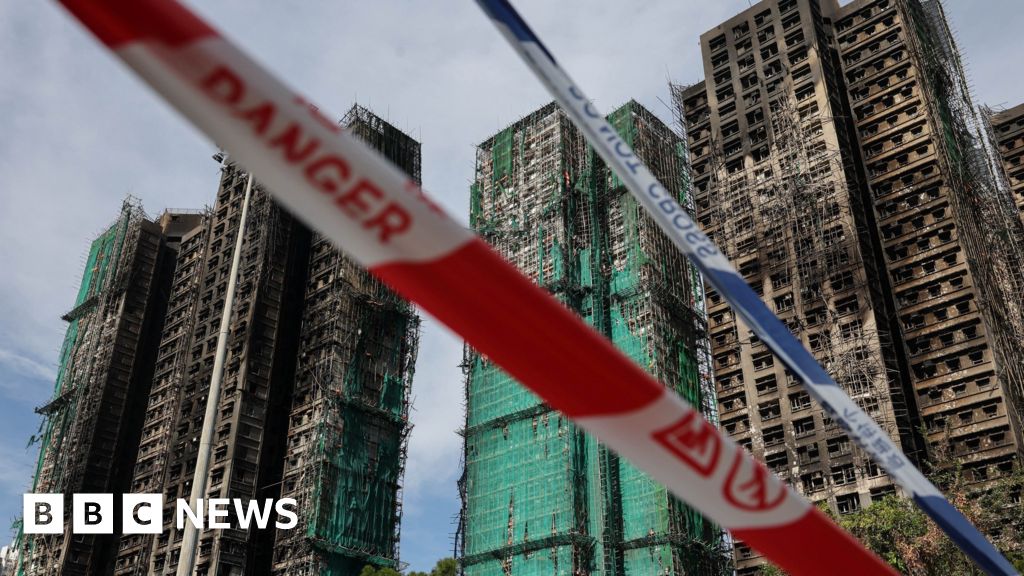
The recent fire outbreak at Wang Fuk Court in Hong Kong marks one of the most devastating tragedies in the territory’s modern history, with **128 lives lost** and dozens still missing. This catastrophe underscores profound failures in building safety standards and , igniting questions about how local governance and international investors manage safety protocols amidst ongoing urban renovations. As rescue operations conclude and emergency agencies tally the damage, the impact on Hong Kong’s societal fabric and global image becomes unmistakably clear, reflecting broader issues of urban neglect and corruption entrenched in the city’s development.*

This disaster, which saw flames rip through seven of the eight apartment blocks, speaks to systemic vulnerabilities. Firefighters worked tirelessly, with over 2,300 personnel involved in containment efforts, but the rapid spread was exacerbated by combustible exterior materials such as Styrofoam, which officials now link to the uncontrolled blaze. Experts from the International Fire Safety Organization warn that such negligence is indicative of a larger pattern—where cost-cutting and lax regulation compromise safety, especially in densely populated zones with aging infrastructure. Moreover, testimonies of missing safety alarms and allegations of turned-off fire systems by construction workers reveal a disturbing neglect that goes beyond mere oversight, pointing to potential criminal negligence***. These revelations resonate internationally as a warning of what unchecked corruption and profit-driven development can lead to, endangering vulnerable populations.

International analysts and historians have already contextualized this tragedy within Hong Kong’s longstanding struggle with urban density and governance. The 1948 fire that claimed 176 lives remains a dark chapter, and the current incident has reignited debates about urban planning failures—especially amidst recent protests over housing affordability and public safety. The fact that nearly 40% of residents are seniors who have lived in Wang Fuk Court since its 1983 construction emphasizes rising concerns that neglect of the elderly and marginalized communities is a symptom of broader societal disparities—disparities widened by the interplay of local government policies and international economic pressures. Such failures have drawn sharp criticism from international watchdogs and local civil society groups, who argue that the tragic loss could have been prevented had safety oversight been prioritized over profit gains.

The geopolitical repercussions extend beyond Hong Kong’s borders. As a major global financial hub, the city’s stability is vital to international investors and regional powers, notably China, whose leadership faces increasing scrutiny over transparency and governance. The incident fuels broader worries about urban resilience in the face of rapid development and challenges international perceptions of Hong Kong’s autonomy and rule of law. Some experts suggest that this crisis could catalyze reforms, but others caution it might deepen authoritarian tendencies, where accountability remains elusive. The story of Wang Fuk Court is thus not merely a local tragedy, but a symbol of the struggle between neglect and resilience, a chapter still being written in a consequential saga that shapes the very future of Hong Kong and, by extension, China’s global image.

As smoke clears and the city grapples with the enormity of the loss, history urges caution. Every life lost etches a scar into Hong Kong’s collective memory—an indelible reminder that the spirit of a society is measured by how it confronts its darkest hours. Yet, as with all moments of profound crisis, the question remains: will this catastrophe serve as a catalyst for meaningful reform, or will it fade into the backdrop of ongoing urban struggles? The weight of this tragic chapter lingers, leaving the world with a haunting realization—that sometimes, the flames of destruction threaten to consume not just buildings, but the very foundation of societal trust and safety, until a return to vigilance becomes the only path forward.

ICJ Demands Israel Let UN Deliver Essential Aid to Gaza’s Youth

International Judgment and Humanitarian Crises in Gaza

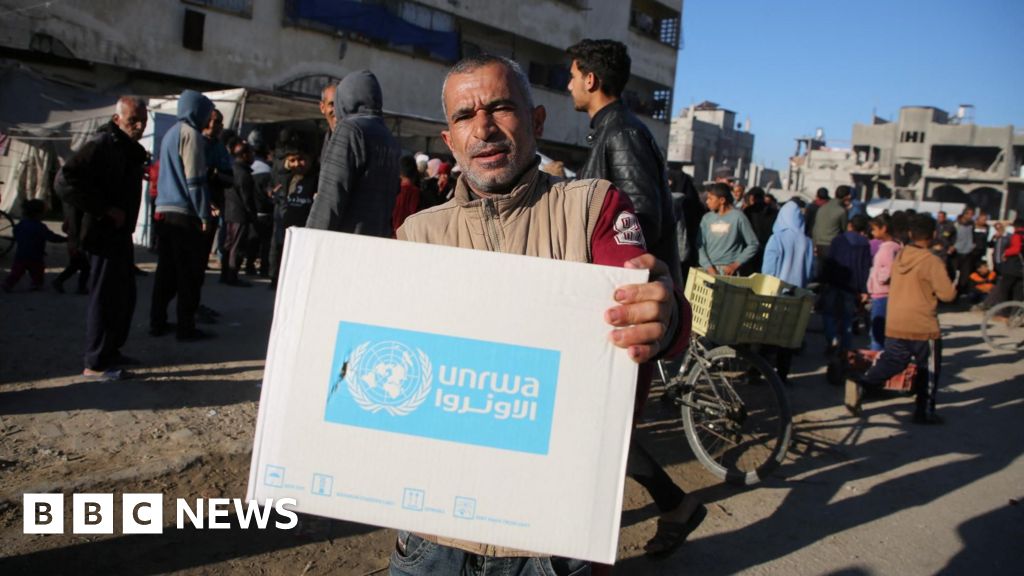
The International Court of Justice (ICJ) has delivered a significant advisory opinion regarding the ongoing crisis in the Gaza Strip, underscoring the legal responsibilities of Israel amidst escalating tensions in the region. The court’s ruling mandates that Israel facilitate the delivery of humanitarian aid by the United Nations and affiliated agencies, thereby emphasizing the international community’s stance on the dire need to meet basic human rights in the conflict zone. This opinion, while non-binding, carries immense diplomatic weight and accentuates the moral imperative for Israel to loosen its blockade that has effectively strangled Gaza’s civilian population for over two years.

The ICJ explicitly stated that Israel failed to substantiate claims that UNRWA — the UN agency responsible for Palestinian refugees — lacked neutrality or was infiltrated by armed factions like Hamas. The agency has repeatedly dismissed allegations of bias or clandestine affiliations, portraying itself as a neutral actor committed to humanitarian aid. Israel’s ambassador to the UN responded with unequivocal criticism, branding the ICJ’s opinion as “shameful,” illustrating the persistent divide over accountability for the humanitarian impasse. Historians and international legal analysts observe that the ICJ’s stance underscores a broader shift in international opinion toward prioritizing humanitarian obligations over political narratives.

Geopolitical Ramifications and International Reactions

  • The UN General Assembly had previously petitioned the ICJ in December to clarify Israel’s legal duties concerning operations in the West Bank and Gaza. This request followed a series of legislative measures by the Israeli parliament, which banned contact with UNRWA on Israeli soil and restricted aid activities—an act perceived by many as an escalation in the ongoing standoff.
  • Since the onset of hostilities with Hamas roughly two years ago, Israel has intensified its blockade, curbing access to essential supplies and implementing policies that have severely compromised the health, food security, and safety of Gaza’s 2.1 million residents. UN-backed experts warned of a “man-made famine,” with more than 640,000 people facing catastrophic shortages of food. Despite Israel’s insistence that aid flows are sufficient, independent assessments portray a starkly different reality.

The geopolitical impact of this crisis resonates well beyond the Mediterranean. Western nations, particularly those aligned with America and Europe, face mounting scrutiny over their diplomatic stance and relief efforts. Critics argue that uncontrolled aid restrictions serve as coercive tools, exacerbating suffering while political aims take precedence. International institutions, including the United Nations, are caught in a moral and strategic tug-of-war, with some analysts warning that failure to address these humanitarian concerns could fuel further instability and radicalization across the region.

Shifting Power Dynamics and the Weight of History

This moment in history beckons as a pivotal juncture where legal obligations, international diplomacy, and regional stability collide. The ICJ advisory adds fuel to the debate over accountability and sovereignty, spotlighting how their interpretations shape future interventions in conflict zones. As leaders and historians scrutinize these developments, the true test lies ahead: whether the international community’s moral authority can compel meaningful change or whether geopolitical interests will continue to weigh heavily in the shadows of diplomacy.

In the span of history, such decisions are destined to be remembered as either catalysts for humane reconciliation or as preludes to enduring cycles of violence. The unfolding story of Gaza’s suffering, and the global responses it provokes, serve as a stark reminder that the weight of history is still being written — with every act, every judgment, and every hope for peace shaping the world’s future.

European right-wing echoes Trump, demands Antifa labeled as terrorists

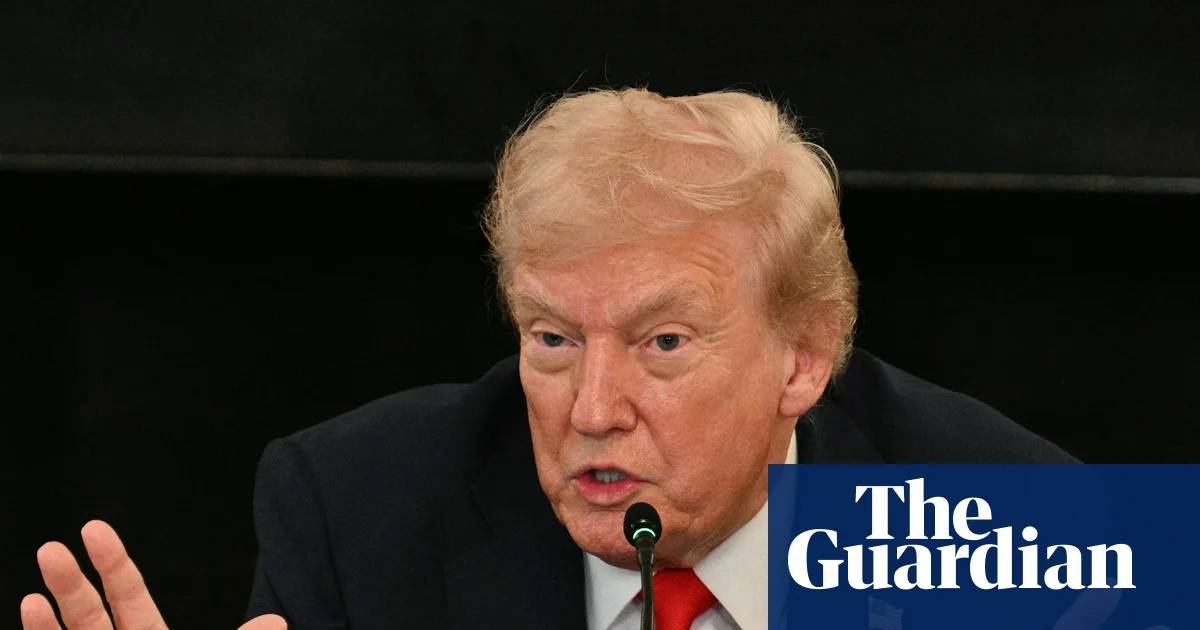
In recent months, the United States has set a precedent that resonates far beyond its borders, as nationalists across Europe emulate a hardline stance against what they term as anti-fascist militant groups. Donald Trump’s declaration on Truth Social that he would designate antifa as a major terrorist organisation has unleashed a wave of political momentum among Europe’s populist and far-right factions. Countries such as Hungary and the Netherlands swiftly responded, with leaders like Viktor Orbán and Geert Wilders advocating for criminalising the loosely affiliated, decentralized movement. The European parliament’s adoption of a resolution, supported by 79 MEPs from 20 nations, underscores how a collective wave of nationalist sentiment is rallying behind this narrative, falsely linking antifa to chaos and threats against societal cohesion.

How International Alliances Transform Domestic Politics

Experts warn that these legislative moves are far more than symbolic. Jessica White, acting director of terrorism and conflict studies at the Royal United Services Institute, emphasizes that antifa remains an amorphous movement lacking formal leadership or structured membership, making its designation as a terrorist organisation both impractical and counterproductive. She warns that such labels could be weaponized politically to target dissenters—like Ilaria Salis—who challenge authoritarian regimes. Salis, an Italian activist elected as an MEP in 2024, narrowly escaped Budapest’s attempt to strip her of immunity, a move critics view as politically motivated suppression. This pattern of repression exemplifies how these claims are used to stifle dissent, labeling opposition as threats to national stability, thereby undermining the rule of law and democratic principles prevalent in the EU.

Overreach or Necessary Defense?

Hungary specifically brands antifa as an “leftwing terrorist organisation”, a characterization vehemently rejected by European and international bodies like Europol. The agency’s recent Terrorism Situation and Trend report refrains from using the term “antifa,” instead attributing violence to left-wing or anarchist extremism—notably limited to property-targeted attacks in Italy and Greece. Critics argue that Hungary’s narrative is a strategic attempt to stigmatize all political opposition, with Zoltán Kovács and Orbán’s inner circle framing dissidents as violent threats. This rhetoric contributes to a climate of fear and polarization, where legitimate political dissent is conflated with extremism, ultimately eroding civil liberties and democratic accountability.

The Broader Culture War and Its Global Echo

Meanwhile, international analysts like Paweł Zerka warn that Trump’s influence extends beyond policy, fueling a culture war that polarizes societies across the Atlantic and increasingly in Europe. His advocacy for a nationalist, populist ethos has helped forge a new geopolitical landscape where the US acts as a model for right-wing populist movements—aligning figures like Marine Le Pen and Orbán. Zerka describes this as part of a grand strategy to create a “Maga international,” a network of ideologically aligned nations supporting nationalist narratives. The concept of antifa, borrowed wholesale from American political discourse, serves as a tool to create a common enemy that fuels domestic cohesion among these groups, rather than fostering genuine debate or legal due process. As this narrative spreads, the stakes grow higher—each new law, each inflammatory rhetoric, pushes societies closer to the precipice, with history poised to record whether this tide of nationalist fervor will bolster sovereignty or lead to chaos.

Australia News Live: Hecs Debt Relief Starts November – Waters Demands More Support for Detained Flotilla Activists

Global Power Play: Navigating Conflicts, Alliances, and Domestic Policy Shifts

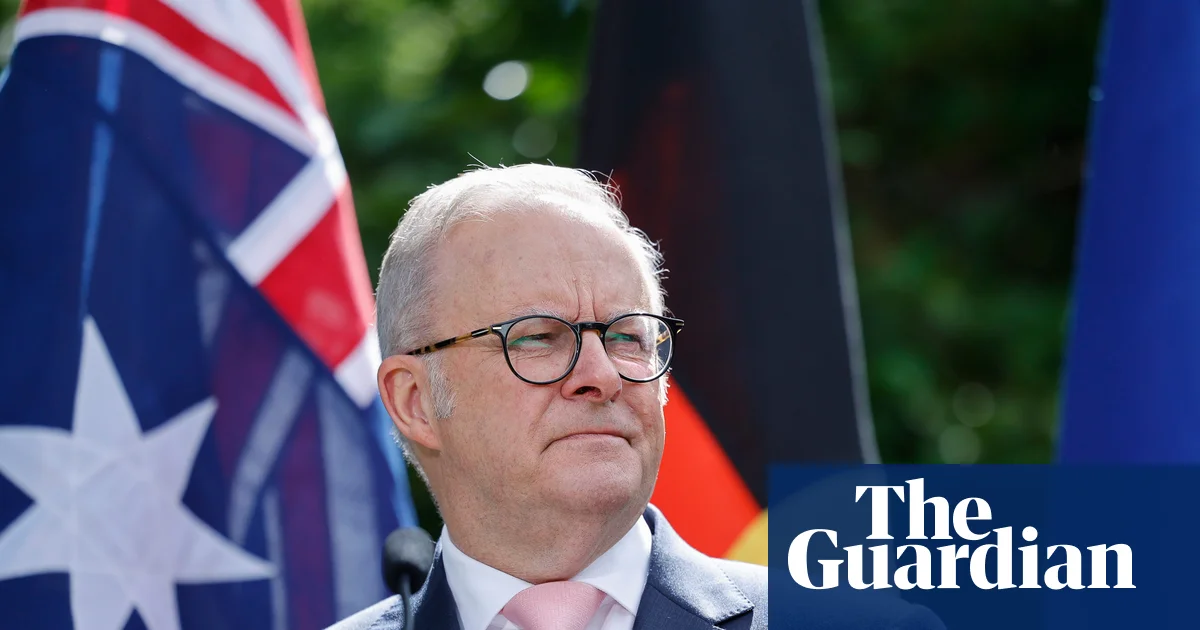
In an era where the geopolitical landscape shifts rapidly, nations are increasingly compelled to reassess alliances and strategic priorities. Australia, under the leadership of Prime Minister Anthony Albanese, exemplifies this dynamic as it grapples with complex international issues—from supporting activists attempting to break the Gaza blockade to navigating climate commitments and domestic policy reforms.

One of the most striking international developments involves the interception of a flotilla attempting to breach the naval **blockade on Gaza**, aimed at delivering critical aid to the beleaguered Palestinian territory. Six Australians who participated face detention by **Israel**, prompting calls from Australian politicians, including opposition figures such as Larissa Waters, for the government to escalate diplomatic efforts. Waters has demanded greater action from Foreign Minister Penny Wong, including “calling on the Israeli ambassador” and even contemplating the expulsion of that ambassador if Australia’s nationals are not treated with due security and respect. The situation underscores the **geopolitical impact** of America’s close alliance with Israel—a relationship that many analysts argue complicates Australia’s ability to adopt a balanced foreign policy amid rising tensions.

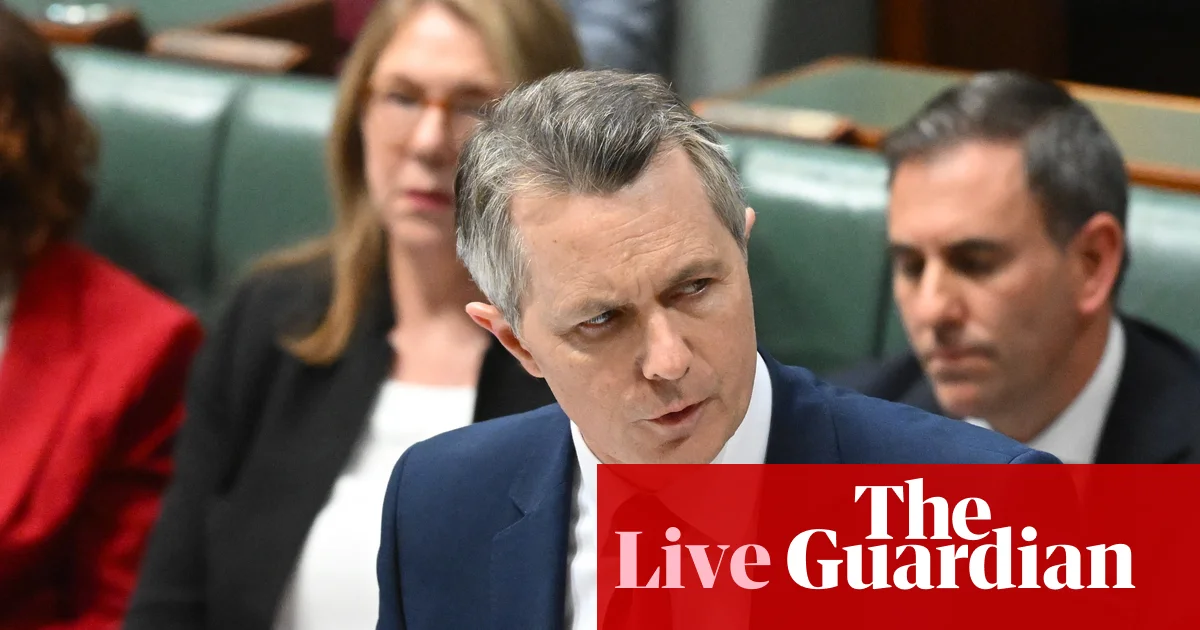
Meanwhile, in domestic policy, the Albanese government has announced significant steps to ease economic burdens for Australians. Starting mid-November, the **Higher Education Contribution Scheme (HECS)** debt will be cut by 20%, a move aimed at alleviating the student debt crisis faced by millions. This policy shift, backdated to balances as of June, reflects a broader economic strategy to boost domestic affordability and social mobility. Critics, however, argue that such measures serve political ambitions more than systemic reform, especially as debates around **climate change** intensify. The Greens, led by Larissa Waters, have repeatedly accused the government of ignoring expert advice—asserting that the **62-70% emissions reduction targets** are “low-balled” and favoring coal and gas industries with too lenient policies. This rift demonstrates how domestic policy decisions are deeply intertwined with **global climate commitments**, which, if rushed or compromised, could undermine Australia’s credibility on the international stage.

In the broader arena, the **Green parties worldwide** are pushing hard for environmental protections and a shift away from fossil fuels. Waters has called for an end to native forest logging and stronger environmental safeguards, criticizing the government’s willingness to negotiate with powerful fossil fuel interests—particularly the notorious “go zones” that reportedly include 22 coal projects seeking approval in the Bowen Basin. International organizations like the Climate Change Authority warn that actual commitments are insufficient to meet the looming climate crisis, a concern echoed by Australian experts who emphasize that **how nations choose to act now will define their legacy**. The tension between economic growth’s reliance on fossil fuels and the urgent need for ecological sustainability continues to be a defining feature of Australia’s **geopolitical impact** on global climate efforts.

As these internal and external tensions unfold, history remains at the crossroads. Decisions made in the coming months will resonate across nations—impacting alliances, influencing international perceptions, and shaping the lives of generations to come. From the **growing unrest in Gaza** to the **policy debates within Australia’s halls of power**, it is clear that the true test of leadership is whether a nation can uphold justice, security, and sustainability—all while navigating the turbulent currents of the world’s future. The unfolding narrative is a stark reminder that history’s weight lies not just in the decisions of today, but in the legacy of what is yet to be written.

Pritzker warns of Trump sending National Guard to Chicago amid shooting incident at border patrol—Youth voice demands action

Unrest and militarization escalate within United States: A nation at a crossroads

The recent decision by President Donald Trump to deploy over 300 federal National Guard troops in Illinois amidst mounting internal conflicts marks a pivotal moment in the history of American sovereignty and civil liberties. This move, announced by Illinois governor JB Pritzker, has ignited a fierce political debate, characterized by allegations of overreach and threats to fundamental constitutional principles. Pritzker’s vehement opposition underscores a broader rift within the country, pitting federal authority against local governance and civil rights.

As the Trump administration intensifies its immigration enforcement, with ICE agents conducting aggressive operations across Chicago, the urban unrest appears to be more than a routine law enforcement campaign. The recent deadly shooting of a woman by federal agents—initially claimed to be *defensive*—raises serious questions about the escalation tactics employed, especially as the woman’s name reportedly appeared in a threat bulletin against ICE. Historians warn that such incidents reflect a dangerous shift toward militarized domestic policing, reminiscent of authoritarian states more than a democratic republic. “This is a turning point where the use of military force within the U.S. is increasingly normalized,” said Dr. Annette Morgan, a political analyst specializing in civil-military relations.

Meanwhile, high-ranking officials like Kristi Noem and Gregory Bovino have announced bolstered troop deployments, framing federal intervention as necessary to control alleged surges in local violence and disorder. Yet, critics argue that much of this narrative is inflated or outright false, aiming to justify an aggressive federal footprint within American cities. The deployment of troops to cities such as Los Angeles and Washington D.C. signals a troubling trend: the encroachment of military authority into realms traditionally reserved for civilian law enforcement. Such actions threaten the very fabric of American constitutional democracy and may set dangerous precedents for future administrations.

Geopolitical Impact and Future Consequences

The international community watches these developments with concern. Many analysts, including top officials at NATO and the United Nations, have issued cautious statements emphasizing respect for national sovereignty and civil liberties. However, China and Russia are observing with strategic interest, eager to exploit perceived internal chaos to undermine the United States’ global influence. The continuous militarization of domestic affairs could weaken America’s image as a beacon of freedom worldwide, transforming its internal conflicts into a potential pretext for external interference or sanctions.

Furthermore, historians warn that this internal strife could have far-reaching consequences for American society. If unchecked, the increased deployment of military force against civilians could erode trust in democratic institutions and pave the way for a government comfortable with authoritarian methods. Such a trajectory risks transforming the United States into a nation where protests are met with suppression rather than dialogue—a dangerous slide toward internal instability that threatens to reshape the global order.

The Weight of History and Humanity’s Unfolding Future

As the United States faces this tumultuous chapter, the weight of history presses heavily on the shoulders of its citizens. Each decision to deploy military force on American soil echoes with echoes from darker chapters—when nations descended into chaos and lost sight of the principles that once made them great. The world watches in tense anticipation, aware that the choices made today may determine the destiny of generations to come. Will the United States reinforce its founding ideals of liberty and justice, or will it succumb to a new era of internal conflict and military dominance? Only time will unveil the next chapter in this unfolding story of power, resistance, and the enduring struggle for a free society.

Trump demands Israel halt Gaza bombings as Hamas agrees to free hostages

The recent developments in Gaza have sent shockwaves through the international community, illustrating the profound impact that decisive leadership can have on long-standing conflicts. Donald Trump, emerging once again as a pivotal figure on the global stage, ordered Israel to immediately cease bombing Gaza as he publicly welcomed Hamas’s tentative acceptance of a groundbreaking ceasefire plan. This unprecedented move signifies a potential turning point in what has become one of the most complex and entrenched conflicts of the 21st century. With the potential for a temporary halt to hostilities, the international system is watching closely, assessing whether this fragile alignment can evolve into a lasting peace that reshapes the geopolitical landscape.

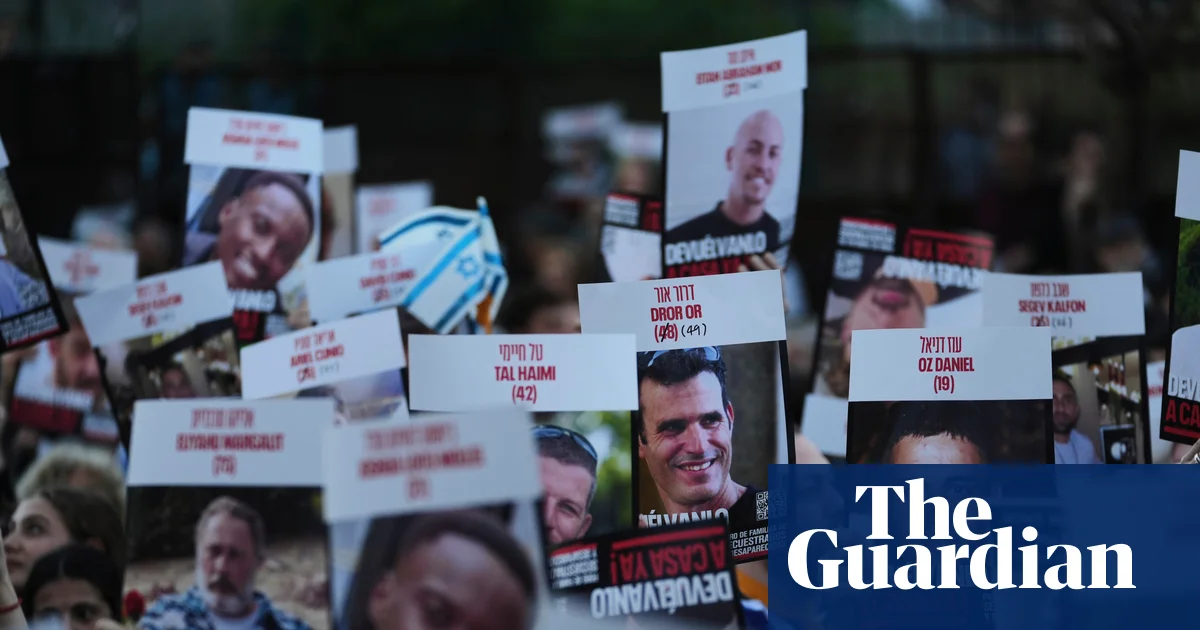
The agreement, brokered under Trump’s unique diplomatic influence, involves Hamas’s willingness to release all hostages in exchange for Palestinian prisoners held by Israel, as well as an acceptance of newly proposed governance structures for Gaza. While Hamas’s response remains cautious—requesting further negotiations on the plan—they have nonetheless signaled a willingness to surrender some control, a move that, if sustained, could redefine power dynamics in the region. Notably, Hamas’s statement confirming approval for the release of prisoners and the transfer of authority in Gaza indicates a strategic shift, likely aimed at alleviating the catastrophic humanitarian crisis and securing political leverage amidst ongoing chaos.

In this context, Trump’s plan stands out as a comprehensive roadmap for peace—calling for an immediate ceasefire, swift exchange of prisoners, phased Israeli troop withdrawals, and the disarmament of Hamas fighters. It also emphasizes an urgent increase in humanitarian aid to address Gaza’s dire conditions, which have been exacerbated by Israel’s blockade and relentless military strikes. What makes this approach particularly significant is the fact that only Trump’s leadership has managed to push through such a coordinated diplomatic effort involving regional actors like Egypt and Qatar. This coalition, with its focus on a sustainable resolution, exemplifies a rare moment where international diplomacy finds common ground amid chaos—the kind of intervention the region has desperately needed for years.

However, the bigger geopolitical impact of this unfolding scenario cannot be overstated. While a ceasefire might bring immediate relief to Gaza’s suffering population, the underlying issues of disarmament, governance, and regional influence remain unresolved. Analysts suggest this could be either a genuine breakthrough or merely a lull before the storm—highlighting the fragility of peace in a region where history shows that negotiations often unravel as quickly as they are born. According to respected international scholars, the momentum generated by Trump’s intervention might influence future diplomacy, potentially setting a precedent for outsider-led solutions to entrenched conflicts. Yet, the deeper questions of sovereignty, ideology, and regional order linger, casting a long shadow over the current negotiations.

As history’s pages continue to turn, this moment in Gaza stands as a stark reminder of how geopolitics, driven by bold decisions and strategic interests, can quickly reshape entire nations and societies. With each negotiation, each promise broken or fulfilled, the narrative of the Middle East edges closer to a new chapter—one that may yet turn tragic or hopeful, depending on whether the choices made today stand the test of time. The weight of history presses down, and the world watches, aware that in the crucible of conflict, even the greatest efforts are only the beginning of a longer journey—one whose final destination remains uncertain amidst the ever-changing tides of power and peace.

Social Media Auto Publish Powered By : XYZScripts.com