Matox News

Truth Over Trends, always!

‘The Devil Wears Prada 2’ Roars to $233M Opening, Reinforcing Its Blockbuster Status

The unparalleled success of The Devil Wears Prada 2 at the international box office signals not only a triumph for Hollywood but also underscores shifting cultural currents in a time of significant geopolitical tension. With a staggering $233 million globally, primarily fueled by an overwhelmingly female audience, the film’s performance exemplifies a notable departure from traditional blockbuster patterns dominated by male-centric superhero franchises. This shift is more than cinematic; it echoes the growing influence of culture as a tool of soft power, shaping perceptions and societal narratives worldwide.

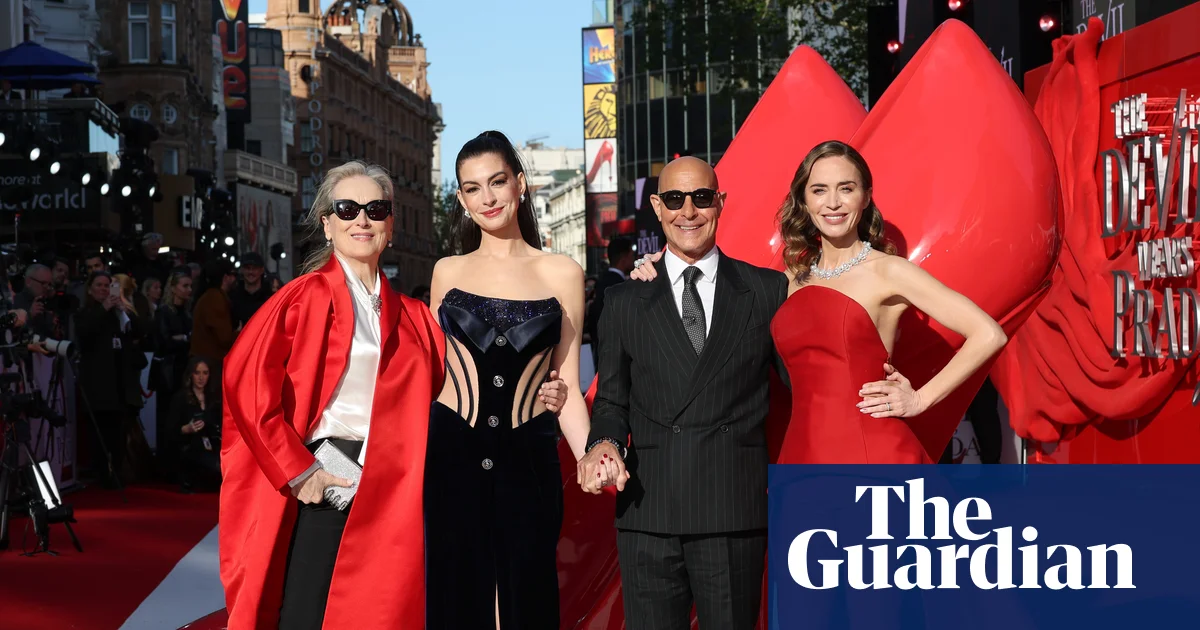
Analysts highlight that this movie’s record-breaking numbers—besting even classic motifs like Mamma Mia and Oppenheimer—demonstrate a broader trend: how Hollywood’s choices significantly impact international perceptions of the West and its societal values. The film’s global reach, spanning Tokyo, London, and New York, was amplified by high-profile appearances from icons like Anna Wintour and the cast, bolstering Hollywood’s cultural diplomacy amid rising geopolitical rivalries. Experts warn that entertaining the masses with stories rooted in fashion and female empowerment subtly shifts societal norms and expectations, influencing consumerism and gender discourse across borders.

Furthermore, this Hollywood triumph emerges amid ongoing tensions between Great Power blocs and a media landscape increasingly polarized and influenced by geopolitical agendas. The strategic release during the opening of the summer movie season, a period traditionally dominated by Marvel’s blockbuster dominance, signifies Hollywood’s resilience and adaptive power. The film’s extraordinary performance—particularly in the North American market, which is currently seeing a 14% increase in ticket sales—demonstrates that cultural capital remains a potent weapon in the global arena, capable of swaying opinions and fostering a sense of shared identity.

Historians and international commentators have long observed the nexus of culture and geopolitics. A recent report by the United Nations Educational, Scientific and Cultural Organization (UNESCO) emphasized how cinema influences international cultural diplomacy, subtly reinforcing or challenging existing power structures. As analysts warn of the rising influence of soft power strategies, Hollywood’s latest blockbuster encapsulates a moment where entertainment becomes both a reflection and an agent of social and geopolitical transformation. The true significance lies not only in the $233 million box office but in the unfolding narrative of a world where culture wields an increasingly decisive influence in shaping the future of nations and societies.

As the credits roll on this summer’s Hollywood premiere, history’s pen remains poised. The magnitude of this cultural phenomenon—initially dismissed as merely entertainment—may ultimately be recorded as a pivotal moment where the stories we tell, the images we project, and the cultural symbols we embrace changed the course of history itself. For in an era defined by geopolitical upheaval and shifting alliances, Hollywood’s glittering lights cast long shadows—foretelling that the stories we choose to amplify now will echo through generations, shaping the global order for years to come.
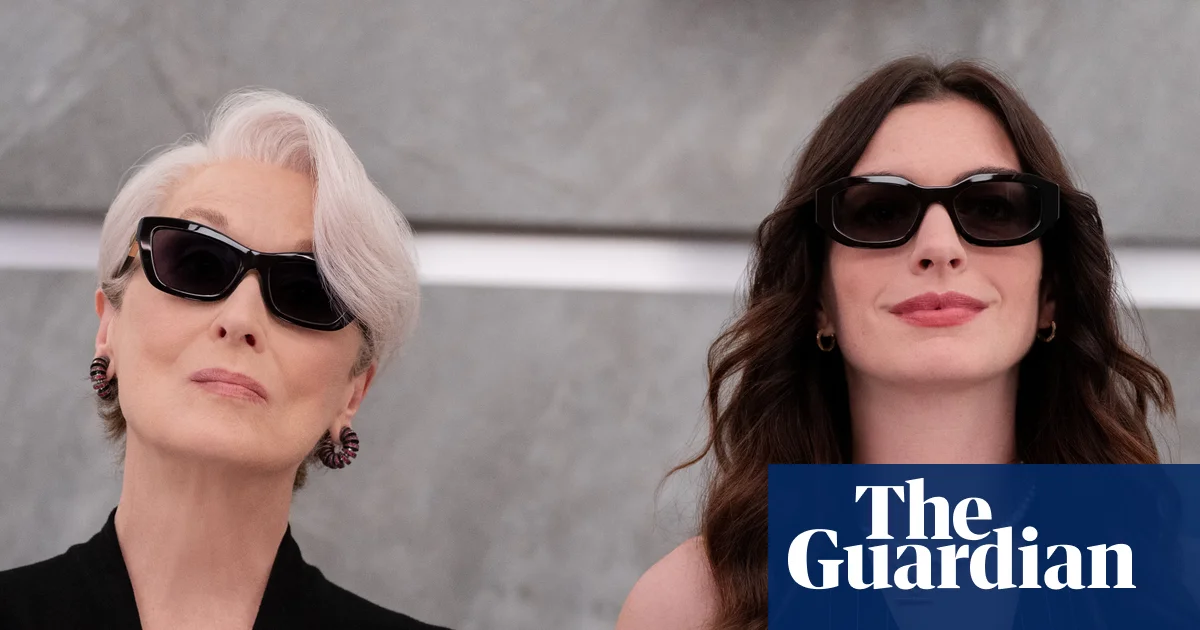
The Devil Wears Prada Returns: Fat-Jokes Lost Their Edge in Today’s Cultural Shift | Chloe Mac Donnell

In the spectacle of modern cinema and fashion, culture has become both a mirror and a canvas for societal ideals and anxieties. The recent trajectory of the franchise The Devil Wears Prada—notably its sequel—serves as a case study in how Hollywood’s portrayal of body image reflects broader cultural shifts. When Meryl Streep and Anne Hathaway publicly hinted at championing body diversity during their press tour, it seemed like a promising sign of progress. Yet, as the film itself reveals, what appears as an embrace of inclusivity often dissolves into mere symbolic gestures, falling short of genuine change. The superficial references to plus-size models and the sparse acknowledgment of weight-loss drugs serve as reminders that the entertainment industry still oscillates dangerously between superficiality and sincerity.

Historically, the evolution of body image in popular culture has reflected the oscillation between aesthetic ideals and moral judgments. From the relentless body-shaming of the noughties, where cellulite and sagging knees became national spectacles of mockery, to the contemporary flirtation with body positivity, society has grappled with the tension between conformity and authenticity. The shift towards inclusivity, marked notably by figures like Ashley Graham on Vogue covers and Chanel casting above a UK size 8, mirrored a hope that the cultural narrative was changing. However, recent data reveals a stark reversal: runway shows and retail sectors now predominantly favor the almost skeletal standard of thinness. As cultural critic G.K. Chesterton observed, “The most incredible thing about censorship is that it always suggests something worth hiding.” Today, a similar censorship manifests through the industry’s retreat from true body diversity, substituting it with tokenism that ultimately sells the illusion more than genuine representation.

This recurring pattern is compounded by the commodification of health and body transformation through innovative yet controversial avenues such as weight-loss drugs. Originally crafted to assist diabetics, medications like Ozempic have been co-opted as fashion accessories in Hollywood, their unbranded pens glaringly featured in glossy editorials. This phenomenon underscores a disturbing trend: the conflation of thinness with success and desirability, a symbolic indicator of status in our culture. The philosophical undercurrent here echoes Ortega y Gasset’s assertion that “Life is the conflict between the ideal and the real,” revealing society’s persistent struggle to reconcile aspirational beauty with the authentic health of the individual. The combination of glamorous red carpet appearances and marketing that derides or ignores the diversity of human bodies demonstrates how superficial gestures often obscure the deeper societal malaise—an obsession with image that ultimately impoverishes our collective identity.

  • Progress in fashion and media suggests a society in full flux, yet beneath the surface lies a paradox—an industry both embracing and rejecting genuine change.
  • The core tension is captured in the enduring symbols of beauty and health that define societal standards, and the relentless commodification that sustains them.
  • Cultural critic T.S. Eliot famously wrote, “Humankind cannot bear very much reality,” a truth that continues to haunt modern portrayals of the body—where sincerity is sacrificed on the altar of image.

As we contemplate this landscape, it becomes clear that culture is the living memory of mankind and the prophecy of what we might become. The superficiality of current trends may suggest defeat in the face of an ideal body or authentic representation, yet beneath these fleeting illusions lies the enduring human desire for genuine identity—the acknowledgment that our bodies, with all their imperfections, are the living testament to our history, our struggles, and our hopes. To truly forge a society that honors both our memory and our potential, we must look beyond the glossy façades and recognize that culture is not merely what we see, but what we remember and dream together—an eternal dialogue between who we are and who we aspire to be.

The Devil Wears Prada 2 Drops This Spring — A Fresh Take That Kids Will Love! | Movies

Decades after its original release, The Devil Wears Prada continues to influence not only Hollywood but also the broader cultural landscape of fashion and social norms. The recent release of The Devil Wears Prada 2 reintroduces audiences to the glamorous yet cutthroat world of high fashion, highlighting how this universe remains steadfast in its elite exclusivity and social relevance. Even as the plot revisits familiar beats from the 2006 classic, the film underscores an enduring shift in societal perceptions of luxury, affirming that for the 0.1%, ultra-luxury brands are as recession-proof as ever. Influencers and fashion analysts note that this narrative, post-pandemic, emphasizes resilience in a way that resonates deeply with youth, who are increasingly craving authenticity combined with aspiration.

What makes this sequel especially compelling is its ability to blend nostalgia with forward-looking commentary. The return of stalwarts like Emily Blunt as Emily and Stanley Tucci as Nigel, coupled with the presence of modern influences, elevate the story beyond mere fashion escapism. For young audiences, the film embodies a social relevance rooted in the persistent allure of status and the fierce aspirations of a generation that sees luxury not just as excess but as a marker of identity and social mobility. As sociologist Dr. Emily Rodrigues explains, “Fashion remains a powerful vehicle for self-expression among youth, and narratives like this reinforce the cultural significance of aspiration stars, which influence everything from social media trends to personal style.”

  • Star cameos continue to serve as signals of cultural cachet, with the film featuring recognizable figures that amplify its social capital.
  • The portrayal of ultra-luxury brands as recession resistant taps into a broader conversation about economic inequality and consumer priorities.
  • Fashion as a social language is highlighted through nostalgic nods like Andy’s blue polyblend sweater, once mocked but now emblematic of a nuanced, layered cultural narrative.

Perhaps most intriguing is the film’s portrayal of its characters’ social mobility, which hints at an emboldened desire among youth to carve out their own niches within established hierarchies. Influencer and fashion icon Vera Chen argues that “fashion is the new social currency; young people see it as a way to assert their individuality while simultaneously navigating societal expectations.” The film’s comedic yet sharp observations about backstairs shenanigans, corporate coups, and the power plays within fashion houses reveal a complex dance of social relevance—one that continues to shape young minds and cultural dialogue. The question looming large is whether this renewed fascination with elite luxury can sustain its appeal—will it evolve to include more inclusive narratives, or will it double down on exclusivity?

Ultimately, as Hollywood revisits its classic stories with newer, more diverse perspectives, the next big question becomes: in a society increasingly driven by social justice and digital activism, can fashion and luxury still maintain their status quo? Or are we witnessing the beginning of a paradigm shift where aspiration is redefined, and with it, the cultural landscape itself? The future of fashion-driven storytelling may hinge on how well it adapts to these evolving social currents—something that the next generation of filmmakers and influencers will undoubtedly shape in the years to come.

Fashion’s New Era: Devil Wears Prada 2 Sparks Youth-Led Revolution in the Style Scene

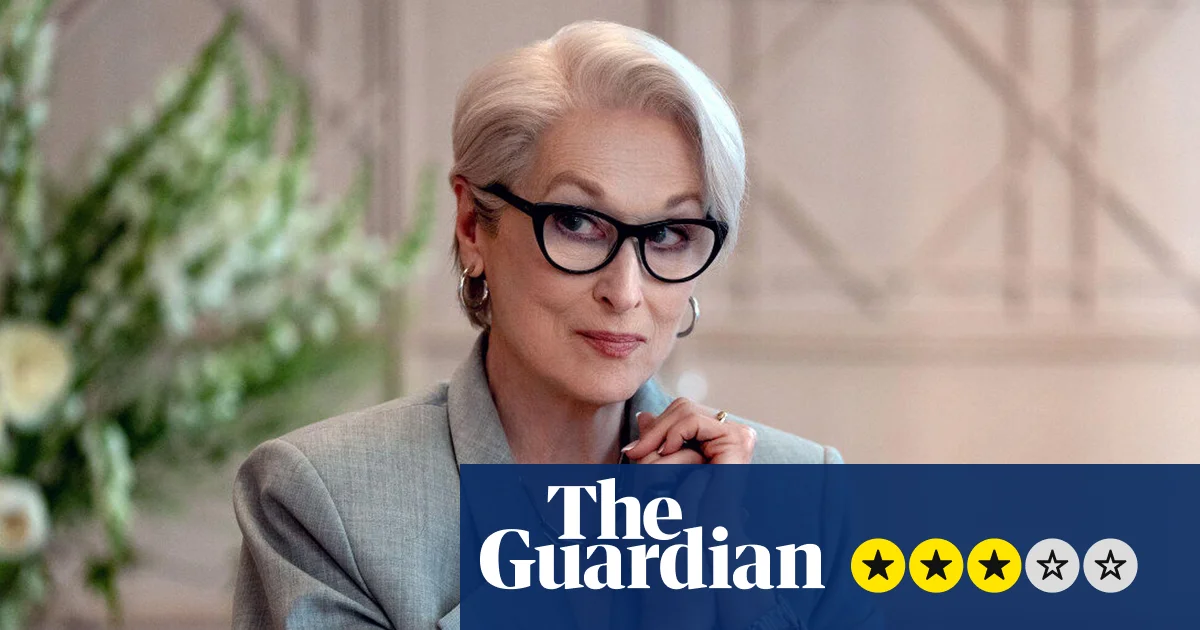
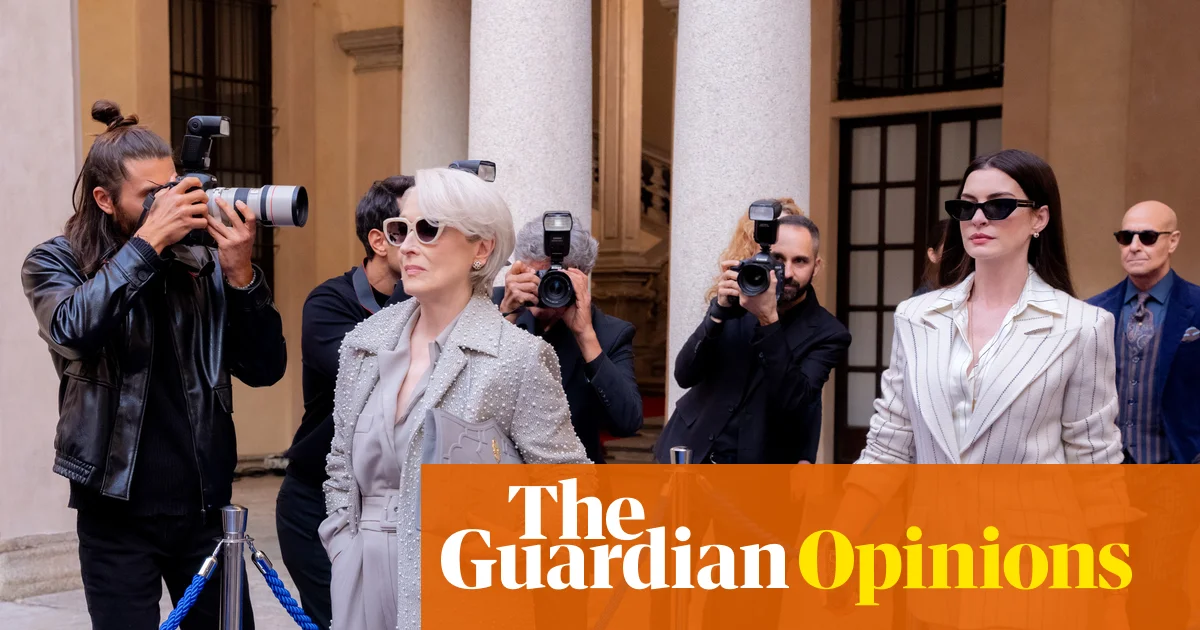
In recent years, the fashion industry has undergone a seismic evolution, revealing a deep transformation in consumer behavior and societal values. The release of The Devil Wears Prada 2, set against the grand backdrop of the National Gallery, exemplifies this shift. What once was a celebration of ostentatious luxury and industry dominance has now morphed into a compelling reflection of cultural resilience and changing attitudes toward power, age, and authenticity. The film’s premiere, attended by industry icons like Meryl Streep and Anne Hathaway, isn’t merely a sequel; it’s a cultural milestone—a mirror held up to a broken but still vibrant fashion world.

The social relevance of this trend extends far beyond the red carpet. The narrative surrounding the film delves into how digital disruption has redefined the power structures of fashion. Traditional gatekeeping—once held tightly by editors and designers—has dissolved in the face of a consumer-driven market where shoppers refuse to conform to the old dictates of trend-setting. Today’s fashionable youth are more inclined to curate their individual identities, leveraging social media influencers and micro-celebrities who challenge institutional authority and celebrate genuine, relatable style. According to analysts like sociologist Dr. Emily Roberts, this is a return to authenticity, where personal expression outweighs curated perfection. This cultural shift is why the film’s plot, reportedly “close to the bone,” strikes such a chord—highlighting that traditional power brokers are no longer the sole arbiters of taste.

Perhaps most remarkable is how this transformation is reflected in the ownership and valuation of esteemed designer brands. Over the past 20 years, the prices of iconic items—from Chanel jackets to Hermès scarves—have soared dramatically, exemplifying what some fashion analysts call fash-flation. Items worn by characters in the original film, like the classic Chanel jacket and Jimmy Choo shoes, now command prices that are significantly inflated—up by 80% or more. This inflation isn’t just about luxury; it illustrates an industry recalibrating its desirability in a digital age where conspicuous consumption intersects with an overarching pursuit of personalized identity. The cultural impact is profound: fashion is no longer merely about status, but a tool for individual storytelling. Influencers and industry insiders, such as Donatella Versace, are actively shaping this zeitgeist, making style accessible and relevant to younger generations.

Furthermore, the renewed focus on figures like Wintour and Streep, both in their mid-70s, signals a break from archaic Hollywood and fashion industry sexism. Their presence on the cover of Vogue—styled by legendary Grace Coddington—not only celebrates enduring personal brands but also champions a progressive attitude towards aging. This shift prompts us to ask: as societal perceptions of age and gender continue to evolve, will the next frontier be a complete reevaluation of how influence and authority are measured in the fashion world? The next chapter seems poised to challenge the structures of power once thought sacred, urging us to question whether the trend of individual authenticity and digital empowerment might someday redefine the very nature of cultural authority itself.

JavaScript Error: Why The Devil Wears Prada 2’s Starbucks Tie-In Sends a Controversial Message—A Closer Look

In a world increasingly dominated by fleeting trends and digital immediacy, it is often overlooked how culture anchors our identity, preserves our traditions, and ensures the continuity of society’s moral and aesthetic compass. Yet, amid the ebb and flow of popular entertainment, a peculiar phenomenon emerges: the nostalgic veneer that companies and creators employ to cling to past glories. Consider the recent and somewhat perplexing revival of The Devil Wears Prada franchise, intertwined with a marketing partnership with Starbucks. Such tie-ins serve as cultural time capsules, evoking a bygone era that many refuse to let go of — a time before the chaos of global upheavals like Brexit and the Trump presidency shook the foundations of modern society.

This spectacle exposes a deeper truth: our collective memory functions both as a repository and a prophecy. The glamour of the original film, set against the opulence of the early 2000s, symbolized aspiration and a faith in progress, much like the Cafe Society of the Jazz Age or the Renaissance’s rebirth of humanist ideals. Today’s nostalgic campaigns—pairing an outdated film with a dying product—highlight our desire to recapture that perceived stability and glamour, even if it exists only in media and marketing clichés. As historian Alexis de Tocqueville observed, societies often retreat into nostalgia when faced with uncertain futures, seeking comfort in the familiar stories of their collective pasts. Conversely, the philosopher Ortega y Gasset argued that culture must be dynamic—constantly nourishing our sense of purpose and helping us adapt to change, not freeze it in amber.

From the decline of glossy magazines to the flood of digital entertainment, it becomes clear that culture is a battleground—a space where tradition, memory, and innovation grapple for prominence. The partnership between The Devil Wears Prada 2 and Starbucks symbolizes a cultural paradox: an attempt to sustain relevance through a nostalgic facade while the landscape around it roars into chaos. The cultural critic Chesterton once warned that progress, devoid of rooted tradition, risks becoming mere illusion. Much like the critique of a society that manipulates its backstory to sell a product, our cultural narratives must serve as both moral guides and beacons pointing toward the future. After all, as T.S. Eliot famously proclaimed, “The past should be altered by the present as much as the present is directed by the past.” This interplay ensures that culture remains both a mirror reflecting who we are and a lamp illuminating what we might become.

In the end, the enduring power of culture lies in its dual role as memory and prophecy. It is the song of civilization whispering stories of our ancestors while forecasting the contours of our collective destiny. As we navigate the turbulent waters of modernity, let us remember that the true vitality of our traditions is their capacity to evolve—not to be fossilized in an era long gone but to be a living, breathing dialogue between yesterday and tomorrow. It is in this perpetual dance that humanity finds its meaning, identity, and hope—an ongoing story whose chapters are written by both what we cherish and what we dare to envision.

Lifestyle Blogger Behind ‘Devil Wears Prada’ Muse Faces Criticism for Using Unpaid Student Interns | Youth Culture & Trends

The Hidden Cost of Glamour: Unpaid Internships in the Fashion World

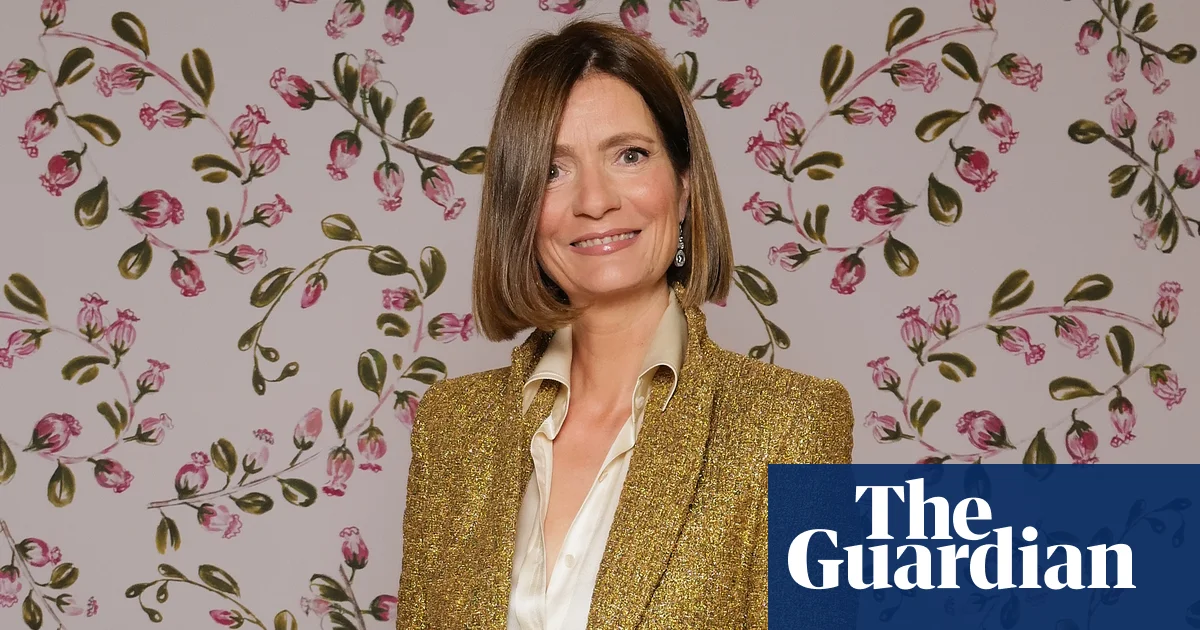
In recent years, a noticeable shift has emerged within the elite culture of fashion and media, highlighting a disturbing trend where the pursuit of opportunity often comes at a significant social and economic expense for young talent. Case in point is Plum Sykes, a seasoned Vogue editor and fashion industry insider, whose latest venture—launching her own Substack—has ignited a debate about the exploitation of young professionals. Despite her high-profile background, Sykes has faced sharp criticism for employing students in her online enterprise without offering them any form of compensation. This phenomenon is not isolated; it reflects a broader societal pattern where those in power leverage unpaid labor under the guise of mentorship and experience, often sidelining the fundamental principles of fair employment.

The Cultural Impact and Social Relevance of the Interning Culture

  • Many young people view unpaid internships as a **rite of passage** into the coveted corridors of fashion and media.
  • Influencers and sociologists like Pandora Sykes underline that **lawmakers have explicitly condemned unpaid work** unless it strictly adheres to educational shadowing or charity work. Yet, the practice persists, largely because of the *perceived gateway* it provides into top-tier careers.
  • Social mobility becomes a tangled matter here: while some lucrative internship programs can open doors, many young aspirants—especially from working-class backgrounds—are often *kept out* because they can’t afford the unpaid labor costs.

Prominent voices like sociologist Carl Cullinane warn that “internships are an *increasingly critical route* into the best jobs,” and the ongoing normalization of unpaid internships underscores a stark inequality. Meanwhile, Paul Nowak of the Trade Union Congress warns that if these practices persist, legislative chaos may be inevitable, emphasizing that *young people should not be held captive* by a system that values unpaid labor over talent and merit. This raises the key question: are we really nurturing the next generation of leaders, or merely perpetuating an entrenched cycle of economic disparity?

The Culture of Power and the Future of Fair Work

Within this landscape, influencers and industry insiders like Plum Sykes claim her unpaid intern work is mere “work experience”—a phrase that continues to be weaponized to justify exploitation. She states that her interns assist with “shadowing” tasks, which are *not legally defined as productive work*. However, critics argue that such distinctions are increasingly blurred, especially when interns contribute to the core operations of a high-profile brand or media figure, often doing tasks that have tangible value. This ambiguity fuels a *culture of casual unpaid work*, which some analysts argue ushers in a new era of *covert exploitation* masked as opportunity.

As the debate intensifies, the question morphs from legalities into moral imperatives: should the future of work be built on unpaid drones serving the whims of the powerful, or on a **new standard of fair compensation**? This conversation is vital because it signals whether society is ready to confront the deep inequalities ingrained within its aspirational class. As Lawrence Lessig once observed, “The internet can democratize opportunity, but only if we lay down fair rules for participation.” The same holds true for employment practices in high culture—are we willing to reform a system that channels youth into dead-end unpaid roles?

The Next Big Question

Ultimately, the next question we should be asking is: how long can this cycle of unpaid internships persist before it erodes the very fabric of fairness in opportunity? As societal awareness grows, and as legally-enforced labor protections become harder to ignore, the coming years may see a decisive shift toward paid opportunities rather than “experience.” Will the fashion industry, with its history of glamour and exclusivity, adapt to this moral tide, or will it continue to champion a culture of unpaid labor as the price of entry? And more broadly, does this evolving landscape challenge us to redefine success—not just for brands and influencers, but for the **culture** itself and the **values** it promotes for the youth of tomorrow?

Social Media Auto Publish Powered By : XYZScripts.com