Matox News

Truth Over Trends, always!

Middle East Tensions Rise: Tanker Attacked in Strait of Hormuz as US and Israel Ramp Up Pressure on Iran, Trump's Plan to Aid Troubled Ships
Middle East Tensions Rise: Tanker Attacked in Strait of Hormuz as US and Israel Ramp Up Pressure on Iran, Trump’s Plan to Aid Troubled Ships

The Strait of Hormuz remains at the epicenter of escalating geopolitical tensions, as Iran signals its readiness to respond aggressively to foreign military incursions. According to a statement from the Iranian military’s unified command, any presence of US or other foreign armed forces within the strategic waterway will be met with force. The warning underscores Iran’s assertion that it controls crucial maritime passages and will defend them vigorously. This recent stance marks a significant inflection point, raising fears of a broader regional conflict.

Amidst this brewing crisis, the United States announced plans to intervene in what it calls a humanitarian effort: to free ships and crews stranded within the narrow passage as Iran continues to blockade vital Gulf shipping lanes. However, the precise nature of this operation remains ambiguous, and analysts warn of unintended consequences. US Central Command has stated that the supported military presence will include guided-missile destroyers, hundreds of aircraft, and tens of thousands of troops. Yet, reports suggest that the US might not escort ships directly, adding uncertainty to the mission’s scope. Meanwhile, Iran has maintained its position by emphasizing that the security of the Strait is its sovereign right and warning that any foreign interference will be confronted decisively.

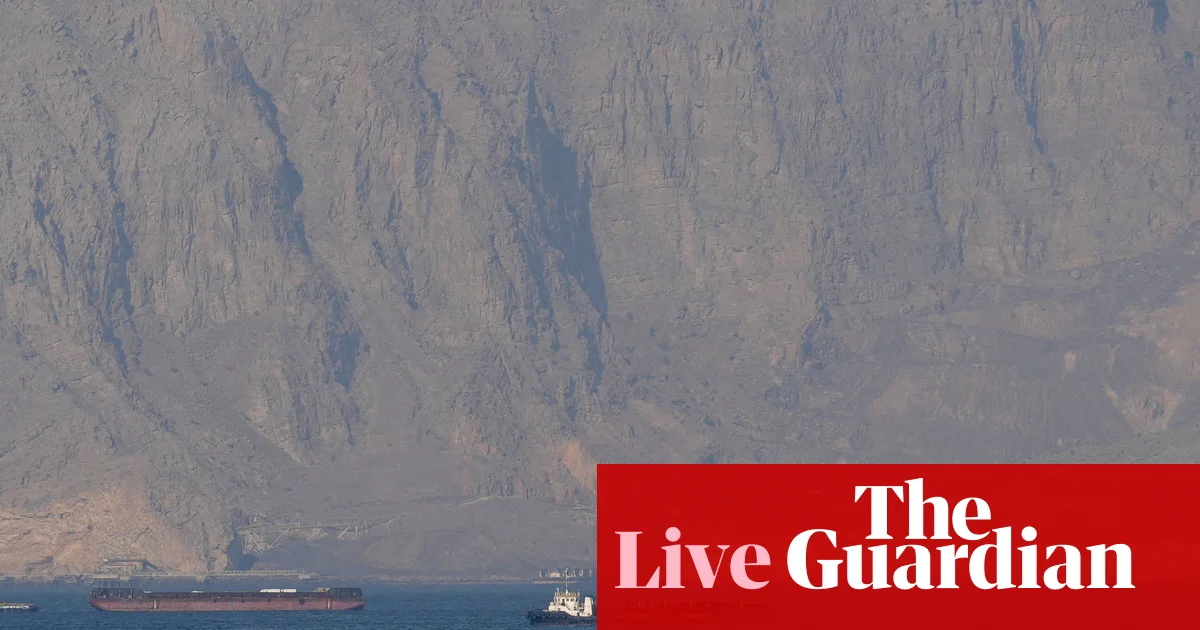
The crisis has been further complicated by recent attacks on commercial vessels, one of which was struck by unidentified projectiles just after President Donald Trump announced the US would aid trapped ships. The incident, occurring north of Fujairah in the United Arab Emirates, has intensified fears of escalation. Authorities from the UK Maritime Trade Operations have noted the presence of mines in the vicinity and have advised mariners to route through Oman territorial waters to avoid danger. Such warnings highlight the heightened level of maritime security threat, with the region’s stability hanging in the balance.

Strategic analysts, including military experts and international organizations, view these developments as part of a dangerous game of brinkmanship that could spiral out of control. Many consider the recent threats and incidents as the manifestation of Iran’s resolute posture against perceived U.S. and Israeli aggression—an attitude grounded in decades of regional unrest. The United Nations and other policymakers worldwide are monitoring the situation closely, aware that any miscalculation could ignite a wider conflagration involving Lebanon, Syria, and parts of the Arabian Peninsula, where militant groups like Hezbollah could further complicate the conflict. As historians like Samuel Huntington have warned, these flashpoints are catalysts for a potential new world conflict, and the ongoing decisions carry the weight of legacy that will shape the Middle East for generations.

As the world watches this fragile chess game unfold, the question remains: will diplomacy prevail, or will the Strait of Hormuz become a conduit for a new epoch of warfare? The shadows of history loom large over this vital corridor, and every move from Tehran, Washington, and their allies writes a new chapter—one with consequences that will echo in the annals of geopolitics and global stability. The fading echoes of past diplomacy serve as a stark reminder that the tread of war is never far from the surface, and in this frozen moment in time, the relentless pulse of history continues its inexorable march.

Rep. Crow: U.S. struggles with exiting Middle East conflicts effectively

The recent statement by Democratic Rep. Jason Crow of Colorado signals a pivotal moment in the ongoing debate over U.S. foreign policy towards Iran. Speaking publicly on Sunday, Crow emphasized the necessity for the United States to reevaluate its approach, urging broader strategic considerations rather than sticking to conventional tactics. This call for a more comprehensive strategy reflects the shifting dynamics of global influence and the underlying power struggles that define modern geopolitics. In the context of an increasingly volatile Middle East, Crow’s stance underscores a crucial division within American political discourse—a division rooted in how decisions shape the people and influence future generations.

Historically, U.S. foreign policy in the Middle East has oscillated between military engagement and diplomatic efforts, often driven by the ideological perspectives of different administrations and politico-military elites. Contemporary debates echo the Cold War era’s conflicts, where the ideological struggle between interventionism and restraint defined national security paradigms. Cybersecurity concerns, nuclear proliferation, regional proxy wars, and economic sanctions all feature prominently in the complex chess game aimed at containing Iran’s influence. Power struggles within Washington, however, are not just about the immediate threat; they are about shaping the domestic policy environment and determining the limits of American influence abroad.

As the dialogue shifts toward a broader strategic reconsideration, constitutional experts and political theorists draw parallels to historical precedents grounded in realist philosophy. They argue that the U.S. must consider not only military strength but also the long-term implications of its interventions. This introspective approach is vital because policy decisions in the arena of international relations directly resonate with the power dynamics playing out on the ground—decisions made in Washington profoundly impact the lives of millions in Iran and neighboring states. The question remains whether the current administration and Congress will recognize the importance of such a holistic strategy or succumb to the temptation of quick military fixes, which historically exacerbate conflicts and undermine national security.

In the end, the debate over how to approach Iran embodies a broader contest — one where political power, ideological loyalty, and national interests collide. Whether through diplomacy or deterrence, the decisions made today will determine whether the U.S. maintains its global influence or unwittingly cedes ground to emerging powers. As history teaches us, in the theater of politics, it is not merely policy but destiny that is written in the choices we make. Remaining silent or decisive, the U.S. stands at a crossroads—a place where every move echoes through the corridors of history, shaping the future not just of nations, but of the very balance of power itself.

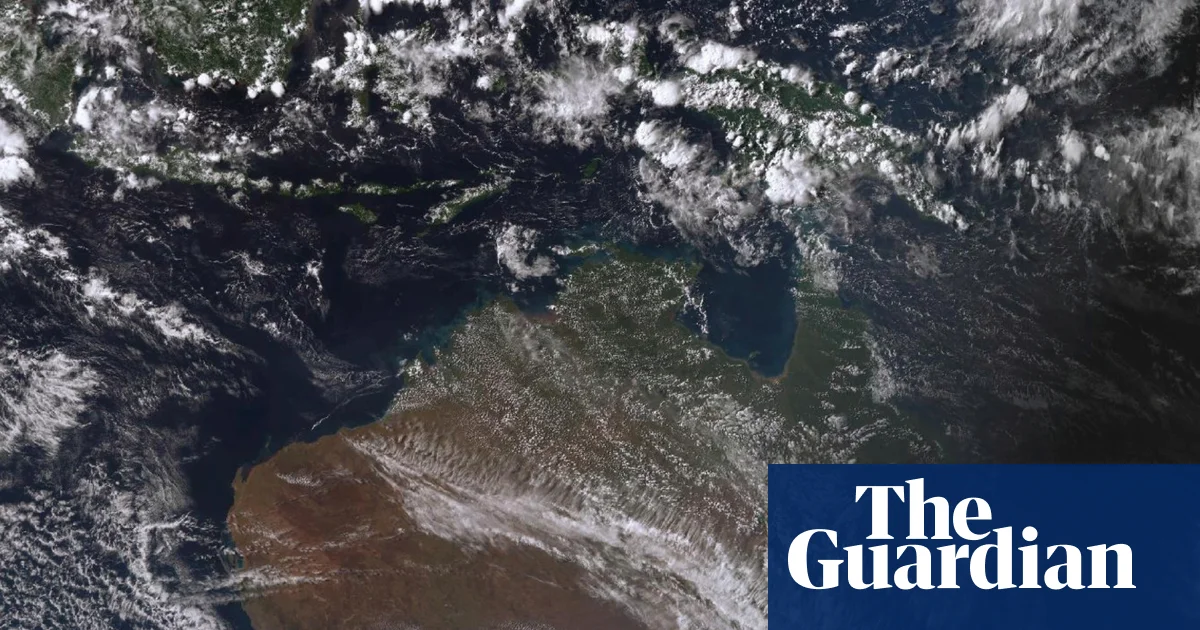
May’s record heat set to fade as cold front heads east across Australia

Global Climate Shifts and Geopolitical Impacts: A Warming World Faces Abrupt Weather Fluctuations

Recent meteorological developments in Australia serve as stark indicators of the broader implications of climate change, underscoring how natural phenomena are intensifying and becoming more unpredictable with potential geopolitical consequences. Historically stable climate patterns, once taken for granted, are now disrupted by record-breaking heat waves followed swiftly by severe meteorological swings. In many parts of Australia, daytime temperatures soared to 10-14°C above average, with some stations recording their warmest May days on record. Such anomalies are not isolated but part of a disturbing trend that global scientists and analysts warn could accelerate as greenhouse gases continue to rise unchecked.

Under the influence of a high-pressure system, Australia experienced unseasonably warm conditions fueled by warm northerly winds. However, this dramatic temperature spike was quickly counterbalanced by a cold front emerging from the Southern Ocean, compelling a significant shift toward cooler, wetter weather. Analysts from international climate organizations suggest that these rapid fluctuations might become more common, with potentially destabilizing effects on regional economies and societies. This shift signals not just a local weather change but also a possible precursor for more severe climate disruptions globally, stressing the urgency for coordinated international climate policies.

  • Natural climate variability is increasingly intertwined with human-induced warming, say climatologists, amplifying the risk of extreme weather events like storms, droughts, and floods.
  • For instance, Australia’s recent dry April, the driest since 2018, compounds concerns over water scarcity and agricultural sustainability—issues that ripple through regional economies and supply chains.
  • Furthermore, rising sea levels and ‘abnormally high tides’ exacerbate coastal vulnerabilities, amplifying the geopolitical stakes over maritime boundaries and resource control.

International and regional powers are scrutinizing these climatic upheavals, recognizing their role as a catalyst for geopolitical shifts. Historically, nations with fragile infrastructure or strained resources are disproportionately affected, leading to heightened instability, migration pressures, and contested resource claims. With climate-induced disruptions becoming a global challenge, institutions like the United Nations are urging immediate action, although critics argue that political inertia hampers effective response. Meanwhile, rising temperatures and unpredictable weather patterns threaten to destabilize regional alliances, especially in areas where water and food security are already fragile. As China and India face their own climate crises, the potential for water and resource conflicts escalates. How nations respond now will determine whether climate change becomes an enhancer of geopolitical disorder or an impetus for cooperative resilience.

The unfolding crisis in climate and weather patterns underscores a fundamental truth: the decisions taken today will echo through the corridors of history. As forecasts for the coming weeks hint at thunderstorms, heavy rainfall, and severe storms across the southern hemisphere, the question remains—how will mankind respond? Will the world capitulate to the worsening climatic chaos, or will it seize this moment to forge new paths toward sustainable coexistence? History is watching, and the choices made in these volatile times will either forge a legacy of resilience or doom entire generations to the fallout of inaction. The unfolding narrative of climate upheaval is not merely about weather; it is about the fate of societies and the legacy handed down to a world teetering on the brink of transformation.”

MPs blast South East Water chiefs for repeated outages — failure to deliver for communities

The recent scandal involving South East Water has become a stark reminder of the delicate balance between corporate accountability and public trust, especially in vital infrastructure sectors. MPs across the political spectrum have denounced the company’s leadership for their catastrophic failure to provide reliable water services to over 2.3 million customers across Berkshire, Hampshire, Kent, Surrey, and Sussex. A damning investigative report highlighted repeated instances of mismanagement, culminating in a two-week outage in Tunbridge Wells last year that left vulnerable populations without essential water resources. Such failures not only underscore the company’s internal cultural issues but also serve as a warning about the potential consequences of unchecked corporate governance in critical public utilities.

In the face of widespread disapproval, South East Water announced the resignation of its independent non-executive chair, Chris Train, signaling an attempt to reset the organizational culture. However, critics see this as only a partial step toward accountability. Key figures such as Alistair Carmichael, chair of the environment, food and rural affairs committee, have emphasized that the failures reflect a broader systemic problem — a culture of “unaccountability” that puts public safety and trust at significant risk. With a potential £22 million fine looming from regulator Ofwat over years of service disruptions, the situation has become a flashpoint in debates over corporate oversight versus the need for robust government intervention, such as *special administration*, which can temporarily nationalize a failing utility.

Analysts and international organizations have closely watched this unfolding crisis, framing it within the broader context of inadequate risk management and infrastructure investment. Some suggest that the failures at South East Water are emblematic of a wider neglect of critical infrastructure in the UK, raising questions about the resilience of vital services under privatised models. The company’s executives, including CEO David Hinton, have been criticized for misleading Parliament and failing to monitor crucial assets effectively, especially at the Pembury treatment works. Despite generous salaries and bonuses, their inability to prevent the outages exposes a fundamental flaw in corporate governance that many see as reflective of a wider trend in privatized utilities — profit over public service.”

As the British government faces mounting pressure to reform its approach to infrastructure management, this crisis carries far-reaching *geopolitical implications*. The UK’s reputation as a stable, reliable partner in international commerce hinges on the robustness of its infrastructure, and failures like those at South East Water threaten to undermine confidence in its regulatory framework. This internal chaos feeds into global narratives questioning the efficacy of privatisation and calls for increased state oversight. Historians like Timothy Walker warn that neglect of infrastructure investment can erode societal foundations, turning routine service failures into broader crises. Meanwhile, international observers ponder whether this episode will catalyze reforms that recalibrate the delicate balance between private enterprise and public accountability.”

With history still unfolding, the question remains whether Britain will learn from this failure or allow it to deepen into a systemic crisis that could reverberate across borders. The tide of public dissent grows louder, forcing policymakers to confront uncomfortable truths about governance, leadership, and the vital importance of safeguarding national infrastructure against the chaos of corporate inertia. The coming months will determine if accountability can triumph over complacency — or if, in the shadows of these failures, a more ominous chapter in the nation’s history is quietly being written.

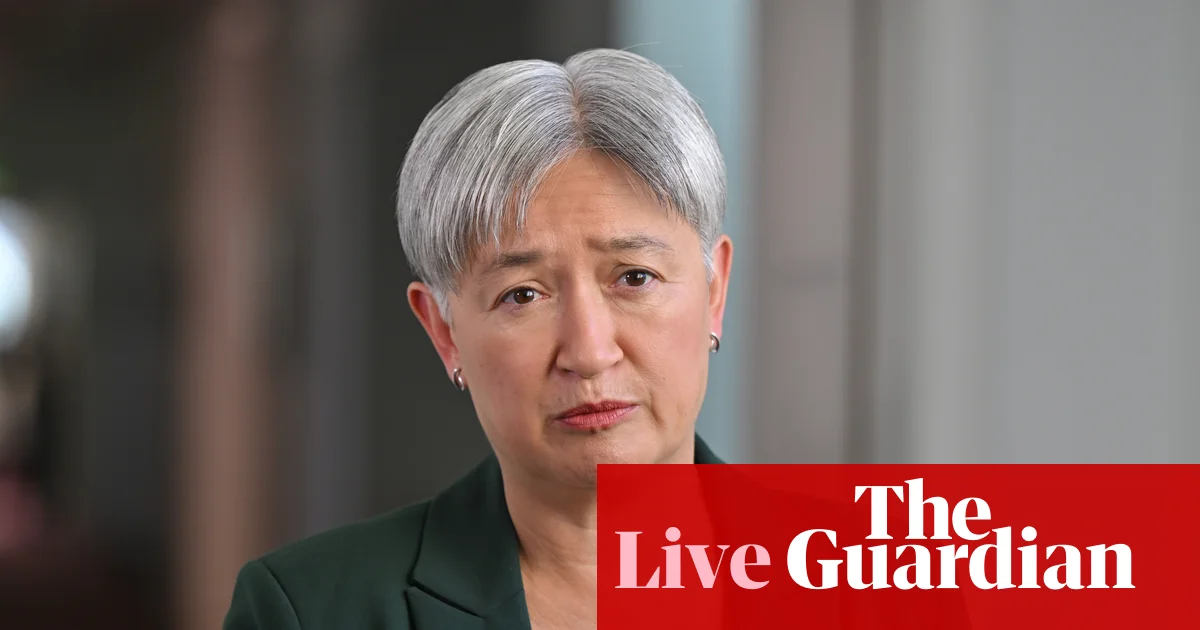
Australia’s Wong On A Middle East Tour to Secure Fuel, Boosts Military With New Armored Vehicles

In an era defined by shifting alliances and rising geopolitical tensions, Australia is reaffirming its strategic commitments through a notable increase in defense spending and international diplomacy. The recent announcement by Prime Minister Anthony Albanese of a $750 million investment in constructing 268 new Bushmaster armored vehicles in Victoria, signals a decisive step toward reinforcing regional security and bolstering Australia’s defense capabilities. This move comes on the heels of recent allocations, including an additional $53 billion dedicated to military modernization over the coming decade, as analysts underscore a deliberate shift towards self-reliance and global influence.

Key to this military renaissance is the production and deployment of the Bushmaster fleet, which has gained international recognition for its durability and protection. Donated to the Ukrainian military amid the ongoing conflict with Russia, these vehicles are now set to serve a more prominent role within Australia’s defense structure, with the Netherlands confirming plans to purchase their own fleet. Defense Minister Richard Marles emphasized that this investment represents a “vote of confidence” in Australia’s defense industry and regional security architecture. However, beyond military hardware, Australia’s diplomatic initiatives are equally pressing. Foreign Minister Penny Wong is scheduled to undertake a series of visits to Japan, China, and South Korea, aimed at securing vital energy supplies amidst increasing global instability caused by conflicts in the Middle East and disruptions within the Strait of Hormuz.

Indeed, the instability resulting from confrontations and blockades in key energy corridors has magnified the importance of international diplomacy, with Wong’s cross-Asian tour designed to ensure Australia’s energy security. Facing potential threats to diesel, petrol, and fertilizer supplies, Australia’s government is actively engaging with regional partners to prioritize the Indo-Pacific region’s stability. This effort highlights the significant geopolitical impact of energy dependencies and the necessity for resilient supply chains in an age where conflicts can escalate rapidly. Historians and policy analysts are warning that failure to secure these supplies could threaten economic stability and national security, forcing Australia to navigate a delicate balance of diplomacy and defense.

Adding to the domestic and regional pressure, Richard Marles condemned the disruptive incidents at Anzac Day dawn services, where booing and disrespect sparked national debate. Marles described such acts as “disgraceful”, asserting that ceremonies like Anzac Day symbolize respect for service and shared history—principles that should unite rather than divide. Meanwhile, the debate over the use of Indigenous Welcome to Country protocols continues, with some politicians questioning their frequency. Still, figures like Michael McCormack have defended these traditions, emphasizing their importance in fostering cultural respect and inclusion. The ongoing discourse underscores how domestic societal values and international gestures intertwine, shaping Australia’s identity on the world stage.

As these developments unfold, history’s tide seems to turn with each decision—whether a new fleet of Bushmasters destined for rugged battlefields, diplomatic missions across Asia confronting energy crises, or national ceremonies seeking unity in diversity. The regional power dynamic is being reshaped, with Australia positioning itself not merely as a participant but as a determined actor amidst global turbulence. With alliances tested and new threats emerging, the course forward remains uncertain—yet unmistakably significant. The pages of history are turning, and the story of Australia’s resilience, its strategic recalibration, and its pursuit of stability continues to be written, with the world watching, waiting for what the next chapter will reveal.

Stalemate persists in Middle East as US, Iran dig in—Tensions escalate with US-Israeli opposition to Iran

The Middle East continues to tremble on the brink of an all-out crisis as diplomatic efforts between Iran and the United States break down amid a sprawling, multi-front conflict. After nearly two months of tense stalemates, hopes for a diplomatic breakthrough have all but vanished, with Washington and Tehran unwilling or unable to bridge their deepening divisions. The latest developments signal a dangerous shift in regional stability, putting global energy markets and international security at unprecedented risk. Despite intensive regional diplomacy, attitudes in both capitals remain entrenched — with no negotiations scheduled to resolve the deadlock, and each side firmly committed to maximalist demands.

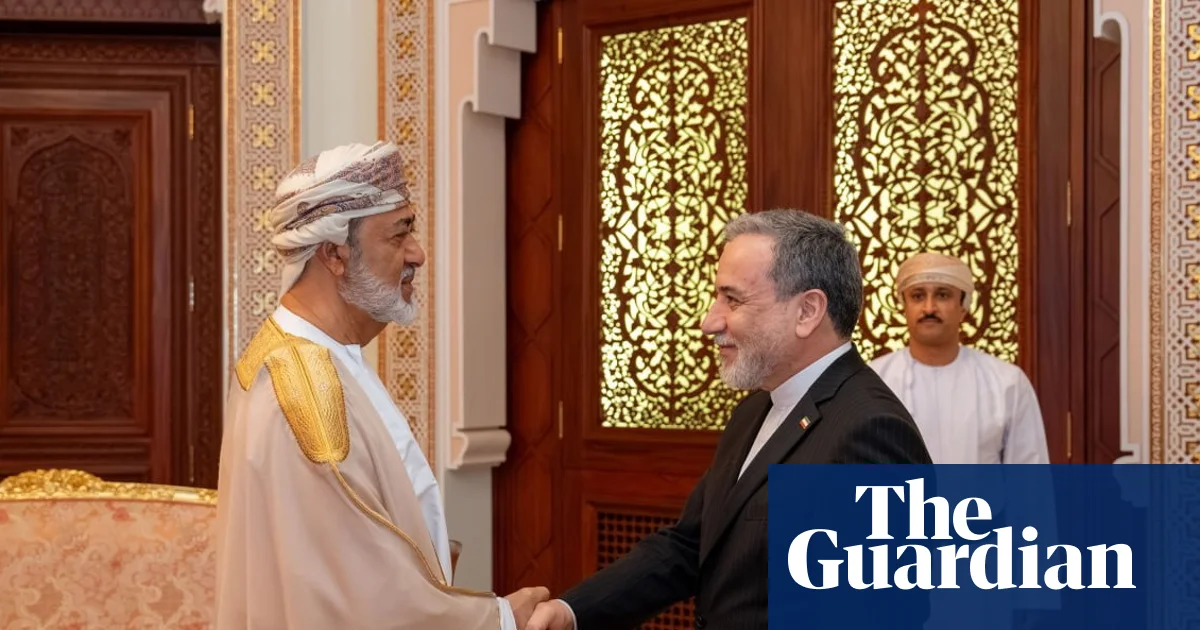
On the diplomatic front, recent visits by Iran’s Foreign Minister Abbas Araghchi to Pakistan and Oman have not yielded progress, despite Iran’s own assessments describing conversations as “very fruitful.” Yet, skepticism persists from Tehran about Washington’s intentions. Iran asserts it will not engage in direct talks until the US lifts its blockade on shipping through the Strait of Hormuz, a vital artery of global energy supply. Meanwhile, Washington, under President Donald Trump, claims to have received “better” proposals from Tehran only after canceling scheduled talks, with officials pushing the narrative that Iran is trying to manipulate negotiations for leverage. This game of brinkmanship is unfolding at a critical juncture, with analysts warning that the stalemate dangerously favors Iran — which holds a strategic advantage given its ability to threaten the strait’s navigation and control oil flows.

The geopolitical impact of this deadlock extends far beyond regional waters. The Strait of Hormuz serves as a conduit for roughly one-fifth of the world’s oil and natural gas supplies, making control over its passage a matter of international economic security. Iran’s Islamic Revolutionary Guard Corps (IRGC) has signaled its intention to escalate its stance by demanding a toll of approximately $2 million per tanker, which could lead to decades of higher fuel prices worldwide. The IRGC’s official rhetoric underscores a strategic intent to leverage control of the waterway as a form of deterrence against the US and regional adversaries, asserting that maintaining this strait is central to Iran’s regional dominance. With U.S. naval forces on alert, and Iran warning of retaliation against ongoing American “blockades,” the risk of an **unexpected escalation remains high**, especially amid fears that miscalculations could trigger a wider regional conflict.

International analysts warn that the failure to negotiate will intensify the conflict’s disorderly expansion across the Middle East. Recent attacks from Lebanon to the Gulf—many attributed to Iran and its proxies—have resulted in hundreds of casualties, including US and Israeli personnel. Experts from institutions like the Dutch Clingendael Institute highlight that both Iran and the US have presented maximalist demands; neither side is prepared to make significant concessions in this environment. This *strategic stalemate* fosters an environment where Iran, emboldened by its perceived military advantages, is less willing to back down, while the US faces mounting domestic pressures, notably from upcoming midterm elections that may influence its foreign policy decisions.

As regional conflicts intensify and international tensions escalate, the global community faces a stark choice: continue down the path of tit-for-tat escalation or risk losing control of one of the world’s most crucial trade routes. The recent history of the Middle East suggests that without decisive diplomacy, chaos will continue to grow — with history’s pen poised to write yet another complex chapter. The unfolding drama underscores a sobering truth: the decision of leaders today shapes the borders of tomorrow’s history, and as the shadows lengthen over the Gulf, the world stands on the edge of a new, uncertain era where the stakes are nothing less than global stability itself.

Middle East Tensions Rise: Iran Vows Retaliation as Ceasefire Fades and US-Israel Conflict Deepens

Middle East Crisis Deepens as Strategic Shifts and Geopolitical Power Plays Reshape the Region

In a move that signals intensifying instability, the Bahrain monarchy has ordered a review of citizenship status for individuals deemed threats to national security. Amid an ongoing crackdown on dissent, the assertion by Hamad bin Isa Al Khalifa that “those who have betrayed the nation or undermined its stability” are liable for citizenship stripping underscores the fragile balance of power in the Persian Gulf. Bahrain, a key U.S. ally hosting the Navy’s 5th Fleet, remains at the forefront of regional tensions, particularly as it faces persistent threats from Iranian military action. Analysts from the International Crisis Group warn that such internal crackdowns are likely to stoke further unrest, which could have disastrous geopolitical consequences for the stability of the broader Middle East.

Meanwhile, the conflict escalates at sea and in the skies. The United States, firmly committed to maintaining its maritime dominance in the Strait of Hormuz, seized an Iranian cargo vessel attempting to bypass the naval blockade—an act sharply criticized by Tehran and viewed as a breach of the ceasefire agreement. The US military announced that several rounds of fire were directed at the Iranian-flagged ship, the Touska, highlighting the dangerous game of brinkmanship and the risk of open confrontation. The US administration’s aggressive stance, exemplified by threats from President Donald Trump to destroy Iran’s infrastructure if demands are not met, exemplifies a reckless approach that analysts argue heightens the risk of all-out war. Experts from RAND Corporation emphasize that the strategic objective appears centered on choking Iran’s access to vital maritime routes, a move with profound geopolitical impact that threatens to draw the entire region into chaos.

On the diplomatic front, prospects for a peaceful resolution appear bleak. Iran’s reluctance to participate in second-round negotiations with the US, citing Washington’s “excessive demands and ongoing naval blockade,” illustrates the deep mistrust that has come to define posturing in this crisis. Despite the Biden administration’s efforts to restart peace talks, Iran’s official stance signals an unwillingness to back down, raising fears of prolonged hostilities. The departure of US negotiators to Islamabad—led by Vice President JD Vance and including figures like Jared Kushner—demonstrates the clear intent to exert maximum pressure. The international community, including the United Nations, warns that such confrontational policies could undermine stability and destabilize vital energy markets, which are already volatile as oil prices surged nearly 7% amid fears of renewed conflict.

The Shadow of History and the Weight of the Present

Historians highlight that these developments serve as a stark reminder of how the choices made in these critical moments can shape the course of history. The region’s complex web of alliances, religious divides, and longstanding grievances underscores that a single misstep could ignite clashes on a scale unseen in generations. International organizations, such as the European Union, have expressed concern over the escalation, but their influence remains limited as power players assert their dominance. For nations across the globe, the unfolding saga in the Middle East is a portent of the chaos that could follow should diplomacy irrevocably fracture. A cautious observer might note that these events foreshadow a period where the weights of history threaten to tip into the storm of wider war, leaving the world spectators to ponder whether diplomacy’s flickering light can be sustained in this darkening theater.

As the clock ticks toward a potential breakdown of fragile ceasefires and diplomacy, the world witnesses an unfolding drama of power, betrayal, and strategic calculation. The decisions made today are not only shaping the immediate future but are also engraved into history’s vast ledger, with the weights of consequences still unmeasured and the shadows of conflict lengthening in the horizon. In this volatile crucible, the question remains: will cooler heads prevail or will regional powers and world superpowers ignite a conflict that reshapes history itself?

Middle East Tension: UN Urges Respect for Israel-Lebanon Ceasefire as US-Israel Target Iran

Global Geopolitical Shifts as Middle East Ceasefire Unfolds

The recent ceasefire between Israel and Lebanon marked a significant turn in the ongoing Middle East conflict, prompting a surge of cautious optimism across international markets and diplomatic corridors. As United Nations Secretary-General António Guterres publicly welcomed the 10-day truce, the global community watched with bated breath, aware that the fragile peace holds only as long as the critical political prerequisites, especially from involved powers, remain intact. The ceasefire’s implementation underscores a complex interplay of regional diplomacy and international interests, with key players like the United States and Iran vying for influence in shaping the future trajectory of stability in this volatile region.

Major geopolitical implications stem from the nuanced responses of world powers. Donald Trump has emphasized the importance of fully respecting the ceasefire, while also criticizing NATO allies for their perceived lack of support in the enforcement of US-imposed naval blockades aimed at Iran. Meanwhile, Iran’s foreign ministry expressed its approval of the ceasefire, framing it as an extension of the original Iran-US agreement brokered by Pakistan. This layered diplomacy signals a tentative thaw, yet analysts like those at the European Council on Foreign Relations warn that underlying tensions, especially Iran’s call for a “simultaneous ceasefire throughout the region,” hint at unresolved issues that threaten to ignite renewed violence in the future.

How International Decisions Reshape Societies and Strategic Alliances

The decision by Israel to maintain its military presence in southern Lebanon, despite the truce, exemplifies the persistent threat of escalation. Prime Minister Benjamin Netanyahu termed the ceasefire a “historic” opportunity for peace, yet reaffirmed his commitment to dismantling Hezbollah and occupying parts of Lebanon’s territory. In response, Lebanon’s government and Hezbollah have urged caution, warning that Israel’s history of violating ceasefire agreements could undermine the fragile peace. America’s role as facilitator in this ceasefire has further solidified its geopolitical stance—balancing between backing Israel’s security interests and avoiding further escalation with Iran-backed groups. Historically, such moves often deepen the divide among international coalitions, reinforcing the narrative of a region on the brink of recurrent conflict.

Furthermore, the reopening of international shipping lanes through the Strait of Hormuz is a critical focal point. British Prime Minister Keir Starmer, alongside his French counterpart Emmanuel Macron, has pledged to co-host a summit of around 40 nations to reaffirm global commitment to free navigation and respect for international law. This effort aims to counter the escalating blockade imposed by Donald Trump, who has called for “full freedom of navigation” amid Iran’s shutdown of the Strait, which has already led to economic ripples across energy markets. Analysts like Dr. Laurence Norrie warn that failure to reopen the shipping lanes could precipitate a broader energy crisis, destabilizing not just regional economies but threatening global stability.

Shifting Alliances and the Unfolding Narrative of Power

The unfolding events serve as a stark reminder of how nation-states are balancing their security concerns against international diplomatic pressures. As China’s export sector grapples with surging commodity costs—fueling fears of a slowdown—Russia, Turkey, and regional allies are realigning their strategies amidst the backdrop of this shifting landscape. The World Trade Organization warned of a possible global downturn if energy prices remain volatile, reinforcing the world’s dependency on Middle East stability. As recent histories have shown, decisions taken in these uncertain times often leave behind an indelible mark on the fabric of history, forging new alliances or reigniting old conflicts.

In the coming days, the weight of history appears poised on a knife’s edge. Whether the peace forged now endures or the region plunges once again into chaos, the international community waits, knowing that these decisions echo through the corridors of history—each move shaping the societies whose fate is woven into the tapestry of the Middle East’s unending saga. The unfolding stages of diplomacy, conflict, and commerce remind us that in this geopolitical theater, every act has profound consequences. As the world stands at this crossroads, the question remains—not just how this chapter will end, but what the pages of history will record as the true legacy of the days to come.

Middle East Tensions: US Claims Iran’s Economy Blocked, Trump Signals Talks Revival Amid US-Israel Pressure

In an era defined by shifting alliances and relentless strategic chess, the United States has escalated its stance against Iran with a sweeping naval blockade aimed at crippling the regime’s economic capacity. Ostensibly designed to pressure Iran back to the negotiating table by severing its oil revenues, this move has sent shockwaves through the global energy markets. Despite Iran’s resilience—exporting nearly 1.84 million barrels of oil daily—its ability to access vital shipping channels, especially via the Strait of Hormuz, has been severely constrained since early March. The blockade’s effect is profound: experts warn it could remove up to two million barrels of oil from the market each day, further tightening an already strained supply and destabilizing energy prices worldwide.

Amid the tumult, US military efforts to establish secure passage for non-Iranian vessels have been met with skepticism. The Pentagon claims that more than 20 ships have transited the Strait of Hormuz since the blockade’s inception; however, maritime analysts, including data firms like Kpler, report that actual traffic remains significantly below typical levels—just six vessels on the first day. Maritime historian Salvatore Mercogliano emphasizes the high commonality of operational risks in the region: “The operating environment remains high risk, limiting any meaningful recovery in flows.” The palpable uncertainty among shipowners underscores America’s strategic gamble: maintain maritime dominance while risking a broader economic backlash. Critics contend this brinkmanship could backfire, catalyzing a global recession if tensions escalate further.

The geopolitical ripple effects are unmistakable. President Biden, along with allies such as Britain and France, have convened in a series of diplomatic efforts aimed at safeguarding international shipping. Notably, the upcoming summit in Paris seeks to craft a mprehensive, multinational plan to reopen the Strait of Hormuz—a vital artery for global commerce. Meanwhile, in the Middle East, Lebanon and Israel continue fragile negotiations under the shadow of renewed conflict; Hezbollah launched rocket salvos at northern Israeli towns just hours after these talks commenced, highlighting the persistent volatility. Former analyst comments suggest these developments are not isolated but interconnected, embodying a broader regional struggle where proxy conflicts threaten to ignite a wider war—one with the potential to reshape alliances and influence the balance of power for decades to come.

Adding tangled layers to this geopolitical crisis, Pakistan‘s prime minister Shehbaz Sharif is engaging in diplomatic shuttle diplomacy, traveling to Saudi Arabia, Qatar, and Turkey this week to forge regional pacts and facilitate a possible resumption of Iran-US negotiations. The unfolding diplomatic dance hints at the persistent hope among regional leaders that dialogue, not conflict, will ultimately prevail. However, Trump’s recent comments—implying that a deal with Iran could be imminent and criticizing allies like Italy for perceived inaction—further complicate the landscape. As historians like Michael Eisenstadt warn, these transient flashes of diplomacy are often overshadowed by entrenched mistrust and strategic interests that resist easy resolution.

In the weight of history’s unfolding chapter, the world watches as these high-stakes maneuvers threaten to spiral into a global conflagration or, conversely, forge paths toward fragile peace. The outcomes hinge on decisions made in smoke-filled diplomatic rooms and across tumultuous seas. As the tug-of-war over the Strait of Hormuz intensifies, the international community stands at a crossroads, caught between the forces vying for dominance. In the shadows of these battles, the true aim remains elusive: can diplomacy overtake power, or will this era be remembered as the dawn of a new, darker chapter of global conflict?

Middle East Tensions Rise: Red Cross Blasts Israeli Strikes as Lebanon Death Toll Soars; Iran at Crossroads

The Middle East stands at a perilous crossroads as recent developments in the ongoing conflict ripple across regional and global geopolitics. A fragile two-week ceasefire between the United States and Iran teeters on the edge of collapse amid escalations involving Israel and Lebanon. The escalation, notably Israel’s unprecedented bombardment of Lebanon which has reportedly killed at least 254 civilians, underscores the volatile and unpredictable nature of this conflict. Such actions have provoked international criticism, with UN Secretary-General Antonio Guterres warning of “a grave risk” to the region’s fragile peace, urging all parties to **immediately cease hostilities**.

<p>The stakes are further heightened as Iran threatens to **lock down the strategic <u>Strait of Hormuz</u>**, a crucial maritime chokepoint accounting for a significant portion of the world's oil trade. Tehran’s decision to announce alternative routes for ships amid fears of sea mines signals its willingness to weaponize control of vital waterways, a move that could plunge global energy markets into chaos. In tandem, Iran’s Revolutionary Guards have issued stern warnings, promising retaliation if Israel persists with its attacks on Lebanon. The escalating rhetoric indicates that regional tensions may snowball into a broader confrontation, threatening the stability of international trade and energy supplies.</p>

<p>Meanwhile, <strong>world leaders</strong> and international organizations are divided in their assessments of the conflict’s trajectory. <strong>French President Emmanuel Macron</strong> has called for the inclusion of Lebanon in negotiations, advocating for a broader ceasefire that encompasses all conflict zones. Yet, the <strong>Trump administration</strong> has clarified that Lebanon is **not** part of their negotiated ceasefire, with US officials stating there might have been misunderstandings on Iran’s part concerning the scope of agreements. This divergence underscores the fractured messaging and underlying geopolitical rivalries shaping the crisis. Notably, <strong>Israel’s Prime Minister Benjamin Netanyahu</strong> remains steadfast in his resolve to confront Iran, emphasizing that Israel’s military operations aim at **disarming Hezbollah** – a move viewed with suspicion by analysts as a flashpoint that could ignite further regional violence.</p>

<p>As diplomatic talks in <strong>Pakistan</strong> loom, the international community’s response reflects a broader contest for influence. <strong>Australian Prime Minister Anthony Albanese</strong> has urged Israel to cease its attacks, emphasizing the importance of **preserving regional peace**, while <strong>Sir Keir Starmer</strong> is actively engaging Middle Eastern allies to give “confidence” to maritime shipping passing through the **Strait of Hormuz**. The interconnectedness of these events reveals how decisions made in backrooms impact societies across continents, with the potential to either usher in a period of diplomacy or plunge the region into outright war.</p>

<p>This ongoing crisis exposes a fundamental truth: global stability is inherently intertwined with the actions of major powers and regional actors alike. Historians and analysts warn that the consequences of current policies could echo for generations, either forging pathways toward peace or cementing cycles of violence. As oil prices surge and stock markets wobble, the world watches with bated breath, recognizing that **the direction in which this conflict unfolds will fundamentally shape the geopolitical landscape for decades to come**. The shadow of history stretches long over these moments—mandating vigilance, conviction, and the unwavering pursuit of a sustainable resolution amidst the chaos.</p>
Social Media Auto Publish Powered By : XYZScripts.com