Matox News

Truth Over Trends, always!

Thailand PM urges energy conservation amidst Middle East turmoil driving price spikes

Thailand’s Response to the Middle East Conflict: A Sign of Broader Regional Unrest

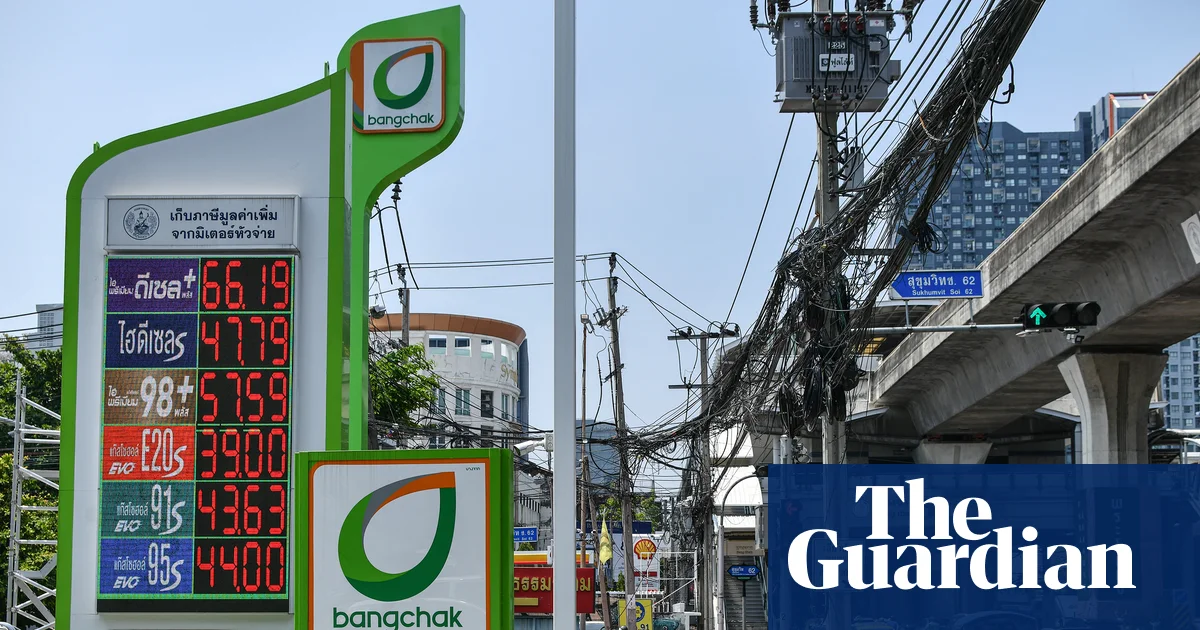
As tensions continue to escalate in the Middle East, nations across Asia are facing profound economic and geopolitical ripples that threaten their stability and sovereignty. Thailand, a strategic Southeast Asian nation often considered a regional economic hub, has recently declared a state of heightened alert, urging its citizens and private sectors to conserve energy amid fears of further disruptions in oil and gas supplies. Prime Minister Anutin Charnvirakul emphasized the nation’s vulnerability due to its heavy reliance on imported fossil fuels, highlighting the precarious position many countries find themselves in during ongoing international conflicts. His appeal for energy conservation — including work-from-home policies, carpooling, and increased dependency on public transportation — underscores an urgent recognition that past complacency regarding energy security can no longer be maintained.

This call for austerity is not isolated; across Asia, governments are adopting a concerted approach to mitigate immediate economic shocks by implementing measures like four-day workweeks, restrictions on overseas travel, and austerity protocols in government operations. The Philippines and Sri Lanka have introduced reduced working schedules for public-sector employees, reflecting a regional consensus that energy and economic stability are now intertwined in the broader geopolitical chessboard. Meanwhile, Vietnam has encouraged remote work as a tactical move to lower energy consumption. Such measures, while seemingly temporary, signal a strategic shift in how these nations perceive their long-term energy vulnerabilities amid upheavals that could reshape geopolitical alignments and economic dependencies.

The ripple effects extend into the economic fabric of Thailand itself. The country’s government announced plans to tighten control over crude palm oil exports and regulate bottled palm oil prices to safeguard domestic supplies amidst rising biodiesel demand. Concurrently, the soaring cost of diesel — now exceeding 50 baht per litre — is plunging sectors critical to national stability, including agriculture and transportation, into crisis. The immediate impact is felt acutely by farmers and tourism operators preparing for Songkran, the Thai New Year, where internal travel traditionally surges but may now dwindle due to inflated travel costs and airline disruptions. This economic strain, driven by international conflicts, exemplifies how volatile energy markets are inexorably linked to social stability and national sovereignty, especially for resource-importing nations caught in the crossfire of global geopolitics.

Analysts and international organizations are wary of the long-term consequences. The International Energy Agency warns that ongoing conflicts could induce a “prolonged energy crunch,” exacerbating inflation and social unrest in nations that rely heavily on imported fuel. Historians like Barbara Tuchman have documented how such resource-driven crises often accelerate political change, underscoring the importance of strategic foresight. For Indonesia, recent measures include a substantial surcharge hike on jet fuel and permission for airlines to raise domestic ticket prices by up to 13%, a move signaling that even oil-rich states are not immune to global supply shocks. Such policies deepen the economic fracture lines, further impacting the geopolitical landscape by fueling nationalism and economic protectionism—an ominous trend that could redefine alliances in the Indo-Pacific and beyond.

As these nations scramble to shield themselves from the dangerous ripple effects of Middle East conflicts, the broader geopolitical battle for energy dominance intensifies. From Beijing to Washington, global powers watch warily, aware that the decisions made today will write the chapters of future history. The Asian responses serve as a stark reminder that energy security is now a vital component of national sovereignty, intertwined with cultural and political stability. With each policy enacted and each resource conserved, nations are staking their claim in a high-stakes game where the consequences of inaction echo through generations. As the world stands at this precarious crossroads, the true magnitude of international upheaval remains unfolding, leaving history to judge whether these measures will herald resilience or further unravel the fragile fabric of global peace.
Middle East Tensions: Tehran Warns Trump on Hormuz, Israel’s Role in US Crew Rescue Unveiled

Turning Points Amidst Escalation in the Middle East

The Middle East is once again becoming the epicenter of international tension, with recent events signaling a dangerous escalation that holds profound geopolitical implications for nations worldwide. From Iran’s vengeful strikes to US and Israeli military actions, the entire landscape of regional security is shifting dramatically. The decisions and actions of global powers continue to ripple across societies and economies, making this an epochal moment in modern history.

Iran’s parliamentary speaker Mohammad Baqer Qalibaf sharply condemned Donald Trump’s threats targeting regional energy and transport infrastructure, asserting that the US is being misled by Benjamin Netanyahu. As tensions mount, Iran’s defense posture has become increasingly aggressive, warning of “much more devastating” retaliation if the US proceeds to attack civilian targets. These warnings underscore the delicate balance of power in the Gulf, where any miscalculation could escalate into broader conflict. International analysts argue that Iran’s recent missile attacks on petrochemical facilities across Kuwait, Bahrain, and the United Arab Emirates are a stark signal that their capacity for damage remains potent, complicating diplomatic efforts.

The United States, under the provocations of President Trump’s incendiary comments, has doubled down on threats to intervene directly in Iran’s waterway, especially the strategic Strait of Hormuz. Trump’s coarse language on social media, calling for the Strait to be opened or risking “living in Hell,” reveals a reckless posture that global leaders and institutions have condemned. The International Maritime Organization has warned of the potential for catastrophe if the Strait remains closed, endangering global oil supplies and economic stability. Meanwhile, Iran’s response has been escalatory, with drone and missile strikes extending to key Gulf nations and an Iranian vessel at Dubai’s Jebel Ali port targeted by revolutionary guards. Such actions threaten to disrupt global energy markets, with crude oil prices opening higher in response, signaling investor fears about an impending conflict that could destabilize global markets for years to come.

Regional Conflagration: Israel’s Military Operations and Political Ramifications

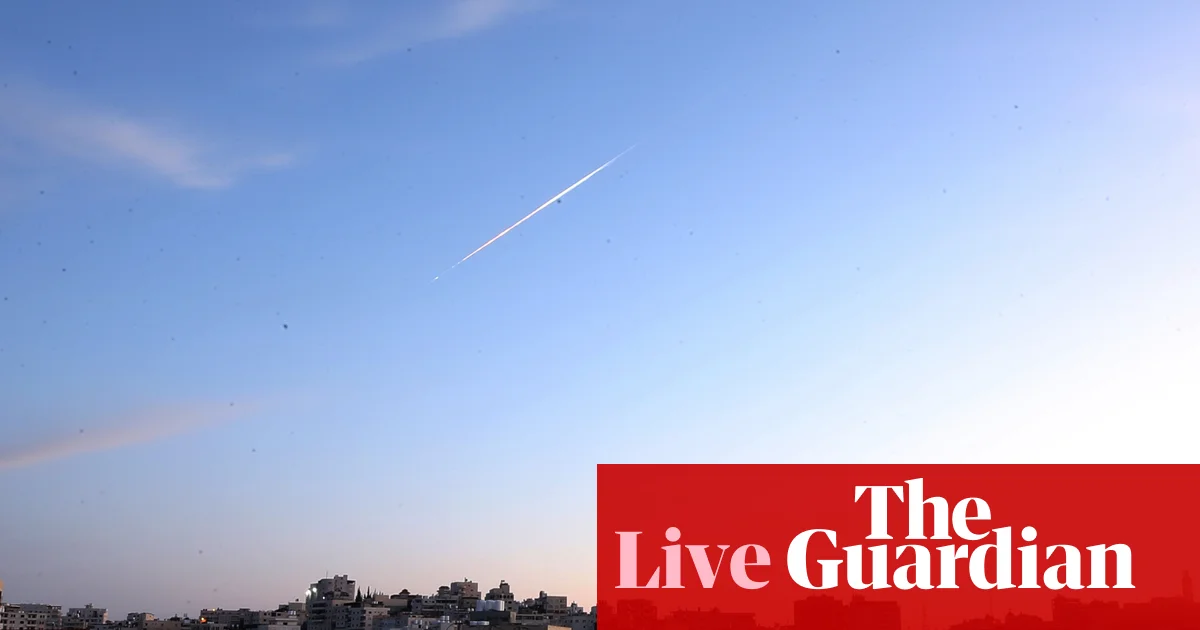
Israel’s military has reported intercepting missiles launched from Iran, with alerts prompting civilians across southern regions to seek shelter. The recent strike on a residential building in Haifa resulted in fatalities and injuries, a stark reminder that the confrontation is painfully personal for Israeli citizens. Israeli Prime Minister Benjamin Netanyahu has publicly boasted of his country’s cooperation in rescuing American personnel, highlighting the covert alliances that are shaping this crisis. Israeli forces have also carried out extensive strikes against “regime targets” in Tehran, aiming to weaken Iran’s military infrastructure. This tit-for-tat escalation risks unleashing unpredictable consequences, with specialists warning that a broader regional war may now be unavoidable.

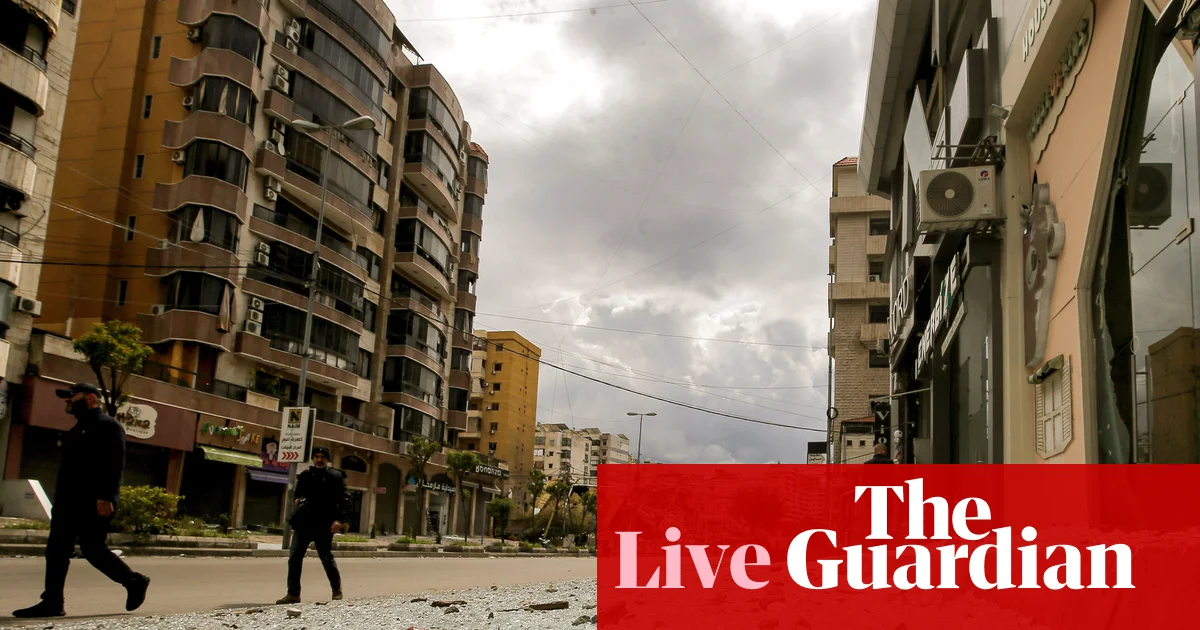
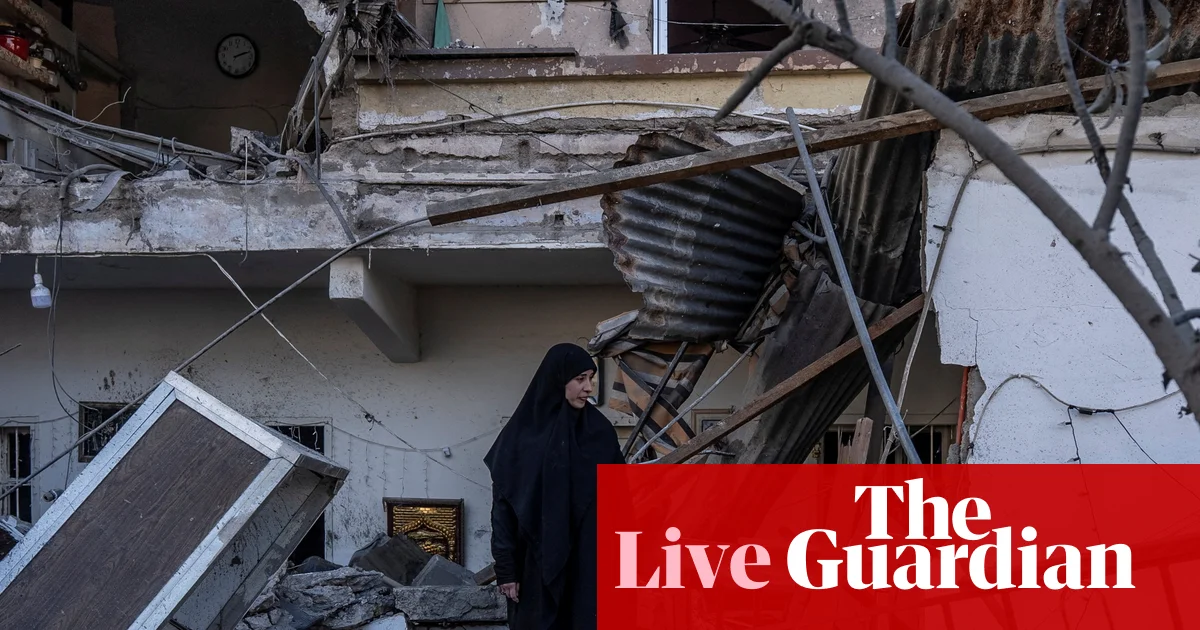
The involvement of Lebanon’s Hezbollah and Iran’s support for militant activities continue to deepen the crisis. Israeli strikes in southern Lebanon have killed at least 15 civilians, intensifying regional hostilities. Meanwhile, Iran’s threats of “devastating and widespread” offensive actions serve as a grim warning that the conflict could spiral into a full-scale regional war with devastating humanitarian consequences. As histories have demonstrated, such escalations threaten not only regional stability but also the global geopolitical order. The voices of cautious diplomacy seem drowned out amidst the smoke and chaos of war, leaving the world watching as history’s next chapter is written.

The Future Unfolding on the Tomb of Uncertainty

As international organizations and independent analysts weigh in, the question remains: will cooler heads prevail, or are we witnessing the first sparks of a new Middle Eastern epoch that could reshape the 21st century? The choices made in the coming days will determine whether this crisis will subside into open conflict or accelerate into a domino effect of violence that could threaten to engulf multiple nations. The echoes of history remind us: the ink of diplomacy must not be overshadowed by the flames of war, yet the current path seems increasingly lined with the smoke of destruction. In this unfolding saga, the world stands at a crossroads—where the weight of history reminds us that each decision holds the power to forge a new chapter or ignite irreversible chaos.

Middle East Tensions Flare: Iran Reports 5 Killed in US-Israeli Strikes During Rescue Mission

Unfolding Crisis in the Middle East: A Turning Point with Global Consequences

The recent escalation of violence in the Middle East has sent shockwaves through the global geopolitical landscape, revealing a region on the brink of a protracted and devastating conflict. Iran, under the leadership of its central military command, has decisively rejected Donald Trump’s demands for a swift deal within 48 hours, warning that such threats are futile and dangerous. Meanwhile, a war that ignited with US and Israeli strikes targeting Iranian military facilities has rapidly spread, with the region’s stable geopolitical balance disintegrating in a matter of weeks.

Reports indicate that early Sunday morning, Iran’s forces launched missiles and drones, striking targets in Kuwait and Israel—an unmistakable sign of a comprehensive regional conflict. The Israeli prime minister, Benjamin Netanyahu, confirmed that Israel responded with attacks on Iran’s petrochemical infrastructure, including a strike on the Mahshahr plant, where Iranian media reported casualties. The Iranian military has responded with retaliatory strikes, including missile and drone attacks on Kuwaiti water desalination plants and the UAE’s energy facilities. This ripple effect of hostilities has upended international trade routes, notably the strait of Hormuz, which Iranian forces tightly control. The disruption of this vital conduit for nearly twenty percent of global oil supplies has sent shockwaves through energy markets worldwide, prompting fears of a global energy crisis that could drag economies into chaos.

Expert analysts and historians, including former UN nuclear watchdog Mohamed El-Baradei, warn that the escalation risks transforming the Middle East into “a ball of fire.” El-Baradei’s recent appeals, alongside statements from international organizations, highlight the peril of quick, aggressive military responses that could ignite a regional war with unpredictable, potentially catastrophic consequences. As Iran insists on a permanent security guarantee and rejects Trump’s ultimatums, the potential for a wider conflagration intensifies, with neighboring Gulf countries caught in the crossfire. How nations and societies respond to these threats in the coming days will determine whether the region slips further into chaos or finds a fragile path toward de-escalation.

  • The US and Israeli militaries targeted multiple strategic sites in Iran’s capital, including Shahid Beheshti University, with reports of civilian casualties.
  • Hezbollah claimed to have targeted a nascent Israeli warship off the Lebanese coast, an assertion which remains unverified, yet underscores Iran’s proxy ambitions and regional proxy conflicts.
  • In the broader conflict, Lebanon’s death toll exceeds 1,400, with Israeli strikes killing dozens in recent days, a tragic toll that exemplifies the war’s devastating human cost.
  • Meanwhile, aid organizations report severe disruptions in their efforts to deliver food and medicine, citing the cutting off of vital shipping lanes and blockade of supply routes—an unfolding humanitarian crisis that compounds the violence.

As regional powers—Egypt, Turkey, Pakistan—push for diplomatic backchannels to rebuild stability, the global community remains watchful. The United Nations, as well as international leaders, warn that the escalation could spiral into an all-out war, threatening to engulf not just the Middle East but also to destabilize global markets and fuel geopolitical upheaval. Will diplomacy prevail, or will the region become an indelible scar on the map of the 21st century? The course is only beginning to be written, and history’s pen hangs heavy, awaiting the verdict of future generations—whether to be heralds of peace or witnesses to the abyss.

Middle East Tensions: Trump Predicts Quick End; Rubio Calls to Rethink NATO | US-Israel Confront Iran

International Stage Shifts as Middle East Crisis Deepens

The geopolitical landscape is experiencing a profound upheaval as a cascade of conflicts and strategic recalibrations ripple across the globe. French President Emmanuel Macron’s recent remarks in Japan highlight Europe’s desire for stability through “predictability,” standing in stark contrast to the erratic decisions of other major powers. Macron’s critique appears pointed at the United States, especially amid its ongoing military engagements and diplomatic positions surrounding Iran. Macron emphasized the importance of consistent policy directions, implicitly criticizing the United States’ stance which, in recent weeks, has been marked by unpredictable shifts and assertive military postures. Such remarks signal a growing divergence within Western alliances, raising questions about the future cohesion of NATO and transatlantic strategic unity, especially as Washington contemplates reevaluating its alliances in light of emerging threats.

The Middle East: A Theatre of Escalating Conflict

Across the Middle East, the situation remains perilous, with escalating hostilities between Iran and Israel threatening regional stability. Israeli defense systems identified and intercepted missile launches from Iran, with war warnings activating across central Israel. Meanwhile, Iran reported attacks within Tehran, underscoring the country’s vulnerability amidst a barrage of recent assaults. Saudi Arabia and Bahrain have intercepted and neutralized multiple drones originating from Iranian-backed groups, illustrating a pattern of proxy warfare that complicates the regional security landscape. The United Arab Emirates suffered a tragic incident when drone debris fell on a farm in Fujairah, killing a Bangladeshi national. Such incidents underscore the dangerous spillover of proxy conflicts and asymmetric warfare into the heart of the Gulf states, stirring anxiety among their populations and foreign investors alike. Furthermore, Iran’s retaliatory strikes and the United States’ deployment of additional military assets, including the USS George W. Bush strike group, exemplify a dangerous escalation that threatens to ignite a wider regional war. Analyses from international military strategists warn that these actions could spiral into a broader conflict entangling major powers, with catastrophic implications for global stability.

Strategic Repercussions and Evolving Alliances

The unfolding crisis has prompted serious discourse among international leaders about the redefinition of alliances and the future of global security arrangements. US Secretary of State Marco Rubio’s statement that NATO might need to re-examine its role after the Iran conflict signals a paradigm shift in North Atlantic security policy. The U.S. appears to be reevaluating its strategic commitments, especially given the strain of ongoing military operations and diplomatic setbacks. Correspondingly, reports indicate that the United Arab Emirates is considering aiding the US in efforts to reopen the Strait of Hormuz by force, a move that could set a precedent for regional intervention under the banner of international legitimacy. Such developments reflect a fragile nexus of alliances, with traditional partnerships strained by divergent priorities and emerging regional powers asserting their claims.

Meanwhile, the economic repercussions are becoming increasingly apparent. Asian markets surged on hopes that the Iran conflict might conclude swiftly, but the risk of prolonged warfare looms large. Domestically, countries like Australia are implementing measures to buffer their economies from the cascading effects of conflict—fuel price hikes, supply chain disruptions, and financial market volatility. The global economy, intertwined with geopolitical stability, teeters on a knife’s edge, with young voters around the world questioning whether their leaders will choose confrontation or diplomacy in this critical juncture of history.

As the geopolitical chessboard continues to shift, the weight of history presses heavily upon the present—every decision, every conflict, etches a new chapter into the annals of international relations. The question remains: will this spiral of violence lead to a new era of global cooperation or plunge us into the chaos of unchecked conflict? Only time will tell, but one certainty persists: the pages of history are turning, and humanity stands at a crossroads, watching the shadows of war lengthen across the horizon.

Middle East on Edge: Explosions in Tehran as Yemen’s Houthis Raise Iran War Stakes | US-Israel Weighs Confrontation

The tense geopolitical landscape in the Middle East has entered a critical phase, with fresh escalation of conflicts and increasing international concern over regional stability. As the war, now in its second month, shows no signs of abating, Yemen’s Iran-backed Houthis have sharply intensified their offensive, confirming a second wave of strikes against Israel. Their military spokesperson, Yahya Saree, publicly declared that the Houthis launched a “barrage of cruise missiles and drones” targeting key military sites, with plans to continue their operations until Israel ceases its “attacks and aggression.” This development profoundly shifts the regional calculus, magnifying the threat posed by militant actors allied with Iran seeking to expand the conflict beyond traditional borders.

Adding to the mounting crisis, reports from Iran indicate that two powerful explosions rocked northern Tehran early Sunday—an indication of the simmering tensions and potential covert hostilities. While the targets remain unclear, analysts suggest that these incidents hint at a broader strategic destabilization aimed at undermining the regime’s infrastructure amid ongoing tensions with the West and regional adversaries. The United States appears poised to escalate its involvement, with reports suggesting the Trump administration is preparing plans for ground operations within Iran — including possible raids on strategic sites such as Kharg Island and installations near the crucial Strait of Hormuz. U.S. marines have already been deployed to the region, signaling a readiness to intervene at the highest levels.

The convergence of these events underscores a dangerous turning point with profound geopolitical impact. The confrontation is now threatening global trade routes, especially through the Bab al-Mandab Strait, a vital chokepoint at the southern end of the Red Sea. The Houthis’ potential control over this narrow passage could exponentially worsen the global economic fallout by hindering the flow of oil and commerce, effectively reversing years of regional stability efforts. Meanwhile, Iran’s internal security situation appears increasingly fragile, with Iranian authorities’ threats to target U.S. universities in the Middle East, accusing them of operational complicity in recent strikes. Such actions threaten to escalate the conflict into a broader ideological and military conflict, with case law from historians warning of the devastating regional and global consequences that can unfold from unchecked escalation.

In parallel, diplomatic efforts seem to be caught in a web of distrust and strategic interests, exemplified by Pakistan’s hosting of Middle Eastern foreign ministers in an attempt to forge regional consensus. Yet, skepticism persists, as the talks exclude the warring parties directly involved in the conflict, leading analysts to question the effectiveness of these diplomatic avenues. Meanwhile, the horrific toll of the conflict extends beyond military confrontations: three journalists in Lebanon were killed in a targeted Israeli strike—a brutal reminder of the war’s devastating impact on civilians and media personnel. The World Health Organization’s chief, Tedros Ghebreyesus, has issued a stark appeal to end attacks on medical workers, emphasizing that the conflict’s human toll is becoming untenable.

As Iranian and Israeli military actions escalate, with Tehran subjected to a “wide-scale wave of strikes,” the region teeters on the brink of an unforeseen catastrophe. The unfolding series of military, diplomatic, and covert operations foreshadows a new chapter in a long history of Middle Eastern turmoil. The global community watches anxiously, yet history reminds us that these conflicts often spiral into chaos, with the weight of nations and societies hanging in fragile balance. In the shadow of these events, the world confronts the stark reality: the echoes of recent decisions and conflicts may well define a new epoch of uncertainty—where the line between peace and war becomes perilously thin, and the weight of history presses ever closer.

Next warns Middle East turmoil could add £15m to costs, driving prices higher

Global Turmoil in the Middle East Sends Ripples Through International Markets and Societies

As the conflict in the Middle East intensifies, international corporations and economies brace themselves for the profound geopolitical impact of ongoing hostilities. The latest figures from UK-based retailer Next reveal an expected £15 million increase in costs over the next three months, a direct consequence of the region’s instability. This increase, primarily attributed to surging fuel and air freight expenses, underscores how conflicts far from home can disrupt global supply chains and threaten economic stability. Analysts warn that if the conflict persists beyond the projected timeframe, inflationary pressures could deepen, affecting markets worldwide.

Despite these immediate challenges, Next remains optimistic about its financial performance, having already reported a 14.5% rise in pre-tax profits to £1.16 billion and an 11% increase in sales to £7 billion in the past fiscal year. This resilience, according to economic observers, is partly driven by robust overseas sales and strategic acquisitions, such as Cath Kidston. However, the company’s forward guidance openly acknowledges uncertain medium-term prospects due to the conflict’s potential to impair supply chain resilience, elevate freight costs, and dampen consumer demand in key markets, particularly in the Middle East where the company’s revenue accounts for approximately 6% of its group turnover. In this environment, corporate strategies now increasingly involve stockpiling and leveraging artificial intelligence to mitigate disruptions and optimize operations, reflecting a broader shift toward technological adaptation amid geopolitical chaos.

Meanwhile, global institutions and geopolitical analysts are warning that the conflict’s escalation could trigger a cascade of economic repercussions. The United Nations and World Bank have expressed concern over the destabilization of regional energy infrastructures, which could lead to sustained increases in oil and gas prices and intensify inflationary trends worldwide. Historically, similar conflicts have demonstrated how regional upheavals can morph into global crises, with supply chain bottlenecks and resource wars exacerbating inequalities and threatening social stability across continents. As tensions escalate and the conflict drags on, the world stands on the precipice of an unpredictable economic and geopolitical shift.

In reflection of this volatile landscape, some nations are reevaluating their strategic dependencies, emphasizing energy independence and technological sovereignty. For many, the recent surge in military conflicts points to a broader pattern of entrenching global conflicts that threaten international order. As history attests, the aftermath of such upheavals often leaves an indelible mark on societies, prompting major shifts in geopolitical alliances and economic paradigms. The unfolding pages of history continue to write a story of chaos and resilience, where the choices of leaders and nations today will determine the trajectory of global stability for generations to come. And as the global community watches with bated breath, one truth remains clear: the weight of history is still unfolding, and the future remains uncertain.

Middle East Tensions: Trump Claims Iran's Still Open to Deal, China Finds Slim Hope for Talks — US-Israel Push Back Against Iran
Middle East Tensions: Trump Claims Iran’s Still Open to Deal, China Finds Slim Hope for Talks — US-Israel Push Back Against Iran

China Sees ‘Glimmer of Hope’ Amid Rising Middle East Tensions

The international landscape is once again at a crossroads, as China’s foreign minister Wang Yi articulated a cautious optimism in recent diplomatic efforts to curb the ongoing Middle East conflict. Despite Tehran’s unwavering stance to continue fighting, Wang described the emergence of “a glimmer of hope” for peace, citing signals from both the United States and Iran of a willingness to re-engage in negotiations.

This diplomatic move comes amidst escalating violence and a series of strategic military operations that highlight a scenario where geopolitical fault lines are intensifying nuclear and regional tensions. Analysts from various international think tanks and United Nations officials have warned that such conflicts threaten to spiral into wider regional chaos, risking destabilization of entire alliances and prompting profound societal repercussions across involved nations.

Regional Actors and the Shadow of Distrust

Historically, Qatar has played the role of a key mediator, but recent developments signal a dramatic shift. Majed al-Ansari explicitly distanced Qatar from alleged US-led negotiations, sarcastically questioning their very existence. This move underscores prevalent distrust among Gulf states towards Washington, driven by previous failed peace initiatives and the complex toll of ongoing conflicts. Experts like Bilal Saab argue that “they’ve been burned by their previous experience,” suggesting that regional players are now skeptical of moves that appear to serve external agendas rather than genuine peace efforts.

Similarly, Turkey has engaged in “intense” diplomatic efforts, seeking to balance relations with both Washington and Tehran. Hakan Fidan’s calls reveal a concerted effort to prevent an unchecked escalation, with warnings from Wang Yi emphasizing that prolonged warfare could only usher in further casualties and regional spillovers. These diplomatic intricacies highlight how global powers manipulate regional dynamics, often at the expense of local stability.

Militarization and the Escalating Cost of War

On the battlefield, the situation is equally dire. The Israeli military reports a series of missile intercepts triggered by Iranian launches, raising fears of a widening conflict. Reports detail that Israeli defenses responded to missile attacks from Iran and Hezbollah, with sirens blaring across central Israel, Jerusalem, and even the occupied West Bank. Meanwhile, Hezbollah launched fresh missile strikes into Israel, confronting the narrative of a potential de-escalation and revealing the deep-rooted animosity and strategic hostility that remains entrenched in the region.

Adding to the tinderbox, Iran is reportedly reviewing the US’s 15-point peace plan, initially rejected, yet still under consideration amidst ongoing threats and military confrontations. United States forces have claimed to have targeted over 10,000 Iranian military assets, signaling that the conflict has turned into a show of unparalleled military might. Historians warn that such escalation risks creating a “fertile ground for further violence,” potentially igniting a broader regional war with devastating societal consequences.

International Community and the Shadow of Uncertainty

The global economic repercussions are already evident, with Asian stock markets falling and oil prices rising amidst fears of a wider conflict. Western intelligence reports suggest that Russia is supplying Iran with drones, food, and medical supplies, aiming to bolster its strategic ally amid this turbulent crisis. Meanwhile, the UN’s António Guterres warns against copying the “Gaza model” in Lebanon, calling for a cessation of hostilities and urging Iran to cease aggressive actions. Yet, many see such calls as echoing hope in a divided international community that remains plagued by skepticism over the sincerity of diplomatic calls for peace.

As history’s pages continue to turn, the unwavering resolve of nations in the Middle East and beyond signifies that the weight of their choices will determine whether peace can prevail or whether the cycle of destruction will persist. The world watches with bated breath, aware that these decisions—acute and irreversible—are shaping the course of future generations. Only time will reveal if diplomacy shall triumph or if history will record yet another chapter of unmitigated chaos.

Brace for disruption: Long Middle East conflict could change the way we fly

Once regarded as the epicenters of international aviation, the Gulf’s major hub airports—such as Dubai International Airport, Doha Hamad International, and Abu Dhabi’s Abu Dhabi International Airport—bred a new era of **cheap** and **efficient** long-distance travel. By leveraging regional geopolitical stability and substantial investments in infrastructure, these airports transformed themselves into global transit points, fundamentally reshaping how people across continents connect. The “Golden Triangle” of the Gulf facilitated not only the movement of millions but also catalyzed economic growth and boosted tourism, positioning the region as a crucial nexus in the world’s interconnected network of global commerce.

However, the **future** of these aviation hubs is now increasingly uncertain, as recent geopolitical realignments and global economic pressures threaten to disrupt this carefully balanced ecosystem. Analysts suggest that a combination of rising regional tensions, supply chain disruptions, and shifting alliances have begun to erode the competitive advantages that once made the Gulf the go-to transit zone. The International Air Transport Association (IATA) and other global institutions warn that increased **regulatory restrictions** and **security concerns** could diminish traffic flows, causing a ripple effect on airlines and related industries. This evolving landscape has left international stakeholders pondering whether the Gulf hub airports can maintain their former prominence or if they face an inevitable decline.

The **geopolitical impact** of this shift is profound. Decisions made within regional capitals and international negotiations are directly influencing global mobility. For instance, regional conflicts and diplomatic disputes—such as the ongoing blockade of Qatar and tensions surrounding the Iran nuclear deal—have cast long shadows over the stability that once underpinned Gulf air traffic. Moreover, major powers, including the United States and China, are pursuing more direct routes and alternative hubs in response to these volatilities. The **economic implications** are equally significant, with extended delays and restrictions threatening billions of dollars of revenue and risking job losses in aviation, logistics, and hospitality sectors. As prominent historian Dr. Samuel Harris notes, “Aviation hubs are not just economic engines—they’re symbols of regional stability and geopolitical influence.”

Looking ahead, the strategic calculus for Gulf nations involves balancing **investment in local industries** against the mounting geopolitical storms that threaten their aviation futures. The shifting international landscape underscores that these hubs—once unequivocally ideal for **cost-effective travel and commerce**—may soon need to adapt or face obsolescence. As global society witnesses these unfolding shifts, the question remains: **Can the Gulf adapt swiftly enough to reinvent itself, or will it become a relic of a bygone era of unchecked regional dominance?** The answer rests amidst the chaos and resolve that define current international diplomacy—a story still being written, with history watching with bated breath.

Middle East Tensions: Iran Attacks US Bases Amid Oil Drop and Trump Peace Plan Revealed

Global Tensions Surge as Iran Dismisses US Ceasefire Attempts Amid Middle East Escalation

In a dramatic display of defiance, Iranian military spokesperson Lt. Col. Ebrahim Zolfaghari dismissed recent American efforts to broker peace in the ongoing Middle East crisis. During a prerecorded address aired on state television, Zolfaghari derided the US’s ceasefire negotiations as emblematic of American strategic failure, asserting that Washington is only negotiating with itself. His pointed declaration—“The one claiming to be a global superpower would have already gotten out of this mess if it could”—underscores Iran’s rejection of Washington’s recent diplomatic overtures, which included a 15-point ceasefire plan sent through Pakistan. Analysts note this exchange marks a pivotal moment: Washington’s diplomatic attempts seem to have little traction amid Tehran’s outright rejection, exacerbating an already volatile region.

This escalating rhetoric comes at a time when oil markets are reacting sharply. Following President Donald Trump’s claims that negotiations with Iran are progressing and that Tehran has committed to never acquire nuclear weapons, global markets exhibited sudden volatility. Early Wednesday, Brent crude oil plummeted nearly 6%, with trading at $98.30 per barrel, while the West Texas Intermediate fell 5% to $87.72. Asian markets responded with optimism; Tokyo’s Nikkei 225 rose 2.8%, KOSPI gained 3.1%, and other regional indices followed suit. This market bounce, however, belies the underlying tension—analysts from the International Crisis Group warn that these optimistic surges could be short-lived if diplomatic efforts continue to falter.

Amid the diplomatic deadlock, the military actions on both sides escalated dramatically. Iran’s Revolutionary Guards launched missile strikes targeting locations in Israel—including Tel Aviv and Kiryat Shmona—as well as US bases in Kuwait, Jordan, and Bahrain. Iranian state media reported these attacks, which came shortly after Iran’s authorities claimed responsibility for firing a projectile at the Bushehr nuclear power plant, an incident managed without damage but indicative of a widening conflict. In Lebanon, Israeli strikes continued to inflict significant humanitarian toll—killing over a thousand civilians and displacing more than a million—while Iran’s alliances in the region, notably Hezbollah, remain poised to expand hostilities further. The U.N. reports that Iran’s military campaign has resulted in the deaths of approximately 1,500 Iranians, adding more fuel to the regional inferno.

On another front, American troop deployment remains on high alert. President Trump reportedly approved the movement of over 1,000 soldiers from the elite 82nd Airborne Division into the Middle East to bolster US presence, undermining earlier claims of a peace process. Meanwhile, Iran’s response to this increased military presence has been hostile, with fears that Iran might resort to mining the Gulf or seizing more strategic assets, threatening global energy supplies. As the war’s stakes extend beyond borders, international organizations such as the WTO issue warnings about the impending global food crisis. The agency’s deputy director general, Jean-Marie Paugam, has highlighted that the closure of the Strait of Hormuz by Iran—a critical route for nearly a third of the world’s fertiliser supplies—has already begun affecting food security, particularly in West and North Africa. Paugam warns of a subsequent reduction in harvests and rising food prices, prognosticating a devastating impact on world agriculture in the coming years.

This turbulent convergence of geopolitics, military confrontation, and economic upheaval underscores a profound chapter in the unfolding history of the 21st century. As historians and analysts observe, decisions made today will resonate across generations, shaping the geopolitical landscape with consequential weight. The region’s fragile stability hangs in the balance; with each side entrenched in their resolve and outside powers inching closer to escalation, the world watches as the pages of history continue to turn—an epoch defined by conflict, diplomacy, and the unpredictable march of fate. The next move remains uncertain, but its consequences are bound to echo through the annals of history, reminding future generations that in the theater of nations, every act carries the weight of eternity.

US to Deploy Airborne Troops to Middle East as Trump Claims Iran Talks Underway

Global Hotspot: Middle East on the Edge of Chaos

The United States is now preparing to deploy airborne combat troops, potentially sending 3,000 soldiers from the elite 82nd Airborne Division to the volatile Middle East. This escalation, announced amidst intensifying strikes across the region, underscores the growing likelihood of a broader conflict. The Trump administration signals readiness to confront Iran directly, with the possibility of blockades or military operations targeting Iran’s key oil exports—particularly the strategic Strait of Hormuz and Kharg Island. Meanwhile, diplomatic efforts seem tentative at best, with the White House mentioning the “possibility” of negotiations, but Iran’s government and its allies dismissing such overtures as insincere. Analysts warn that these developments could usher in an epoch of unprecedented instability, threatening global energy supplies and regional security alike.

Examining the Geopolitical Impact and Regional Dynamics

The Iranian regime has been fiercely resistant to US overtures, citing broken previous agreements and deep mistrust rooted in past encounters—most notably the assassination of Iran’s top commanders and the destruction of nuclear facilities. Iran’s UN ambassador attributed over 1,300 civilian deaths to current hostilities, further inflaming tensions. Meanwhile, neighboring powers – Pakistan, Oman, and Egypt – have taken on a crucial role as intermediaries, attempting to de-escalate through back-channel diplomacy amid divisions within Iran’s own political elite. The involvement of Russian, Turkish, and Gulf state factions heightens the complexity, transforming local conflicts into a geopolitical chessboard where each move could ripple worldwide, affecting energy markets, security alignments, and regional stability.

Historical assessments, including those by prominent scholars and international organizations, emphasize the peril of unchecked escalation. The International Crisis Group warns that prolonged regional war could spiral into a broader confrontation, drawing global powers into a dangerous proxy war scenario. The recent strikes on Iran’s infrastructure, coupled with Israeli offensive measures in Lebanon targeting Hezbollah, reveal how perilously close the region is to full-scale conflagration. Each targeted attack risks igniting a wider conflict, with the U.S., Israel, and Iran battling not just for territorial control but for the very future of regional sovereignty and influence.

The Global Economic Toll and the Weight of History

Markets reacted sharply to the rising tensions, with oil prices soaring past $104 per barrel—an increase of more than 40% since the conflict began. Such volatility threatens to trigger economic tremors worldwide, especially for nations heavily dependent on Middle Eastern energy supplies. Experts warn of long-term disruptions even if hostilities cease swiftly: ruptured pipelines, damaged desalination plants, and shattered infrastructure threaten the stability of entire economies. This high-stakes confrontation’s shadow looms large over the international community, as global institutions scramble to contain chaos before it is too late. The warning flags of history flutter faintly in the background, reminding all that once regional conflicts ignite, their flames can quickly engulf the world.

In the midst of this unfolding storm, the echo of history’s most pivotal moments—such as the 1973 oil crisis or the Gulf War—resound with renewed urgency. The fate of the Middle East and its implications for global order remain uncertain, yet unresolved. The decisions made in these critical days will reverberate across generations, shaping the contours of diplomacy and conflict for years to come. As the world watches, one truth remains evident: the unfolding story in the heart of the Arab world is a testament to the peril and promise of human history—an ongoing saga of power, resistance, and the relentless quest for stability amidst chaos.

Social Media Auto Publish Powered By : XYZScripts.com