In an era defined by shifting alliances and relentless strategic chess, the United States has escalated its stance against Iran with a sweeping naval blockade aimed at crippling the regime’s economic capacity. Ostensibly designed to pressure Iran back to the negotiating table by severing its oil revenues, this move has sent shockwaves through the global energy markets. Despite Iran’s resilience—exporting nearly 1.84 million barrels of oil daily—its ability to access vital shipping channels, especially via the Strait of Hormuz, has been severely constrained since early March. The blockade’s effect is profound: experts warn it could remove up to two million barrels of oil from the market each day, further tightening an already strained supply and destabilizing energy prices worldwide.
Amid the tumult, US military efforts to establish secure passage for non-Iranian vessels have been met with skepticism. The Pentagon claims that more than 20 ships have transited the Strait of Hormuz since the blockade’s inception; however, maritime analysts, including data firms like Kpler, report that actual traffic remains significantly below typical levels—just six vessels on the first day. Maritime historian Salvatore Mercogliano emphasizes the high commonality of operational risks in the region: “The operating environment remains high risk, limiting any meaningful recovery in flows.” The palpable uncertainty among shipowners underscores America’s strategic gamble: maintain maritime dominance while risking a broader economic backlash. Critics contend this brinkmanship could backfire, catalyzing a global recession if tensions escalate further.
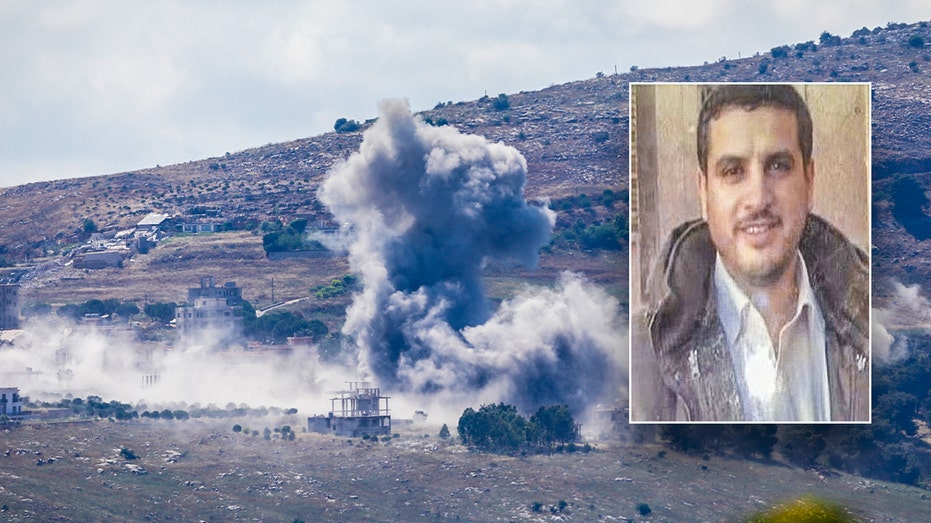
The geopolitical ripple effects are unmistakable. President Biden, along with allies such as Britain and France, have convened in a series of diplomatic efforts aimed at safeguarding international shipping. Notably, the upcoming summit in Paris seeks to craft a mprehensive, multinational plan to reopen the Strait of Hormuz—a vital artery for global commerce. Meanwhile, in the Middle East, Lebanon and Israel continue fragile negotiations under the shadow of renewed conflict; Hezbollah launched rocket salvos at northern Israeli towns just hours after these talks commenced, highlighting the persistent volatility. Former analyst comments suggest these developments are not isolated but interconnected, embodying a broader regional struggle where proxy conflicts threaten to ignite a wider war—one with the potential to reshape alliances and influence the balance of power for decades to come.
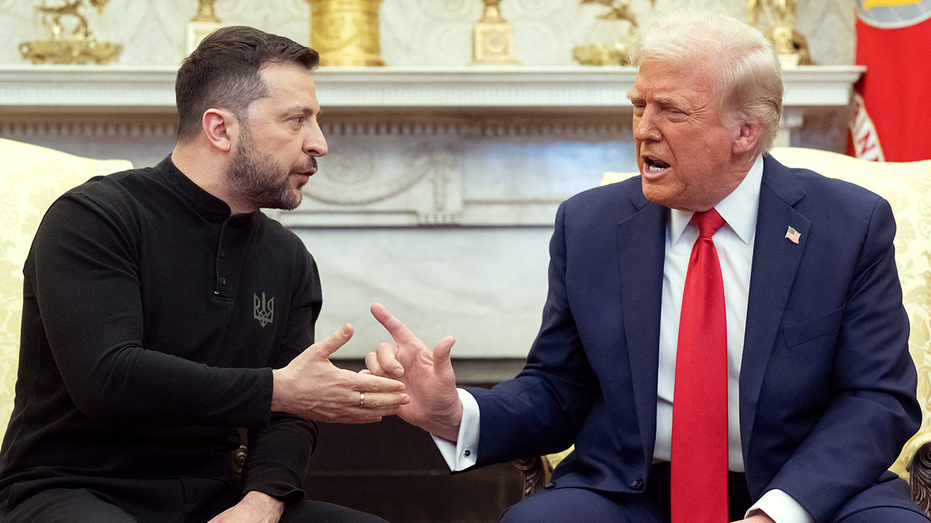
Adding tangled layers to this geopolitical crisis, Pakistan‘s prime minister Shehbaz Sharif is engaging in diplomatic shuttle diplomacy, traveling to Saudi Arabia, Qatar, and Turkey this week to forge regional pacts and facilitate a possible resumption of Iran-US negotiations. The unfolding diplomatic dance hints at the persistent hope among regional leaders that dialogue, not conflict, will ultimately prevail. However, Trump’s recent comments—implying that a deal with Iran could be imminent and criticizing allies like Italy for perceived inaction—further complicate the landscape. As historians like Michael Eisenstadt warn, these transient flashes of diplomacy are often overshadowed by entrenched mistrust and strategic interests that resist easy resolution.
In the weight of history’s unfolding chapter, the world watches as these high-stakes maneuvers threaten to spiral into a global conflagration or, conversely, forge paths toward fragile peace. The outcomes hinge on decisions made in smoke-filled diplomatic rooms and across tumultuous seas. As the tug-of-war over the Strait of Hormuz intensifies, the international community stands at a crossroads, caught between the forces vying for dominance. In the shadows of these battles, the true aim remains elusive: can diplomacy overtake power, or will this era be remembered as the dawn of a new, darker chapter of global conflict?